
Supply Continuity Planning for Industrial Repair Materials
ZDSChem helps distributors, importers, MRO suppliers, and procurement teams coordinate inventory targets, safety stock, purchasing frequency, product mix, and replenishment communication. The service provides a structured basis for initial stocking and repeat purchasing without treating unverified lead times, quantities, or delivery dates as commitments. Final terms are confirmed after product, market, demand, and commercial details are available.
Planning Scope
What This Service Helps You Plan
Build a practical plan showing what to stock, how purchasing may be scheduled, when replenishment should be discussed, and how changes will be communicated for regional distribution, import, MRO supply, or plant procurement.
Inventory Targets
Establish a practical starting point based on product role, demand pattern, and destination market.
Purchase Frequency
Compare routine, project-based, shutdown, and emergency purchasing requirements.
Safety Stock
Consider demand variation, service urgency, storage limits, and import conditions.
Replenishment Rhythm
Define review points, reorder signals, and the information required for a new order discussion.
Product Mix
Connect the proposed assortment to equipment, substrates, damage types, and service conditions.
Supply Communication
Set responsibilities for forecasts, order confirmation, document changes, and exception handling.
Product Catalog
Request the ZDSChem catalog to review available industrial repair material categories.
Inventory Planning
Build Inventory Targets Around Demand and Risk
Separate routine demand from project, shutdown, and emergency demand. Start with order history, a project pipeline, or a reasonable estimate, then consider product role, market, storage constraints, import cycle, and service urgency.
Demand Baseline
Review order history, project pipeline, or demand estimates to establish an initial consumption assumption.
Product Role
Classify items as core, project-specific, emergency, or supporting products to set assortment priorities.
Safety-Stock Logic
Assess demand variation, downtime risk, storage, and import conditions before discussing stock levels.
Replenishment Trigger
Identify the stock position or review point that should prompt a new order discussion.
Communication Roles
Name who provides forecasts, confirms orders, and reports changes or exceptions.
Replenishment
Set Purchasing Frequency and Replenishment Rhythm
Purchasing frequency should reflect demand visibility and interruption risk. Monthly, quarterly, project-based, or event-driven rhythms may be discussed, but market, volume, storage, import, and current commercial information are required.
01
Review Demand Signals
Separate recurring orders from project work, planned shutdowns, and urgent repair requirements.
02
Group Purchasing Roles
Apply different review rhythms to core line items and specialist materials with less predictable demand.
03
Define Reorder Points
Agree which stock position or forecast condition should trigger a new supply discussion.
04
Set Communication Cycles
Establish how forecasts, order changes, documentation updates, and exceptions will be shared.
05
Confirm Commercial Terms
Check current pricing, quantities, production planning, destination requirements, and delivery assumptions.
Assortment Planning
Match Product Mix to Equipment and Service Conditions
Use seven primary ZDSChem product series as the starting taxonomy, then narrow the assortment by substrate, damage mechanism, temperature, wet exposure, chemical contact, abrasion, UV exposure, and elastomer requirements.

ZDS-MetalRebuild
Materials for metal rebuilding, cold repair, dimensional restoration, leak sealing, and structural bonding.

ZDS-CompositeWrap
Composite pipe reinforcement, FRP repair, and structural laminating systems for pipe repair requirements.
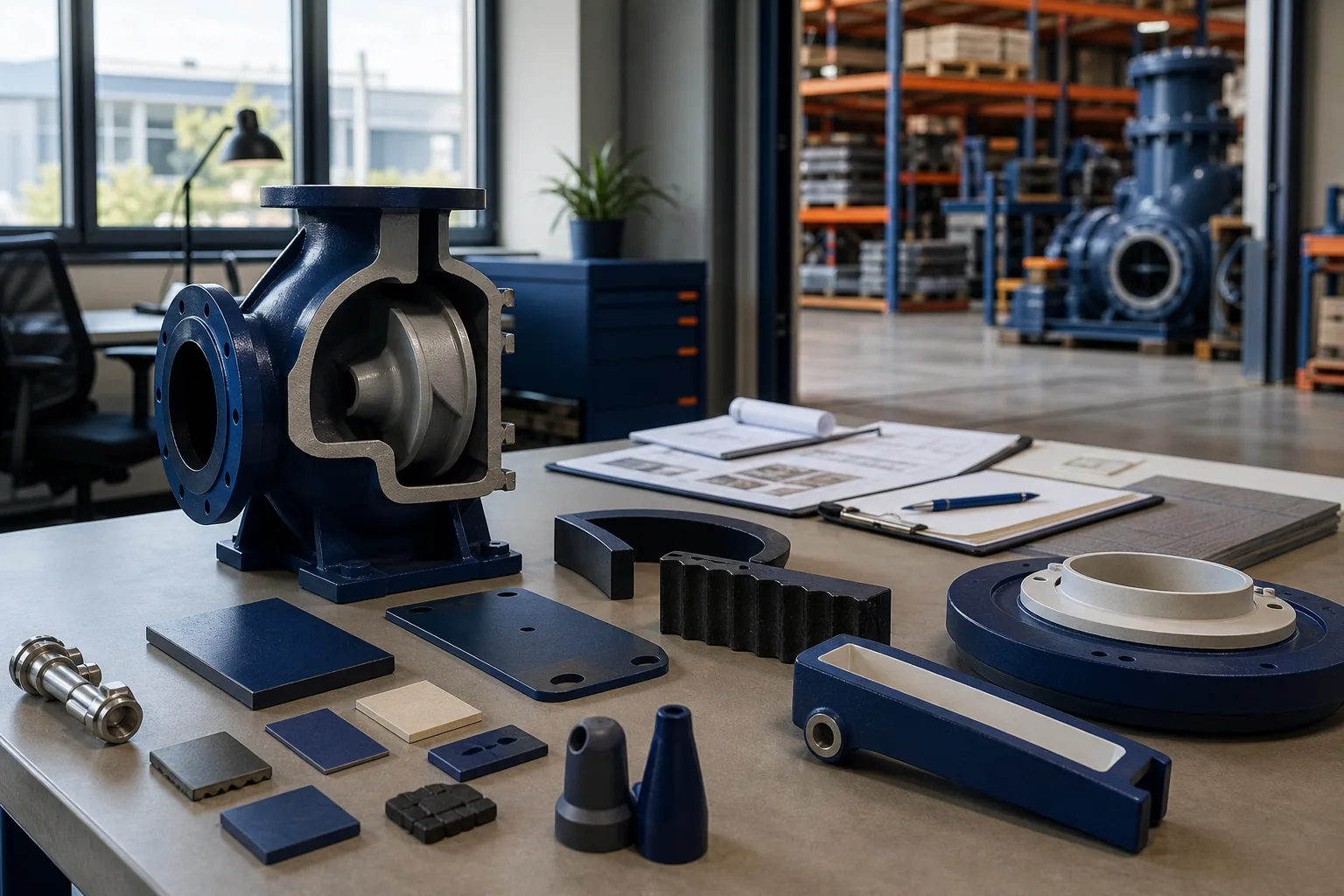
ZDS-CeramicArmor
Ceramic-filled materials for wear, erosion, cavitation, and heavy-duty equipment protection.

ZDS-AquaShield
Underwater-curing, wet-surface, marine, and emergency repair materials for difficult-access conditions.

ZDS-FluidGlide
Repair, lining, sealing, and coating systems for high-temperature, chemical, tank, flue, and fluid equipment needs.

ZDS-PolyAspartic
UV-resistant, weather-stable protective topcoat systems for external equipment and exposed surfaces.
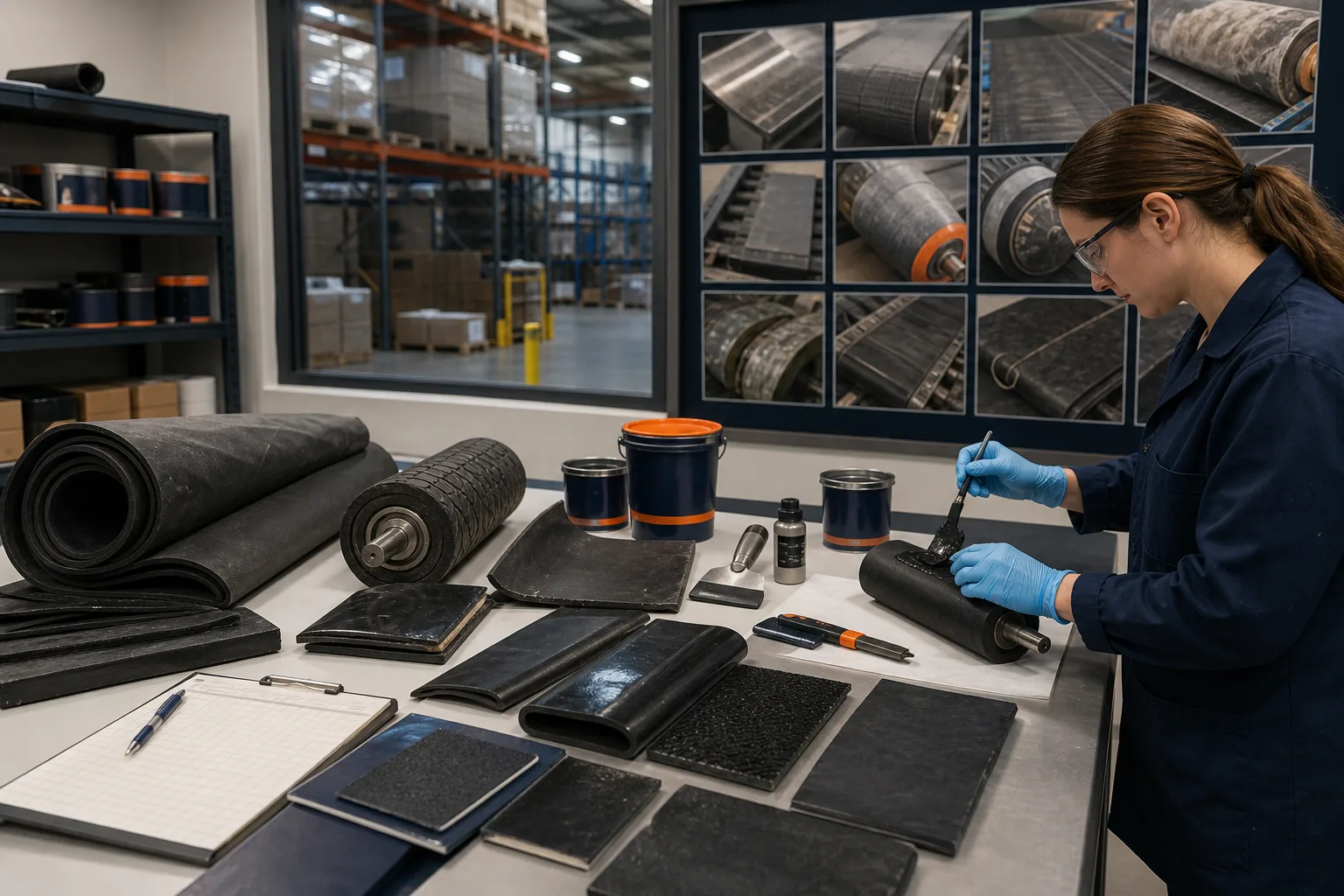
ZDS-RubberElast
Repair materials for conveyor belts, rubber linings, rollers, cables, tires, and other elastomer components.
Supply Communication
Organize Communication Before Repeat Orders
Define which information can change the plan. Packaging and documentation preferences are planning inputs, not automatic commitments. Document availability, revision status, and market-specific requirements must be checked during the supply review.
Forecast Updates
Share changes in expected demand that may affect purchasing or replenishment assumptions.
Product Mix Changes
Report new product requirements or changes to the approved assortment.
Order Changes
Coordinate order confirmation, quantity revisions, and consolidation requests.
Market Presentation
Discuss pack formats, labels, cartons, instructions, and target-market presentation requirements.
Document Revisions
Identify technical-document changes and requests for updated product information.
Supply Exceptions
Handle urgent repairs, shutdowns, and project requirements through separate discussions.
Planning Process
How a Continuity Plan Is Prepared
Move from a broad product list to a limited set of agreed planning assumptions. When product selection is incomplete, organize the technical information first. Qualification information can later support sampling, quotation, or bulk purchasing discussions.
Share the Baseline
Identify the buyer role, destination market, sales route, demand pattern, and expected purchasing model.
Map the Assortment
List product series, equipment applications, substrates, damage types, and service conditions.
Separate Stock Roles
Distinguish core inventory, project stock, emergency requirements, and preparation materials.
Review Replenishment
Discuss purchase frequency, safety-stock assumptions, reorder signals, and forecast updates.
Confirm the Next Step
Determine whether sampling, quotation, initial stocking, or repeat-order planning should follow.
Review Inputs
Information to Prepare for a Supply Review
Provide the available baseline even when some fields remain estimates. The information can support a planning outline, but it does not replace confirmation of technical suitability, commercial terms, or production availability.
Buyer and Market
Provide the organization, buyer role, destination market, and intended sales or maintenance channel.
Proposed Products
List proposed products, product series, or application categories.
Demand Information
Share order history, forecasts, project pipelines, or an expected demand range.
Inventory Preferences
State target inventory, preferred purchasing frequency, and emergency or shutdown requirements.
Logistics Conditions
Describe storage, import routes, consolidation needs, and destination documentation.
Presentation Needs
Identify pack, label, carton, instruction, or target-market presentation requirements.
Technical Conditions
Provide equipment, substrate, damage, and service conditions when the product list is not final.
Quality Context
Manufacturing and Quality Context
ZDSChem applies ZDS manufacturing, product-development, and technical-support experience to industrial repair material selection and B2B supply planning. Company-level resources provide context but do not confirm individual product suitability.
Planning Limits
What the Plan Does Not Confirm
Supply Continuity Planning does not guarantee lead time, minimum order quantity, price, production allocation, delivery date, shelf life, or warranty period. Safety-stock levels remain assumptions until tested against actual demand and purchasing conditions.
Current product, demand, destination
commercial, and production information is required before supply terms can be confirmed.
The plan does not replace technical
product selection or confirmation of technical suitability.
Substrate, damage, preparation
temperature, fluid exposure, load, immersion, UV exposure, and access can change the repair route.
Custom formulation, packaging, labeling
localized documentation, and product-line requests require technical and commercial feasibility review.
Documentation localization and
product-line development should be handled as separate requirements when needed.
Next Step
Prepare a Repeat-Supply Discussion
Send the proposed product mix, available demand information, destination market, target inventory, and preferred purchasing rhythm. ZDSChem can use that baseline to discuss replenishment logic, documentation needs, and current supply terms.
FAQ
Frequently Asked Questions
It is a structured review of inventory targets, safety stock, purchasing frequency, product mix, replenishment triggers, and communication responsibilities for repeat purchasing. It helps buyers prepare a practical supply discussion for routine, project, shutdown, or emergency demand.
There is no universal safety-stock level. The planning basis can include demand history, forecast variation, product role, service urgency, storage limits, import conditions, and the consequences of a stock interruption. Any proposed level should be checked against current purchasing and commercial information.
Useful information includes the destination market, buyer role, proposed products, order history or demand estimate, preferred purchase frequency, target inventory, storage and import conditions, packaging or documentation needs, and any equipment or service-condition details that affect product selection.
Several product series can be included in one assortment discussion. Each product still requires separate consideration of its application, technical documentation, demand pattern, packaging, commercial terms, and supply feasibility before repeat purchasing is confirmed.
No. The planning service does not guarantee lead times, minimum order quantities, production allocation, prices, or delivery dates. These details must be confirmed using current product, production, destination, and commercial information.