
Documentation Localization for Industrial Repair Materials
Adapt approved product information for a target language and market. ZDSChem assesses labels, technical and safety data sheets, instructions, and market files for distributors, importers, MRO suppliers, contractors, and procurement teams.

Service Scope
What Documentation Localization Covers
Localization combines language adaptation with terminology, document control, and market-context review. Product names, application terms, warnings, units, and instructions must remain consistent with approved source content.
Language scope
Identify target languages, countries, regions, and language variants before finalizing the document list.
Terminology control
Keep product names, series names, application terms, warnings, and technical expressions consistent across files.
Document control
Confirm the source version, review owner, revision status, and update path for each file.
Market use
Define whether the content supports product evaluation, distribution, field application, procurement, or market communication.
Market Definition
Target Languages and Market Requirements
Begin with the destination market, not the language alone. Record the country or region, language variant, intended users, sales channel, and document use. Language availability and market-specific adaptation are confirmed after review.
Importers may require labels and safety
documents.
Distributors may also require technical
data, product instructions, and market-facing files.
A language variant does not provide
automatic approval for legal or regulatory use.
Supply known local requirements so
language work can be distinguished from specialist compliance review.
Document Types
Documents in Scope
The document list is assessed against the approved source files, intended market use, required output formats, and the level of technical, artwork, or regulatory review involved.
Labels and Pack Information
Localize approved identification, directions, warnings, storage statements, and pack information; define artwork work separately.
Technical Data Sheets
Preserve approved product identity, intended use, preparation guidance, application conditions, and existing technical content.
Safety Data Sheets
Control hazard communication carefully; translation or formatting alone does not establish compliance or regulatory acceptance.
Instructions and Guidance
Align approved preparation, surface, application, and handling guidance with consistent terminology across related files.
Market Files
Adapt catalogs, distributor sheets, comparisons, and related files without adding new performance or compliance claims.
Review Process
How the Localization Review Works
The final route depends on the language, market, file condition, document type, and required technical or regulatory review. Technical and commercial feasibility must be confirmed before development begins.
01
Define the Market
Record the target country or region, language requirements, intended reader, and planned document use.
02
Collect Source Files
Provide the latest approved labels, TDS/SDS, instructions, market files, and revision information.
03
Map Terminology
Identify product names, preferred terms, units, warnings, repeated statements, and content that must remain unchanged.
04
Assess Production
Confirm file formats, layout expectations, artwork needs, review responsibilities, and required outputs.
05
Confirm Release
Define reviewers and the process for future product, formula, label, or document revisions.
Defined Boundaries
Scope and Limitations
Documentation localization supports communication and document preparation. It does not replace product qualification, application assessment, or market-specific legal review.
Source Data Required
Missing technical data must not be created during translation; responsible localization requires complete source information.
Approved Values Control
Technical values, limits, hazards, storage information, and instructions must match approved documentation.
Local Review May Apply
SDS and label rules vary by jurisdiction and may require confirmation by a local responsible party or specialist.
Production Scope
Identify artwork adaptation, file conversion, desktop publishing, and revision cycles in the brief.
No Product Changes
Localization does not change formulas, performance claims, cure conditions, or suitability; technical changes require separate review.
Intended Buyers
Who Uses Documentation Localization?
Localized files support evaluation and communication only when they remain connected to the exact product, source version, intended users, and relevant service conditions.
Distributors and Importers
Support listings, distributor communication, purchasing discussions, and market-entry preparation with a consistent document set.
MRO Suppliers
Provide clear technical and safety information for comparison, internal purchasing, and customer handover.
Technical Buying Teams
Help contractors, maintenance teams, and procurement buyers assess repair routes using current source information.
Product Context
Keep Localized Content Aligned with Product Selection
Localization should follow the exact product identity, application context, and source version. ZDSChem organizes its industrial repair portfolio into seven primary product series serving distinct repair and protection needs.

ZDS-MetalRebuild
Metal rebuilding, cold repair, dimensional restoration, leak sealing, and structural bonding.

ZDS-CompositeWrap
Composite pipe reinforcement, FRP repair, and structural laminating systems.

ZDS-CeramicArmor
Ceramic-filled materials for wear, erosion, cavitation, and heavy-duty equipment protection.
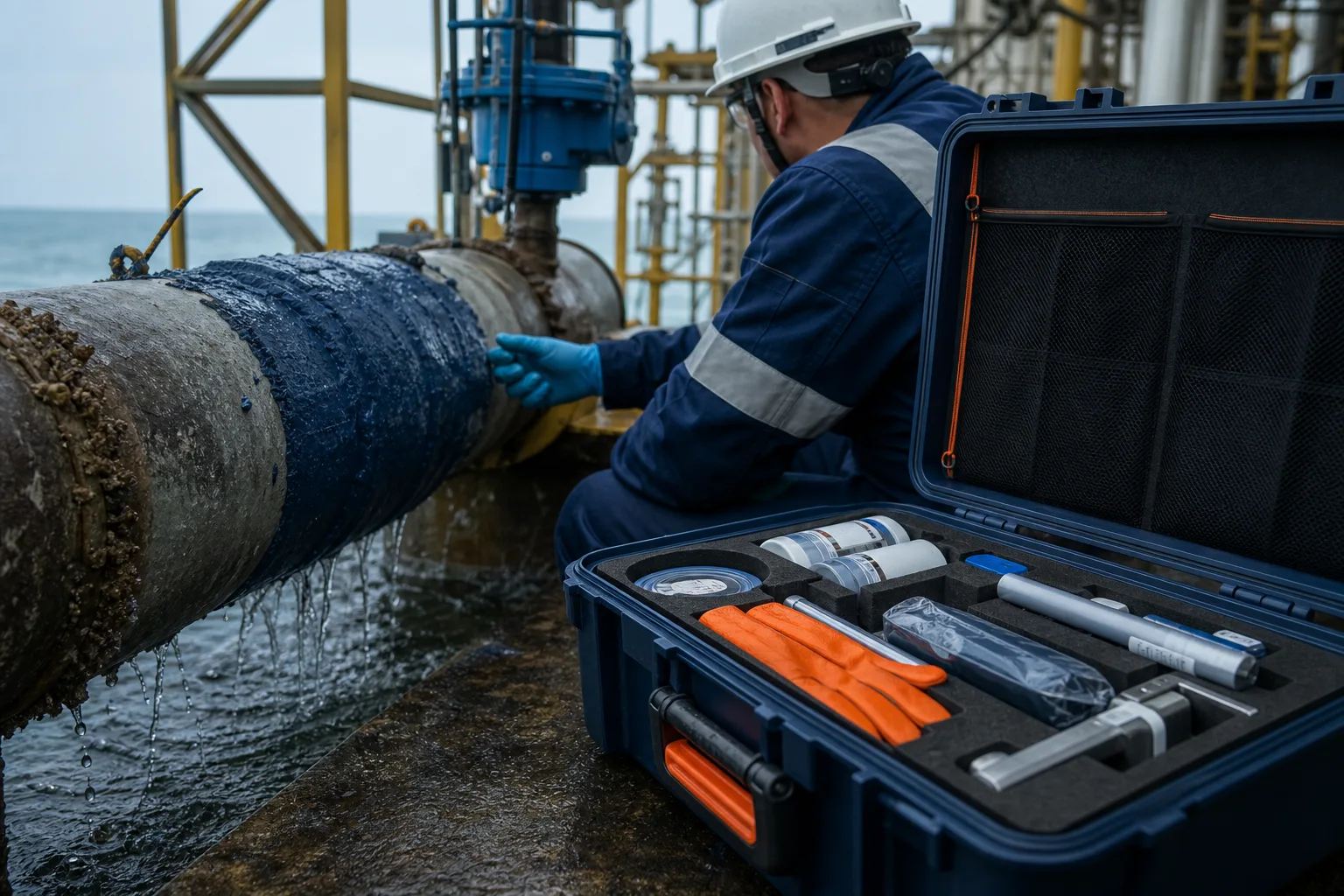
ZDS-AquaShield
Underwater-curing, wet-surface, marine, and emergency repair materials.

ZDS-FluidGlide
High-temperature repair, chemical-resistant lining, sealing, and fluid-equipment coating systems.

ZDS-PolyAspartic
UV-resistant, weather-stable, and outdoor protective topcoat systems.

ZDS-RubberElast
Repair materials for conveyor belts, rubber linings, rollers, cables, tires, and elastomer components.
Planning Route
Organize Documents by Service Condition
When files are organized around operating exposure rather than equipment, service-condition categories provide a practical planning route. The brief must still name the exact product and source version, not only a broad category.
Technical Review
Source Review Supported by Chemical Experience
ZDS was established in 1998 and has experience in chemical manufacturing, formulation, product development, and technical support. Its dedicated R&D team includes 30 professionals supporting development and application review.
Technical experts with more than 30 years
of experience contribute to formulation and application support.
ZDS maintains quality-management systems
certified to ISO 9001 and IATF 16949.
These management-system certifications do
not certify a translated file or guarantee compliance in a target market.
Current certification documents and scope
should be checked when required for supplier qualification.

Scope Evaluation
Prepare the Documentation Scope
Send the target market, language requirements, document list, and current source files. The technical and commercial team can then assess feasibility, source readiness, required review, scope, and next steps.
FAQ
Frequently Asked Questions
A request can cover product labels, technical data sheets, safety data sheets, instructions, application guidance, catalogs, distributor files, and other market documents. The final document list is confirmed from the source files and target-market requirements.
No. Translating or formatting an SDS does not by itself establish local regulatory compliance, hazard classification, transport status, or acceptance. The final document may require review by the responsible party or a qualified specialist in the target market.
No fixed language list is stated on this page. Submit the target country, region, language variant, and intended users so language availability and the required localization route can be confirmed.
Provide current source files, revision information, product names and codes, the requested document types, target-market requirements, preferred terminology, output format, and the people responsible for technical and final review.
Label and packaging-related requirements can be assessed, but artwork adaptation, pack-format changes, file conversion, and revision cycles need to be defined in the request. Localization should not introduce unapproved technical or compliance claims.