
Industrial Repair Materials by Equipment
Material selection starts with the equipment but must also account for pressure, erosion, contents, movement, substrate condition, temperature, chemical exposure, and shutdown time. Distributors, contractors, maintenance teams, engineers, and procurement buyers can use this guide to identify relevant ZDSChem product series before requesting a technical recommendation.
Selection Framework
Start With the Equipment, Damage, and Service Condition
ZDSChem organizes industrial repair materials into seven primary series covering metal rebuilding, composite reinforcement, wear protection, wet-surface repair, protective linings, outdoor topcoats, and elastomer repair.
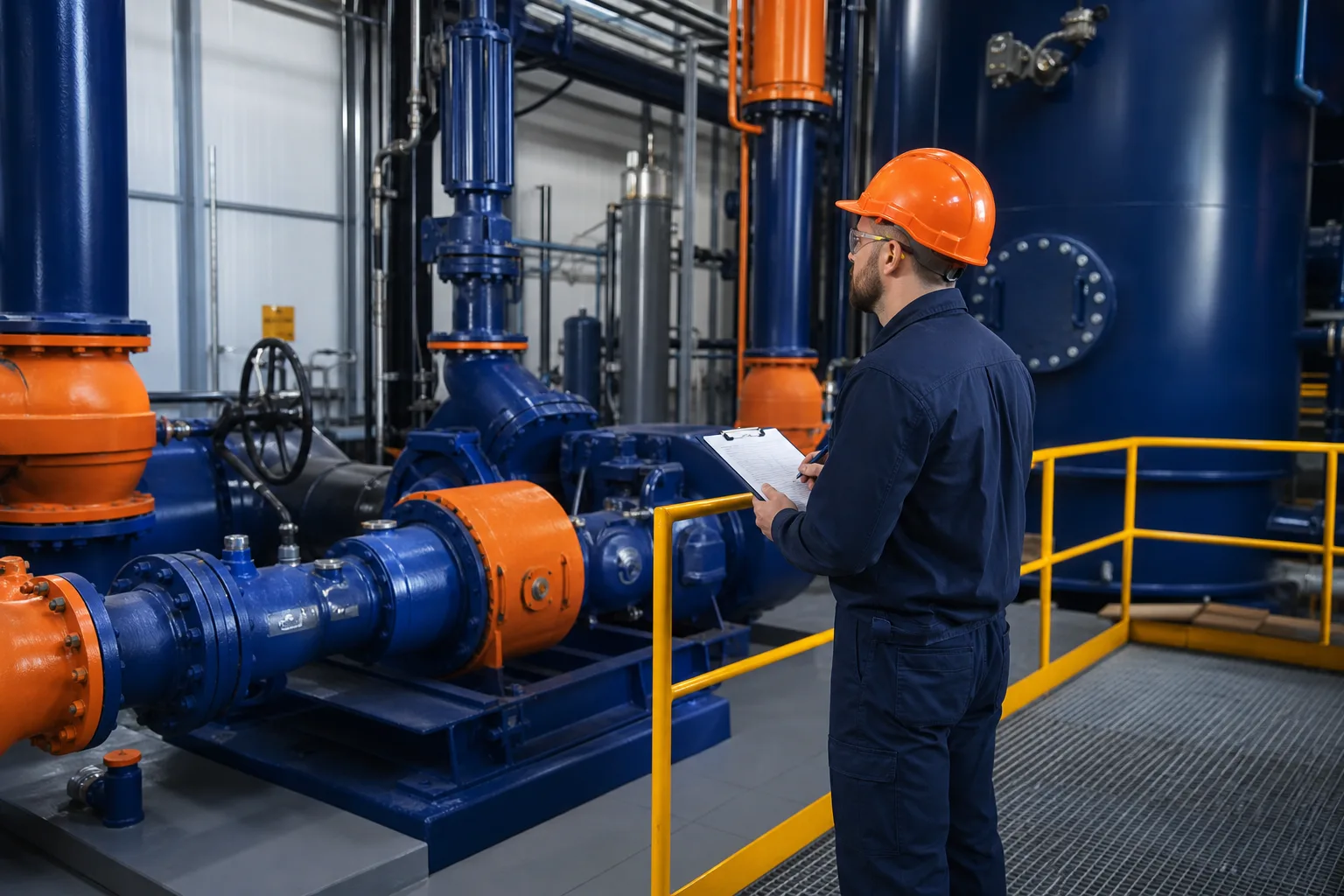
Equipment Categories
Repair Materials for Common Industrial Equipment
Use the equipment categories below to identify relevant repair objectives and product-series starting points. Each repair zone still requires assessment against its damage and service conditions.
Pipelines
Assess corrosion, wall loss, leaks, joint damage, external impact, and structural reinforcement requirements.
Pumps
Evaluate erosion, cavitation, corrosion, abrasion, dimensional loss, leakage, and critical clearances.
Valves and Flanges
Review pitting, leakage, mechanical damage, sealing geometry, alignment, movement, and machining needs.
Tanks and Vessels
Separate internal lining requirements from localized rebuilding and weather-exposed exterior protection.
Heat Exchangers
Assess tube-sheet deterioration, pitting, erosion, corrosion, leakage, and fluid-contact surfaces.
Conveyor Systems
Distinguish flexible belt and lining repairs from abrasion protection for rigid handling components.
Reactors
Account for chemical exposure, temperature, agitation, abrasion, thermal cycling, and internal geometry.
Pipelines
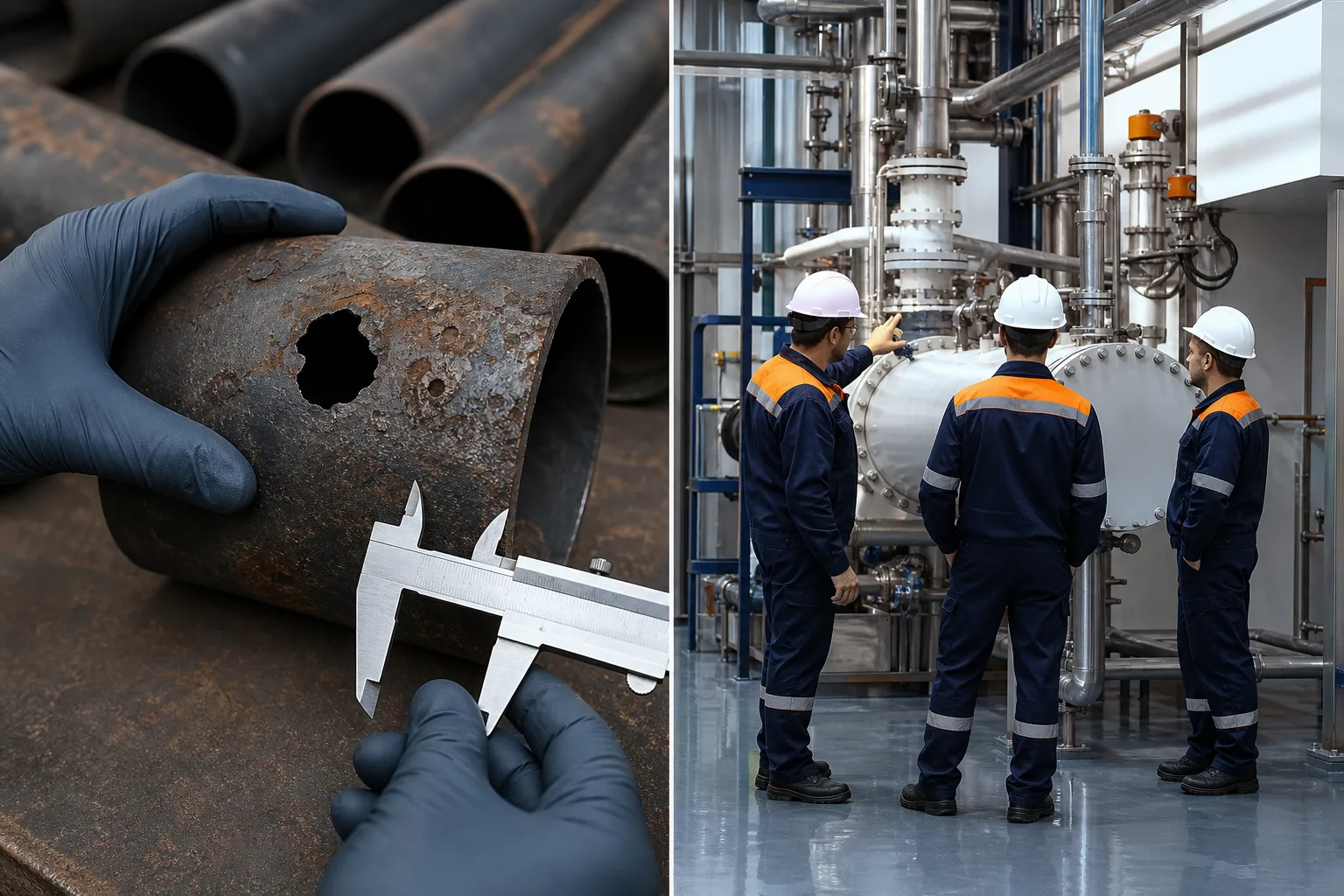
Pipelines and Pipe Sections
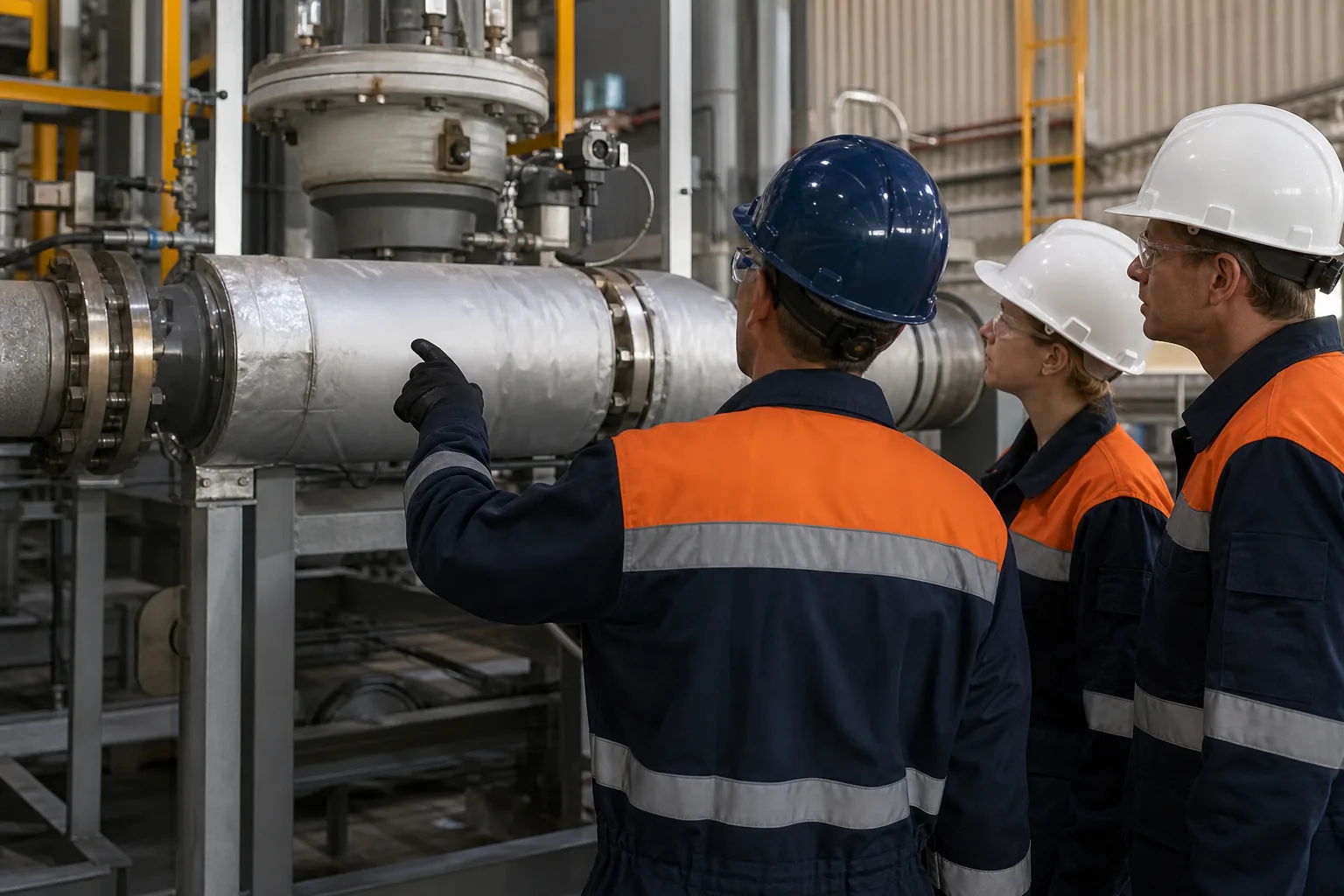
Pipe repairs can involve local corrosion, wall loss, leaks, damaged joints, external impact, or structural reinforcement. The correct route depends on defect condition, service exposure, pressure, access, and repair design.
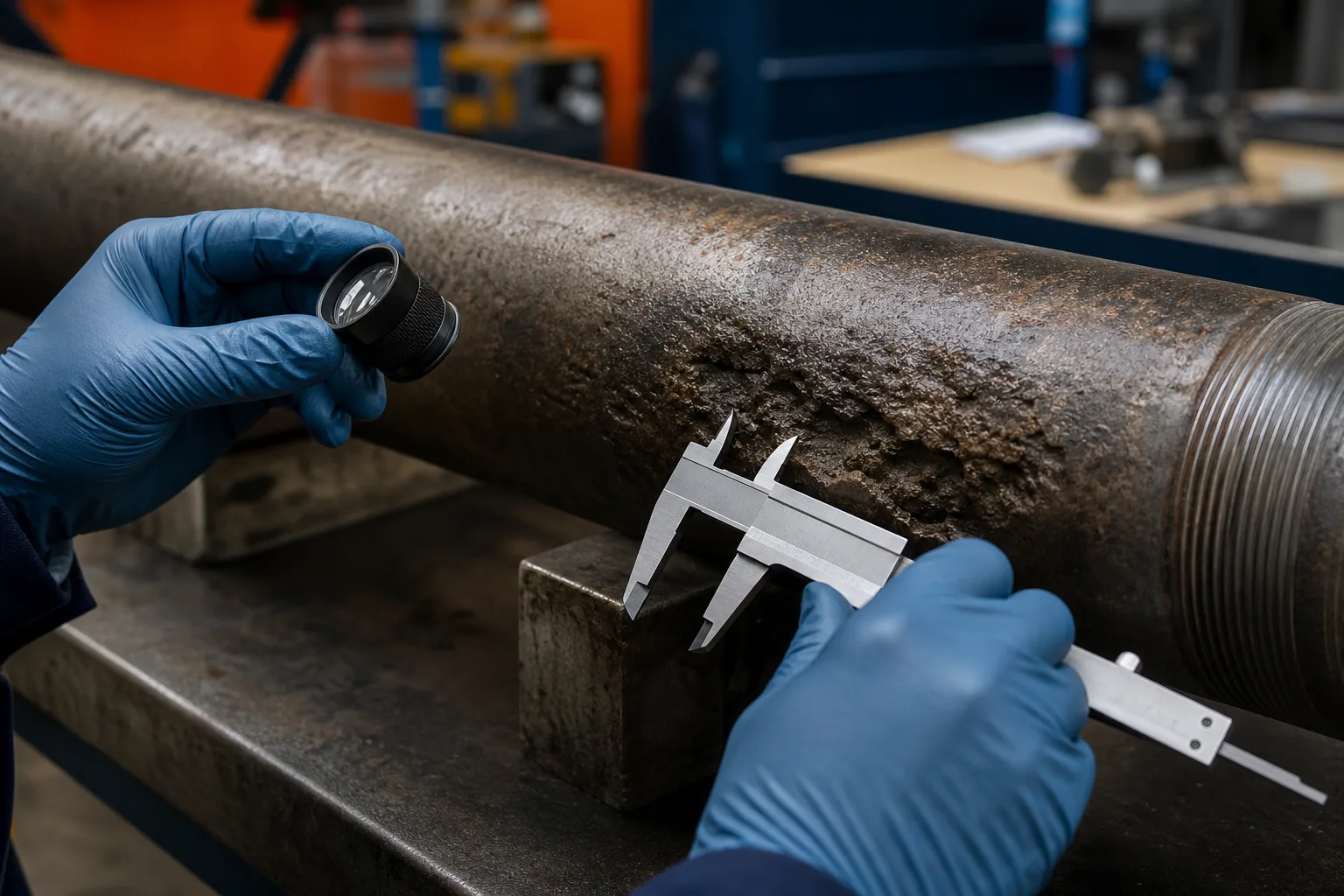
Metal Rebuilding
ZDS-MetalRebuild is a starting category for rebuilding damaged metal and sealing localized defects.
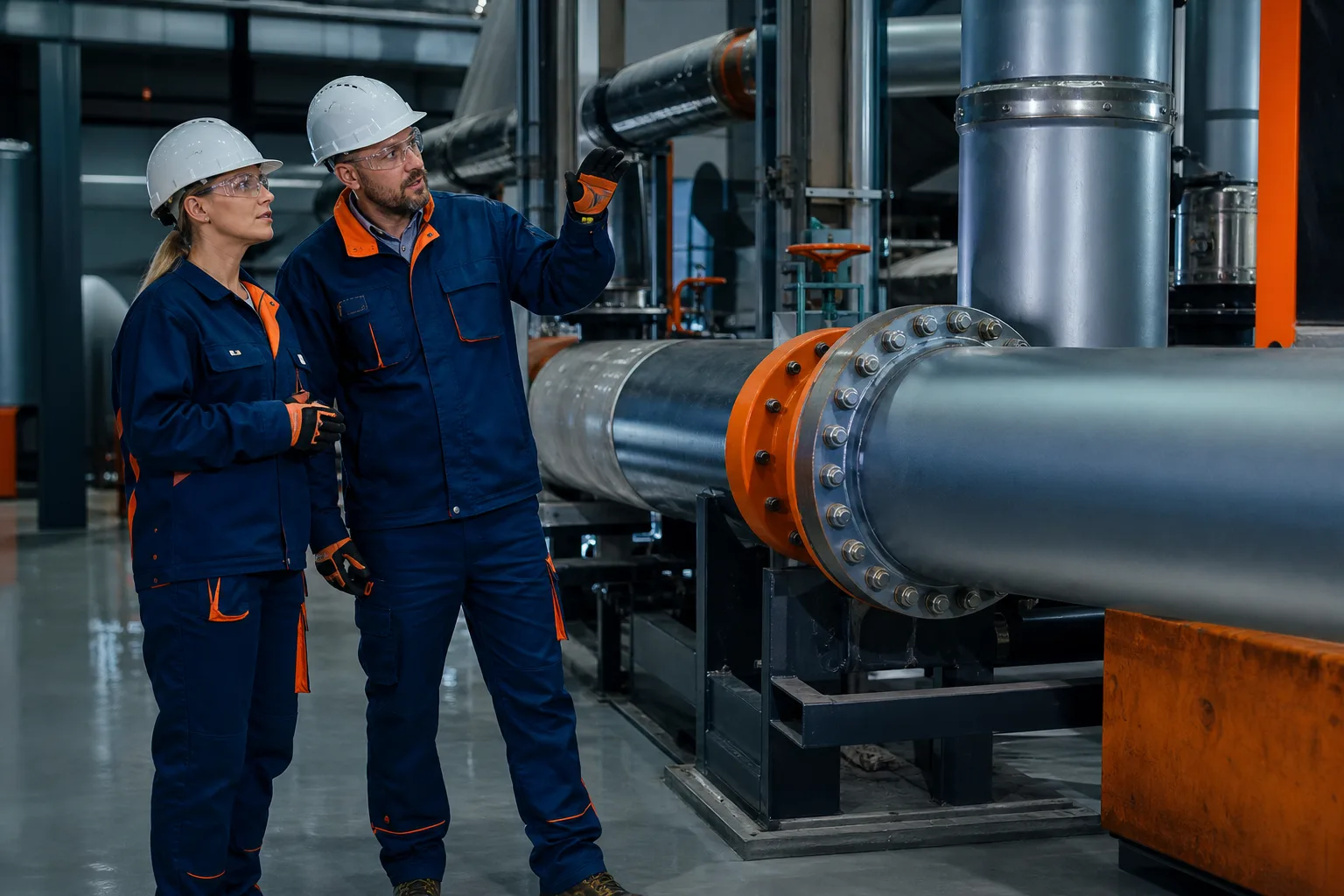
Composite Reinforcement
ZDS-CompositeWrap applies when assessment indicates composite reinforcement or structural laminating.
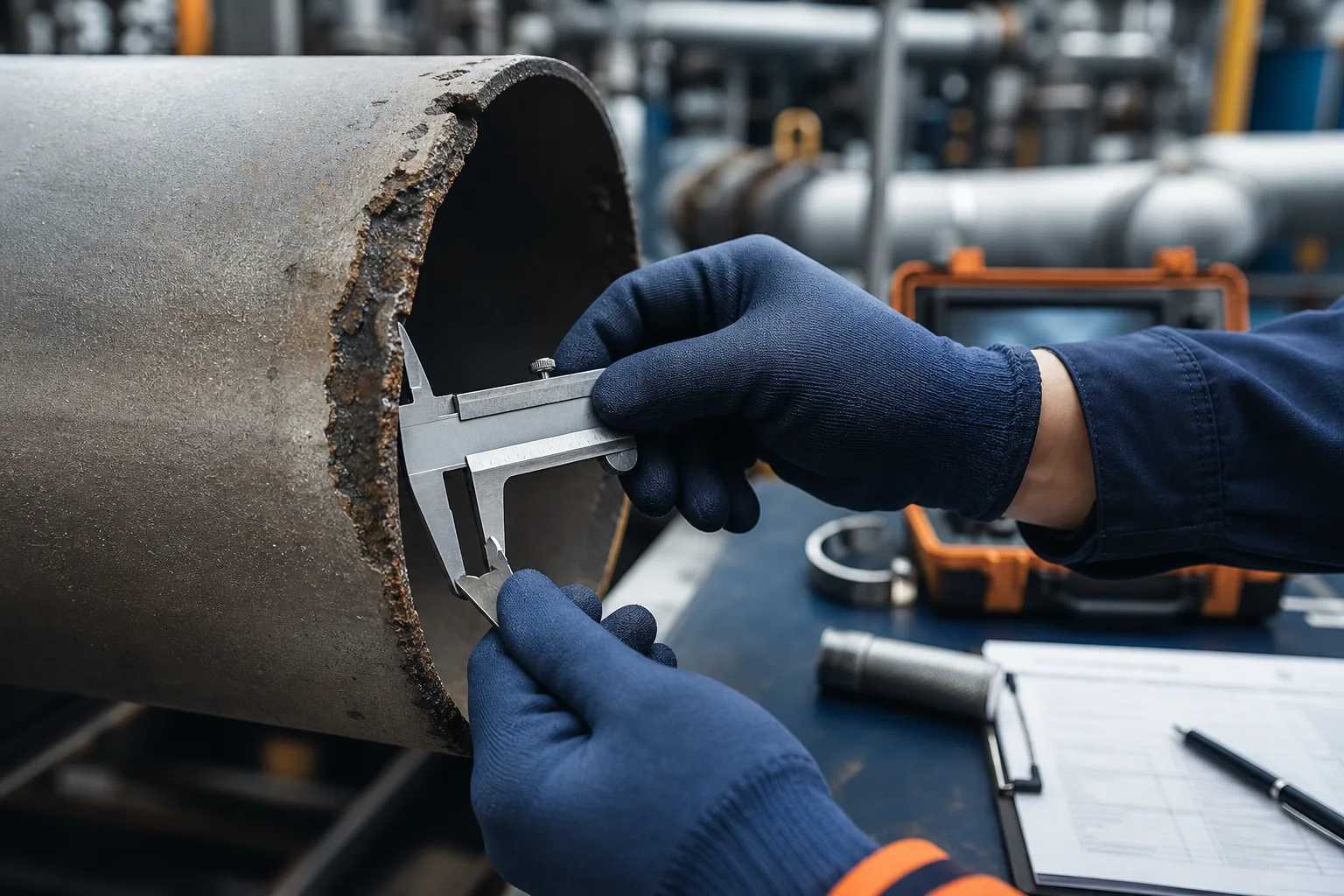
Wet-Surface Repair
ZDS-AquaShield covers wet-surface, underwater, marine, and emergency repair categories.
Protective Lining
ZDS-FluidGlide covers lining, high-temperature repair, sealing, and fluid-equipment coating categories.
Leak Repair Guidance
Review the pipe leak repair route when leakage control is the main problem.
Pumps
Pumps and Pump Components
Pump casings, impellers, volutes, and related flow surfaces can experience erosion, cavitation, corrosion, abrasion, dimensional loss, and leakage.
Wear Protection
ZDS-CeramicArmor is organized around ceramic-filled protection for wear, erosion, and cavitation.
Metal Restoration
ZDS-MetalRebuild provides a starting category for restoring damaged metal profiles.
Pump Assessment
Use the pump repair and protection route for more focused assessment guidance.
Valves
Valves and Flanges
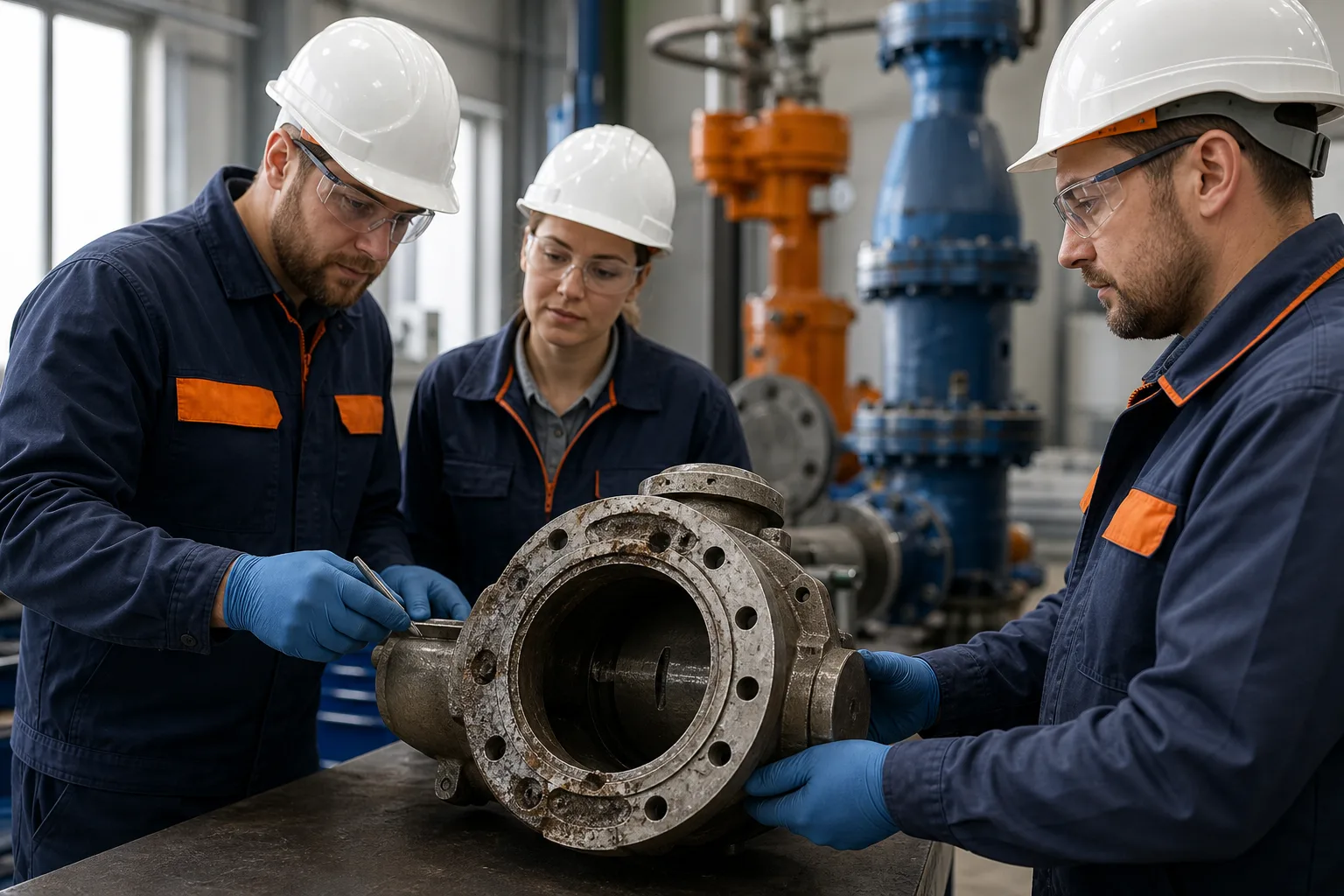
Valve bodies, flanges, covers, and sealing areas may require repair after corrosion, erosion, pitting, leakage, or mechanical damage.
Heat Exchangers
Heat Exchanger Repair Considerations
Repair decisions can involve tube-sheet deterioration, pitting, erosion, corrosion, leakage, and damaged fluid-contact surfaces.
ZDS-MetalRebuild, ZDS-CeramicArmor, and
ZDS-FluidGlide are possible starting categories for restoration, wear protection, chemical resistance, sealing, or high-temperature service.
Record hot-side and cold-side media
operating and cleaning temperatures, thermal cycling, pressure, flow velocity, contamination risk, clearances, and inspection requirements.
Repair materials must not obstruct flow
paths or replace an engineering assessment where pressure integrity is involved.
Conveyors
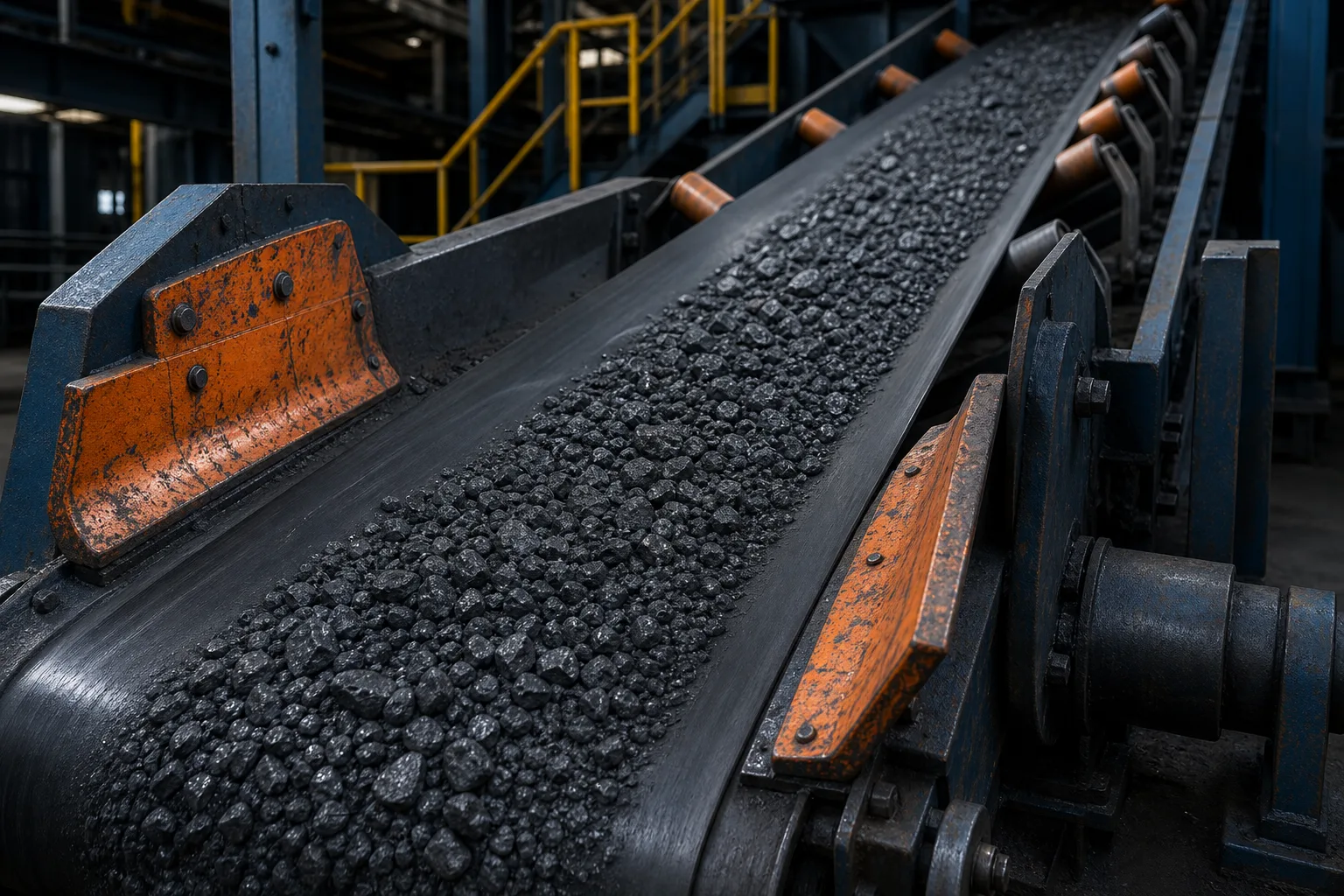
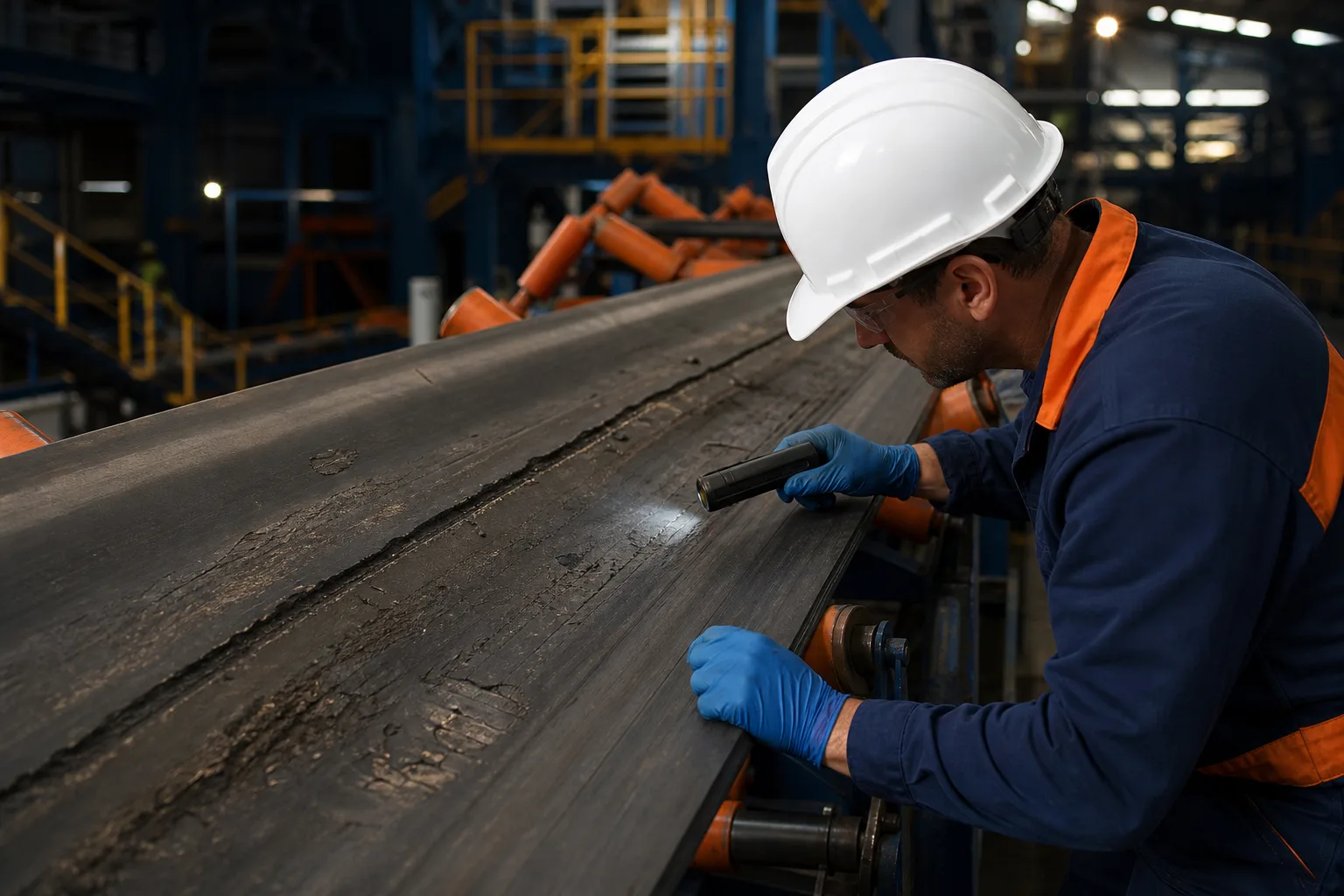
Conveyor Belts and Material-Handling Components
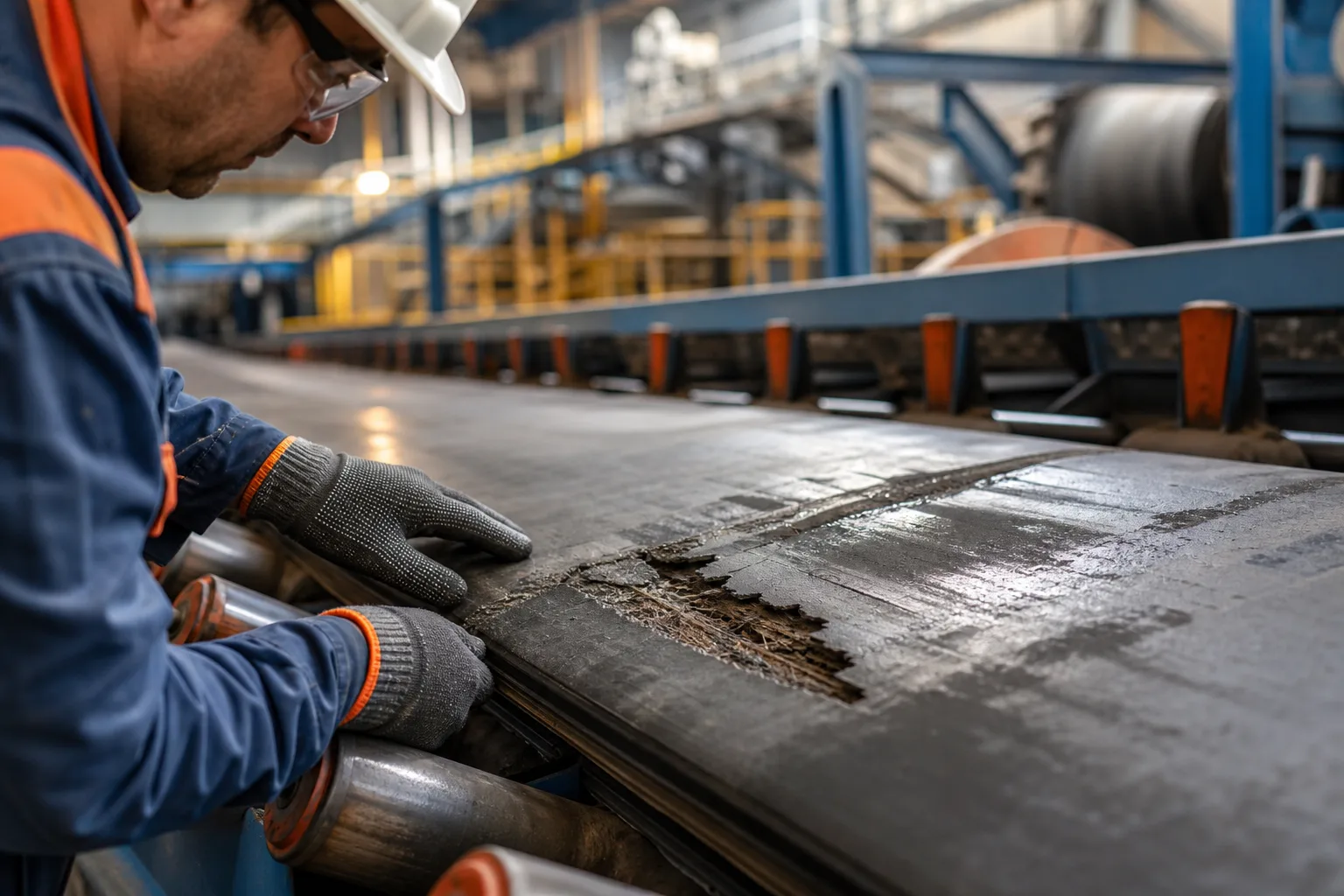
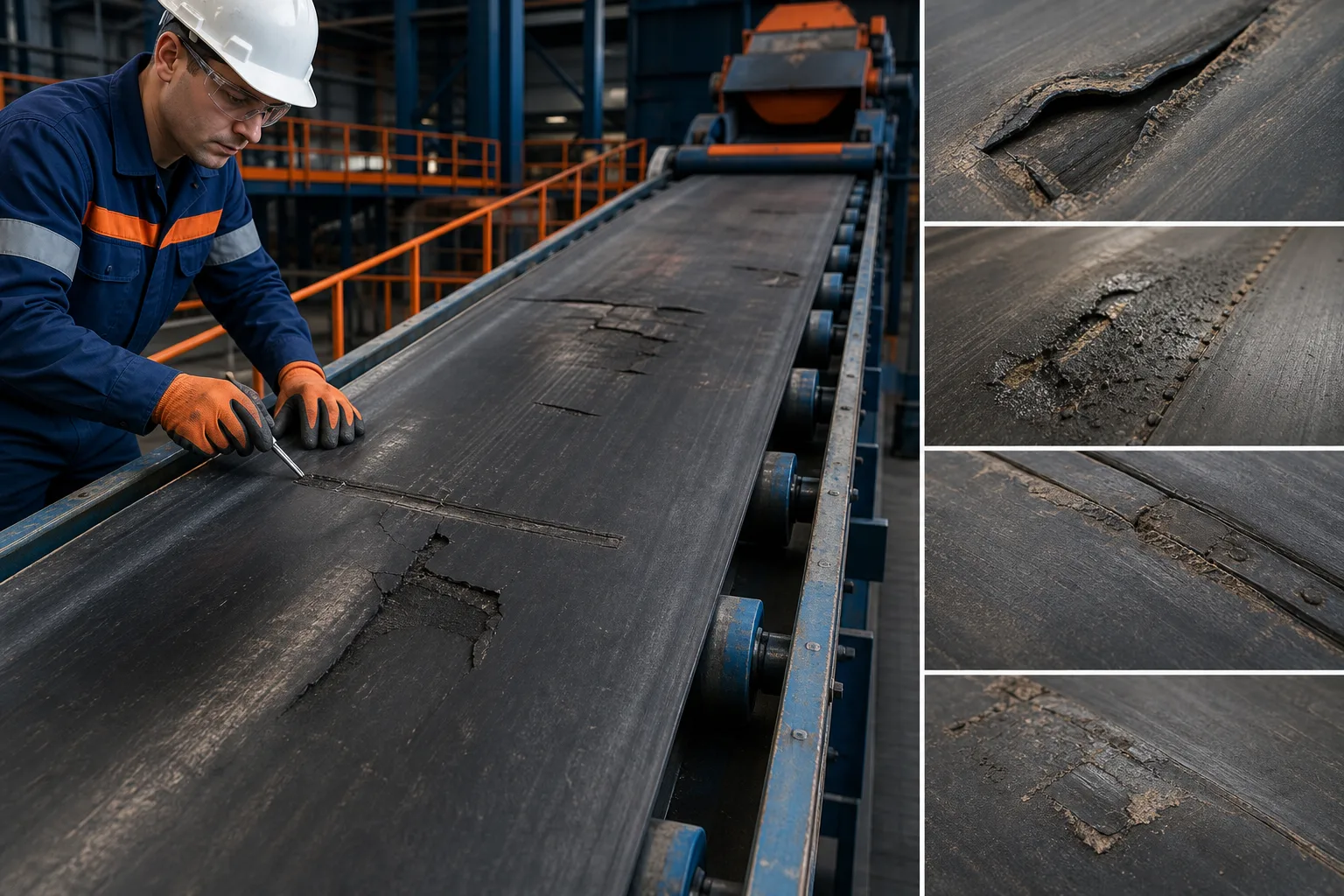
Evaluate cuts, tears, gouges, worn covers, damaged joints, local delamination, and loss of flexible lining material against movement and service demands.
ZDS-RubberElast covers repair categories involving conveyor belts, rubber linings, rollers, cables, tires, and other elastomer components.
Ceramic-filled materials may suit rigid chutes, hoppers, and transfer points but are not substitutes for flexible belt repair materials.
Compare damage location, rubber type, movement, tension, abrasion, impact, moisture, and available repair time.
ZDS-RubberElast covers repair categories involving conveyor belts, rubber linings, rollers, cables, tires, and other elastomer components.
Reactors
Reactors and Process Vessels
Reactors can combine chemical exposure, elevated temperature, agitation, abrasion, thermal cycling, and difficult internal geometry.
01
ZDS-FluidGlide is the main starting series
for compatible chemical-resistant lining and high-temperature protection categories.
02
ZDS-MetalRebuild can support localized
restoration, while ZDS-CeramicArmor can be evaluated for abrasive wear zones.
03
Provide process media, concentration
temperatures, cleaning chemicals, pressure, agitation, immersion duration, substrate, existing lining, and shutdown time.
04
Material selection does not replace
pressure-vessel inspection, process-safety review, or applicable engineering controls.
Selection Factors
Factors That Change the Recommended Product Series
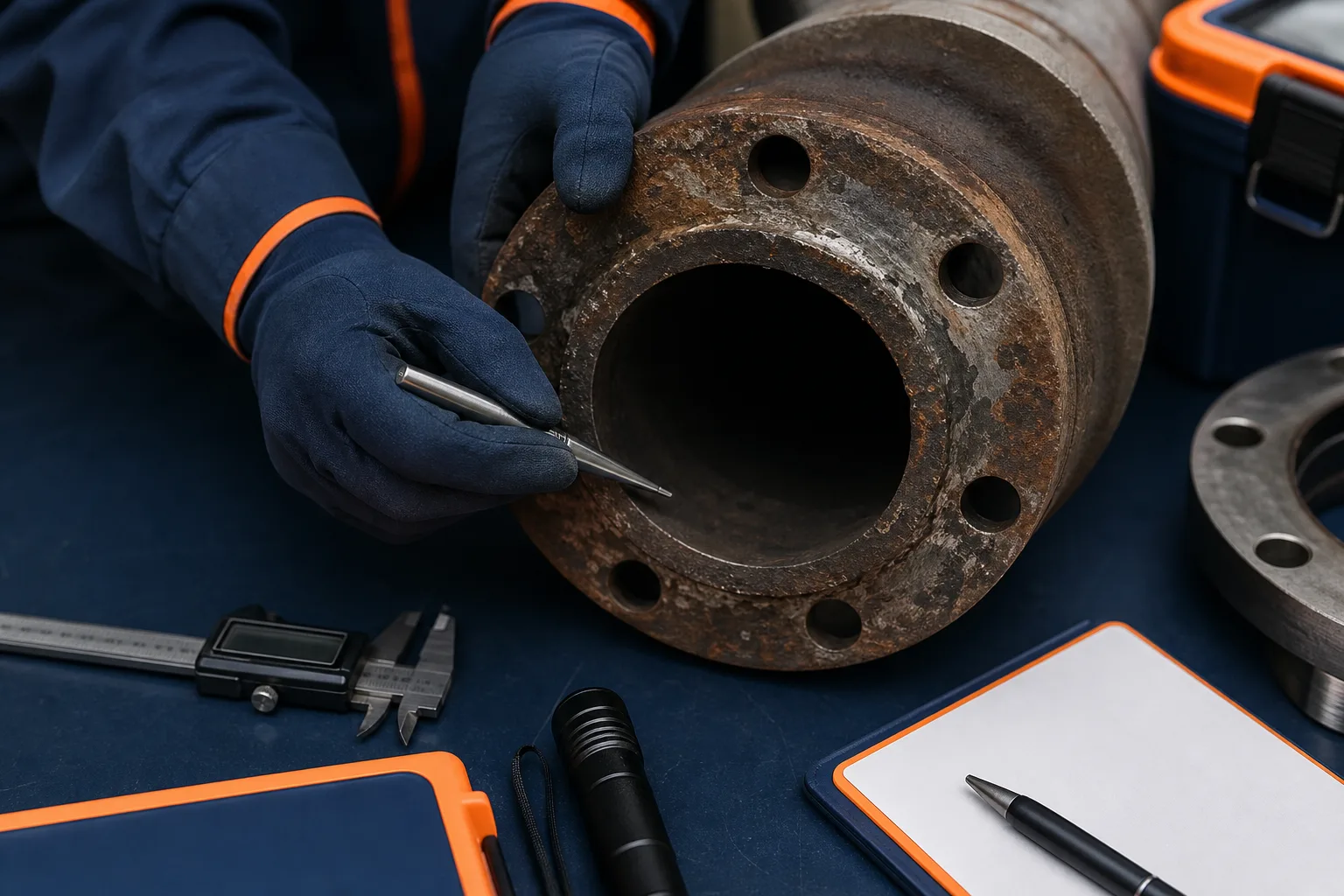
Two pieces of the same equipment can require different materials because their damage and operating conditions differ. Compare these factors after identifying the equipment.
Substrate
Identify the metal, composite, concrete, rubber, or existing coating and record its condition.
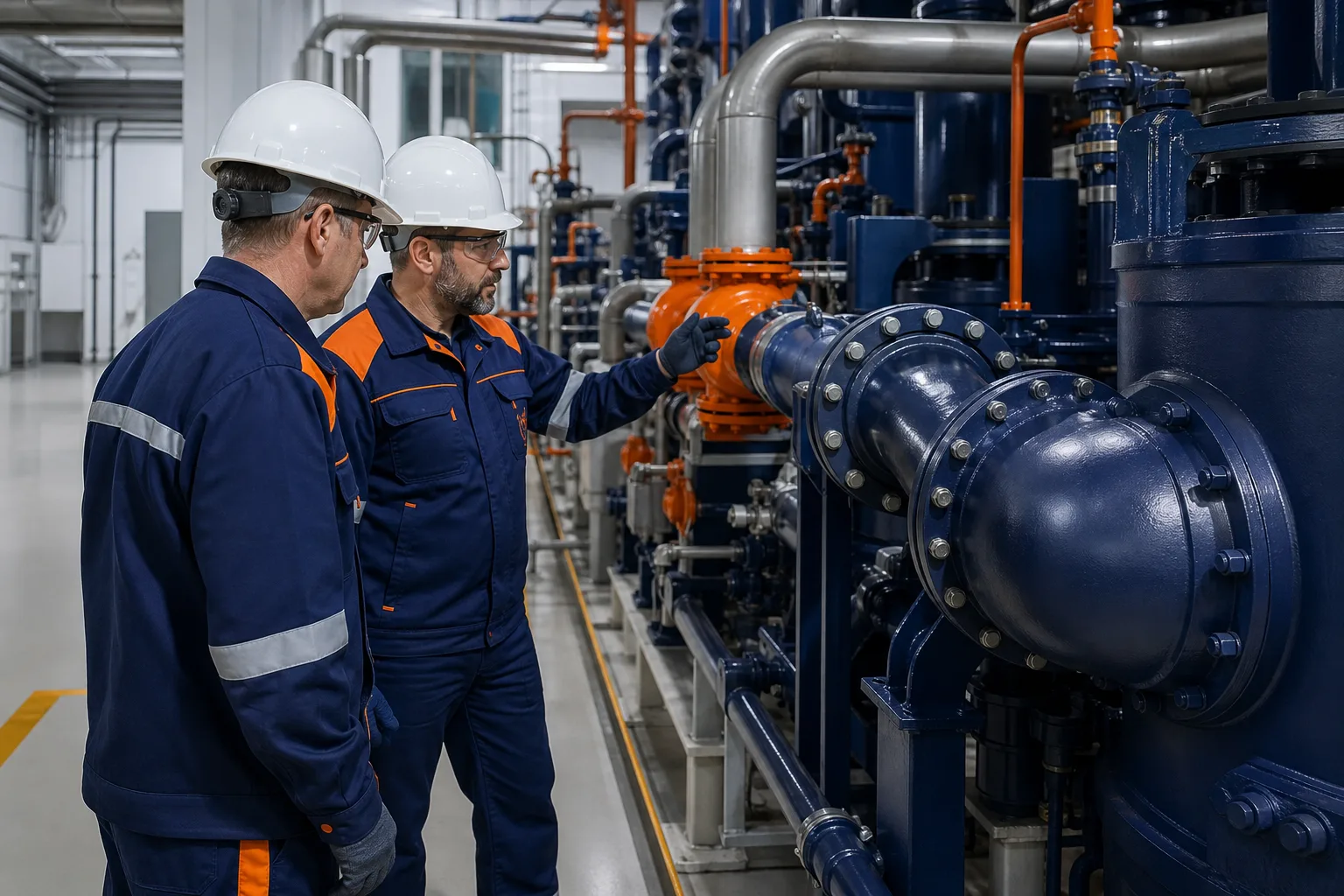
Damage Mechanism
Separate corrosion, erosion, abrasion, cavitation, impact, cracking, leakage, and dimensional loss.

Service Environment
Record chemicals, concentration, immersion, moisture, UV exposure, temperature cycles, and abrasive solids.
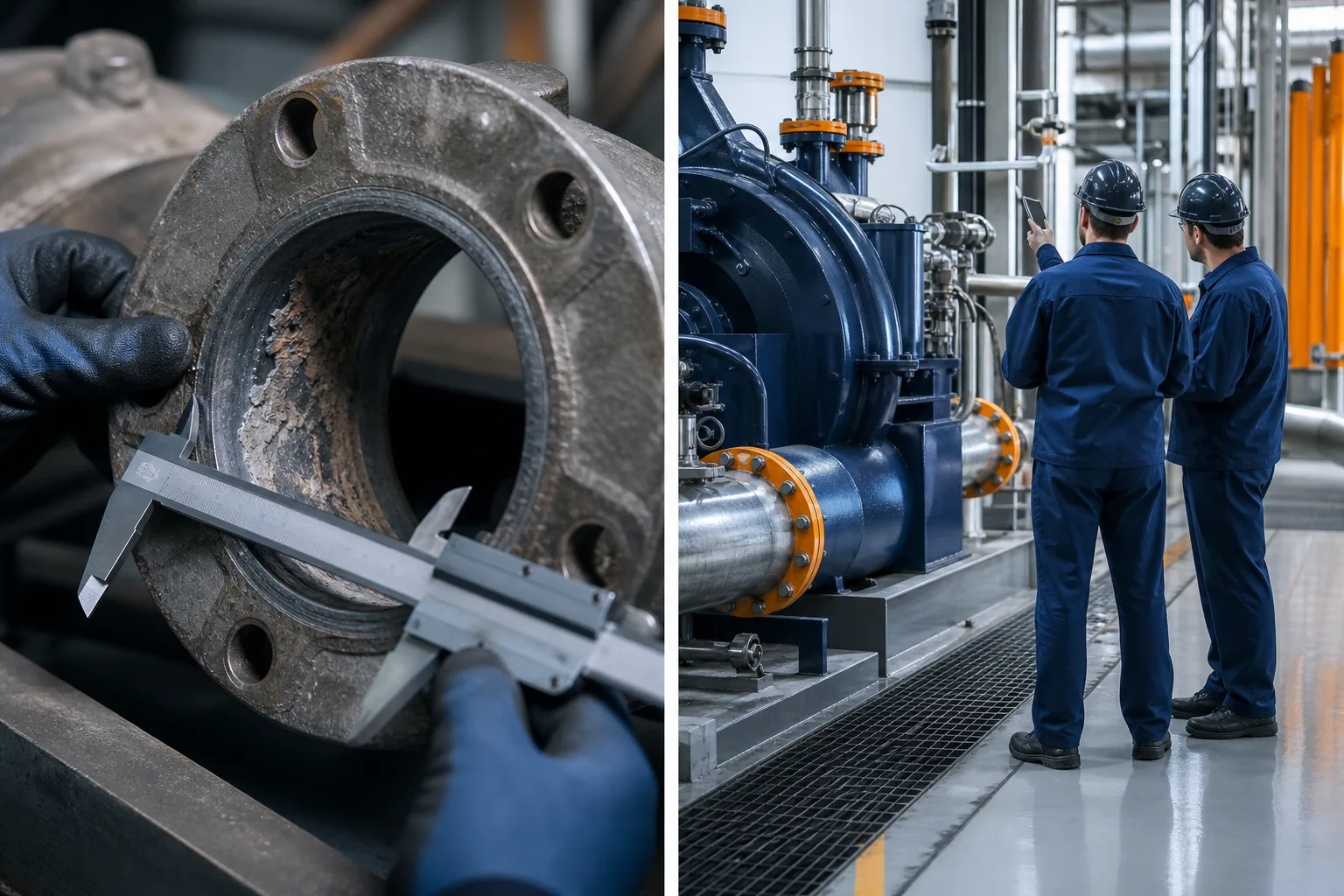
Mechanical Demands
Consider pressure, movement, vibration, impact, load, clearance, and any machining requirement.
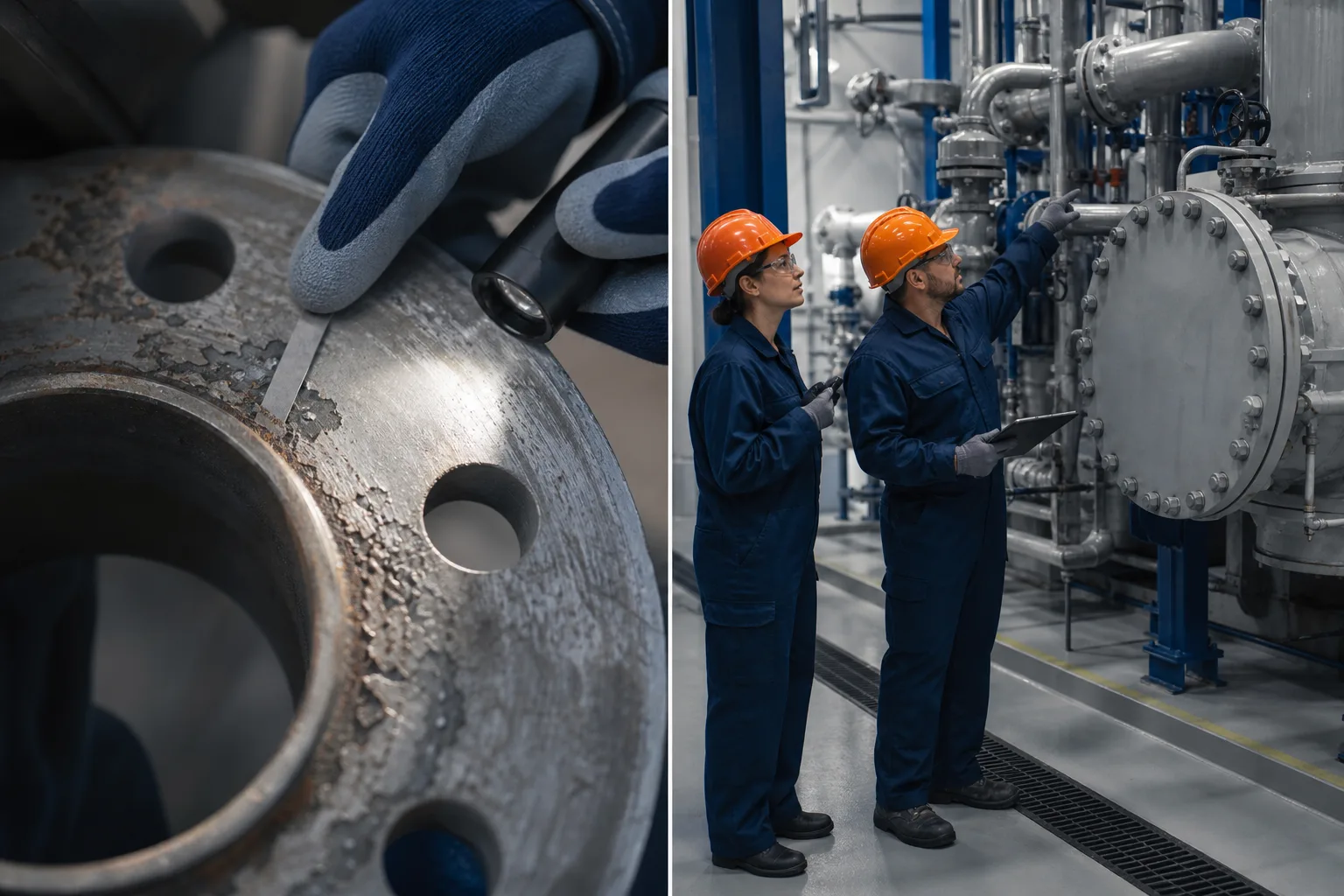
Repair Access
Confirm whether the surface is dry, wet, underwater, overhead, confined, or difficult to prepare.
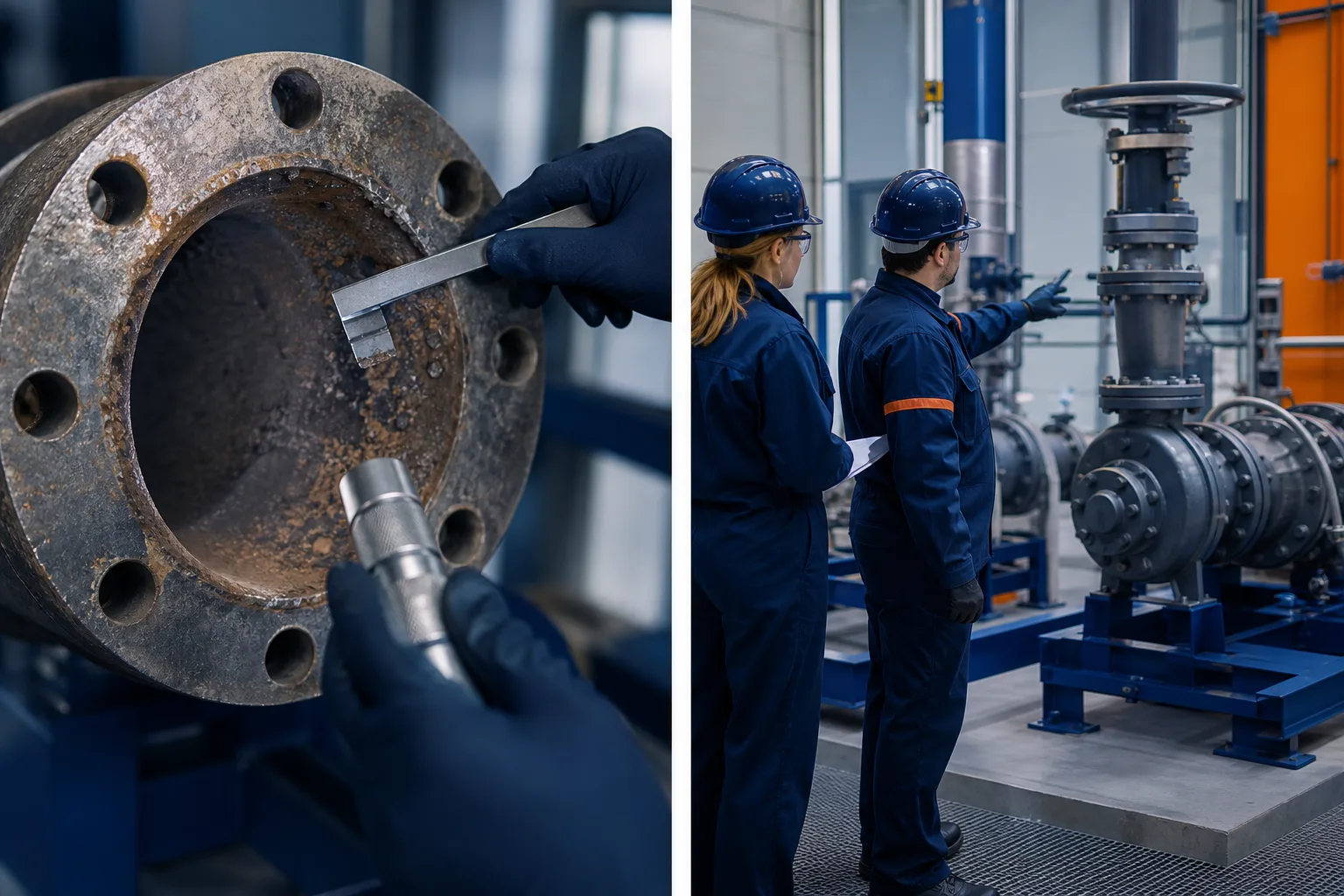
Maintenance Window
State the preparation, application, inspection, and return-to-service schedule without assuming a cure time.
Further Comparison
Compare by Service Condition or Selection Criteria
Operating conditions may drive the decision more strongly than equipment type. Buyers preparing a wider shortlist can compare by service condition or use the broader material selection guide.
BEFORE
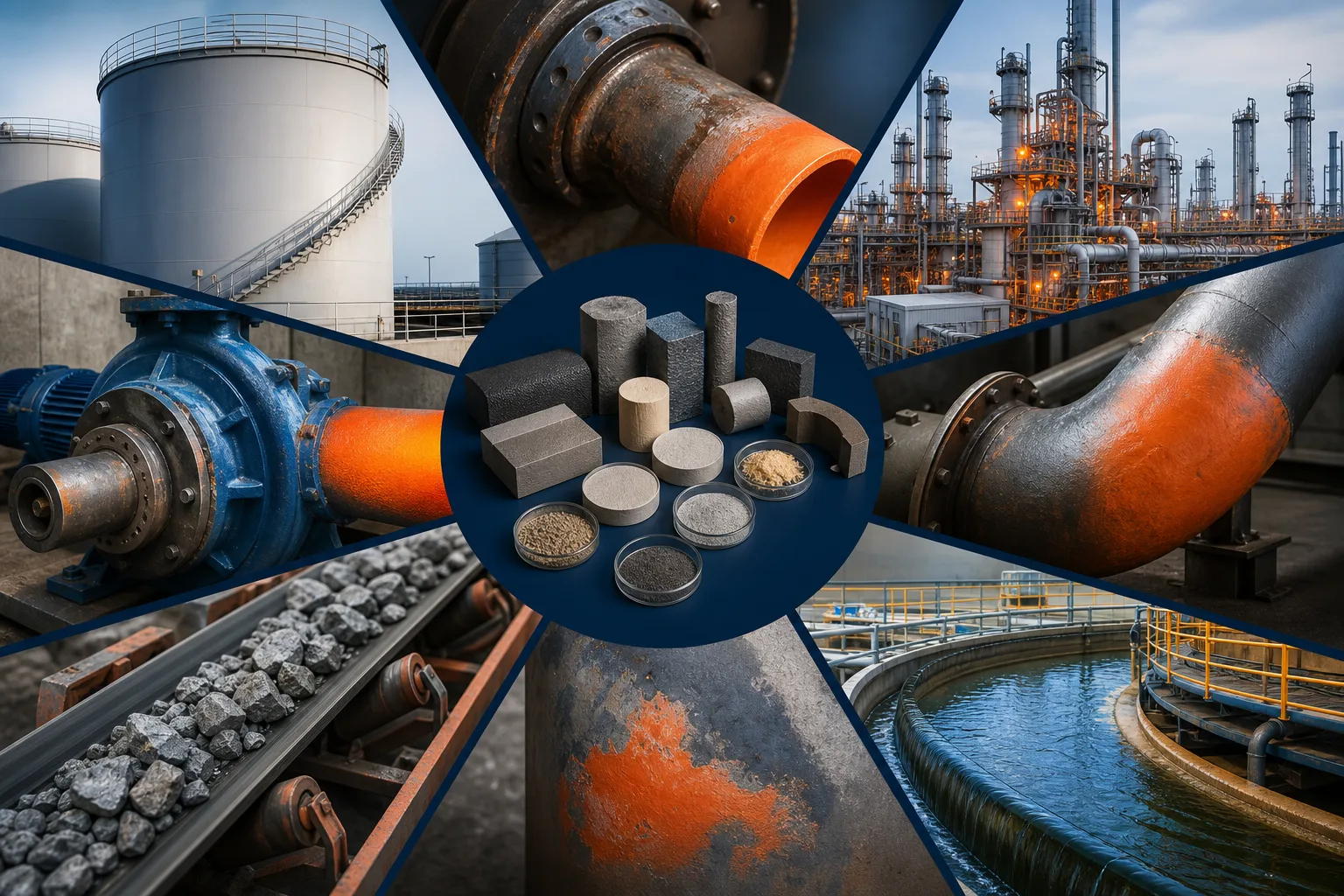
Service Conditions
Compare products when temperature, chemicals, moisture, abrasion, or other conditions lead the decision.
AFTER
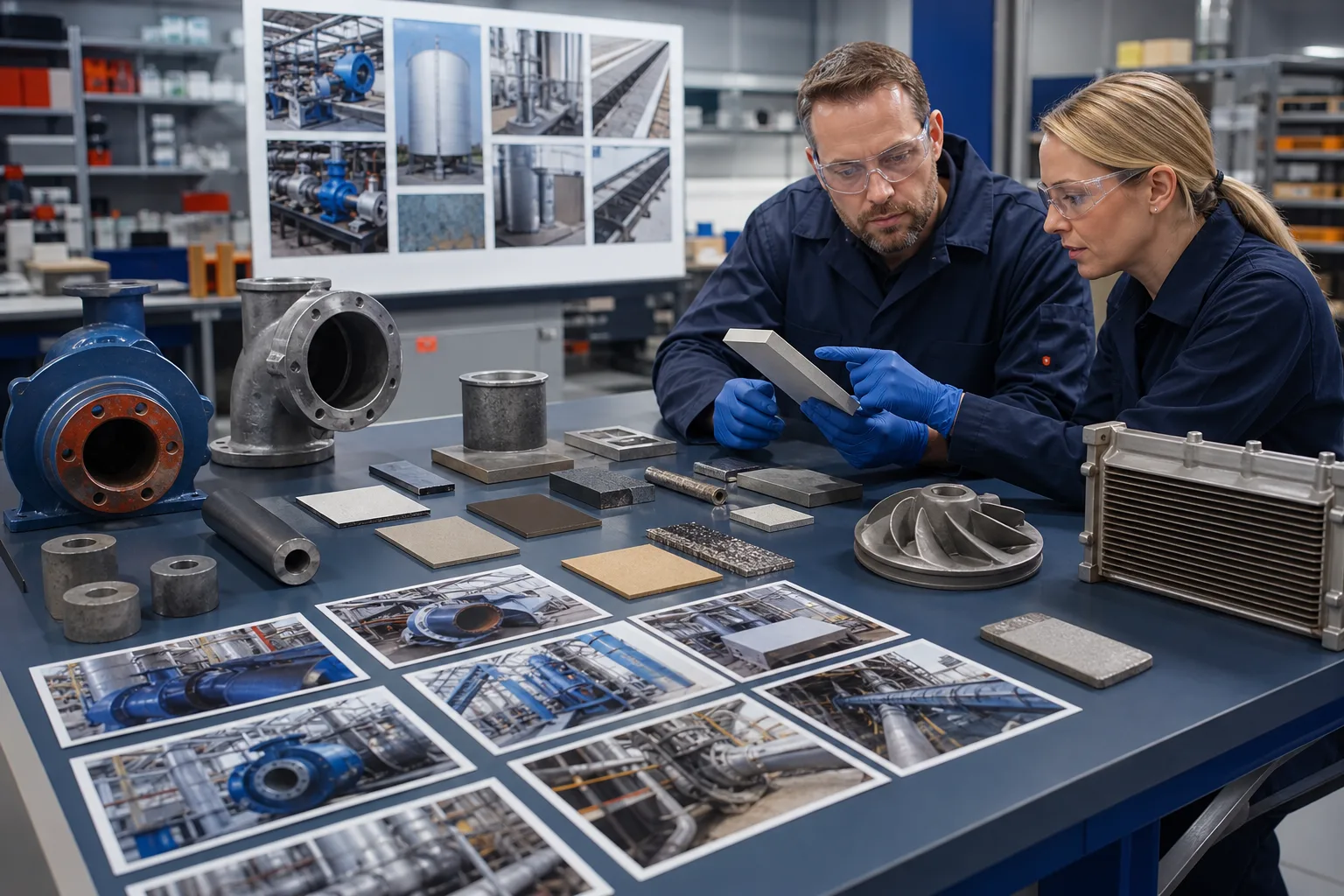
Selection Guide
Build a broader shortlist using the industrial repair material selection guide.
Assessment Process
From Equipment Assessment to Product Shortlist
Document the repair area, damage, operating conditions, objective, and preparation requirements before requesting product evaluation.
01
1. Identify Equipment
Provide component names, dimensions, access conditions, and photographs where available.
02
2. Describe Damage
Record substrate, surface condition, defect depth, affected area, leakage, and structural loss.
03
3. Document Conditions
Include media, temperature, pressure, immersion, abrasion, movement, weather, and cleaning procedures.
04
4. Define the Objective
State whether the priority is sealing, rebuilding, reinforcement, lining, wear protection, or restoration.
05
5. Confirm Requirements
Review cleaning, profiling, existing coatings, inspection access, sample needs, and acceptance criteria.
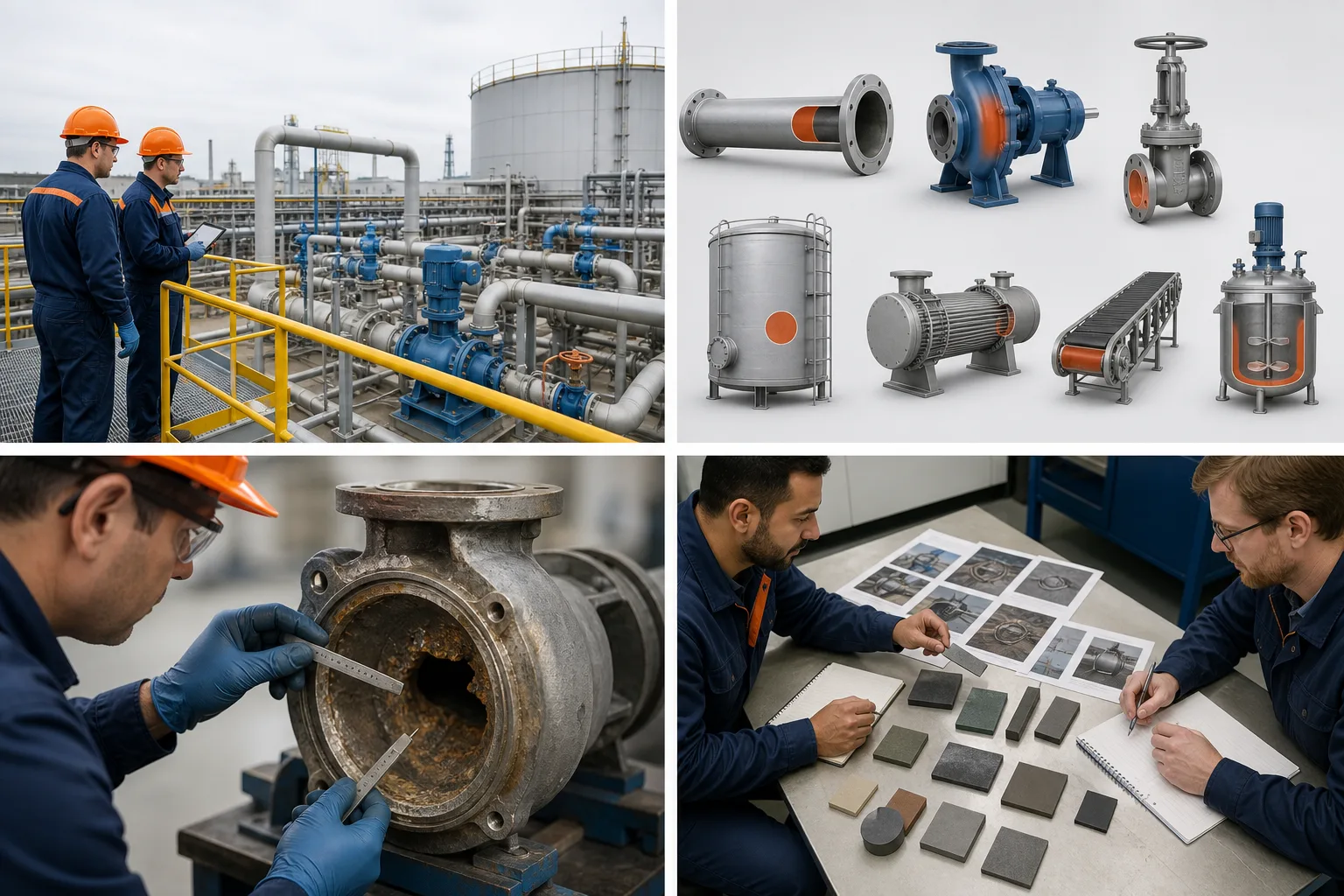
Supporting Category
Surface Preparation and Technical Documents
Cleaning agents, primers, conditioners, and related materials are organized as Surface Preparation Products. This supporting category is not an eighth primary product series.
Selection Limits
Selection Limits and Engineering Responsibilities
The equipment-based relationships do not confirm a specific product, repair design, or operating limit. Project-specific confirmation and current product documentation remain necessary.
Working time, cure time, temperature
range, pressure capability, chemical resistance, adhesion, abrasion resistance, and service life require current documentation and project confirmation.
Pressure containment, load-bearing
structures, regulated vessels, critical rotating clearances, potable-water contact, food contact, electrical requirements, and other controlled uses require appropriate engineering and compliance review.
Unsafe, unstable, actively leaking, or
severely damaged equipment should be isolated and assessed under the site maintenance procedure before material application.
Technical Background
Technical Background Supporting Product Evaluation
ZDS has operated as a professional chemical manufacturer since 1998. A dedicated R&D team of 30 professionals supports product development, formulation improvement, and application adaptation.
Technical Consultation
Request a Product Recommendation
Submit project and purchasing details for a product-series recommendation based on the supplied equipment, damage, service conditions, repair requirements, and available documentation.
FAQ
Frequently Asked Questions
Begin with the equipment and substrate, then identify the damage mechanism and operating environment. Pressure, temperature, chemicals, moisture, abrasion, movement, repair geometry, surface access, and the maintenance window help determine whether the starting category should be metal rebuilding, composite reinforcement, wear protection, wet-surface repair, lining, topcoat, or elastomer repair.
ZDS-MetalRebuild is the main starting series for metal rebuilding, dimensional restoration, localized leak sealing, and related cold-repair categories. If corrosion is driven by chemical immersion, erosion, or wet conditions, ZDS-FluidGlide, ZDS-CeramicArmor, or ZDS-AquaShield could represent a more relevant route. Final selection requires the substrate, defect, media, temperature, pressure, and preparation details.
Not necessarily. A pump casing, impeller, shaft area, and external surface can experience different wear, clearance, chemical, and mechanical conditions. A tank interior and weather-exposed exterior also have different requirements. Each repair zone should be assessed separately, and compatible materials should be selected as a system where more than one category is involved.
Provide the equipment and component name, substrate, damage type, affected dimensions, photographs, process media, concentration, temperature, pressure, immersion, abrasion, movement, existing coating, preparation method, available shutdown time, required documents, and expected purchasing quantity. Safety, regulatory, and engineering requirements should also be identified.
Qualified buyers can request sample evaluation support. The proposed product, evaluation method, quantity, acceptance criteria, application conditions, and commercial requirements need to be discussed first. A sample result under one set of conditions does not establish suitability for every piece of equipment or operating environment.
Customer-specific formulation requirements can be reviewed according to the application, target performance, specification, expected volume, packaging or documentation needs, and target market. Technical and commercial feasibility must be confirmed before development begins, and review does not guarantee that every requested formulation will be accepted or approved.