
Industrial Repair Materials and Product Categories
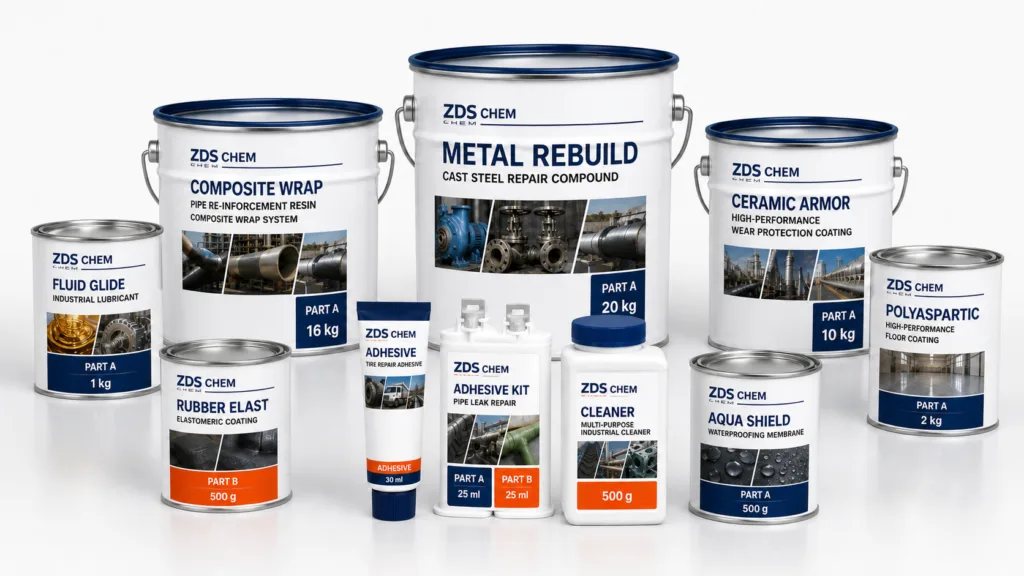
ZDSChem organizes industrial repair materials into seven product series for metal rebuilding, composite reinforcement, wear protection, underwater repair, high-temperature and chemical-resistant protection, outdoor coatings, and elastomer repair. Distributors, MRO suppliers, contractors, engineers, maintenance teams, and procurement buyers can narrow the options by equipment, substrate, damage, and operating condition. Final selection requires confirmation against equipment condition, preparation method, application environment, and current product documentation.
Product Portfolio
Seven Industrial Repair Product Series
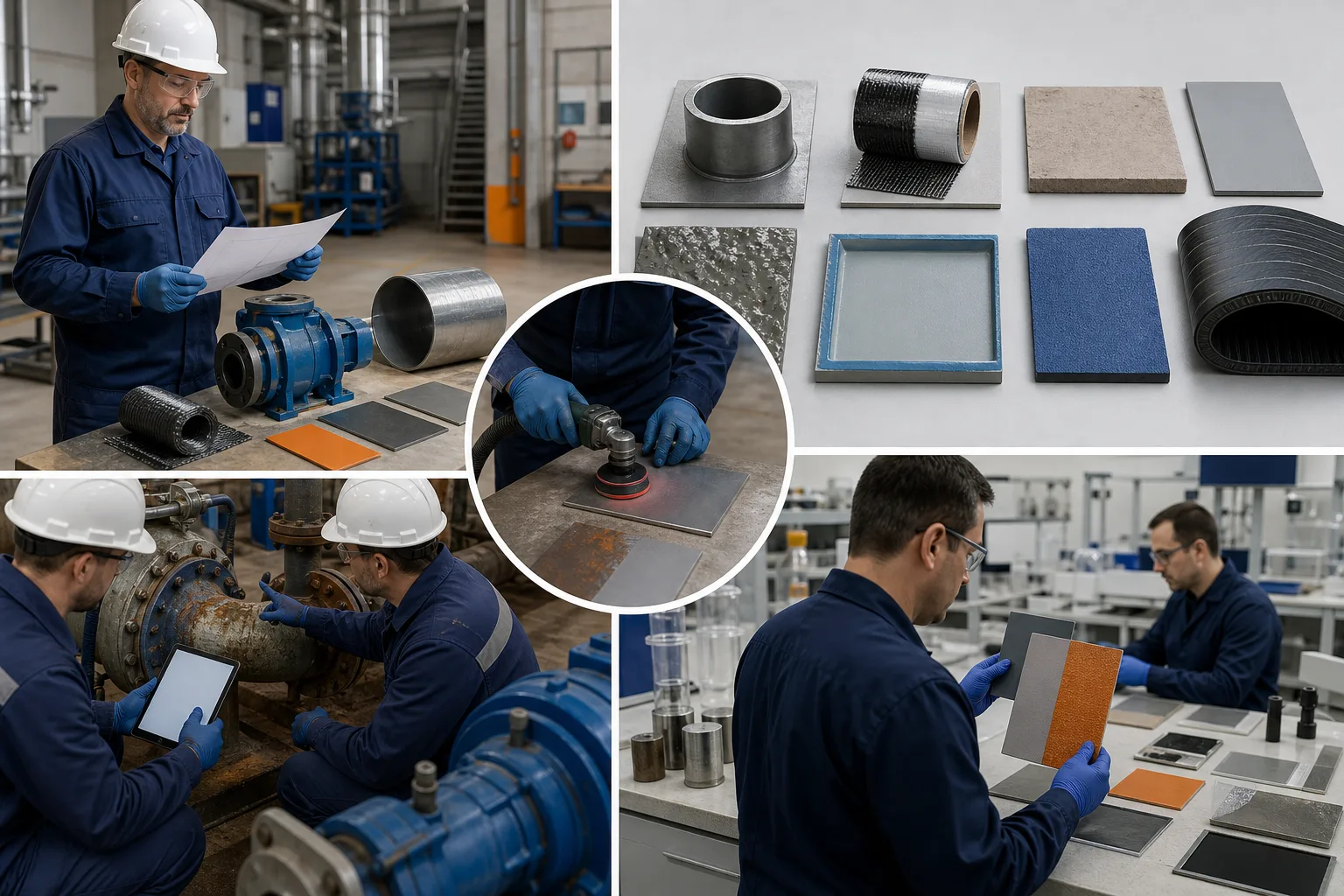
Each series addresses a distinct group of repair and protection requirements. Compare the categories, then review current product documentation for properties, application instructions, packaging information, and limitations.
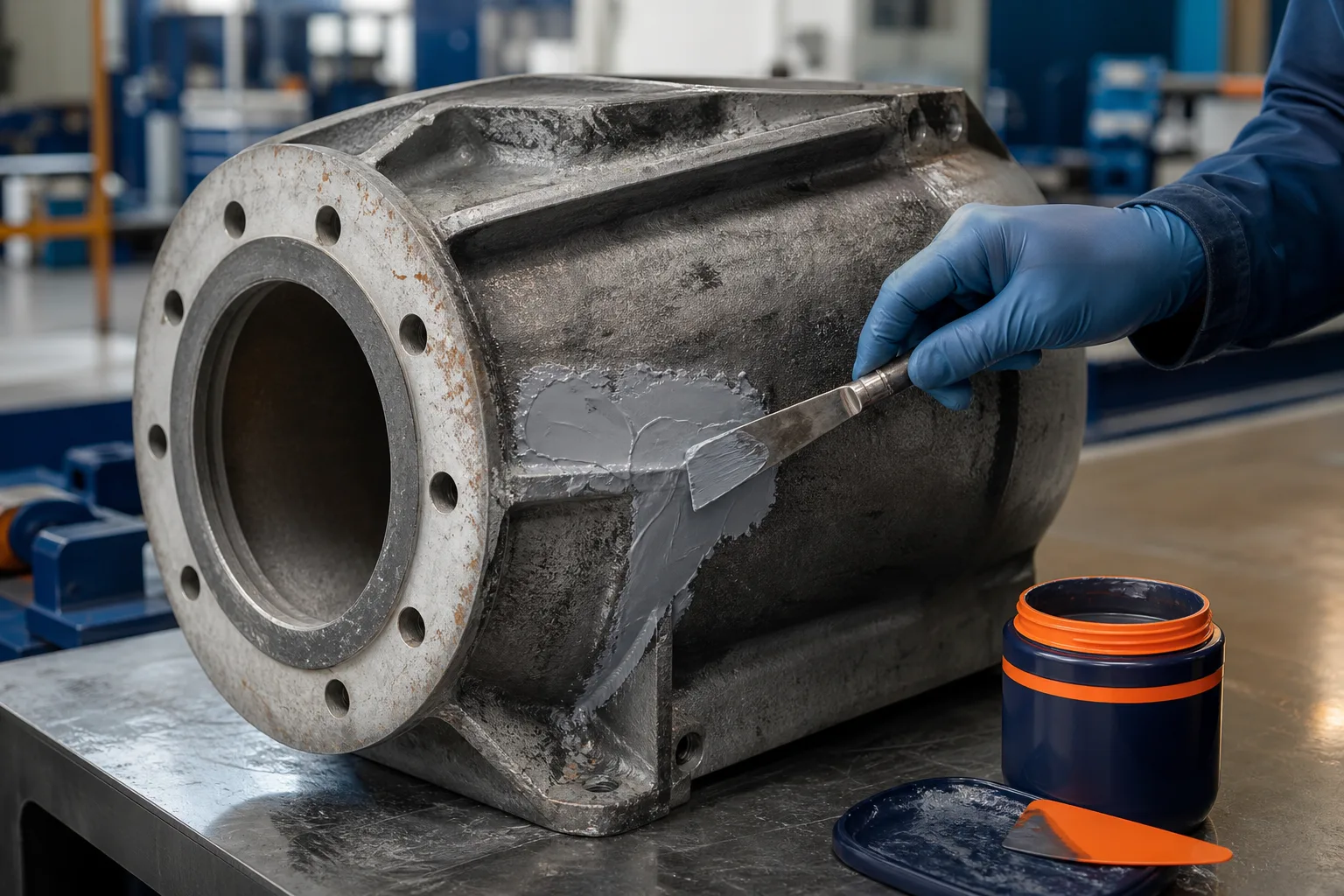
ZDS-MetalRebuild
For metal rebuilding, cold repair, dimensional restoration, leak sealing, and structural bonding.
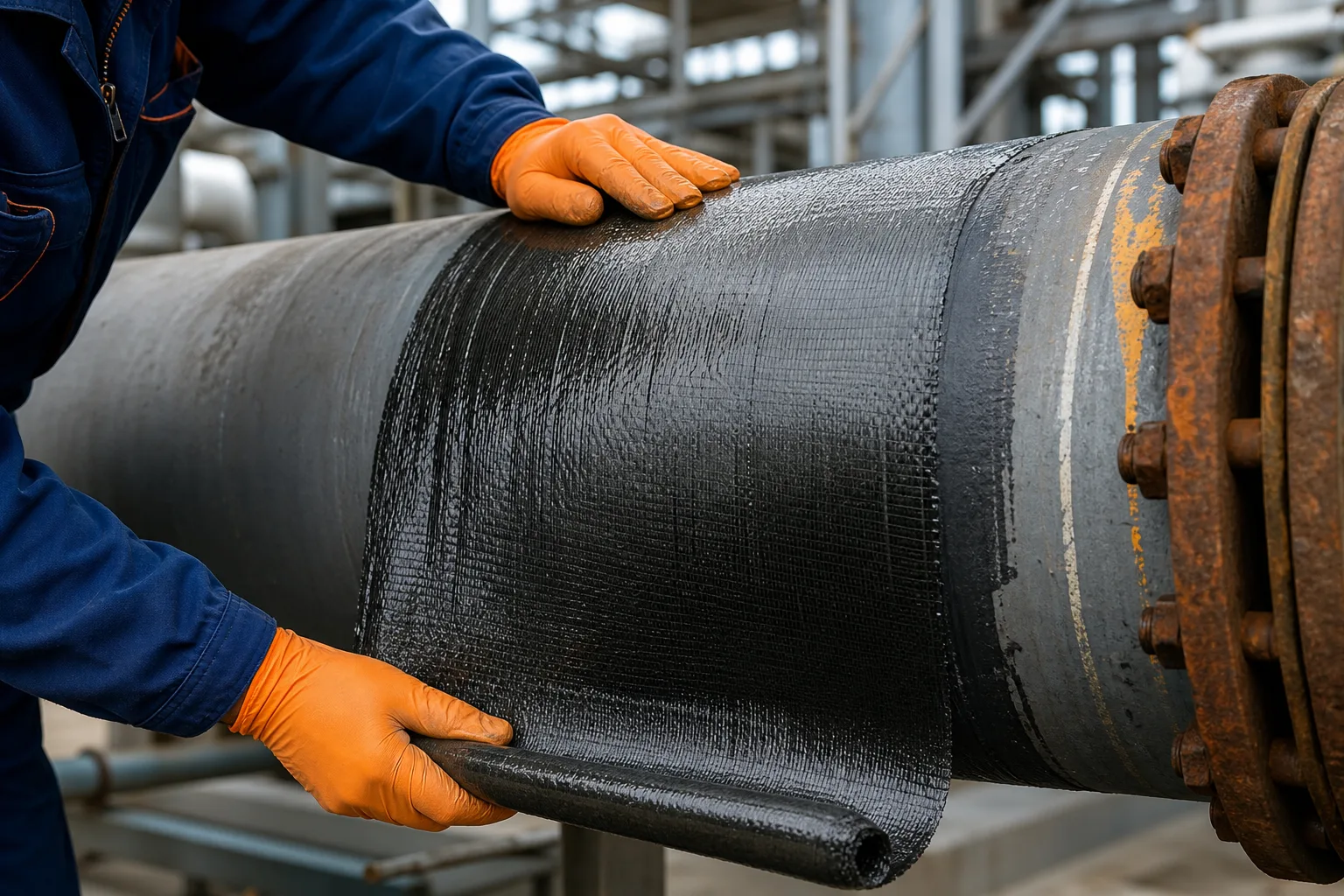
ZDS-CompositeWrap
For composite pipe reinforcement, FRP repair, and structural laminating systems.
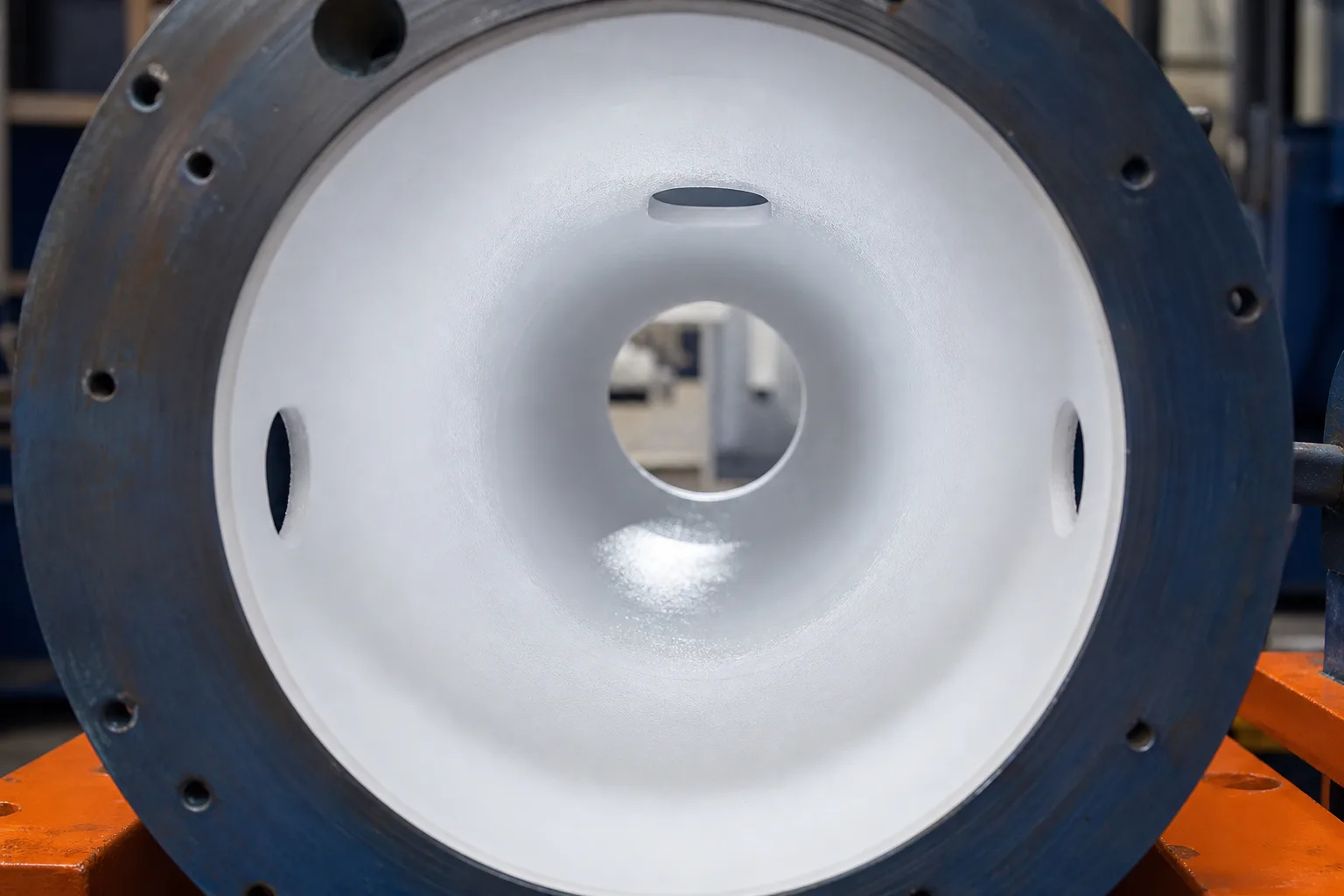
ZDS-CeramicArmor
Ceramic-filled materials for wear, erosion, cavitation, and heavy-duty equipment protection.
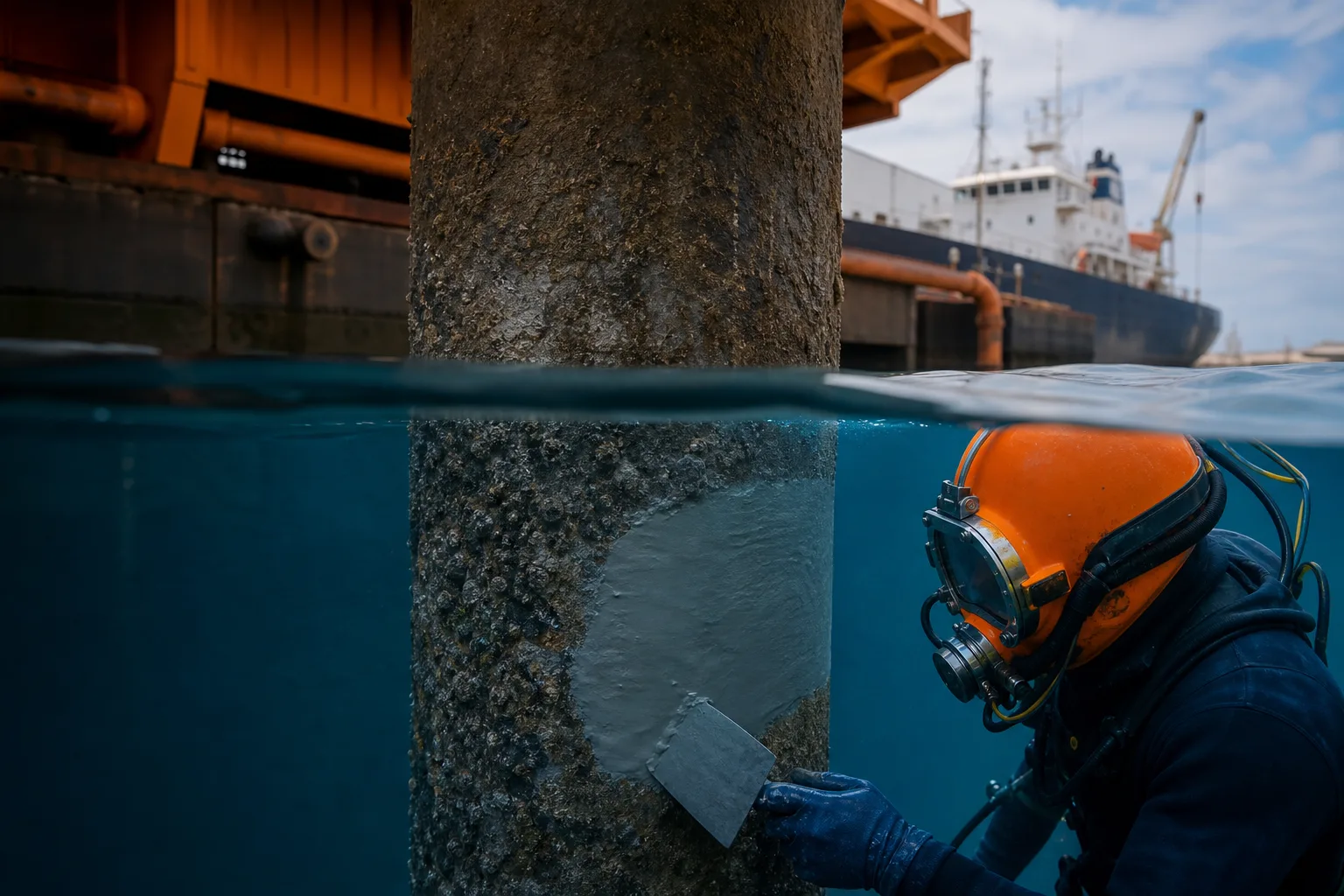
ZDS-AquaShield
For underwater-curing, wet-surface, marine, and emergency repair applications.
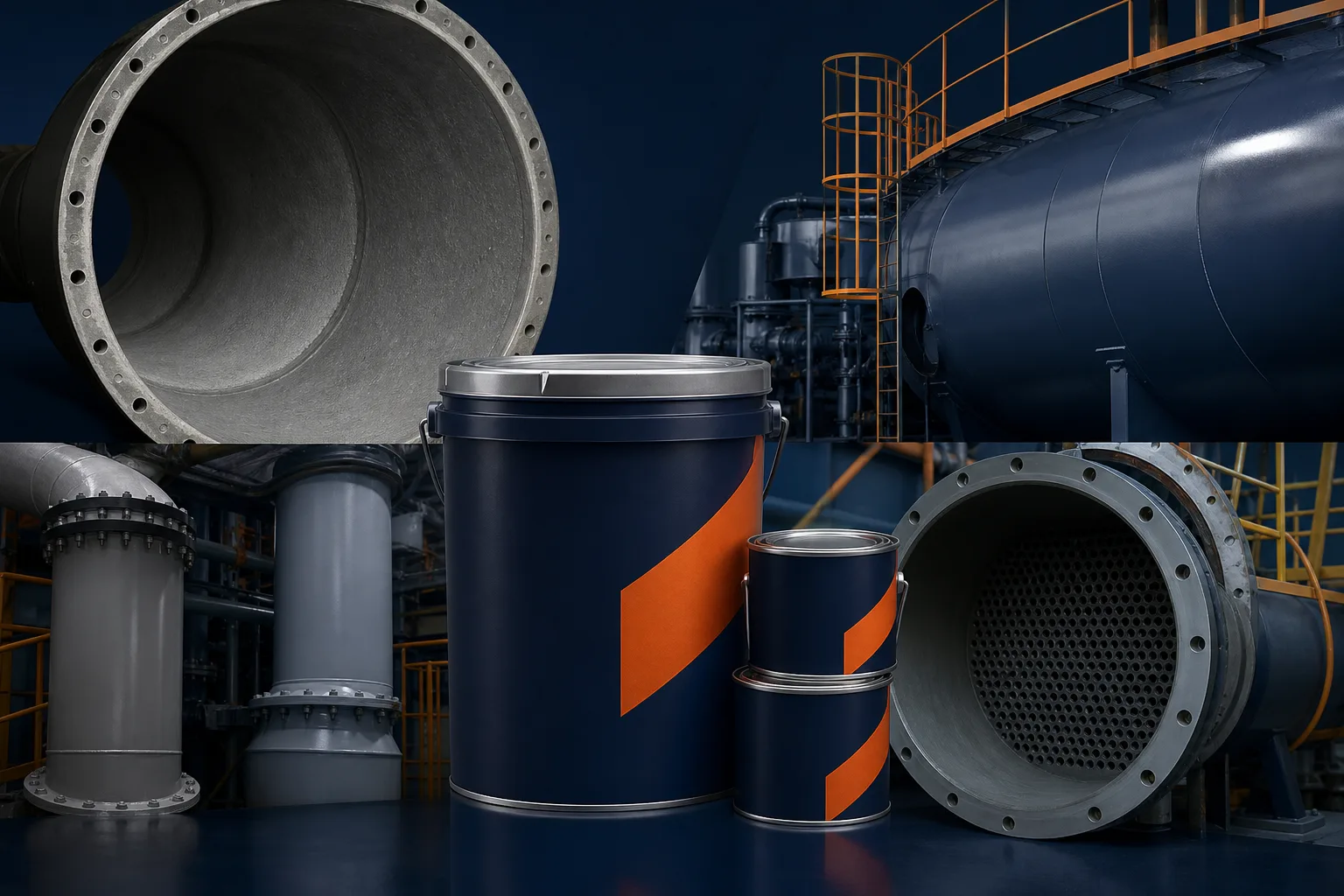
ZDS-FluidGlide
For high-temperature repair, chemical-resistant lining, tank and flue protection, sealing, and fluid-equipment coating.
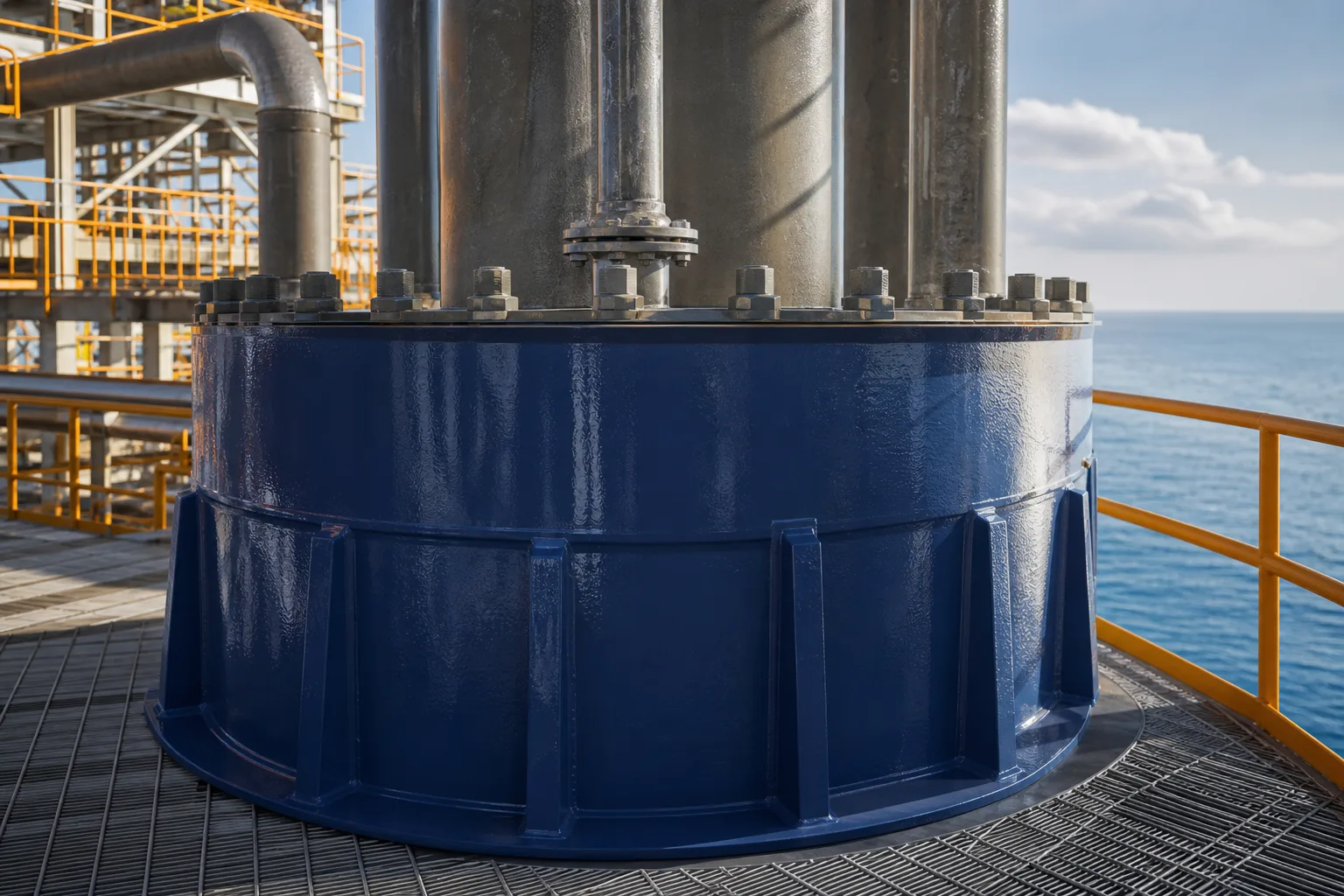
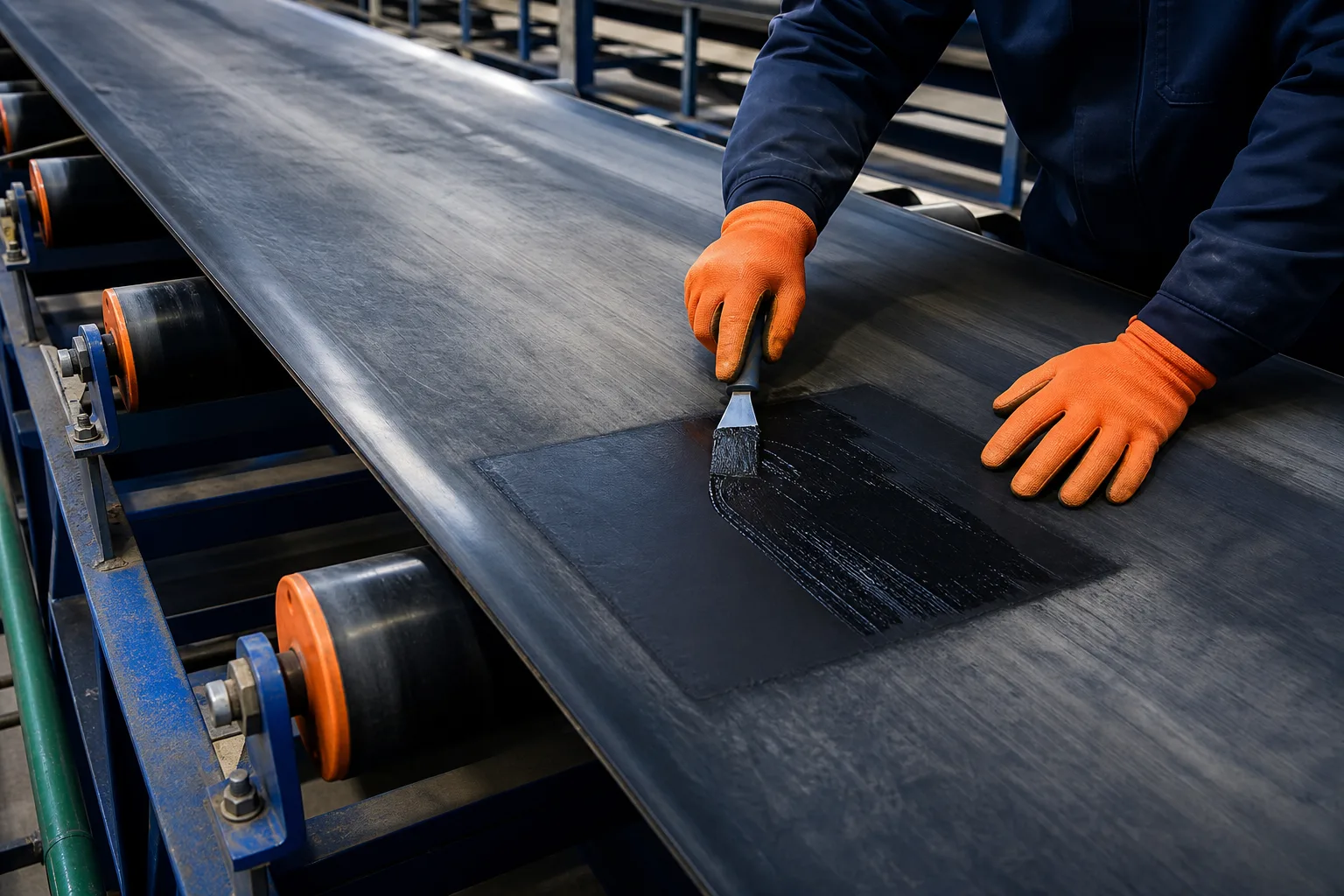
ZDS-RubberElast
For conveyor belts, rubber linings, rollers, cables, tires, and other elastomer components.
Equipment Selection
Select Repair Materials by Equipment and Damage
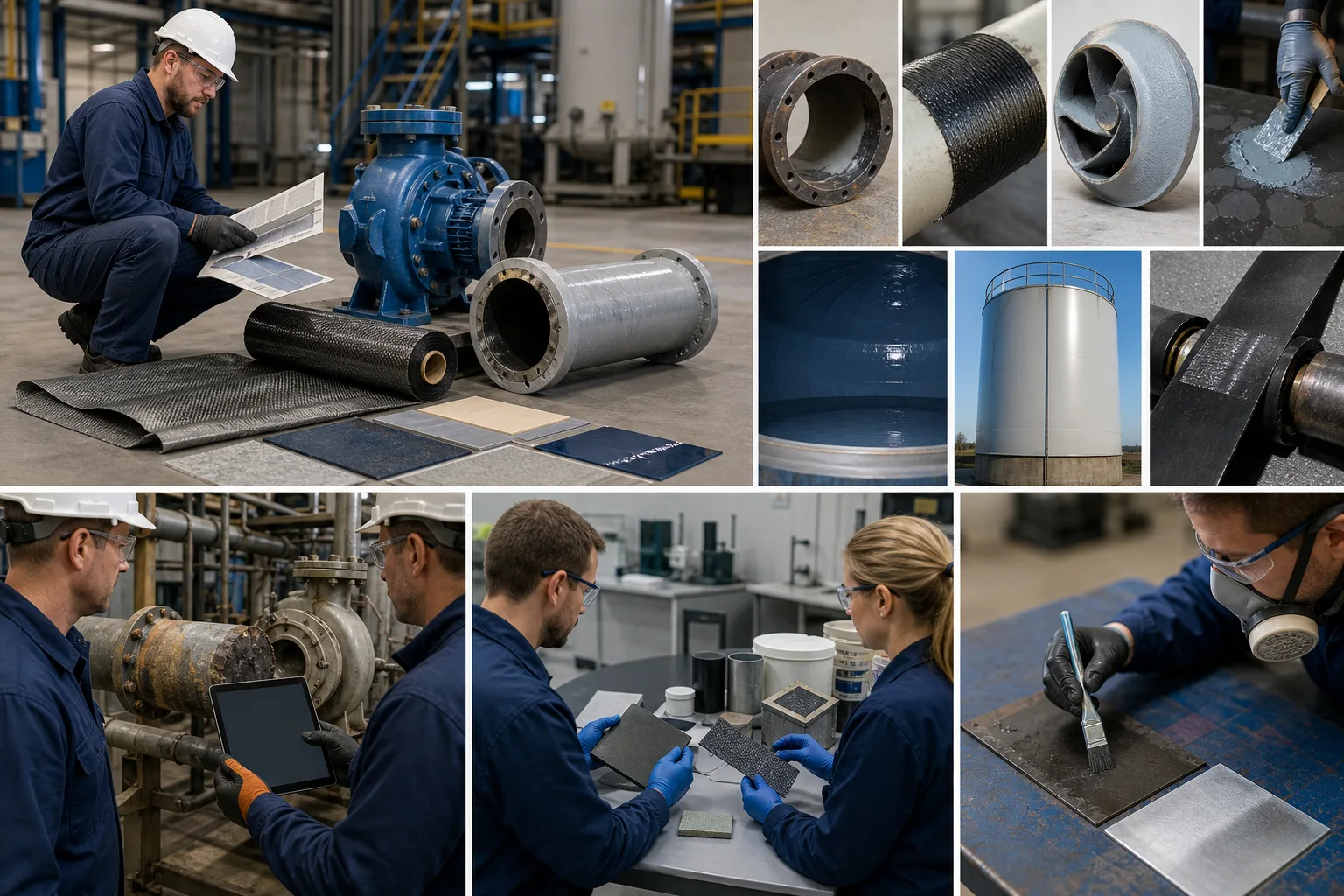
Equipment type is a practical first filter because it indicates likely substrate, geometry, loading, and access constraints. Organize material categories for pipes, pumps, valves, tanks, rotating components, conveyors, and other industrial assets.
Pipes and Process Lines
Assess whether the work requires sealing, corrosion rebuilding, external reinforcement, wet-surface repair, lining, or combined protection.
Pumps and Fluid Equipment
Use damage location and fluid exposure to compare rebuilding, wear protection, and lining routes.
Wear-Exposed Components
Document particle characteristics, flow direction, impact angle, chemical exposure, and maintenance access.
Operating Conditions
Compare Products by Service Condition
Similar equipment can require different materials when operating conditions differ. Record the main exposure factors before comparing product categories.
Temperature
Record normal operation, peak exposure, temperature cycling, and application temperature.
Moisture
Distinguish dry surfaces, residual dampness, splash exposure, continuous immersion, and underwater application.
Chemical Contact
Identify the media, known concentration, contact pattern, and operating temperature.
Mechanical Loading
Note movement, vibration, impact, pressure, tension, compression, and structural reinforcement requirements.
Wear Mechanism
Separate abrasion, erosion, cavitation, particle impact, and mixed wear conditions.
Application Access
Consider shutdown duration, surface accessibility, repair geometry, and available preparation methods.
Wet Environments
Assess Submerged and Wet-Surface Repairs
For submerged or persistently wet locations, assess contamination, substrate integrity, preparation, and service loading. A wet-curing material category does not remove these requirements.
✓ ISO-aligned quality
✓ Low-volume support
Limited Shutdown
Rapid Repair Material Selection
Rapid repair means limited shutdown or restricted application time. It does not mean one material suits every emergency. Safe isolation, damage assessment, preparation, application conditions, and return-to-service criteria remain essential.
01
Identify the equipment, substrate, defect
and immediate operating risk.
02
Confirm whether the repair is temporary
maintenance-stage, or part of a longer-term plan.
03
Record temperature, moisture, pressure
chemical exposure, and mechanical loading.
04
Compare available preparation time with
the applicable product instructions.
05
Confirm material selection and
return-to-service requirements against current documentation.
Supporting Materials
Surface Preparation Products
Cleaning agents, primers, conditioners, and application materials form a supporting category, not an eighth primary series. Preparation should reflect the substrate, contamination, coating, surface profile, access, and environmental constraints.

Evaluation Inputs
Information Needed for Product Evaluation
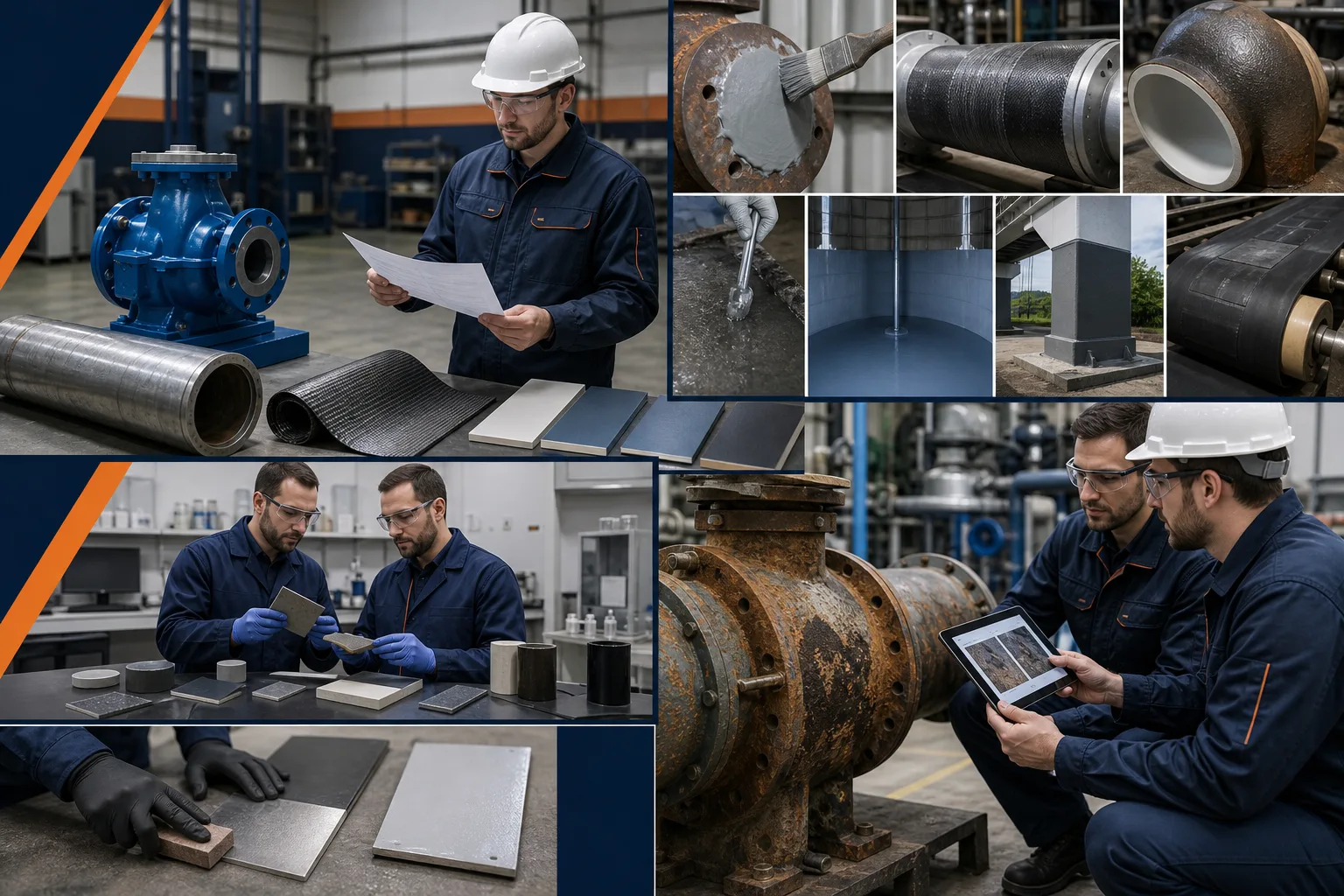
A useful inquiry includes photographs, equipment details, substrate, defect dimensions, service media, temperature, moisture, loading, preparation constraints, required quantity, and target schedule.
Selection Guide
Prepare the operating and purchasing information needed for a practical product shortlist.
Technical Data Sheets
Compare documented application conditions with the project before qualification or purchasing.
Sample Evaluation
Qualified buyers can request a sample when evaluation methods, acceptance criteria, and operating relevance are defined.
Technical and Supply
Support Behind the Product Portfolio
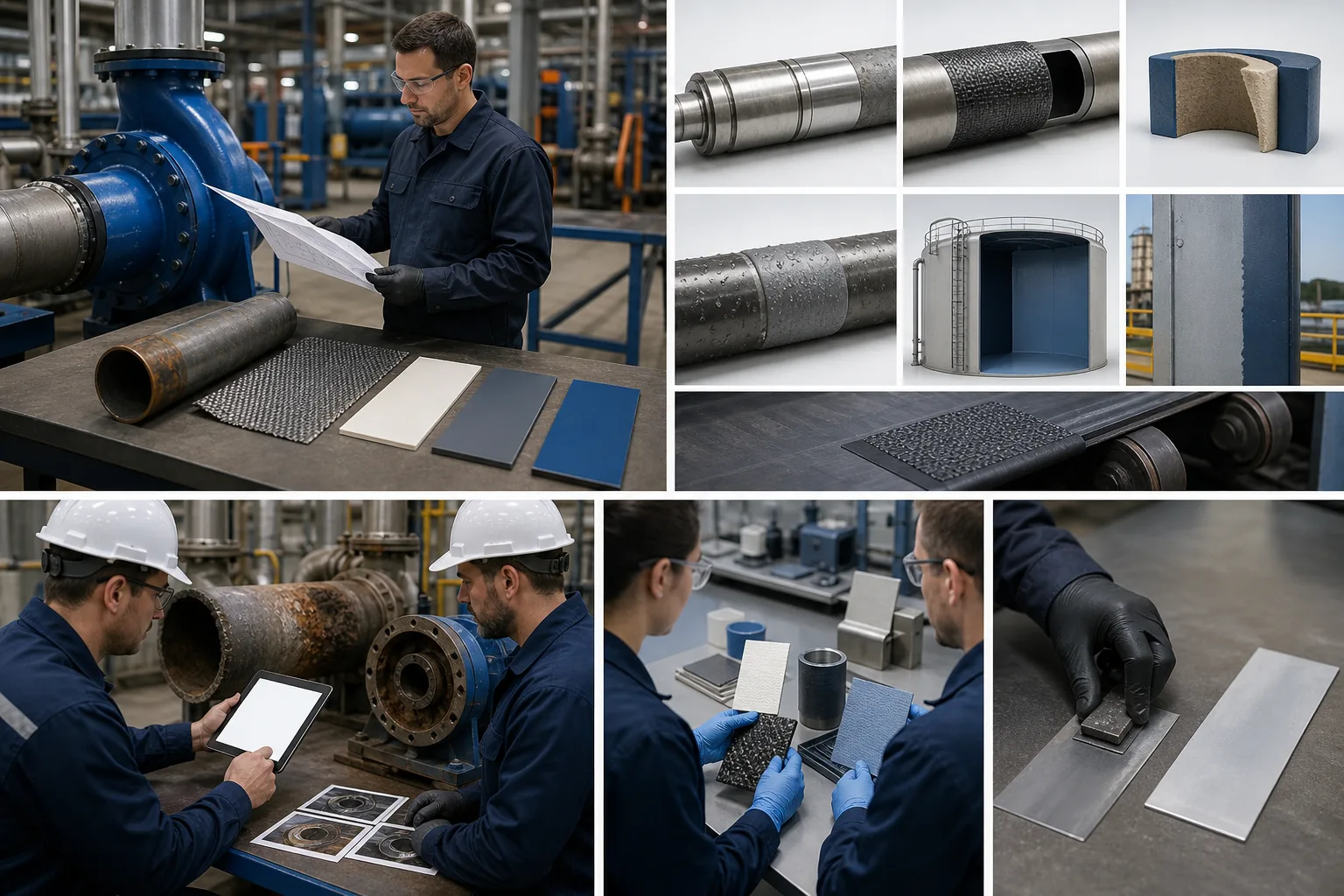
ZDS has operated as a professional chemical manufacturer since 1998. A dedicated R&D team of 30 professionals supports product development, formulation, product improvement, and application-specific evaluation.
Selection Limits
Confirm Requirements Before Use
Series descriptions do not replace technical or safety data sheets, engineering assessment, or site procedures. Final selection must account for substrate integrity, defect severity, loading, preparation, environment, and return to service.
Next Step
Build a Practical Industrial Repair Material Shortlist
Use the product catalog to compare the seven ZDSChem series. For unusual equipment, mixed exposure, limited access, or several possible material routes, submit operating details for technical review.
FAQ
Frequently Asked Questions
Start with the equipment and substrate, then identify the damage type and service conditions. Metal loss may point toward ZDS-MetalRebuild, structural pipe reinforcement toward ZDS-CompositeWrap, and abrasion or erosion toward ZDS-CeramicArmor. Moisture, temperature, chemical contact, loading, preparation access, and the required repair function further narrow the selection.
Provide the equipment type, substrate, defect dimensions, photographs, operating temperature, service media, moisture condition, pressure or loading where relevant, available surface preparation, shutdown window, required quantity, and target market or project location. More complete operating information supports a more practical shortlist.
No. An emergency may involve leakage, structural weakness, metal loss, wet surfaces, chemical exposure, or severe wear. Each condition creates different selection requirements. Safe equipment isolation, defect assessment, preparation, application instructions, and return-to-service criteria still apply when shutdown time is limited.
Qualified buyers can request samples for evaluation. Sample availability and selection depend on the product, application, purchasing information, and evaluation purpose. The testing method, acceptance criteria, substrate preparation, and relationship between the test and actual service conditions should be defined in advance.
ISO 9001 and IATF 16949 apply to quality-management systems; they do not automatically certify the performance, safety, compliance, or suitability of an individual repair product. Current supporting documents should be checked when certification scope, validity, or applicability is part of supplier qualification.
Customer-specific formulation or performance requirements can be submitted for technical and commercial evaluation. Feasibility is determined from the application, specification, expected volume, target market, documentation needs, and other commercial factors. Submission does not guarantee that development or modification will be accepted.