
Industrial Repair Material Support for Contractors
ZDSChem helps repair contractors identify suitable material routes for field repairs, planned shutdowns, emergency work, and repeat maintenance supply. Selection starts with the substrate, damage, service conditions, site access, and required return-to-service window.
Contractor Supply
Materials for Field, Shutdown, and Emergency Repair
Project-based sourcing requires practical material selection, technical documents, sample evaluation, quantity planning, and a clear route from initial testing to repeat purchasing.
Field Repair
Identify material categories that can be prepared and applied within the available site conditions.
Shutdown Work
Compare repair routes with the maintenance schedule, preparation requirements, and return-to-service target.
Emergency Response
Prepare a shortlist for leaks, equipment damage, wet surfaces, and other unplanned conditions.
Repeat Supply
Discuss documents, pack requirements, stocking plans, and replenishment for recurring contractor work.
Selection Factors
Factors That Affect Repair Material Selection
Corrosion, erosion, or leakage is only the first screening point. Selection must also account for the substrate, damage geometry, service exposure, work window, access, and application method.
Substrate and Geometry
Record the substrate, affected area, damage profile, and whether the work involves rebuilding, sealing, bonding, or protection.
Service Conditions
Document water, chemicals, heat, UV, abrasion, erosion, cavitation, vibration, pressure, and immersion exposure.
Working and Cure Window
Compare current working-time and cure data with the expected temperature, application conditions, and return-to-service target.
Access and Application
Assess overhead, confined, remote, wet, underwater, or active-process access and the practical needs of the site crew.
Product Routes
Product Routes for Common Contractor Work
Seven primary ZDSChem repair series are organized by repair objective and service condition. They provide a sourcing starting point; final selection depends on application details and current product documentation.
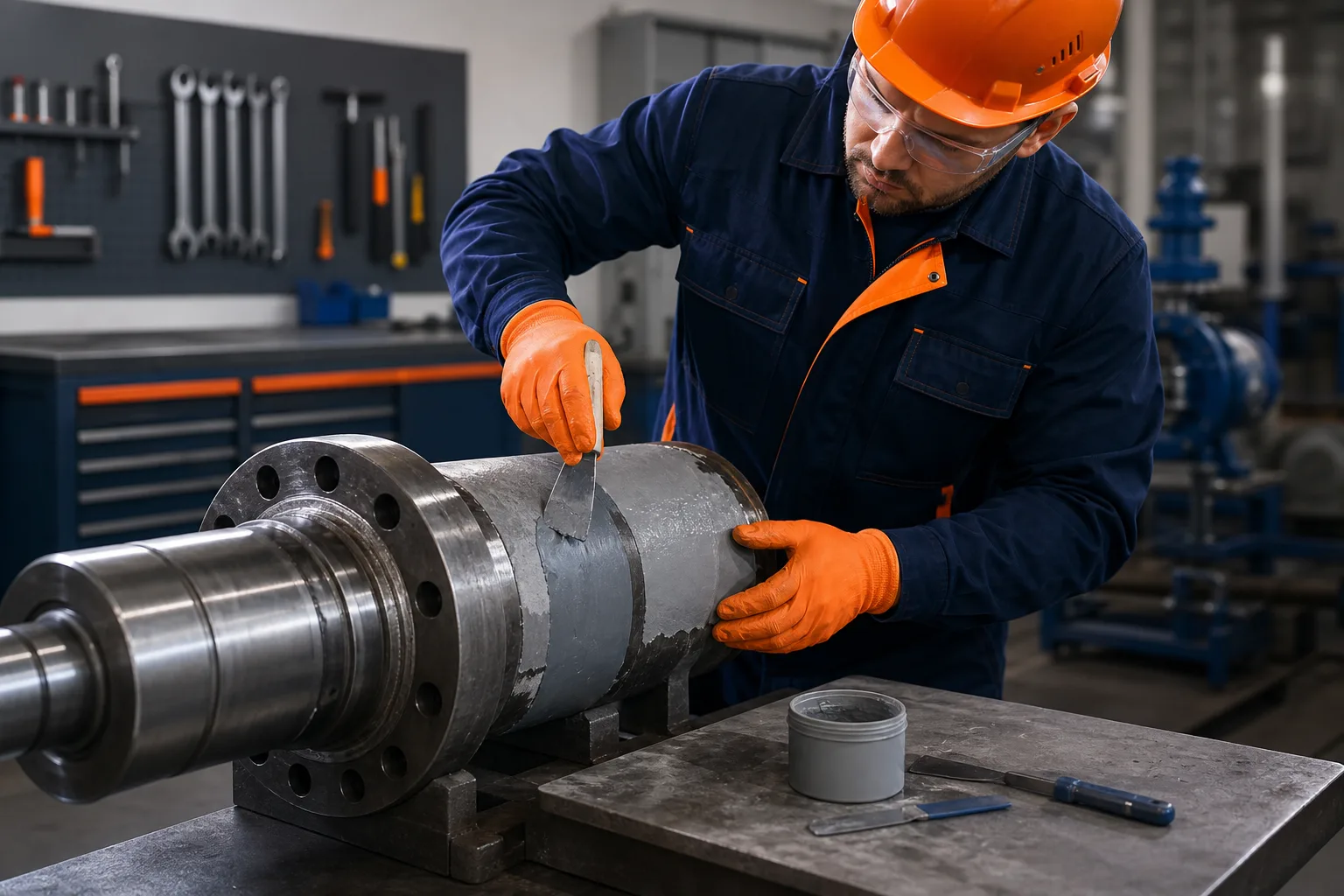
ZDS-MetalRebuild
For metal rebuilding, cold repair, dimensional restoration, leak sealing, and structural bonding of industrial metal components.
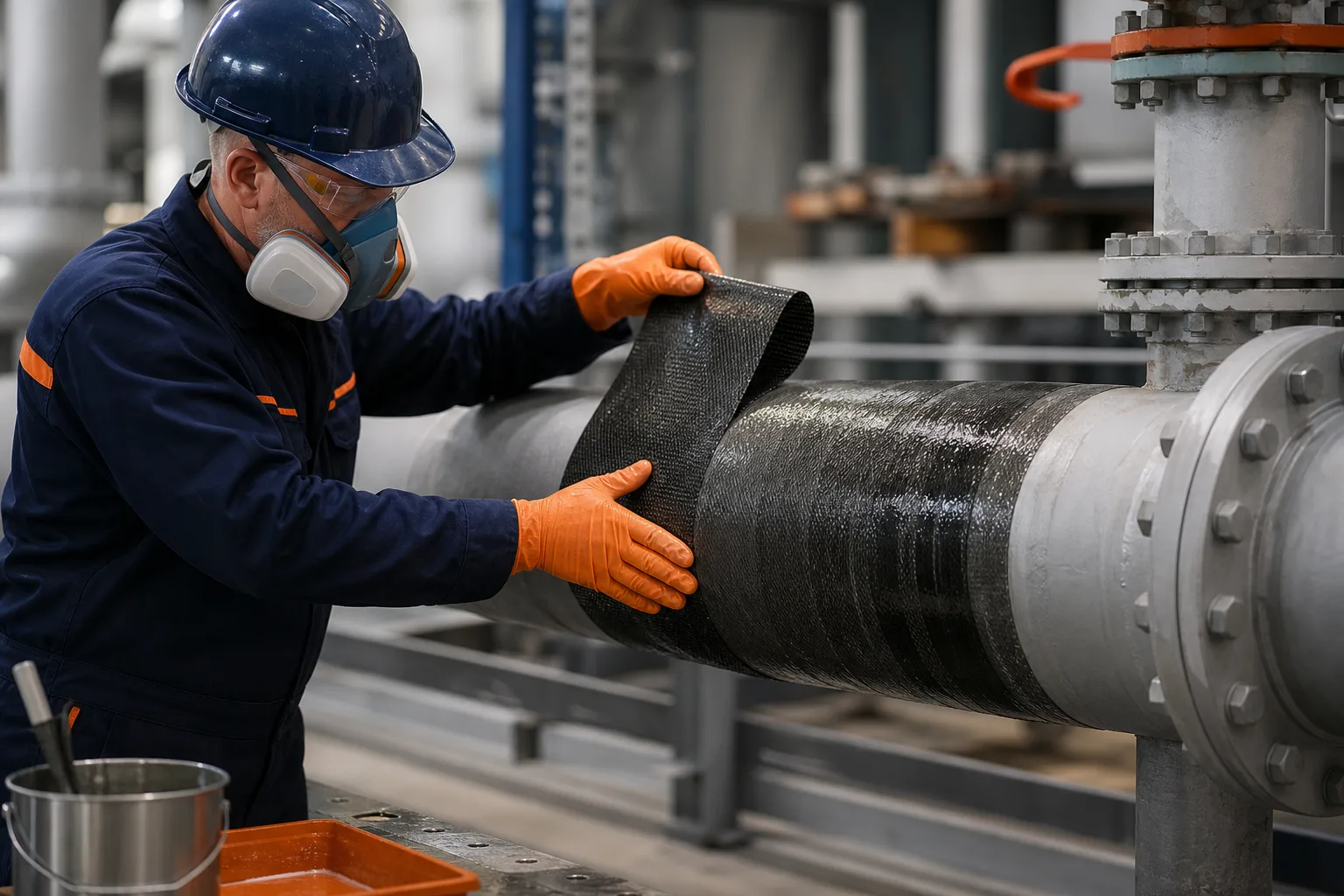
ZDS-CompositeWrap
For composite pipe reinforcement, FRP repair, and structural laminating systems requiring a reinforced repair route.
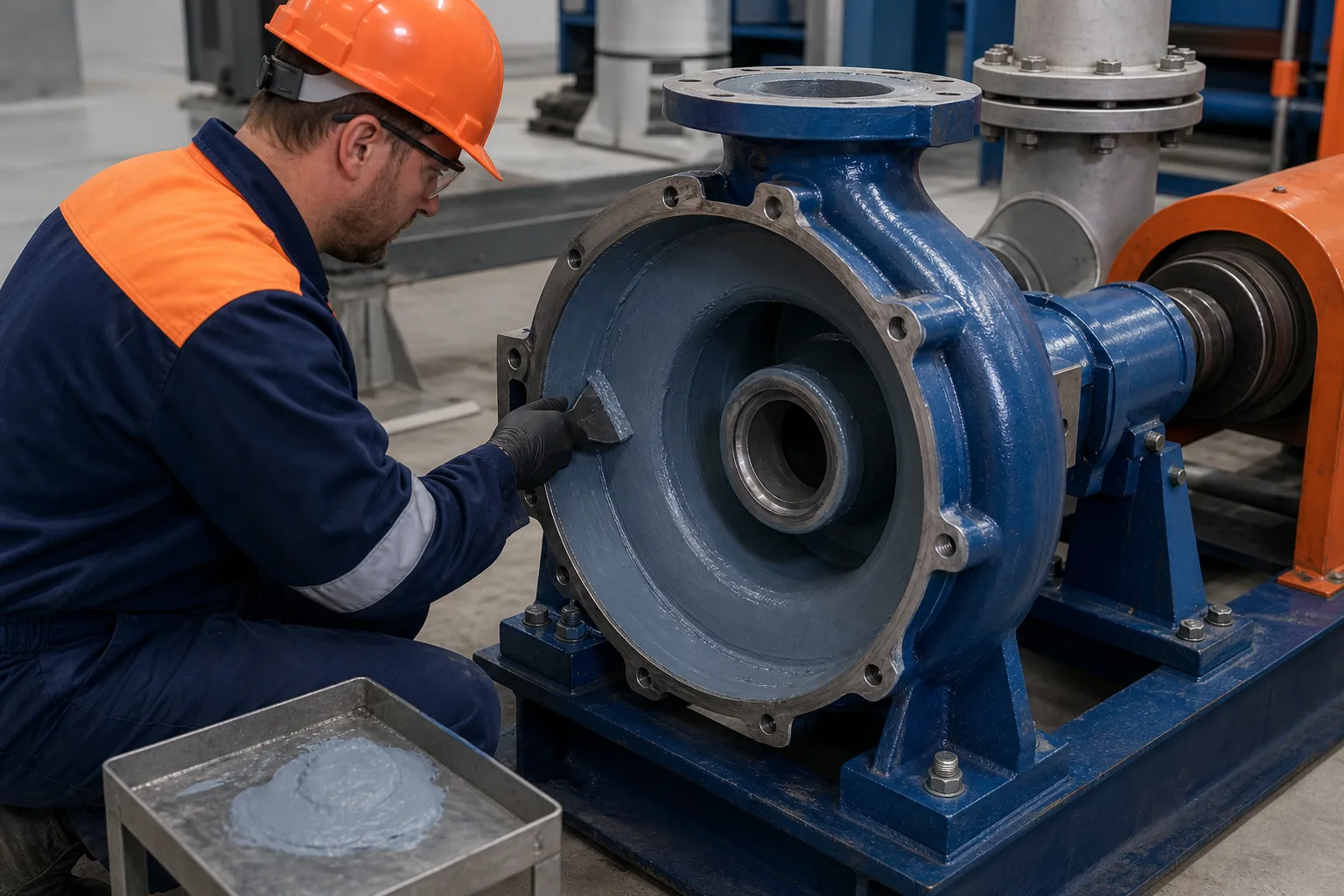
ZDS-CeramicArmor
For ceramic-filled repair and protection in wear, erosion, cavitation, and heavy-duty equipment conditions.
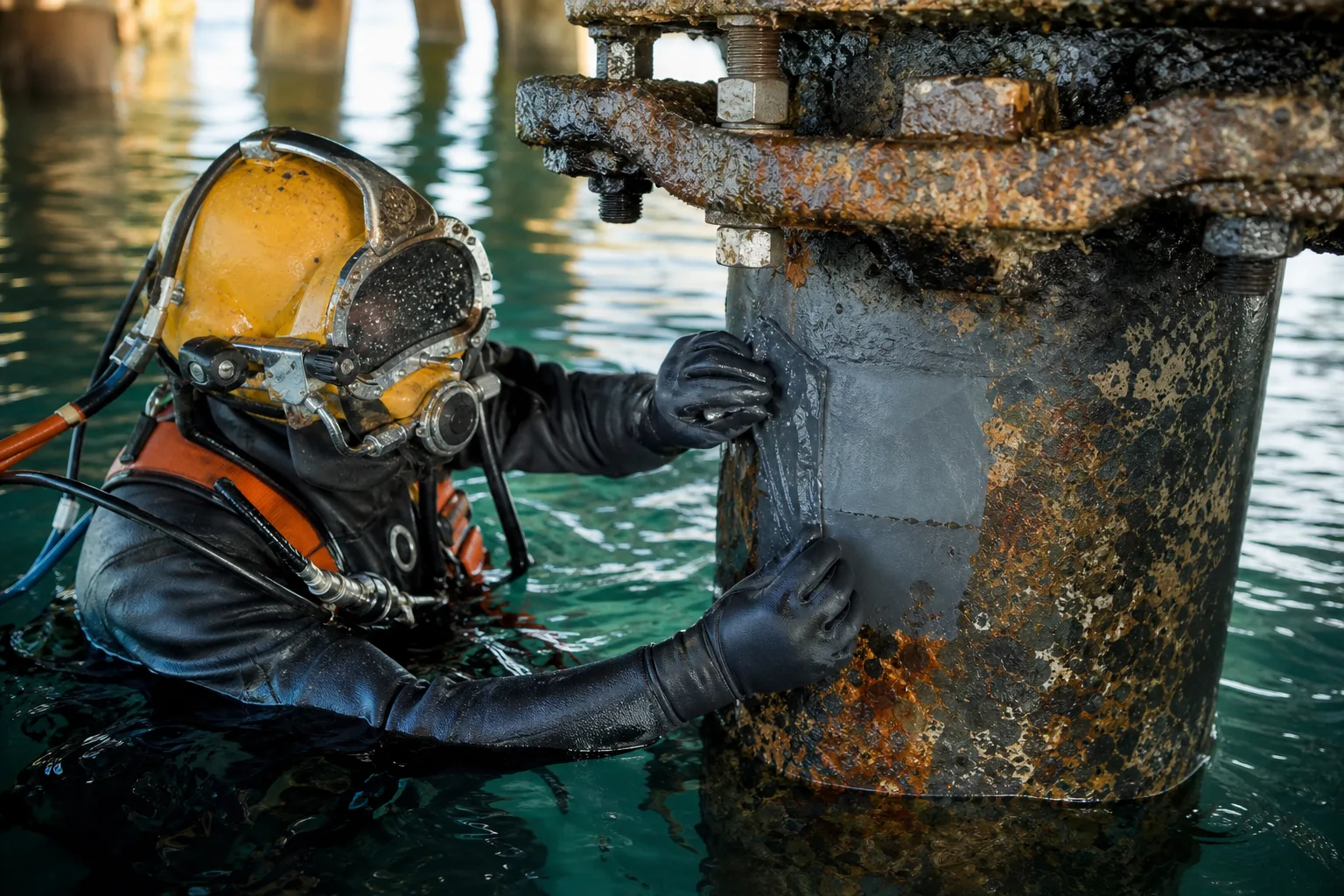
ZDS-AquaShield
For underwater-curing, wet-surface, marine, and emergency repairs where dry access is limited or unavailable.
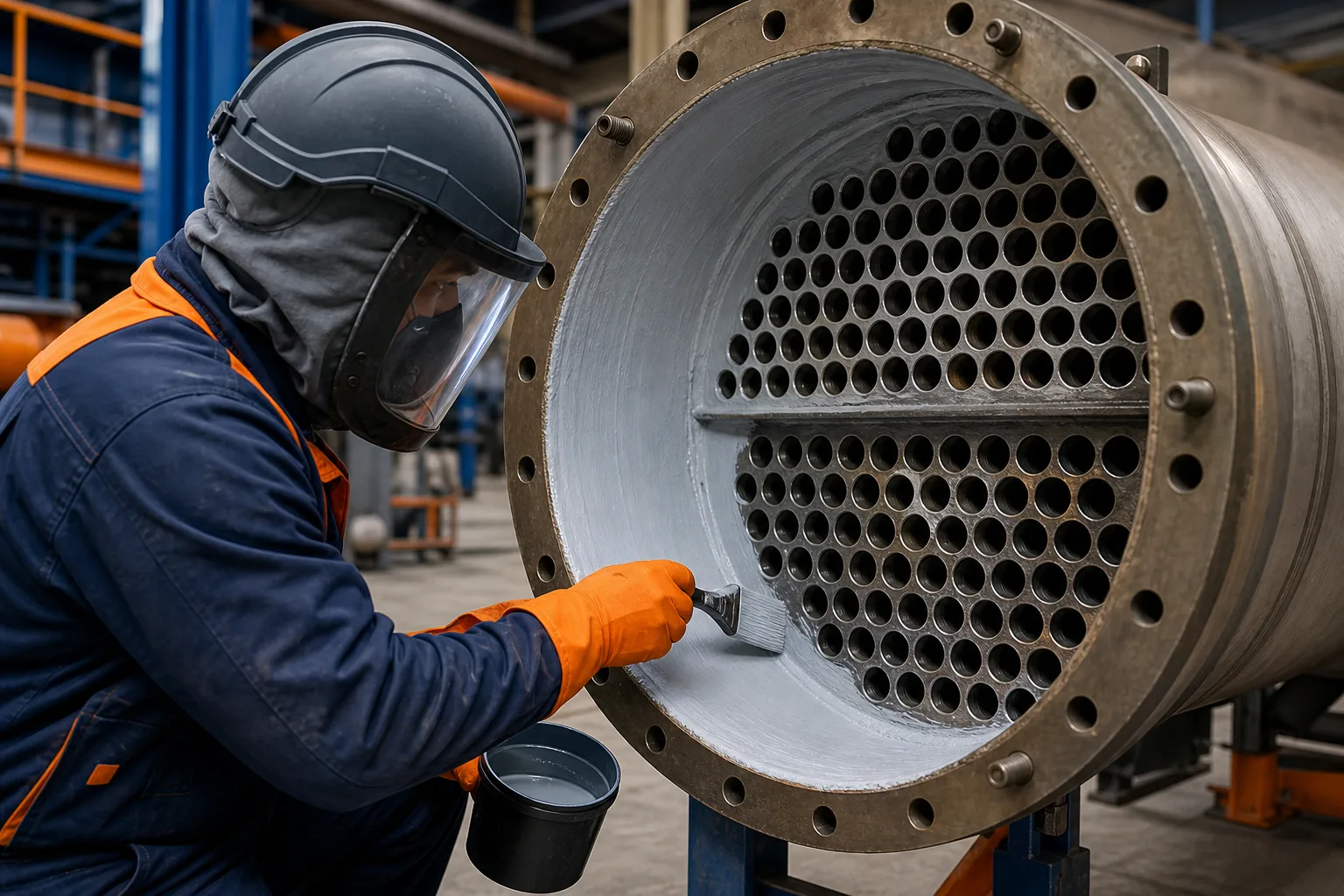
ZDS-FluidGlide
For high-temperature repair, chemical-resistant lining, vessel lining, flue protection, sealing, and fluid-equipment coatings.
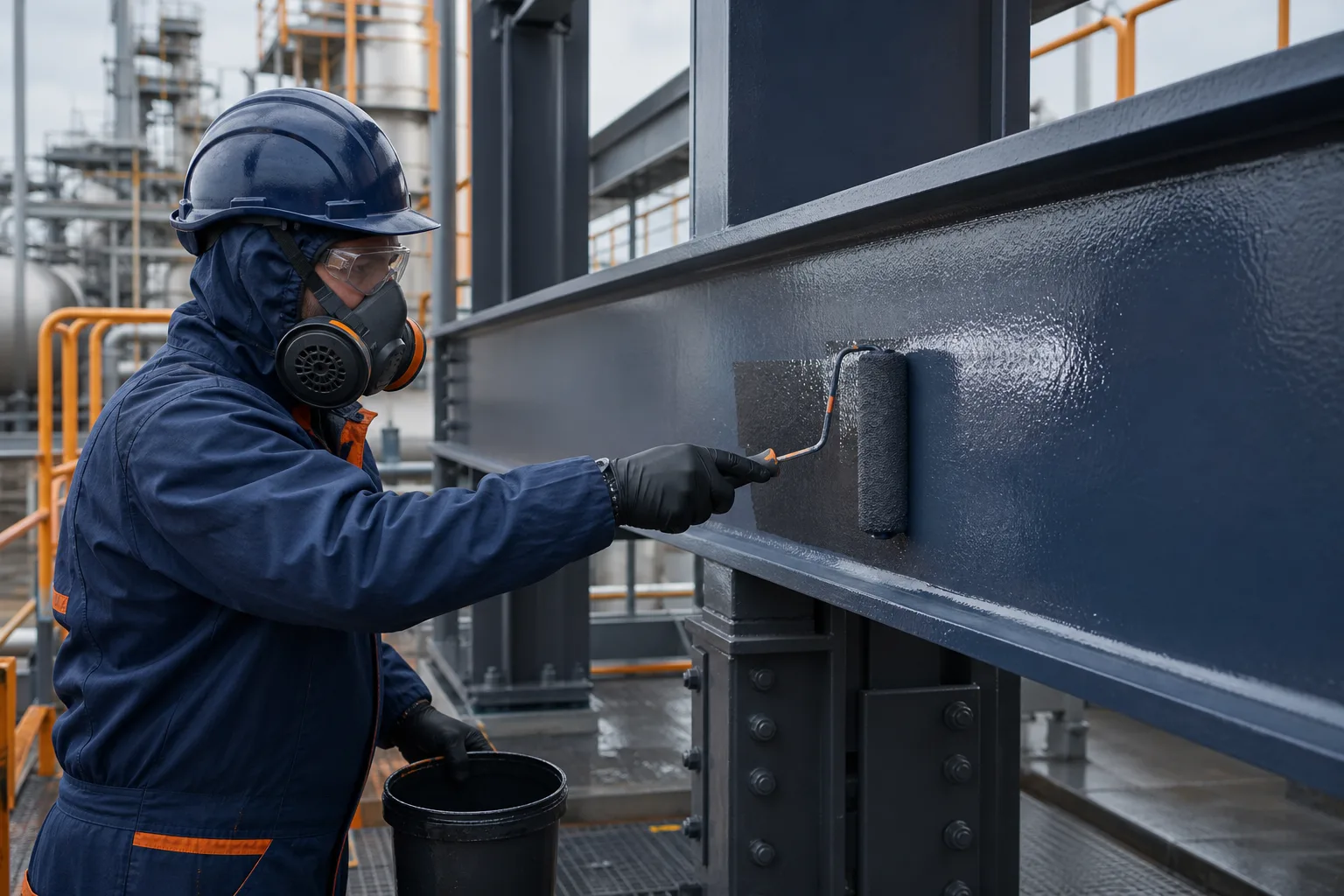
ZDS-PolyAspartic
For UV-resistant, weather-stable outdoor topcoats where exposed surfaces require a dedicated coating route.
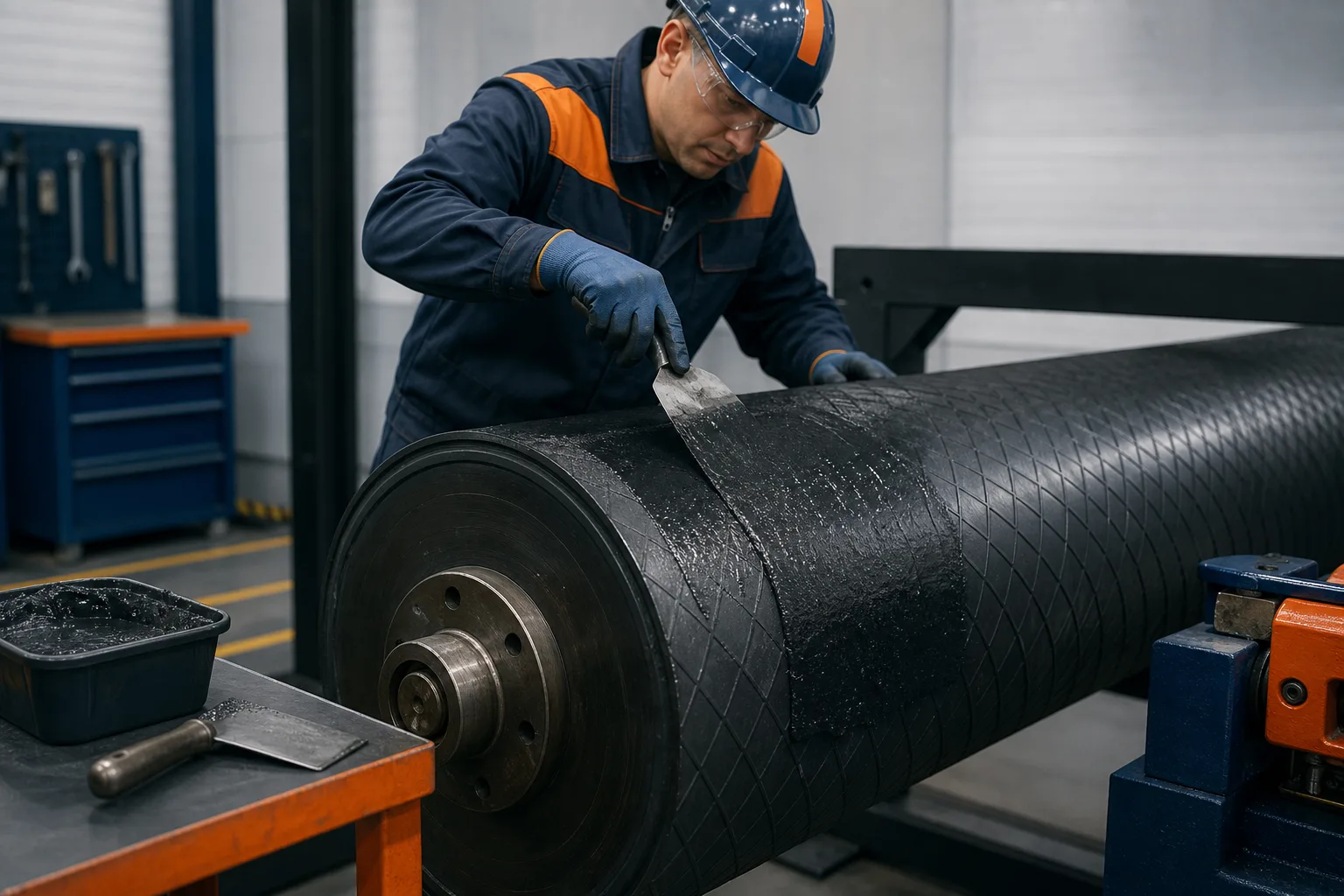
ZDS-RubberElast
For repairing or restoring conveyor belts, rubber linings, rollers, cables, tires, and other elastomer components.
Fast-Curing Work
Plan Fast-Curing Repairs Without Skipping Evaluation
Cure profile can be important during a short shutdown or emergency response, but it remains one part of the decision alongside preparation, application, service exposure, and return-to-service conditions.
01
Define the Work Window
Record when work can begin, how long the crew can apply the material, and what must occur before service resumes.
02
Compare Current Data
Check working and cure information at the expected temperature, humidity, immersion, and substrate conditions.
03
Prepare Before Mixing
Arrange cleaning, tools, reinforcement, access equipment, and protection materials before application begins.
04
Document the Decision
Retain product information, surface condition, batch details, application notes, and acceptance criteria.
Application Pathways
Move From Site Conditions to a Product Shortlist
Use the equipment type and damage pattern to narrow the search before discussing pack quantities or quotation terms. Separate repair and reinforcement routes where the project requires both.
01
Pipe Leaks and Wall Loss
Review sealing and rebuilding needs, then assess composite reinforcement separately when it forms part of the repair design.
02
Composite Reinforcement
Compare composite pipe reinforcement guidance when the repair design requires a reinforced structural route.
03
Pumps and Flow Equipment
Organize substrate, geometry, wear, and access information for pump repair and protection.
04
Valves and Flanges
Assess substrate, geometry, sealing, wear, and site access for valve and flange repairs.
05
Tanks and Vessels
Compare lining routes according to the process surface, exposure, and operating conditions.
06
Chemical Corrosion
Review chemical corrosion protection according to the actual exposure and operating environment.
07
High-Temperature Repair
Assess high-temperature repair guidance against the documented operating and application conditions.
08
Wear and Erosion
Review protection routes when slurry, particles, fluid velocity, cavitation, or repeated impact drives the damage.
09
Wet and Underwater Access
Review wet-surface guidance for marine work, submerged assets, or surfaces that cannot be fully dried.
Project Evaluation
Samples, Documents, and Project Quotations
Provide equipment, substrate, damage, service conditions, repair area, access, expected quantity, and destination market. Photographs, drawings, operating records, and specifications can support review.
Submit the Project Brief
Upload specifications, photographs, drawings, operating conditions, and other available project records.
Review Technical Documents
Use available product information to support material review and project documentation.
Plan the Application
Review available application guides when planning preparation and material application.
Evaluate a Sample
Assess handling, preparation, application, or a defined test condition using agreed evaluation criteria.
Check the Sample Policy
Review the information required for the sample evaluation route before submitting the request.
Plan Initial Purchasing
Connect evaluation requirements with an initial order and a possible repeat-supply discussion.
Supplier Support
Technical Support for Contractor Evaluations
ZDSChem's industrial repair offering is supported by ZDS's chemical manufacturing, formulation, R&D, technical, and quality-management background.
Manufacturing Background
ZDS has operated as a professional chemical manufacturer since 1998, supporting broader supply and formulation discussions.
Application-Focused R&D
A dedicated team of 30 professionals supports development, formulation review, improvement, adaptation, and requirement review.
Quality and Documents
Review the quality-control process when discussing available quality records and supporting evidence.
Company Background
Review ZDS company information for broader supplier and manufacturing context.
Certifications
ISO 9001 and IATF 16949 describe ZDS quality-management systems, not individual product performance.
Selection Limits
Confirm the Limits Before Ordering
Industrial repair materials are selected for a defined substrate and service condition. General category descriptions do not replace current technical data for the product under consideration.
Confirm working time, cure profile
preparation requirements, and protection conditions against current product documentation.
Confirm chemical exposure, temperature
pressure, immersion, UV, abrasion, erosion, vibration, and other relevant operating factors.
For pressure-containing, structural
safety-critical, or regulated equipment, include the responsible engineer and applicable repair procedure or standard.
Sample evaluation can establish handling
and project-specific acceptance criteria, but it does not guarantee field performance without matching actual service conditions.
If site conditions fall outside documented
use conditions, pause selection and request technical guidance.
Customer-specific formulation, packaging
labeling, or documentation may be reviewed after the application, specification, expected volume, and target market are supplied.
Customized routes remain conditional on
technical and commercial feasibility.

Project Support
Prepare the Next Repair-Material Decision
Send the equipment type, substrate, damage, service conditions, dimensions, access limits, time window, and purchasing needs. Final suitability and commercial feasibility follow the available technical evidence and project review.
FAQ
Frequently Asked Questions
ZDSChem organizes industrial repair materials into seven primary series covering metal rebuilding, composite pipe reinforcement, ceramic wear protection, underwater and wet-surface repair, high-temperature and chemical-resistant systems, outdoor topcoats, and rubber or elastomer repair.
Compare the documented working time and cure profile with the actual substrate, temperature, humidity, immersion, preparation method, and return-to-service requirement. A fast-curing option is not automatically suitable if the service condition or preparation requirements do not match.
Provide the equipment type, substrate, damage mechanism, repair dimensions, operating temperature, chemical or water exposure, pressure or immersion conditions, access limitations, application window, expected quantity, and destination market. Photos, drawings, and current specifications can also help.
Yes. A sample can support an evaluation of handling, preparation, application, or a defined project test condition. The evaluation method and acceptance criteria should be agreed before testing, and sample use does not guarantee approval or field performance.
Contractors can submit project information for a quotation discussion covering scope, material quantity, packaging requirements, destination, and available documentation. Initial stocking and repeat-supply planning can be discussed after the product and commercial requirements are defined.
No. ISO 9001 and IATF 16949 are quality-management system certifications. They do not automatically certify the performance, safety, compliance, or suitability of an individual ZDSChem product. Product-specific requirements should be checked against current supporting documents.