
Industrial Material Lead Time Planning
Industrial material lead time planning helps distributors, importers, MRO suppliers, repair contractors, and procurement teams estimate when a selected repair material can be prepared and shipped. A reliable plan connects product choice, order quantity, packaging requirements, production scheduling, technical documents, and transport details. A firm date is confirmed only after these inputs have been reviewed. The planning question is not simply how fast a material can be made. It is whether the product route, order profile, pack configuration, documentation, production sequence, and destination can be aligned for the intended supply request.
Planning Scope
What Industrial Material Lead Time Planning Covers
Lead time planning separates preparation time, production time, and transport time. This helps buyers compare a standard product request with an order involving packaging changes, multiple product series, localized documents, or a large quantity. It also prevents a production estimate from being treated as an arrival-date guarantee.
Product definition
identify the ZDSChem series, product designation, substrate, damage type, and service condition.
Order profile
provide quantity, product mix, initial stocking needs, repeat-purchase expectations, and any split-delivery preference.
Packaging and documents
explain pack format, labels, cartons, instructions, technical documents, and target-market requirements.
Production and transport
align the production sequence with destination, shipping method, commercial documents, and the requested delivery window.
Product Definition
Start With a Defined Product and Order Profile
Product identification is the first planning control point. ZDSChem organizes industrial repair materials into seven primary series, each aligned with a different repair route. A defined product route reduces avoidable questions before quantity, packaging, and production planning are discussed.

ZDS-MetalRebuild
Metal rebuilding, cold repair, dimensional restoration, leak sealing, and structural bonding.
ZDS-CompositeWrap
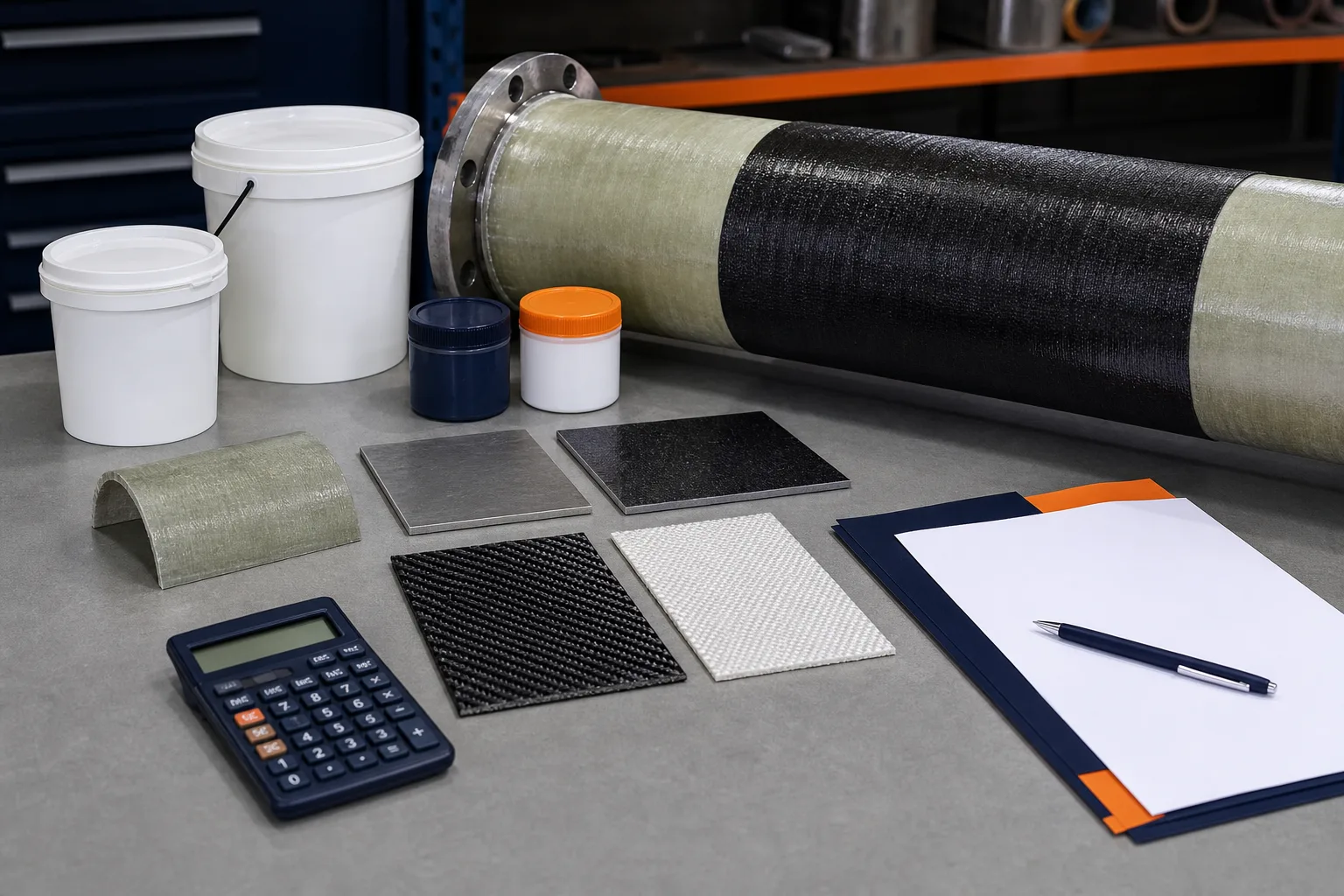
Composite pipe reinforcement, FRP repair, and structural laminating systems.

ZDS-CeramicArmor
Ceramic-filled materials for wear, erosion, cavitation, and heavy-duty equipment protection.

ZDS-AquaShield
Underwater-curing, wet-surface, marine, and emergency repair materials.

ZDS-FluidGlide
High-temperature repair, chemical-resistant lining, tank lining, flue protection, sealing, and fluid-equipment coating systems.

ZDS-PolyAspartic
UV-resistant, weather-stable, and outdoor protective topcoat systems.

ZDS-RubberElast
Repair materials for conveyor belts, rubber linings, rollers, cables, tires, and elastomer components.
Supply Route
Standard Products Versus Adjusted Requirements
A standard product request usually has a clearer starting point than a request involving new formulation work or changed packaging. The exact product, quantity, pack requirements, destination, and documents still need to be confirmed. Standard product status does not mean immediate stock or a guaranteed dispatch date.
Planning Inputs
Information Used to Prepare a Lead Time Plan
Providing complete information at the beginning helps prepare a more useful lead time discussion. These inputs connect technical selection with production and delivery planning.
Product Route
Series, product designation, substrate, damage, and service condition narrow technical review and document requirements.
Order Profile
Total quantity, product mix, initial order, repeat order, and split shipment needs help determine batch and packing sequence.
Packaging
Pack format, pack size, labels, cartons, instructions, and market presentation identify additional packaging preparation.
Documentation
TDS, SDS, language requirements, and target-market documents clarify preparation and release needs.
Destination
Country, consignee, preferred shipping method, and target delivery window separate preparation timing from transit timing.

Packaging Adjustments
How Packaging Adjustments Change the Plan
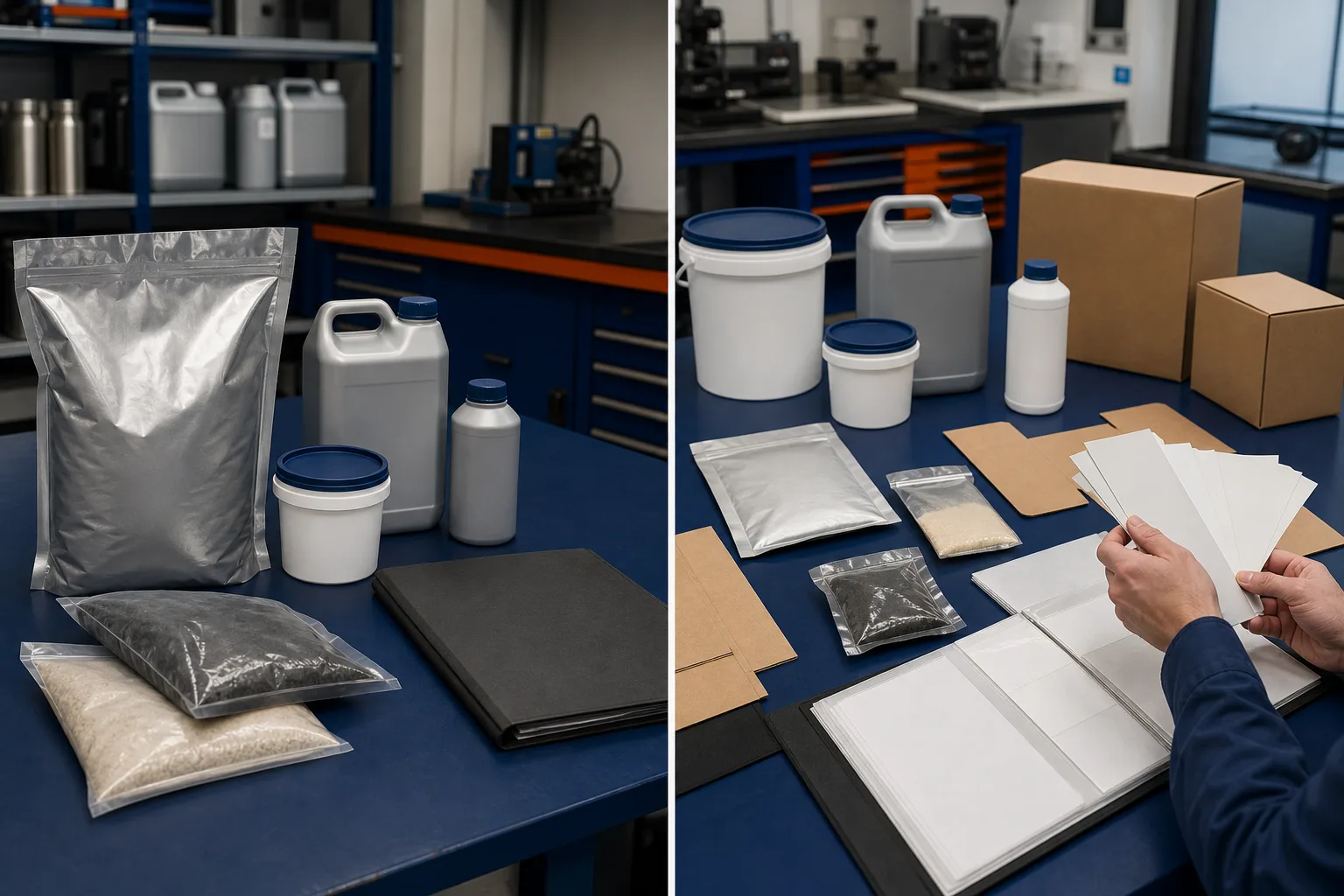
A packaging adjustment can involve more than changing a label. Pack format, pack size, carton information, instructions, language, and target-market presentation can all affect the preparation sequence. Buyers needing a revised presentation should use the Custom Packaging Assessment route so requested changes can be separated from the standard product supply plan.
Order Volume
How Large Orders Affect Production Scheduling
Large orders may include several product series, different pack requirements, or a requested delivery window. These factors can require a review of batch sequence, packing sequence, order completeness, and shipment grouping. Production process and batch production information provide useful context, but do not establish fixed capacity or a delivery date for an individual order.
01
For recurring demand, consider the first
order alongside replenishment expectations.
02
Supply continuity planning can organize
future product mix, documentation, packaging, and purchasing information.
03
Every repeat order should be assessed
because timing may not be identical.
Documents and Transport
Documents and Transport Are Part of the Lead Time
Technical and commercial documents can influence when an order is ready for release. Buyers may need product identification, technical data sheets, safety data sheets, labels, instructions, localized documents, or other target-market information. Transport planning begins with the destination and preferred shipping method. Route availability, shipping restrictions, customs or commercial paperwork, consignee information, and the requested delivery window can affect timing after production is complete.
Technical Documents
Use the document center to identify materials available for product evaluation.
Localized Documents
Assess language and market-format requirements beyond the standard document set.
Export Delivery
Review cross-border shipment factors, including destination and commercial paperwork.
Buyer Roles
Lead Time Planning by Buyer Role
The required planning information varies with the buyer's operating model, inventory needs, project conditions, and purchasing cycle.
Distributors and Importers
Organize assortment planning, initial stocking, pack and label requirements, technical documents, and repeat-purchase expectations.
MRO Suppliers
Identify maintainable product categories for common equipment, technical documentation, and replenishment planning.
Repair Contractors
Provide equipment, substrate, damage, site conditions, material quantity, and shutdown timing for project-based requests.
Plant Maintenance Teams
Include equipment condition, operating environment, required documents, and purchasing window for emergency repair, shutdown, or maintenance stock.
Supplier Context
Supplier Context for Procurement Review
ZDSChem's industrial repair material platform is informed by ZDS's chemical manufacturing, formulation, R&D, technical support, and quality-management background. Established in 1998, ZDS has operated as a professional chemical manufacturer, providing context for buyers evaluating product development and supply discussions.
Date Confirmation
What Must Be Confirmed Before a Date Is Accepted
No universal lead time applies to every industrial repair material request. The planning result depends on the selected product, order quantity, pack configuration, document scope, destination, and assumptions recorded during commercial review.
Standard product status does not
automatically mean immediate stock or immediate dispatch.
Packaging changes, localized documents
formulation requests, and unusual order mixes can add review or preparation steps.
Production readiness and transport arrival
are separate planning points.
Changes to quantity, product mix
packaging, destination, or requested timing can require a new assessment.
Final timing, commercial terms, and
shipment assumptions require written confirmation for the specific order.

Order Planning
Build a Lead Time Plan Around Your Order
Send the product or product-series requirement, quantity, packaging details, destination, document needs, and requested delivery window. ZDSChem can then determine which technical, commercial, production, and transport questions need to be resolved before a supply plan is confirmed.
FAQ
Frequently Asked Questions
An exact timing estimate requires the product designation, quantity, packaging, destination, document requirements, and requested delivery window. A standard product route does not automatically mean that stock is immediately available.
Provide the intended product series or product designation, order quantity, product mix, packaging and label requirements, target market, destination, shipping preference, documentation needs, and expected initial or repeat-purchase pattern.
Changes to pack format, pack size, labels, cartons, instructions, language, or target-market presentation can add preparation and review steps. The requested packaging scope should be assessed separately from the standard product route.
Large orders are reviewed according to product mix, quantity, packaging sequence, production scheduling requirements, document status, shipment grouping, and destination. No fixed capacity or delivery date should be assumed before order-specific confirmation.
Yes. A sample-to-bulk discussion can connect product evaluation criteria with later purchasing information. Sample selection, acceptance criteria, technical suitability, and commercial feasibility still require review before a bulk order is planned.
No. ISO 9001 and IATF 16949 are quality-management system certifications. They do not certify the performance, suitability, delivery timing, or transport outcome of an individual ZDSChem repair material.