
Industrial Repair Case Studies and Results
Compare repair routes against the equipment, substrate, damage mechanism, and service environment. Review case evidence alongside relevant applications, material series, technical documents, and project consultation.
Buyer Review
How to Use the Repair Evidence Hub
Frame a practical repair review instead of comparing product names in isolation. Start with the relevant application, then assess material categories by substrate, damage type, and service condition.
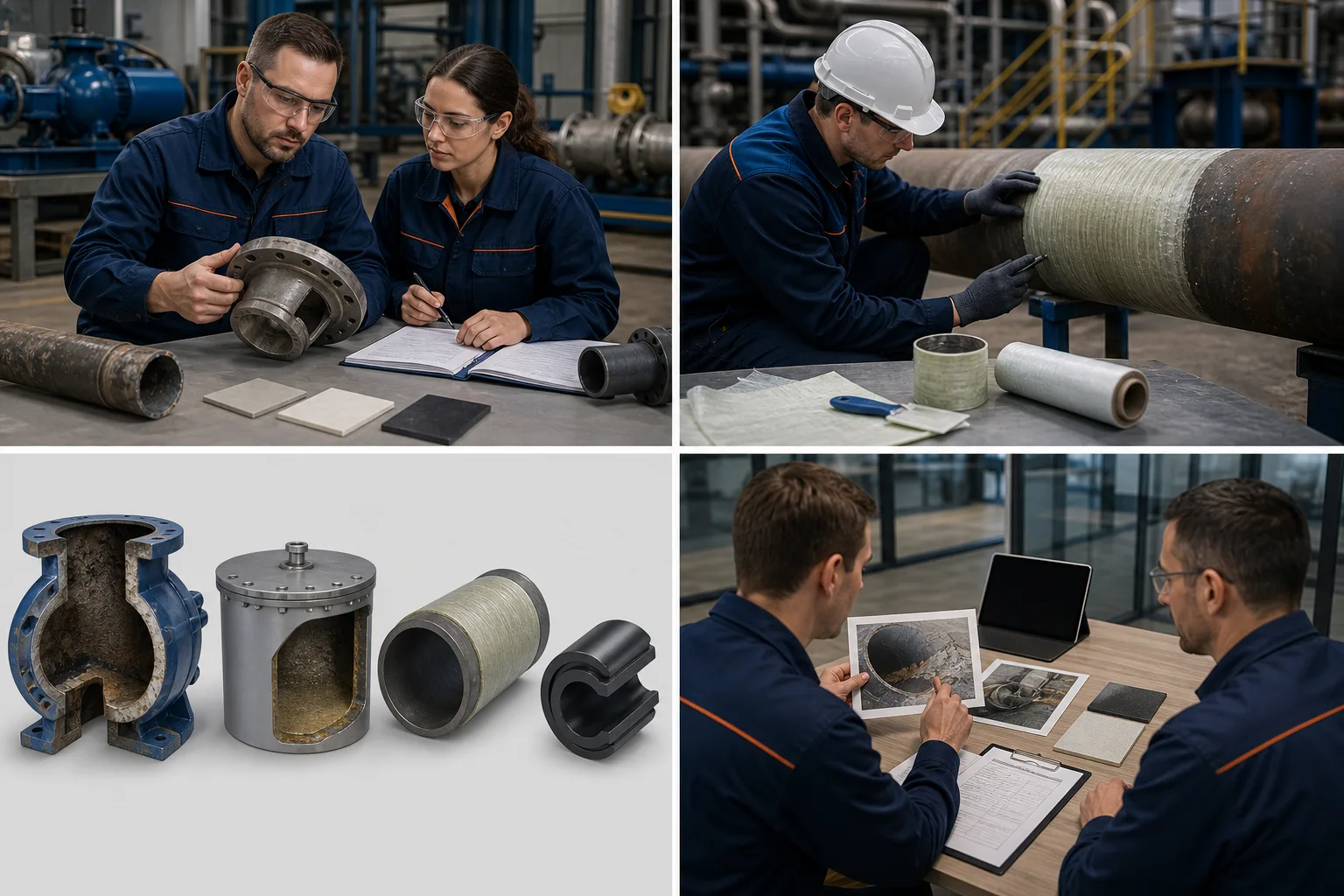
Case Categories
Case Categories by Equipment Problem
Use each category as a starting point for technical comparison. A category does not guarantee that one material will fit every asset, damage condition, or operating environment.
Pipe Repair
Compare leak repair and composite reinforcement based on the repair objective and remaining structure.
Pumps, Valves, and Flanges
Document the component, substrate, damage location, access restrictions, and operating conditions.
Tanks and Vessels
Compare lining, sealing, rebuilding, and coating routes while recording media and exposure conditions.
Abrasion and Erosion
Identify the wear mechanism, particle or slurry contact, affected geometry, and inspection basis.
High-Temperature Equipment
Record the equipment zone, thermal cycling, surrounding media, shutdown conditions, and preparation access.
Wet and Underwater Repair
Distinguish wet-surface application from underwater curing and document immersion, movement, and access limits.
Evidence Fields
Equipment, Damage, and Service Conditions in Each Case
Useful evidence links the starting problem to the selected repair method. It identifies what was known before application, alternatives considered, and conditions limiting interpretation of the result.
Initial Condition
Record what failed and the severity of the damage to define the repair objective and urgency.
Equipment and Substrate
Identify the component and base material to narrow the relevant material family and preparation route.
Service Conditions
Record media, temperature, pressure, immersion, movement, and weather exposure for documentation review.
Material Route
Explain why a compound, wrap, lining, coating, or elastomer repair was selected for the failure mode.
Application Process
Describe preparation, mixing, reinforcement, placement, and cure to identify process controls.
Outcome and Limitation
State what was observed or measured and what remained outside scope to avoid implying a universal guarantee.
Material Selection
How Material Choice Is Explained
Case evidence should explain the reason for a material route, not only name a product. Seven primary series cover distinct repair categories, while surface preparation products provide supporting materials.
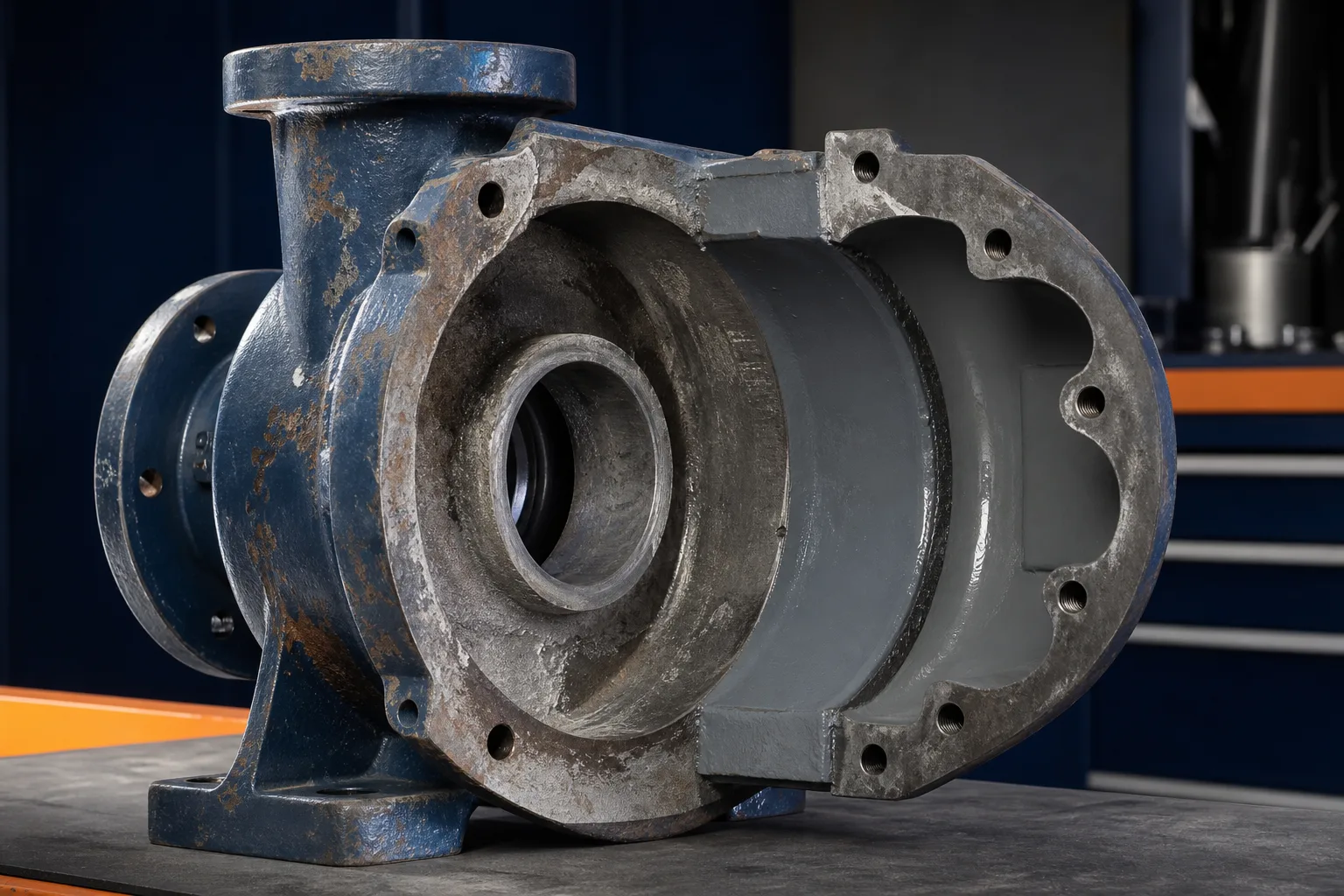
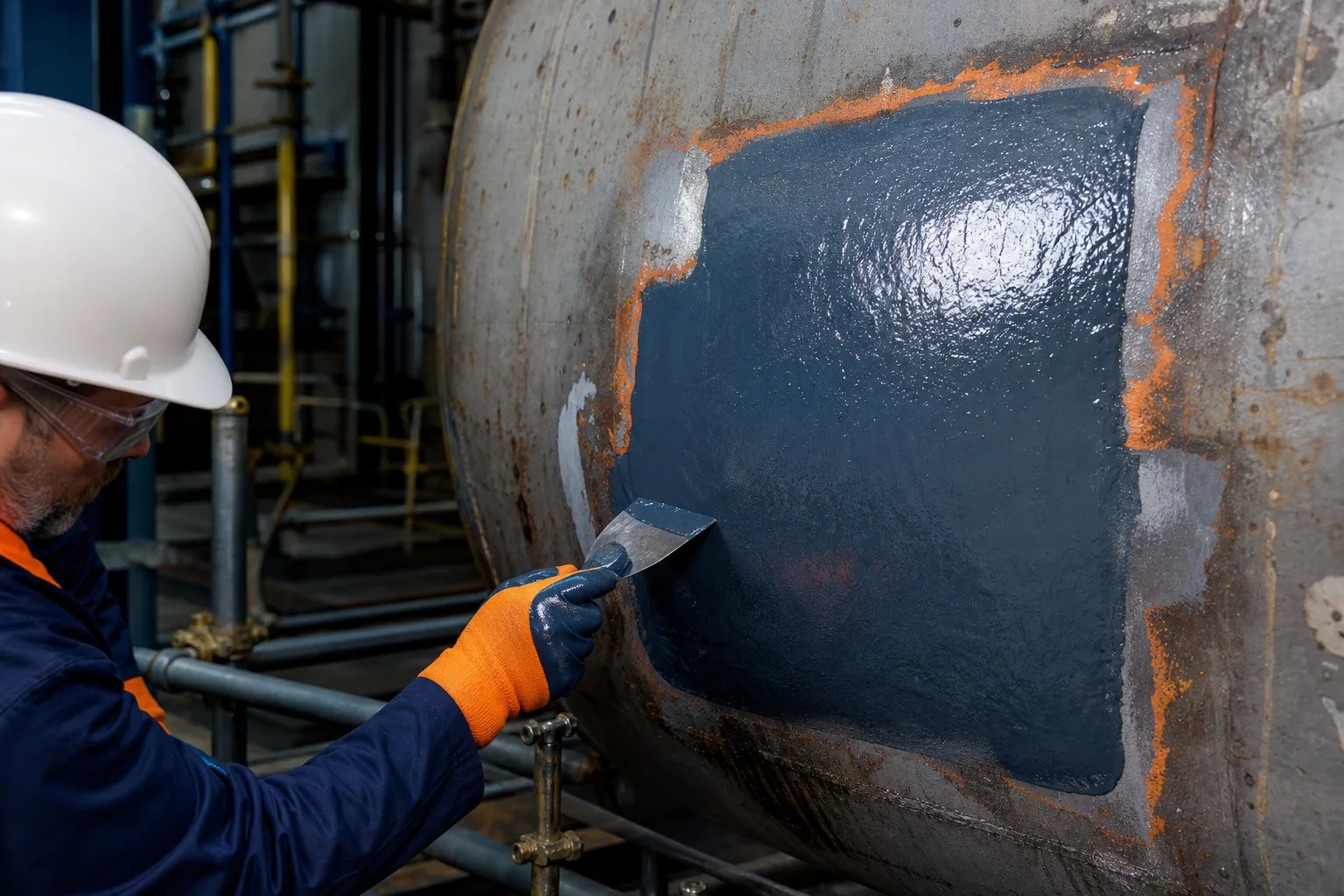
ZDS-MetalRebuild
Metal rebuilding, cold repair, dimensional restoration, leak sealing, and structural bonding.
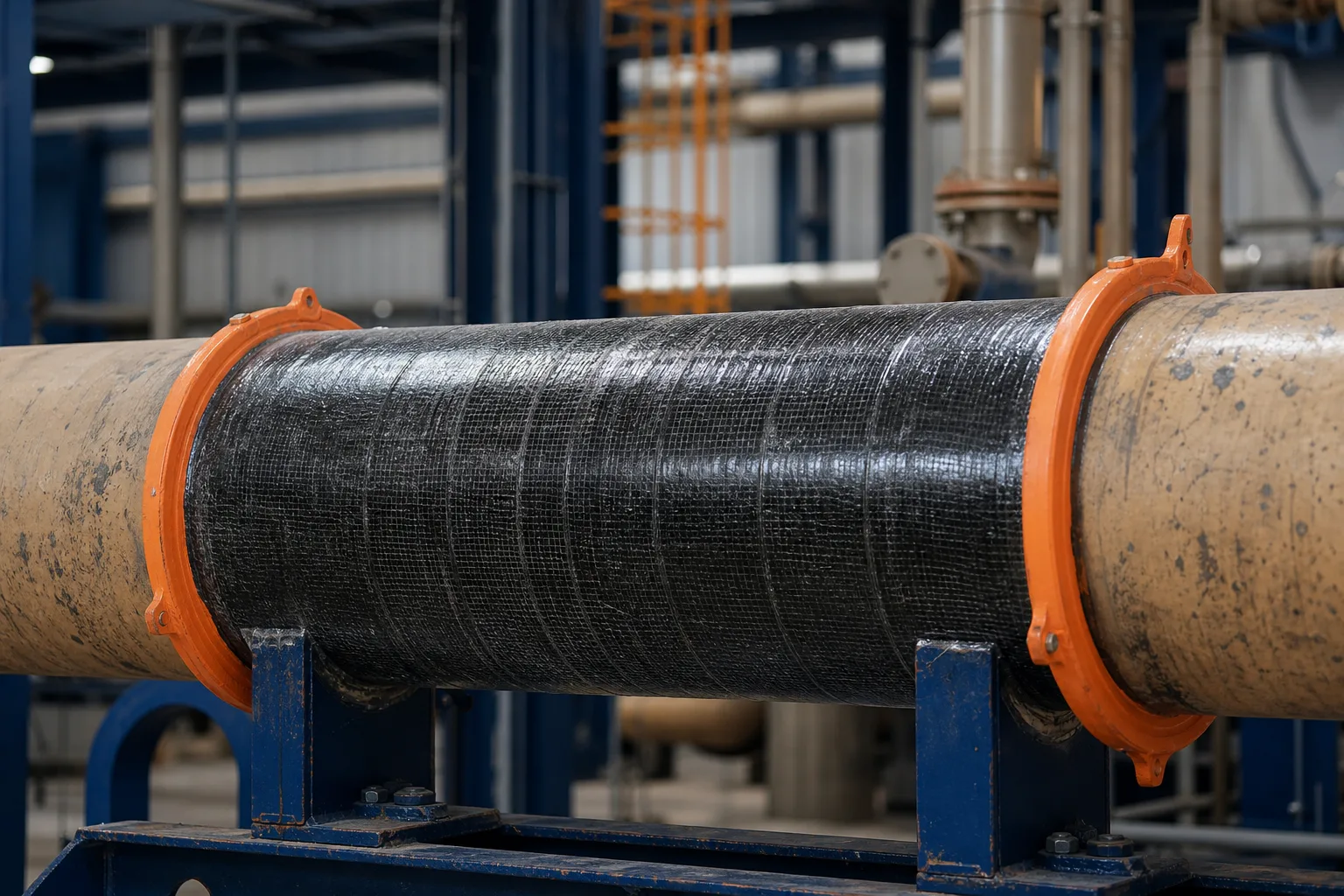
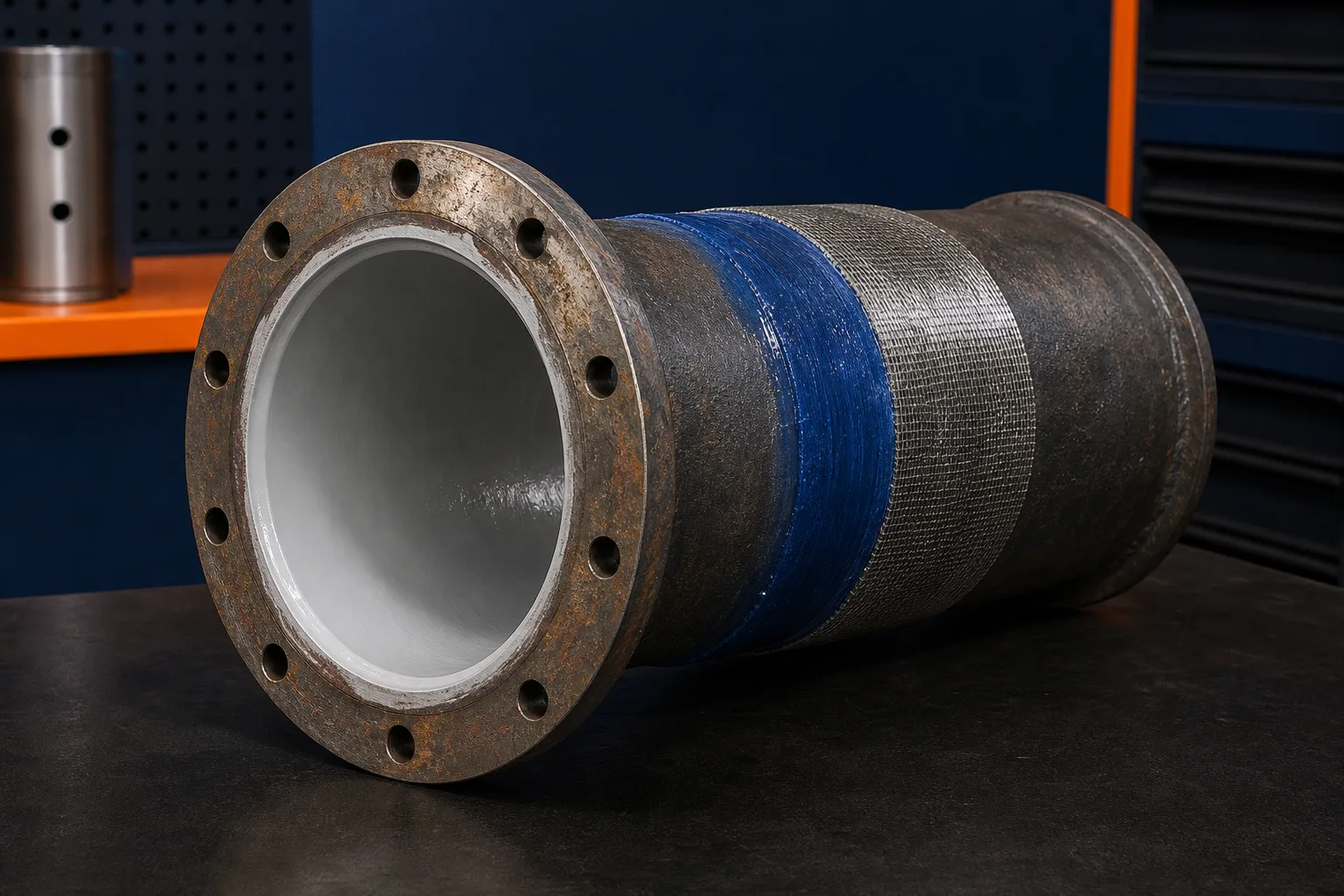
ZDS-CompositeWrap
Composite pipe reinforcement, FRP repair, and structural laminating systems.
ZDS-CeramicArmor
Ceramic-filled materials for wear, erosion, cavitation, and heavy-duty equipment protection.
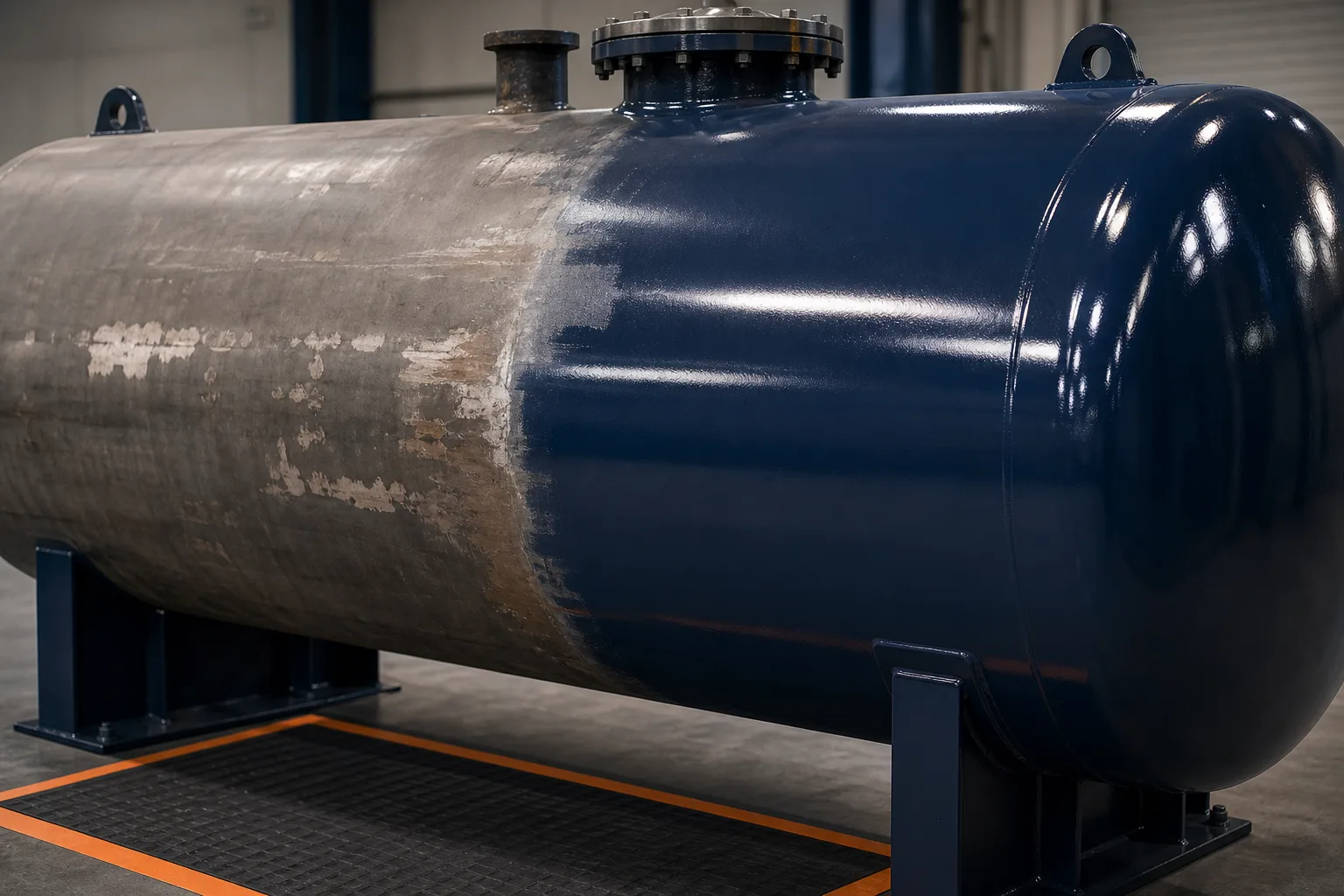
ZDS-FluidGlide
High-temperature repair, chemical-resistant lining, tank lining, flue protection, sealing, and fluid-equipment coatings.
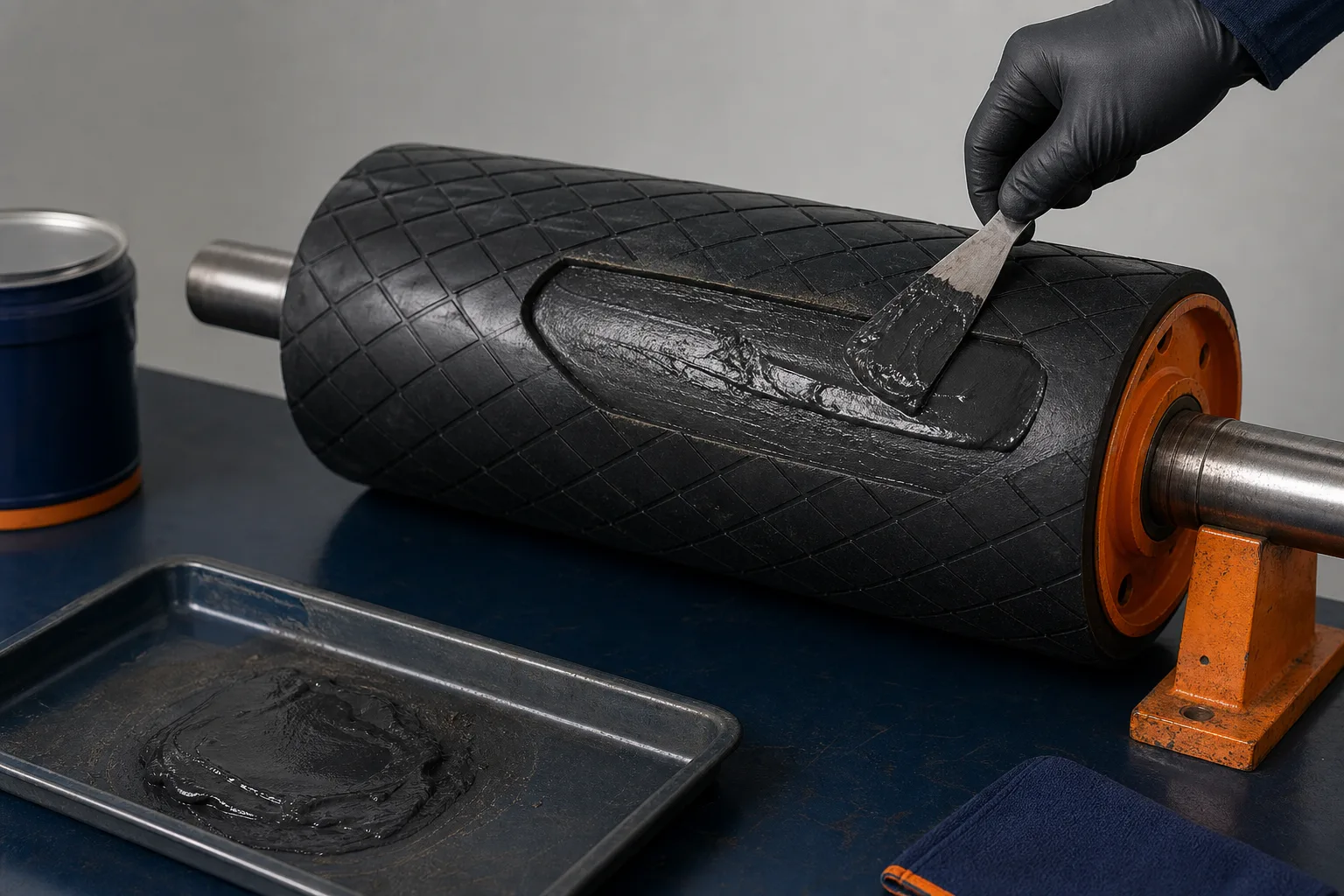
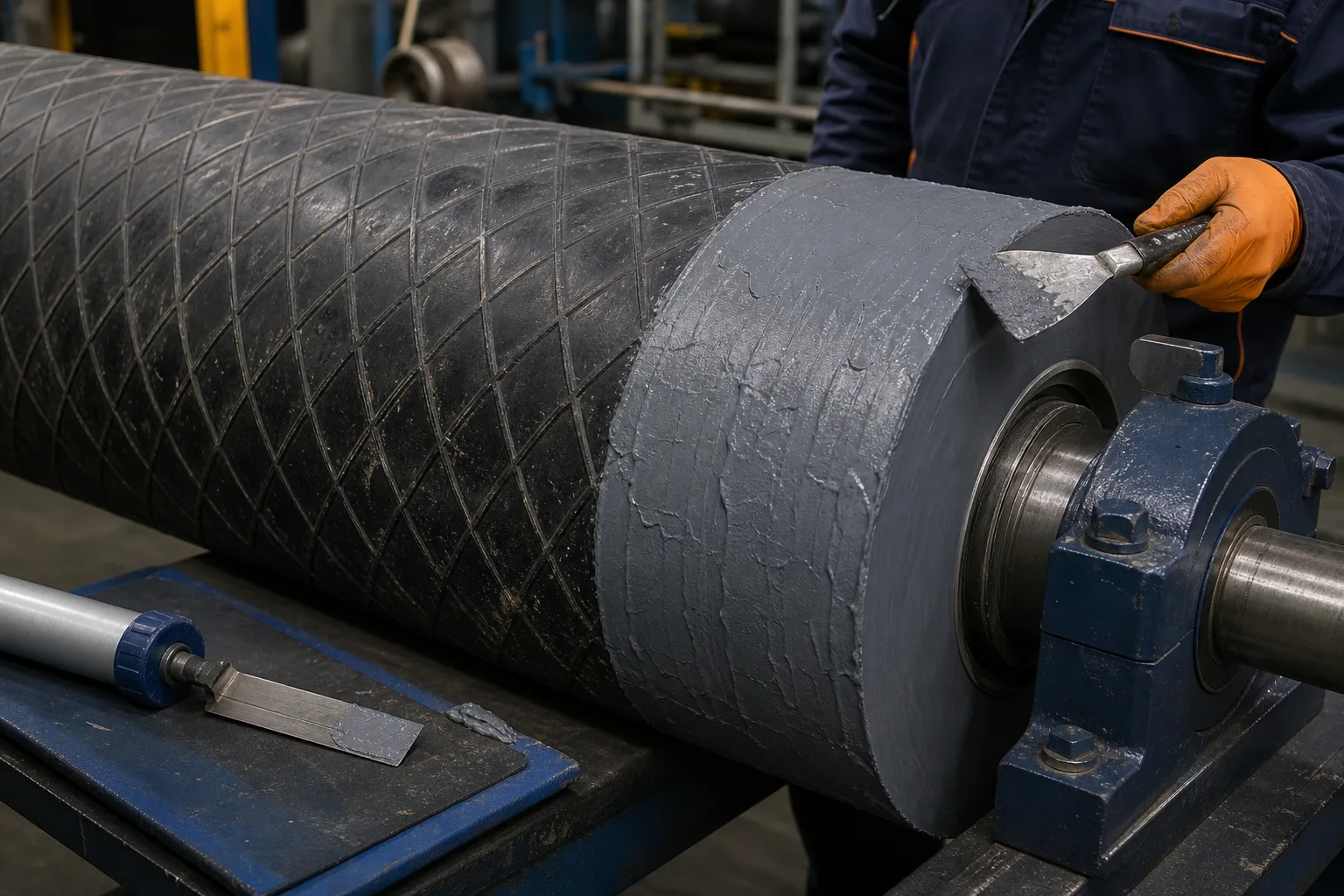
ZDS-RubberElast
Repair materials for conveyor belts, rubber linings, rollers, cables, tires, and elastomer components.
Review Process
From Case Evidence to a Practical Project Review
Move from a published repair question to a project-specific discussion by defining the asset, documenting service conditions, comparing material routes, and reviewing application and supply requirements.
01
Define Asset and Damage
Record equipment, substrate, damaged area, failure mechanism, and the intended repair purpose.
02
Describe Service Environment
Include media, temperature, pressure, immersion, abrasion, movement, weather, access, and shutdown limits.
03
Compare Material Routes
Identify candidate categories, then review current documented information in the technical data sheets.
04
Plan the Application
Review preparation and installation questions; the exact method depends on the product and project conditions.
05
Plan Evaluation and Supply
Organize sample evaluation, purchasing information, and later supply planning when further assessment is appropriate.
Supplier Context
Supplier Context Behind the Case Review
Case evidence is one part of supplier qualification. Company background, R&D resources, quality-management systems, product documentation, and project-specific review should be considered together.
Manufacturing Background
ZDS has operated as a professional chemical manufacturer since 1998.
Industrial Repair Focus
ZDSChem applies ZDS chemical manufacturing, formulation, R&D, and technical-support experience to industrial repair materials.
Dedicated R&D Team
A team of 30 professionals supports product development, product improvement, and customer-specific requirement review.
Quality Management Systems
ZDS maintains quality-management systems certified to ISO 9001 and IATF 16949.
Certification Limitation
These certifications support management and process-control frameworks; they do not certify a product or guarantee a case result.
Result Boundaries
Results and Limitations to Check
A case result is meaningful only when its boundaries are visible. Check the documented conditions and evidence before using a case to support a purchasing or maintenance decision.
The reported outcome belongs to the stated
equipment, substrate, preparation method, service environment, and inspection period.
Observed improvement is not automatically
a measured performance value, design approval, or guaranteed service life.
Changes in damage severity, access
surface preparation, loading, temperature, media, or installation control can change the repair decision.
Current technical documentation and
project information are required before confirming suitability, quotation details, or a customized formulation route.

Project Consultation
Request a Quotation Based on the Case Conditions
Provide complete project information so the technical team can identify a relevant material series and determine which documents, samples, or commercial details are appropriate.
FAQ
Frequently Asked Questions
A useful case study identifies the initial failure, equipment, substrate, service conditions, selected material route, preparation and application steps, reported result, inspection basis, and remaining limitations. These details help buyers decide whether the case is relevant to their own repair problem.
No. A reported result is specific to the documented equipment, damage, surface preparation, service environment, installation method, and observation period. A separate technical review is needed when those conditions differ.
Start with the equipment, substrate, damage mechanism, and service conditions. These factors help narrow the material category, after which current technical data sheets, application guidance, sample evaluation, and project information can support the final selection.
Provide the equipment type, substrate, damage dimensions or photographs, operating media, temperature, pressure, immersion or movement, access conditions, repair area, expected quantity, and any drawings or existing specifications. More complete information supports a more focused technical and commercial review.
Customer-specific formulation requirements can be reviewed according to the application, specification, expected volume, and target market. Technical and commercial feasibility must be confirmed after the relevant product and purchasing information is supplied.
No. ISO 9001 and IATF 16949 are quality-management system certifications. They do not automatically certify individual product performance, safety, compliance, or suitability for a particular repair.