
Industrial Repair Materials Download Center
The ZDSChem Download Center helps distributors, importers, MRO suppliers, repair contractors, maintenance engineers, and procurement teams locate technical resources before product selection, sampling, quotation, or stocking. Resources are organized by repair series, file type, language, and application to support focused technical review.
Document Types
Find the document for your next decision
Different documents answer different buyer questions. Catalogs support portfolio discovery, technical data sheets support product evaluation, SDS files support handling and procurement review, and application guides support preparation and use planning. Use the document type that matches your project stage rather than treating one file as a complete suitability assessment.
Catalogs And Series
Compare the repair portfolio, identify relevant series, and prepare an initial assortment for a plant, project, or regional market.
Technical Data Sheets
Review product identity, intended use, application information, preparation, handling guidance, and limitations in the current document.
Safety Data Sheets
Help EHS, procurement, warehouse, and maintenance teams review hazards, storage, handling, and protective measures.
Application Guides
Connect repair materials to equipment conditions, surface preparation, application sequence, service conditions, and field limitations.
Repair Series
Filter resources by industrial repair series
The series filter helps buyers start with the repair problem instead of unrelated chemical categories. ZDSChem organizes its industrial repair materials into seven primary product series. Surface Preparation Products support substrate preparation but are not an eighth primary series.

ZDS-MetalRebuild
Metal rebuilding, cold repair, dimensional restoration, leak sealing, and structural bonding materials for damaged metal components.
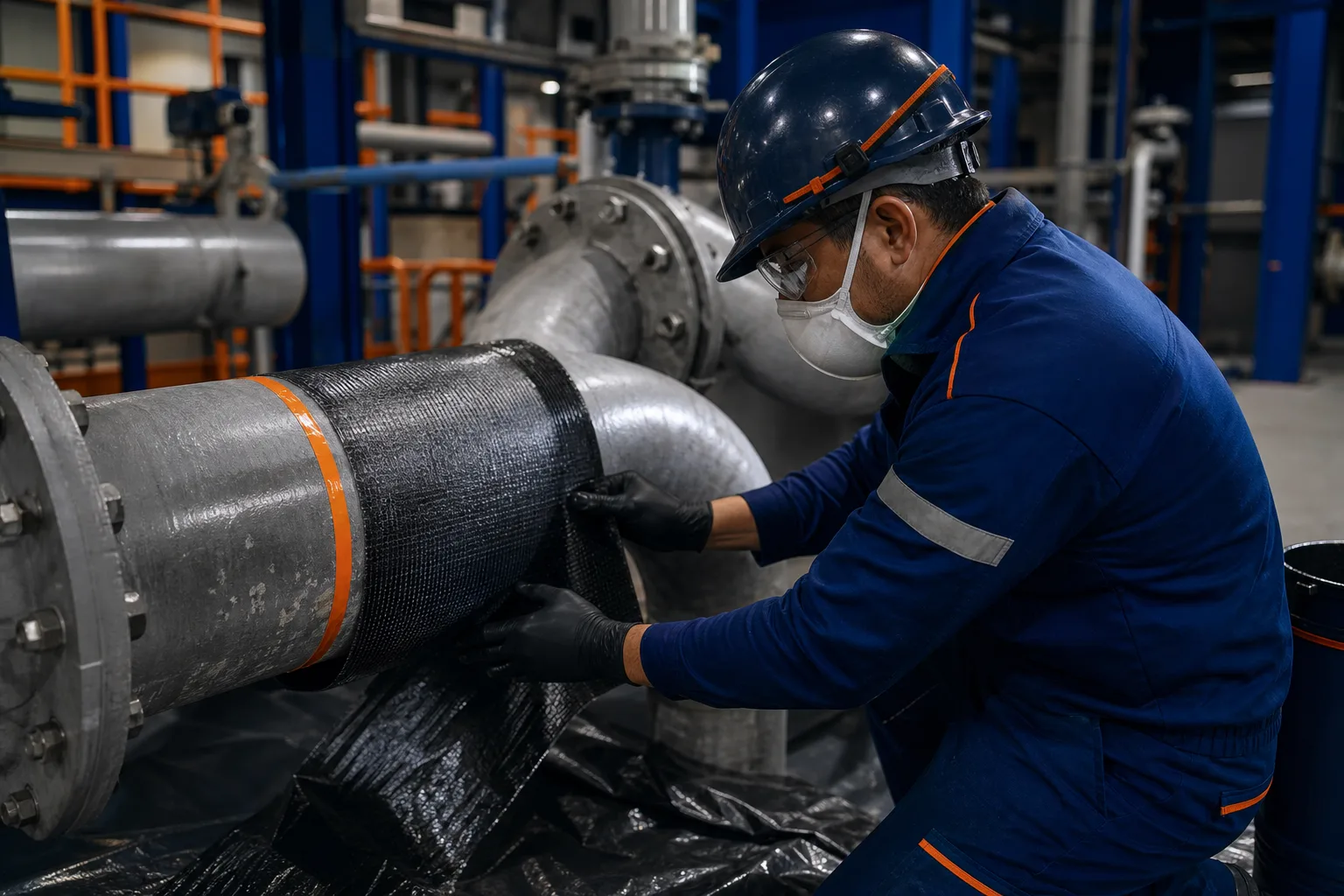
ZDS-CompositeWrap
Composite pipe reinforcement, FRP repair, and structural laminating systems for pipe and related infrastructure.

ZDS-CeramicArmor
Ceramic-filled materials for wear, erosion, cavitation, and heavy-duty equipment protection.
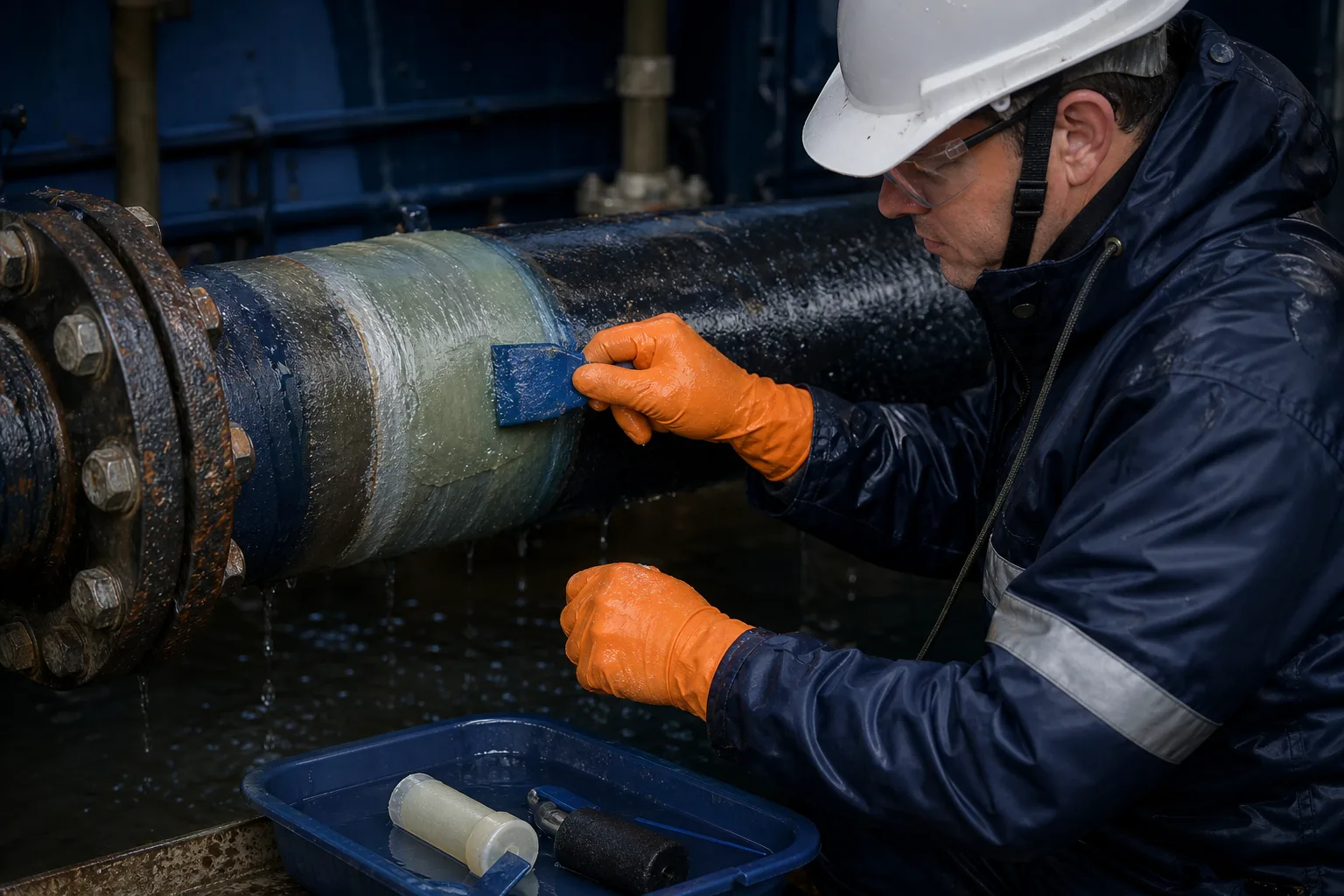
ZDS-AquaShield
Underwater-curing, wet-surface, marine, and emergency repair materials for difficult access and wet conditions.
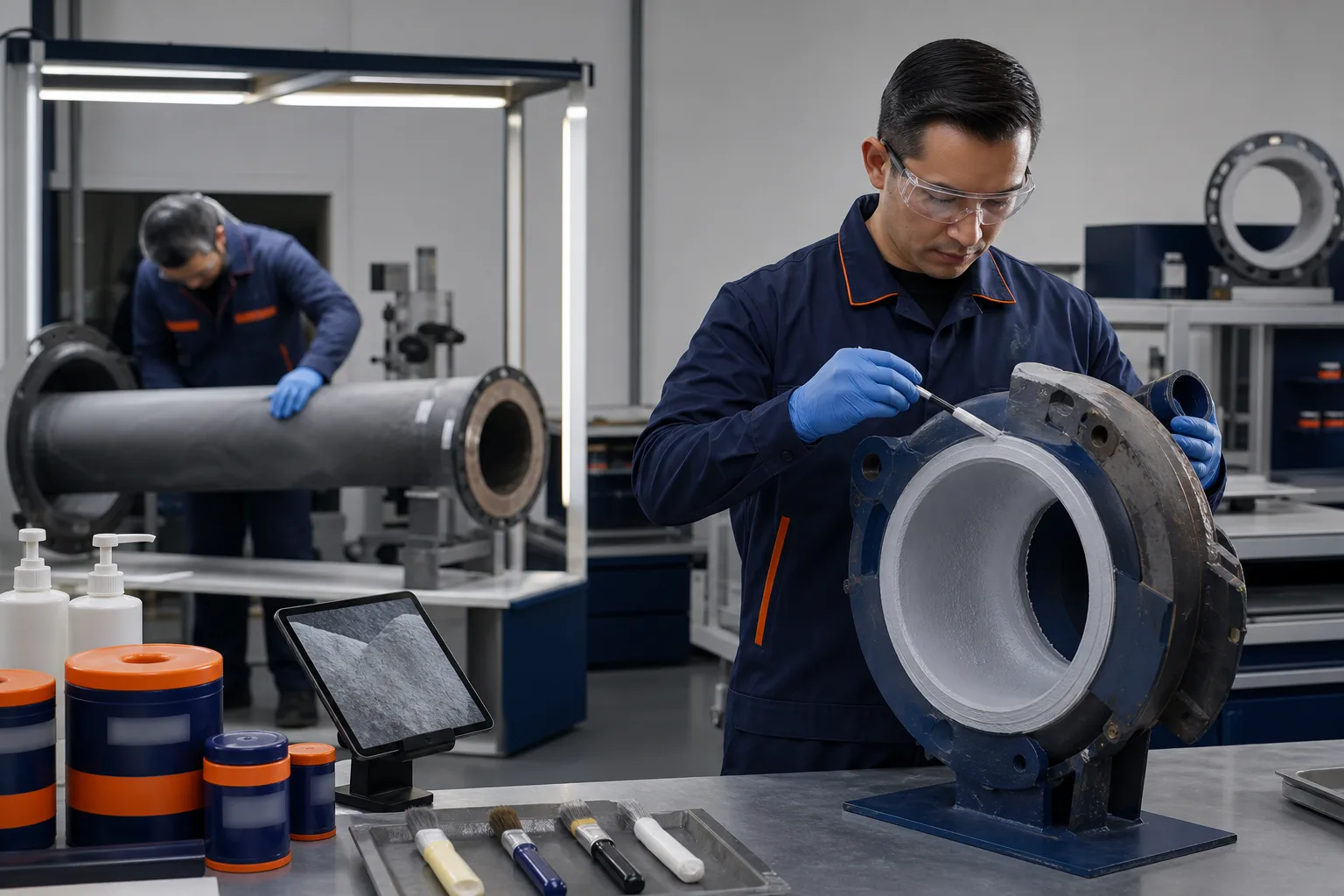
ZDS-FluidGlide
High-temperature repair, chemical-resistant lining, tank lining, flue protection, sealing, and fluid-equipment coating systems.

ZDS-PolyAspartic
UV-resistant, weather-stable, and outdoor protective topcoat systems for exposed surfaces and equipment.
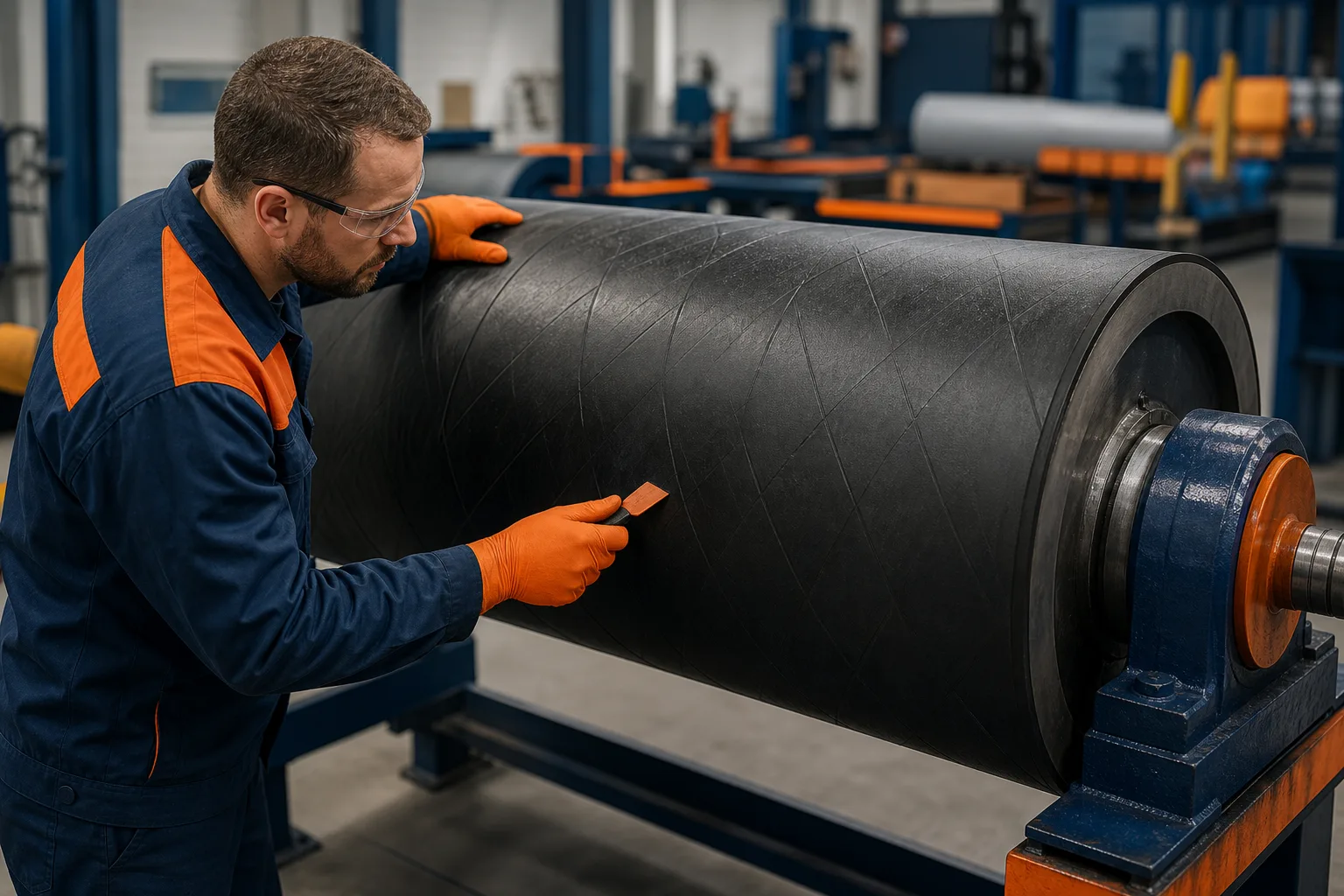
ZDS-RubberElast
Repair materials for conveyor belts, rubber linings, rollers, cables, tires, and other elastomer components.
Application Filters
Use application and service condition to narrow the file set
A product-series name is only the first filter. Define the operating problem and conditions that can affect material selection before downloading or requesting documents. This helps prepare a practical shortlist and reduces comparisons between products intended for different repair situations.
Pipe Leak Repair
Review application-focused resources for pipe leak repair and prepare the relevant equipment and service information.
Composite Pipe Reinforcement
Use application resources to support review of composite pipe reinforcement requirements.
Abrasion And Erosion
Review resources for abrasion and erosion protection alongside the relevant product documentation.
Chemical Corrosion
Use chemical corrosion protection resources to focus the technical document request.
Document Control
Check revision, language, and applicability before use
Version control matters when documents support maintenance planning, supplier qualification, or procurement approval. Identify the product or series, document type, language, and current revision or issue information. Compare language versions by revision before circulating files to a regional team or customer.
BEFORE

Buying Guide
Organize supplier and product questions for industrial repair material procurement.
AFTER

Repair Glossary
Align terminology across technical, purchasing, and regional sales teams.
Buyer Paths
How B2B buyers use the download center
The most useful document path depends on the buyer's role, project stage, application information, and commercial requirement.
01
Distributors And MRO
Compare the seven series and collect catalog, technical, safety, and application information for sales teams and customers.
02
Contractors And Maintenance
Use selection and application documents to describe equipment, substrate, damage, and service conditions, then request sample support.
03
Procurement And Evaluation
Use current product documents for specification review, internal approval, supplier discussions, and project quotation preparation.
Manufacturing Background
Document support backed by chemical manufacturing experience
The ZDSChem industrial repair material website is supported by ZDS chemical manufacturing and formulation experience. Established in 1998, ZDS maintains a dedicated R&D team of 30 professionals supporting product development, formulation review, product improvement, and application-specific evaluation.
Important Limitations
What the download center cannot confirm by itself
Document review is an important part of material evaluation, but it does not replace project-specific information or the applicable current product documentation.
A catalog or category description does not
establish suitability for a specific substrate, defect, load, temperature, pressure, or chemical environment.
A technical data sheet or application
guide does not replace project information for critical equipment, unusual service conditions, or a time-sensitive shutdown.
Exact cure times, working times
temperature limits, pressure limits, chemical-resistance values, and other performance details must come from the applicable current product documentation.
Safety data sheets support safe handling
and procurement review but do not function as product-selection documents.
Customer-specific formulation, packaging
labeling, or product-line requests require technical and commercial feasibility review before development or supply terms are confirmed.

Next Step
Move from document review to product evaluation
Once the relevant series and service conditions are clear, request the documents needed for your team, customer, or regional market. Include the product category, application, target language, and purchasing stage so the request follows the correct technical or commercial route.
FAQ
Frequently Asked Questions
The resource structure covers product catalogs, product selection guidance, technical data sheets, safety data sheets, application guides, and supporting technical documents. The available file, language, and revision should be confirmed for the product and target market involved.
Begin with the repair series, then narrow the search by document type, language, and application. For a technical shortlist, also define the equipment, substrate, damage type, and service conditions before comparing documents.
Check the product identity, intended use, compatible application context, surface preparation, application guidance, handling information, stated service conditions, and limitations. Exact technical values must be taken from the current document for the selected product.
No. ISO 9001 and IATF 16949 are quality-management system certifications. They do not automatically certify an individual product’s performance, compliance, safety, or suitability for a specific repair.
Language and revision availability should be confirmed for the required product, market, and document type. Provide those details when requesting a catalog or technical support so the available document route can be assessed.
Yes. Distributors and other B2B buyers can request catalog information, sample evaluation support, or project quotation support. The request should include the intended application, product category, expected quantity, target market, and any relevant technical requirements.