
Industrial Repair Project Quotation Support
Move from an equipment problem to a practical material quantity recommendation and supply discussion. ZDSChem reviews dimensions, substrate, damage, service conditions, packaging, and delivery inputs for repair contractors, maintenance teams, MRO suppliers, engineers, and procurement buyers.
Quotation Scope
What a Project Quotation Can Cover
A useful quotation connects the repair condition with a realistic material route. Equipment type, repair geometry, operating environment, estimated demand, and delivery requirements provide the basis for recommendations and visible assumptions.
Repair Route
Selection of a relevant category from the ZDSChem industrial repair materials portfolio.
Quantity Estimate
Estimation based on repair area, geometry, build, coats or reinforcement layers, and documented coverage where available.
Packaging Assumptions
Review of pack format, pack size, labels, cartons, instructions, and target-market requirements.
Supply Inputs
Consideration of volume, destination, shipping route, purchasing timing, and repeat-supply needs.
Required Information
Project Information Needed for a Material Recommendation
Accurate project information reduces avoidable changes to the material route and quantity estimate. Drawings, photographs, inspection notes, and written briefs can clarify geometry, damage, access, and operating conditions.
Dimensions and Geometry
Provide component dimensions, repair area, damage depth and width, required build thickness, and reinforcement layout.
Substrate and Damage
Identify the substrate, equipment type, and damage such as corrosion, erosion, cracking, leakage, wear, or lining failure.
Service Conditions
State temperature, pressure, chemical contact, moisture, immersion, weather, abrasion, vibration, and impact exposure.
Purchasing and Delivery
Provide quantity, pack preferences, destination, target market, documentation needs, and purchasing timing.
Material Routes
How ZDSChem Narrows the Material Route
Project data identifies the repair category but does not automatically confirm a specific product. ZDSChem organizes its portfolio around equipment, substrate, damage type, and service condition.
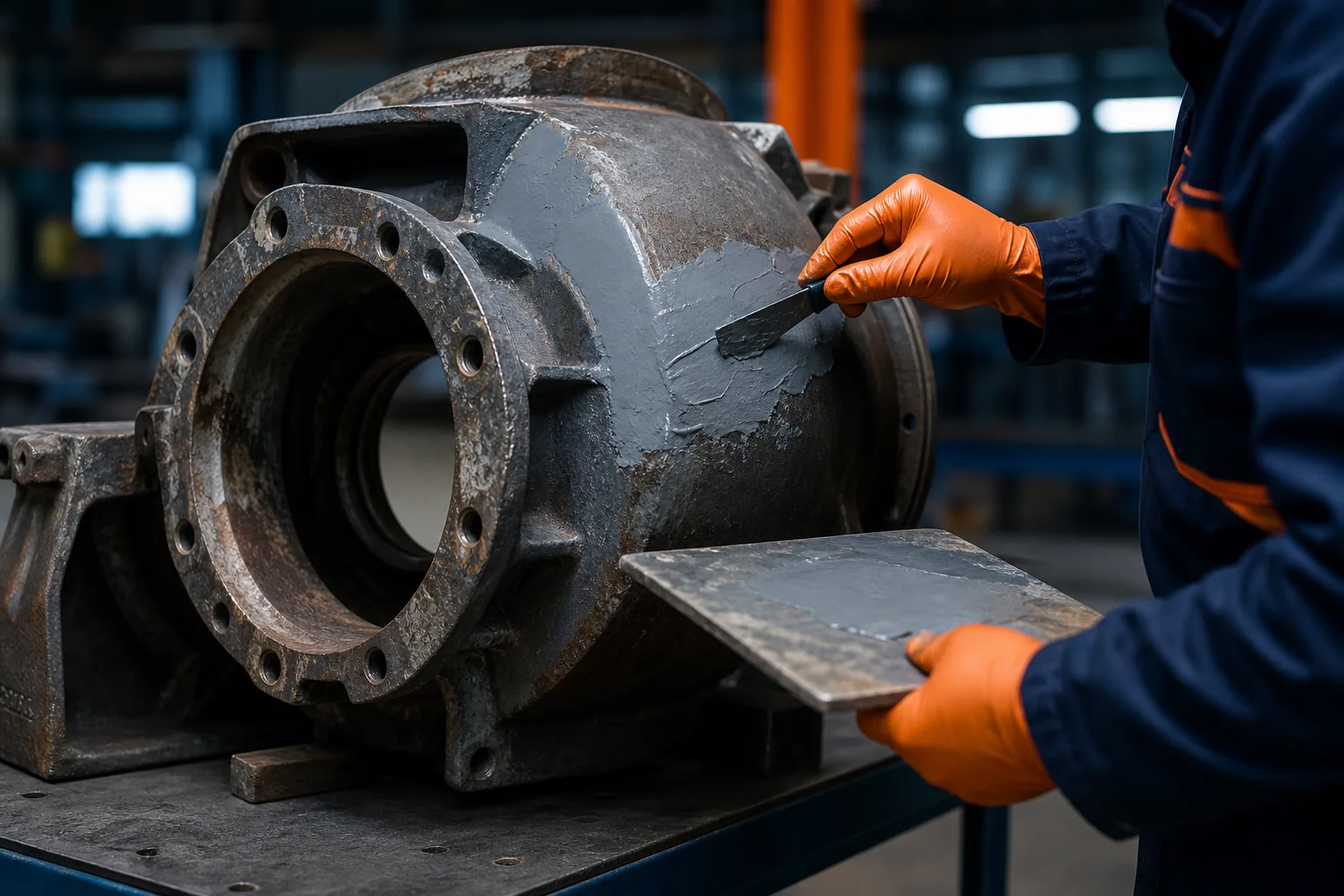
ZDS-MetalRebuild
For metal rebuilding, cold repair, dimensional restoration, leak sealing, and structural bonding involving metal components.
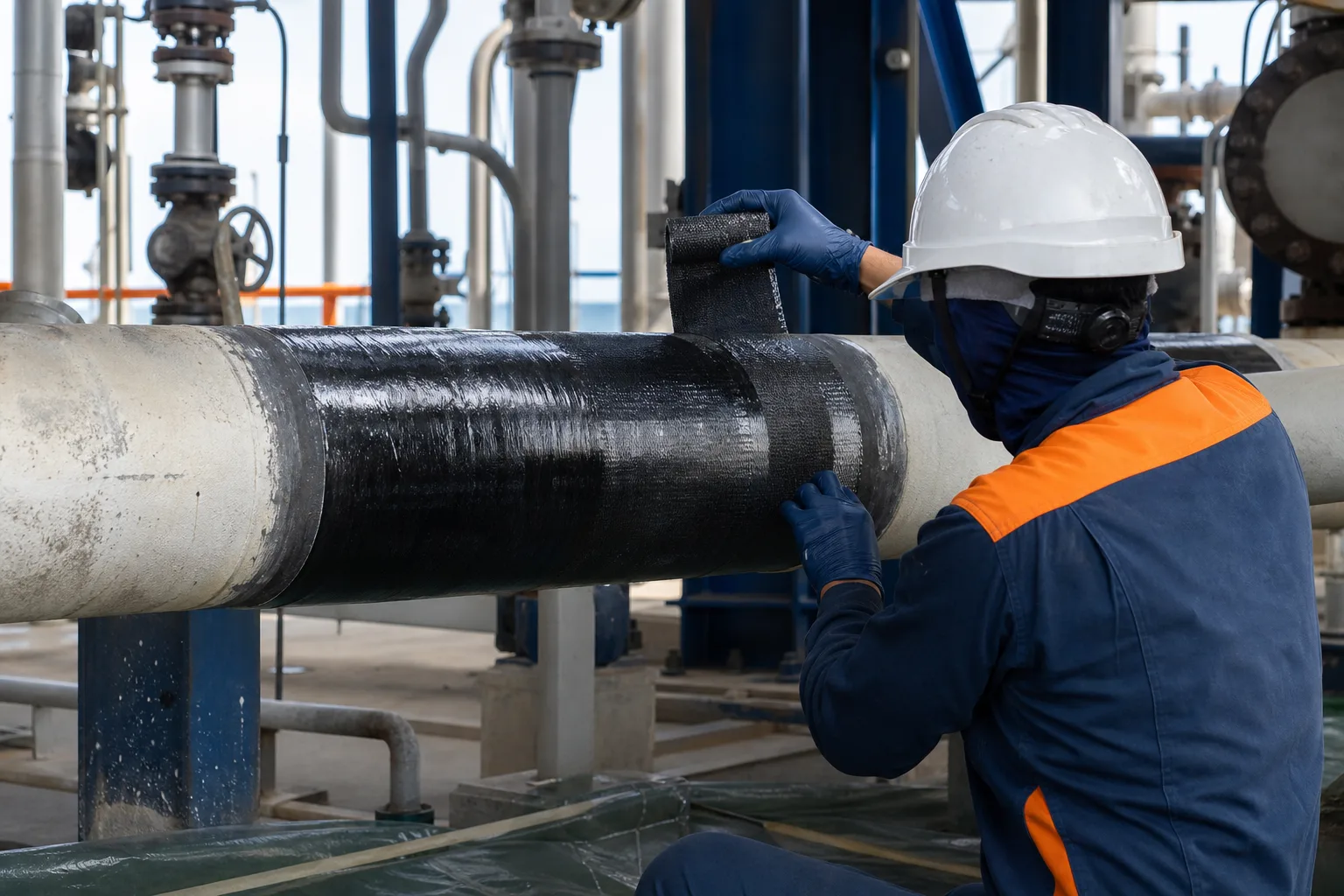
ZDS-CompositeWrap
For composite pipe reinforcement, FRP repair, and structural laminating systems that require a composite repair route.
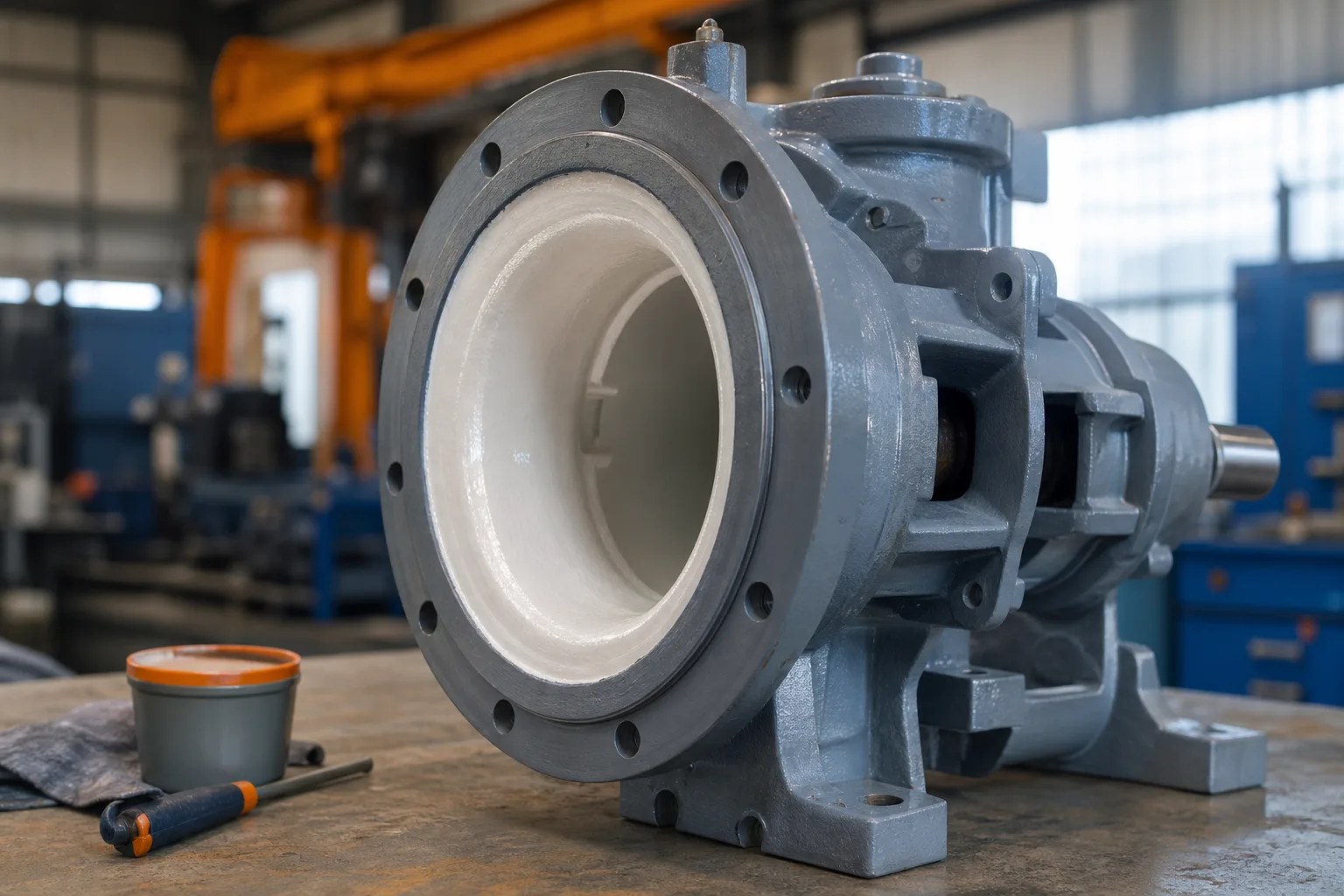
ZDS-CeramicArmor
For ceramic-filled repair materials used in wear, erosion, cavitation, and heavy-duty equipment protection applications.
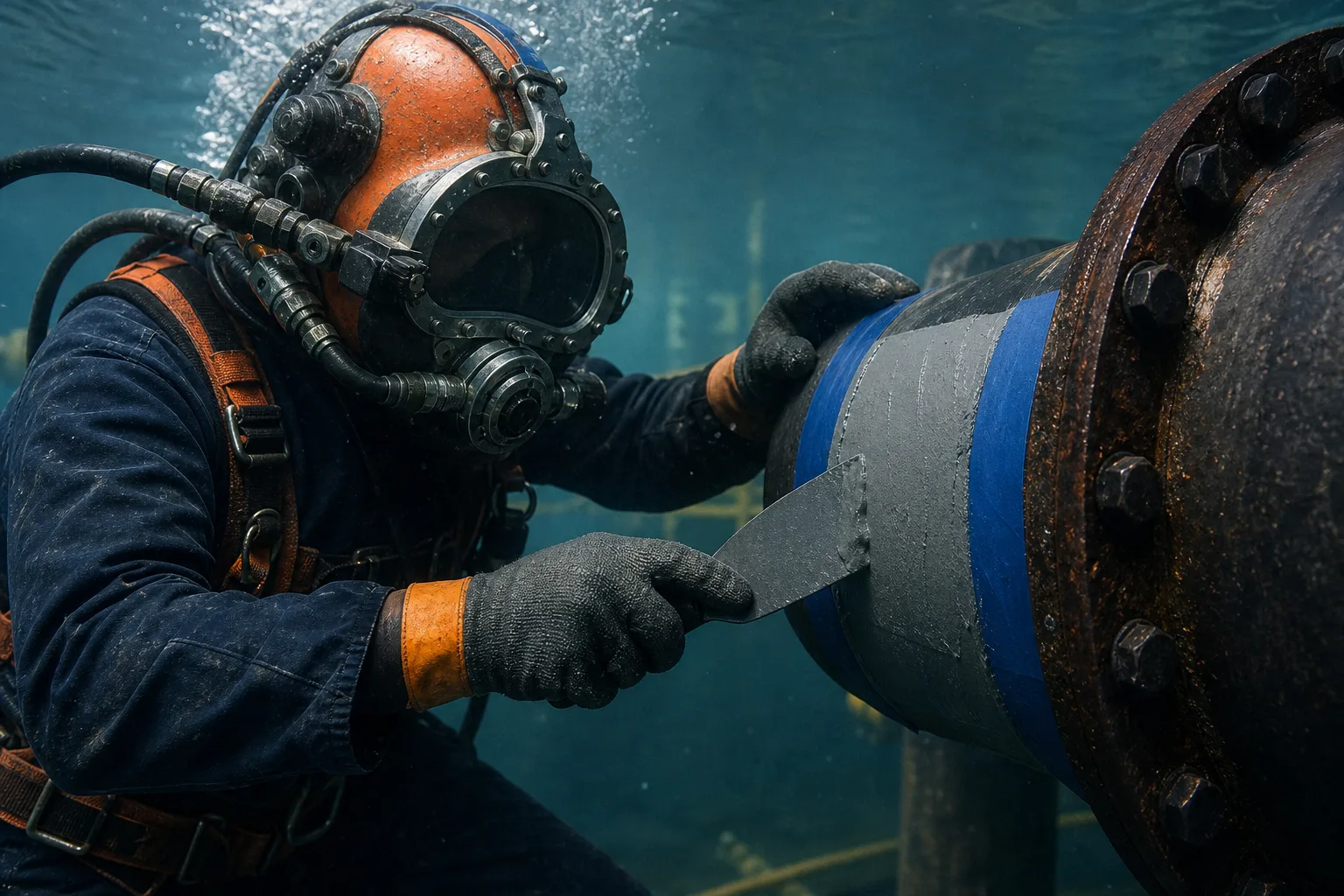
ZDS-AquaShield
For underwater-curing, wet-surface, marine, and emergency repairs that require a specialized material route.
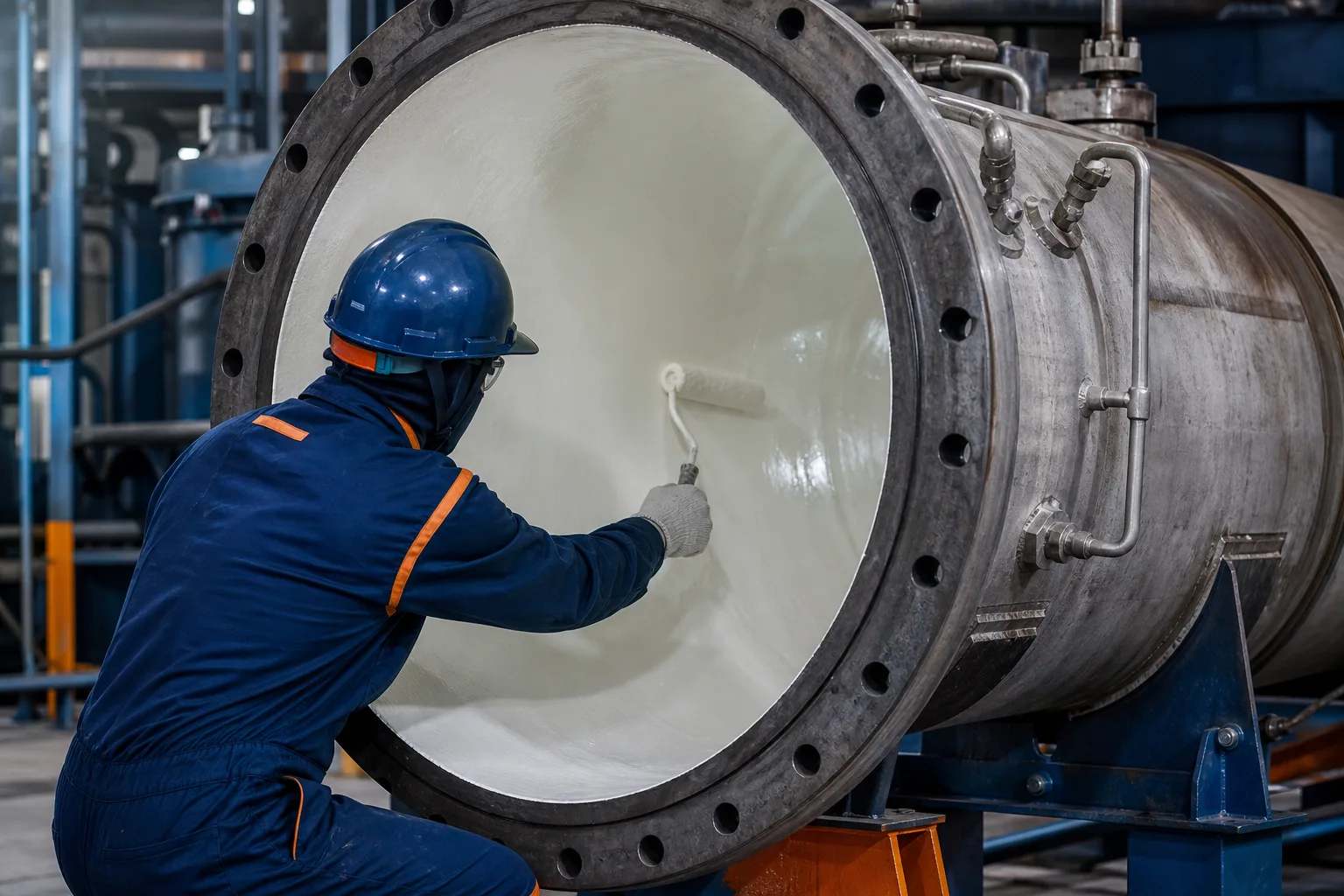
ZDS-FluidGlide
For high-temperature repair, chemical-resistant lining, tank and flue protection, sealing, and fluid-equipment coatings.
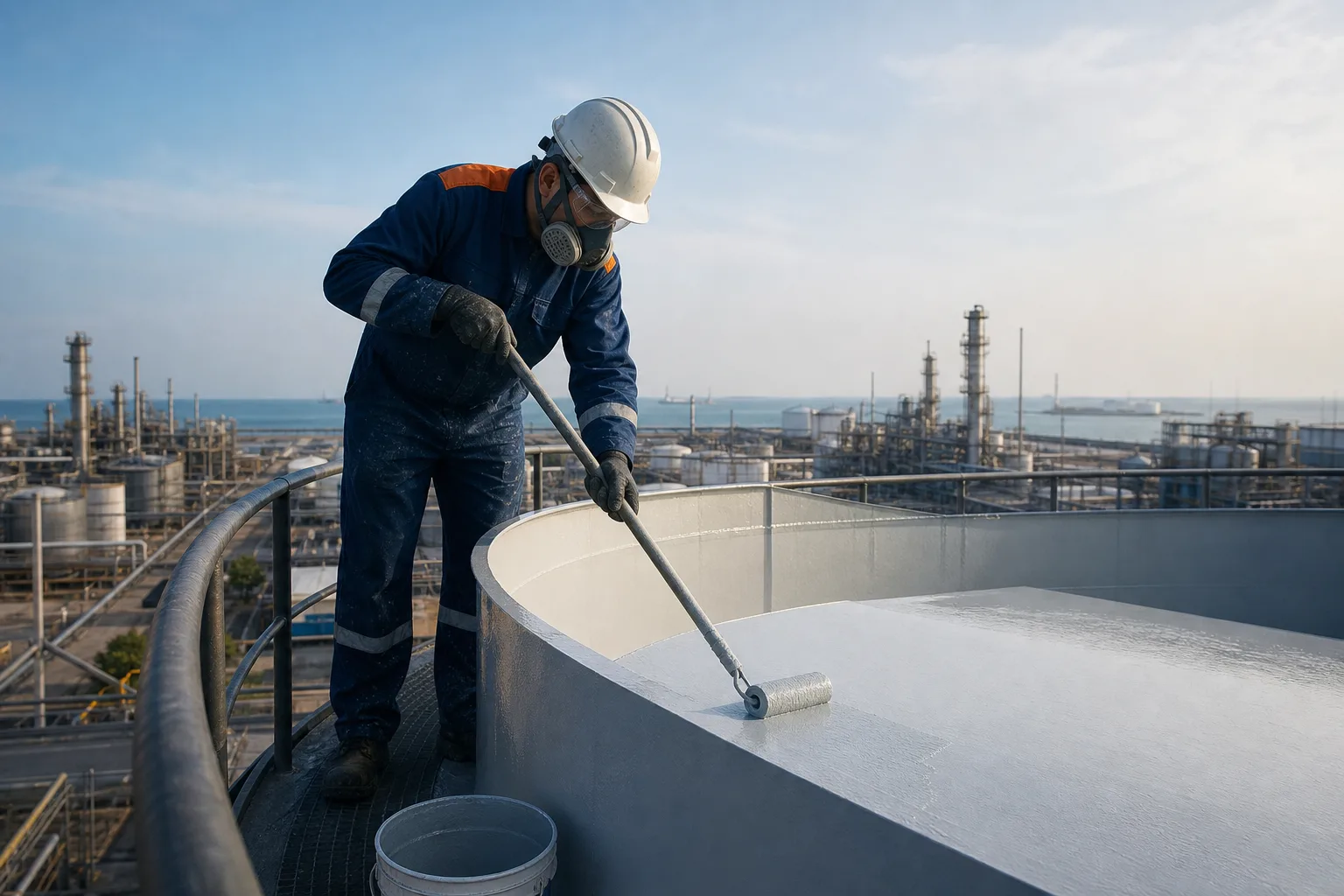
ZDS-PolyAspartic
For UV-resistant, weather-stable, and outdoor protective topcoat requirements where conditions support this category.
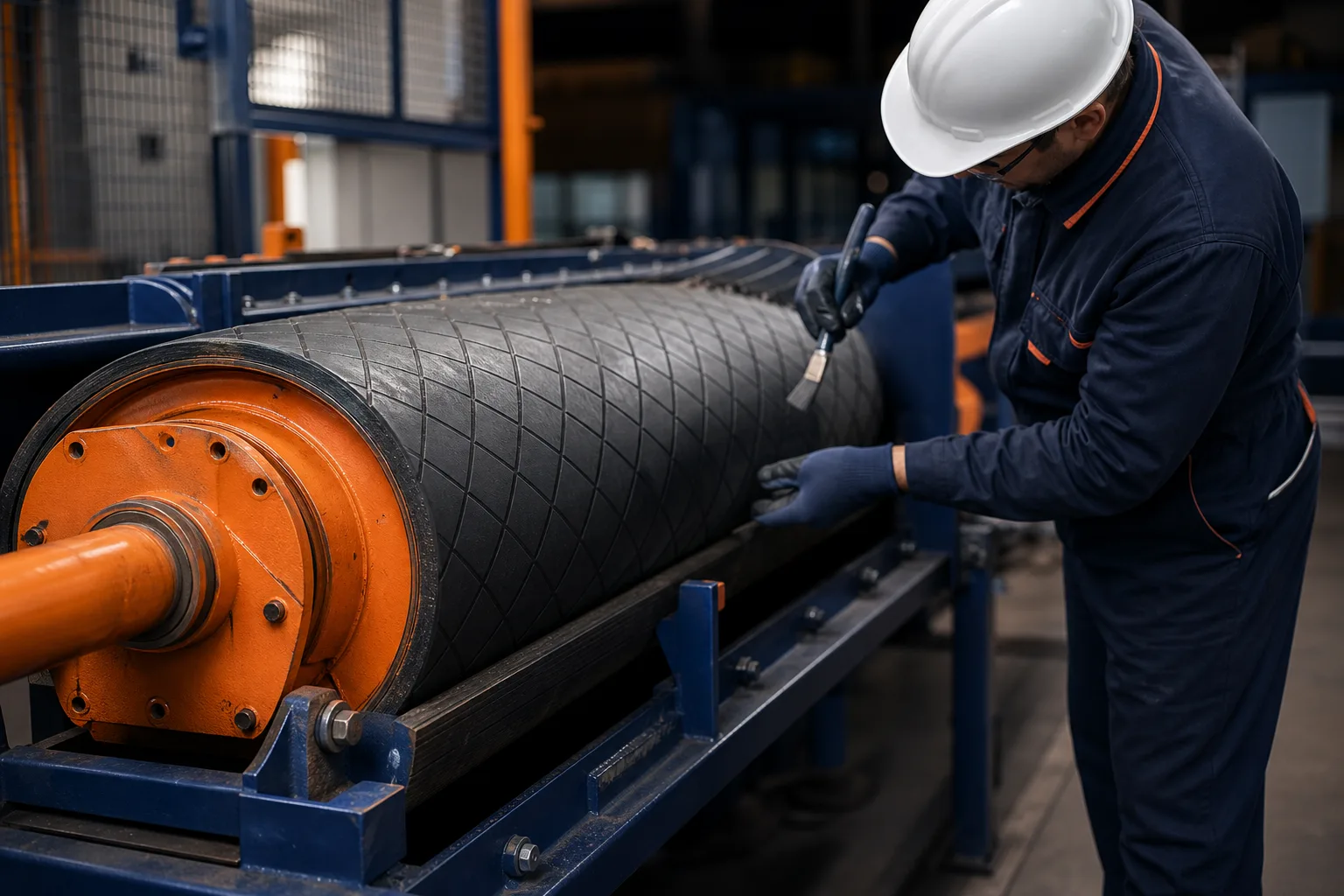
ZDS-RubberElast
For conveyor belts, rubber linings, rollers, cables, tires, and other elastomer components requiring restoration.

Supporting Products
Surface Preparation Supports the Selected Repair Route
Most repair routes require suitable cleaning, conditioning, or priming. Surface Preparation Products are a supporting category, not an eighth primary series. The method depends on substrate, contamination, moisture, and repair material requirements.
Application Context
Compare the Repair Condition Before Submitting Data
Application requirements can further narrow the quotation discussion. Review the relevant equipment, exposure, and damage context before submitting project information.
Pipe Leak Repair
Review requirements associated with leakage, pipe geometry, access, and the intended repair environment.
Pump Repair
Compare repair and protection considerations for pump components exposed to wear or fluid service.
High-Temperature Repair
Review temperature-related project requirements before selecting a possible repair material category.
Corrosion Protection
Consider chemical exposure, contact time, substrate condition, and lining or protection requirements.
Abrasion and Erosion
Assess wear, erosion, cavitation, impact, and the required equipment protection approach.
Quotation Process
From Project Data to Supply Terms
Measurements and stated assumptions make quotations easier to compare internally. Unknown dimensions or service conditions should remain open items rather than being treated as confirmed project data.
01
Send the Project Brief
Provide equipment details, dimensions, images, drawings, service conditions, quantity, and delivery information.
02
Map the Condition
The technical team compares substrate, damage mechanism, access, and service environment with the relevant category.
03
Estimate Quantity
The estimate considers geometry, build or reinforcement, layers, documented coverage or pack yield, and location count.
04
Check Supply Inputs
Pack sizes, units, cartons, labels, instructions, destination, shipping requirements, and commercial terms are reviewed.
05
Prepare the Response
The response may state the proposed route, quantity basis, open questions, required documents, pricing, and supply terms.
Quotation Output
What the Quotation Package May Include
The exact response depends on the completeness and complexity of the project brief. Recurring requirements should include expected annual or project frequency information where possible.
A proposed ZDSChem repair material
category and the reason it matches the stated equipment or damage condition.
An estimated quantity or quantity basis
with the geometry, layer, coverage, and pack assumptions used.
Packaging, labeling, documentation, and
delivery factors requiring confirmation before purchasing.
Technical documents or open questions for
engineering, procurement, or supplier qualification review.
Pricing and supply terms based on the
supplied volume, destination, product route, and commercial requirements.
Frequency information helps distinguish a
one-time repair from initial stocking or repeat supply.
Important Limitations
Quotation Boundaries and Technical Limitations
A quotation is a technical-commercial starting point, not a performance guarantee or substitute for site engineering. Suitability depends on the substrate, preparation, service conditions, application method, and current product documentation.
Quantity estimates can change when
inspection reveals hidden damage, irregular geometry, extra layers, overlaps, surface loss, or rework.
Pressure-boundary, structural
safety-critical, or regulated repairs require validation by the equipment owner and an appropriately qualified engineer.
Price, minimum order quantity, lead time
shipping, customs, packaging availability, and delivery timing require confirmation for the specific inquiry.
Customer-specific formulation, packaging
labeling, or documentation can be reviewed when the application, specification, volume, and target market are supplied.
Technical and commercial feasibility must
be confirmed before customer-specific development begins.
Technical Background
Manufacturing, Formulation, and Quality Context
ZDSChem support is backed by the supplied ZDS chemical manufacturing, formulation, technical, and quality-management background. These company-level facts provide context for project evaluation and supplier qualification.
Established Manufacturer
Established in 1998, ZDS has operated as a professional chemical manufacturer.
Technical Resources
A 30-person R&D team supports development, formulation review, product improvement, and application-specific evaluation.
Application Experience
ZDS is supported by technical experts with more than 30 years of chemical formulation and application-support experience.
Quality Control
Review the quality-control process as part of procurement and supplier qualification.
Management Systems
ISO 9001 and IATF 16949 are management-system certifications, not individual product certifications or guarantees.
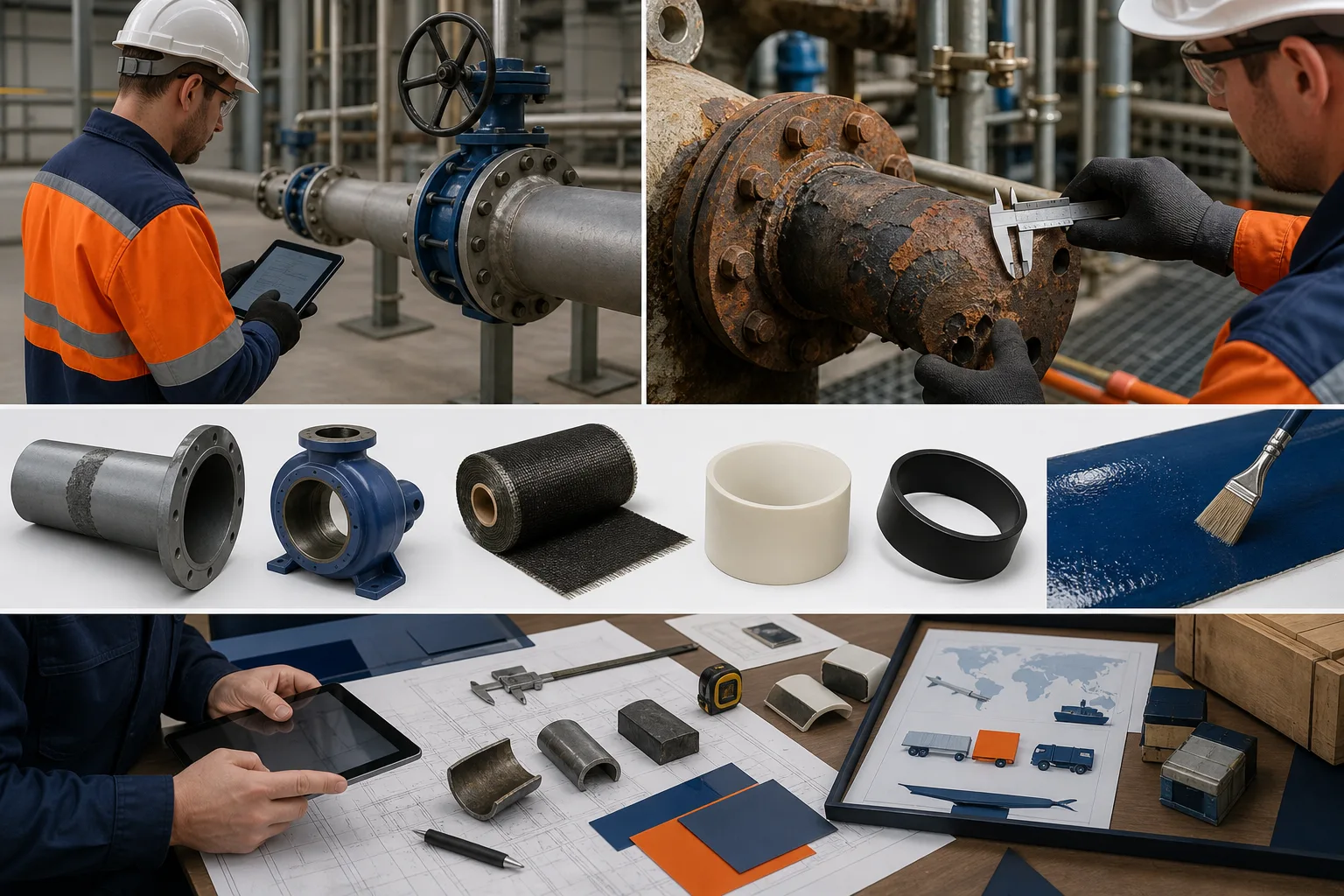
Start an Evaluation
Request an Industrial Repair Project Quotation
Send the equipment type, repair dimensions, substrate, damage, service conditions, estimated quantity, destination, and packaging or documentation requirements for material quantity guidance and supply information.
FAQ
Frequently Asked Questions
Provide the equipment or component type, substrate, damage description, repair dimensions, service temperature, pressure and chemical exposure, wet or underwater conditions, estimated quantity, destination, and packaging or documentation requirements. Photographs, drawings, and inspection notes can help clarify the repair geometry.
The estimate is based on the repair area and geometry, required build or reinforcement layers, number of repair locations, documented coverage or pack yield, and packaging assumptions. The quantity can change if the actual damage or application method differs from the information supplied.
The shortlist can include ZDS-MetalRebuild, ZDS-CompositeWrap, ZDS-CeramicArmor, ZDS-AquaShield, ZDS-FluidGlide, ZDS-PolyAspartic, or ZDS-RubberElast. The relevant series depends on the substrate, damage mechanism, equipment, and service condition.
Yes. The inquiry can include pack format, pack size, labels, cartons, instructions, target-market documentation, destination, shipping requirements, and purchasing timing. The available commercial and delivery terms must be confirmed for the specific project.
No. A quotation is based on the information and assumptions supplied. A customer-specific formulation or packaging requirement can be evaluated after technical and commercial feasibility review, while final suitability for a safety-critical or regulated repair requires appropriate project validation.