
Chemical Corrosion Protection for Industrial Equipment
Chemical corrosion protection uses compatible repair compounds, barrier linings, and protective coatings to isolate industrial substrates from corrosive liquids, vapors, residues, and process conditions. Selection must reflect the chemical medium, concentration, temperature, exposure pattern, substrate, and existing damage. The guidance supports maintenance engineers, corrosion contractors, plant reliability teams, procurement buyers, distributors, and MRO suppliers evaluating tanks, vessels, pipes, pumps, valves, ducts, containment areas, and fluid-handling equipment.
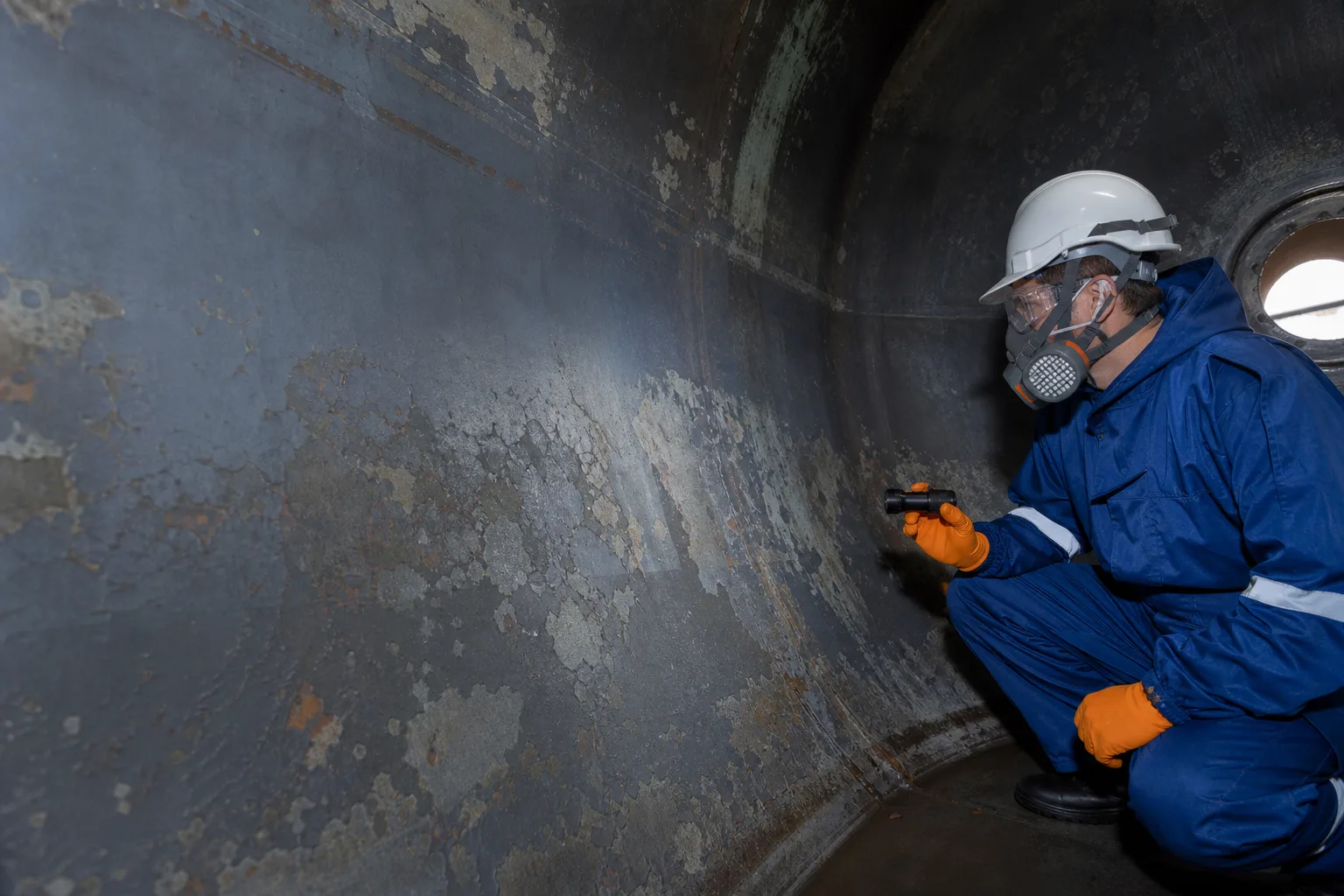
Corrosion Assessment
Why Corrosion Problems Require Service-Specific Review
Corrosion may begin beneath old coatings, at welds and joints, around nozzles, or where process liquid collects. Rust, pitting, blistering, cracking, delamination, softening, or wall loss must be assessed before selecting a repair route.
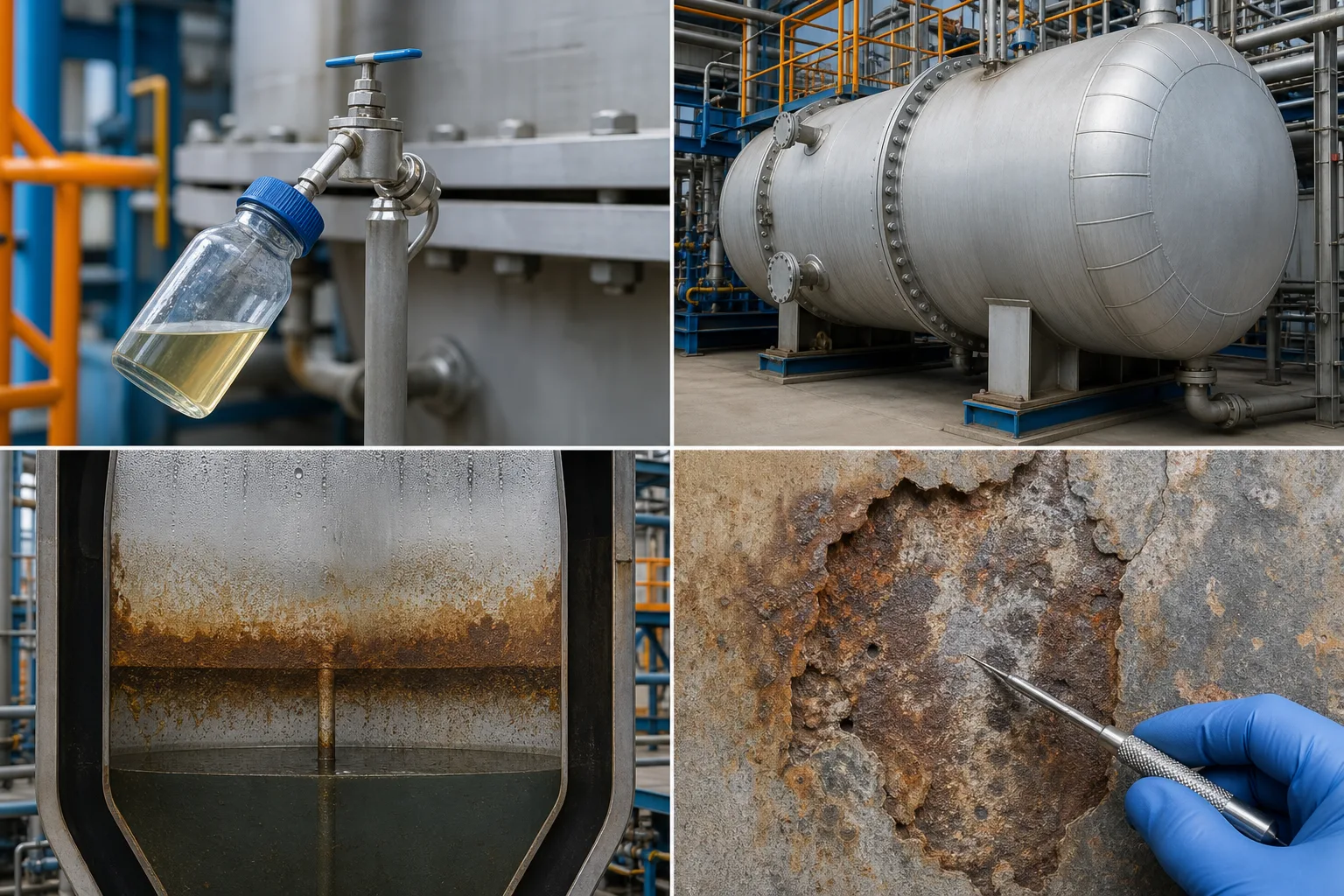
Selection Inputs
Information That Defines the Corrosive Service
A useful recommendation requires more than the chemical name. These factors determine which material categories can be shortlisted and which current technical documents need to be checked.
Chemical Medium
Provide the full chemical name, mixture components, contaminants, and available process data.
Concentration
State normal concentration and operating or cleaning extremes; low-concentration resistance does not establish higher limits.
Temperature
Record normal, minimum, maximum, and cycling temperatures because heat can accelerate attack and affect mechanical behavior.
Exposure Pattern
Identify immersion, splash, fumes, condensation, or spill containment, including contact duration and chemical replenishment.
Mechanical Conditions
Describe flow, agitation, solids, abrasion, vibration, pressure, and thermal cycling alongside chemical exposure.
Substrate Condition
Document the substrate, damage depth, old coating, contamination, moisture, and access for preparation and application.
Exposure Patterns
Continuous Immersion, Splash, and Vapor Exposure
Contact duration, wetting cycles, residue formation, condensation, and process temperature can materially change the protection requirement. Exposure categories should be evaluated against actual operating and cleaning conditions.
Immersion
Review composition, temperature, fill and drain cycles, cleaning agents, return-to-service time, seams, penetrations, corners, and pits.
Splash and Containment
Assess wetting and drying, residues, traffic, cleaning, drainage, joints, cracks, and expected spill duration.
Vapor and Condensation
Supply the chemical and temperature profile together because condensate chemistry may differ from the bulk process liquid.
Substrate Review
Substrates and Damage Conditions to Assess
The substrate must remain capable of supporting the proposed repair. Coatings and linings do not replace an engineering decision when wall loss, cracking, deformation, pressure containment, or structural capacity is uncertain.
Steel
Record corrosion depth, pitting, weld condition, soluble contamination, previous coatings, and active leakage.
Concrete
Identify moisture, cracking, weak layers, chemical contamination, laitance, joints, and movement.
Composite Substrates
Determine the resin system where known, the extent of delamination or fiber damage, and suitable preparation methods.
Previously Lined Equipment
Identify the existing material, failure pattern, bond condition, and whether complete or local removal is practical.
Tank and Vessel Guidance
Review dedicated lining guidance when the project involves industrial tanks or vessels.
Material Routes
Repair and Lining Routes for Chemical Exposure
The appropriate route may combine substrate restoration with a protective barrier. Each layer has a separate function, and compatibility must be confirmed against current technical documentation and project conditions.
Chemical-Resistant Barrier
Evaluate ZDS-FluidGlide for lining, tank, flue, sealing, and fluid-equipment protection against stated service conditions.
Metal Rebuilding
Consider ZDS-MetalRebuild for pits, irregular surfaces, or localized loss before applying a compatible protective system.
Wear and Corrosion
Assess ZDS-CeramicArmor where slurries, solids, turbulent flow, or impact add erosion or abrasion to chemical attack.
Structural Reinforcement
Evaluate ZDS-CompositeWrap when reinforcement is required; reinforcement and chemical barrier selection remain separate decisions.
Application Planning
Surface Preparation and Application Planning
Reliable protection begins with a stable, clean, and properly prepared substrate. Requirements vary by substrate and system, but planning normally follows six controlled stages.
01
1. Isolate and Assess
Confirm the damage mechanism, remaining substrate condition, contamination, safe access, and required controls.
02
2. Remove Unsound Material
Remove loose corrosion, failed coating, weak concrete, residues, and material that could interfere with bonding.
03
3. Prepare the Surface
Follow product requirements for profile, cleanliness, dryness, corners, welds, joints, and penetrations.
04
4. Restore Defects
Fill pits or rebuild damaged areas with a compatible repair material before applying the barrier layer.
05
5. Apply and Inspect
Control mixing, coverage, layer sequence, environmental conditions, and inspection points under the approved plan.
06
6. Complete the Cure
Meet the specified curing and inspection requirements before exposing the lining or returning equipment to service.
07
Preparation Products
Use the supporting category for cleaning, priming, conditioning, and related preparation steps.
Document Review
Documents Needed for Technical and Procurement Review
Evaluate shortlisted products using current documentation, not general family descriptions alone. Align product identity, quantity, area, layer build, schedule, inspection, and acceptance criteria before procurement.
Technical Data Sheets
Review available product data, application requirements, cure conditions, storage guidance, and documented limitations.
Safety Data Sheets
Check current handling information and applicable controls for the shortlisted materials.
Application Guides
Confirm mixing, substrate preparation, layer sequence, environmental conditions, and application instructions.
Quality Control
Review available quality-control information when supplier qualification forms part of the project.
Selection Limits
Technical Limits to Confirm Before Selection
Chemical resistance must be evaluated within the complete operating environment. Product categories, laboratory information, and sample evaluations do not independently establish field suitability.
Chemical Variability
Broad resistance descriptions do not confirm every concentration, mixture, contaminant, or temperature.
Combined Exposure
Laboratory data may not reproduce combined chemicals, heat, abrasion, vibration, pressure, or thermal cycling.
Structural Conditions
Active leaks, unstable substrates, wall loss, and moving cracks may require engineering controls or another repair method.
Surface Conditions
Damp, contaminated, or previously coated surfaces require specific confirmation and suitable preparation.
Regulated Applications
Potable water, food contact, fire, hazardous-area, and other regulated uses require applicable evidence before approval.
Sample Evaluation
Samples can support screening but do not replace full operating-condition review or guarantee field performance.
Technical Support
Technical Support for Product Evaluation
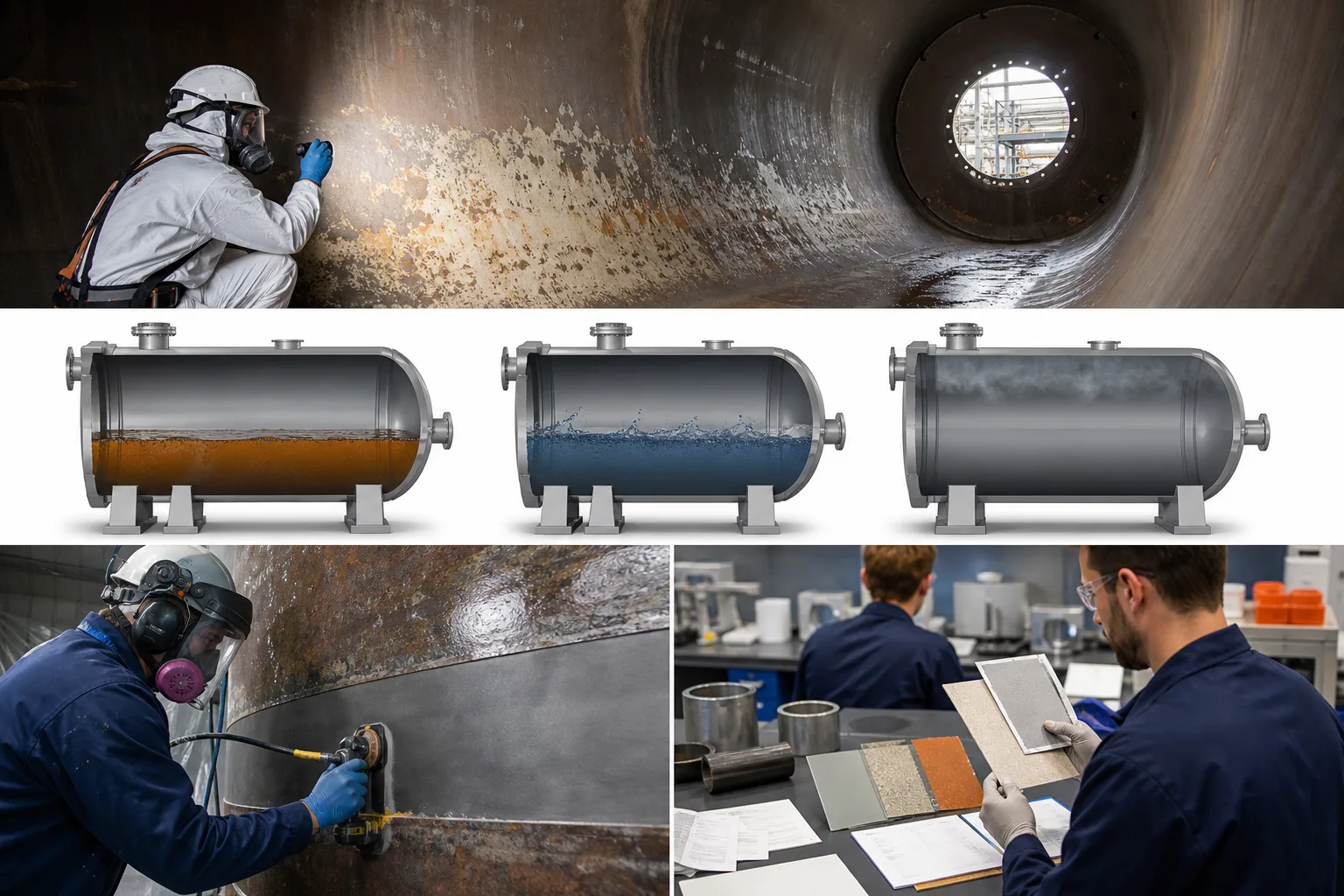
ZDSChem applies its chemical manufacturing and formulation background to industrial repair material selection. Application-specific evaluation considers stated operating conditions, material requirements, and available documentation.
Project Evaluation
Prepare a Chemical Corrosion Protection Review
Submit the chemical and concentration, temperature range, exposure pattern, substrate, equipment, damage, application area, shutdown window, and available photographs or specifications for material-category and document review.
FAQ
Frequently Asked Questions
Provide the full chemical or mixture name, normal and maximum concentration, operating and cleaning temperatures, exposure duration, equipment type, substrate, existing damage, and mechanical conditions such as flow or abrasion. Photographs, drawings, and current specifications can improve the initial assessment.
No. Continuous immersion is more demanding than occasional splash in many applications. Suitability needs to be checked against the specific chemical, concentration, temperature, contaminants, contact duration, cleaning cycle, and current product documentation.
Some projects involve both chemical attack and mechanical wear, but these requirements must be assessed separately. Slurries, solids, turbulent flow, and impact can change the appropriate material route even when a barrier is chemically compatible.
A lining protects a suitable substrate but does not automatically restore structural or pressure capacity. Severe wall loss, cracking, deformation, active leakage, or uncertain remaining strength requires an engineering assessment before a coating, rebuilding compound, or reinforcement system is selected.
Sample evaluation can help qualified buyers assess handling, application, adhesion preparation, and agreed exposure criteria. The testing method, duration, substrate, cure conditions, and acceptance criteria should be defined in advance. A sample result does not guarantee performance under all field conditions.
Customer-specific formulation requirements can be submitted for technical and commercial review. Feasibility is considered according to the application, performance target, expected volume, market, documentation requirements, and purchasing plan. Development, approval, and final performance are not guaranteed before evaluation.