
Repair Materials by Service Condition
Select repair materials according to the environment an asset must withstand, not damage type alone. This condition map helps industrial distributors, importers, MRO suppliers, repair contractors, maintenance engineers and procurement teams shortlist relevant ZDSChem series before technical evaluation.
Initial Screening
Start with the Service Condition and Repair Problem
A compound suitable for dry metal restoration may not suit a submerged pipe, high-temperature flue, chemically exposed tank or outdoor surface. Define the operating environment before selecting a repair route.
01
Operating environment
record temperature, moisture, immersion, weather and chemical contact.
02
Mechanical demand
identify pressure, flow, vibration, impact, erosion, abrasion or movement.
03
Substrate
describe the metal, pipe, concrete, rubber, composite or other surface.
04
Damage: document corrosion, leakage, wear
cracking, dimensional loss, delamination or surface degradation.
05
Application window
note access, shutdown time, surface condition, preparation options and cure requirements.
Condition Map
Service Conditions to Review Before Product Selection
Use these routes for initial screening. They do not replace product specifications, engineering assessment or application review. Exact limits, resistance values and service-life expectations require product-specific documentation.
High or Changing Heat
Review ZDS-FluidGlide after confirming peak temperature, cycling, substrate, cure conditions and media contact.
Immersion or Fluid Contact
Review ZDS-AquaShield or ZDS-FluidGlide based on fluid identity, pressure, temperature and exposure duration.
Abrasion and Erosion
Review ZDS-CeramicArmor or ZDS-RubberElast after defining impact, movement, flow velocity and wear pattern.
Chemical Exposure
Evaluate ZDS-FluidGlide using the chemical name, concentration, temperature, contact pattern and cleaning regime.
Pressure and Pipe Integrity
Review ZDS-CompositeWrap and ZDS-MetalRebuild using defect dimensions, pressure, temperature and engineering requirements.
Moisture and Wet Surfaces
Review ZDS-AquaShield and preparation materials after defining leakage, moisture, access and cure conditions.
Outdoor UV and Weather
Review ZDS-PolyAspartic using the substrate, weather, movement, abrasion, chemical contact and full coating system.
Product Shortlist
Product Routes for Common Operating Conditions
Use each series as a category-level starting point. Final selection depends on the equipment condition, substrate, damage geometry, operating range, application constraints and current technical documentation.
- ZDS-FluidGlide
- high-temperature repair guidance
- ZDS-AquaShield
- underwater and wet-surface repair route
- ZDS-CeramicArmor
- ZDS-RubberElast
- abrasion and erosion protection application route
- chemical and corrosion protection
- ZDS-CompositeWrap
- ZDS-MetalRebuild
- composite pipe reinforcement
- pipe leak repair
- ZDS-PolyAspartic
- Surface Preparation Products
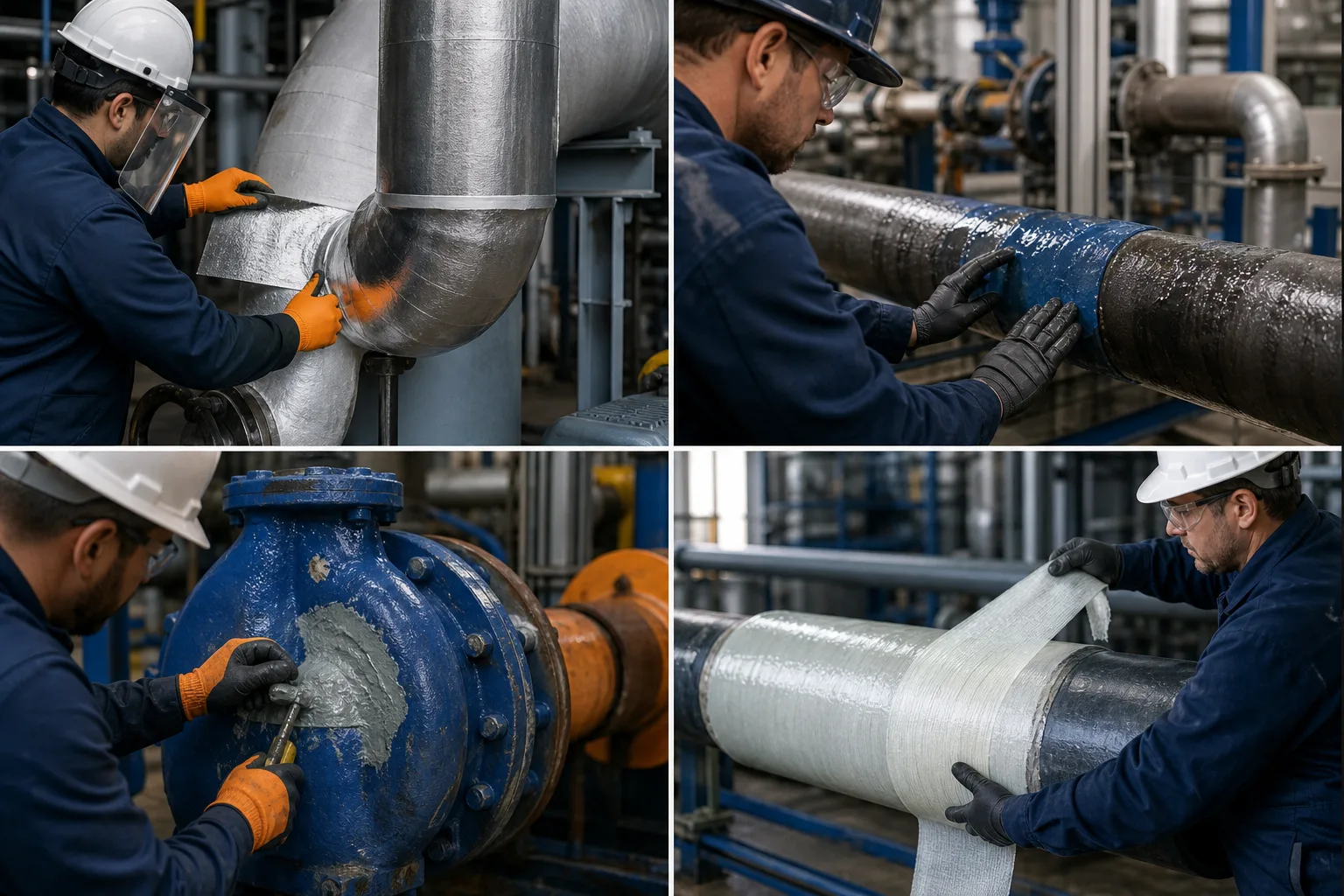
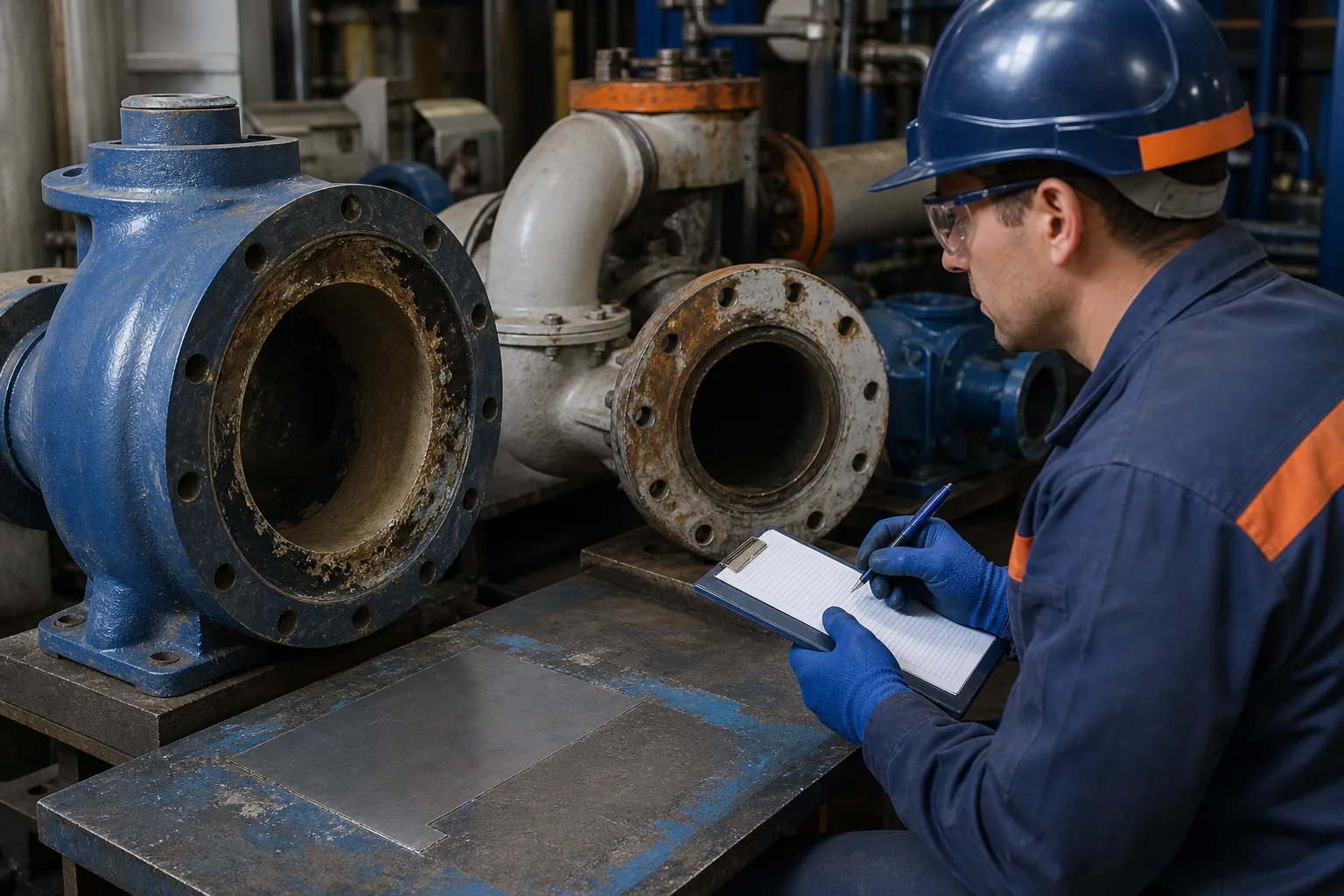
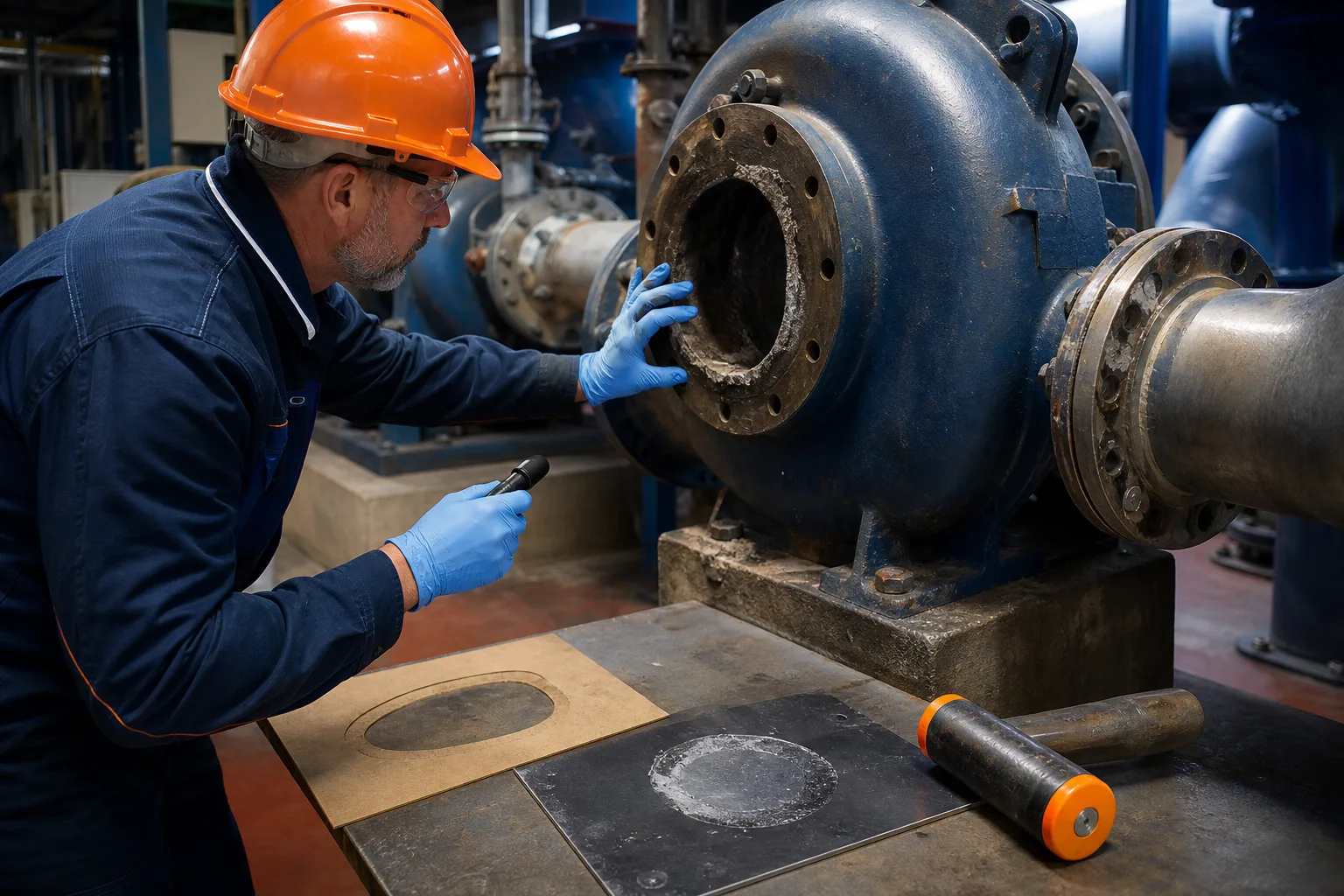
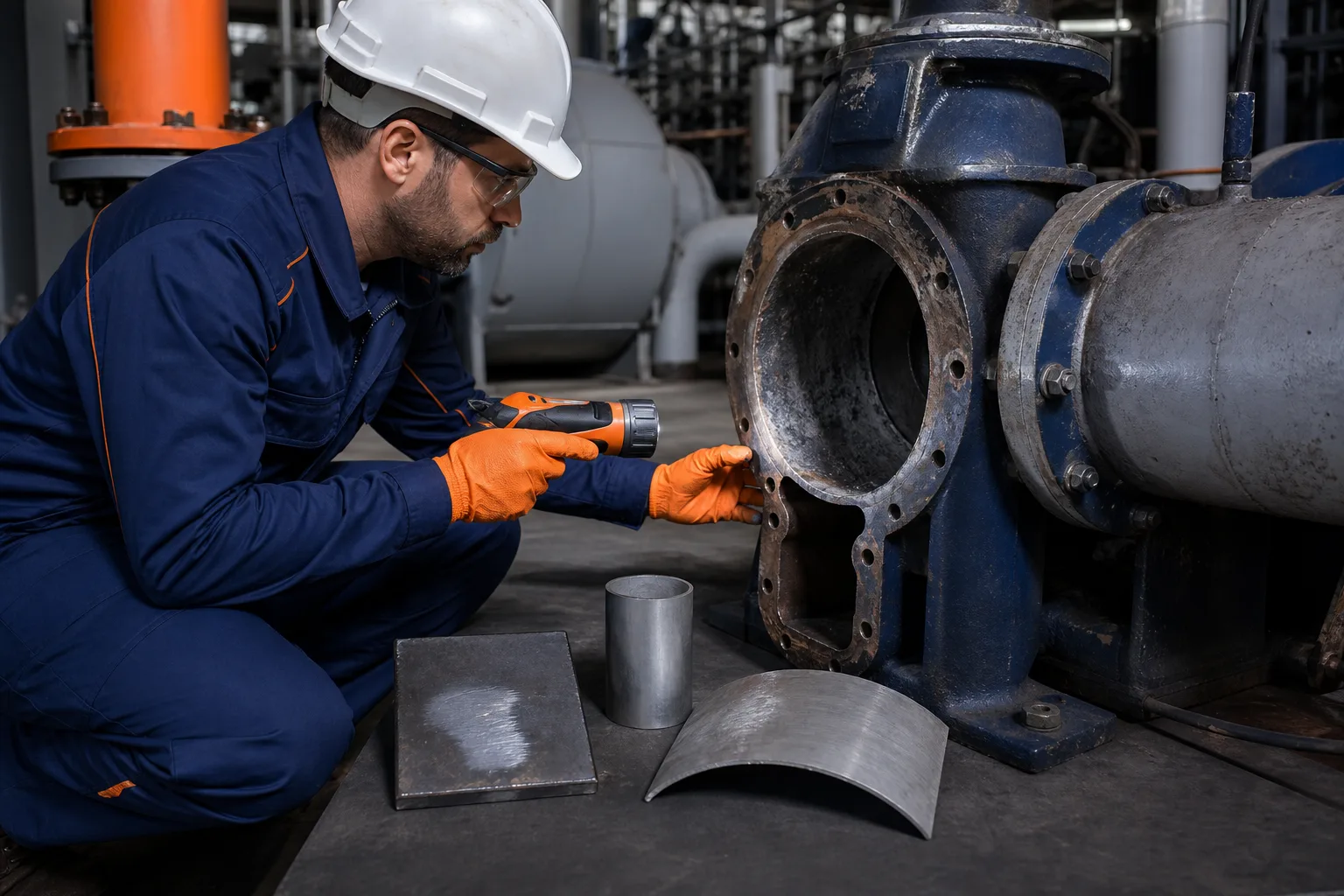

Heat and Fluid Service
High-Temperature Repair and Fluid Equipment
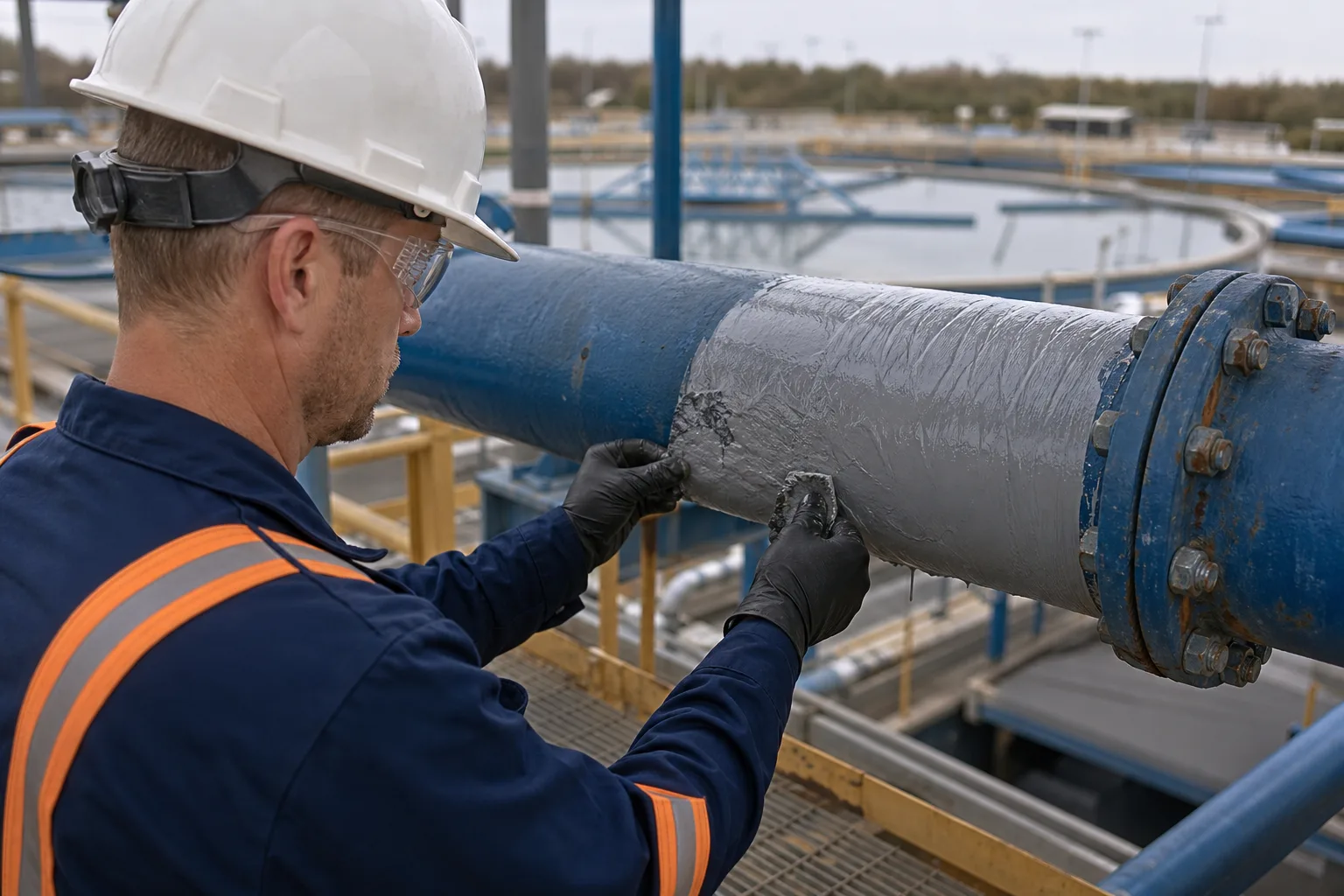
ZDS-FluidGlide covers high-temperature repair, chemical-resistant lining, tank lining, flue protection, sealing and fluid-equipment coating systems. It is a starting point when heat and fluid contact occur together.
Confirm minimum and peak temperatures, temperature cycling, substrate, media contact and cure conditions.
Compare the high-temperature repair guidance before requesting a recommendation.
Confirm minimum and peak temperatures, temperature cycling, substrate, media contact and cure conditions.
Wet-Service Route
Immersion and Wet-Surface Repair
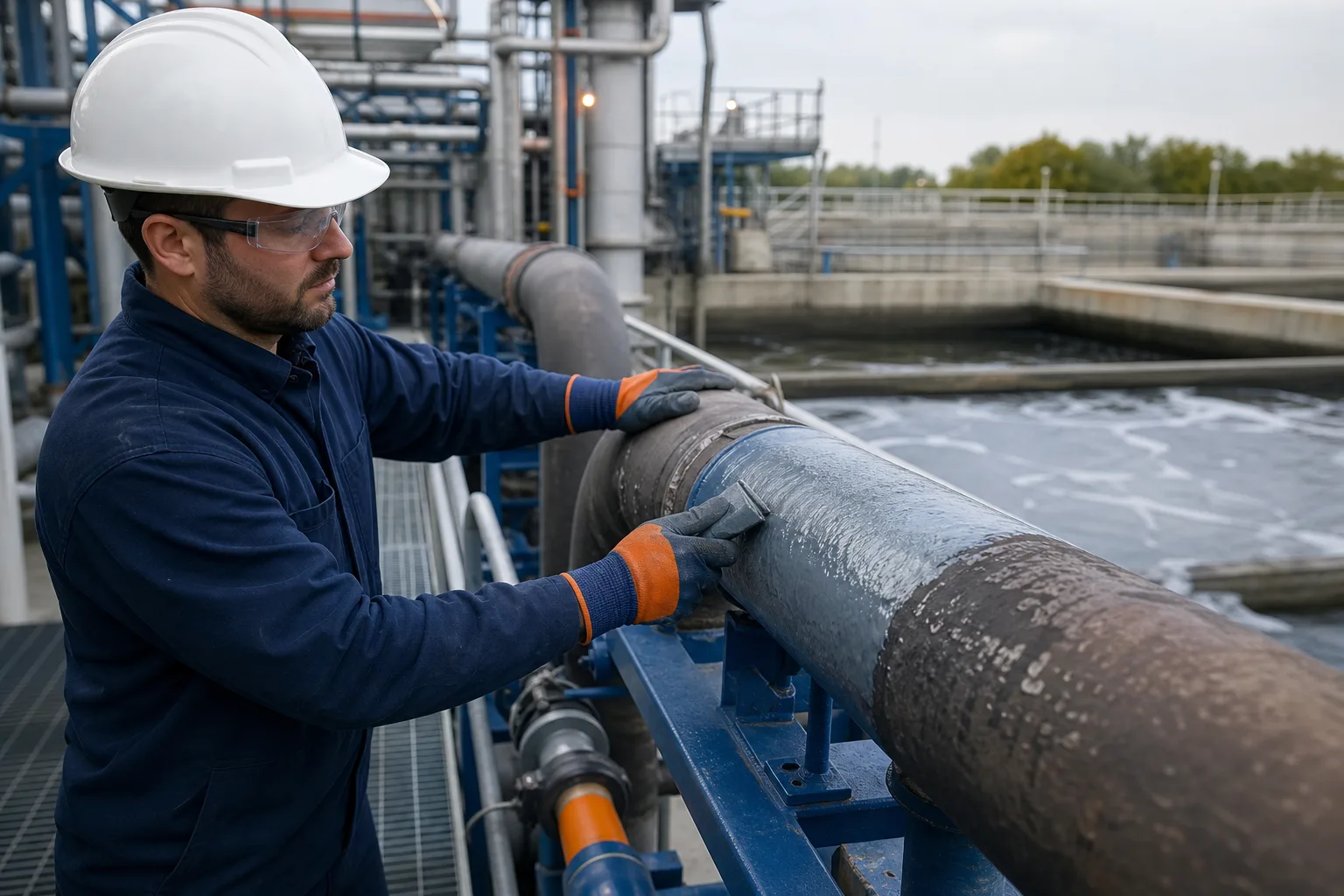
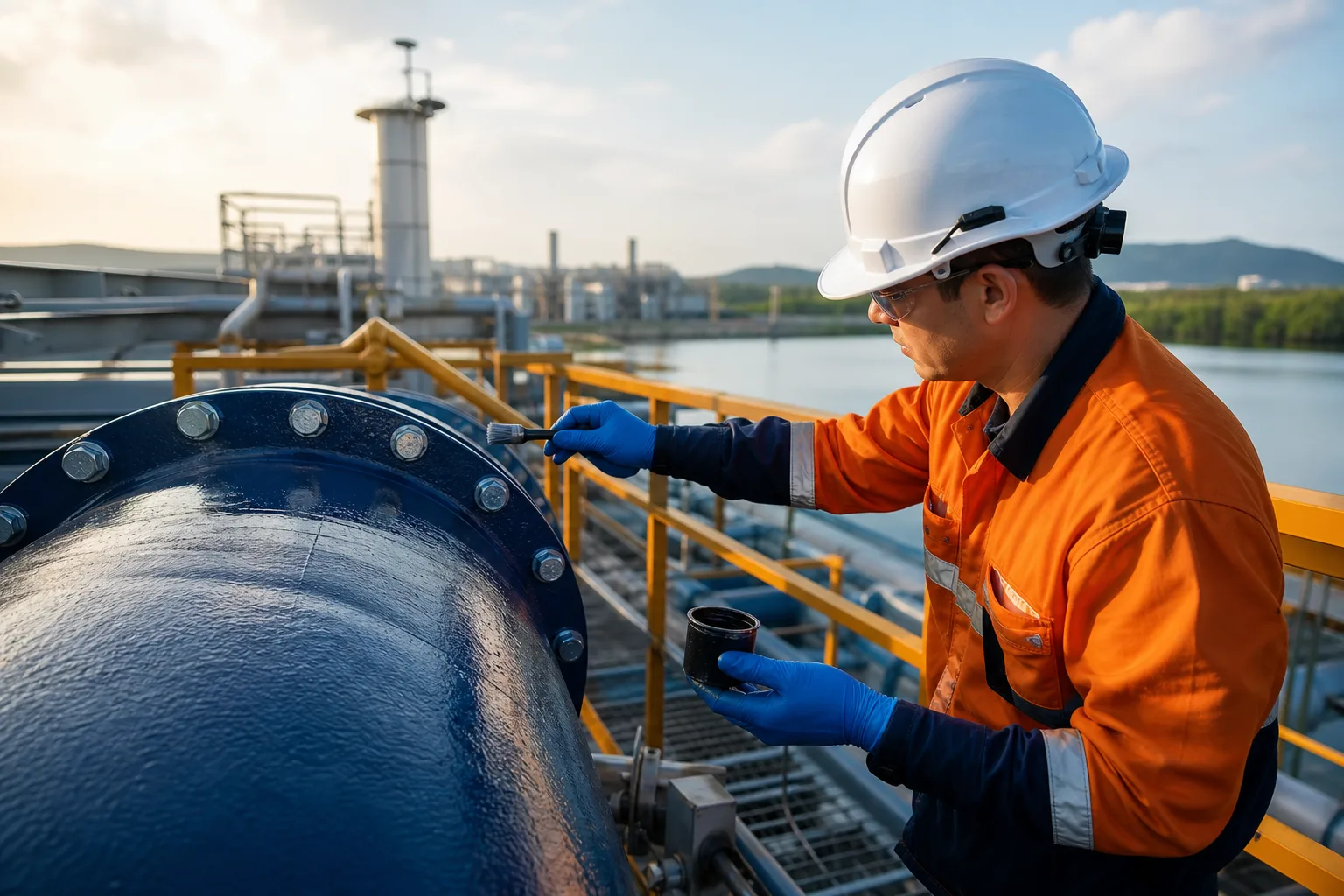
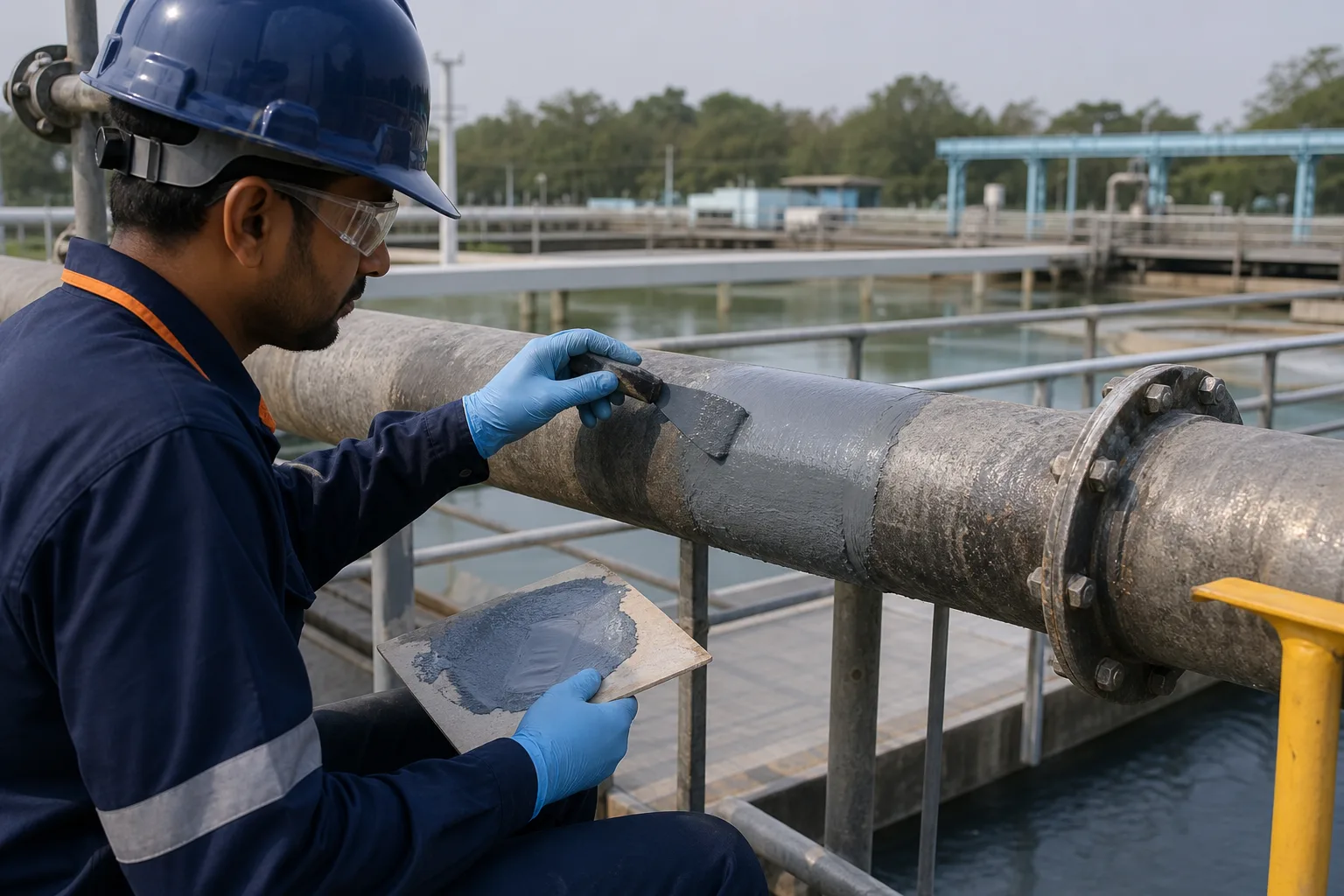
ZDS-AquaShield is organized around underwater-curing, wet-surface, marine and emergency repair materials. Define the water conditions, access and preparation requirements before choosing a material.
Confirm fluid identity, immersion timing, temperature, pressure, surface condition and exposure duration.
Confirm fluid identity, immersion timing, temperature, pressure, surface condition and exposure duration.
Wear Protection
Abrasion, Erosion and Elastomer Wear
Separate impact wear, sliding wear, erosion and flexible-component damage before selecting a route. Confirm particle size, flow velocity, impact, movement, wear pattern and required repair geometry.
Chemical Service
Chemical Exposure and Corrosion Protection
For tanks, vessels, process equipment and fluid-contact surfaces, evaluate chemical and corrosion requirements with the chemical-resistant lining scope of ZDS-FluidGlide.
Supply the chemical identity, concentration, temperature, contact frequency, immersion status, exposure duration and cleaning regime.
Suitability requires confirmation against product-specific technical documentation.
Supply the chemical identity, concentration, temperature, contact frequency, immersion status, exposure duration and cleaning regime.
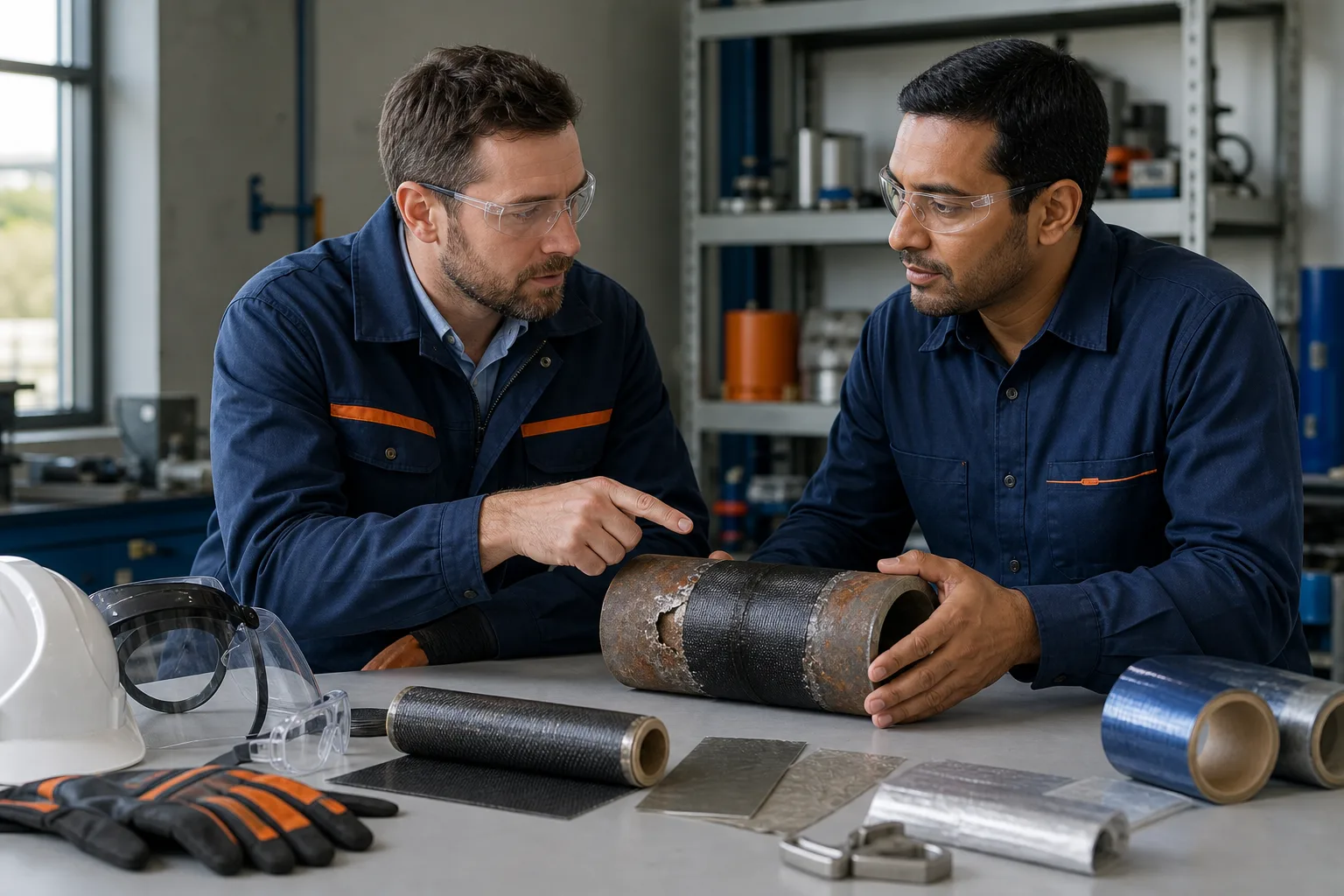
Pipe and Metal Repair
Pressure-Related Pipe and Metal Damage
Compare composite reinforcement, metal rebuilding and leak-sealing routes using the equipment material, defect geometry, pressure, temperature, access and applicable engineering requirements.

Outdoor Exposure
Outdoor UV and Weather Exposure
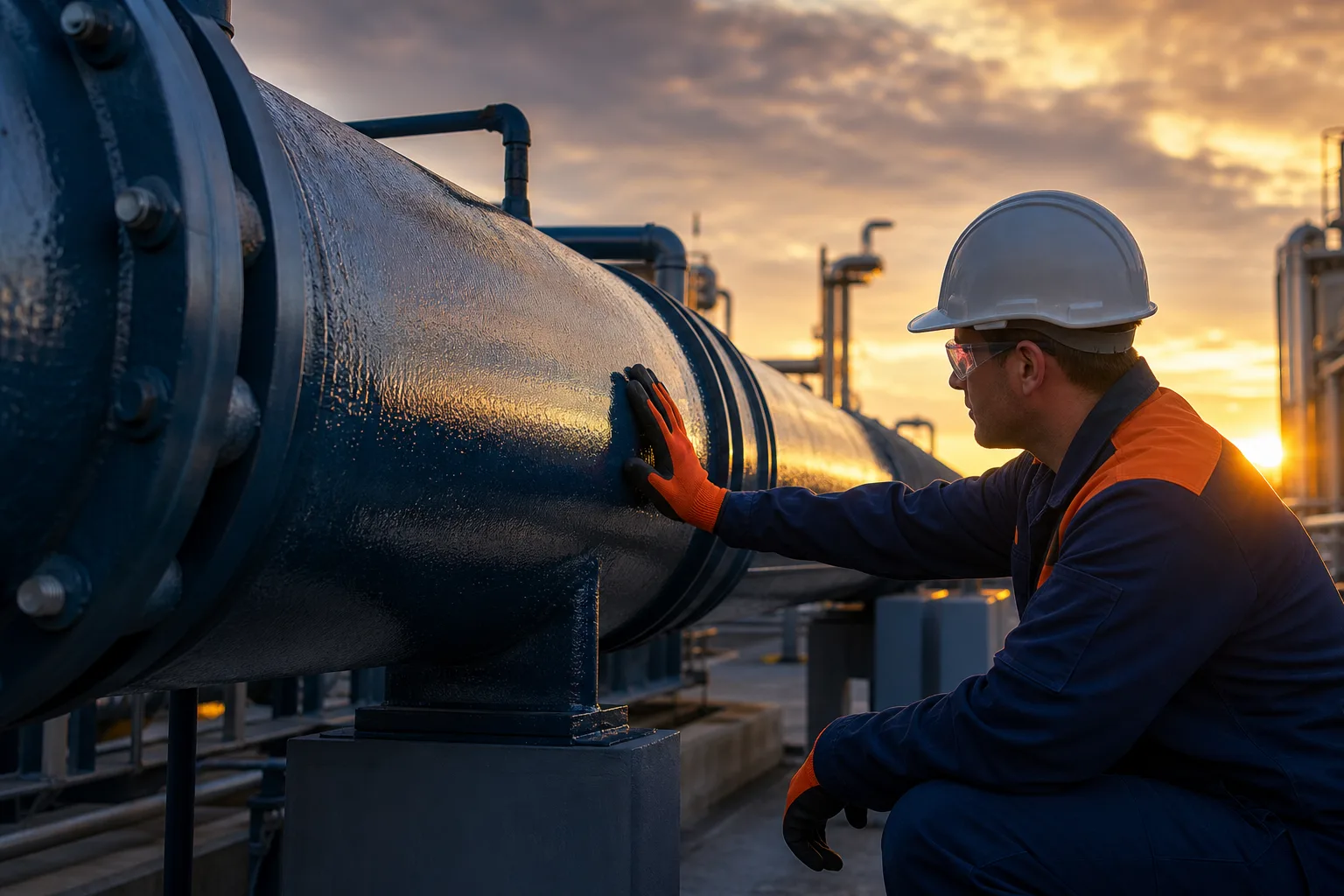
ZDS-PolyAspartic is the relevant series for UV-resistant, weather-stable outdoor protective topcoat systems. Evaluate the complete exposure profile rather than UV alone.
Confirm substrate movement, abrasion, water, chemicals, weather and the condition of the underlying system.
Confirm substrate movement, abrasion, water, chemicals, weather and the condition of the underlying system.
System Support
Preparation and System Support
Surface Preparation Products include cleaning agents, primers, conditioners and other supporting application materials. Preparation affects adhesion, cleanliness, moisture control and repair-process consistency.
Selection Factors
Factors That Affect Repair Material Selection
Combine service-condition screening with a clear repair description. A material category is a starting point, not a blanket suitability statement or confirmation for every asset and operating condition.
Substrate and Shape
Define whether the repair involves a plate, pipe, flange, pump casing, tank wall, cable, belt or other geometry.
Failure Mechanism
Identify corrosion, leakage, erosion, cavitation, impact, cracking, dimensional loss or elastomer damage.
Exposure Severity
Record temperature, pressure, immersion, chemical concentration, flow, abrasion, UV and operating changes.
Application Conditions
Confirm access, shutdown duration, preparation options, moisture, ventilation and available cure time.
Purchasing Evidence
Define requirements for data sheets, safety documents, guidance, packaging, samples and supply terms.
Inquiry Checklist
Information Needed for a Product Recommendation
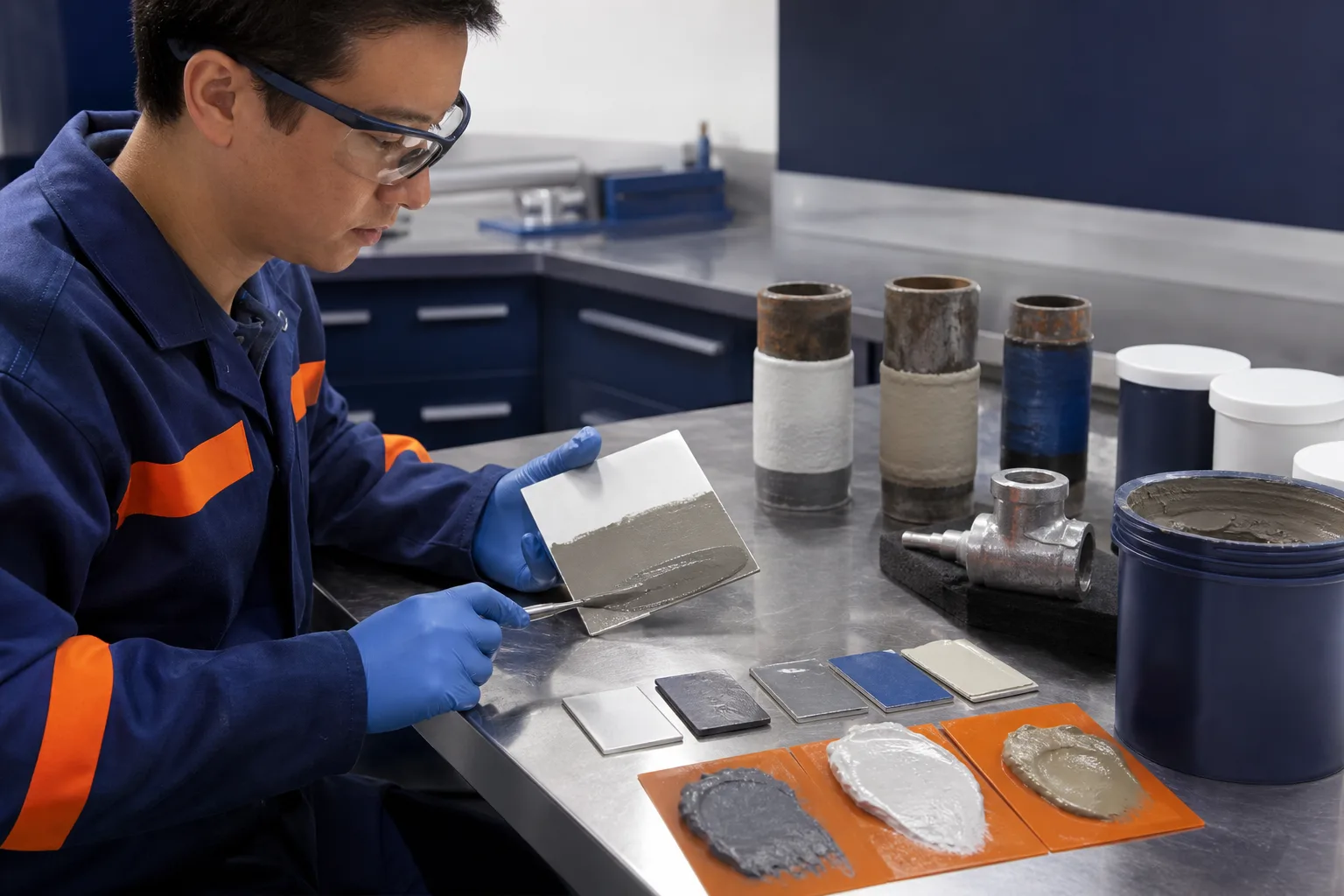
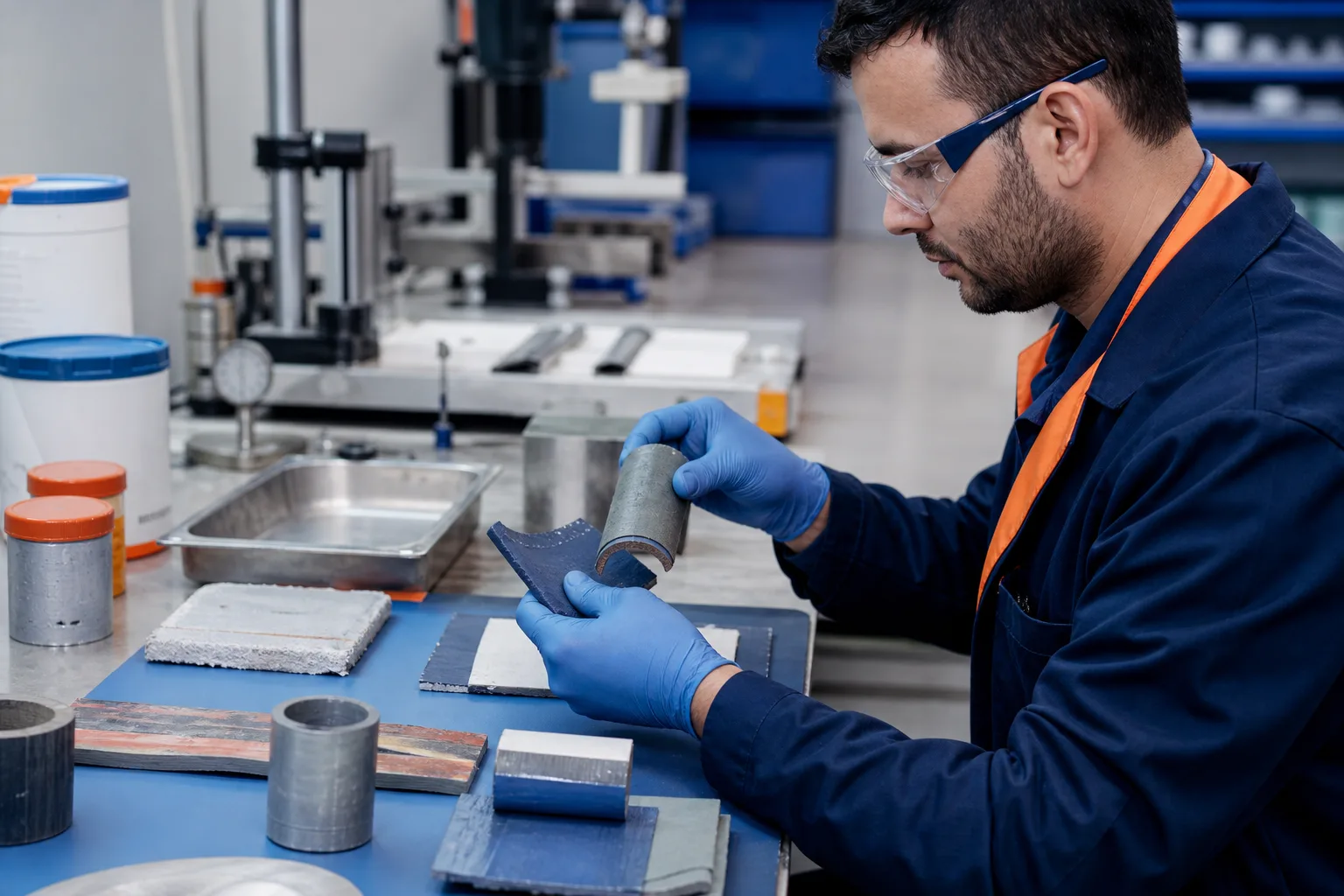
A focused inquiry helps identify the relevant series and avoids an incomplete comparison. Technical data sheets, application guides and sample evaluation can support the purchasing and technical review.
01
Equipment and Access
Provide the equipment type, substrate, repair location and access limitations.
02
Damage Details
Provide the damage type, dimensions, leakage status, photographs or drawings and required repair geometry.
03
Operating Conditions
Provide temperature, pressure, fluid or chemical details, immersion status, flow and exposure duration.
04
Application Window
Provide surface condition, preparation method, shutdown window, environment and expected cure conditions.
05
Purchasing Requirements
Provide quantity, target market, pack-format needs, documentation requirements and sample-evaluation needs.
ZDSChem Approach
Why ZDSChem Uses a Condition-Based Selection Route
ZDSChem organizes industrial repair materials as a structured B2B selection process. Product series are connected with equipment, substrate, damage and service conditions to support a practical shortlist.
Seven Primary Series
The portfolio covers metal, composite, ceramic, underwater, fluid-equipment, outdoor-topcoat and elastomer routes.
Manufacturing Background
ZDS has operated as a professional chemical manufacturer since 1998, with formulation and technical support experience.
R&D Support
A dedicated R&D team of 30 professionals supports development, formulation review and application-specific evaluation.
Conditional Formulation Review
Customer-specific requirements may be assessed, subject to technical and commercial feasibility.
Required Checks
Limitations and Documentation Checks
Confirm the current technical data sheet, safety data sheet and application guidance for the selected material. Category matching does not establish design approval, compliance, a pressure rating or guaranteed service life.
Product-specific documentation must
confirm temperature, pressure, chemical resistance, immersion, abrasion, UV durability, cure behavior and substrate compatibility.
Pressure-bearing pipe, critical equipment
regulated assets and safety-related repairs require applicable engineering review.
Discuss packaging, samples, initial
stocking, repeat supply and regional terms after product and market requirements are supplied.
Next Step
Build a Practical Shortlist
Share the equipment, substrate, damage and service conditions that matter to your project or product line. ZDSChem can help identify the relevant repair-material route and documentation for the next evaluation step.
FAQ
Frequently Asked Questions
Start with the most demanding operating condition, such as peak temperature, continuous immersion, chemical contact, pressure, severe abrasion or outdoor UV exposure. Then add the substrate, damage mechanism and application constraints to narrow the product route.
ZDS-FluidGlide is the primary series to review for high-temperature repair, flue protection, sealing and fluid-equipment coating systems. The exact temperature range and cure requirements must be confirmed in current product documentation.
ZDS-CompositeWrap can be reviewed for composite pipe reinforcement and structural laminating, while ZDS-MetalRebuild can be considered for metal rebuilding and leak-sealing routes. Pipe material, defect geometry, pressure, temperature and engineering requirements are needed before suitability is determined.
No. Chemical identity, concentration, temperature, contact frequency, immersion status and exposure duration can change the selection. Chemical-resistant lining routes require confirmation against product-specific technical documentation rather than a general category description.
Yes. ZDS can review application, specification, formulation, packaging, labeling, market and documentation requirements. A suitable formulation or product route is not guaranteed and depends on technical and commercial feasibility review.
Buyers may need current technical data sheets, safety data sheets, application guidance, packaging information and sample-evaluation details. Procurement and distributor inquiries should also clarify quantity, target market and supply requirements.