
Industrial Repair Application Guides
Industrial repair application guides explain substrate preparation, material mixing and placement, curing, inspection, and safety documentation. This guide supports maintenance engineers, repair contractors, MRO suppliers, procurement teams, and technical evaluators comparing repair routes for metal, composite, ceramic, coated, underwater, and elastomer applications. Use it as a pre-application checklist, then confirm exact ratios, working times, cure schedules, temperature limits, and chemical-resistance requirements in the current TDS and SDS for the selected material.
Repair Planning
What This Guide Helps You Decide
A repair procedure should begin with equipment condition rather than a product name. Define the substrate, damage, service environment, access conditions, and required return-to-service plan to narrow the relevant ZDSChem product series and identify documents for technical review.
FEATURED SOLUTION
Equipment and geometry
Identify pipes, pumps, valves, tanks, flues, conveyors, rollers, cables, or other components. Note access, profile, edges, joints, and movement.
Substrate and damage
Record whether the surface is metal, composite, rubber, ceramic, coated, or mixed. Describe corrosion, erosion, wear, cracking, leakage, loss of dimension, or surface breakdown.
Service conditions
Gather temperature, pressure, immersion, chemicals, abrasion, vibration, ultraviolet exposure, and expected operating cycles.
Application constraints
Confirm shutdown time, surface access, available tools, environmental conditions, safety controls, and the required post-application inspection method.
Repair Conditions
Start With the Repair Condition
Application guides connect a repair problem to a practical route. These common situations help organize the initial review without replacing a project-specific assessment or selected product documentation.
Pipe Leaks and Damage
Review substrate condition, leak status, pressure, access, and the need for local rebuilding or reinforcement.
Composite Pipe Reinforcement
Compare repair geometry, reinforcement layout, surface condition, and operating loads for FRP repair or structural laminating.
Pumps and Fluid Equipment
Assess erosion, clearances, flow paths, and chemical exposure for pump casings, housings, and fluid-handling components.
Wear and Erosion
Review damaged zones, thickness requirements, and operating cycles for slurry, solids, cavitation, and repeated impact.
Chemical Exposure
Identify media, concentration, contact pattern, temperature, and exposure duration before selecting a lining or protective material.
Tanks and Vessels
Account for surface condition, lining continuity, edges, seams, access, and service media during tank or vessel repair.
High-Temperature Equipment
Record operating and shutdown conditions, heat cycling, insulation status, and the planned return-to-service sequence.
Wet or Underwater Repairs
Water presence, immersion, marine exposure, and emergency access change the preparation and application sequence.
Step 1
Surface Preparation Comes Before Mixing
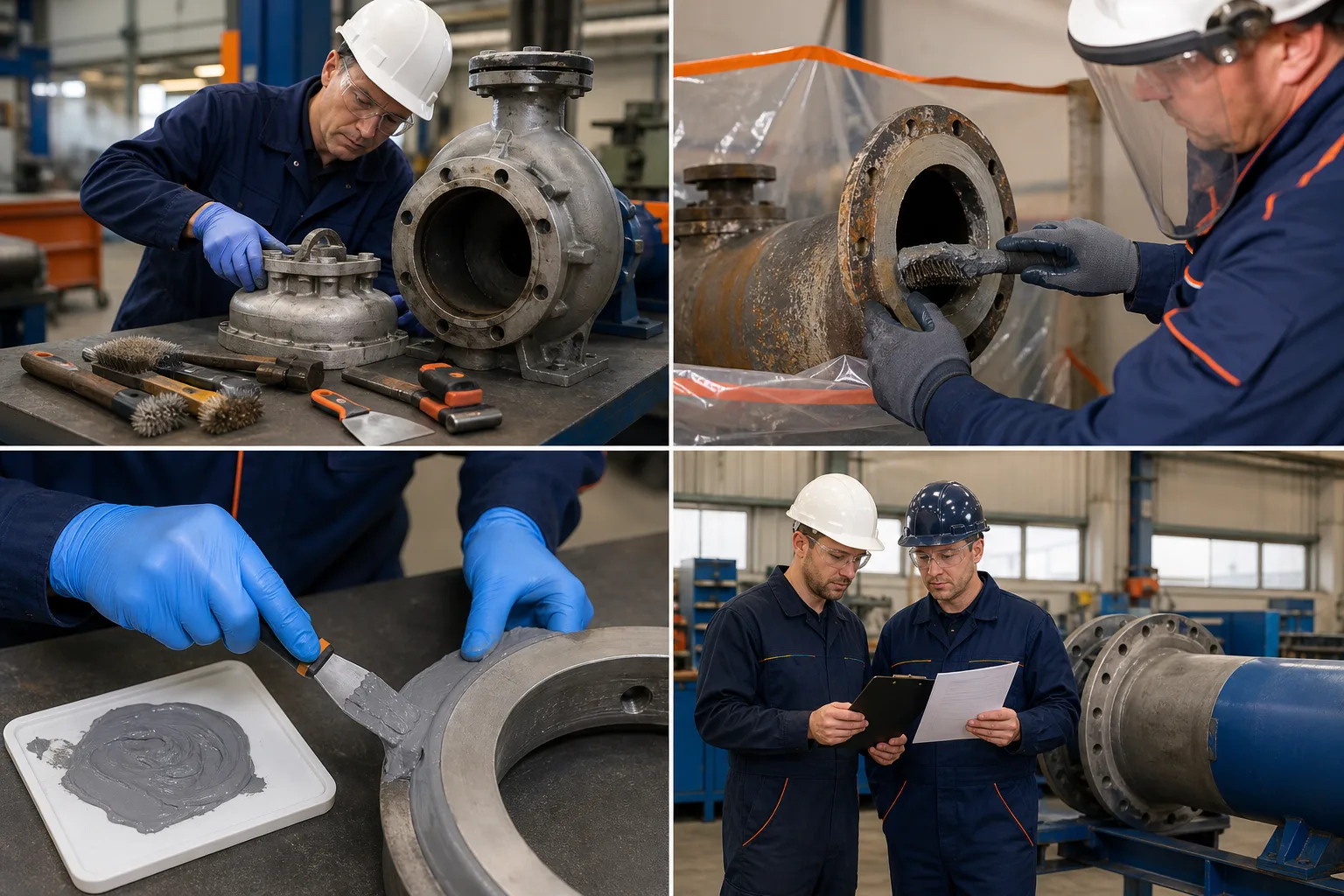
Surface preparation determines whether the repair material can contact a sound, suitably profiled substrate. Remove loose material, contamination, and weak boundaries while preserving repair geometry. Safe isolation is also essential because residual pressure, chemicals, heat, or stored energy can affect personnel and repair results.
01
Isolate, depressurize, drain, cool, and
clean the equipment according to site procedure. Confirm safe access to the repair area.
02
Remove loose corrosion, degraded coating
scale, grease, moisture, and other contamination that could interfere with substrate contact.
03
Define the repair boundary and remove weak
edges where required. Protect threads, clearances, shafts, seals, and flow paths from unwanted material.
04
Create the specified surface profile using
an approved method suited to the substrate, repair material, access, and site controls.
05
Check for remaining contamination
moisture, dust, sharp transitions, and damage that could change the repair route. Record the condition before mixing.
Step 2
Mixing and Material Preparation
Treat mixing as part of the application procedure. Before opening the material, check product identity, batch or lot information, packaging condition, required tools, and current instructions. Stage only the quantity that can be placed within the documented working period.
01
Read the current technical data sheets for
preparation, mixing, application, and curing instructions. Use the safety data sheets for hazards, protective measures, storage, spill response, and disposal.
02
Use compatible tools that are free from
oil, dust, old compound, and moisture where a clean or dry setup is required.
03
Follow the documented component order
ratio, mixing method, and batch size. Do not add solvents, fillers, or other materials unless specifically allowed.
04
Plan application access and tool changes
before mixing. Material behavior can change with quantity, ambient conditions, and substrate temperature.
05
Protect prepared material from
contamination, premature exposure, and unplanned pauses. Dispose of residues according to the SDS and site requirements.
Product Selection
ZDSChem Product Series for Application Planning
The seven primary ZDSChem repair series organize material selection around the repair condition. These descriptions identify where each series belongs in the selection process; final product choice requires current technical documentation and project information.
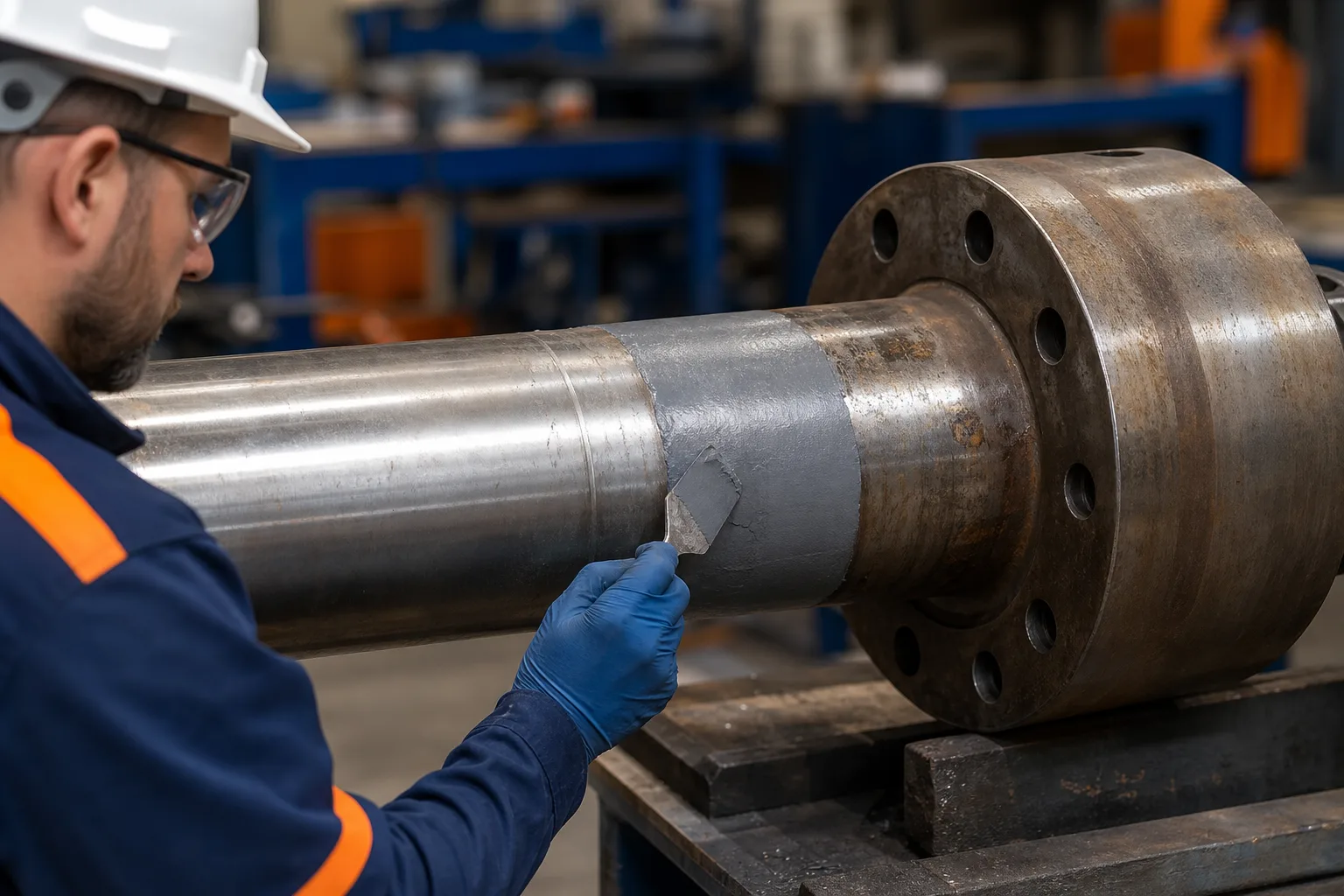
ZDS-MetalRebuild
Review for metal rebuilding, cold repair, dimensional restoration, leak sealing, and structural bonding. Consider geometry, load, access, and service exposure.
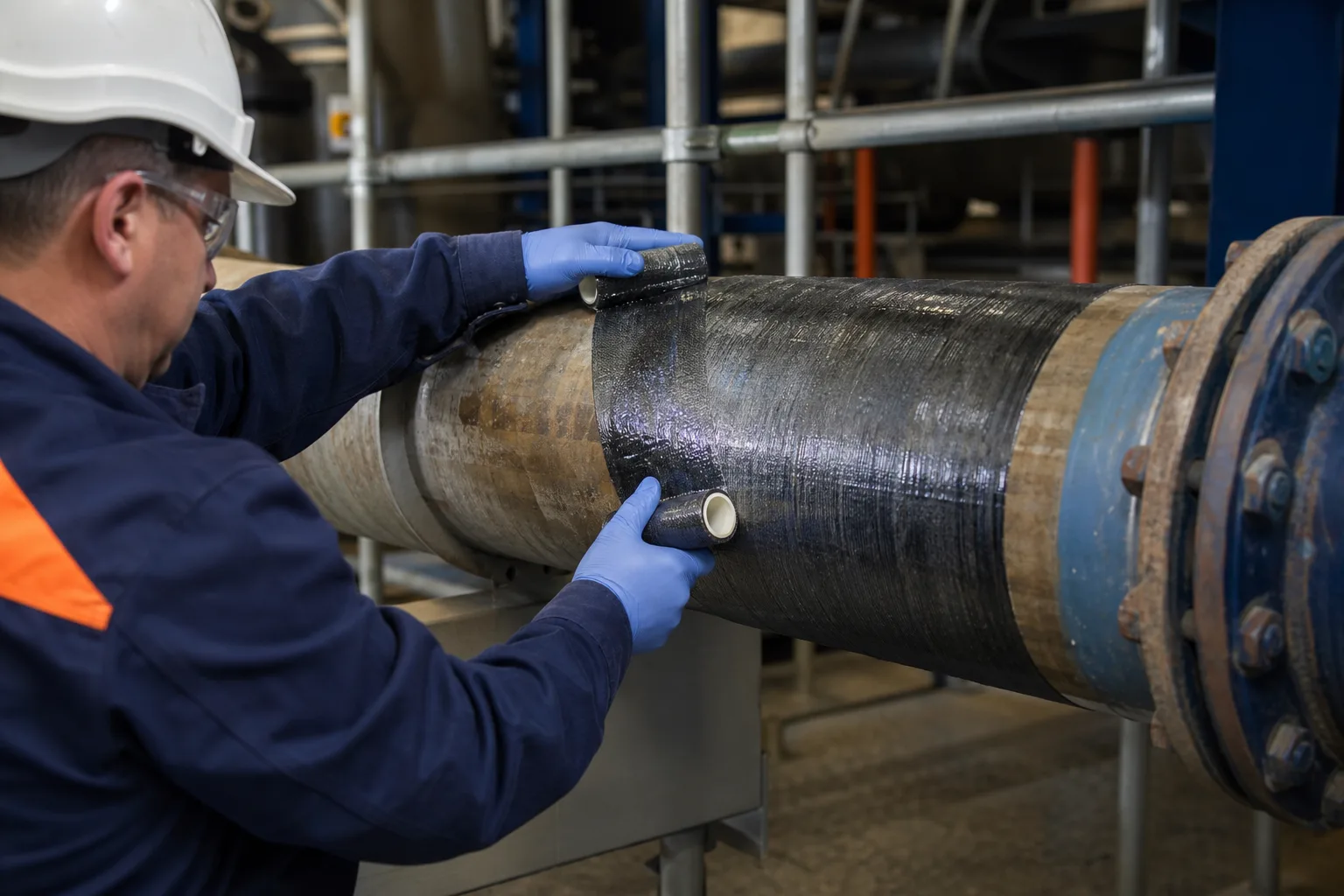
ZDS-CompositeWrap
Use when composite pipe reinforcement, FRP repair, or structural laminating is part of the repair concept. Confirm reinforcement layout and substrate condition.
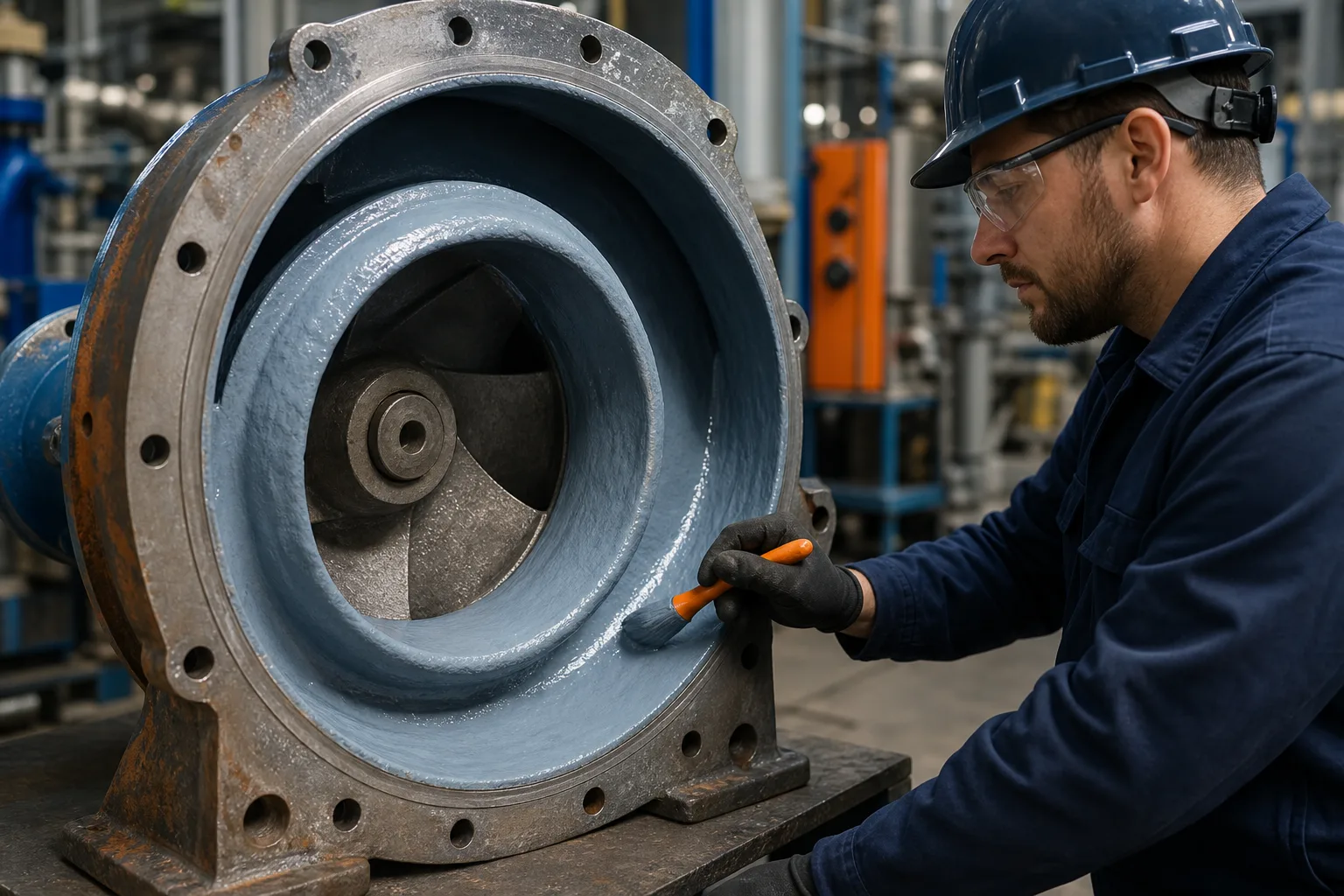
ZDS-CeramicArmor
Consider for ceramic-filled protection against wear, erosion, cavitation, and heavy-duty equipment service. Assess damage pattern and operating cycle.
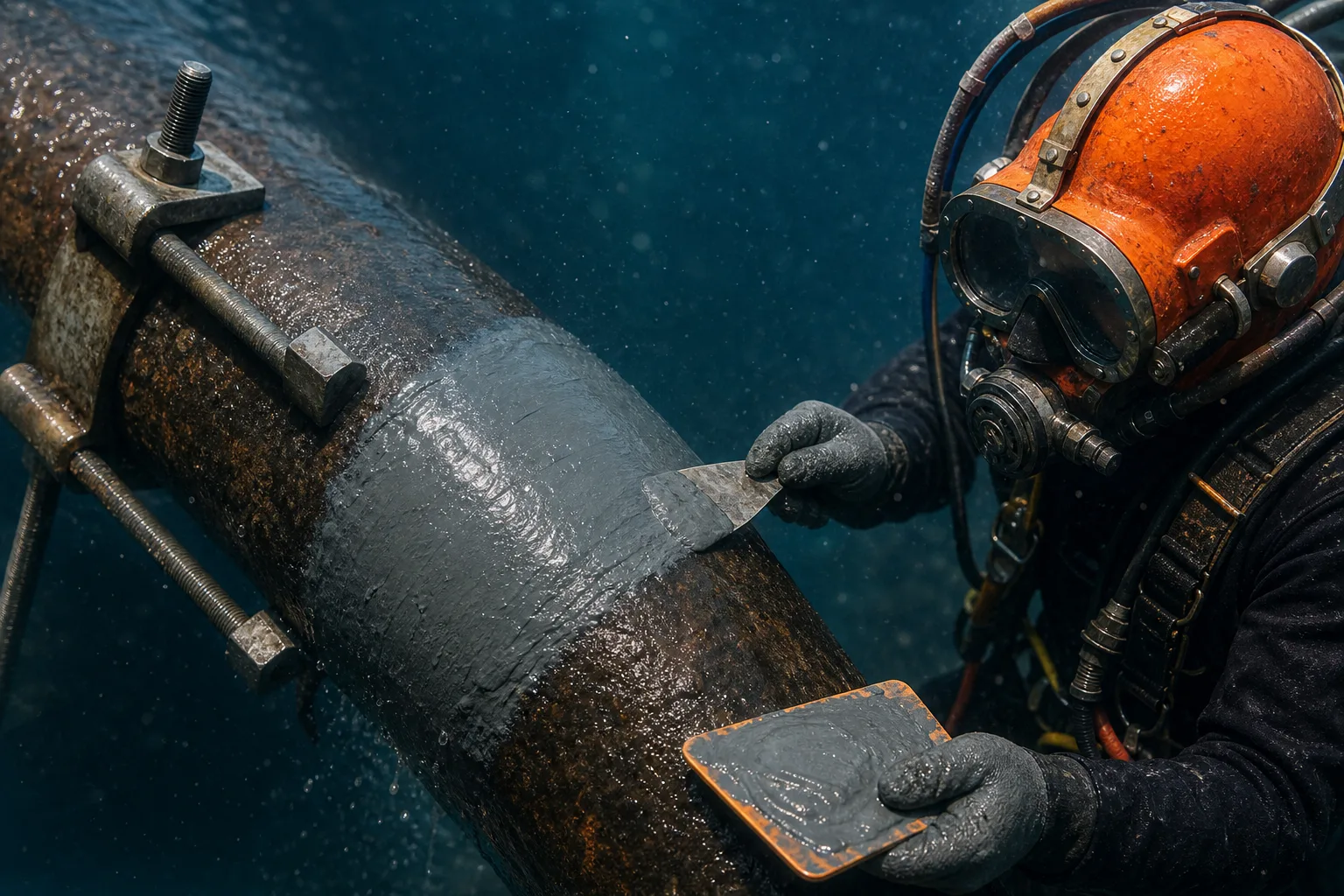
ZDS-AquaShield
Review for underwater-curing, wet-surface, marine, and emergency repair conditions where water presence changes preparation and placement.
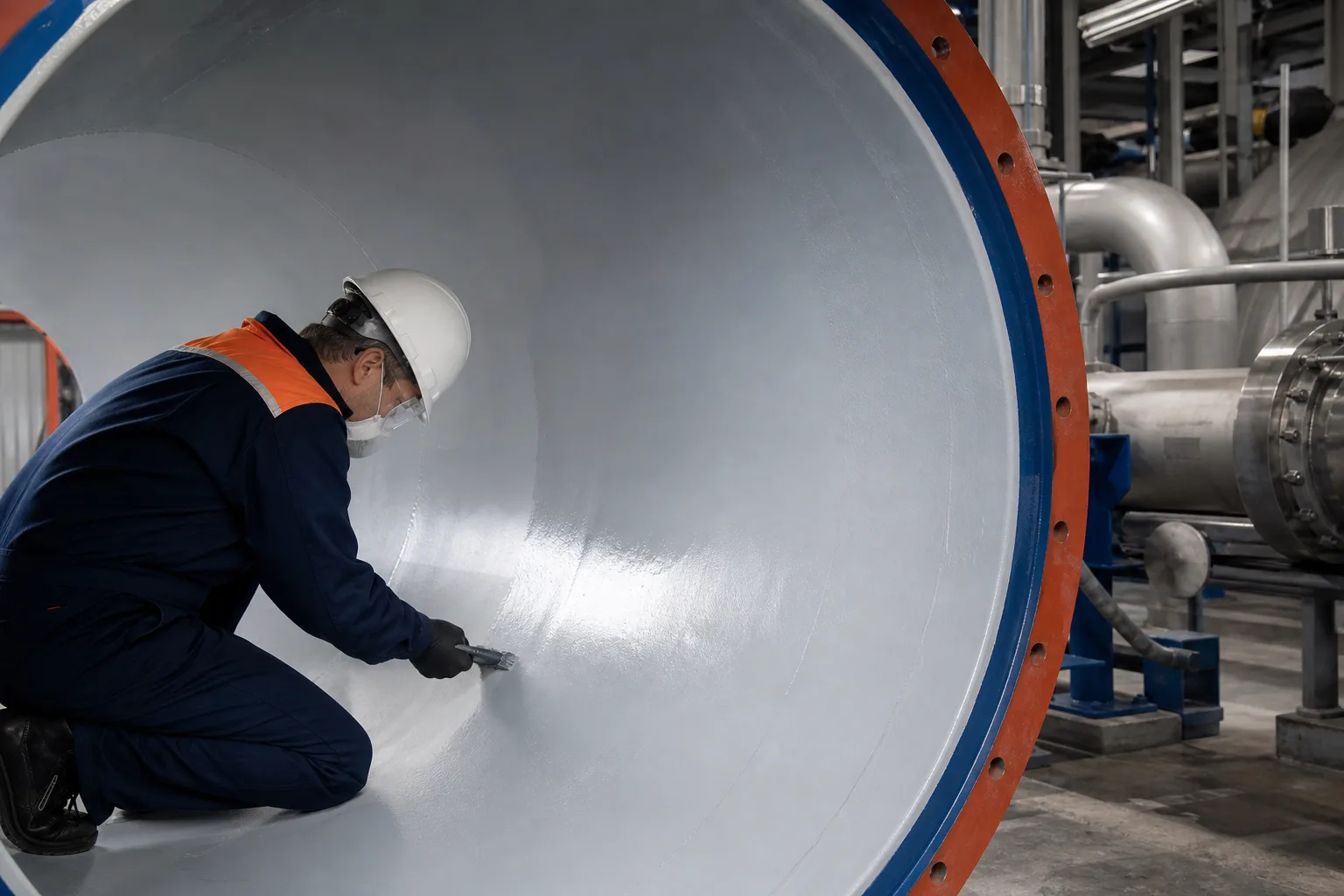
ZDS-FluidGlide
Use when high-temperature repair, chemical-resistant lining, tank lining, flue protection, sealing, or fluid-equipment coating is under consideration.
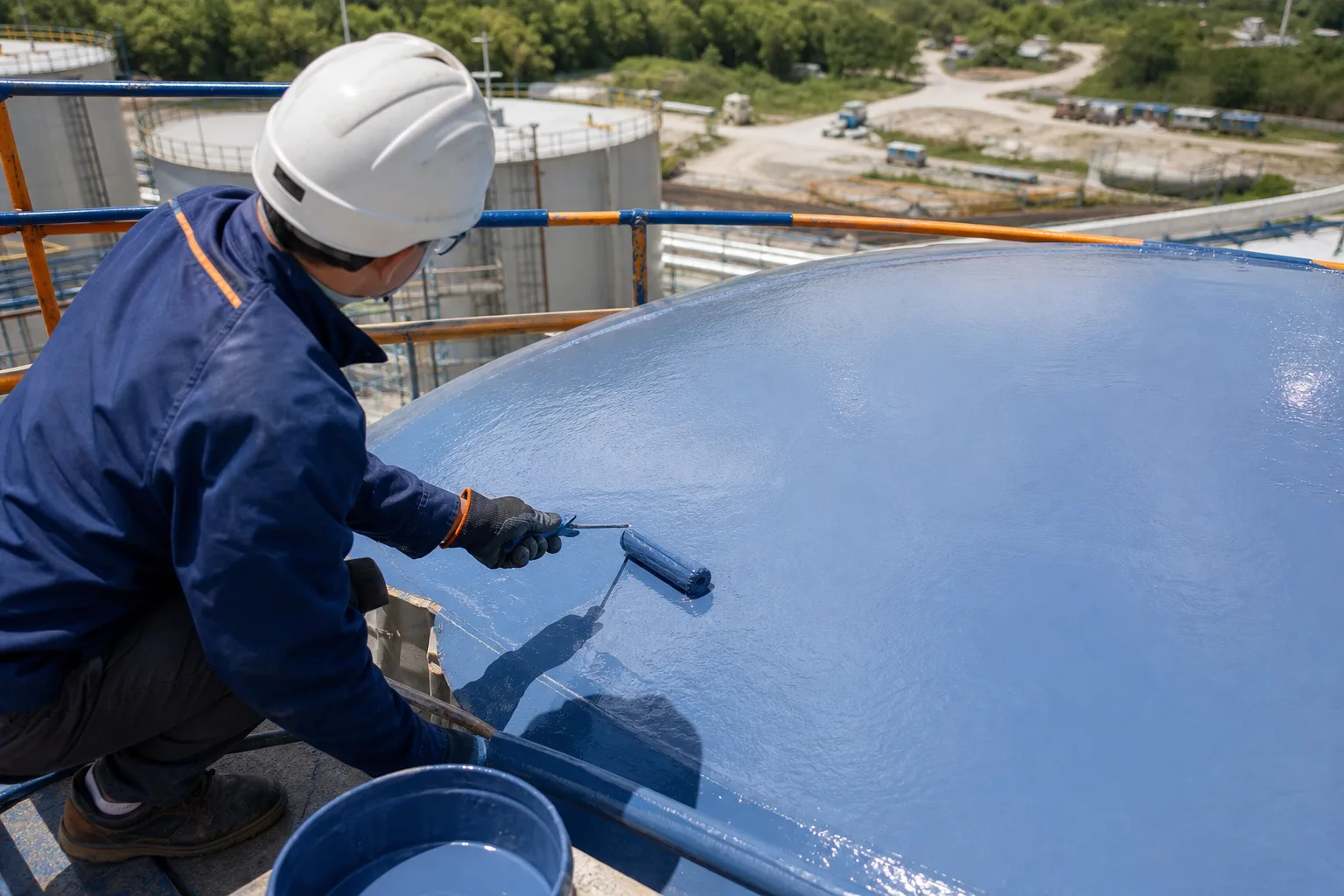
ZDS-PolyAspartic
Review for UV-resistant, weather-stable, and outdoor protective applications. Check the underlying system and exposure requirements before use.
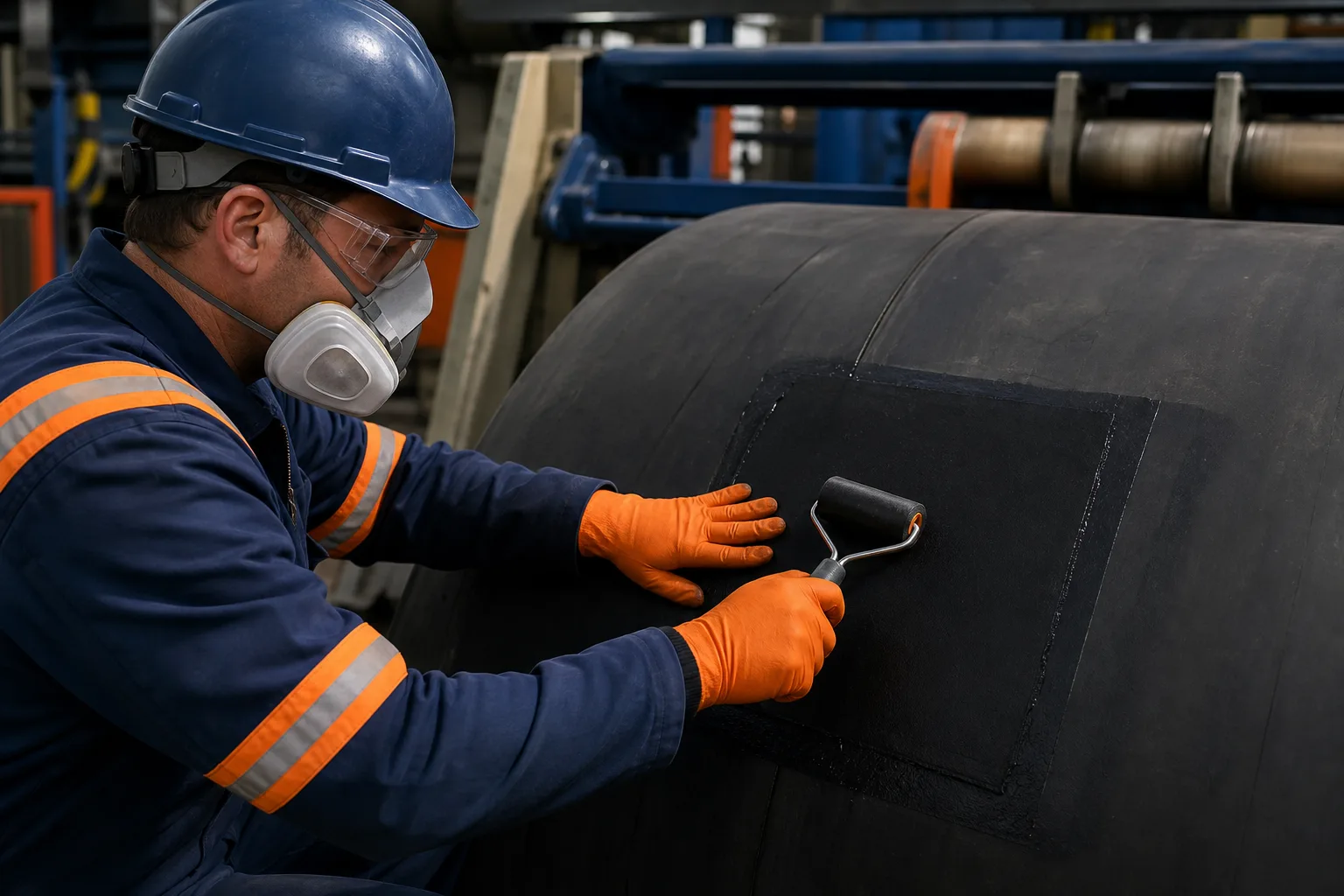
ZDS-RubberElast
Consider for conveyor belts, rubber linings, rollers, cables, tires, and other elastomer components. Review flexibility, movement, and contact conditions.
Steps 3 and 4
Application, Curing, and Return to Service
Place mixed material according to the documented method and repair geometry. Fill voids without trapping air, maintain the intended profile, protect adjacent components, and keep the repair stable during initial cure. The environment must remain within product instructions throughout the process.
01
Cure time is product- and
condition-specific. Ambient and substrate temperature, material quantity, moisture, ventilation, immersion, and heat cycling can affect the process.
02
Do not use surface dryness as proof of
complete cure.
03
Current product documentation should
define when handling, testing, pressurization, movement, immersion, or return to service can occur.
04
For sample-to-bulk purchasing, keep
application method, inspection criteria, batch information, and acceptance conditions consistent between evaluation and future orders.
Step 5
Inspection After Application
Inspection should match the repair purpose and the risk of returning equipment to service. Visual checks may suit some surface repairs, while pressure, dimensional, functional, or other controlled checks may be required. Agree the inspection method and acceptance criteria before application.
01
Visual continuity
Check coverage, edges, transitions, exposed substrate, pinholes, voids, cracking, lifting, or other visible defects.
02
Geometry and clearance
Confirm rebuilt dimensions, profiles, threads, seals, shafts, and flow paths remain within project requirements.
03
Repair integrity
Where specified, use an appropriate inspection or test method for the repair type, substrate, and service condition.
04
Application records
Record product identity, batch or lot, preparation method, mixing details, environmental conditions, application time, cure conditions, and inspection results.
05
Release decision
A qualified person should determine whether equipment can be loaded, pressurized, immersed, heated, or returned to operation.
Documentation
Safety Documents and Application Records
Technical and safety documents support different decisions. The TDS helps plan preparation, mixing, placement, curing, limitations, and storage. The SDS supports hazard communication and safe handling. Neither replaces a general application article when work involves unusual chemicals, confined spaces, high energy, pressure, heat, or immersion.
Technical data
Confirm the documented substrate range, preparation method, mixing instructions, application limits, curing guidance, and restrictions.
Safety data
Check hazards, personal protective equipment, ventilation, storage, accidental release response, waste handling, and transport-related information.
Project records
Retain product identity, batch or lot, site conditions, repair location, application personnel, inspection results, and release decision where required.
Qualification documents
Use the technical document center to organize material for technical evaluation, procurement, or supplier review.
Selection Limits
Limitations That Affect Material Selection
This guide cannot approve a repair for an unknown substrate or operating condition. Suitability can change with active leakage, hidden contamination, movement, vibration, pressure loading, elevated temperature, chemical immersion, ultraviolet exposure, structural restoration requirements, or equipment that cannot be isolated or inspected.
Identify whether the repair is temporary
or permanent within the project plan.
Determine whether the component is
safety-critical.
Define the evidence required before
release.
When information is incomplete, technical
consultation is a safer starting point than selecting from a product name alone.
Technical Support
Technical Support Behind the Guide
ZDSChem organizes industrial repair materials into seven primary series and supports selection by equipment, substrate, damage, and service condition. Its chemical manufacturing and formulation background includes a dedicated R&D team of 30 professionals supporting product development, improvement, application adaptation, and customer-specific requirement review.
Next Step
Turn the Guide Into a Practical Shortlist
Share equipment condition and service requirements with ZDSChem so the relevant repair series, documents, sample route, and information gaps can be identified. Recommendations remain subject to technical and commercial review against current product documentation.
FAQ
Frequently Asked Questions
Confirm safe equipment isolation, substrate type, damage mechanism, contamination, surface profile, service conditions, access, shutdown time, and the required inspection method. The selected product technical data sheet and safety data sheet should be available before work begins.
Use the component order, mix ratio, tools, batch size, and mixing method stated in the current product documentation. Prepare the work area first and mix only the quantity that can be applied within the documented working period. Do not add solvents or fillers unless specifically permitted.
No. Cure time is specific to the material, quantity, substrate, temperature, moisture, and service conditions. Use the current technical data sheet and confirm the release-to-service criteria for the project before loading, pressurizing, heating, or immersing the repair.
The relevant category depends on the substrate, damage, pressure, temperature, chemicals, access, and reinforcement requirement. ZDS-MetalRebuild, ZDS-CompositeWrap, ZDS-FluidGlide, or ZDS-AquaShield may represent different repair routes, but final selection requires project information and product documentation.
The technical data sheet supports preparation, mixing, application, curing, and limitation checks. The safety data sheet supports hazard communication, protective equipment, storage, spill response, waste handling, and other safe-use decisions. Site-specific permits and procedures may also be required.
ZDSChem can support sample evaluation and review customer-specific formulation or application requirements. Sample selection, testing scope, customization feasibility, and commercial terms require technical and commercial review. A sample or inquiry does not guarantee approval, performance, or development acceptance.