
Safety Data Sheets for Industrial Repair Materials
Safety Data Sheets provide product-specific information about hazards, handling, storage, personal protection, emergency measures, disposal, and transport. Confirm the exact product code, market, language, and revision before using an SDS for workplace or shipping decisions.
Product Association
Find Safety Documentation by Product Series
ZDSChem organizes industrial repair materials into seven primary product series, plus supporting surface preparation products. Use the series as the first filter, then confirm the exact product and component.
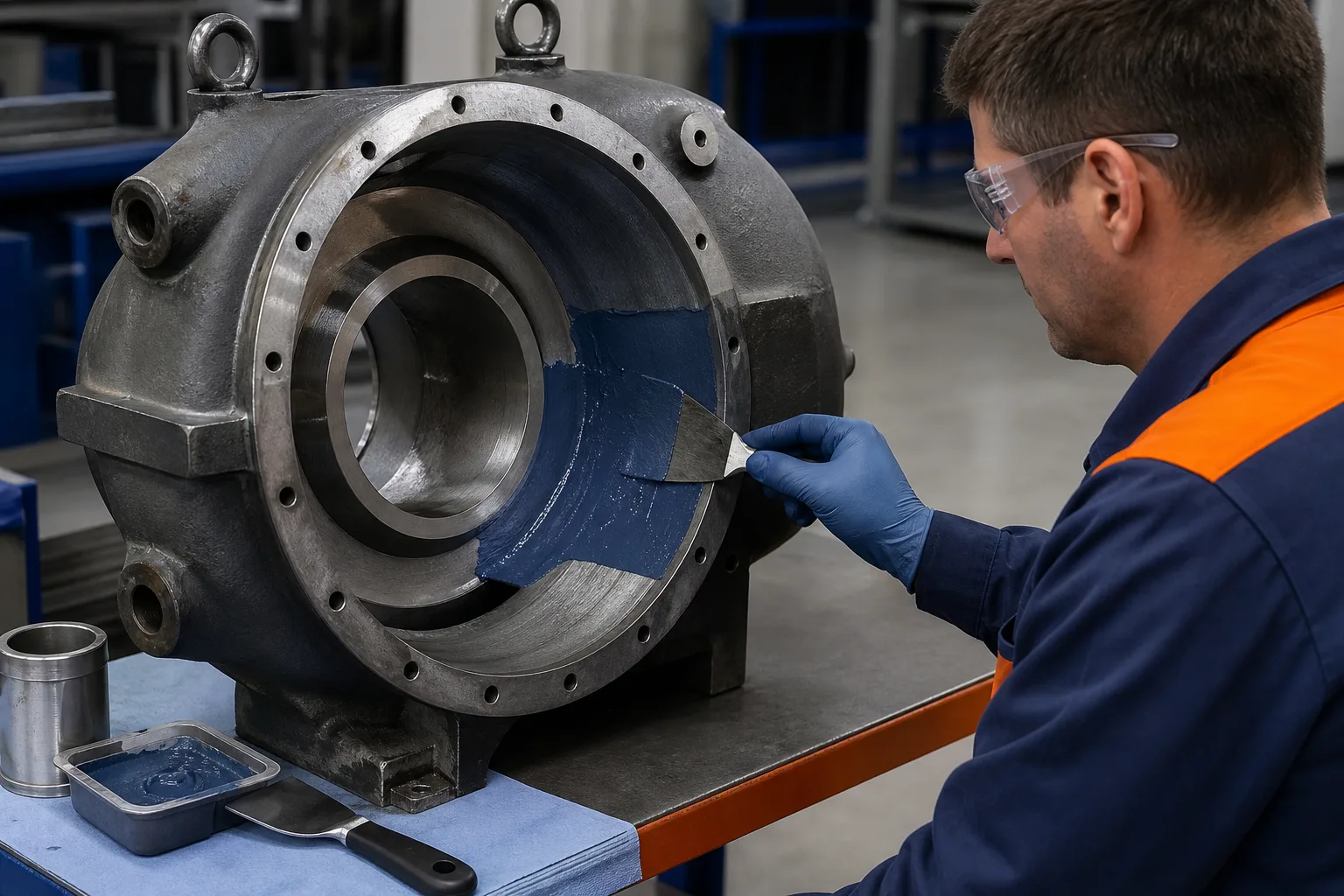
ZDS-MetalRebuild
For metal rebuilding, restoration, sealing, and bonding, confirm the product code, component, repair, and market.
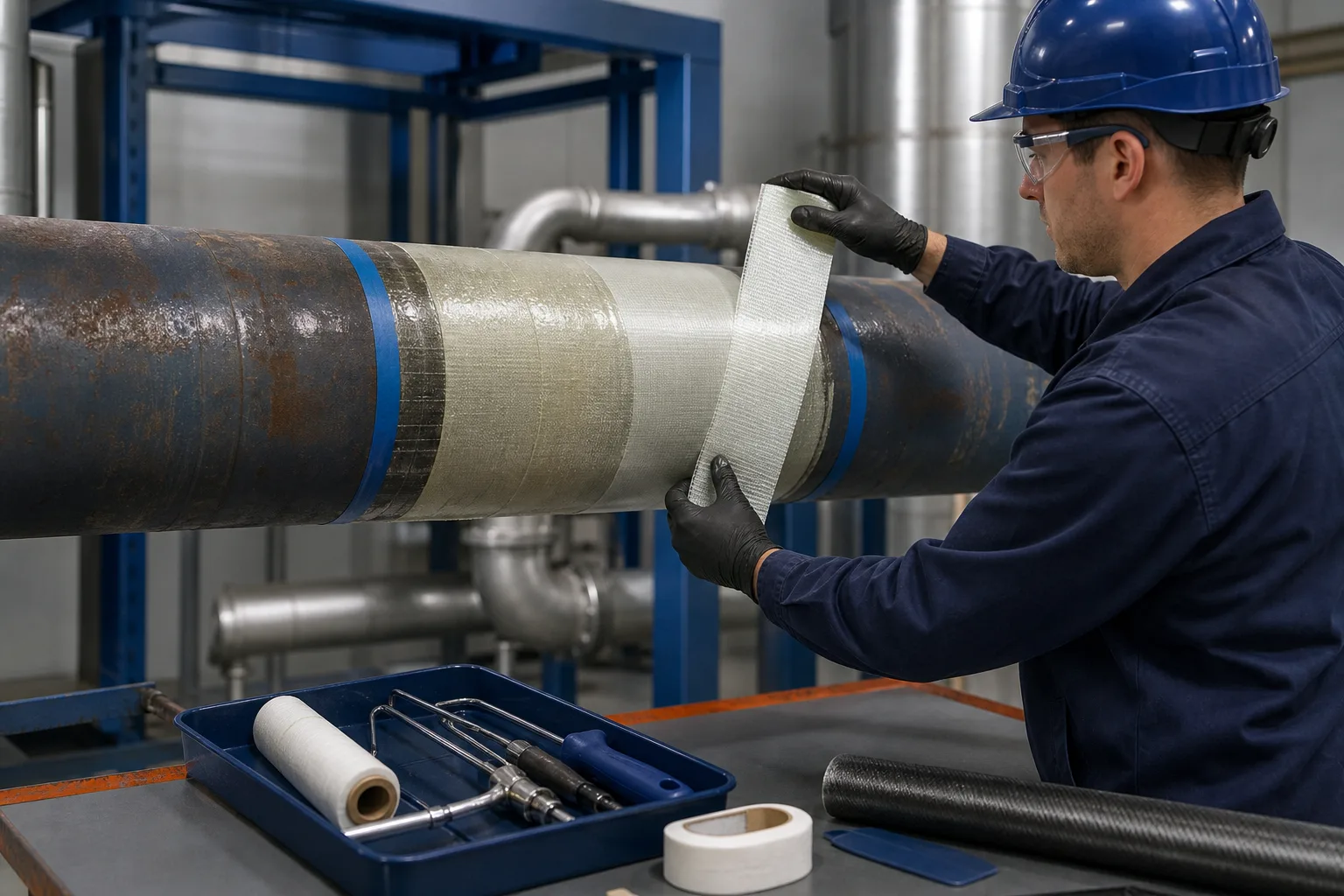
ZDS-CompositeWrap
For pipe reinforcement, FRP repair, and laminating systems, confirm the resin, system component, code, and market.
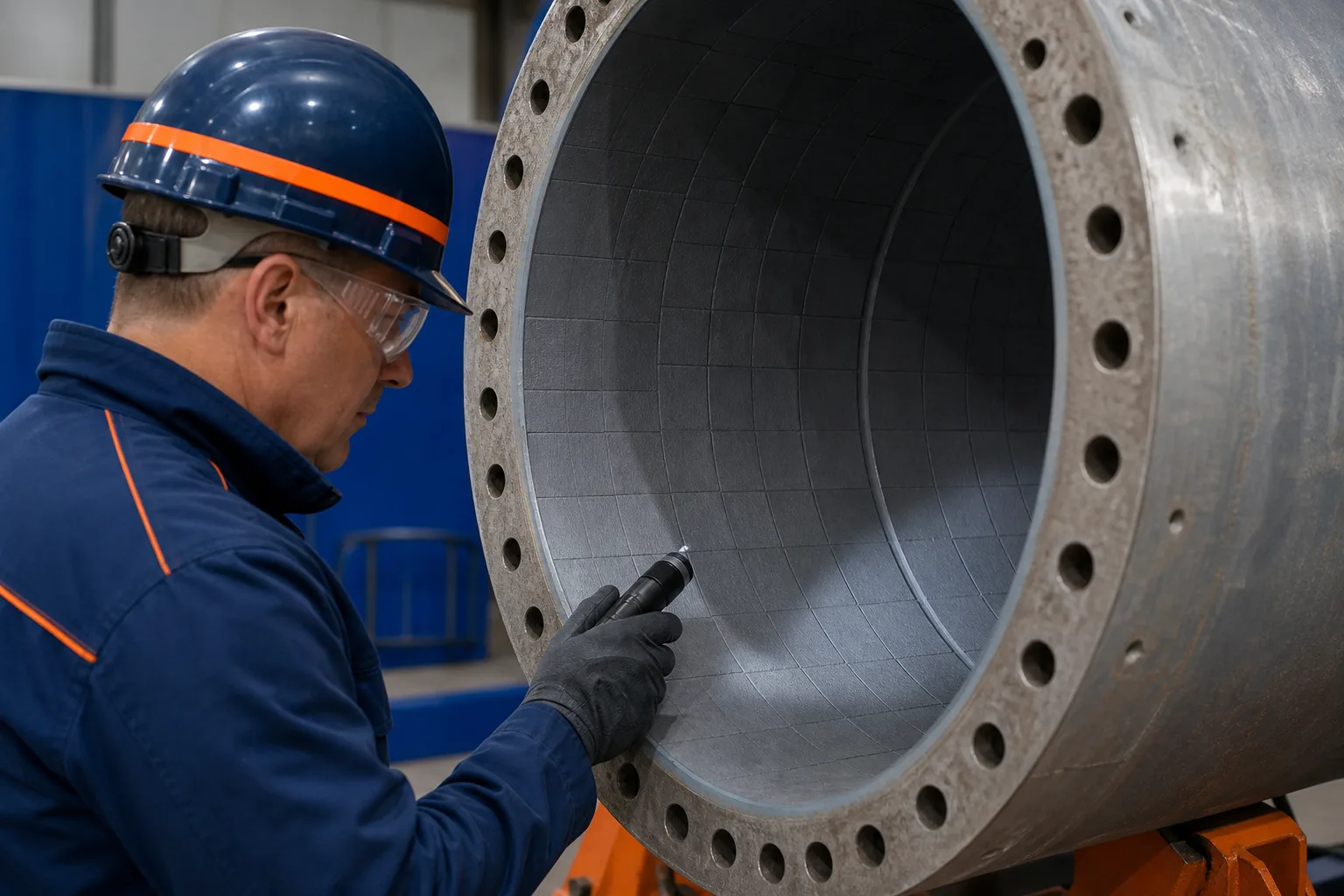
ZDS-CeramicArmor
For ceramic-filled wear and erosion protection, confirm the exact grade, component designation, and application environment.

ZDS-AquaShield
For wet-surface, underwater, marine, and emergency repairs, confirm the product, use location, component, and market.

ZDS-FluidGlide
For high-temperature repair, resistant linings, sealing, and fluid-equipment coatings, confirm grade, use, component, and language.

ZDS-PolyAspartic
For weather-stable outdoor protective topcoats, confirm the coating grade, component, intended market, and revision.
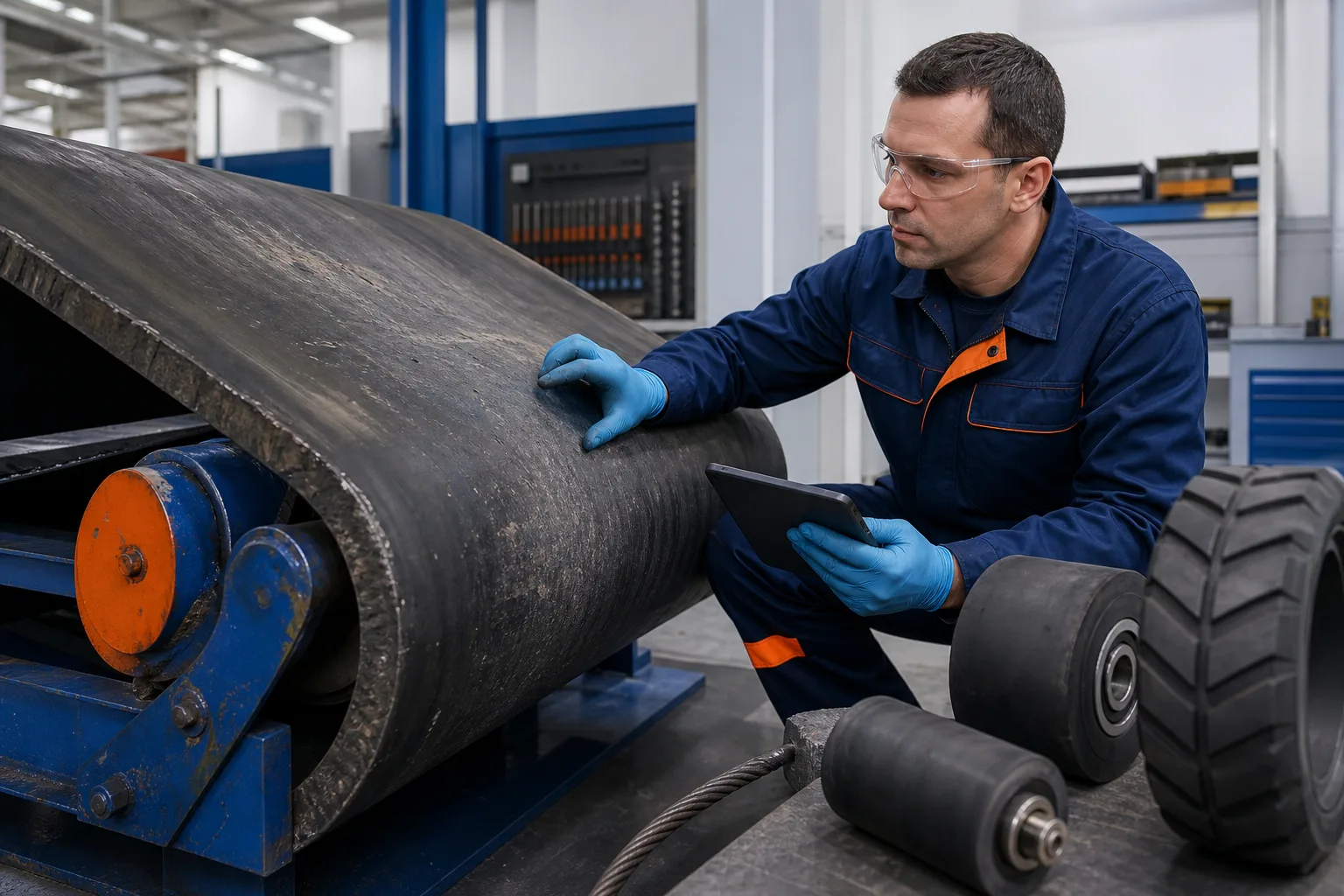
ZDS-RubberElast
For belts, rubber linings, rollers, cables, tires, and elastomers, confirm the substrate, code, component, and language.
Safety Review
What an SDS Helps Buyers Review
An SDS commonly follows a 16-section structure, although presentation and regulatory details can vary by jurisdiction. It provides a structured starting point for workplace safety planning and commercial document review.
Storage and Handling
Review storage, incompatibilities, container precautions, hygiene measures, labels, and applicable local procedures.
Exposure and Protection
Review exposure controls, ventilation, and PPE against the task, quantity, method, work area, and local requirements.
Emergency Information
Use first-aid, firefighting, release, and spill information to support site plans prepared by qualified personnel.
Transport and Disposal
Use transport details to begin shipping review; additional documents may apply, and disposal must follow local rules.
Document Types
SDS, Technical Data Sheet, and Application Guide
These documents serve different purposes and should be reviewed together during product qualification. Project information is also required to assess the substrate, damage, service conditions, shutdown limits, and repair outcome.
Safety Data Sheet
Use for hazard communication, handling, storage, emergency, disposal, and transport review.
Technical Data Sheet
Use to compare documented product properties, technical guidance, and application parameters.
Application Guide
Use to plan documented surface preparation, mixing, application sequence, and field controls.
Document Center
Locate broader product, application, and supplier-evaluation documentation.
Revision Control
Control Safety Document Revisions
Do not assume a previously downloaded SDS remains current for a new order. Product identity, formulation, regulatory presentation, language, or market requirements can affect which document is appropriate.
01
Match the SDS product identity to the
label, quotation, or purchasing record.
02
Confirm that the component designation
matches the supplied material.
03
Check the document language and intended
country or regional use.
04
Record the document title, product code
language, issue or revision information, and date received in the buyer's document-control system.
05
Request confirmation when a document is
missing, unclear, old, incomplete, or inconsistent with the supplied product.
06
Do not replace a controlled SDS with an
unofficial translation, edited extract, or series-level summary. Use the complete document for the exact product when making safety or transport decisions.
B2B Documentation
Documentation Support for Industrial Buyers
ZDS has operated as a professional chemical manufacturer since 1998, with a background in chemical manufacturing, product development, and technical support applied to ZDSChem's industrial repair portfolio.
Documentation supports distributors
importers, repair contractors, maintenance teams, and procurement buyers.
Requests are checked against the available
product identity and supplied market information.
Availability, language, revision, and
regional applicability must be confirmed for each request.
A general series page does not establish
that every document version is available for every market.
Use Limitations
Important Limits of Safety Data Sheet Use
An SDS does not confirm repair suitability, structural design, curing performance, pressure capability, chemical resistance, or service life. It does not replace qualified engineering, regulatory, workplace, or carrier decisions.


Document Request
Request the SDS for a Specific Product
Provide the product name or code, component, destination market, preferred language, and reason for the request. If unselected, include the equipment, substrate, damage, and service conditions for appropriate direction.
FAQ
Frequently Asked Questions
Provide the complete product name or code, component designation, destination country or region, preferred language, and intended use of the document. A label image, quotation reference, or purchasing record can help identify the correct product, provided it contains no restricted information.
No general series description should be treated as the SDS for every product. Formulations and components within a series can require different safety information. Match the document to the exact product identity and component supplied.
No. An SDS is primarily a hazard-communication document. Product selection also requires technical data and an assessment of the equipment, substrate, damage, temperature, chemical exposure, moisture, preparation method, and expected operating conditions.
Not necessarily. The transport section provides relevant classification information, but carriers, freight providers, customs personnel, or local authorities may request additional documents. The correct requirements depend on the product, quantity, route, transport mode, and jurisdiction.
Compare the product identity, component, language, issue or revision information, and intended market with the material being purchased. Request confirmation if the document is old, incomplete, edited, translated by an unofficial source, or inconsistent with the product label.
No. ISO 9001 and IATF 16949 are quality-management system certifications. They do not certify an individual ZDSChem product, replace its SDS, or establish product safety, regulatory compliance, or suitability for a specific repair.