
Industrial Repair Material Sample Testing Support
Sample Testing Support helps distributors, MRO suppliers, repair contractors, maintenance teams, and technical buyers organize practical product trials before initial stocking, project purchasing, or repeat supply. Testing scope and acceptance criteria must be confirmed before evaluation.
Testing Decisions
What Sample Testing Support Helps You Decide
A useful trial addresses a defined buyer question. It connects the repair objective with sample selection, substrate, damage, service conditions, evaluation records, and the next commercial step.
Product Portfolio
Review the available industrial repair material categories before narrowing the sample route.
Select by Equipment
Compare product routes with the equipment or component involved in the repair.
Select by Condition
Narrow the route using the moisture, chemical, temperature, wear, or outdoor service condition.
Product Selection Guide
Use the selection guide to organize the initial product and application review.
Evaluation Process
How to Plan an Industrial Repair Material Evaluation
The evaluation should follow the actual repair problem. A defined sequence reduces unsuitable samples and creates a more useful record for technical, procurement, and channel teams.
01
Define the Purpose
Set whether the trial will screen a category, compare a route, check a procedure, support a project, or prepare stocking.
02
Select the Sample
Match the product series to the equipment, substrate, damage mechanism, and service environment.
03
Set the Basis
Agree on the method, scope, acceptance criteria, and current technical documents before testing.
04
Record Application
Document preparation, application sequence, environment, geometry, and relevant load information.
05
Review the Evidence
Compare observations with the original purpose and identify conditions that were not reproduced.
06
Define the Next Step
Determine whether further testing, technical review, quotation, initial stocking, or no action is appropriate.
Sample Categories
Sample Routes for Common Repair Conditions
ZDSChem has seven primary repair series. Surface Preparation Products support cleaning, priming, conditioning, and related preparation; they are not an eighth primary repair series.
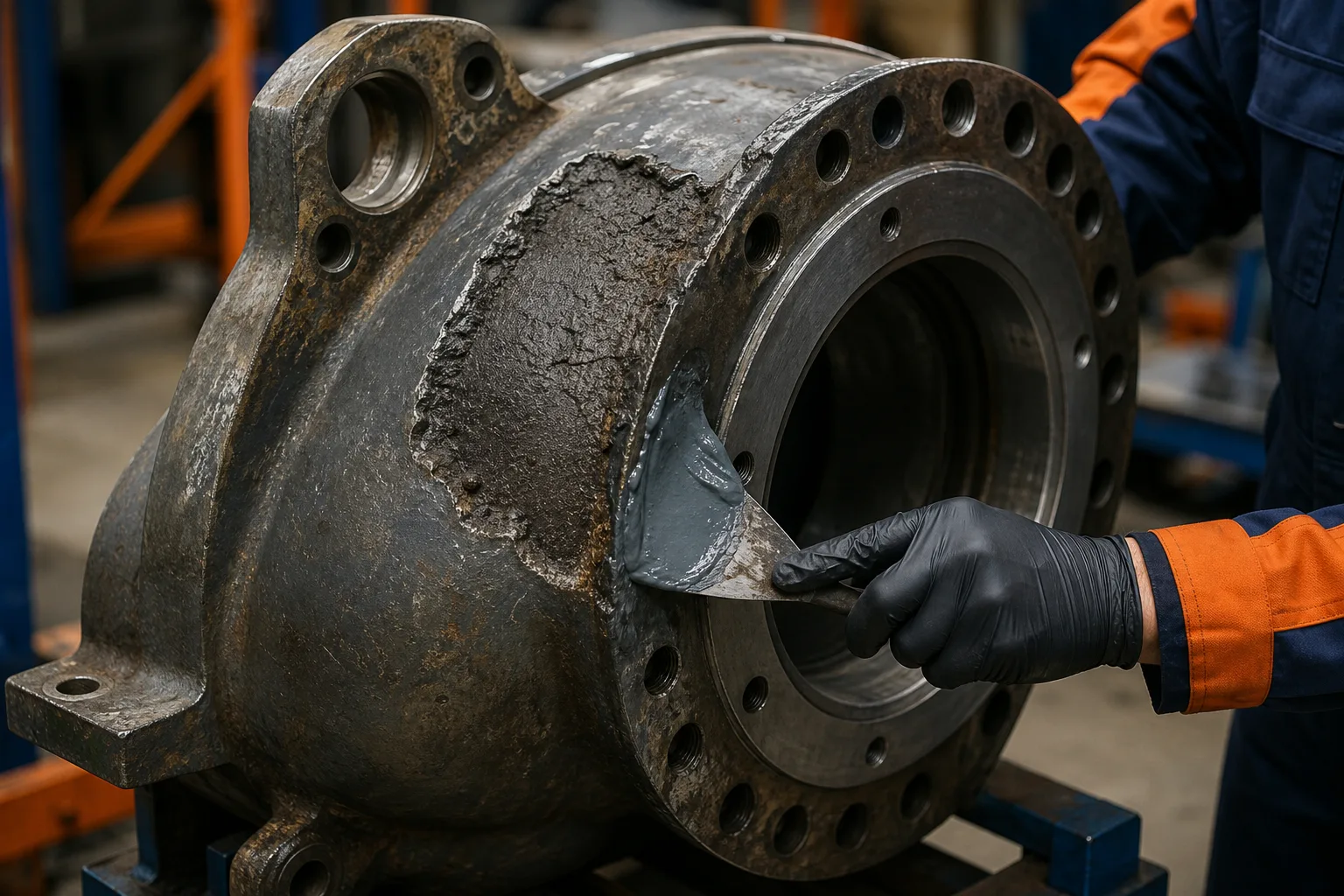
ZDS-MetalRebuild
For metal rebuilding, cold repair, dimensional restoration, leak sealing, and structural bonding evaluations.
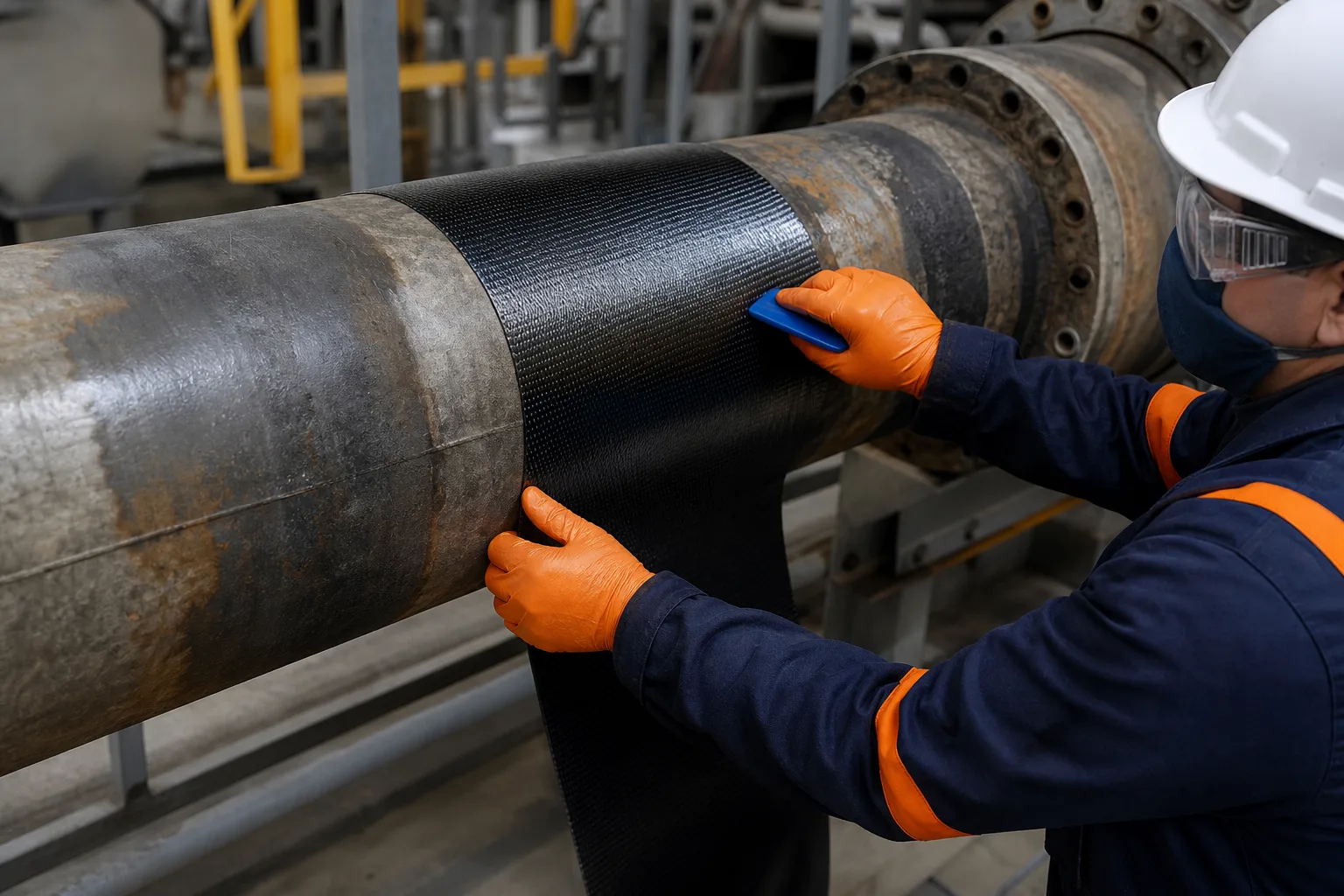
ZDS-CompositeWrap
For composite pipe reinforcement, FRP repair, and structural laminating system evaluations.
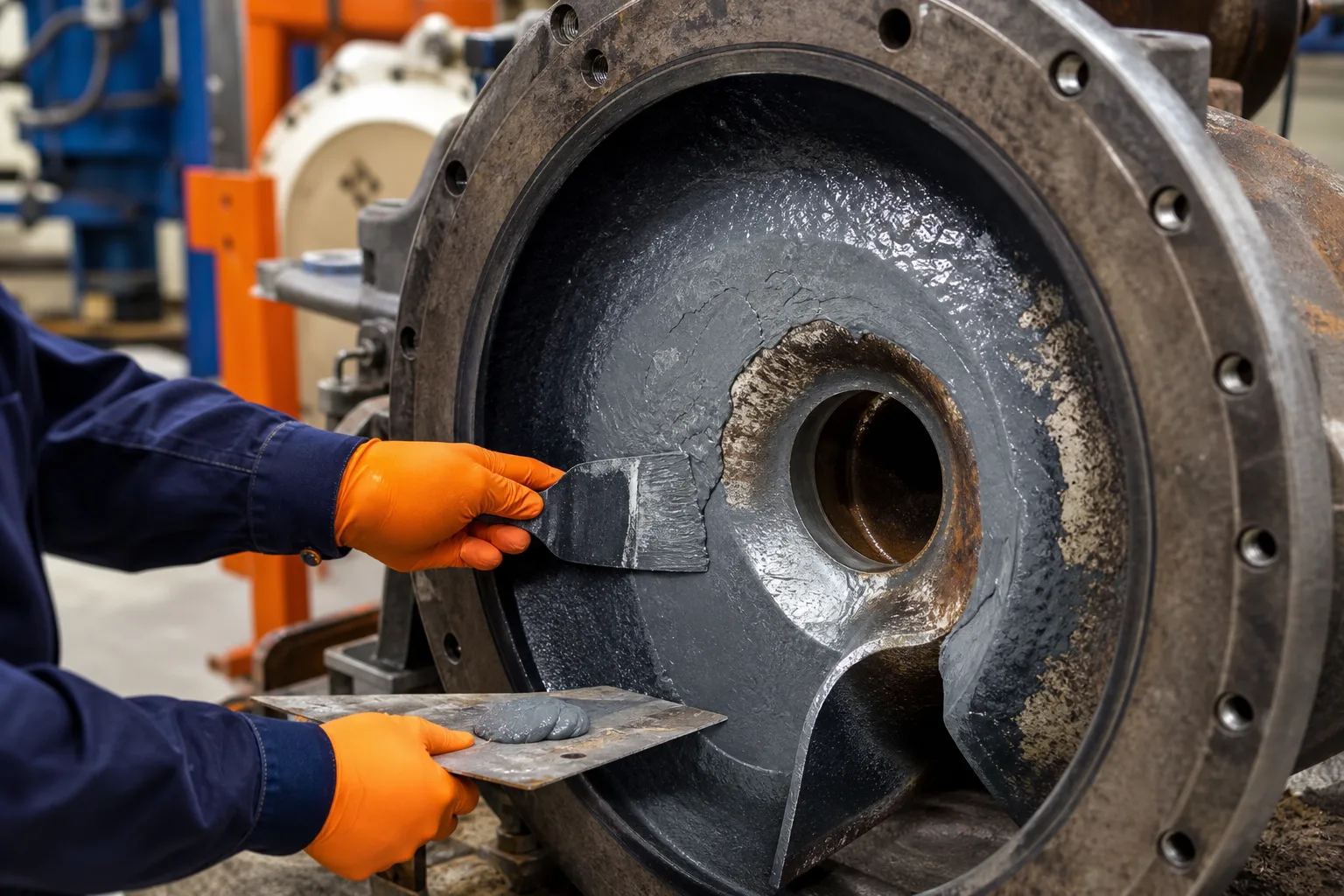
ZDS-CeramicArmor
For ceramic-filled protection against wear, erosion, cavitation, and heavy-duty equipment exposure.
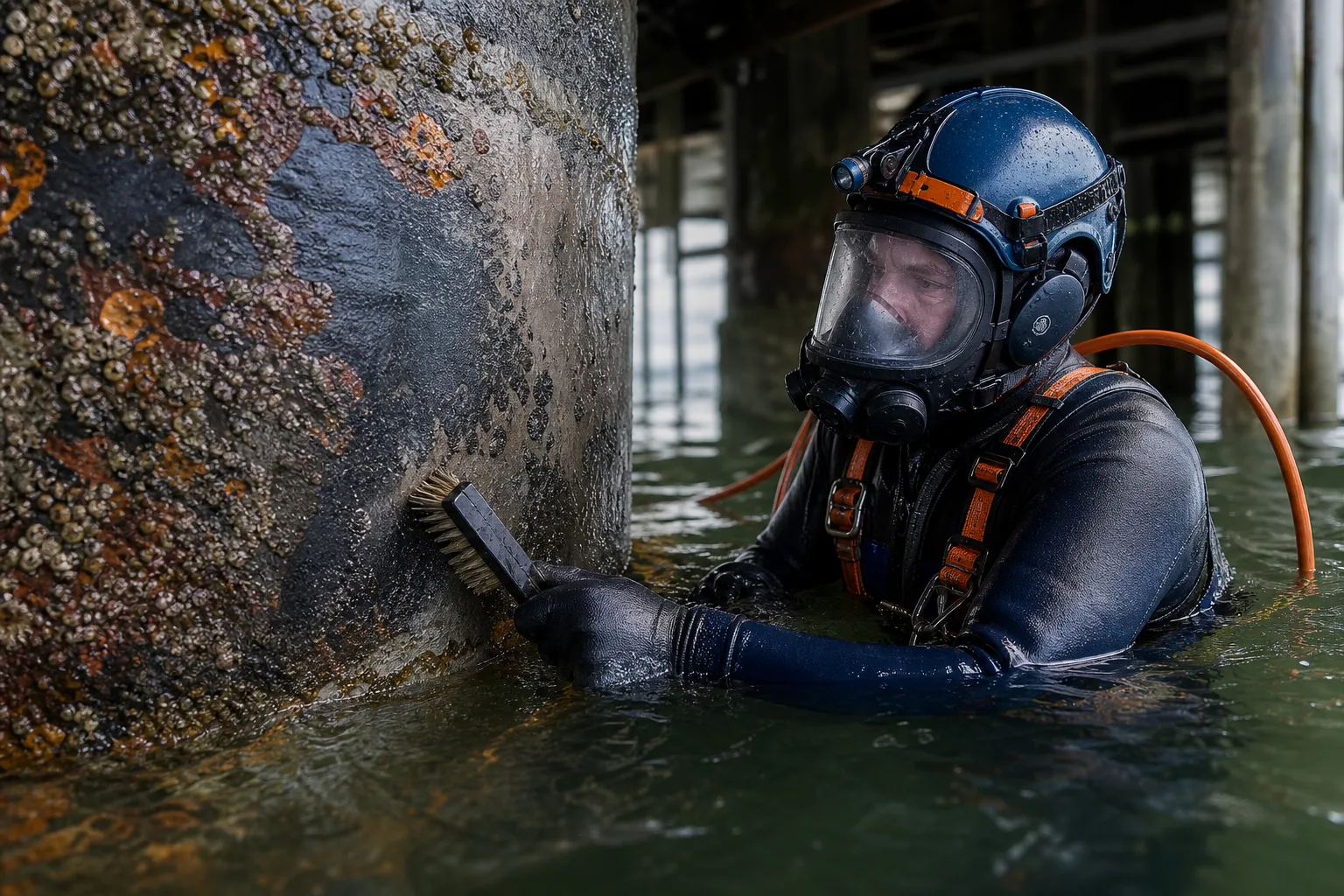
ZDS-AquaShield
For underwater-curing, wet-surface, marine, and emergency repair evaluations.

ZDS-FluidGlide
For high-temperature repair, chemical-resistant lining, flue protection, sealing, and fluid-equipment coatings.

ZDS-PolyAspartic
For UV-resistant, weather-stable, or outdoor protective topcoat system evaluations.

ZDS-RubberElast
For conveyor belts, rubber linings, rollers, cables, tires, and other elastomer components.
Service Conditions
Conditions to Record Before Product Selection
A sample must be assessed against its intended operating conditions. Provide enough information to compare a laboratory or workshop trial with the equipment and maintenance task.
Substrate
Identify the base material and condition, including metal, FRP, concrete, rubber, or coated surfaces.
Damage
Describe leakage, corrosion loss, wear, erosion, cavitation, dimensional loss, delamination, cracking, or elastomer damage.
Environment
State whether conditions involve moisture, immersion, chemicals, temperature, UV, weather, or abrasion.
Geometry and Access
Define the area, profile, edges, joints, pipe shape, thickness needs, and access limitations.
Operating Objective
Specify sealing, rebuilding, reinforcement, protection, emergency restoration, or planned maintenance.
Evaluation Timing
Set observation points and the decision date without assuming unsupported cure or service times.
Equipment Context
Add Application Context to the Evaluation
Equipment-led guidance can help define the damage, exposure, access, and repair objective before sample selection.
Evaluation Criteria
Criteria That Support a Purchasing Decision
Write the criteria before applying the sample. The final list should reflect the equipment, substrate, damage, service condition, and original repair objective.
Preparation Record
Record cleaning, surface preparation, primer use, application sequence, and environmental conditions.
Repair Objective Fit
Compare the result with the intended sealing, rebuilding, reinforcement, protection, lining, or elastomer repair.
Material Behavior
Record handling, coverage, profile, appearance, substrate contact, and relevant visible defects.
Service Relevance
Compare observations with intended moisture, chemical, temperature, UV, abrasion, movement, or fluid exposure.
Procurement Fit
Review documentation, pack format, labeling needs, sample records, and expected purchasing volume.
Trial Records
What to Record During the Trial
Complete records help maintenance, engineering, procurement, and distribution teams review the result. Use current technical data, safety information, application guidance, and sample-policy requirements.
Sample Identity
Record the product name, sample date, intended use, and supplied lot or batch information.
Starting Condition
Document the substrate, damage, geometry, photographs, measurements, and pre-application condition where available.
Preparation
Record cleaning, surface preparation, primers or conditioners, and deviations from the planned method.
Application
Record sequence, usage, environment, layer or reinforcement arrangement, and operator observations.
Evaluation Result
Record the appearance, coverage, restoration, reinforcement, leak status, wear, or other selected criteria.
Decision and Questions
Identify further testing, technical consultation, quotation, initial stocking, or no further action.
Technical Documents
Use Current Documents to Set the Trial Method
Review current product and safety documents before defining the method, scope, acceptance criteria, and application record. Broader document sets can support product and supplier-information review.
Technical Data Sheets
Check current product data before setting technical assumptions or evaluation criteria.
Safety Data Sheets
Review current safety information when planning handling and application.
Application Guides
Use current application guidance as a basis for preparation and application planning.
Document Center
Organize product and supplier information when a broader document set is required.
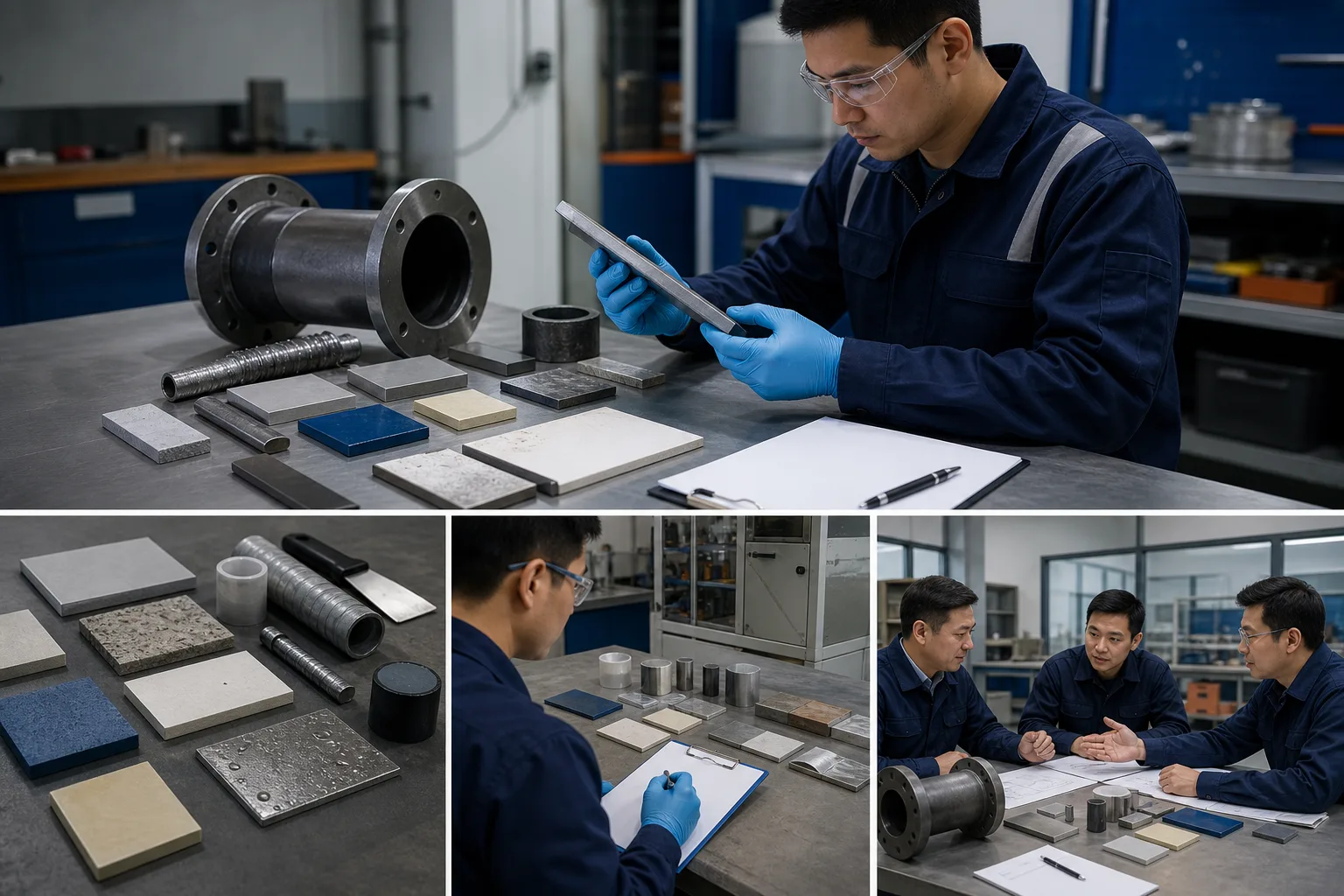
Technical Support
Technical Support Behind the Evaluation
ZDS was established in 1998 and has operated as a professional chemical manufacturer. Its industrial repair material work is supported by chemical manufacturing, formulation, and technical support experience.
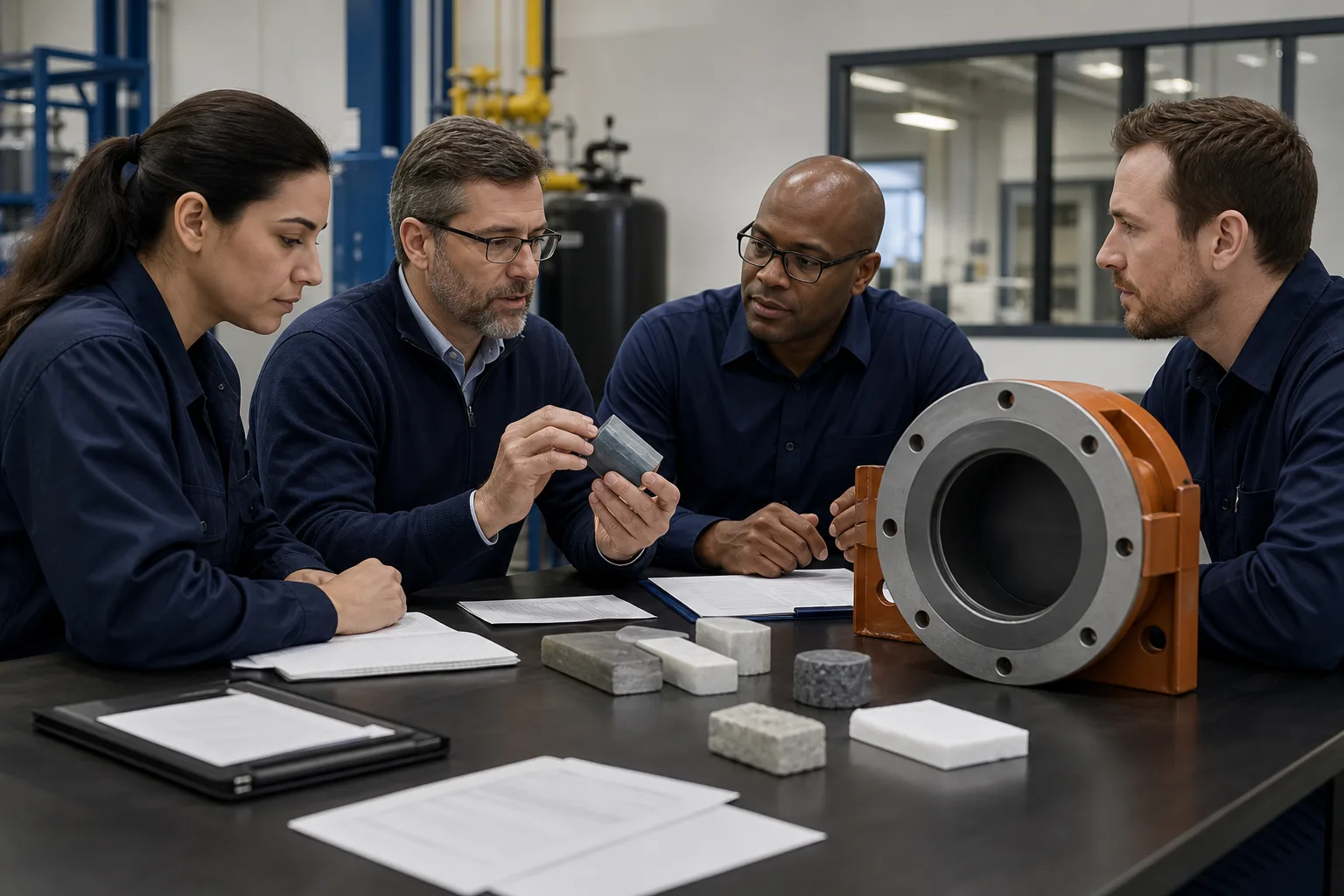
Evaluation Limits
Limits of a Sample Evaluation
A sample trial provides evidence only for its defined conditions. It is not a blanket performance guarantee for every equipment geometry, substrate condition, load, or service environment.
Purchasing Next Step
Move from Sample Evidence to a Documented Decision
Connect trial records with product confirmation, document review, purchasing information, and repeat-supply planning. The outcome may be further evaluation, a project quotation, initial stocking, or a revised plan.
Sample-to-Bulk Workflow
Connect trial evidence with product confirmation, documentation, purchasing, and repeat-supply planning.
Pricing and Supply Terms
Request a quotation when the technical basis and purchasing requirements are sufficiently defined.
Distributor Support
Review the commercial and technical support route for industrial distributors.
Technical Consultation
Organize further product and service-condition review when sample evidence is inconclusive.
Submit Requirements
Provide specifications and evaluation requirements for technical review.
FAQ
Frequently Asked Questions
Sample Testing Support helps qualified buyers plan a product trial around a defined repair objective, substrate, damage type, service condition, evaluation method, and purchasing decision. It does not automatically represent product certification or guaranteed approval.
Provide the equipment or component, substrate, damage description, repair area, operating environment, expected exposure, intended repair objective, evaluation criteria, required documents, and expected purchasing or stocking context.
The starting category is matched to the repair objective and service condition. Metal rebuilding may lead to ZDS-MetalRebuild, pipe reinforcement to ZDS-CompositeWrap, wear or cavitation protection to ZDS-CeramicArmor, and wet or underwater work to ZDS-AquaShield. Other conditions may point to ZDS-FluidGlide, ZDS-PolyAspartic, ZDS-RubberElast, or supporting Surface Preparation Products.
No. A sample result relates to the defined trial conditions and may not reproduce field geometry, surface preparation, loads, exposure, access, or operator conditions. Final selection should be checked against current product documentation and the actual project requirements.
Not by itself. The testing method, scope, acceptance criteria, and any independent or third-party testing requirement must be agreed before evaluation. ISO 9001 and IATF 16949 are quality-management system certifications, not certifications of individual product performance.