
Valve and Flange Repair Materials
Valve and flange repair begins by identifying the actual leak path, damage mechanism, substrate, and operating condition. A valve repair compound can help rebuild damaged metal, restore a corroded flange face, fill localized surface loss, or prepare an area for protective coating. It is not a universal substitute for correcting failed gaskets, loose fasteners, misalignment, packing failure, or severe pressure-boundary damage. Maintenance engineers, repair contractors, MRO suppliers, and procurement teams can compare material-based repair routes for valve bodies, bonnets, flange faces, sealing areas, and nearby fluid-handling surfaces. Final selection requires the valve type, service medium, temperature, pressure, damage dimensions, preparation method, and required return-to-service plan.
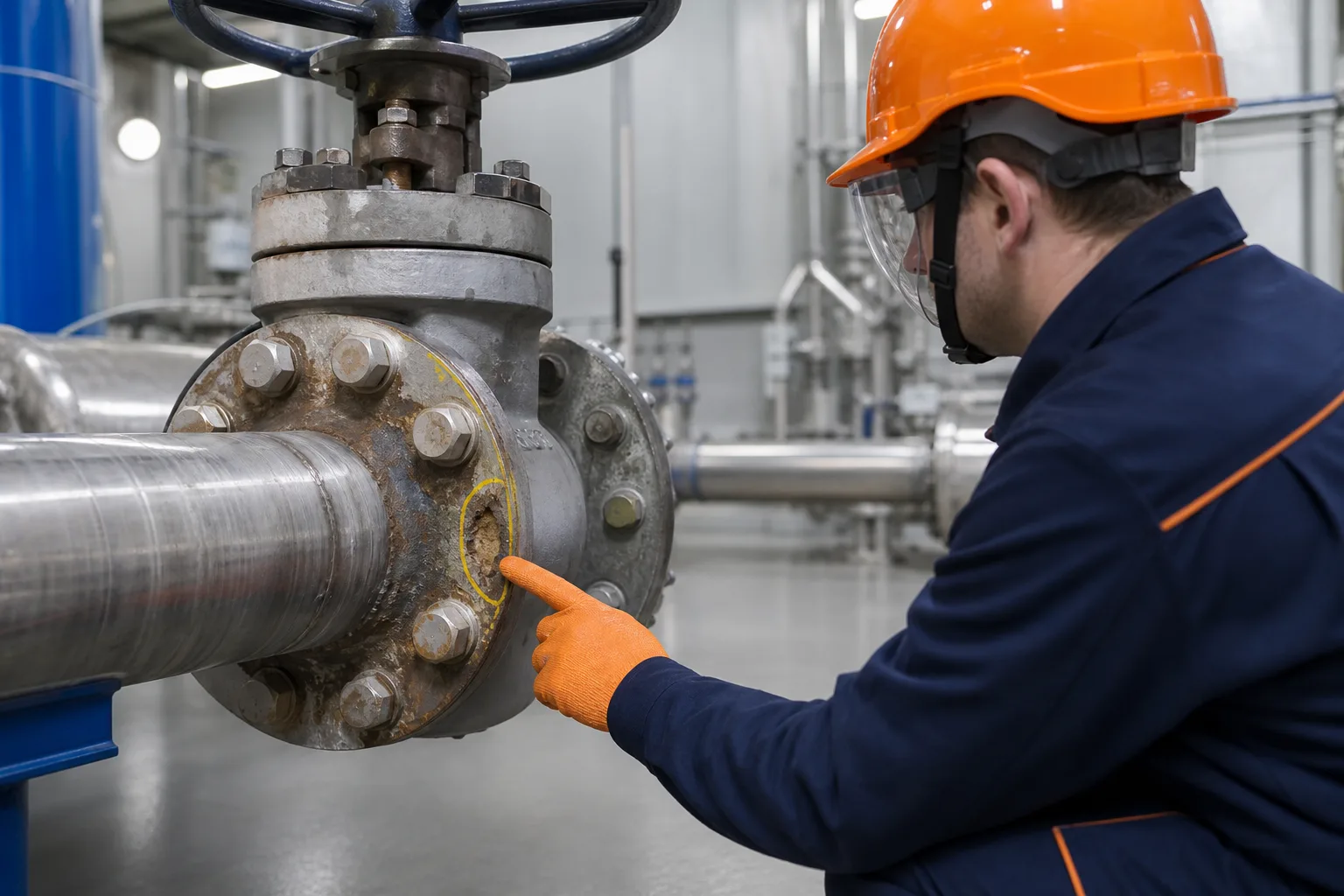
Failure Assessment
Identify the Leak or Damage Before Selecting a Compound
A visible leak does not always reveal its source. Cleaning and inspection should establish whether leakage comes from the joint, packing assembly, damaged threads, body porosity, a crack, or another path before material selection.
Flange Joint Leakage
Inspect the gasket, fasteners, alignment, face condition, and movement. Joint-design or bolt-loading faults may require correction or an engineered method.
Sealing-Face Damage
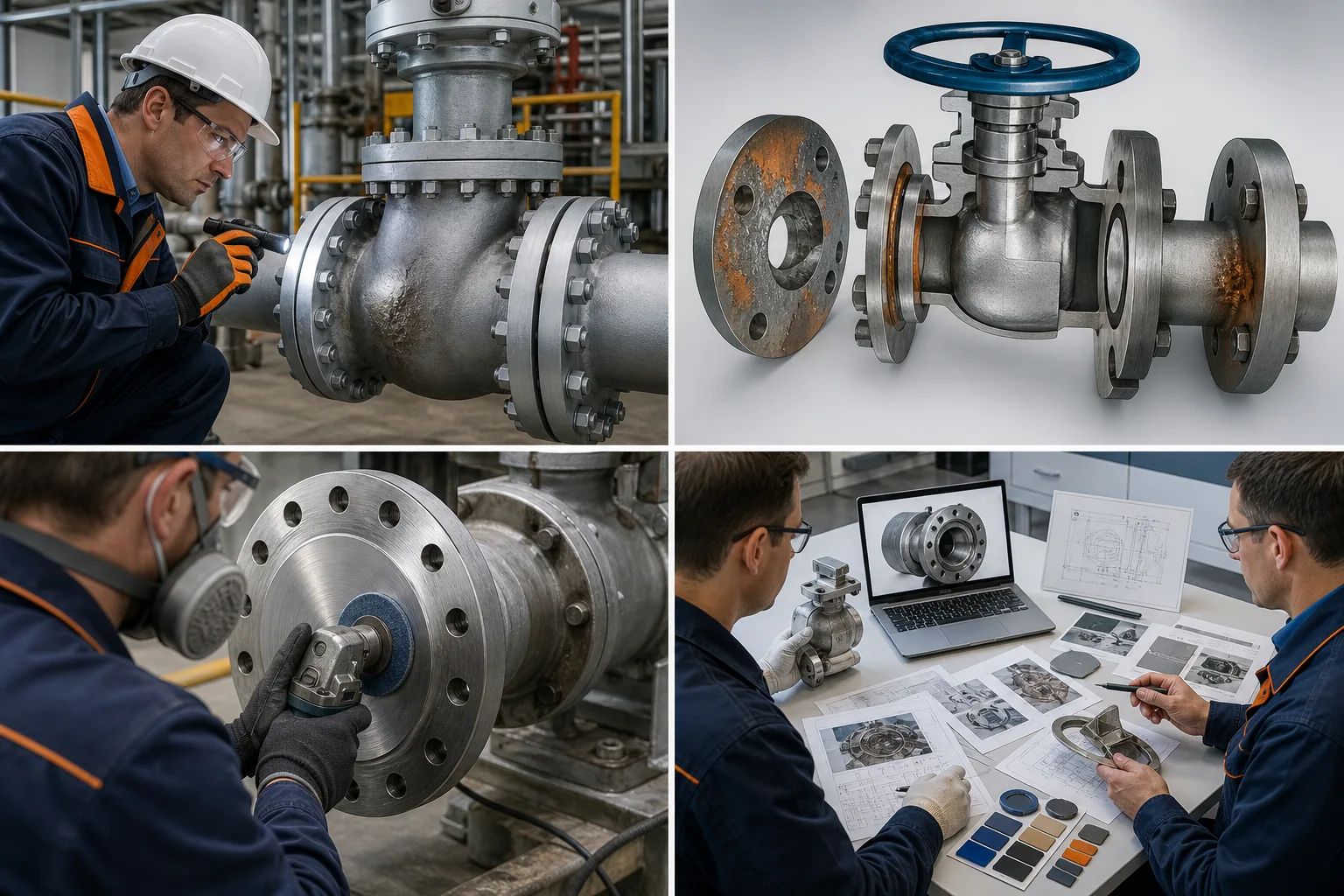
Pitting, washout, and metal loss may be rebuilt, but controlled machining, grinding, or lapping can be required to restore finish and tolerance.
Valve Body Surface Loss
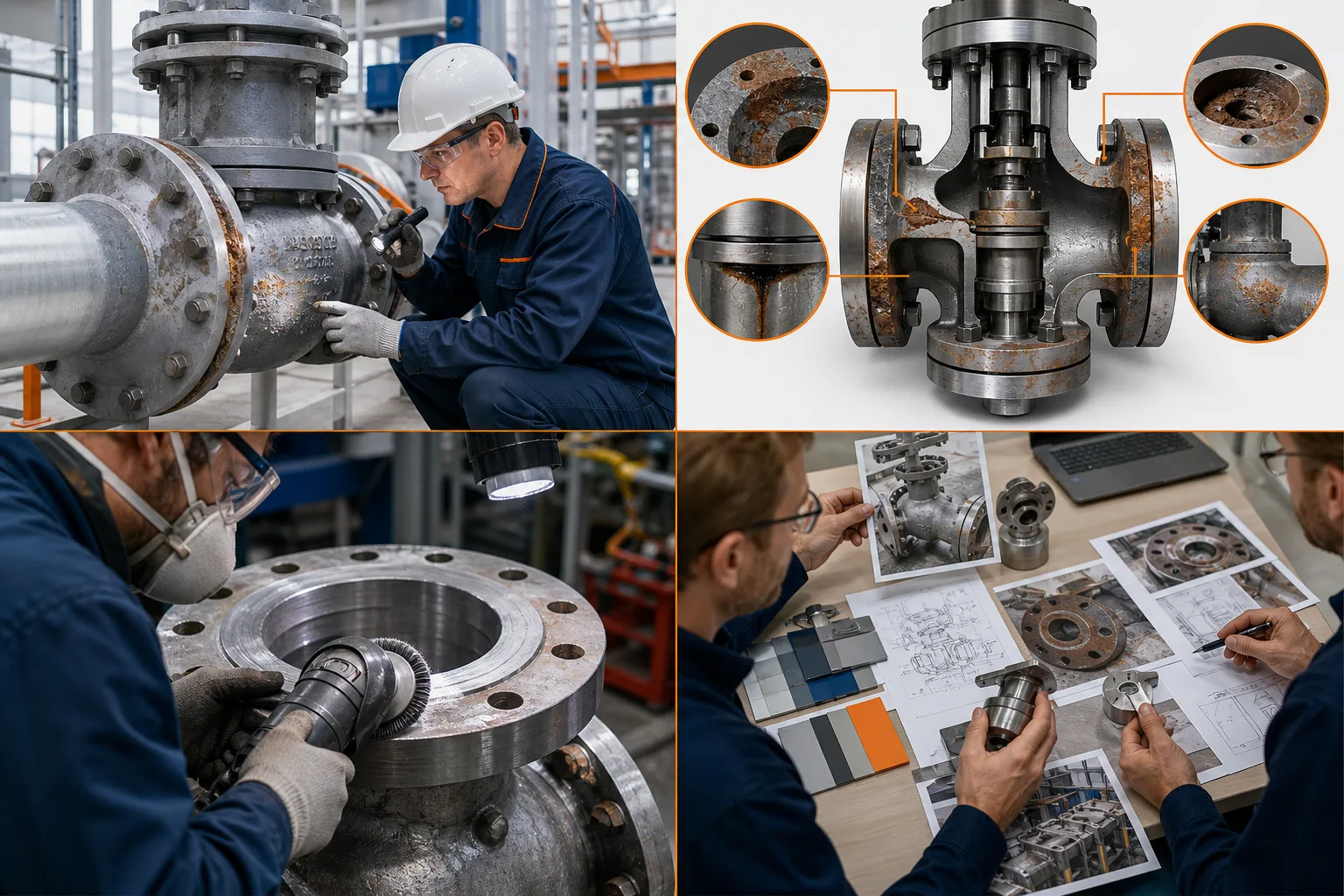
Distinguish repairable corrosion, erosion, or cavitation from structural damage requiring engineering assessment, welding, or replacement.
Cracks and Structural Damage
Evaluate crack depth, direction, cause, and location. Do not assume a polymer compound restores pressure-boundary integrity without engineering acceptance.

Related Assessments
Distinguish Valve Damage from Adjacent Equipment Damage
Damage in connected piping may require a different assessment route. Broader application guidance can also help distinguish valve repair from pipe reinforcement, tank lining, and pump protection.
Selection Criteria
Service Conditions That Control Material Selection
Damage that appears similar can require different materials in water, hydrocarbons, process chemicals, steam-related environments, or abrasive slurry. Include normal operation, cleaning, start-up, shutdown, and credible process upsets.
Valve and Flange Details
Provide the valve type, component function, size, geometry, flange-face design, and whether the area retains pressure.
Substrate Condition
Identify the base metal, previous welds or coatings, corrosion products, contamination, and remaining sound material.
Service Medium
State the chemical identity, relevant concentration, solids content, and potential contamination during cleaning.
Temperature and Pressure
Report normal and maximum values, cycling, vacuum exposure, and pressure-test requirements.
Damage Profile
Record pitting depth, eroded area, crack indications, missing dimensions, leak path, and measured wall condition.
Mechanical Loading
Account for vibration, thermal movement, bolt loading, impact, and stress around the damaged area.
Application Access
Confirm whether the area can be isolated, drained, dried, cleaned, abraded, inspected, machined, and cured under control.
Return to Service
Define the shutdown window, inspection method, documentation needs, and site approval process.
Technical Documents
Confirm the Selection Against Current Documentation
Use the broader selection framework to compare equipment, substrate, damage, and service conditions. Confirm product-specific values in the relevant technical data sheets before specifying a material.
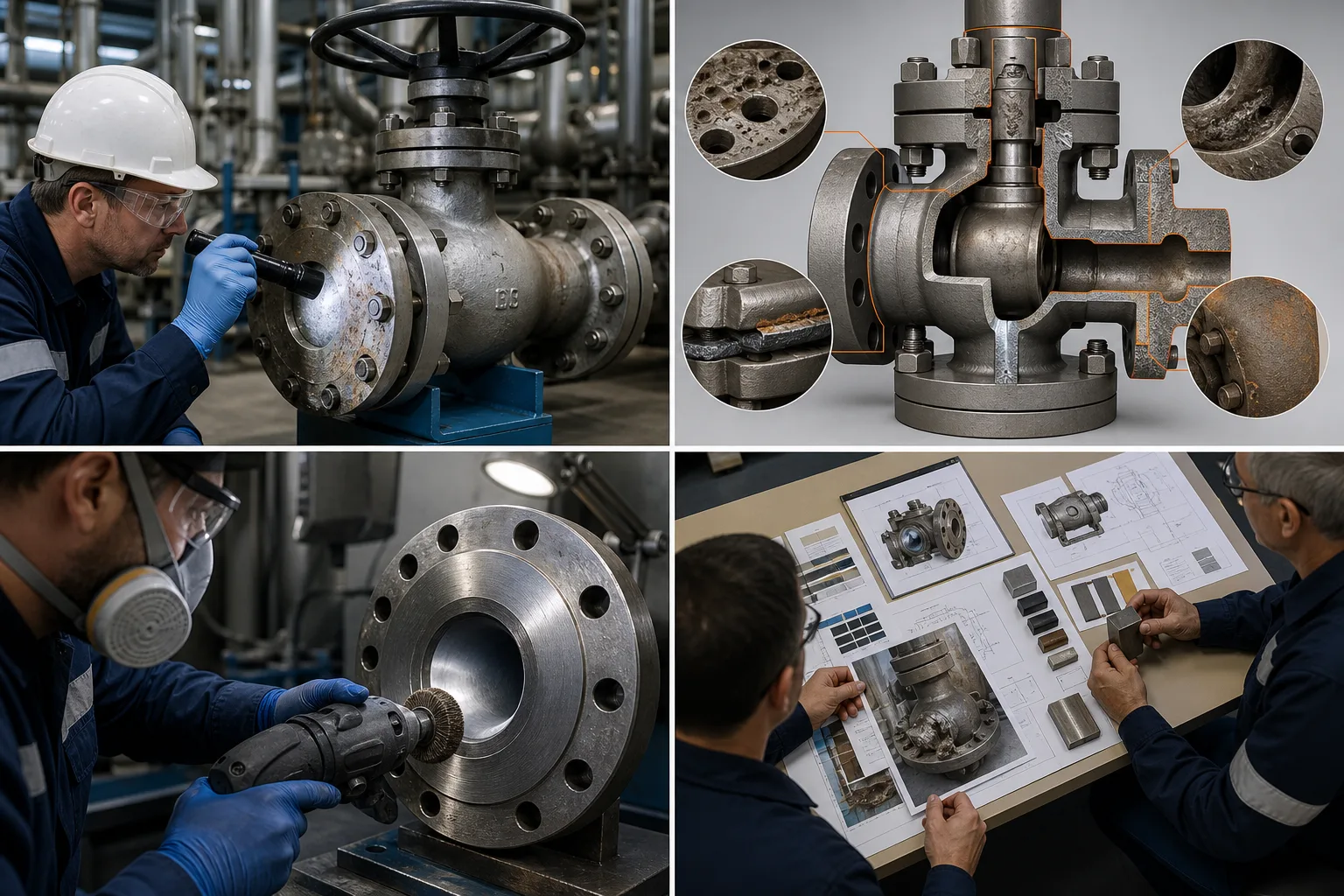
Repair Process
Repair Methods for Valve Bodies, Flanges, and Sealing Areas
The repair route must address the failure mechanism, sound substrate, required geometry, and inspection plan. Compound-based repair fits only where the substrate and actual service conditions support it.
01
1. Make Equipment Safe
Isolate, depressurize, drain, decontaminate, and secure the equipment under approved safety and permit procedures.
02
2. Confirm the Failure
Inspect joints, packing, bodies, bonnets, and piping; record dimensions and identify corrosion, erosion, distortion, vibration, or damage.
03
3. Select the Repair Route
Consider gasket or bolting correction, rebuilding, lining, machining, welding, enclosure, replacement, or an engineered combination.
04
4. Prepare Sound Material
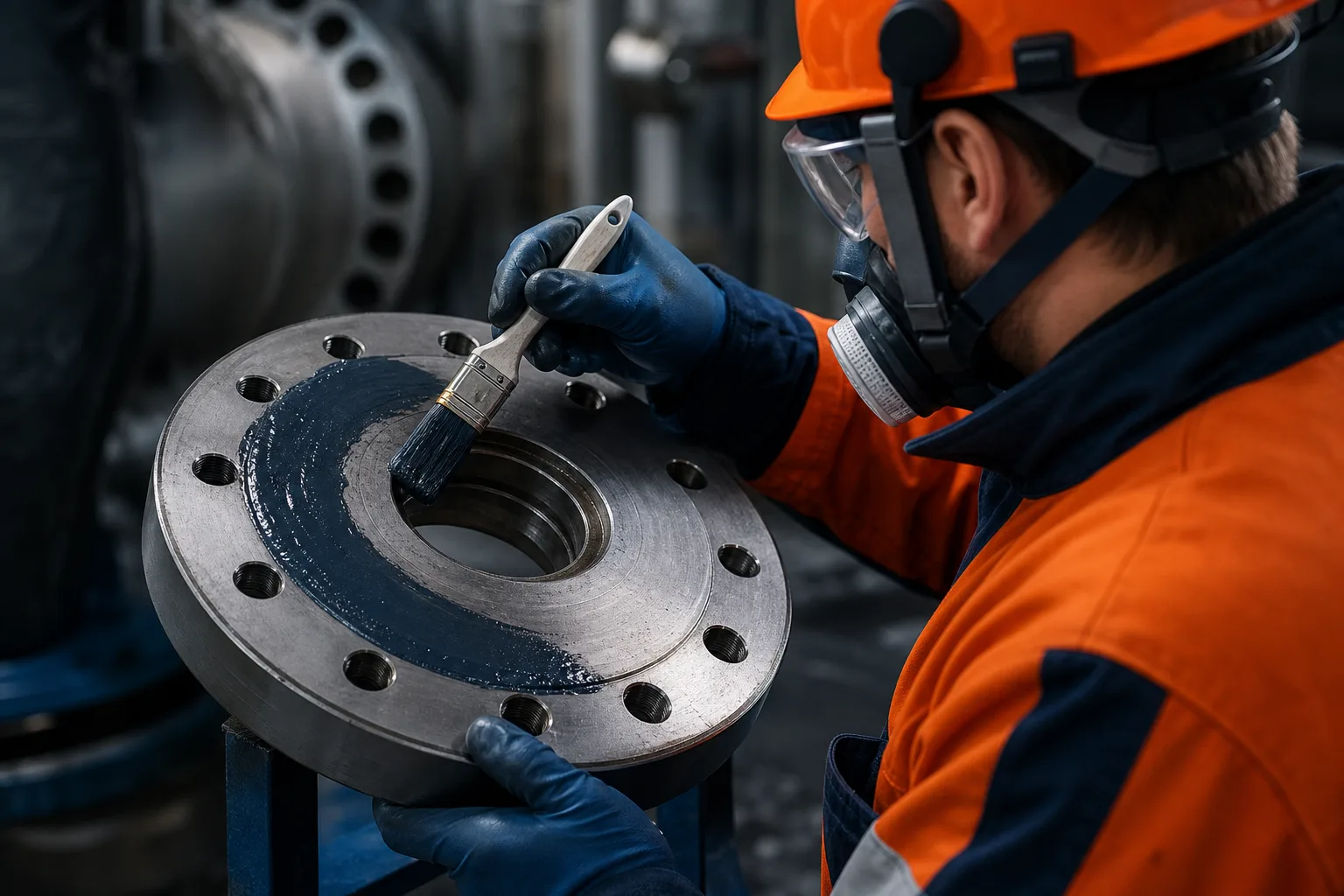
Remove oil, salts, corrosion, failed coating, and weak substrate. Create the specified profile and use required compatible preparation products.
05
5. Rebuild and Finish
Apply the material at the specified thickness and geometry. Finish sealing areas after cure when flatness, dimensions, or texture require it.
06
6. Inspect Before Service
Check coverage, adhesion indicators, dimensions, discontinuities, and cure status. Follow owner requirements for pressure or leak testing.
Preparation Support
Surface Preparation Products
Review cleaning agents, primers, conditioners, and application materials used to support the specified preparation process. Surface Preparation Products are a supporting category, not an eighth primary ZDSChem product series.
Product Categories
ZDSChem Series Related to Valve and Flange Repair
ZDSChem organizes repair materials into seven primary series. These four categories provide starting points, but do not establish suitability for a medium, temperature, pressure, or sealing surface without document review.
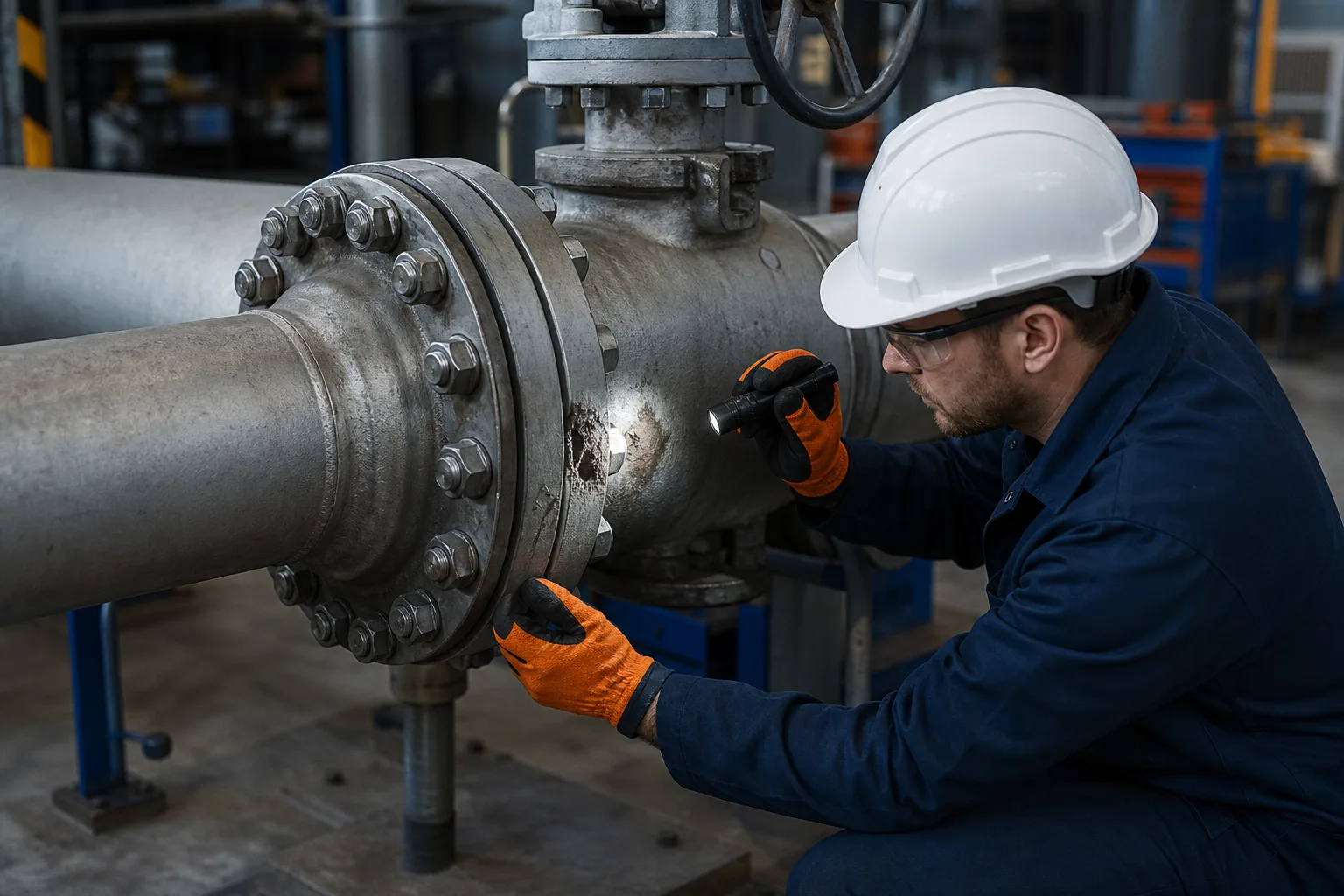
ZDS-MetalRebuild
For localized metal loss, pitting, void filling, flange-face restoration, and dimensional rebuilding where conditions support repair.

ZDS-FluidGlide
For fluid-side protection involving chemical exposure, elevated temperature, or internal surfaces; not for structural cracks or thin walls.
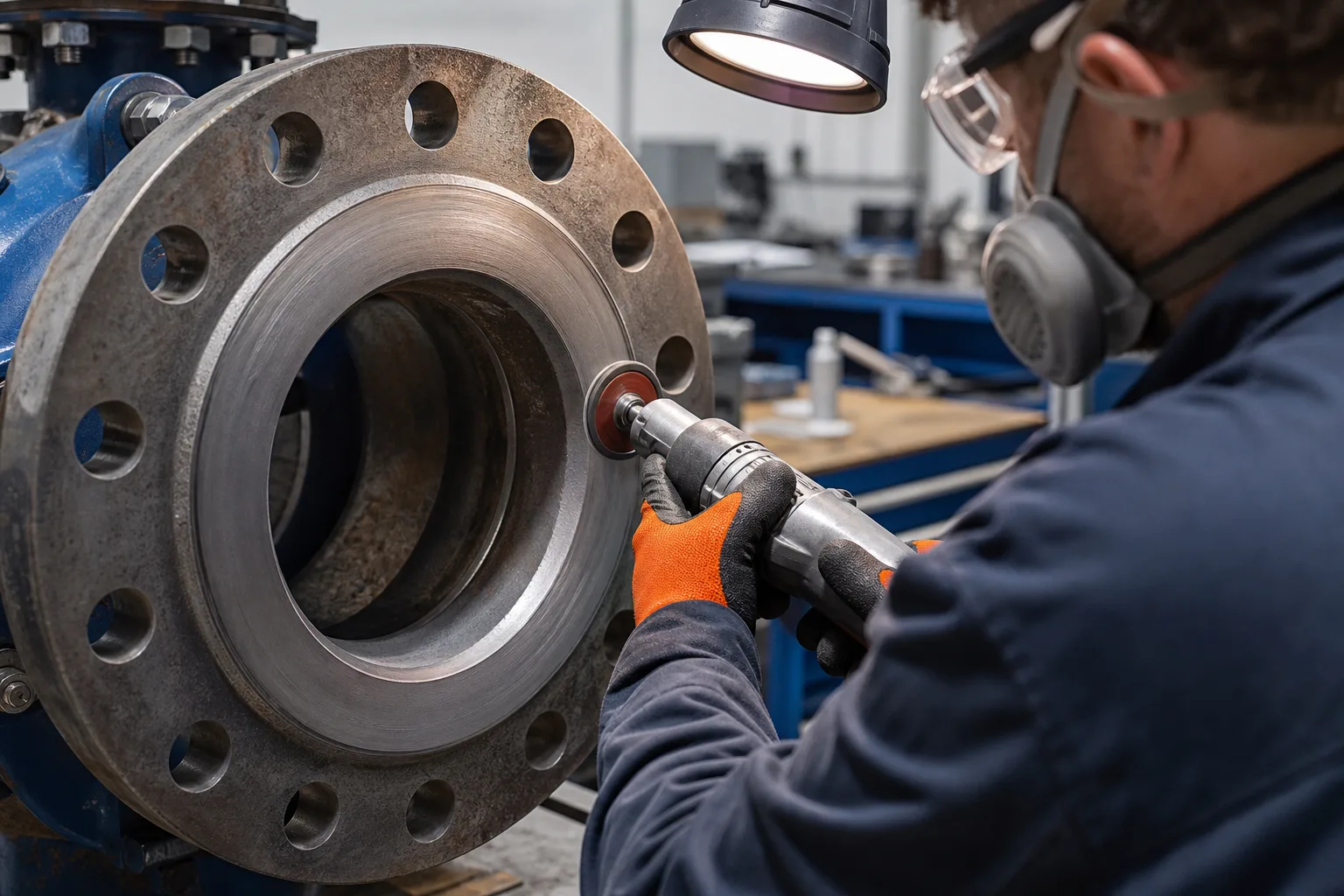
ZDS-CeramicArmor
For abrasive solids, slurry erosion, cavitation, or concentrated flow wear where added material will not obstruct movement or flow.
ZDS-AquaShield
For residual moisture or wet application constraints; wet-surface capability does not establish suitability for active pressurized leaks.
Engineering Limits
Where a Compound-Based Repair May Not Fit
Replacement, welding, machining, gasket correction, or another engineered method may be more appropriate. Regulatory codes, site standards, and equipment-owner requirements take priority over general material guidance.
Obtain engineering assessment when damage
affects a critical pressure boundary, remaining wall thickness is inadequate, cracks are propagating, or flange distortion is severe.
Do not proceed when the repair area cannot
be prepared, cured, and inspected properly.
Direct use on valve seats, disc contact
areas, precision sealing faces, threaded connections, or moving parts requires specific confirmation.
Evaluate hardness, finish, clearance
friction, thermal expansion, chemical resistance, and exposure conditions where operation could be affected.
Do not assume an exact cure time
temperature limit, pressure rating, or chemical-resistance value without current product documentation.
Inquiry Checklist
Information Needed for a Product Recommendation
Describe the equipment and failure rather than requesting only a general valve repair compound. Photographs with scale, drawings, inspection findings, and service data support a more focused product shortlist.
Equipment Details
Provide the valve type, component name, dimensions, and substrate.
Leak Location
Identify the exact leak location and suspected leak path.
Damage Measurements
Provide damage dimensions, depth, and available wall-thickness data.
Process Medium
State the process medium and relevant concentration or solids content.
Operating Conditions
Report normal and maximum temperature and pressure.
Exposure Conditions
Identify wet, immersed, chemically cleaned, or abrasive conditions.
Finish Requirements
Define the required surface finish, tolerance, and post-cure machining plan.
Preparation and Shutdown
Describe the available preparation method and shutdown window.
Commercial Requirements
Provide the requested quantity, project schedule, and destination market.
Acceptance Requirements
List applicable site, inspection, and engineering acceptance requirements.
Evaluation Support
Technical Resources for Application Review
ZDS chemical formulation background supports product evaluation. A dedicated R&D team of 30 professionals supports development and adaptation, while experts with over 30 years of experience contribute to formulation and application review.
Technical Inquiry
Review Your Valve or Flange Repair Condition
Submit valve details, service conditions, damage measurements, photographs, and preparation limits. ZDSChem can identify a relevant product series, request missing data, and outline the documentation needed before evaluation.
FAQ
Frequently Asked Questions
A general repair compound should not be assumed suitable for an active pressurized leak. The equipment should be isolated, depressurized, and assessed under the site’s approved safety procedure. The leak source may require gasket replacement, bolt-load correction, machining, a mechanical enclosure, or another engineered method.
Localized pitting or surface loss can sometimes be rebuilt when enough sound substrate remains and the service conditions suit the material. The repaired face may need machining, grinding, or lapping to restore the specified dimensions, flatness, and surface finish. Severe distortion, cracking, or inadequate wall condition can make replacement or another repair method more appropriate.
Provide the valve type, substrate, damaged area, leak path, damage dimensions, process medium, temperature, pressure, mechanical loading, preparation method, shutdown window, and required finish. Photographs, drawings, inspection findings, and applicable site requirements help narrow the product category.
ZDS-MetalRebuild is the main starting category for metal loss and dimensional restoration. ZDS-FluidGlide can relate to fluid-side protective lining, while ZDS-CeramicArmor addresses abrasive wear and erosion. Final selection must be confirmed against the specific product documentation and operating conditions.
Wet-surface application capability does not mean a material is suitable for every flowing, submerged, or pressurized condition. Isolation, contamination control, substrate preparation, pressure, flow, and safety requirements still need review. ZDS-AquaShield provides a relevant category when moisture cannot be fully eliminated, subject to product-specific confirmation.
A sample request can support practical evaluation after the equipment, service conditions, target material, and evaluation method are understood. Sample availability, testing scope, acceptance criteria, quantity, and commercial feasibility require confirmation before the evaluation begins.