
Industrial Repair Materials
Industrial Repair Materials for Equipment Repair
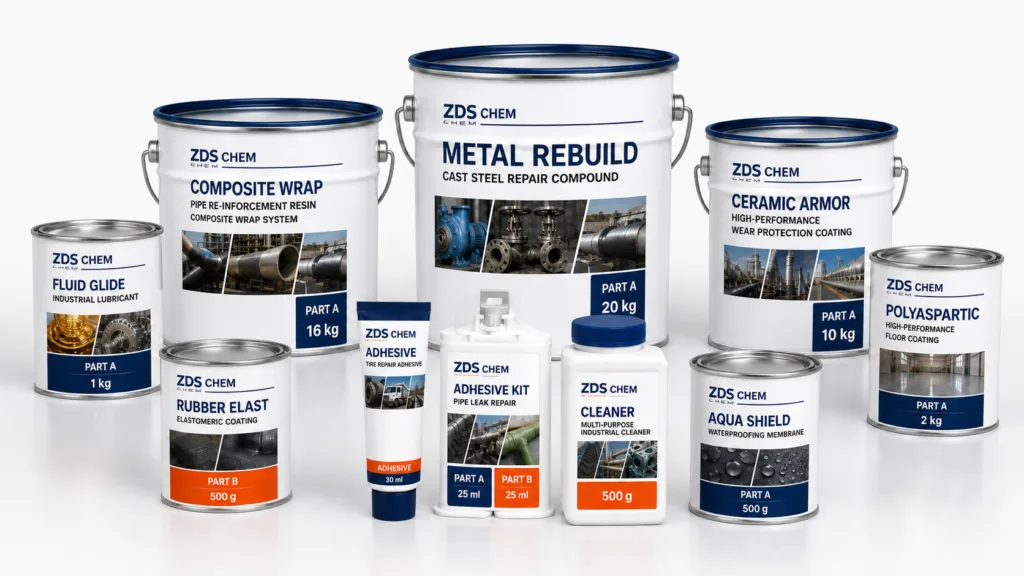
ZDSChem is an industrial repair materials manufacturer and global B2B channel partnership platform. Seven primary product series help distributors, MRO suppliers, repair contractors, maintenance teams, engineers, and procurement buyers organize repair options by equipment, substrate, damage, and service condition. Move from a repair problem to a product category, application route, technical document, sample evaluation, or regional distribution discussion.
Selection Starting Point
Start with the Repair Condition, Not Only the Product Name
A corroded pipe, worn pump casing, leaking flange, damaged tank lining, underwater structure, or torn conveyor belt can require a different material category and preparation route. Confirm the relevant conditions before checking product documentation.
Equipment
identify the pipe, pump, valve, tank, vessel, conveyor, cable, or other component.
Substrate
confirm whether the repair involves metal, composite, concrete, rubber, or another surface.
Damage: describe corrosion, erosion
abrasion, leakage, dimensional loss, cracking, or elastomer damage.
Service condition
record temperature, chemical exposure, moisture, immersion, flow, loading, and access constraints.
Product Portfolio
Seven Product Series for Industrial Repair and Protection
The ZDSChem taxonomy connects common repair needs with defined material families. These descriptions provide an initial selection route; final suitability depends on current product documentation, preparation requirements, and application conditions.
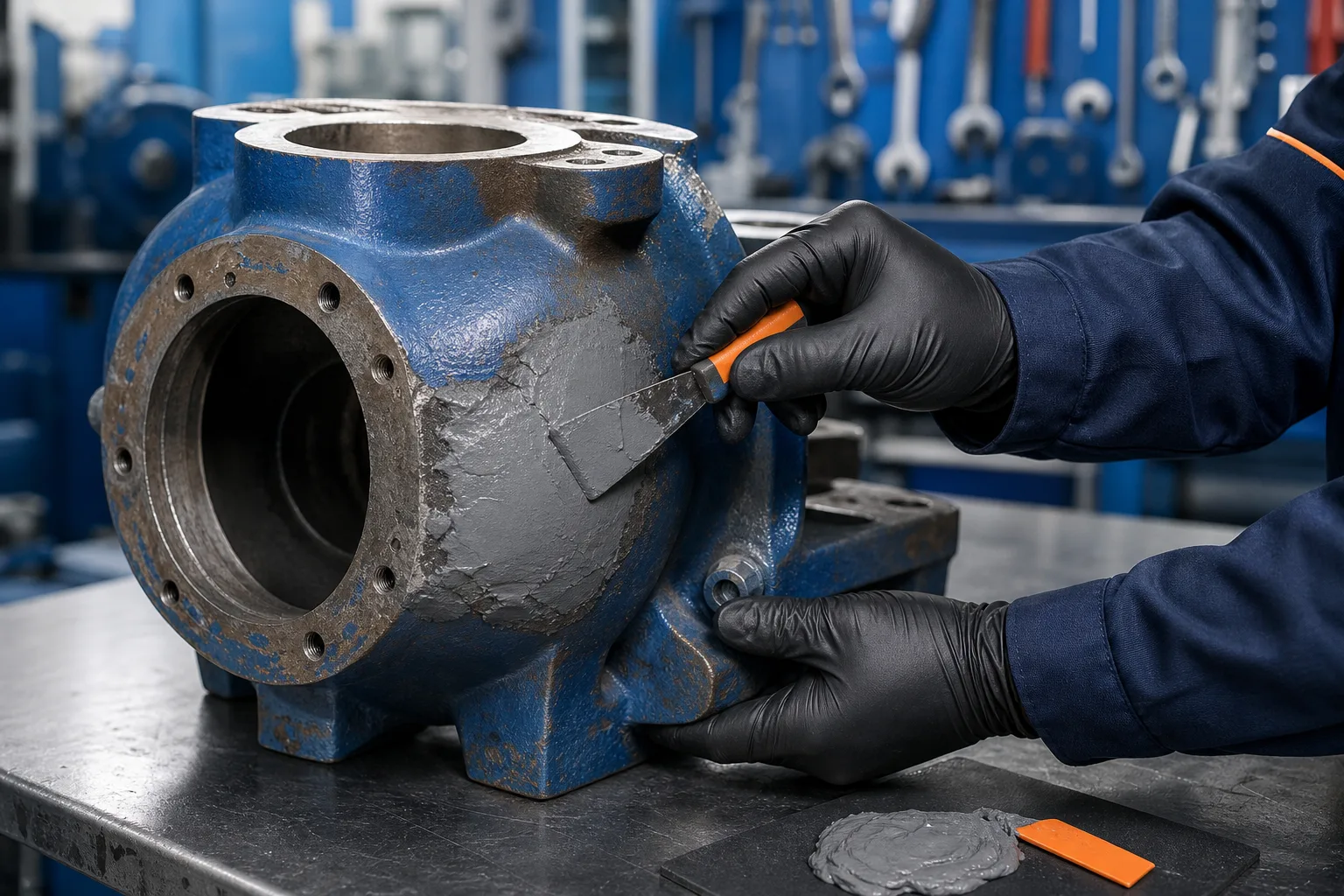
ZDS-MetalRebuild
Materials for metal rebuilding, cold repair, dimensional restoration, leak sealing, structural bonding, and localized equipment repairs.
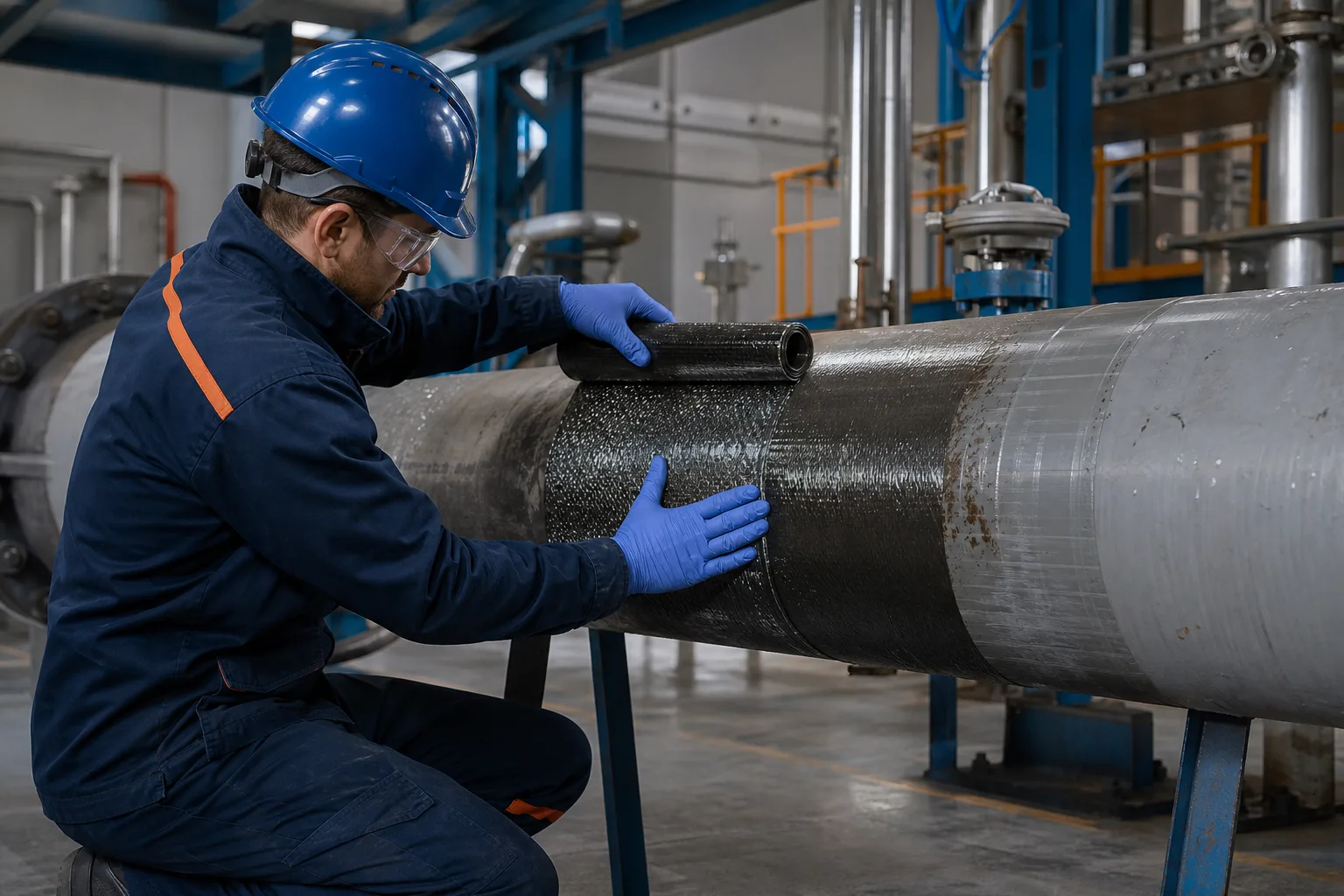
ZDS-CompositeWrap
Composite pipe reinforcement, FRP repair, and structural laminating systems for damaged pipe sections and composite structures.
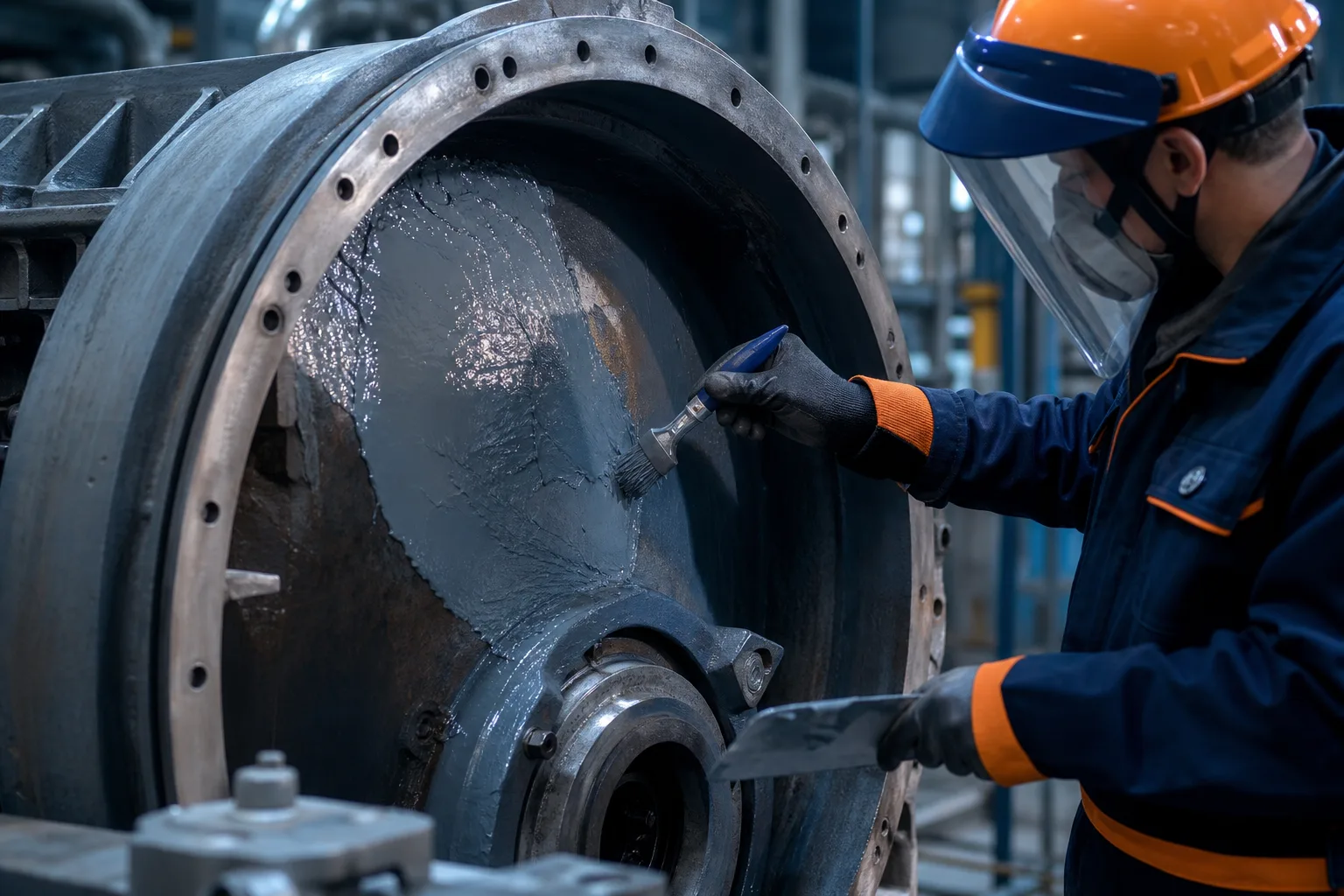
ZDS-CeramicArmor
Ceramic-filled materials for wear, erosion, cavitation, and heavy-duty equipment protection where surface loss affects reliability.
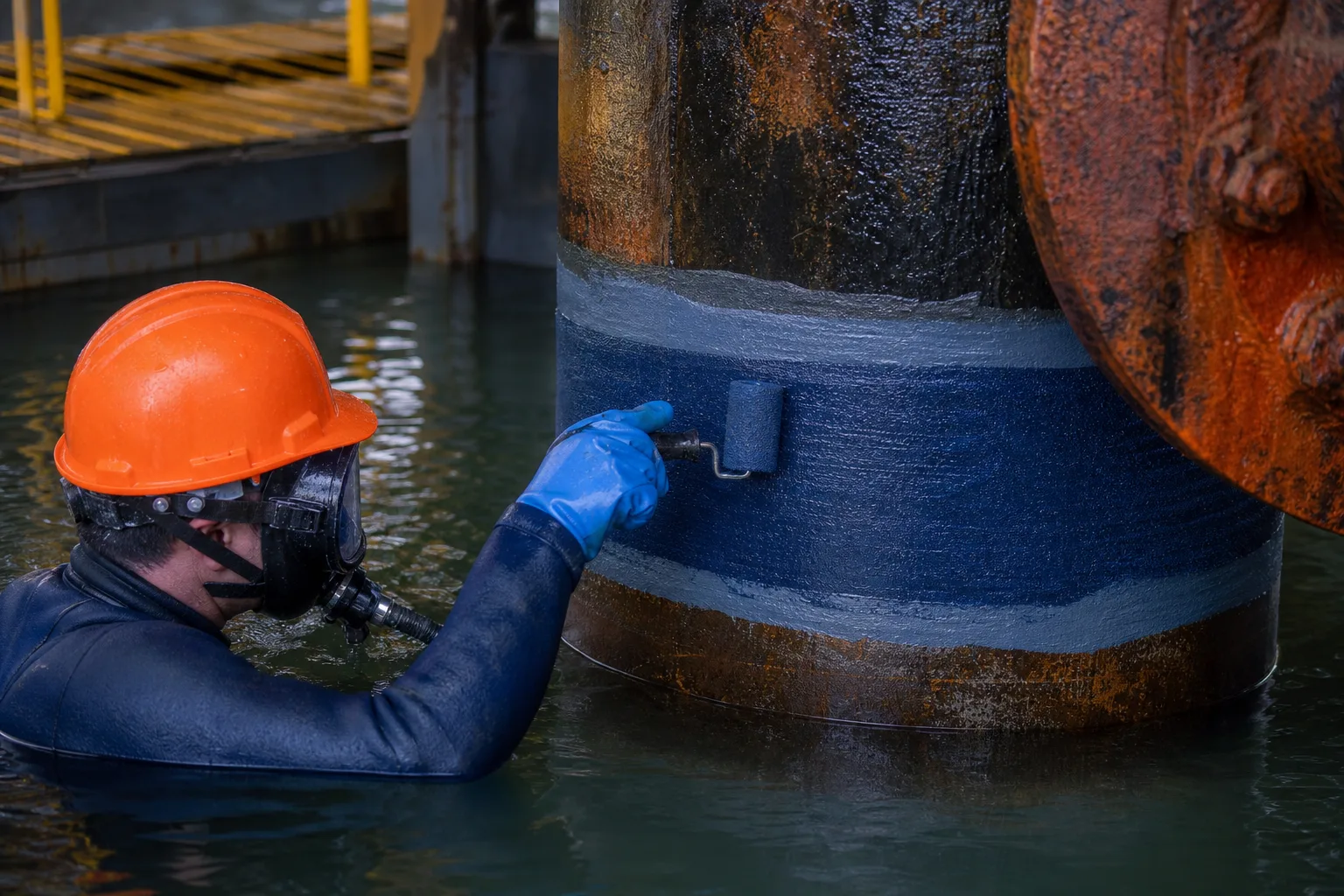
ZDS-AquaShield
Underwater-curing, wet-surface, marine, and emergency repair materials where drying or full equipment removal is difficult.
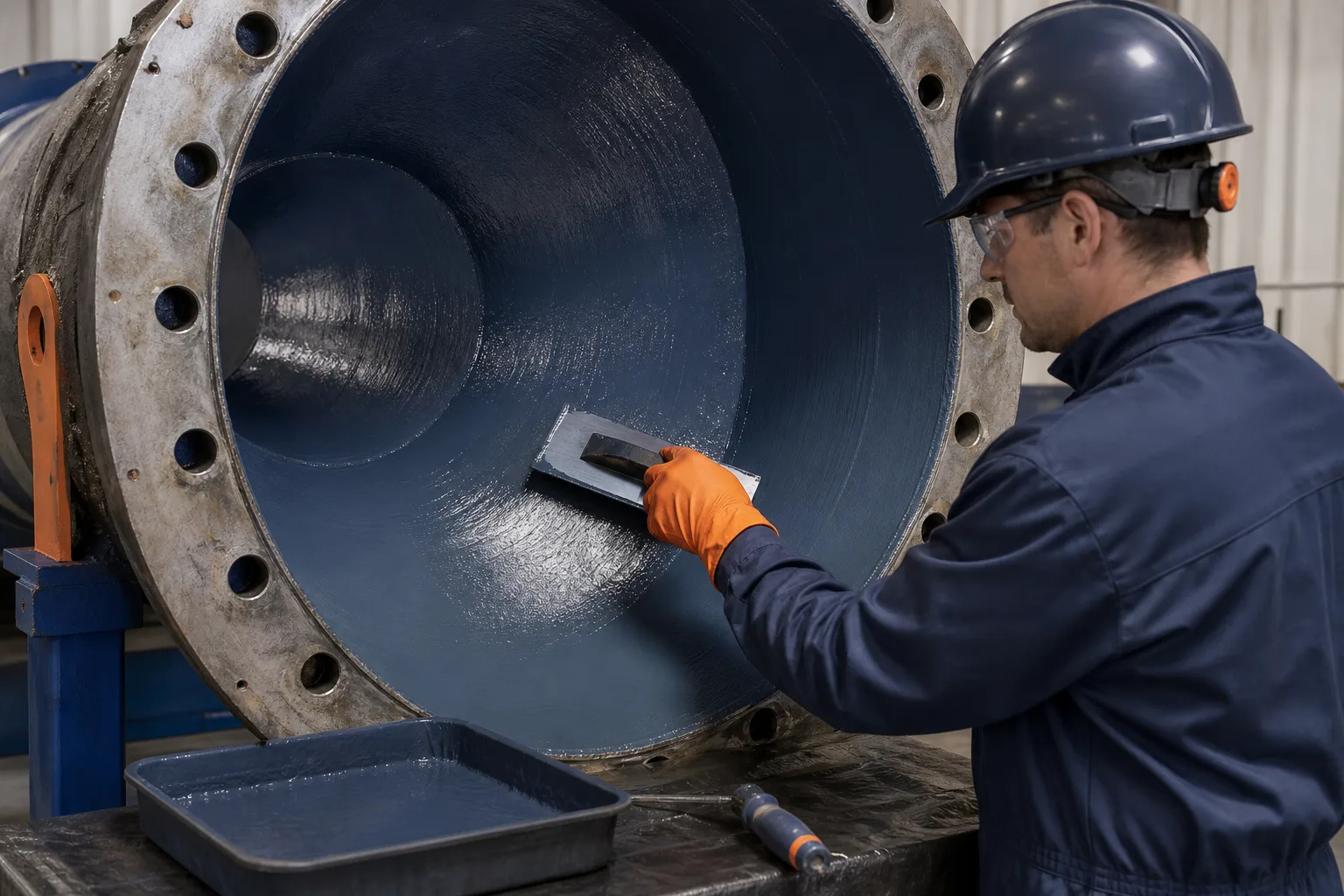
ZDS-FluidGlide
High-temperature repair, chemical-resistant lining, tank lining, flue protection, sealing, and fluid-equipment coating systems.

ZDS-PolyAspartic
UV-resistant, weather-stable, and outdoor protective topcoat systems for exposed equipment and surfaces.
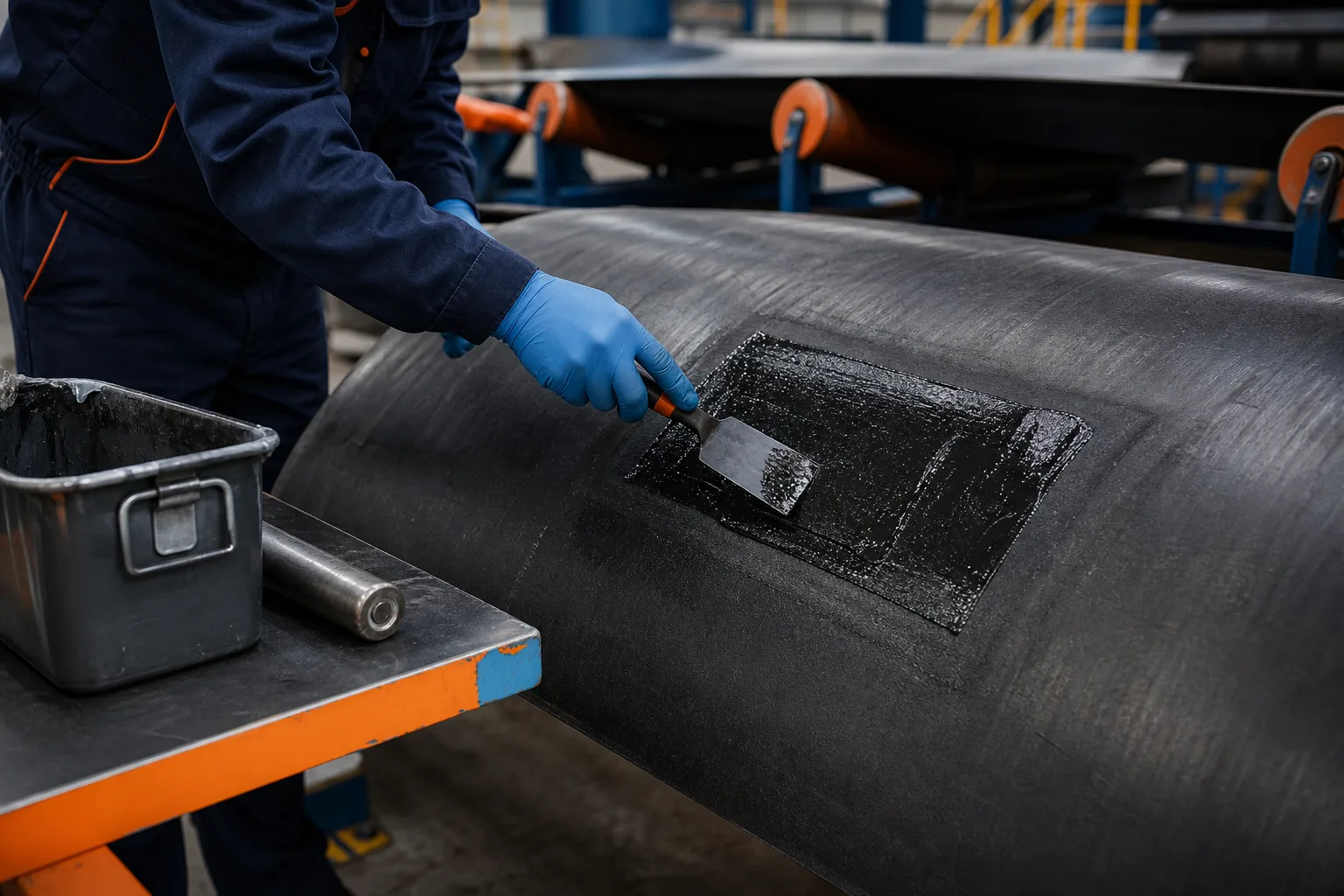
ZDS-RubberElast
Repair materials for conveyor belts, rubber linings, rollers, cables, tires, and other elastomer components.
Application Routes
Application Routes for Common Industrial Repair Problems
Connect failure modes with equipment, substrate, service conditions, preparation steps, and relevant ZDSChem product families. Each route helps organize the information needed for technical comparison.
Pipe Leak Repair
Review localized leakage, damaged pipe sections, access limits, and information needed to compare sealing or reinforcement routes.
Composite Reinforcement
Examine composite reinforcement and FRP repair decisions for damaged or weakened pipe structures.
Pump Repair
Connect pump casing damage, erosion, wear, sealing, and fluid-service conditions with relevant repair categories.
Tank and Vessel Lining
Consider chemical exposure, surface condition, access, service environment, and lining requirements for tanks and vessels.
Abrasion and Erosion
Identify wear caused by solids, flow, impact, or cavitation and compare protective categories for exposed equipment surfaces.
Chemical Corrosion
Organize protection decisions around chemical contact, substrate condition, operating temperature, and lining requirements.
High-Temperature Repair
Review heat exposure, shutdown conditions, substrate preparation, and documentation before selecting a repair route.
Wet-Surface Repair
Assess immersion, moisture, marine exposure, access, and emergency conditions when a dry repair environment is unavailable.
Buyer Support
Support for Channel Buyers and Technical Users
ZDSChem supports industrial purchasing and application evaluation rather than retail transactions. Importers and wholesalers can also review channel support routes before discussing regional product, documentation, stocking, and supply requirements.
Industrial Distributors
Review assortment, market fit, documents, samples, packaging, initial stocking, and repeat-supply planning.
MRO Suppliers
Organize repair categories around common equipment, service conditions, documentation needs, and replenishment planning.
Repair Contractors
Prepare substrate, damage, access, service environment, estimated quantity, and project timing information.
Maintenance Teams
Use failure details, shutdown constraints, technical guidance, and stock planning to prepare a practical repair inquiry.
Supplier Evaluation
Supplier Signals for an Initial Evaluation
A product list is only one part of supplier qualification. ZDSChem applies the supplied ZDS chemical manufacturing, formulation, R&D, technical, and quality-management background to its industrial repair material positioning.
Established in 1998
ZDS company background dates to 1998, supporting experience in chemical manufacturing, formulation, development, and technical support.
30-Person R&D Team
A dedicated team of 30 professionals supports product development, formulation review, improvement, and application evaluation.
30+ Years of Experience
Technical experts with more than 30 years of chemical formulation and application-support experience contribute to requirement reviews.
Management Systems
ZDS maintains quality-management systems certified to ISO 9001 and IATF 16949; these are not individual product certifications.
Evaluation Process
From Product Discovery to Evaluation and Supply Planning
A practical buyer journey separates category selection, technical evaluation, and commercial planning. Company-level supplier signals support assessment but do not replace product-specific technical evidence.
01
Define the Condition
Record the equipment, substrate, damage, service environment, access, and shutdown constraints.
02
Build a Shortlist
Compare product families against the repair conditions and technical factors that matter.
03
Prepare the Review
Check available technical documents and request consultation when application information requires discussion.
04
Evaluate a Sample
Qualified buyers can evaluate samples after confirming the testing method and acceptance criteria.
05
Plan the Supply Route
Review the sample-to-bulk process for initial stocking, bulk purchasing, or a defined repair project.
Selection Controls
What to Confirm Before Product Selection
Product-family names are a starting point, not an automatic suitability decision. Match final selection to current documentation, substrate condition, service exposure, preparation requirements, safety controls, and the consequences of repair failure.
Do not select a material from the damage
name alone; service conditions can change the appropriate repair route.
Confirm whether the repair is temporary
planned, emergency, structural, sealing-related, or protective.
Provide photographs, dimensions, operating
conditions, and purchasing information when requesting technical guidance.
Confirm technical and commercial
feasibility before relying on customized formulation, packaging, labeling, or product-line requirements.

Regional Partnerships
Discuss Your Regional Distribution Requirements
Industrial distributors, importers, wholesalers, and regional channel partners can share target markets, product interests, document needs, and purchasing objectives. ZDSChem can review the information and determine an appropriate commercial and technical discussion route.
FAQ
Frequently Asked Questions
Industrial repair materials are used for purposes such as metal rebuilding, leak sealing, composite reinforcement, wear protection, chemical-resistant lining, underwater repair, high-temperature repair, and elastomer component repair. The correct category depends on the equipment, substrate, damage, and service condition.
Start by documenting the equipment, substrate, damage type, operating environment, access, and shutdown requirements. These details help identify a relevant ZDSChem series. Final selection requires comparison with current product documentation and, where needed, a technical consultation.
Yes. ZDSChem is positioned for industrial distributors, importers, wholesalers, MRO suppliers, and regional channel partners. Buyers can discuss product assortment, market fit, samples, documents, initial stocking, and repeat-supply planning through the distribution inquiry route.
Useful information includes equipment type, substrate, damage description, dimensions, operating temperature, chemical or fluid exposure, moisture or immersion, access conditions, repair timing, expected quantity, and the required technical documents.
No. ISO 9001 and IATF 16949 are quality-management system certifications. They do not automatically certify an individual ZDSChem product for performance, safety, compliance, or suitability. The current certification scope and product documentation should be checked when required.
Customer-specific formulation, packaging, labeling, market, and product-line requirements may be reviewed. Technical and commercial feasibility depends on the application, specification, expected volume, and target market, and must be confirmed before development begins.