
Industrial Repair Materials Support for Distributors
Build a focused industrial repair materials portfolio with clear product categories, technical documents, sample-evaluation routes, stocking guidance, and support for repeat purchasing.

Distributor Priorities
What Distributors Need From a Repair Materials Supplier
A suitable range should address recurring maintenance problems without creating an unclear or difficult-to-stock catalog. Early discussions should connect market demand with product categories, documents, evaluation needs, and purchasing patterns.
Assortment Structure
Organize products around common equipment and repair situations rather than isolated chemical names.
Technical Confidence
Use product information, application guidance, and samples to support evaluation before stocking decisions.
Market Fit
Review target industries, regional requirements, labeling needs, and the buyers already served.
Supply Planning
Discuss initial stock, pack formats, purchasing frequency, and replenishment after defining the range.
Product Portfolio
Build an Assortment Around Seven Repair Material Series
The seven primary series cover different repair conditions. Select portfolio depth according to the equipment base, maintenance contractors, MRO customers, and industrial sectors driving demand in the target region.
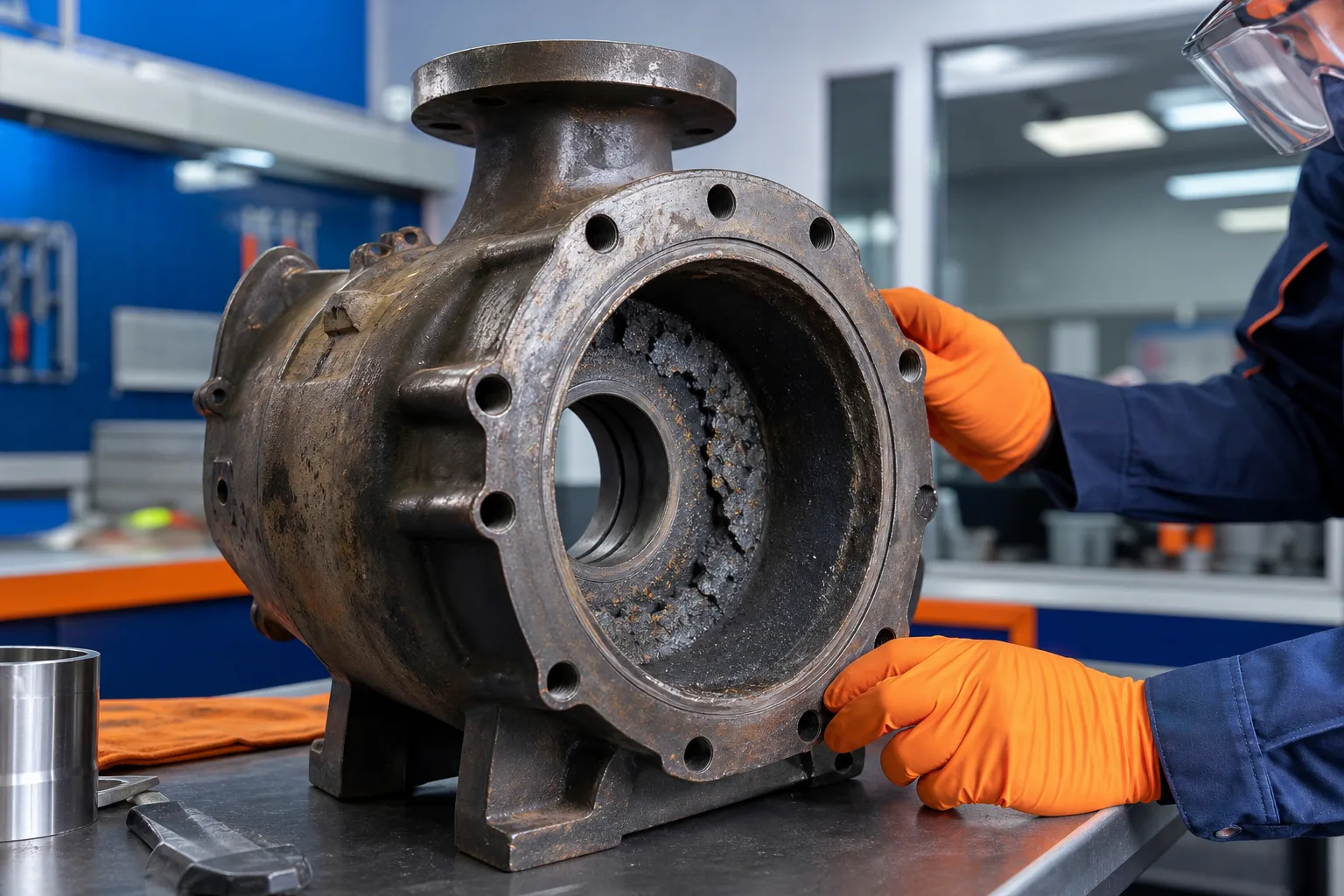
ZDS-MetalRebuild
Materials for metal rebuilding, cold repair, dimensional restoration, leak sealing, and structural bonding.

ZDS-CompositeWrap
Composite pipe reinforcement, FRP repair, and structural laminating systems for pipe repair requirements.

ZDS-CeramicArmor
Ceramic-filled materials for wear, erosion, cavitation, and heavy-duty equipment protection.

ZDS-AquaShield
Underwater-curing, wet-surface, marine, and emergency repair materials for moisture-affected work.
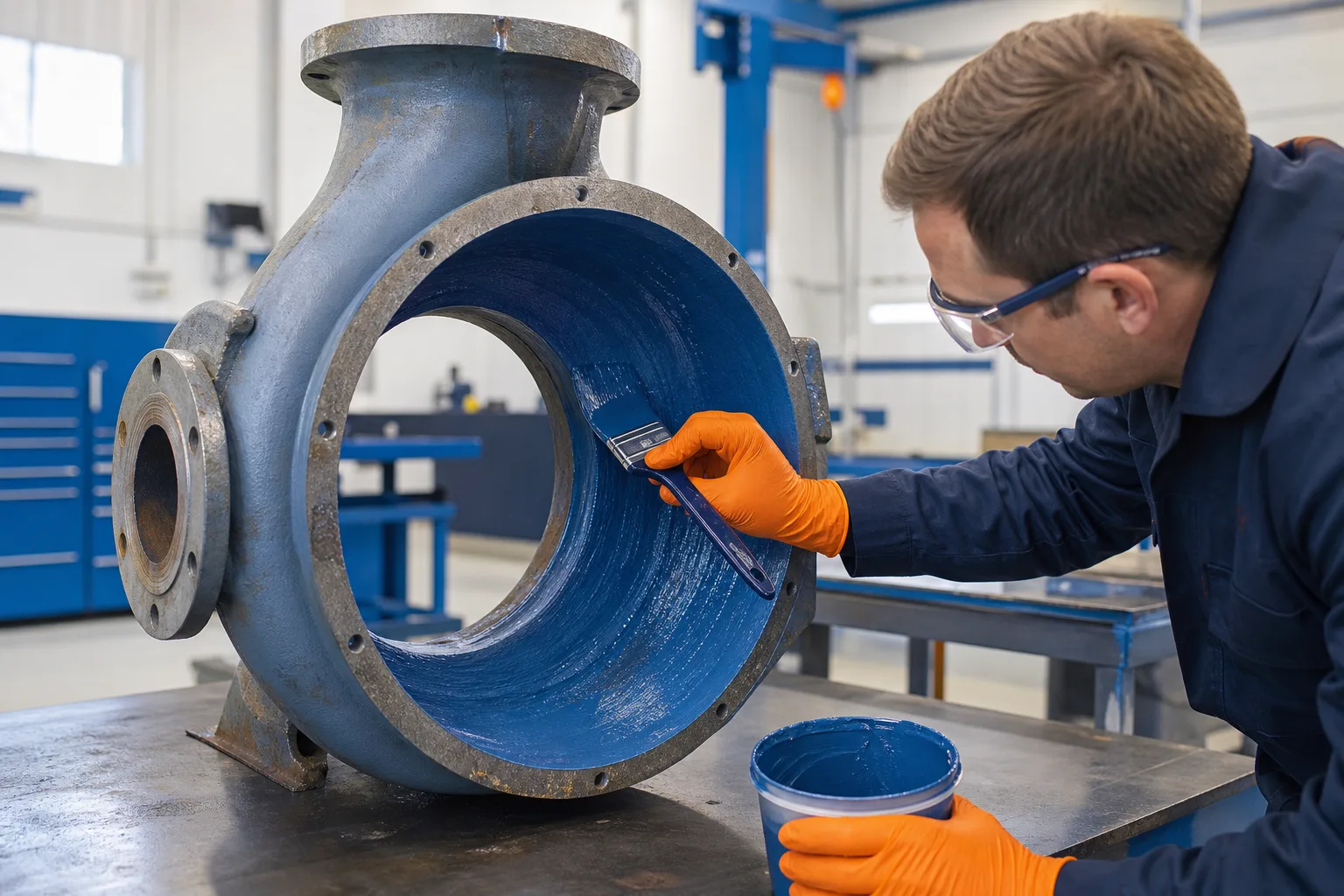
ZDS-FluidGlide
Systems for high-temperature repair, chemical-resistant lining, tanks, flues, sealing, and fluid equipment.

ZDS-PolyAspartic
UV-resistant, weather-stable protective topcoat systems for exposed equipment and outdoor assets.

ZDS-RubberElast
Repair materials for conveyor belts, rubber linings, rollers, cables, tires, and other elastomer components.
Portfolio Planning
Connect the Assortment to Industrial Assets and Conditions
Start with equipment categories, then compare relevant products by service condition. These routes connect the portfolio to pumps, valves, pipes, tanks, vessels, conveyors, rollers, and other industrial assets.

Selection Information
Provide the Information Needed for Product Evaluation
A useful inquiry describes the customer problem behind the requested product. These details help narrow the relevant series before broad initial stock is considered. Final selection follows current product documents and supplied repair conditions.
Equipment
Identify the asset, component, dimensions, access conditions, and whether the repair is planned or urgent.
Substrate
State whether the surface is steel, another metal, concrete, composite, rubber, or a mixed assembly.
Damage
Describe corrosion, leakage, erosion, abrasion, cavitation, cracking, dimensional loss, or delamination.
Service Condition
Include known temperature, chemicals, immersion, moisture, outdoor exposure, movement, vibration, and pressure.
Commercial Context
Explain the region, customer industries, purchasing pattern, document preferences, and pack or label needs.
Technical Qualification
Use Documents and Samples to Support Customer Qualification
Buyers may need technical data, safety information, application guidance, packaging details, or labeling information before approving a material. Available documents and sample routes depend on the product, application, and supplied information.
01
Technical Documents
Review available product and application information as the starting point for a technical file.
02
Sample Testing Support
Organize sample selection, evaluation criteria, and required information before bulk purchasing.
03
Request a Sample
Request a sample after the product, application conditions, and evaluation requirements are defined.

Regional Planning
Plan Regional Assortment and Channel Requirements
Regional planning should balance technical demand, market presentation, and purchasing practice. Target region, customer type, product categories, and expected volume help determine which commercial and technical questions come first.
Market Requirements
Review Documentation, Labels, Packaging, and Market Questions
Middle East and Southeast Asia are priority market directions for the ZDSChem website. This does not state existing offices, distributor coverage, customer coverage, or sales volume in those regions.
Supply Planning
Move From Sample Evaluation to Stock and Replenishment
A supply plan should follow product selection rather than begin with an assumed stock list. Exact order quantities, lead times, delivery commitments, pack formats, and regional terms are confirmed after requirements are supplied.
01
Shortlist
Select relevant series and options from the equipment, substrate, damage, and service-condition information.
02
Evaluate
Align samples, application conditions, documentation, and acceptance criteria with the planned review.
03
Plan Initial Stock
Discuss product mix, demand, pack requirements, target customers, and project opportunities.
04
Prepare Replenishment
Address purchasing patterns, range changes, document updates, and future stocking discussions.
Supplier Qualification
Evidence Supporting Distributor Supplier Qualification
ZDSChem's industrial repair material positioning is supported by ZDS chemical manufacturing, formulation, product development, improvement, application review, quality management, and technical support capabilities.
Since 1998
ZDS company background includes professional chemical manufacturing since 1998.
30-Person R&D Team
A dedicated team supports product development, improvement, and application-specific requirement review.
Technical Experience
Experts with more than 30 years of experience contribute to formulation review and application support.
Quality Management
ZDS maintains quality-management systems certified to ISO 9001 and IATF 16949.
Certification Scope
Management-System Certification Does Not Approve Products
ISO 9001 and IATF 16949 are management-system certifications. They do not certify the performance or suitability of an individual repair product. Product-specific evaluation still requires current documents and application information.

Selection Limits
Limits of Portfolio and Qualification Guidance
Portfolio guidance does not provide product-specific approval. Final recommendations require actual repair conditions and applicable product documentation.
Product-level cure times, working times
temperature limits, pressure limits, chemical resistance, adhesion, and abrasion values are not stated.
Stock quantities, minimum order
quantities, delivery schedules, and commercial terms are not guaranteed by the portfolio structure.
Custom formulation, packaging, labeling
documentation, private-label, OEM, or ODM requests require technical and commercial feasibility review.

Distribution Inquiry
Prepare a Regional Distribution Discussion
Share the target region, customer segments, product interests, technical-document needs, sample requirements, purchasing pattern, and packaging or labeling requirements for distribution evaluation and commercial discussion.
FAQ
Frequently Asked Questions
Start with the equipment and maintenance problems served in the target market. Map those needs to substrate, damage type, and service condition, then select the relevant ZDSChem series. A focused assortment is usually easier to evaluate and stock than an undifferentiated list of products.
Useful information includes the equipment or component, substrate, damage mechanism, operating temperature, chemical or water exposure, immersion or outdoor conditions, access limitations, and the intended repair objective. Commercial details such as region, customer type, and expected purchasing pattern also help shape the discussion.
Yes, distributors can request a sample for evaluation. Sample selection, evaluation criteria, testing scope, and acceptance requirements are arranged according to the product and application information supplied. Sample availability and the route toward bulk purchasing require confirmation.
Depending on the product and market, buyers may need technical data sheets, safety data sheets, application guidance, product descriptions, packaging information, labeling requirements, or other commercial documents. The available document set should be checked against the specific product and target market.
Custom packaging review and documentation localization can be evaluated when the distributor provides the target market, product scope, pack and label requirements, expected volume, and applicable documentation needs. Feasibility and available options must be confirmed before any commitment is made.
ZDS maintains quality-management systems certified to ISO 9001 and IATF 16949. These are management-system certifications, not certifications of individual ZDSChem product performance, safety, or suitability. Current validity and applicable certification scope should be confirmed through supporting documents.