
Market Entry Support for Industrial Products
ZDSChem helps industrial distributors and importers decide which repair materials to introduce, which industries to prioritize, how to sequence the launch, and what sales and evaluation materials to prepare. The service connects market information with product selection, samples, technical documents, and a practical route from initial stocking to repeat purchasing.

Market Focus
Plan the Launch Around a Defined Buyer and Repair Problem
Begin with a specific target market rather than a broad product list. ZDSChem can organize the questions, product categories, and evidence required for a focused commercial review.
Assess defined needs such as pipe repair
in the Middle East, wear protection for mining equipment in Southeast Asia, or pump and valve maintenance in another region.
Connect customer demand with equipment
substrate, damage, and service conditions.
Review the industrial distributor or MRO
supplier buying model before defining the launch assortment.
Review Scope
What Market Entry Support Covers
The review addresses decisions affecting product fit, sales readiness, and evaluation risk. Its exact scope follows the information supplied by the distributor, importer, wholesaler, or regional channel partner.
Target Market Priorities
Define target regions, industries, buyer types, and equipment problems without implying existing local offices or distributor coverage.
Product Combination Planning
Separate core products, supporting preparation materials, and categories that should wait for a stronger application route.
Staged Launch Sequence
Sequence the introduction by market need, technical clarity, sales readiness, sample objectives, and expected purchasing path.
Sales Material Planning
Identify the descriptions, technical documents, comparison points, application explanations, and language requirements sales teams need.
Sample Evaluation Planning
Define the sample objective, substrate, damage condition, required records, and agreed acceptance criteria before testing.
Evaluation Boundaries
Separate feasibility, documentation, commercial terms, and market assumptions from guarantees, approvals, or territory commitments.
Portfolio Planning
Match the Product Combination to the Market
ZDSChem offers seven primary industrial repair series plus supporting Surface Preparation Products. A market-entry shortlist should reflect repairs buyers purchase instead of including every category.

ZDS-MetalRebuild Series
Materials for metal rebuilding, cold repair, dimensional restoration, leak sealing, and structural bonding in equipment maintenance.

ZDS-CompositeWrap Series
Composite pipe reinforcement, FRP repair, and structural laminating systems for pipe and infrastructure maintenance markets.
ZDS-CeramicArmor Series
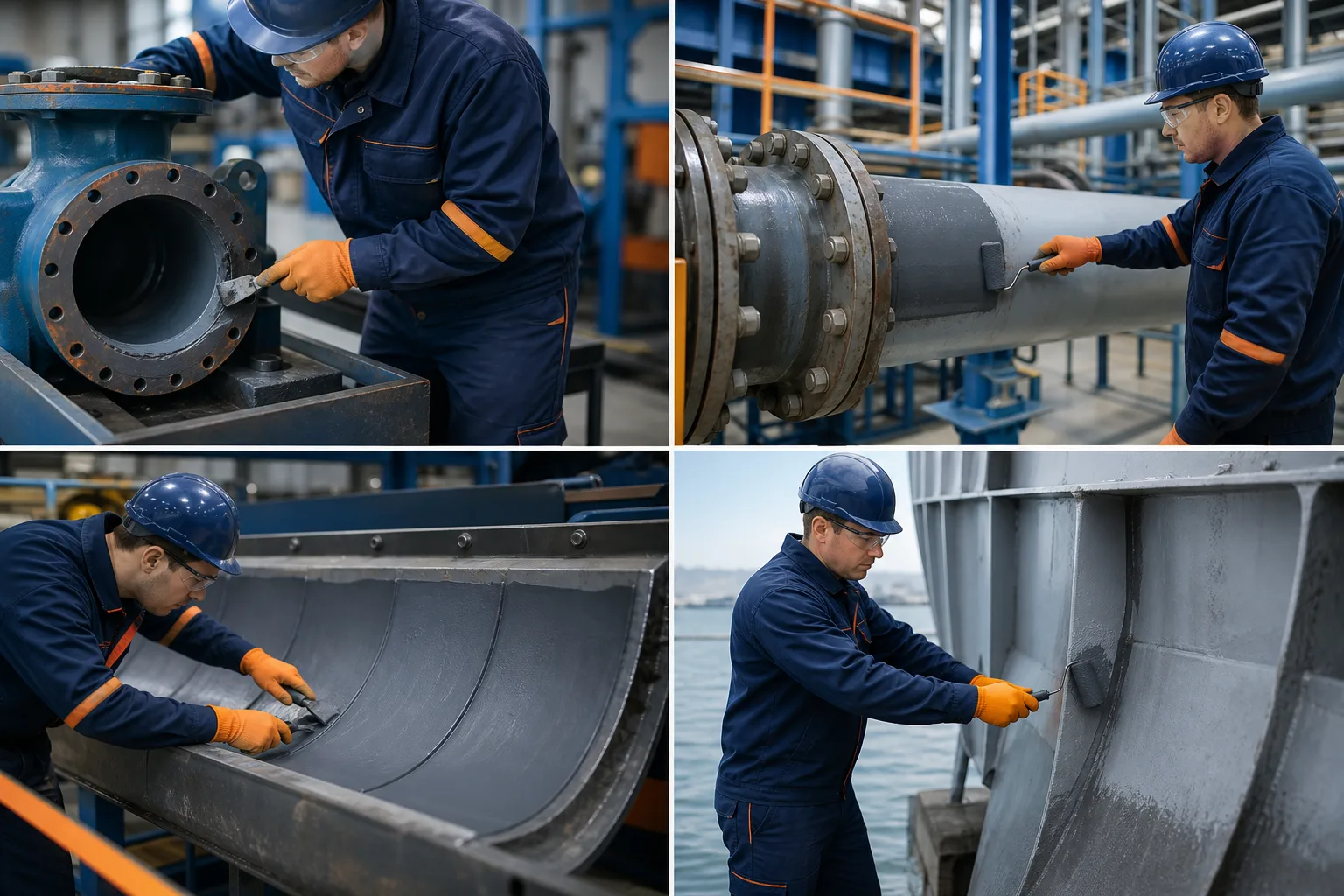
Ceramic-filled materials for wear, erosion, cavitation, and heavy-duty equipment protection where surface damage drives demand.

ZDS-AquaShield Series
Underwater-curing, wet-surface, marine, and emergency repair materials for conditions where drying or equipment removal is difficult.
ZDS-FluidGlide Series
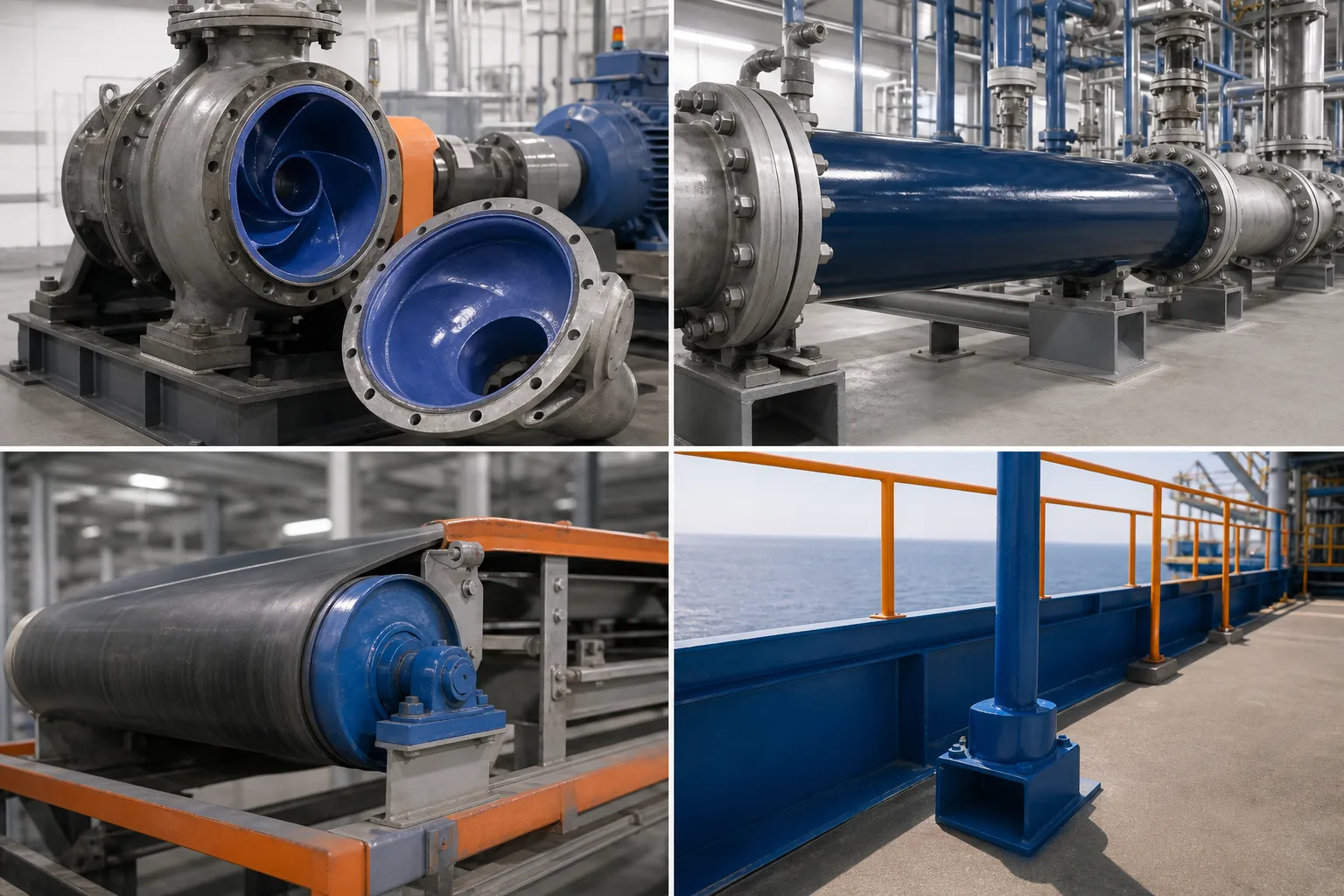
Systems for high-temperature repair, chemical-resistant lining, tank and flue protection, sealing, and fluid-equipment coating.

ZDS-PolyAspartic Series
UV-resistant and weather-stable protective topcoat systems for outdoor equipment and infrastructure applications.

ZDS-RubberElast Series
Repair materials for conveyor belts, rubber linings, rollers, cables, tires, and other elastomer components.
Launch Order
Sequence the Launch From Evidence to Supply
A staged sequence can reduce confusion for sales teams and make initial stocking decisions easier to explain. The order can be adjusted for the market, buyer requirements, and available technical information.
01
Map Market Demand
Identify industries, equipment, substrates, failure modes, service conditions, customer types, and purchasing channels.
02
Build the Shortlist
Select relevant product series, preparation materials, and application routes while excluding categories without a clear buyer need.
03
Prepare Sales Materials
Align catalog language, technical data, safety information, application guidance, labels, and market-language requirements.
04
Run Sample Evaluation
Set the sample objective, test conditions, acceptance criteria, and required records before commercial promotion.
05
Plan Initial Stocking
Discuss product mix, expected volume, pack and label requirements, commercial terms, and replenishment assumptions.
06
Prepare Repeat Supply
Structure the transition from evaluation to recurring purchasing through sample-to-bulk and portfolio planning.
Sales Readiness
Sales Materials That Support Distributor Training
Technical selling requires consistent product-fit explanations, selection inputs, and review boundaries. The material set can support sales calls, customer qualification, quotations, and internal training.
Portfolio Overview
Map the seven primary series to the equipment problems and damage conditions each series addresses.
Current Product Evidence
Use current technical data sheets and related documentation to support responsible product discussions.
Practical Application Guidance
Provide preparation and application information appropriate to the proposed repair route.
Safety and Compliance
Identify relevant safety data, labeling requirements, and quality-management documents for the target market.
Local-Market Presentation
Review terminology, translations, pack information, instructions, and other market-specific documentation needs.
Sample Planning
Set Clear Sample and Evaluation Boundaries
Define the product category, substrate, damage mechanism, service environment, application method, intended market, and required result before selecting an evaluation route or discussing suitability.
Product-Problem Fit
Determine whether the proposed product category addresses the stated equipment problem.
Surface Conditions
Confirm whether the substrate and surface-preparation conditions are represented accurately.
Service Condition Gaps
Identify service conditions that require additional technical information or testing.
Distributor Evidence
Define the observations and documents needed before presenting the material to an end user.
Acceptance Criteria
Agree what would constitute an acceptable result for the intended application.

Evaluation Control
Keep Technical and Commercial Decisions Separate
Sample Testing Support helps qualified buyers plan product evaluation, sample selection, and evaluation criteria when relevant project information is available.
Intended Buyers
Who Benefits From Market Entry Support?
The review route supports channel partners and technical buyers who need to organize market, assortment, stocking, application, and evaluation information before launch or project discussions.
Distributors and Importers
Review market fit, assortment, launch order, sales materials, sample objectives, and repeat-supply considerations.
MRO Suppliers and Wholesalers
Choose practical repair categories for stocking, technical support, customer explanation, and replenishment.
Contractors and Engineering Buyers
Organize site conditions, repair objectives, and application information before requesting samples, guidance, or project pricing.
Technical Background
Technical Background for a Responsible Launch Review
Market-entry support is backed by relevant company, R&D, technical, and quality-management information rather than unverified market-size or performance claims.
Pre-Launch Review
Evaluation Boundaries to Confirm Before Launch
Market Entry Support organizes a decision but does not replace local regulatory, engineering, or commercial approval. Custom requests require supplied project information and confirmed feasibility before commitment.
Local Requirements
Confirm applicable labeling, safety, import, and documentation requirements for the target market.
Application Conditions
Confirm the substrate, damage mechanism, service conditions, and proposed application method.
Evidence Requirements
Identify evidence required by end users, procurement teams, and local channel partners.
Supply Planning
Define expected volume, pack and label requirements, target-market presentation, and the proposed supply plan.
Customization Feasibility
Confirm technical and commercial feasibility for formulation, private-label, OEM, ODM, or packaging requests.
Next Steps
Prepare Your Market-Entry Brief
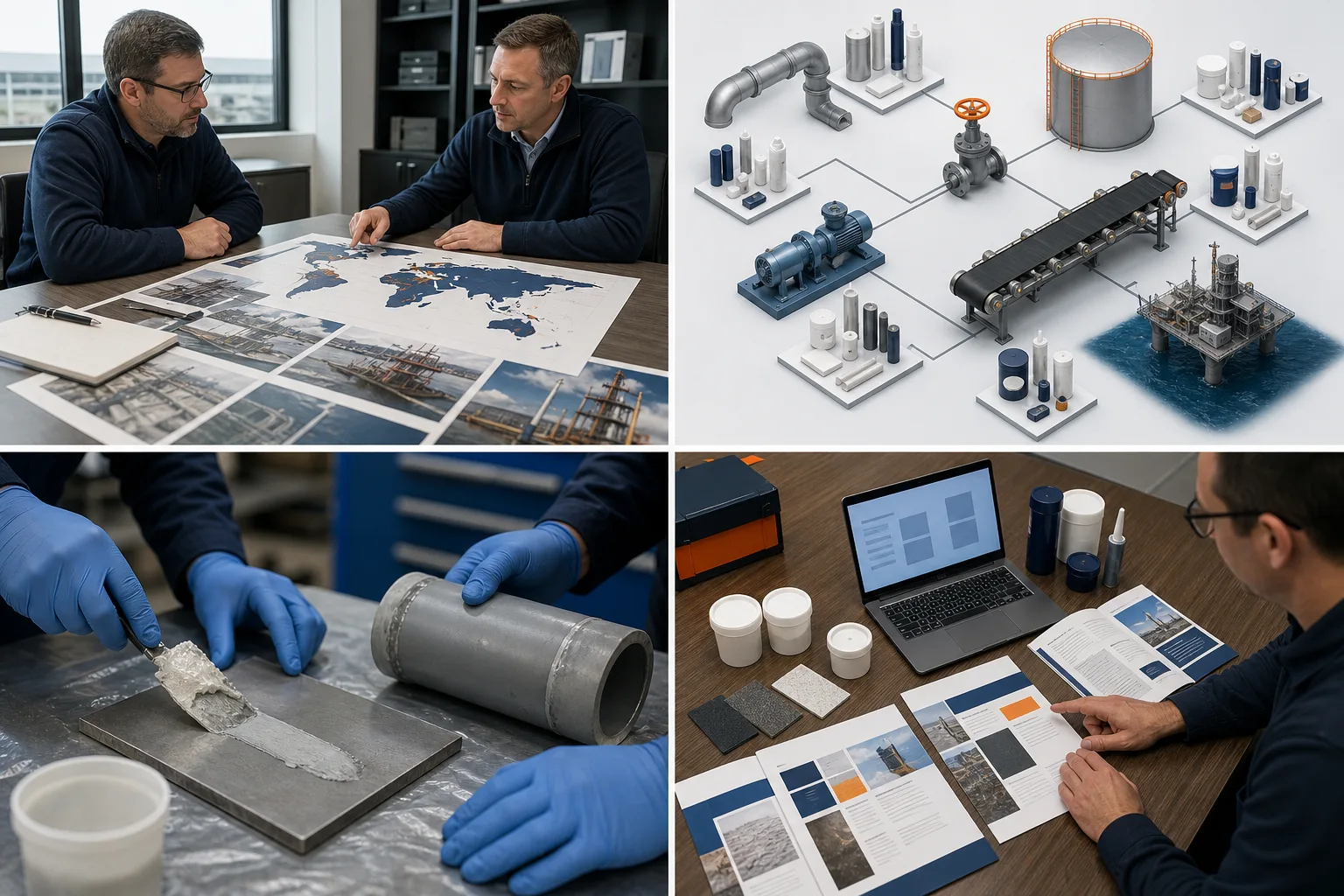
Include the target region, priority industries, customer types, repair needs, proposed categories, launch sequence, sales-material requirements, sample objectives, and evaluation boundaries.
FAQ
Frequently Asked Questions
It helps distributors and importers organize target-market priorities, industry use cases, product combinations, launch order, sales materials, sample objectives, and evaluation boundaries. It is a planning and review route, not a guarantee of market demand or commercial success.
The service is intended mainly for industrial distributors, importers, wholesalers, MRO suppliers, and regional channel partners evaluating an industrial repair materials assortment. Repair contractors and engineering buyers may also use the route to prepare project and application information.
Useful information includes the target country or region, priority industries, customer types, equipment problems, substrates, damage conditions, service environments, proposed product categories, expected purchasing needs, sales-material requirements, and sample evaluation objectives.
No. The evaluation method, scope, and acceptance criteria must be agreed before testing. A sample result under one set of conditions does not automatically confirm suitability for another site, customer, or service environment, and it does not guarantee commercial approval.
Documentation localization, packaging requirements, and customer-specific formulation requests can be reviewed when the relevant market, product, technical, and purchasing information is supplied. Technical and commercial feasibility must be confirmed before development, customization, or market commitment.