
Industrial Repair Material Testing Capabilities
Industrial repair material testing helps buyers compare how repair compounds, coatings, linings, wraps, and elastomer materials behave under defined conditions. Distributors, MRO suppliers, repair contractors, maintenance teams, engineers, and procurement buyers should assess whether the method, sample, service conditions, and acceptance criteria match the intended repair.
Testing Scope
Testing capability starts with the repair decision
Testing is most useful when it answers a defined maintenance or procurement question, such as product-range comparison, substrate-specific evidence, or technical review before shutdown work.
Evaluation Areas
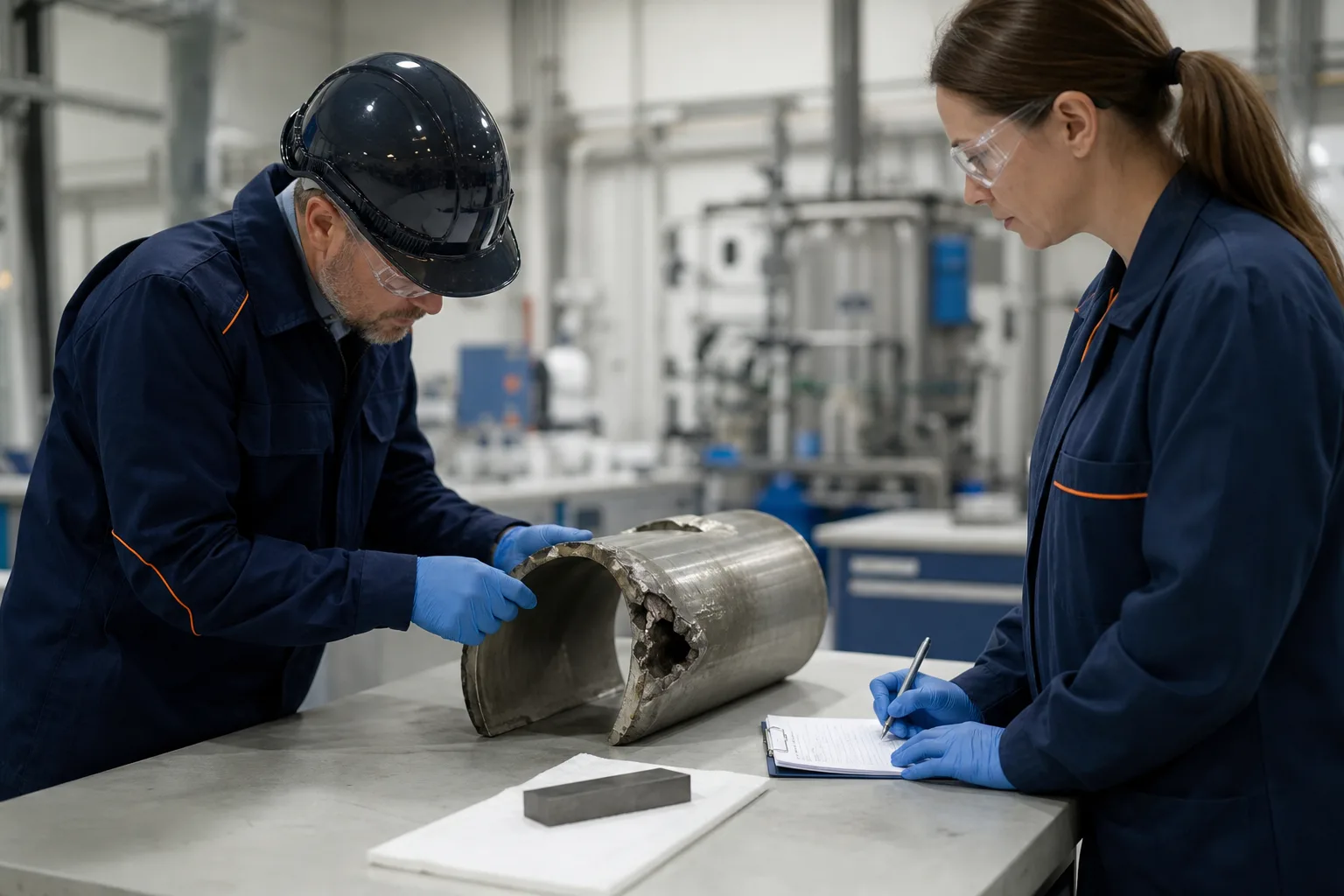
Testing areas for compounds, coatings, linings, and wraps
Exact methods, sample conditions, acceptance criteria, and document availability are confirmed for each product and request. Product-specific values are not provided here, and every method may not be available for every formulation.
Adhesion
Reviews attachment to a defined substrate after specified preparation and cure, including the recorded failure mode.
Cure and Handling
Reviews material state under defined time, temperature, humidity, mix, thickness, and cure conditions.
Temperature Exposure
Examines documented behavior after defined exposure or cycling without establishing a general operating limit.
Chemical Resistance
Compares material response to a specified chemical, concentration, temperature, duration, and exposure method.
Wear and Erosion
Evaluates defined abrasion, erosion, sliding, or impact conditions using relevant loads, media, and exposure times.
Test Definition
Conditions that define a meaningful test
A method has limited value when sample and service conditions are unclear. These inputs help technical and procurement teams determine what a result represents and whether it can support the intended decision.
Substrate and Preparation
Define steel, concrete, rubber, or composite substrates together with cleaning and surface preparation.
Damage Mechanism
Identify leaks, corrosion, abrasion, erosion, bonding failure, or dimensional loss.
Service Condition
Record temperature, chemical media, wet exposure, flow, load, and the applicable wear mode.
Sample and Cure
Record material identity, batch or lot reference, geometry, thickness, and cure condition.
Acceptance Criteria
Define the required method, buyer specification, internal benchmark, or application target.
Request Process
How testing requests are scoped
A clear request separates a useful evaluation from an unsupported performance claim. Method availability must be confirmed before work begins, and defined testing does not replace site-specific engineering assessment.
01
Define the Question
Identify the category, equipment, substrate, damage, and decision that the test must support.
02
Set the Conditions
Record preparation, thickness, cure, temperature, chemical media, wear mode, and other relevant variables.
03
Confirm Boundaries
Agree on the method, standard, criteria, sample quantity, required records, and method availability.
04
Interpret in Context
Compare results with the agreed criteria and the substrate, sample, exposure, and service conditions.
05
Prepare Procurement
Organize technical documents, safety information, traceability references, and sample-evaluation questions.
Evidence Review
How test evidence fits supplier evaluation
Testing records are one part of supplier review. Product-specific evidence, quality-management evidence, and engineering decisions about suitability for a particular asset should be assessed separately.
Document Review
Documents available for technical and procurement review
Availability depends on the product, market, evaluation stage, and buyer-supplied information. General summaries must not be treated as field-performance guarantees or substitutes for product-specific documentation.
Technical Data Sheets
Review documented product properties, application information, and stated use conditions where supplied.
Safety Data Sheets
Review applicable handling, storage, and safety information for the selected material.
Testing Records
Request a method description, report, or result summary where the evidence is available and appropriate for release.
Batch Traceability
Request applicable batch or lot documentation when traceability is relevant to the purchasing decision.
Surface Preparation
Review preparation products and guidance when surface condition is central to the evaluation.
Material Routes
Connect the test question to the material category
Testing should follow the intended repair route rather than replace product selection. Start with the relevant product category or equipment route, then narrow the request to the applicable material family.
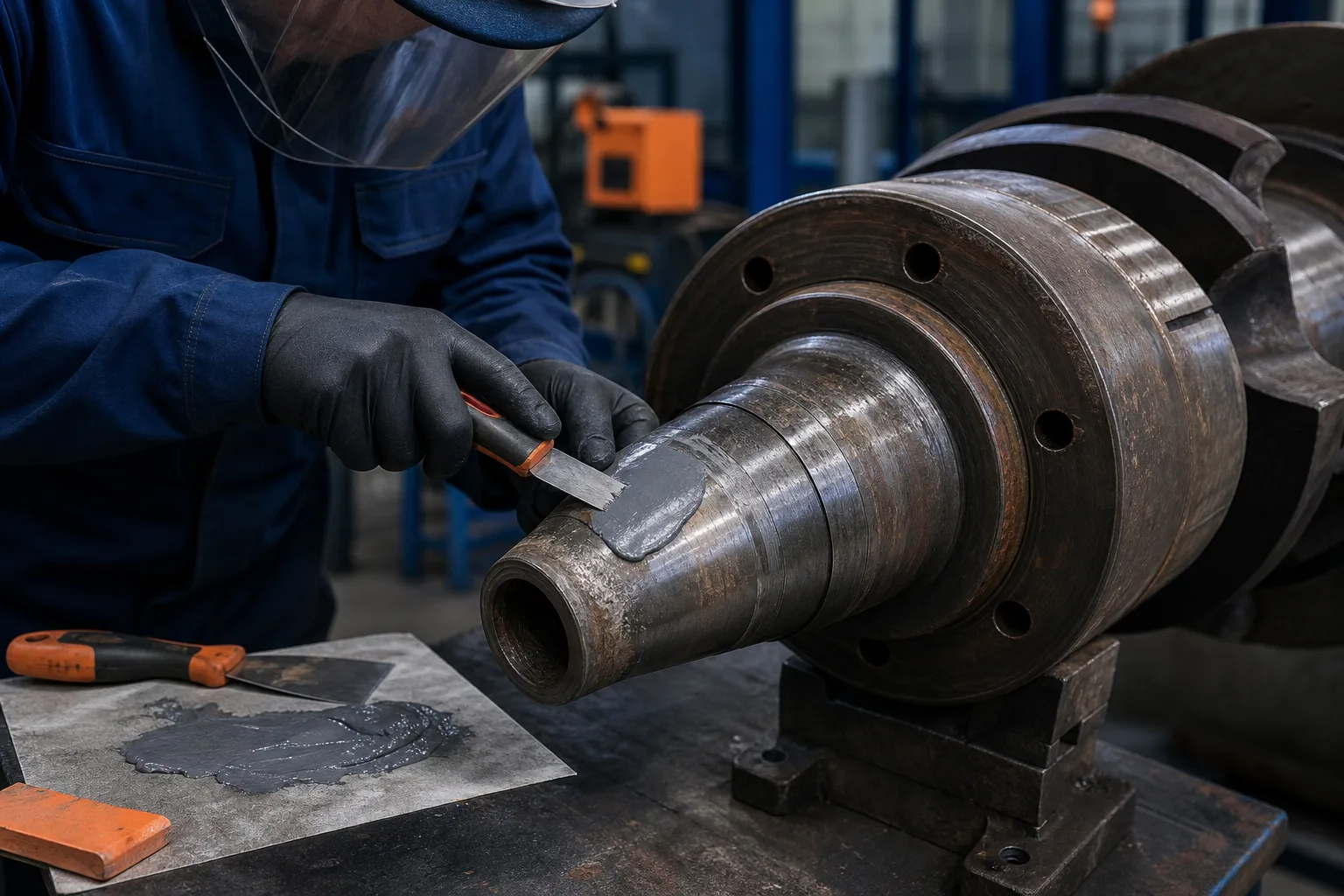
Metal Rebuilding
Define the metal substrate, repair geometry, and service load for dimensional restoration, sealing, cold repair, or bonding.
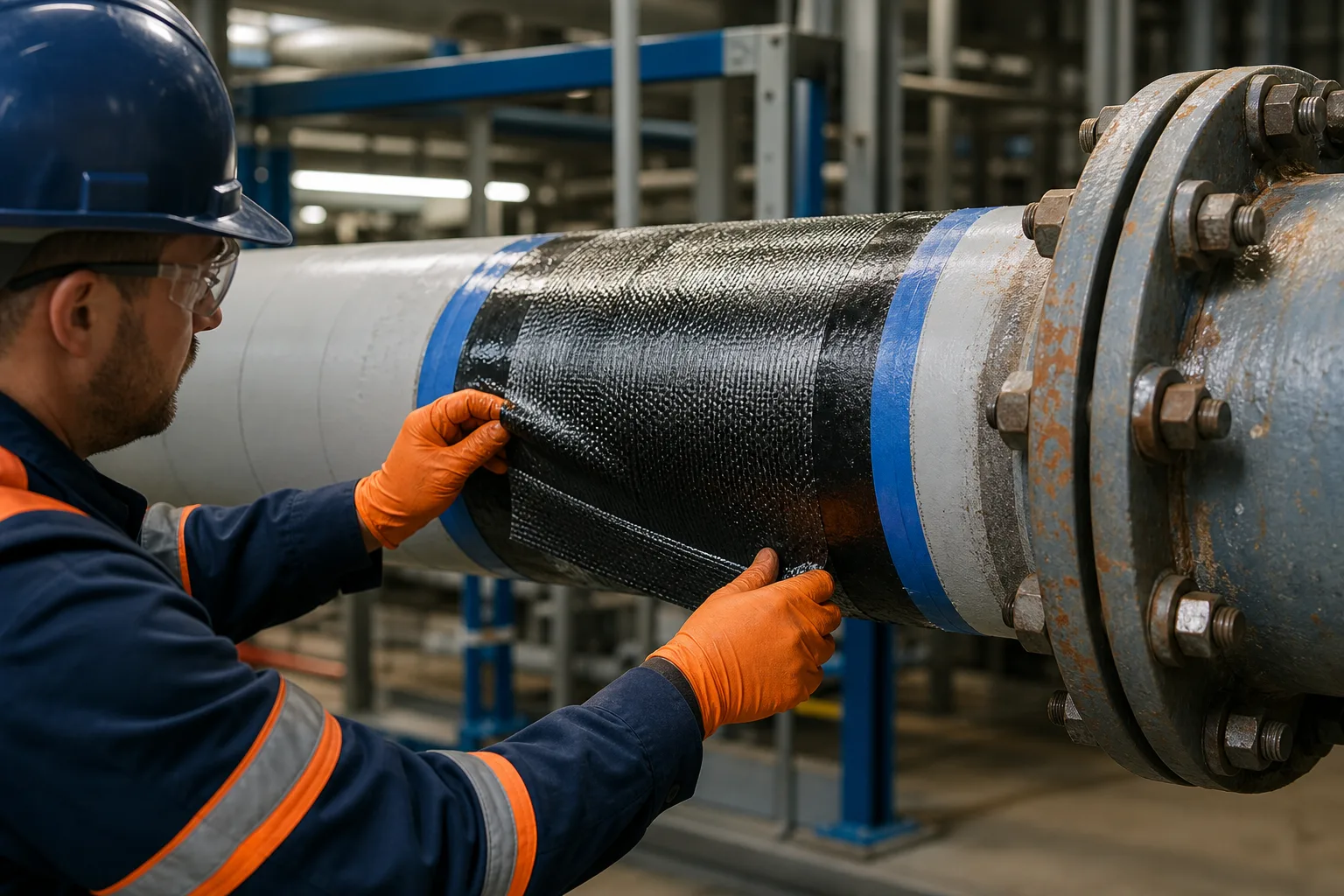
Composite Reinforcement
Define the pipe substrate, reinforcement arrangement, and service conditions for composite repair or laminating.
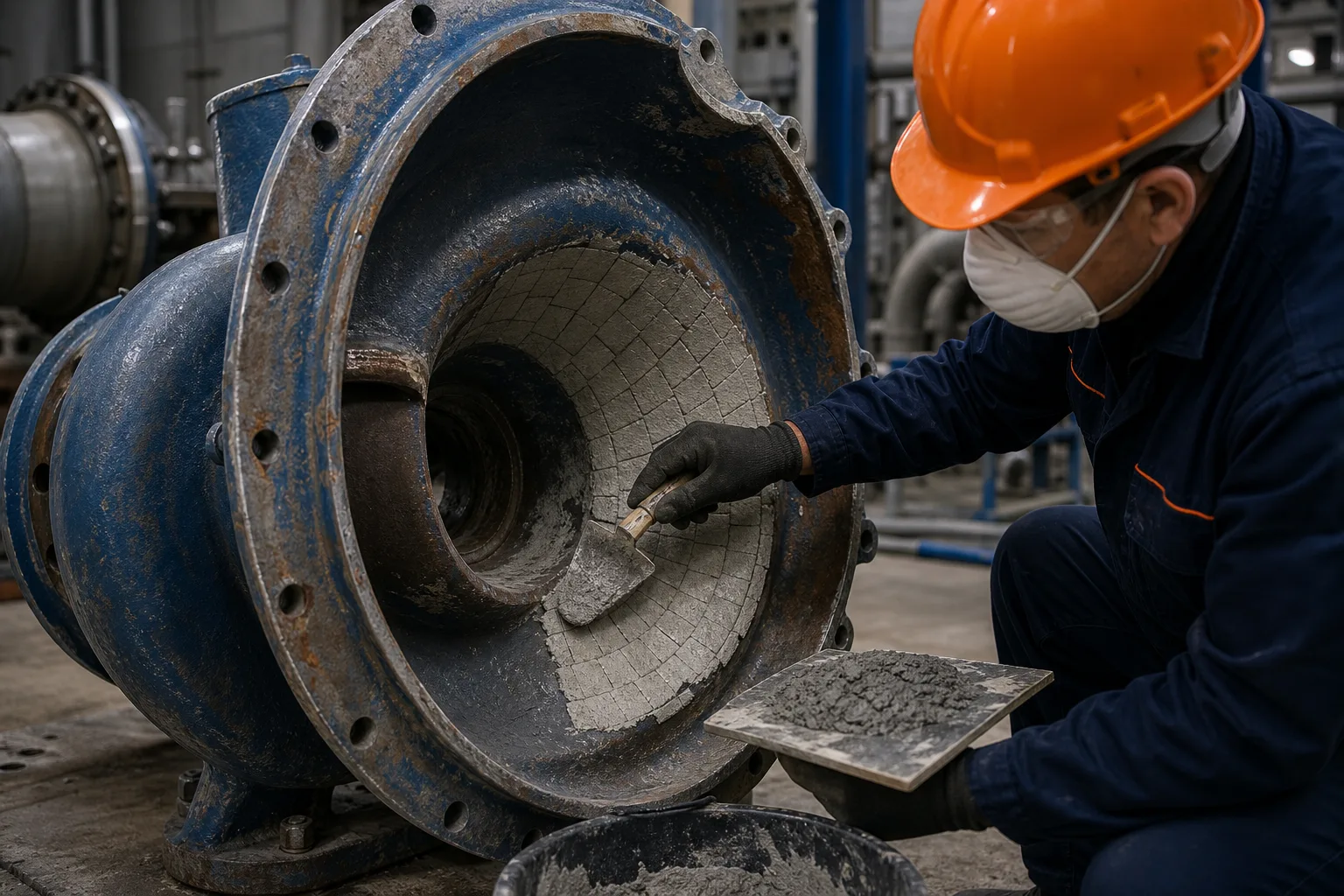
Ceramic Wear Protection
Define the wear mechanism and media for erosion, abrasion, cavitation, or heavy-duty equipment protection.
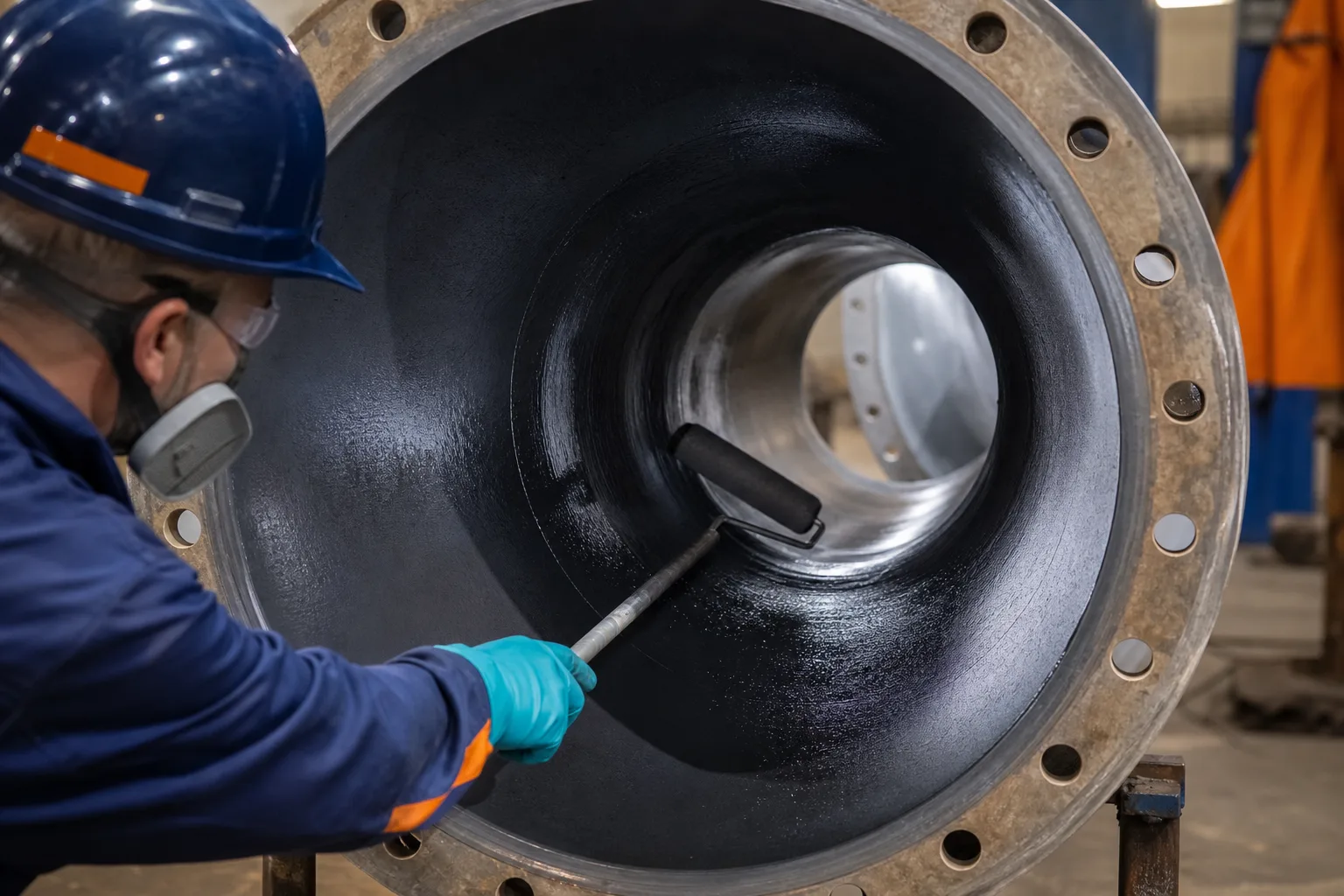
Fluid Equipment Linings
Define temperature, chemicals, substrate, and exposure for lining, coating, tank, flue, sealing, or fluid equipment work.
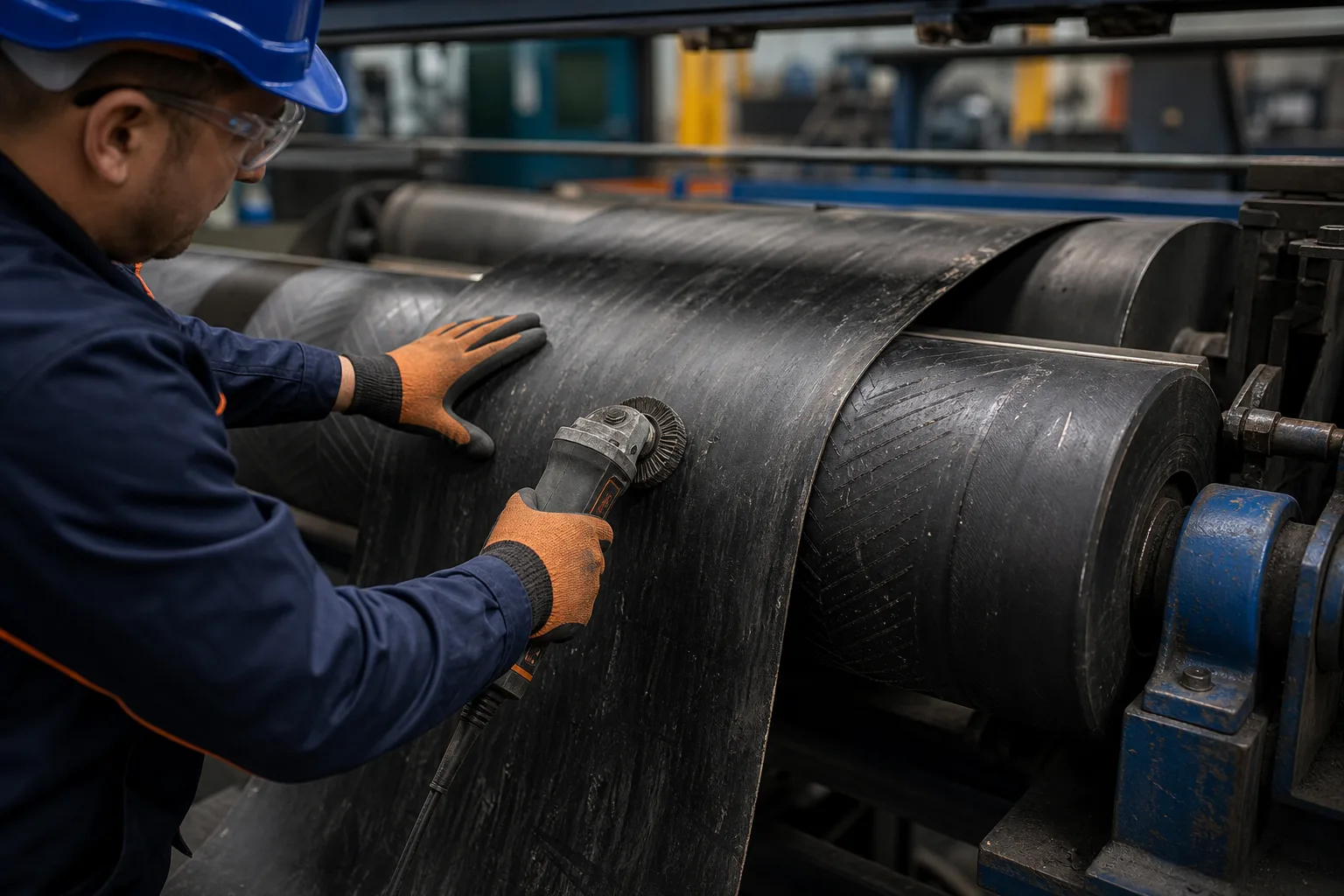
Elastomer Repair
Define the wear or bonding mechanism for belts, rubber linings, rollers, cables, tires, and other elastomer components.
Evidence Boundaries
What testing results do not establish by themselves
Results must be interpreted within the tested setup and the intended service environment. Qualification and purchasing decisions require confirmation of methods, criteria, documentation, and engineering requirements.
No Universal Suitability
One substrate, preparation route, cure condition, or exposure does not prove suitability for every repair.
No General Limits
General adhesion, cure, temperature, chemical, or wear results do not establish product operating limits.
No Product Certification
ISO 9001 and IATF 16949 certify management systems, not individual product performance.
Scope Requires Confirmation
Methods, criteria, responsible testing routes, and report availability must be confirmed before qualification.
Engineering Review Required
Safety-critical, pressure-containing, or regulated equipment also requires site, engineering, regulatory, and product review.
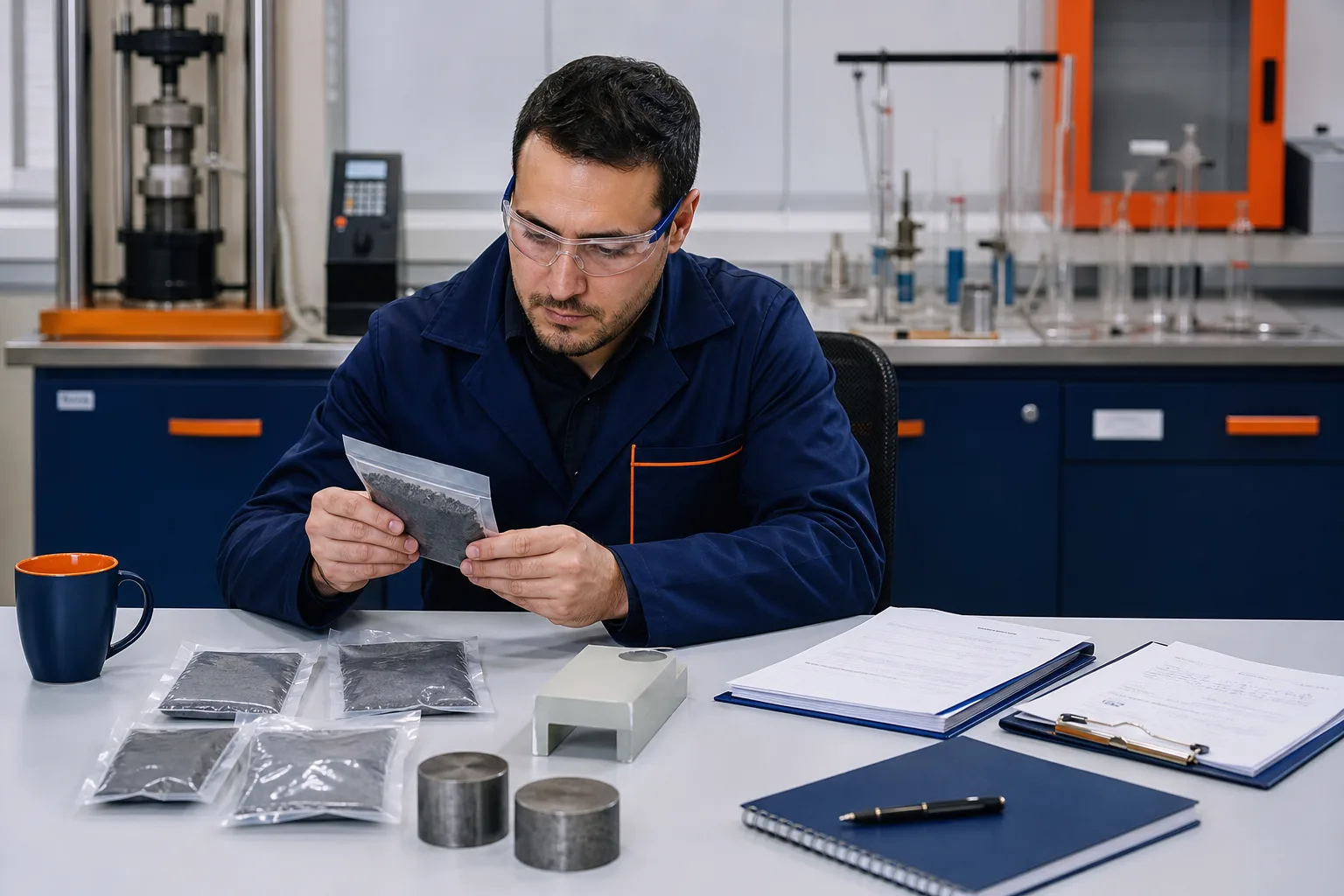
Technical Request
Request the documents that match your evaluation
Provide the material category, substrate, damage mode, service conditions, target method or standard, and intended use. Test scope, report availability, suitability, and custom formulation review are confirmed after technical and commercial evaluation.
FAQ
Frequently Asked Questions
Depending on the product and agreed scope, evaluation may cover adhesion, cure behavior, temperature exposure, chemical contact, abrasion, erosion, or related wear conditions. The method and test conditions are defined for each request.
No. Results are tied to the tested substrate, surface preparation, cure condition, exposure, sample design, and acceptance criteria. Product selection must also consider the actual equipment, damage mechanism, and service environment.
Provide the product or material category, substrate, damage type, service temperature, chemical media, wear mode, preparation condition, requested method or standard, acceptance criteria, and intended project or purchasing use.
No. ISO 9001 and IATF 16949 are quality-management system certifications. They support management and process-control evidence but do not certify the performance, safety, or suitability of an individual repair material.
Customer-specific testing and formulation requirements can be reviewed according to the application, specification, expected volume, and target market. Technical and commercial feasibility, the test scope, and any available documentation must be confirmed before development or evaluation begins.