
Industrial Repair Product Portfolio Management
Industrial repair product portfolio management organizes repair materials around equipment, substrate, damage type, service condition, and purchasing needs. It gives distributors, importers, wholesalers, and MRO suppliers a practical route from a broad repair inquiry to a focused product set. ZDSChem structures its offering around seven primary product series, connecting product selection with technical documents, sample evaluation, initial stocking, and repeat-supply planning.
Capability Scope
What This Capability Covers
Portfolio management gives commercial and technical buyers a shared structure for evaluating industrial repair materials, building an initial assortment, maintaining documents, and planning replenishment.
Map common equipment problems to the
relevant ZDSChem repair series.
Separate product selection from supporting
surface preparation materials.
Organize technical, safety, packaging
labeling, and market documents.
Connect sample evaluation with initial
stocking and repeat purchasing discussions.
Prepare a clearer information set for
quotation, qualification, or distribution review.
Product Portfolio
Seven Primary Series for Industrial Repair
Each series has a defined role in the industrial repair taxonomy. Distributor product sets can combine several series for different equipment and failure conditions. Buyers can also compare products by equipment or service condition.

ZDS-MetalRebuild
Materials for metal rebuilding, cold repair, dimensional restoration, leak sealing, and structural bonding.

ZDS-CompositeWrap
Composite pipe reinforcement, FRP repair, and structural laminating systems for pipe and composite repair work.
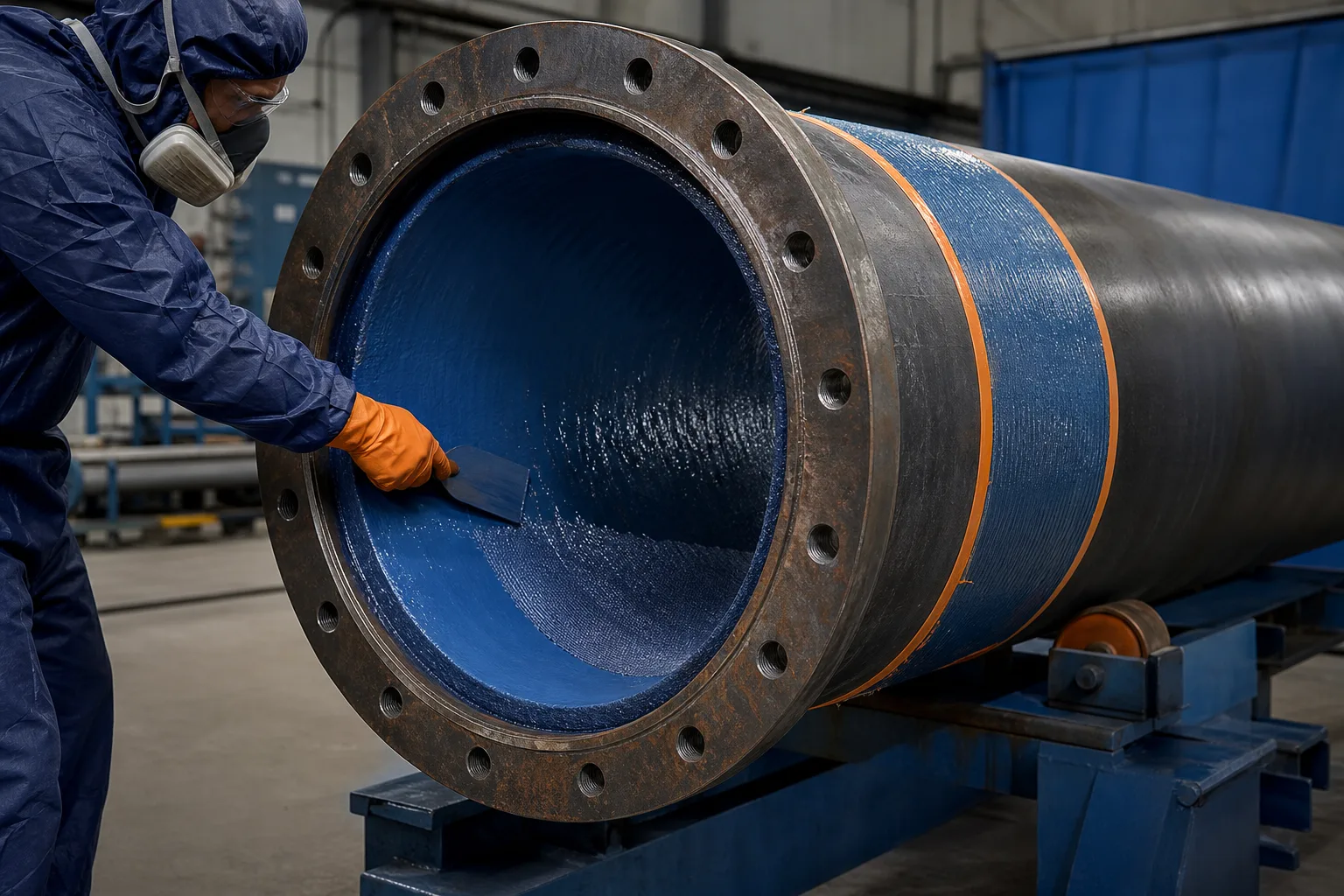
ZDS-CeramicArmor
Ceramic-filled materials for wear, erosion, cavitation, and heavy-duty equipment protection.

ZDS-AquaShield
Underwater-curing, wet-surface, marine, and emergency repair materials for difficult access and wet environments.

ZDS-FluidGlide
High-temperature repair, chemical-resistant lining, tank and flue protection, sealing, and fluid-equipment coating systems.

ZDS-PolyAspartic
UV-resistant, weather-stable, and outdoor protective topcoat systems for exposed assets and surfaces.
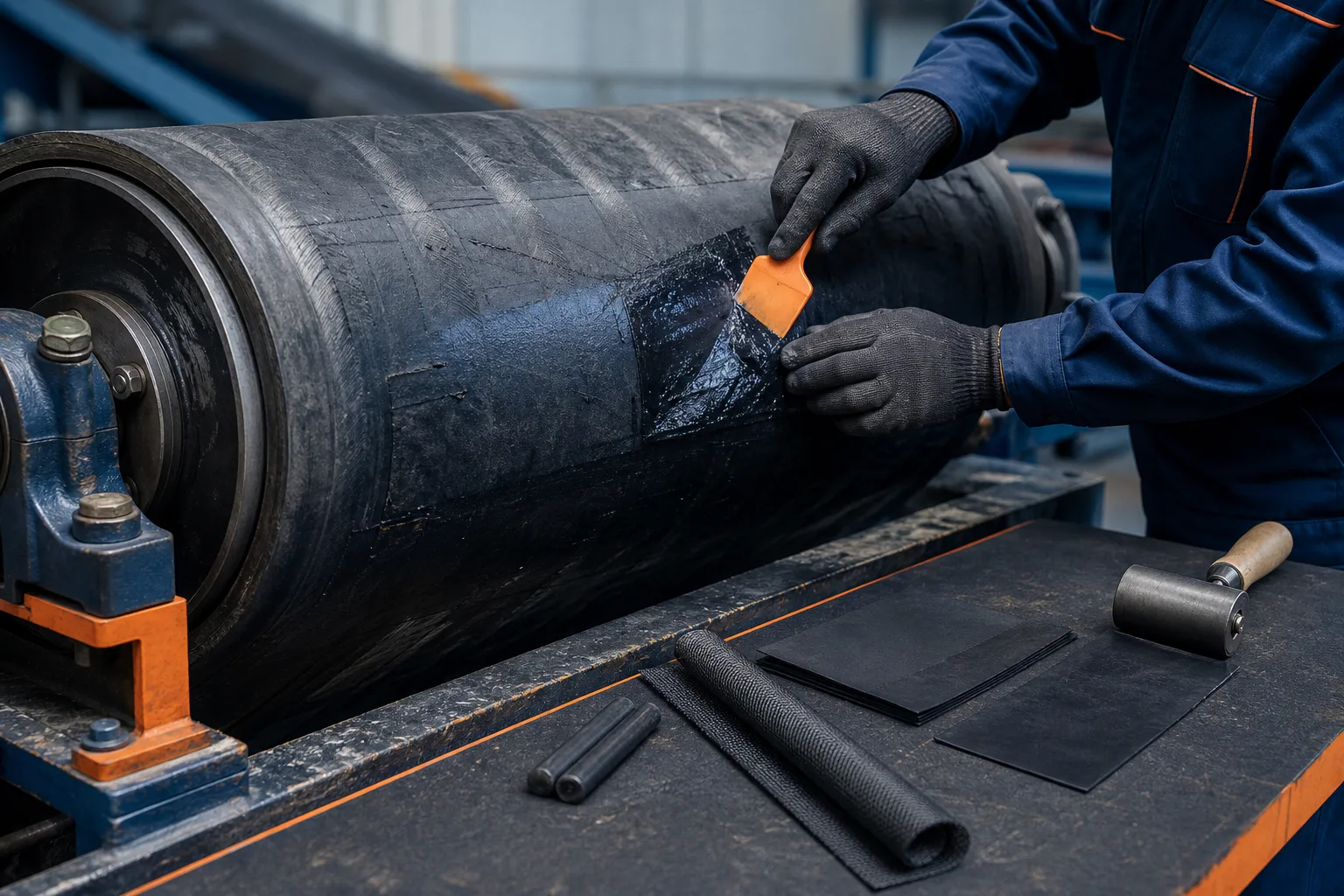
ZDS-RubberElast
Repair materials for conveyor belts, rubber linings, rollers, cables, tires, and other elastomer components.
Selection Framework
Classification Logic for Distributor Product Sets
A useful product set starts with the repair decision rather than the product name. Equipment, substrate, damage, and service conditions help narrow inquiries for repair materials and supporting preparation products.
Equipment
Identify whether a pipe, pump, valve, tank, conveyor, or another component failed to define the application and product route.
Substrate
Determine whether the surface is metal, composite, ceramic, rubber, or an existing coating to assess preparation and material categories.
Damage
Define corrosion, leakage, abrasion, erosion, cavitation, wear, or dimensional loss to clarify the repair objective.
Service Condition
Confirm exposure to water, immersion, heat, chemicals, weather, or outdoor conditions requiring closer limitation review.
Assortment Planning
How to Build a Practical Distributor Product Set
A distributor assortment should reflect the repair jobs customers bring to the counter or service team. A narrow, clearly explained set can be easier to document, promote, sample, and replenish than an unstructured collection.
01
Identify Recurring Problems
Record the equipment, substrates, damage modes, and service conditions most common in the target market.
02
Assign Each Series
Separate metal, composite, wear, wet repair, fluid-equipment, outdoor topcoat, and elastomer requirements.
03
Add Supporting Resources
Include surface preparation products and documents for sales teams, contractors, engineers, and procurement buyers.
04
Define the Evaluation Route
Select representative samples and agree on the information required before an initial stocking decision.
05
Plan Replenishment
Use demand patterns, pack requirements, order cycles, destinations, and project activity to guide repeat purchasing.
Portfolio Information
Portfolio Data and Document Management
Sales and procurement teams need consistent product identities, current technical references, and a clear distinction between product information and application guidance. The exact document set depends on the product, market, and intended use.
Product Identity
Maintain the series name, product reference, intended repair category, and application route.
Technical Information
Manage current technical data sheets, application guidance, preparation requirements, and stated limitations where available.
Safety Information
Confirm applicable safety data sheets and handling information for the relevant market.
Commercial Information
Organize pack formats, labels, cartons, instructions, market presentation, and documentation language requirements.
Quality Information
Maintain available quality or batch records and current supporting evidence required for supplier evaluation.
Purchasing Process
From Initial Assortment to Repeat Supply
A portfolio decision becomes commercially useful when selection connects to a repeatable purchasing process. This sequence does not assume a fixed minimum order, lead time, availability, or delivery commitment.
1. Submit the Market Profile
Provide target industries, common equipment, regional requirements, estimated demand, and requested repair categories.
2. Review the Product Set
Compare relevant series, preparation materials, documents, pack requirements, and sample priorities.
3. Evaluate Samples
Record the substrate, damage, service environment, preparation method, application observations, and acceptance criteria.
4. Plan Initial Stocking
Confirm selected products, quantities, documentation, labels, shipping destination, and commercial terms.
5. Set Replenishment Signals
Track repeat demand, project orders, safety-stock preferences, seasonal use, and regional product-mix changes.
Supplier Evaluation
Evidence for Supplier and Channel Evaluation
The portfolio is supported by ZDS's chemical manufacturing, formulation, R&D, technical, and quality-management background. These company facts do not replace product-specific technical documents or application assessment.
Required Information
Information That Still Needs Confirmation
A portfolio structure does not confirm suitability, availability, or commercial terms for a project. Final selection follows product documentation and actual repair conditions. Customer-specific routes require technical and commercial review.
Target market, territory, customer
industries, and expected product demand.
Equipment type, substrate, damage mode
access conditions, and service environment.
Required technical, safety, quality
packaging, labeling, and language documents.
Estimated order volume, order cycle
shipping destination, and preferred pack format.
Evaluation method, acceptance criteria
and customer or regulatory requirements.
Product availability, minimum order
quantities, lead times, regional arrangements, and customized formulation or packaging requests require separate confirmation.
ZDS can determine whether a suitable
product or formulation route is feasible after the relevant information is supplied.

Distribution Inquiry
Plan a Portfolio Review
Submit the target market, customer applications, preferred product categories, document requirements, and expected purchasing pattern. This information provides a basis for discussing a practical assortment and the next evaluation step.
FAQ
Frequently Asked Questions
It is the process of organizing repair materials by equipment, substrate, damage type, service condition, documentation needs, and purchasing requirements. For a distributor, the goal is to create a practical product set that can be evaluated, stocked, explained, and replenished.
ZDSChem uses seven primary series covering metal rebuilding, composite pipe reinforcement, wear protection, underwater and wet-surface repair, fluid-equipment protection, outdoor protective topcoats, and rubber or elastomer repair. Surface Preparation Products support these categories but are not a primary series.
Yes. Customer-specific product assortments can be discussed after the target market, applications, expected volume, documentation needs, and purchasing requirements are supplied. Technical and commercial feasibility must be confirmed before a product set or customized route is finalized.
The relevant document set may include technical data sheets, safety data sheets, application guides, preparation instructions, packaging and labeling information, and available quality records. Current availability, language, and market applicability should be confirmed for each product. ISO 9001 and IATF 16949 describe ZDS quality-management systems and do not certify individual products.
Sample evaluation records help connect a selected product to a specific application and acceptance criterion. After evaluation, the buyer and supplier can discuss initial quantities, order cycles, pack requirements, shipping information, and repeat-supply needs. Lead times, minimum order quantities, and availability require separate confirmation.