
Surface Preparation Products for Industrial Repair
Surface preparation products are supporting materials used to clean, condition, and prepare a substrate before an industrial repair compound, coating, lining, or composite system is applied. This category serves distributors, MRO suppliers, repair contractors, and maintenance teams matching a cleaner, primer, or conditioner to the substrate and repair route. Start with the actual surface condition, including contamination, roughness, moisture, existing coating, and service environment. ZDSChem places Surface Preparation Products alongside seven industrial repair series. It is a supporting category, not an eighth primary series. Use the industrial repair product categories to identify the repair route first, then determine which preparation materials and documents are needed.
Supporting Materials
What Belongs in This Category
Preparation products help create a more suitable starting condition for the selected repair system. They do not replace removal of weak substrate, correction of active mechanical problems, or confirmation that the repair method fits the equipment. Selection should follow the substrate, contamination, required surface profile, moisture condition, and repair-material instructions.
Cleaning Agents
Select according to contamination, substrate, safety requirements, and the next application step. Oil, grease, salts, dust, rust residue, old coatings, and other contaminants can affect repair-system evaluation.
Primers
A primer may form part of a specified interface between a prepared substrate and a repair compound, lining, or coating. Use it only when documentation identifies a compatible primer and sequence.
Conditioners
Conditioners support preparation for particular substrate states or repair routes. Their use depends on the material, surface condition, and selected system requirements.
Application Support
Supporting materials help organize preparation and application around a repair job. Confirm required materials, quantity, handling method, and documentation before purchase or field use.
Repair Routes
Match Preparation to the Repair Material Route
Cleaner and primer selection becomes clearer after the repair category is identified. These routes show where Surface Preparation Products can support evaluation of the ZDSChem portfolio.
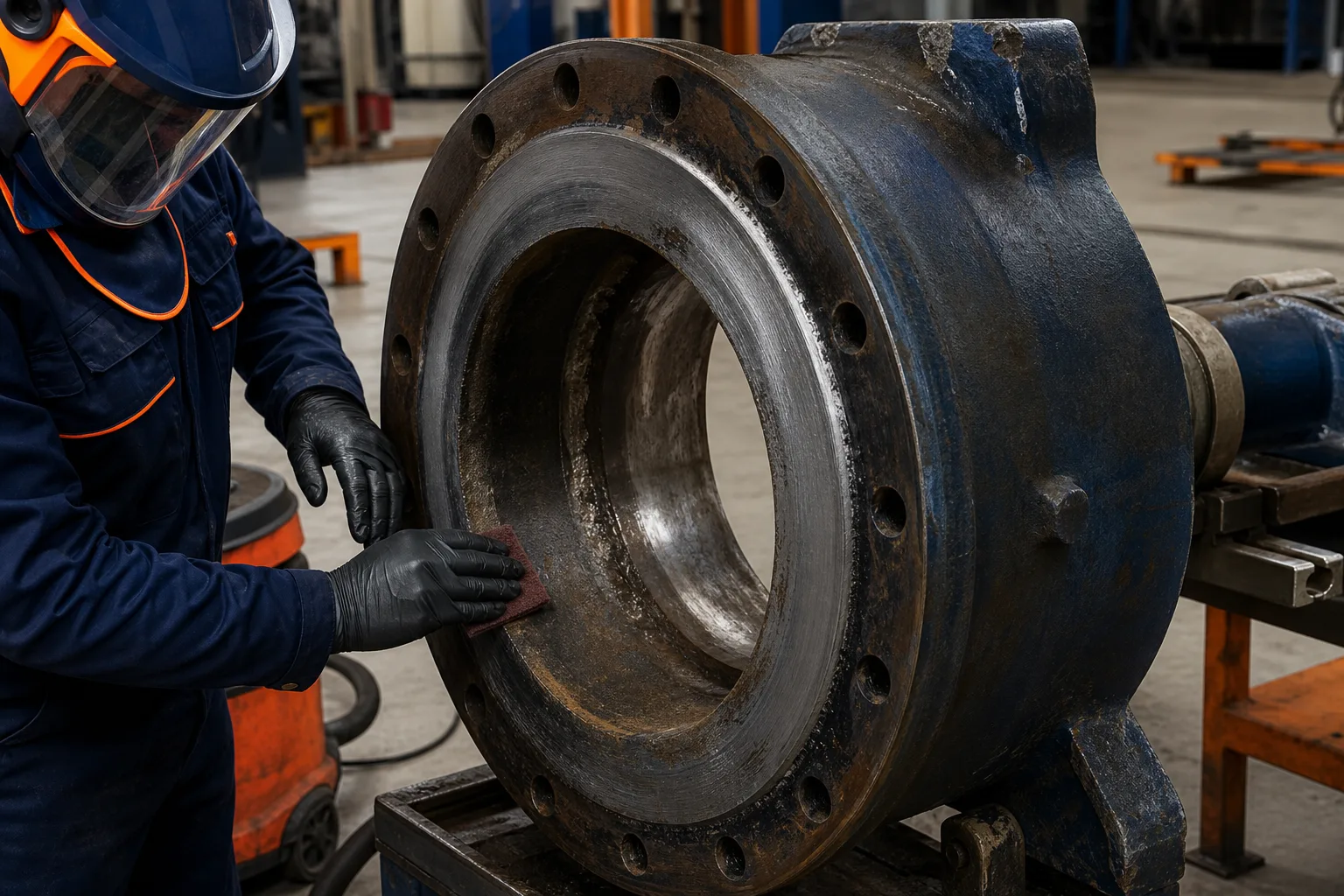
ZDS-MetalRebuild
For metal rebuilding, cold repair, dimensional restoration, leak sealing, and structural bonding, review substrate condition, contamination, loose material, and required profile.
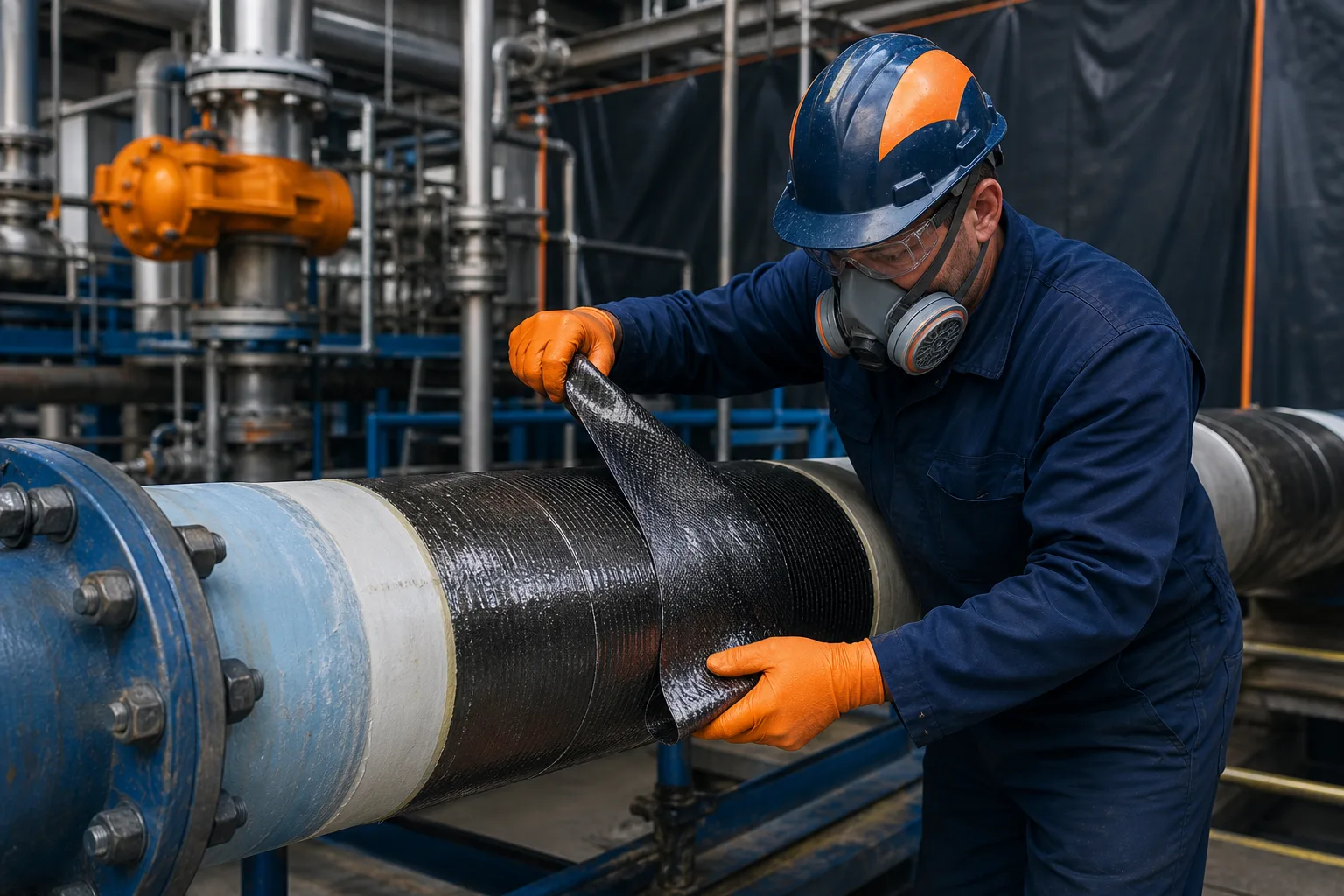
ZDS-CompositeWrap
For composite pipe reinforcement, FRP repair, and structural laminating, assess the bond area, existing coating, moisture, substrate integrity, and reinforcement sequence.
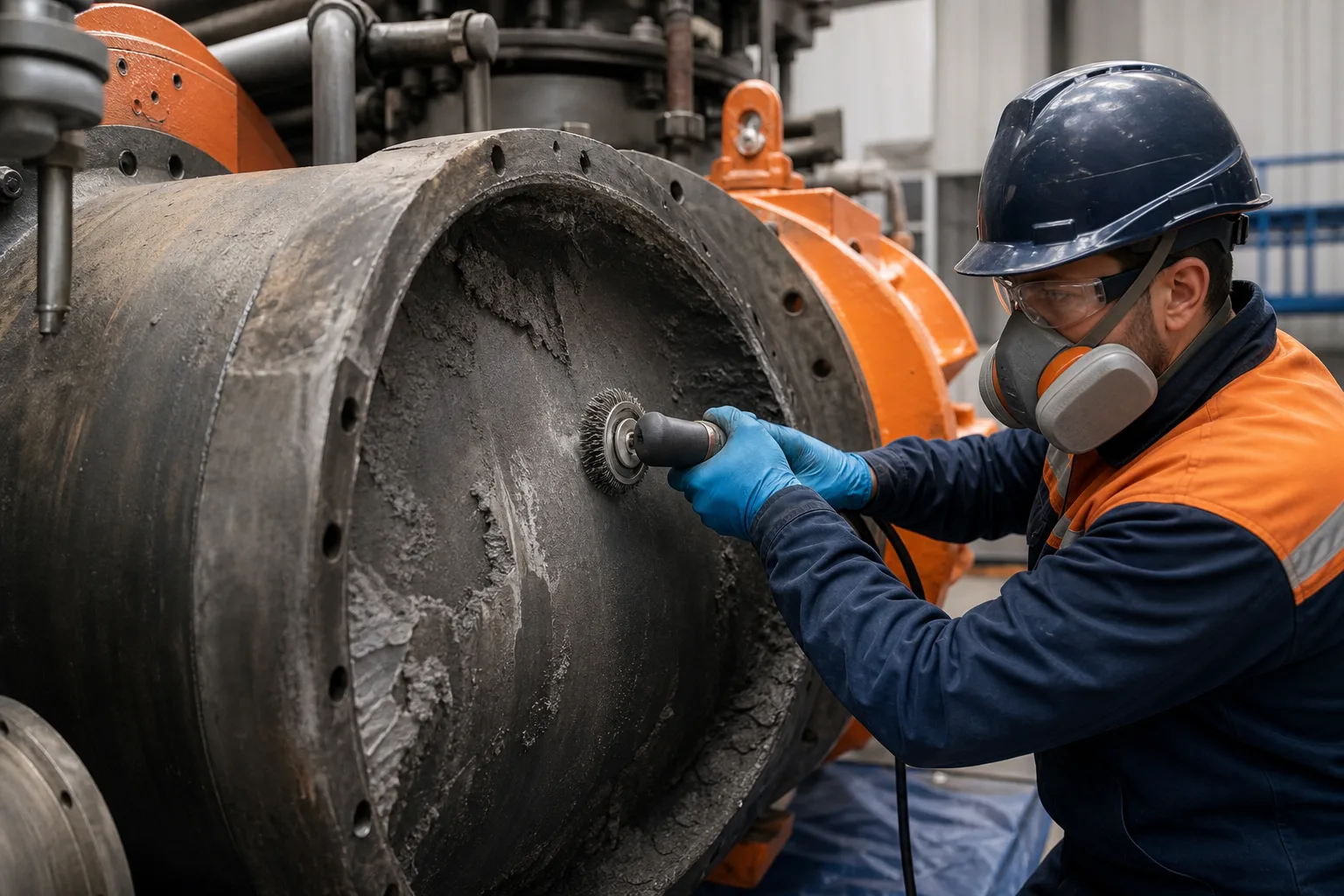
ZDS-CeramicArmor
For wear, erosion, cavitation, and heavy-duty equipment protection, address loose particles, contamination, surface profile, and the service-exposed area.
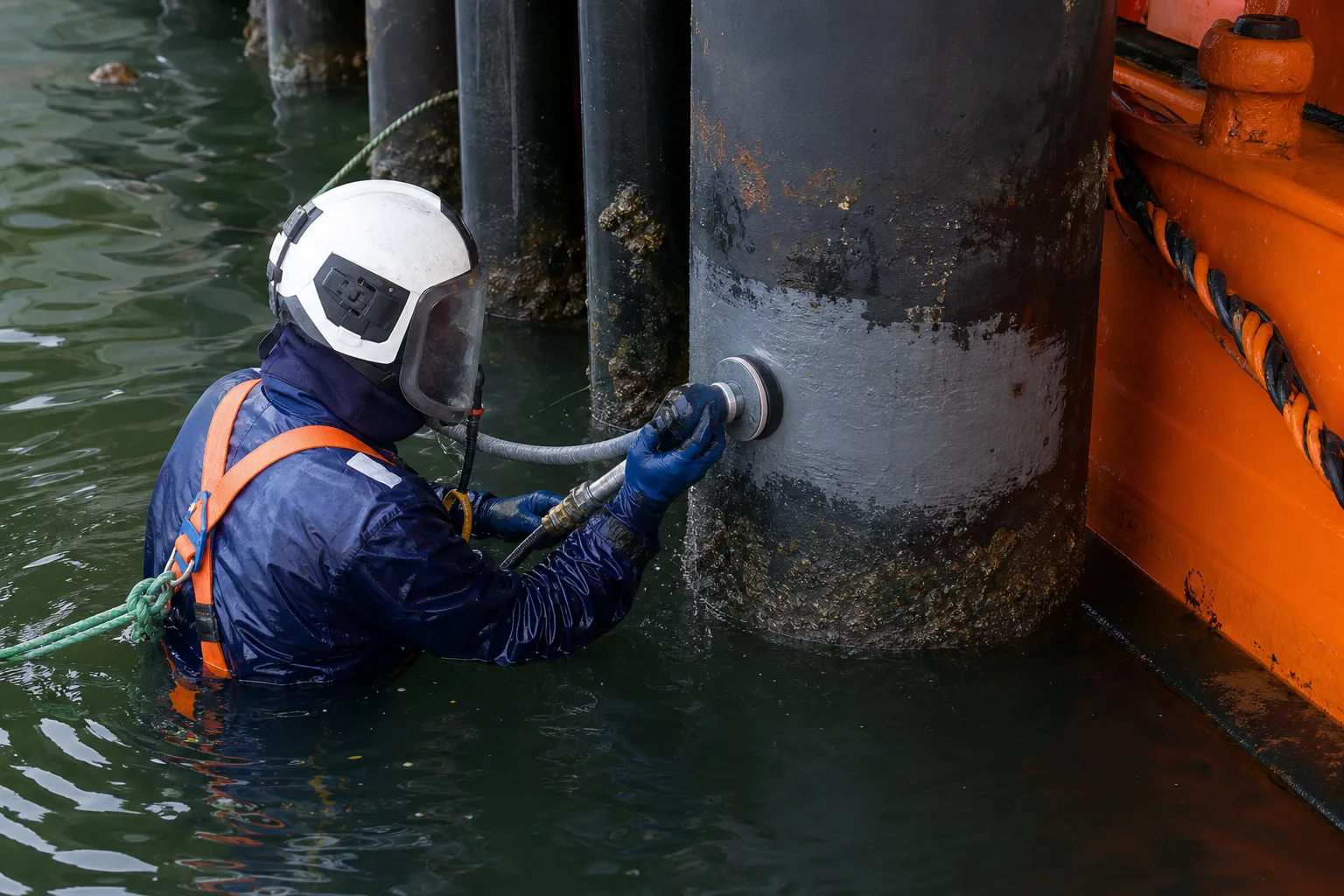
ZDS-AquaShield
For underwater-curing, wet-surface, marine, and emergency repair, do not assume a dry-substrate preparation route is suitable. Review the surface state and environment.
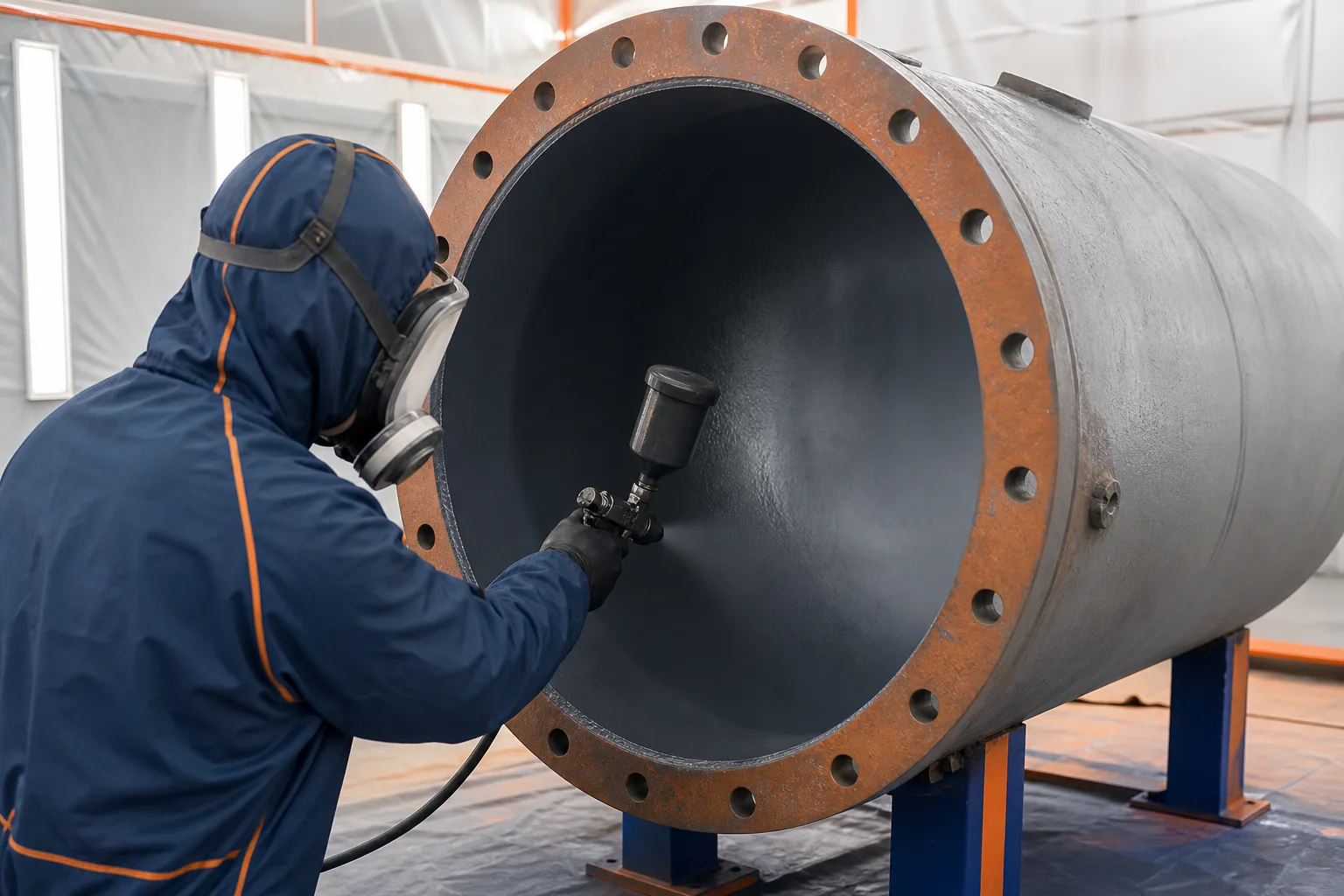
ZDS-FluidGlide
For high-temperature repair, chemical-resistant lining, tank lining, flue protection, sealing, and fluid-equipment coatings, consider preparation with service exposure and coating sequence.
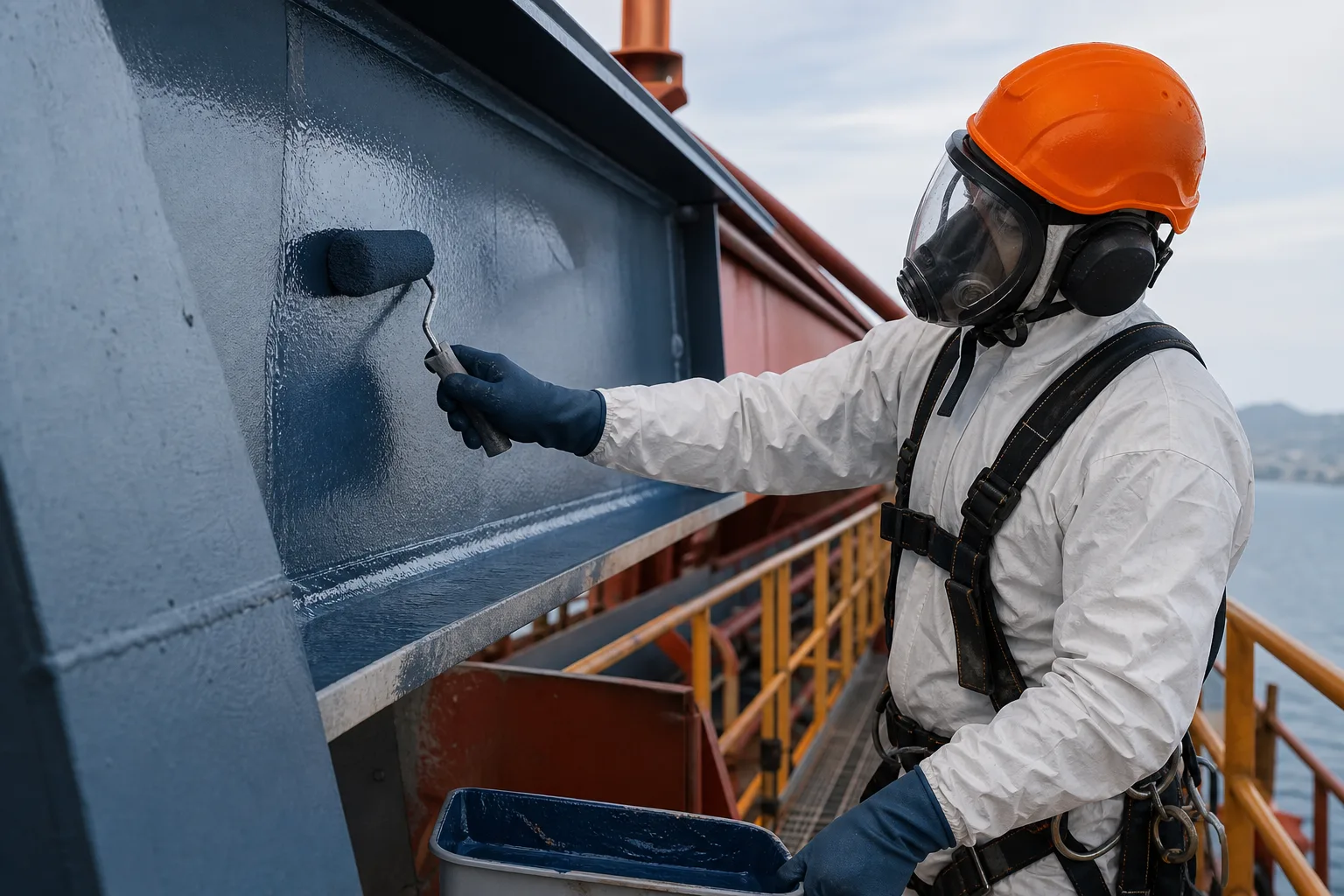
ZDS-PolyAspartic
For UV-resistant, weather-stable, and outdoor protective topcoat systems, evaluate cleanliness, existing layers, profile, moisture, and the planned coating sequence.
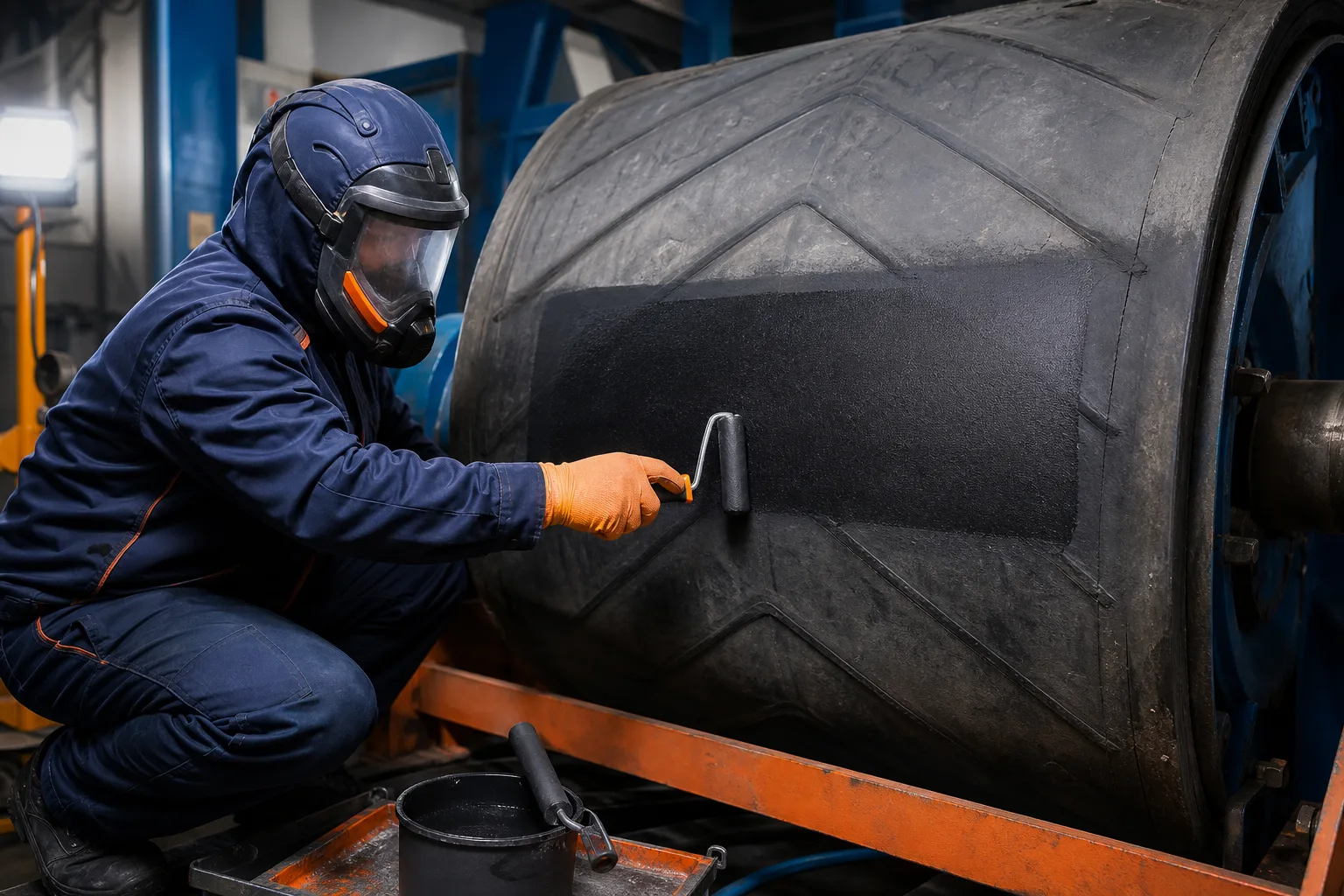
ZDS-RubberElast
For conveyor belts, rubber linings, rollers, cables, tires, and other elastomers, use a route designed for the substrate and selected repair material.
Selection Criteria
Selecting a Primer or Cleaner for Repair Epoxy
For repair epoxy applications, a cleaner or primer is not selected from the word epoxy alone. The preparation route depends on the substrate, damage, bond-area condition, service environment, and technical instructions for the specific repair material.
01
Confirm the substrate and its integrity
Identify whether the area is metal, concrete, rubber, composite, or another material. Record weakened sections, cracks, delamination, loose scale, and previous repair layers.
02
Identify contamination, including oil
grease, salts, dust, rust residue, moisture, chemicals, biological growth, and old-coating remnants. The cleaner must fit both contamination and substrate.
03
Define the required surface profile
A surface that is too smooth may not provide the intended mechanical key, while a loose or excessive profile can interfere with coverage and application.
04
Record moisture and temperature
State whether the substrate is dry, damp, wet, or underwater, and record site temperature and expected service condition.
05
Check the application sequence
Confirm whether a cleaner, primer, or conditioner is required, how it is applied, and how it fits repair-material timing. Do not substitute without compatibility confirmation.
Field Planning
A Practical Preparation Sequence
A consistent preparation record helps technical buyers, contractors, and maintenance teams compare repair options. This sequence is a planning framework; selected product documentation and site procedures control the final method.
01
Inspect and document the area
Photograph the equipment, identify the substrate, describe the damage, and note access, isolation, pressure, moisture, and service conditions.
02
Remove contamination and weak material
Clean using a method appropriate for the substrate and contamination, then remove loose rust, scale, old coating, or damaged material as required.
03
Prepare the surface profile using the
method appropriate for the substrate and selected repair system. Remove residual dust and confirm that the bond area is ready.
04
Apply supporting materials where specified
Use the compatible cleaner, primer, or conditioner according to current technical information and keep the sequence controlled.
05
Apply the selected repair system
Follow instructions for mixing, placement, cure, overcoating, and safe handling. Exact timing and limits are product-specific.
06
Record the job for repeat work, including
preparation method, site conditions, selected materials, batch information, and application observations.
07
For application-specific sequence
planning, review application guides and request relevant technical data sheets before final selection.
Application Review
Preparation Questions by Application
Different repair situations place different demands on surface preparation. Use these questions to prepare a shortlist, then compare the selected material against its current documentation.
Pump and Valve Repair
Is the metal sound, clean, profiled, and free from loose material around the repair area?
Pipe Leak Repair
What is the pipe substrate, leak condition, moisture state, and required preparation area?
Composite Pipe Reinforcement
Can the reinforcement area be prepared consistently around the pipe, including coating and moisture checks?
Wear and Erosion Protection
Has loose material and contamination been removed from the area exposed to abrasion, erosion, or cavitation?
Tank and Vessel Lining
What existing lining, residue, moisture, and service exposure must be addressed before lining work?
Chemical Exposure
Which chemicals, concentration ranges, operating conditions, and surface layers must be considered?
High-Temperature Equipment
What are the surface condition, shutdown state, temperature profile, and planned return-to-service conditions?
Wet or Underwater Repair
Can preparation and application be completed in the actual wet, submerged, or marine environment?
Evaluation Documents
Documents and Information for Evaluation
Before ordering preparation materials, distributors, MRO suppliers, and repair contractors should request documents defining use, handling, and compatibility. The technical document center can help organize product-selection information.
Technical data sheets
check intended substrate, preparation sequence, application conditions, and stated limitations using current product information.
Safety data sheets
review handling, storage, personal protective equipment, ventilation, spill response, and disposal requirements.
Application guidance
compare preparation steps with equipment condition and the proposed repair method.
Purchasing information
confirm pack format, quantity planning, labeling requirements, target market, and documents required for procurement or import review.
For repeat purchasing, the sample-to-bulk
workflow provides a structure for moving from initial evaluation to a potential stocking discussion. Commercial terms, availability, and suitability remain subject to product and project review.
Company Background
Technical Background for B2B Evaluation
ZDSChem is supported by ZDS's chemical manufacturing, formulation, and technical-support background. ZDS company background dates to 1998. A dedicated 30-person R&D team supports product development, product improvement, application adaptation, and customer-specific requirement review. Technical experts with over 30 years of experience contribute to formulation and application support.
Before Application
Limits to Confirm Before Application
Review these limitations with the selected repair material documentation and site procedures before application.
A clean-looking surface does not by itself
confirm compatibility. Documentation should identify whether a cleaner, primer, or conditioner is required.
Active leaks, pressure, movement, weakened
substrate, unsafe access, or an unsuitable repair method may require engineering controls or another intervention before materials are applied.
Exact product chemistry, cure times
working times, temperature limits, chemical resistance, and application windows are product-specific. Verify them against current technical documentation.
Safety data sheets and site procedures
govern handling, ventilation, personal protective equipment, storage, and disposal.
Evaluation Support
Request a Sample for Evaluation
Request a sample for evaluation as part of the product-selection process.
FAQ
Frequently Asked Questions
They are supporting materials used to clean, condition, or prepare a substrate before applying a repair compound, coating, lining, or composite reinforcement system. The required material depends on the substrate, contamination, moisture condition, surface profile, and selected repair route.
No. A primer is not required for every repair epoxy application. Its use depends on the substrate, surface condition, repair material, and current product instructions. Confirm compatibility and the application sequence in the relevant technical data before use.
Start by identifying the contaminant and substrate, then consider the next application step, site safety requirements, moisture, and the required surface condition. A cleaner should not be selected solely because it is used with epoxy or another repair material.
Some repair routes are designed for wet-surface or underwater situations, but a dry-surface preparation product should not be assumed suitable in those conditions. The actual environment, substrate state, and selected repair system require specific confirmation.
Provide the substrate, damage type, contamination, surface profile, moisture state, operating temperature, chemical or environmental exposure, repair method, expected quantity, and target market. Photos and existing technical documents can also help define the evaluation route.
No. ISO 9001 and IATF 16949 are quality-management system certifications. They do not automatically certify the performance, safety, chemical resistance, or suitability of an individual cleaner, primer, conditioner, coating, or repair compound.