
Rapid Repair Materials for Industrial Downtime
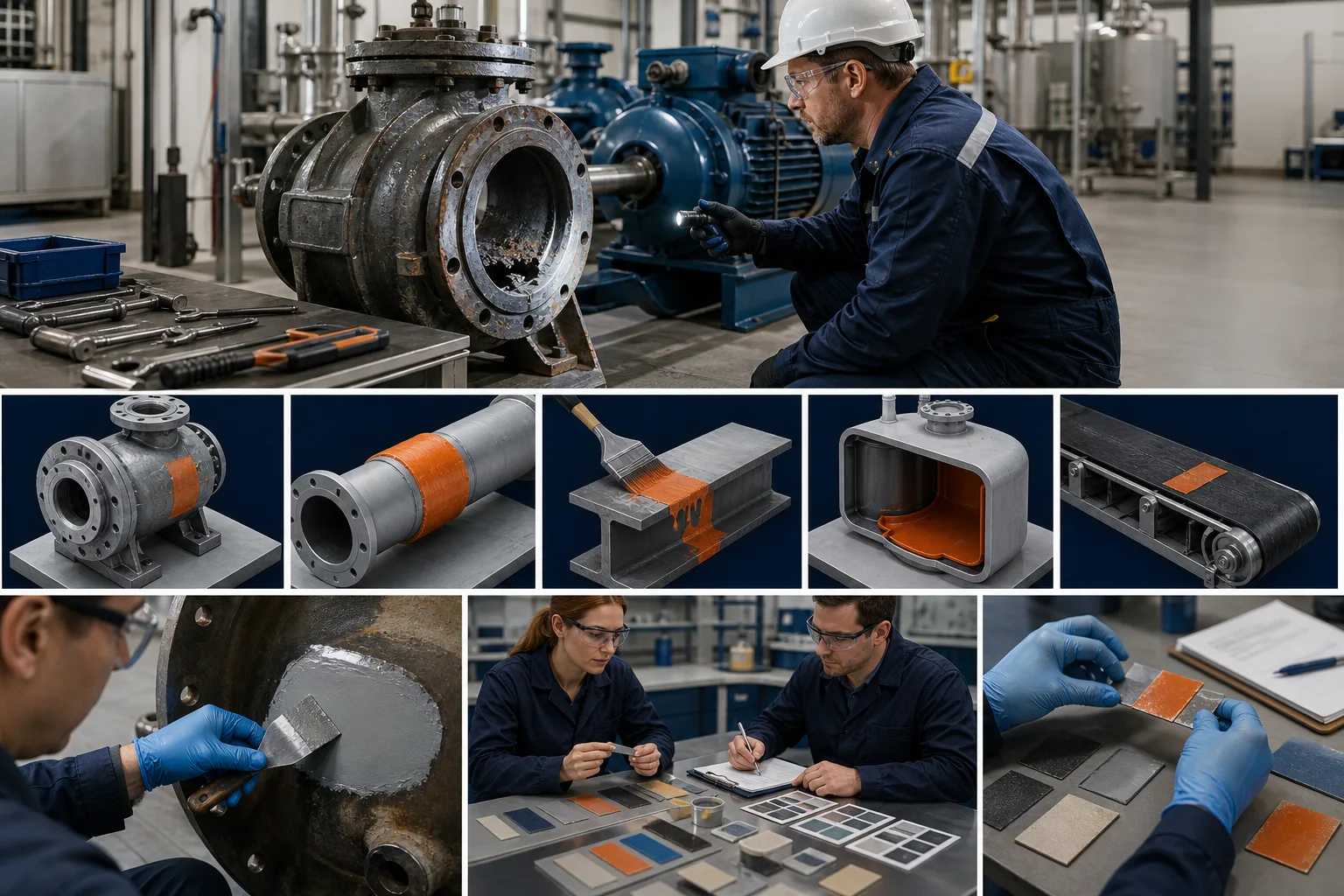
Rapid repair materials are compounds and reinforcement systems selected to reduce the time between damage assessment, application, and equipment return to service. They can support planned shutdown work, urgent maintenance, temporary containment, or longer-term repair, depending on the equipment, substrate, damage, preparation standard, and operating conditions. This category supports maintenance teams, repair contractors, MRO suppliers, and procurement buyers evaluating emergency industrial repair compounds or systems for metal, pipe, rubber, wet-surface, and fluid-handling applications. Exact working time, cure schedule, and return-to-service conditions require confirmation against current product documentation.
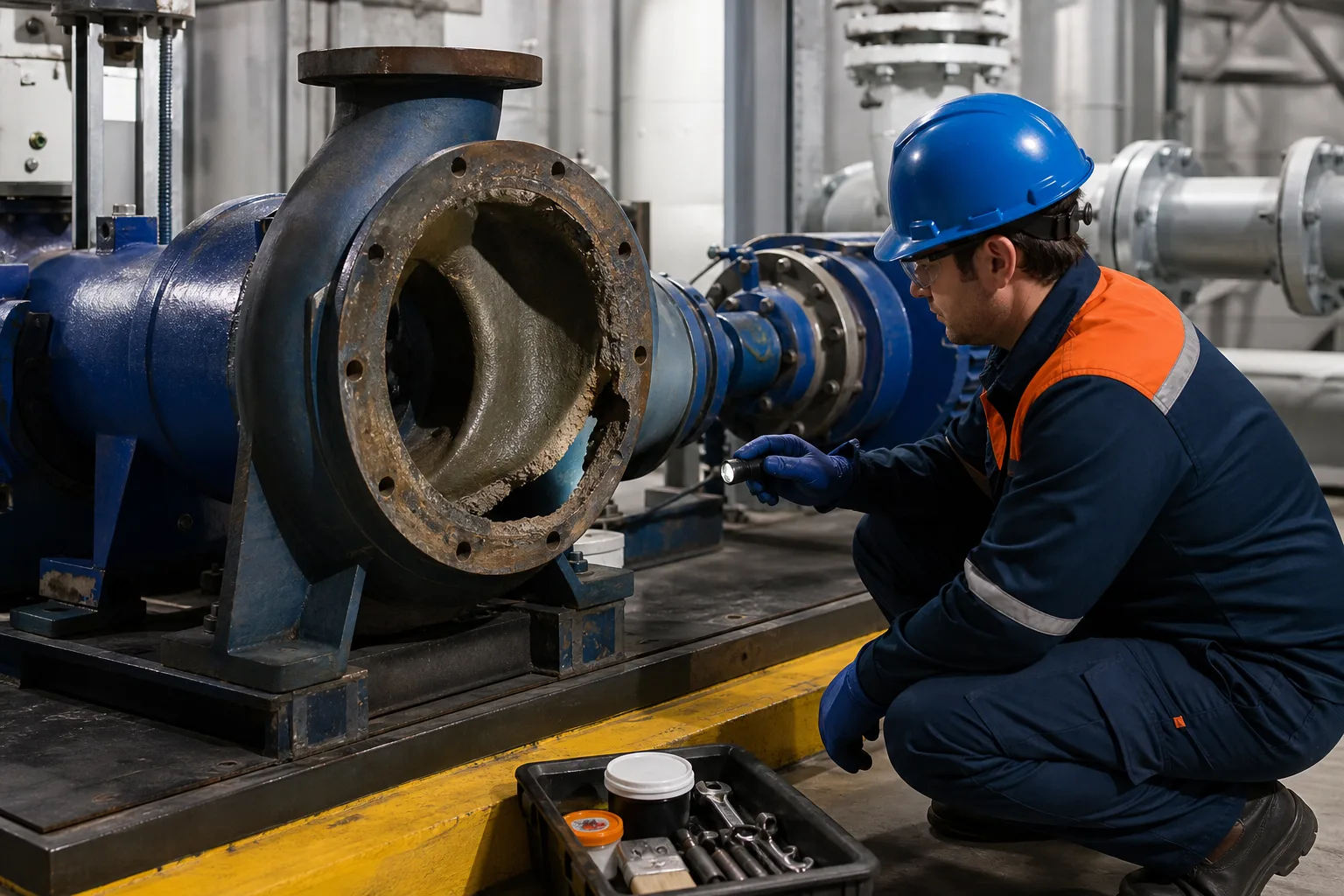
Downtime Scenario
Rapid Repairs Begin with the Downtime Scenario
A short cure schedule alone does not define a suitable repair. Determine whether the task involves emergency containment, restoration during a limited shutdown, or a repair expected to remain in service under mechanical, thermal, or chemical exposure. Handling strength may be reached before loading, immersion, pressure, or chemical contact is permitted.
Unexpected Equipment Failure
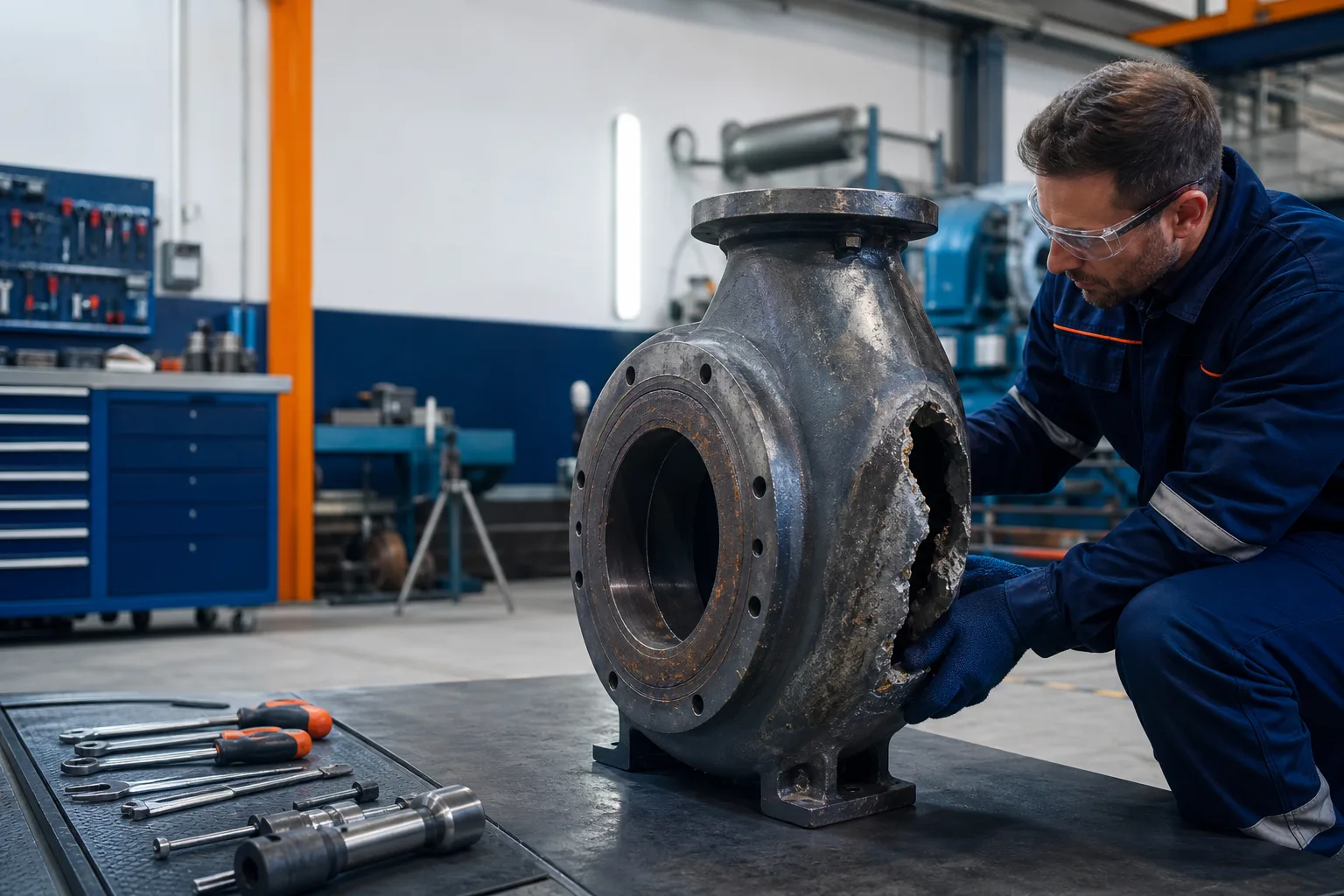
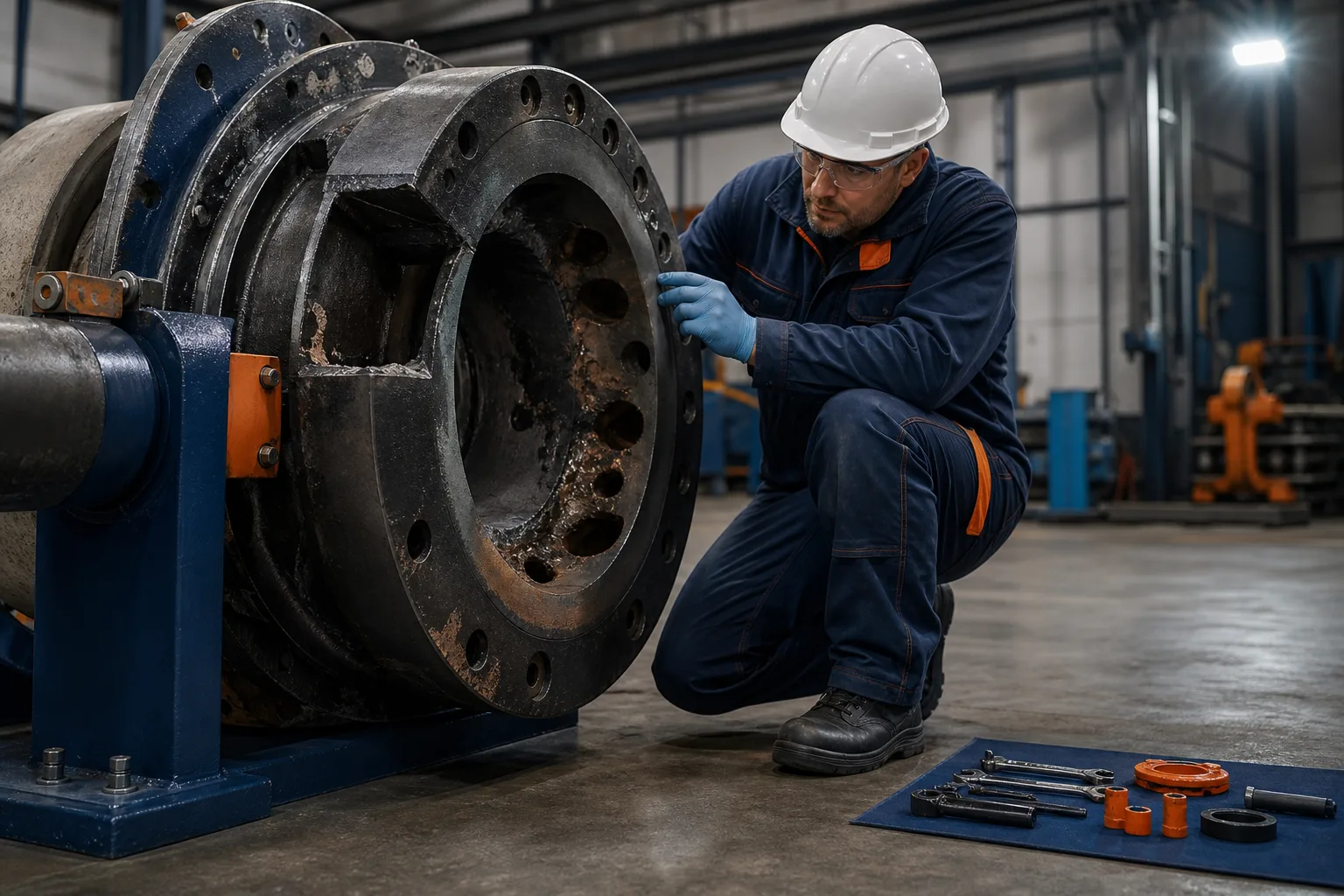
Cracked housings, worn metal surfaces, damaged flanges, and localized leaks can interrupt production. Consider substrate, load, vibration, access, and safe isolation.
Short Planned Shutdowns
Compare the maintenance window with surface preparation, application, cure conditions, inspection, and restart requirements rather than cure time alone.
Wet or Difficult Areas
Marine structures, water-treatment equipment, and active wet environments can restrict drying and preparation. Establish wet-surface or underwater suitability first.
Selection Information
Information Needed to Select a Rapid Repair Material
A practical shortlist is built around the equipment and service conditions, not around a general claim of fast curing. Supply the following information when requesting a technical recommendation or sample. The ZDSChem selection approach organizes repair options by equipment, substrate, damage, and service condition.
Equipment
pipe, pump, valve, flange, tank, housing, conveyor, roller, or other component.
Substrate
carbon steel, stainless steel, cast metal, concrete, composite, rubber, or another identified surface.
Damage: leakage, cracking, corrosion loss
erosion, abrasion, deformation, delamination, or rubber tearing.
Repair objective
sealing, rebuilding, reinforcement, bonding, lining, or elastomer restoration.
Available time
preparation window, application window, cure period, and required restart time.
Service exposure
temperature, pressure, chemicals, immersion, vibration, weather, and mechanical loading.
Site constraints
access, surface moisture, ventilation, isolation status, and available application tools.
Product Categories
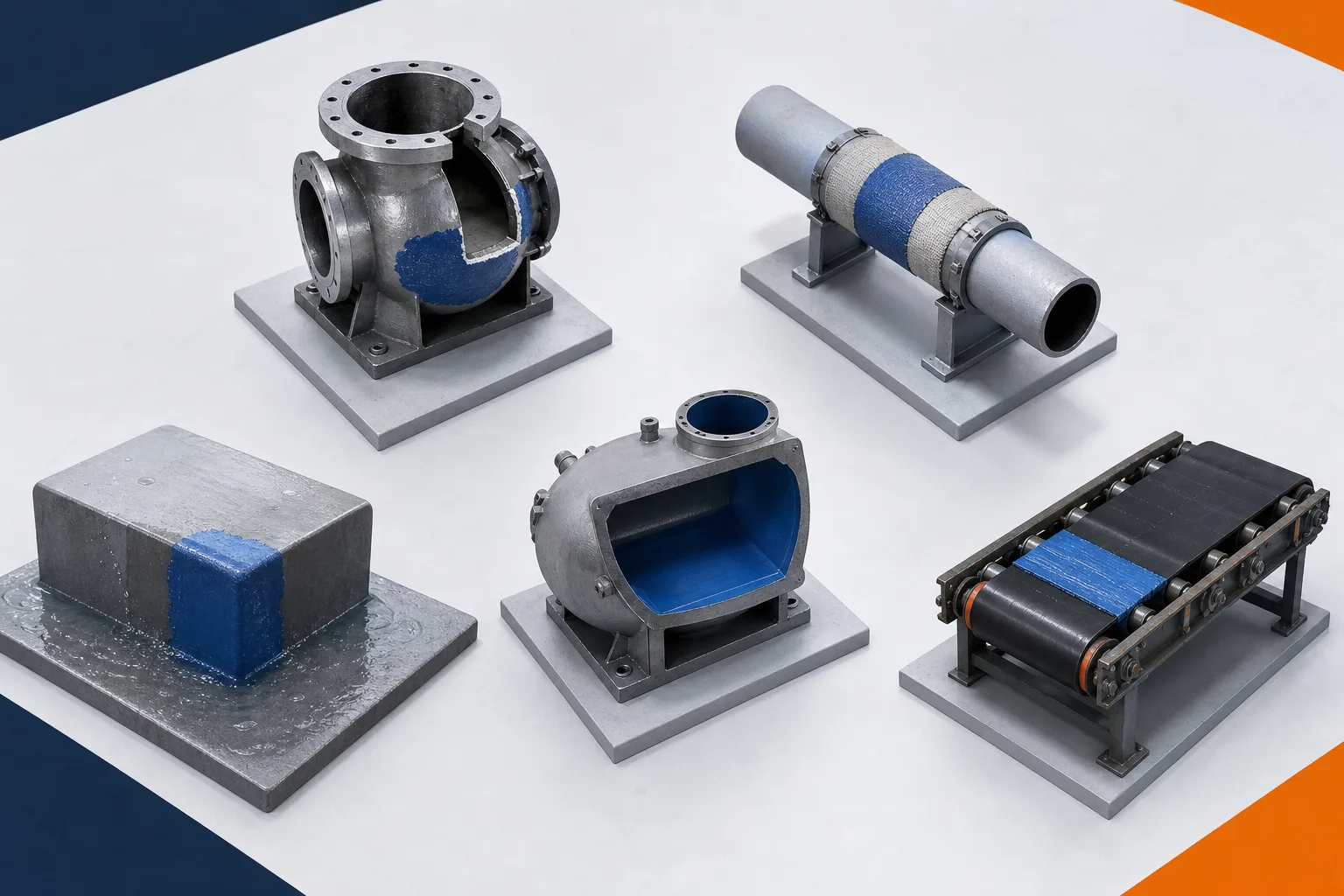
Product Categories for Time-Critical Industrial Repairs
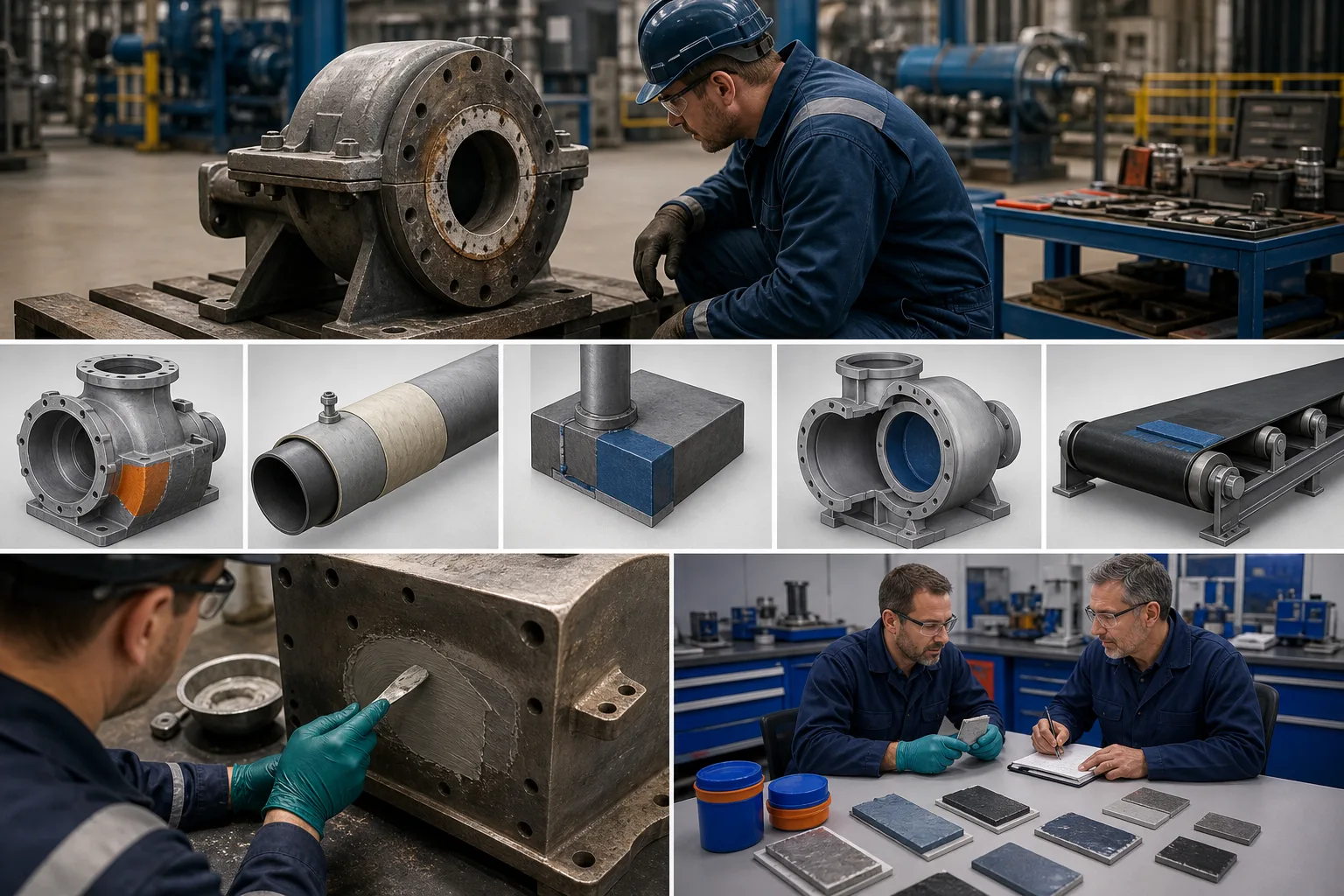
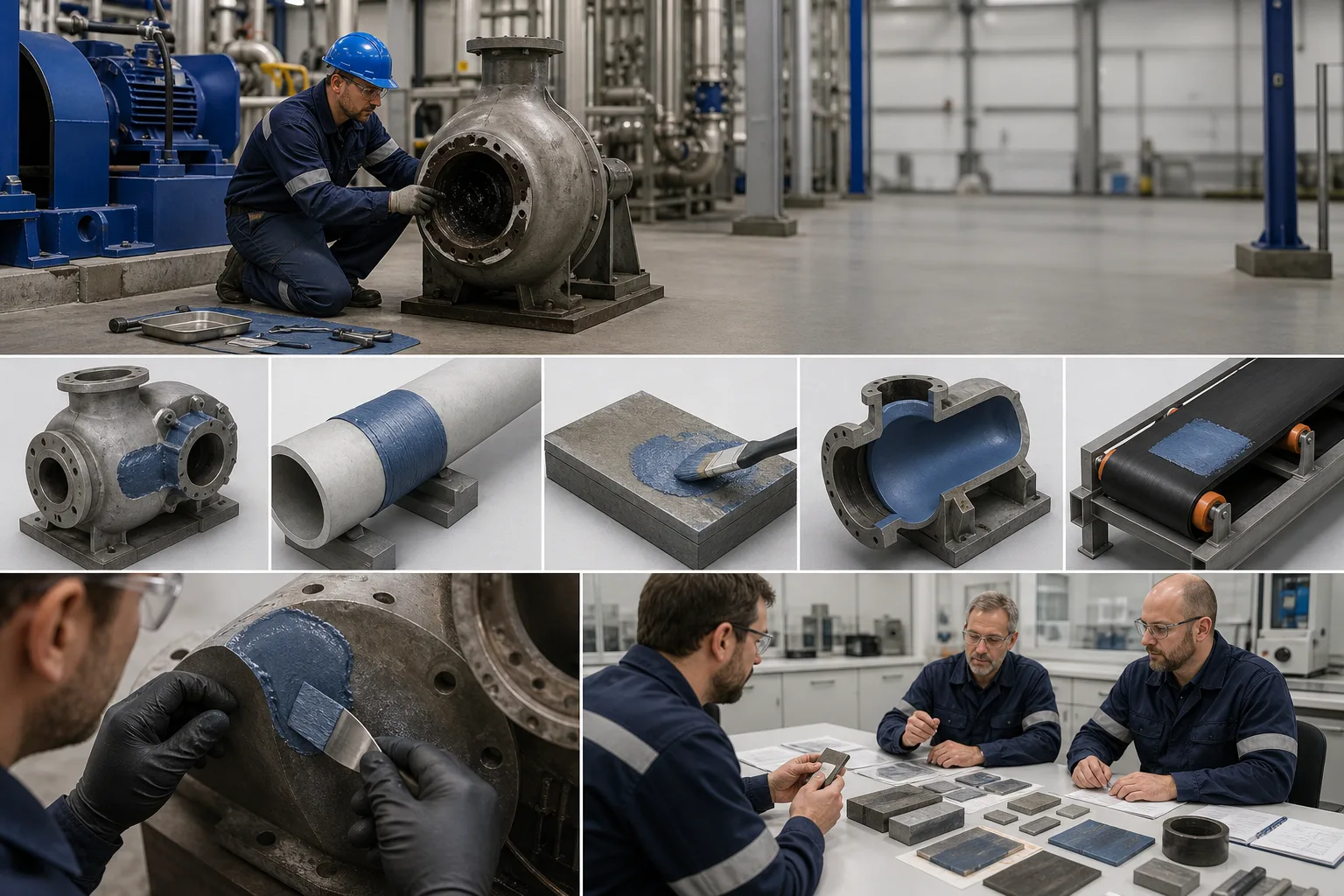
Repair routes can be assessed by damage type and operating situation. Confirm substrate stability, defect geometry, preparation requirements, service exposure, and the required repair scope before selecting a material or system.
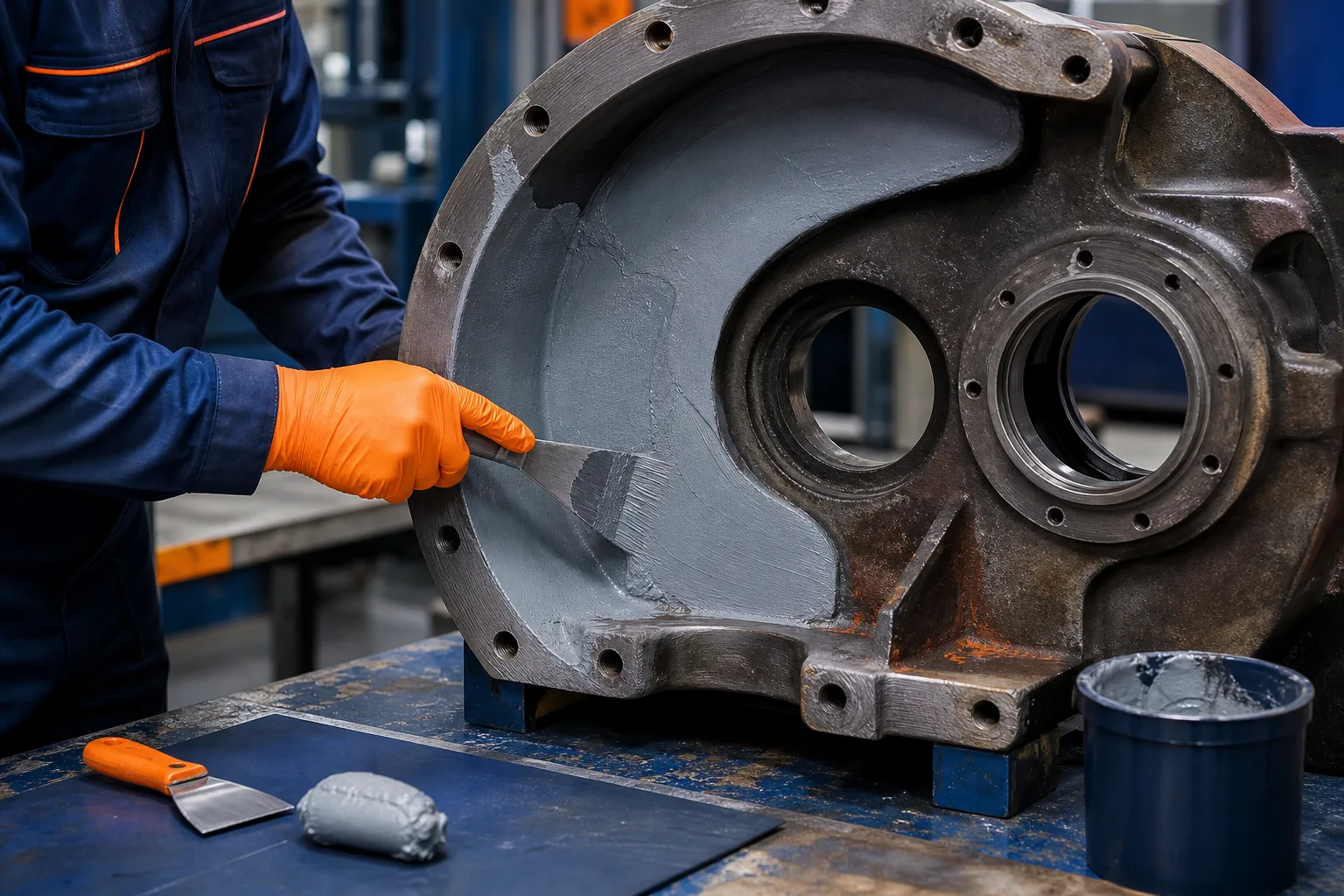
Metal Rebuilding and Sealing
For worn housings, localized corrosion, cracks, voids, and dimensional loss. Check remaining metal stability and exposure to load, vibration, pressure, or machining.
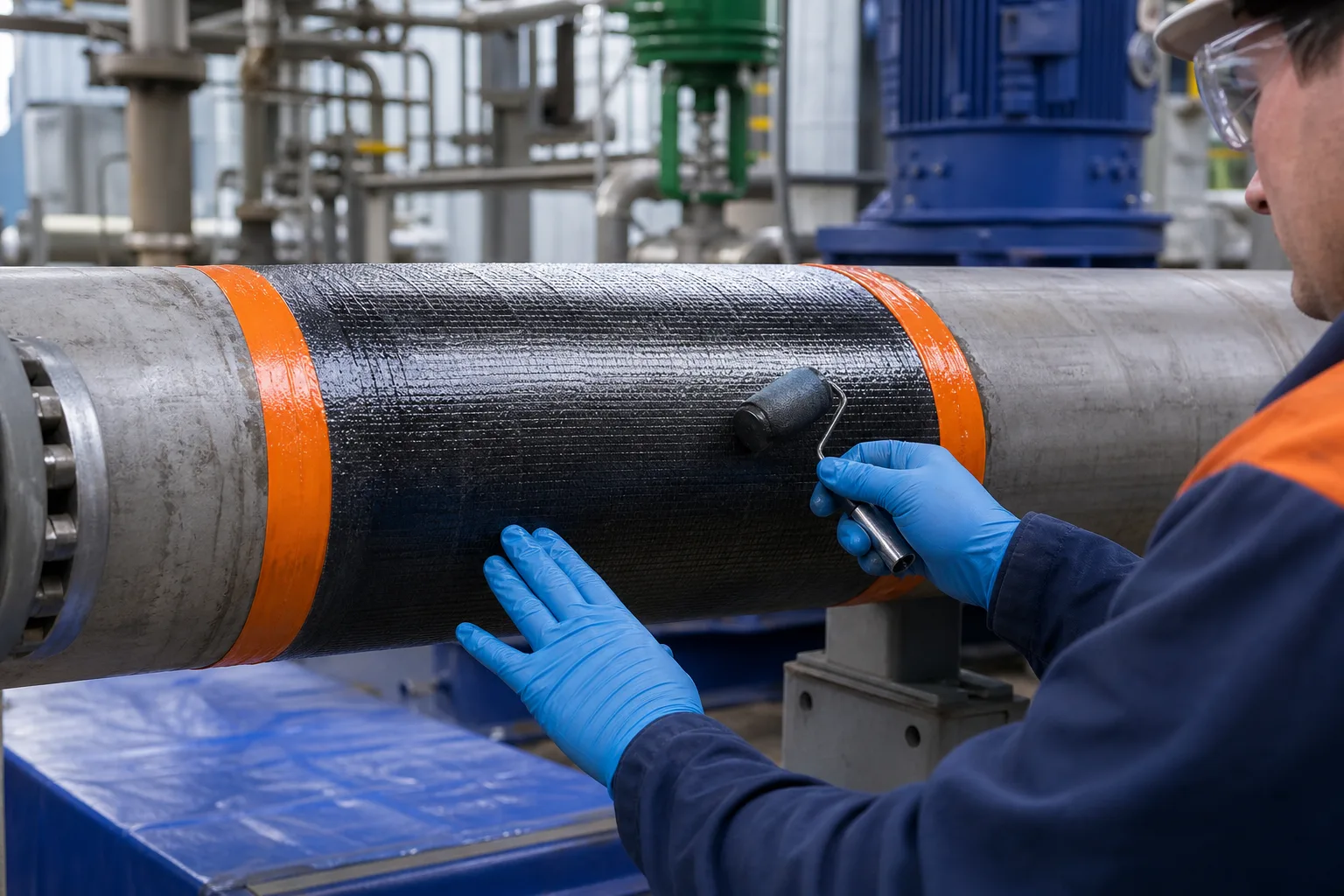
Composite Reinforcement
For pipe-wall loss and structural reinforcement around accessible pipe sections. Review dimensions, defect geometry, operating conditions, and reinforcement scope.
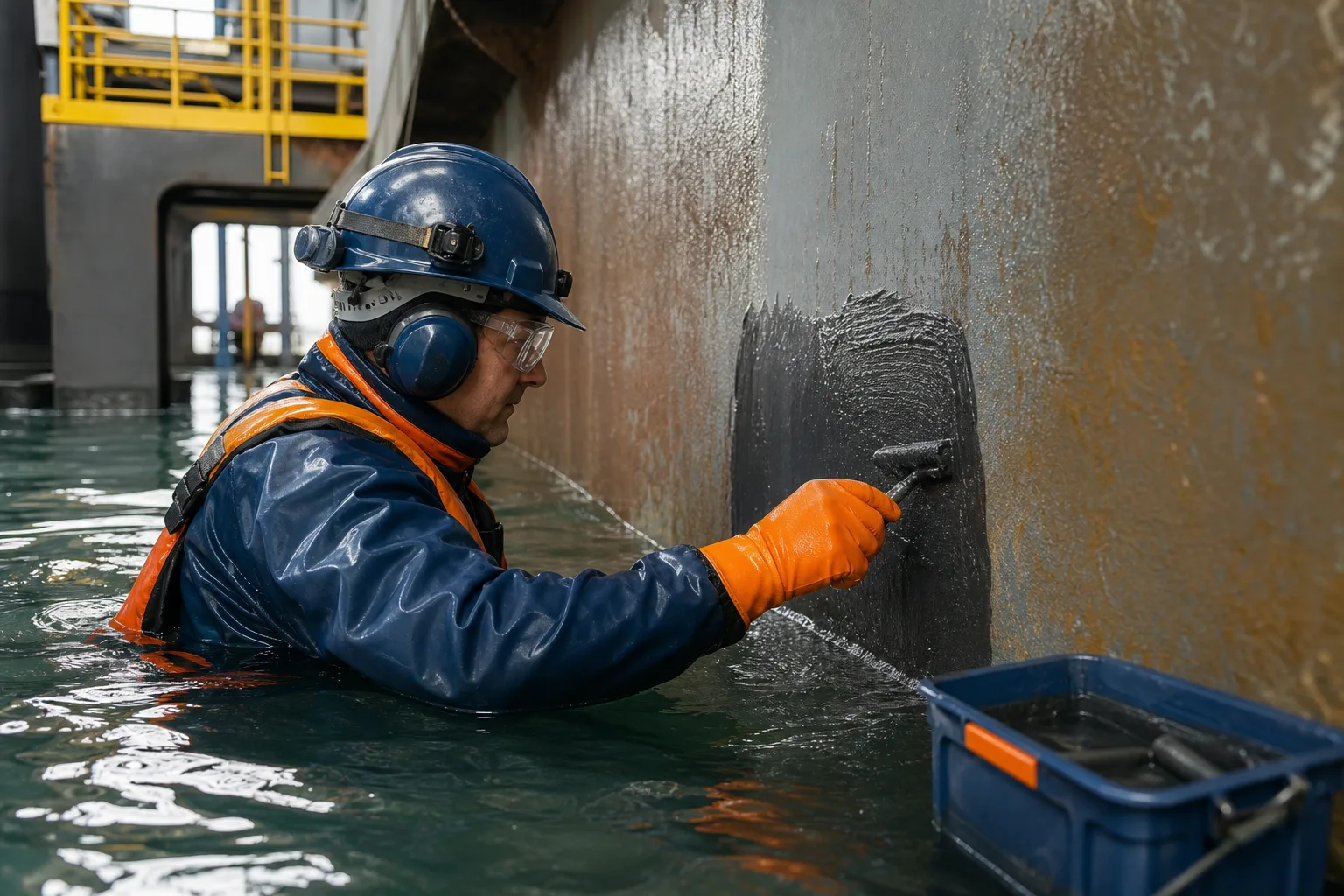
Wet-Surface Repair
For repairs where complete drying is difficult or underwater work is required. Confirm cleaning, preparation, and wet-application suitability.
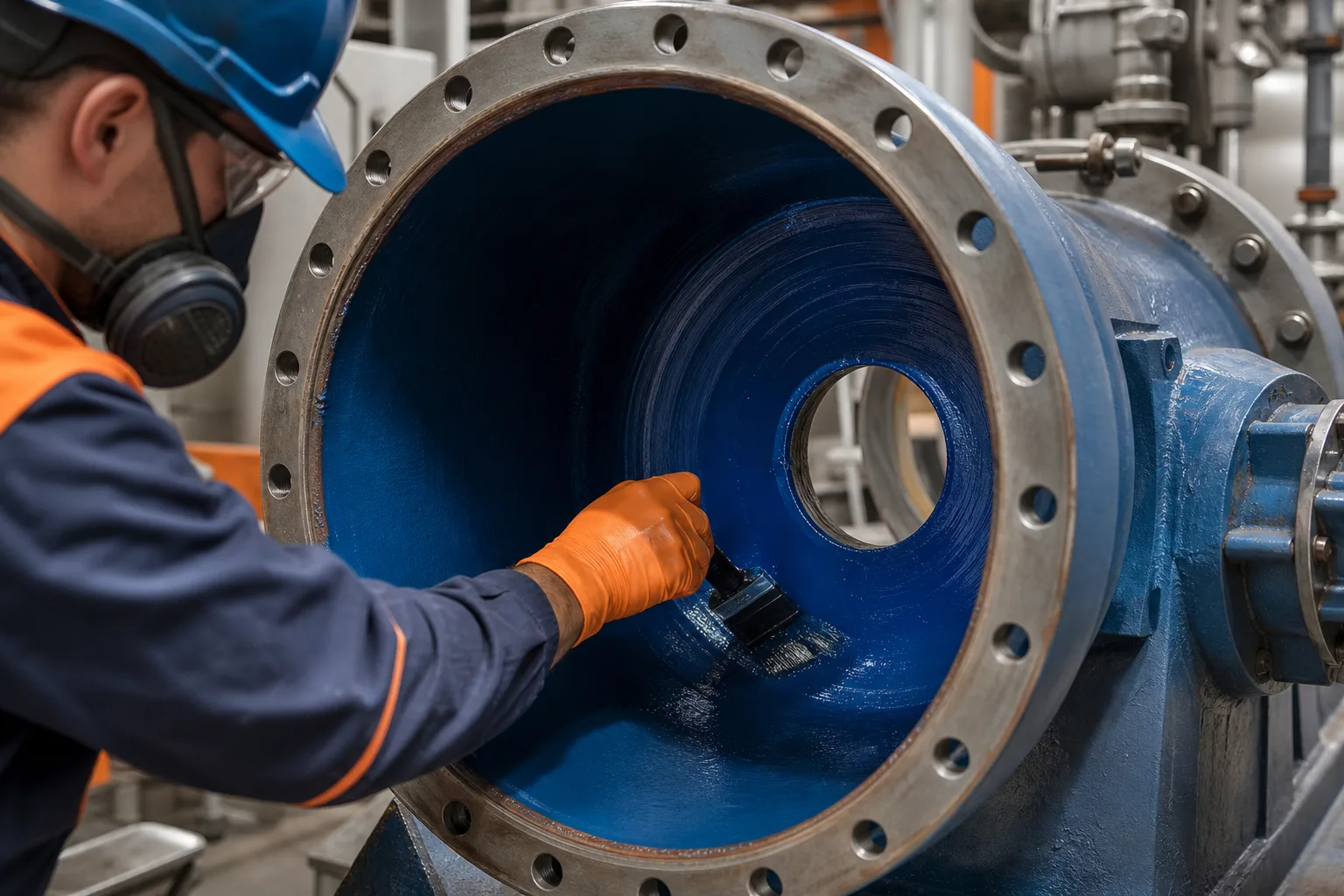
Lining and Fluid Protection
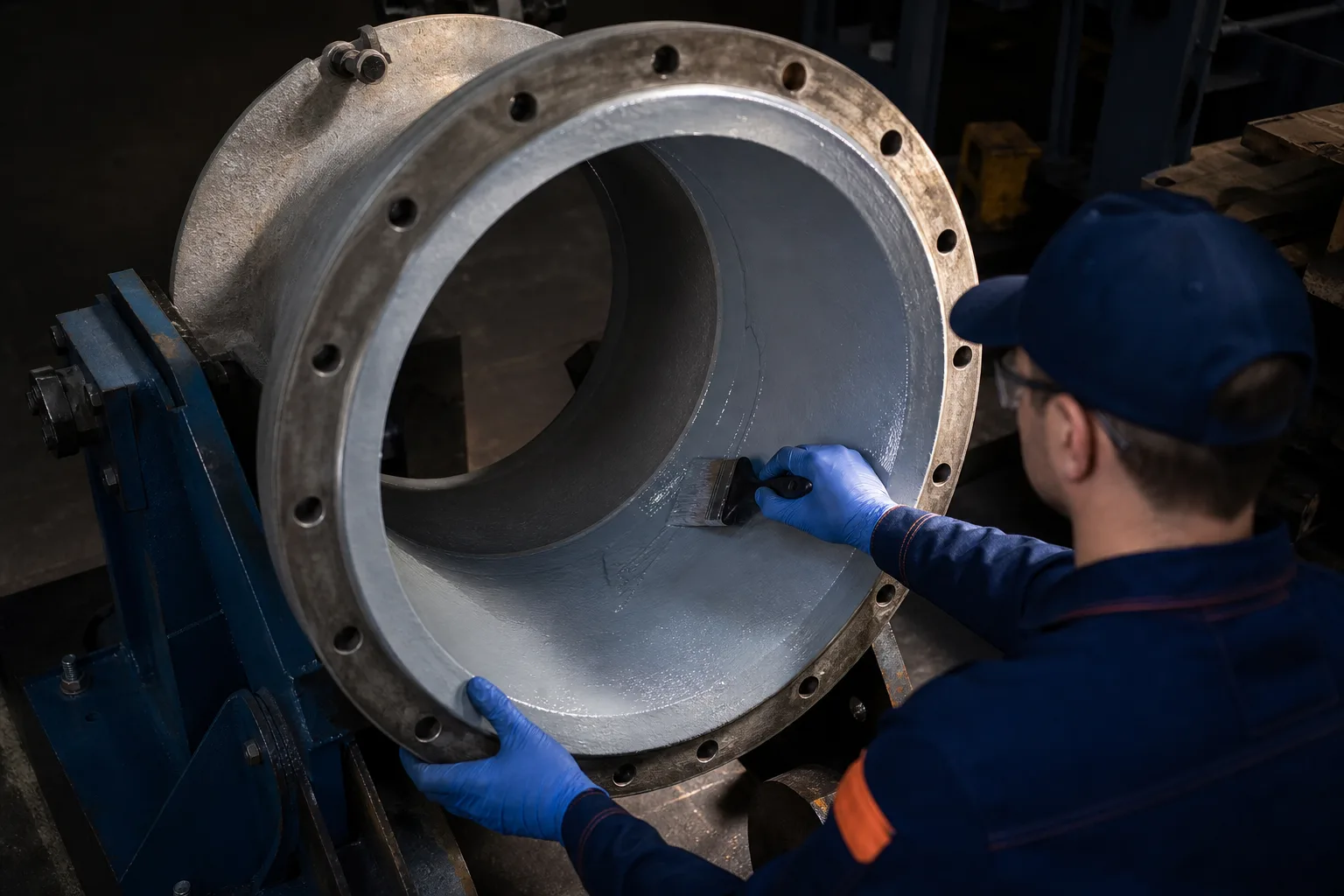
For corroded or eroded fluid-contact surfaces requiring repair and protection. Review chemicals, temperature, flow, and immersion cycles.
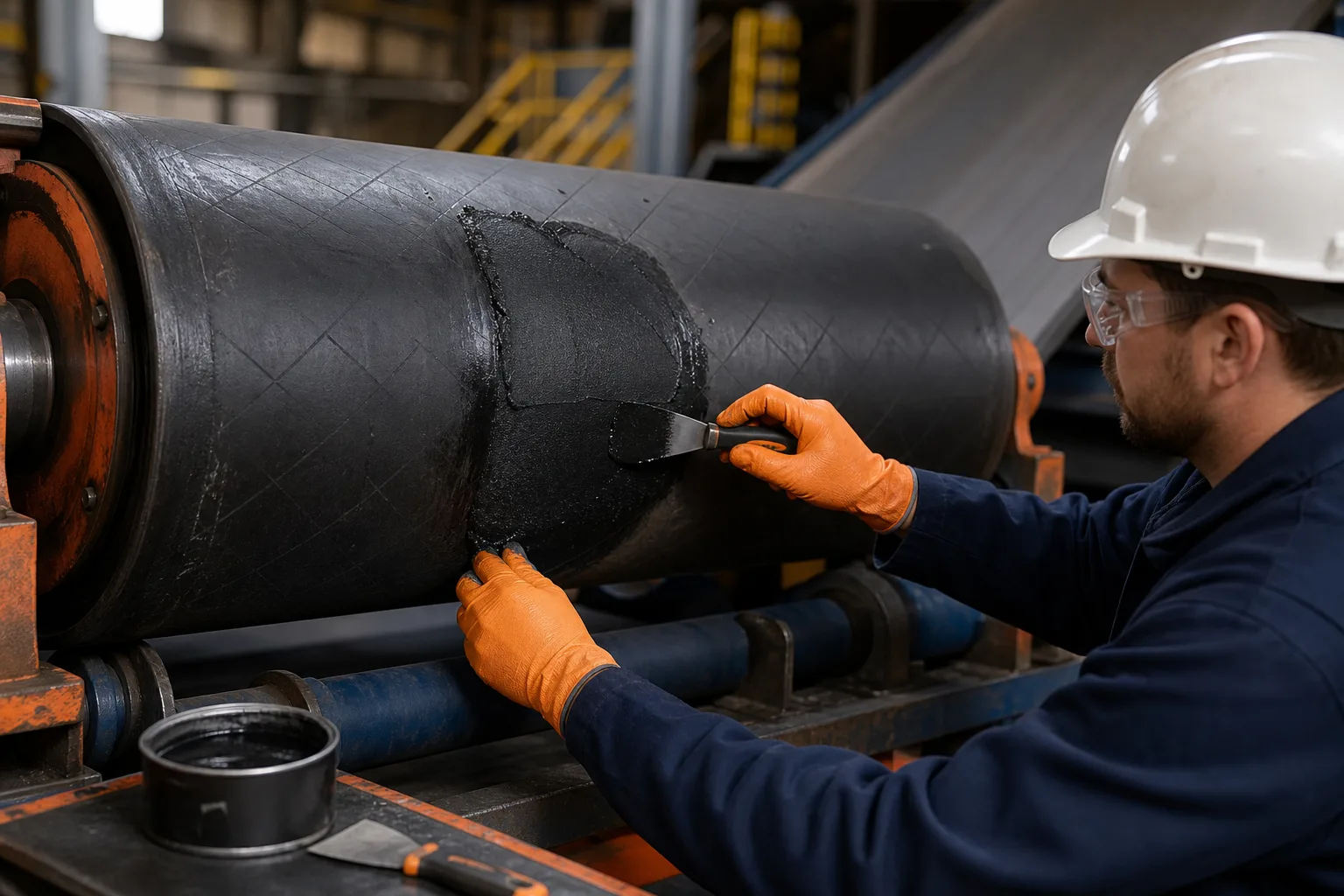
Elastomer Repair
For torn, gouged, or worn rubber components. Consider flexibility, movement, surface condition, and return-to-service requirements.
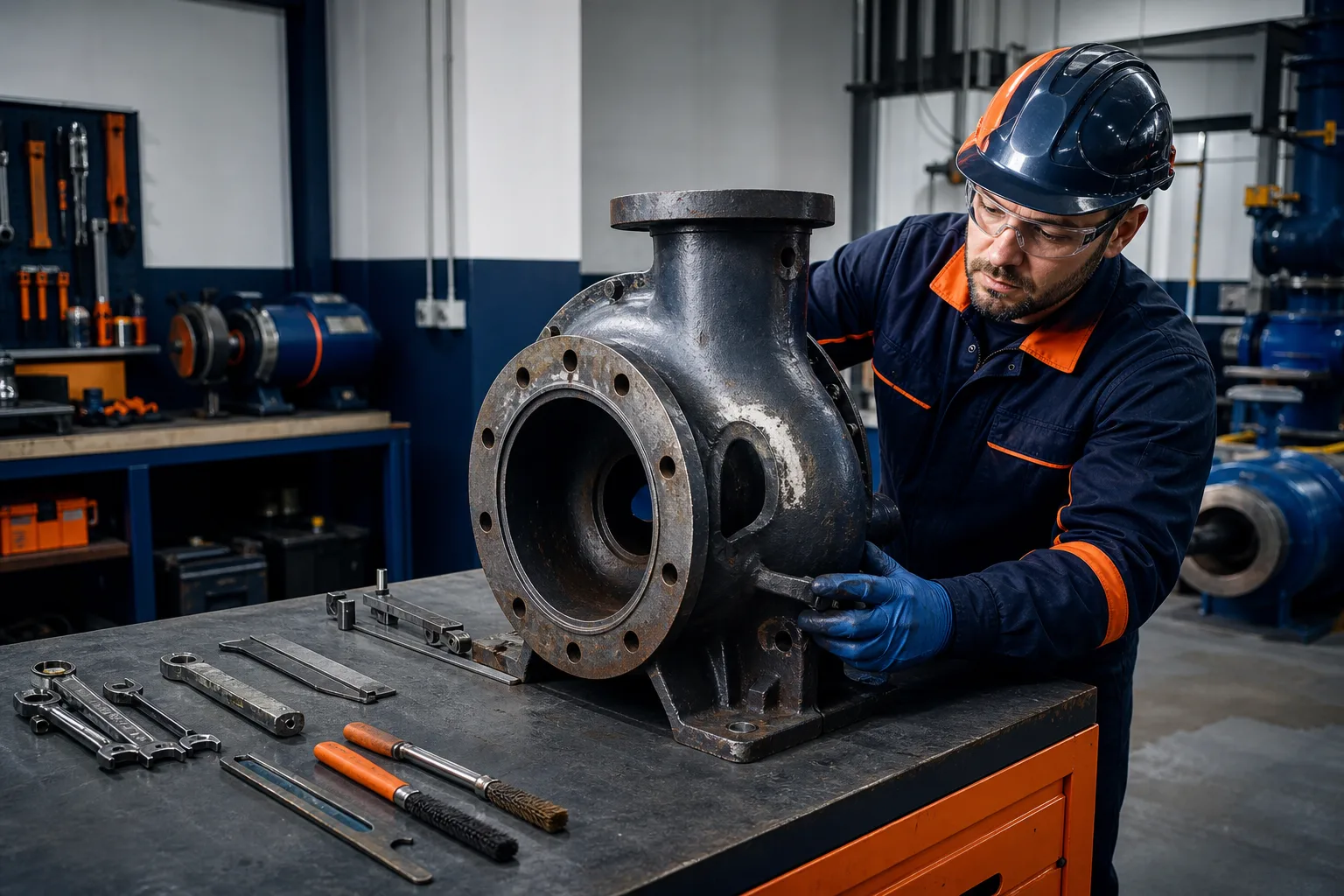
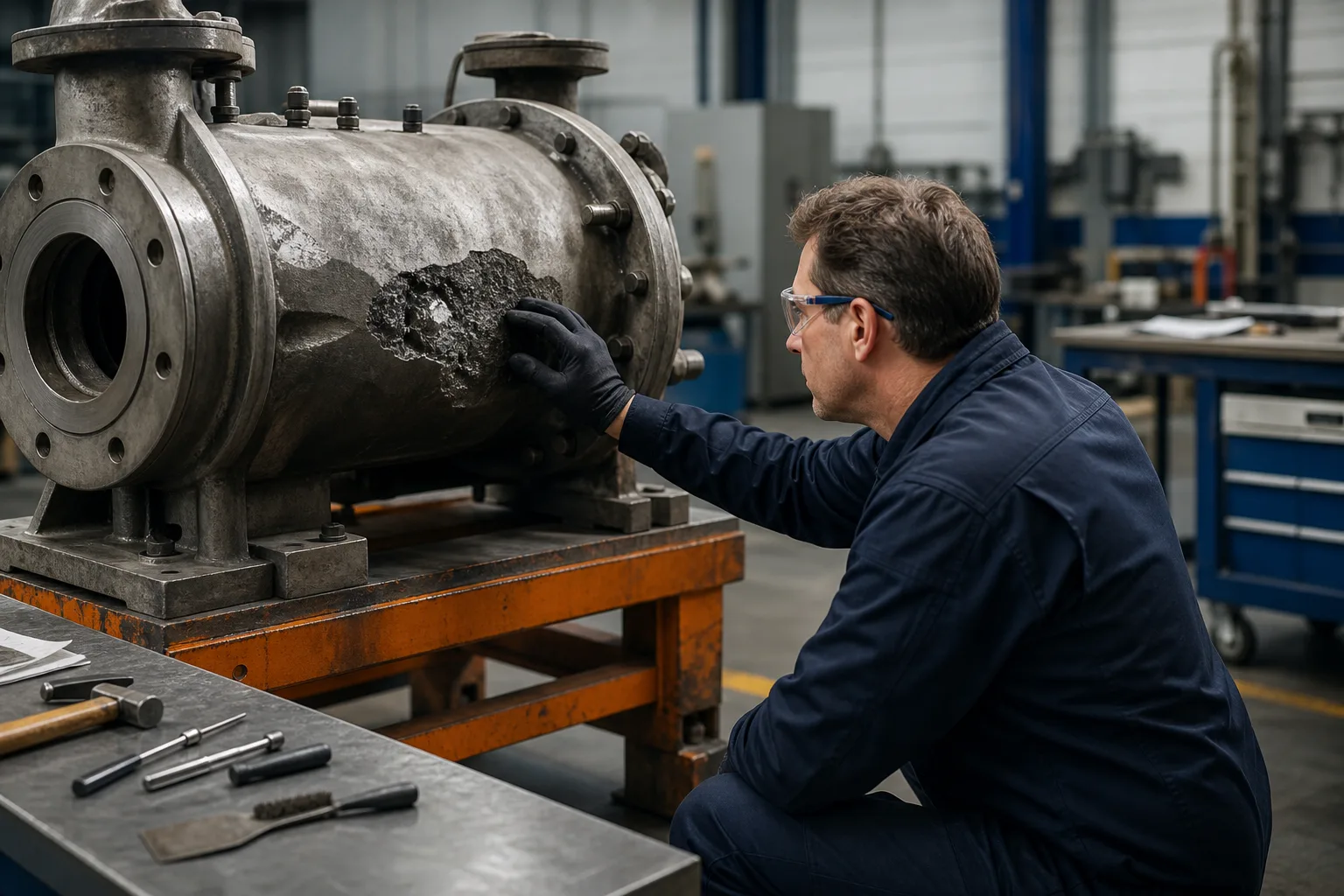
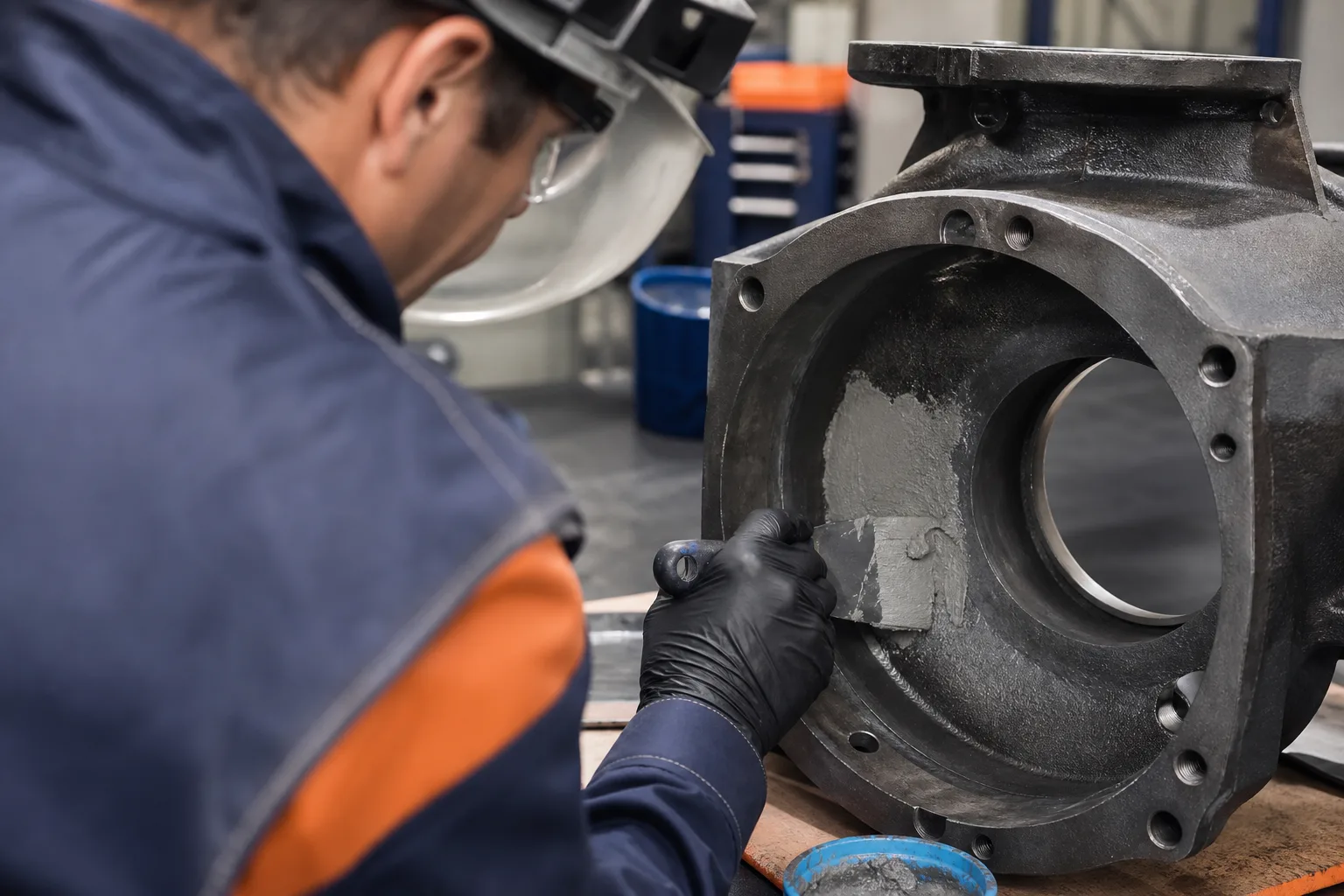

Metal Repair
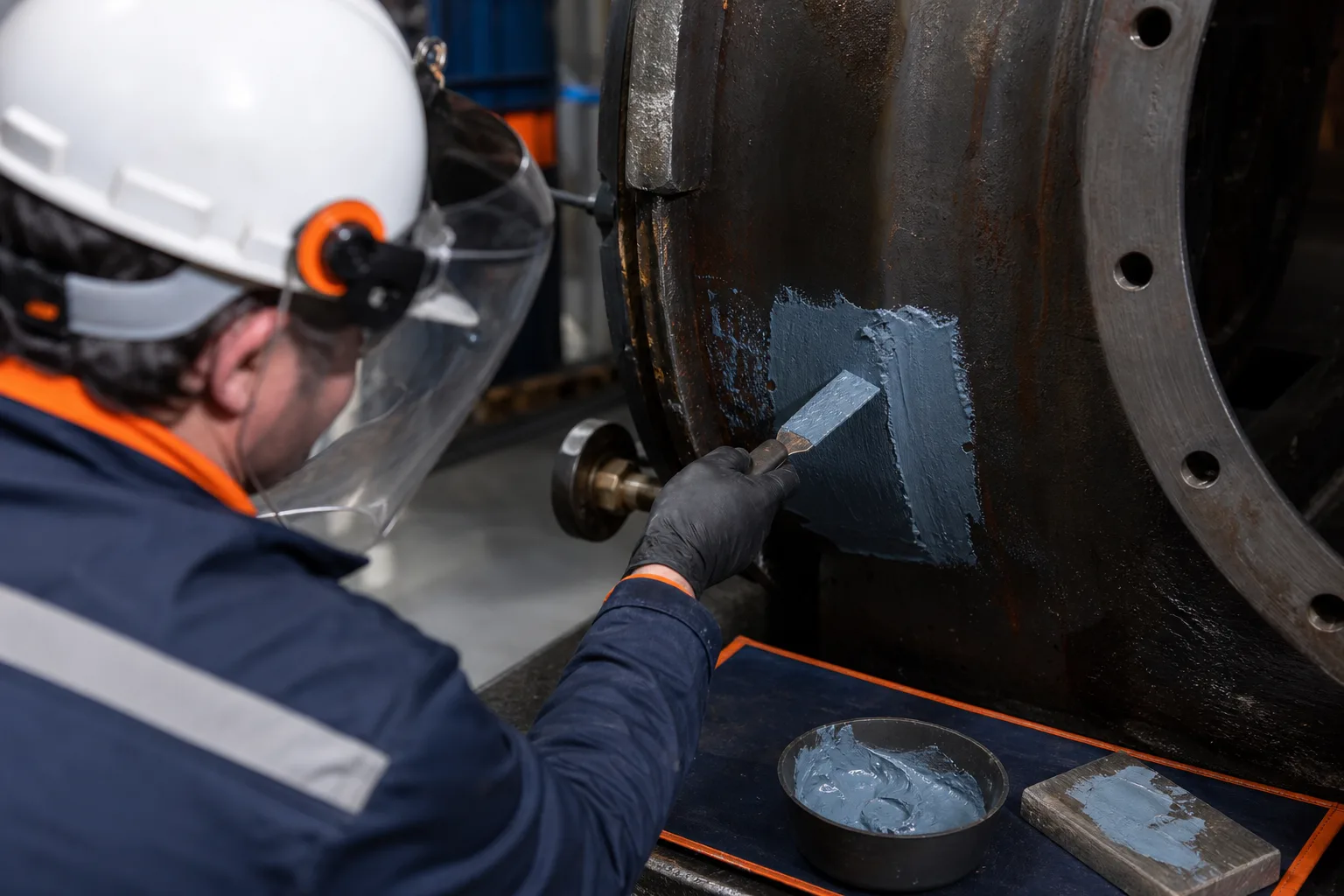
Metal Repair Compounds
ZDS-MetalRebuild covers metal rebuilding, cold repair, dimensional restoration, leak sealing, and structural bonding material routes. It is a starting category for pump casings, housings, flanges, and other damaged metal components.
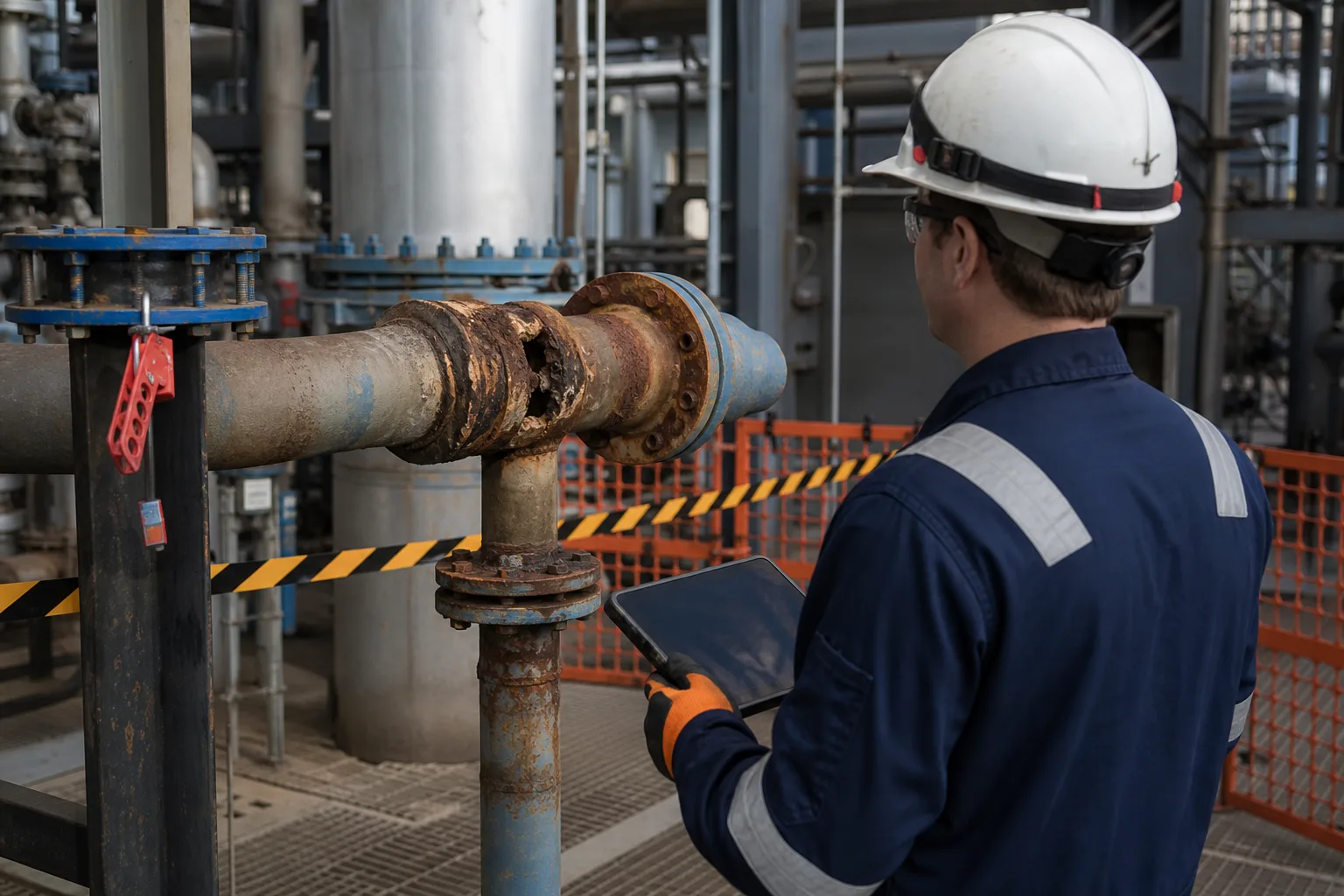
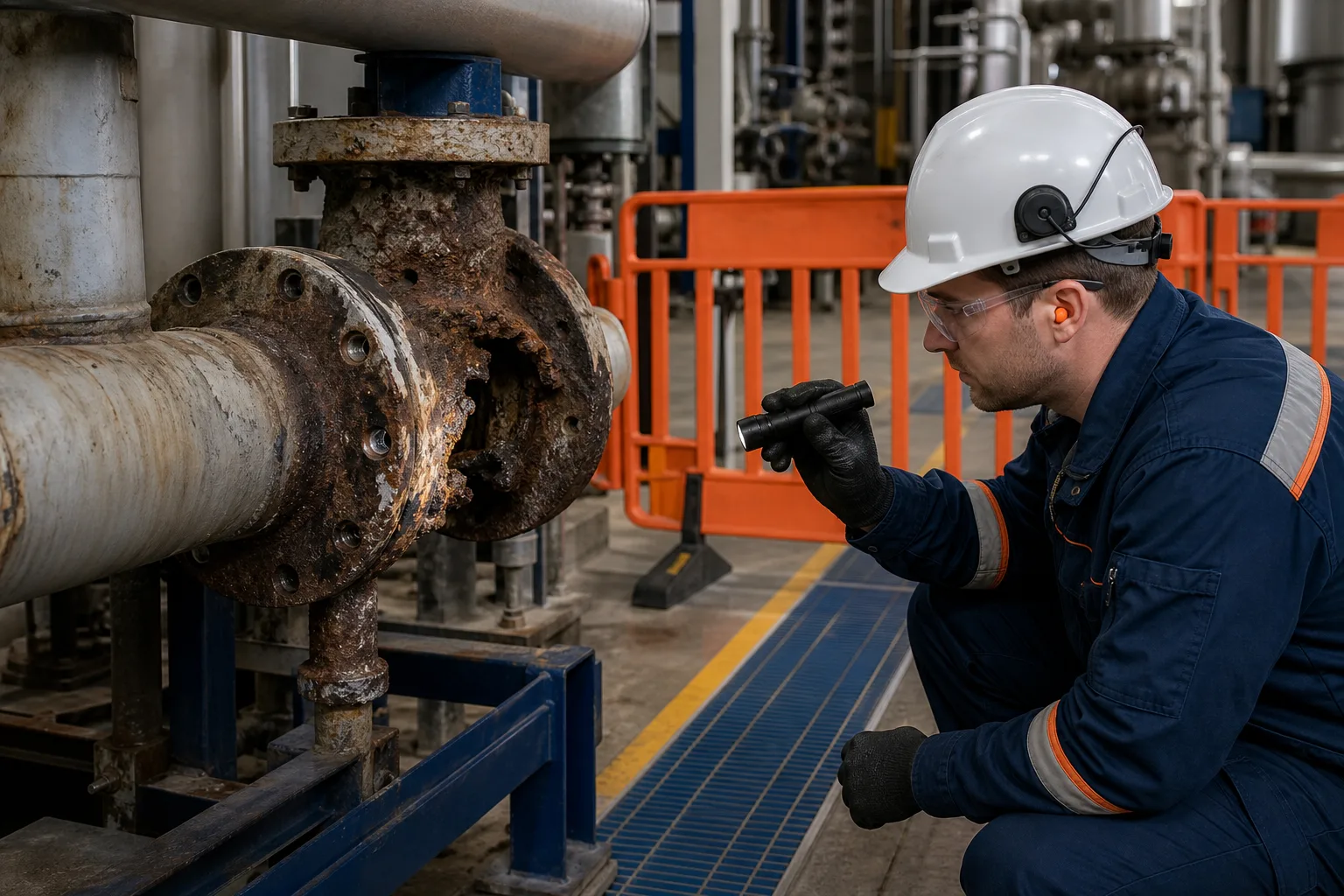
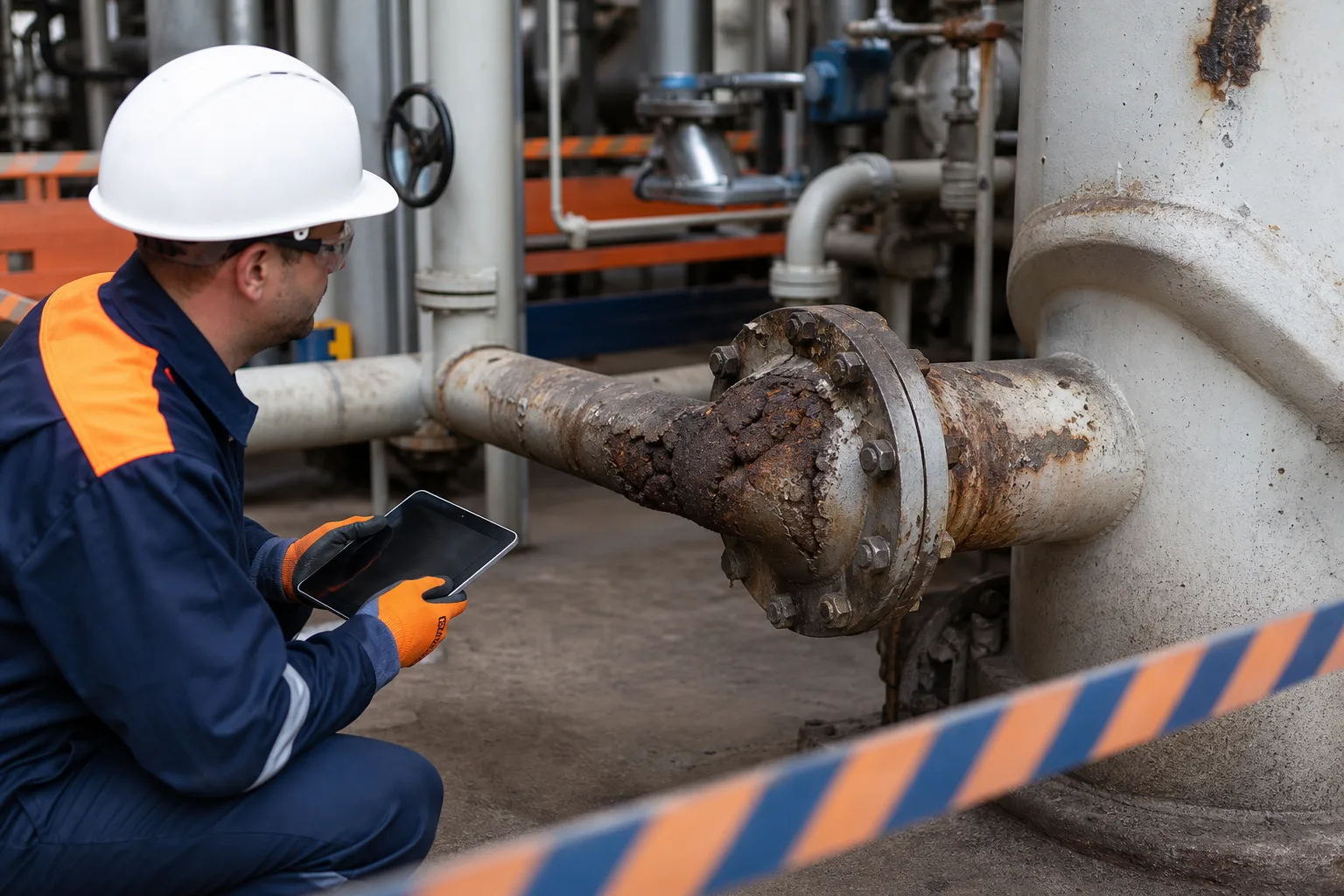

Pipe Reinforcement
Composite Pipe Reinforcement
ZDS-CompositeWrap covers composite pipe reinforcement, FRP repair, and structural laminating systems. Pipe condition, defect size, geometry, pressure, temperature, and engineering requirements influence whether this route is appropriate.
Wet-Surface Repair
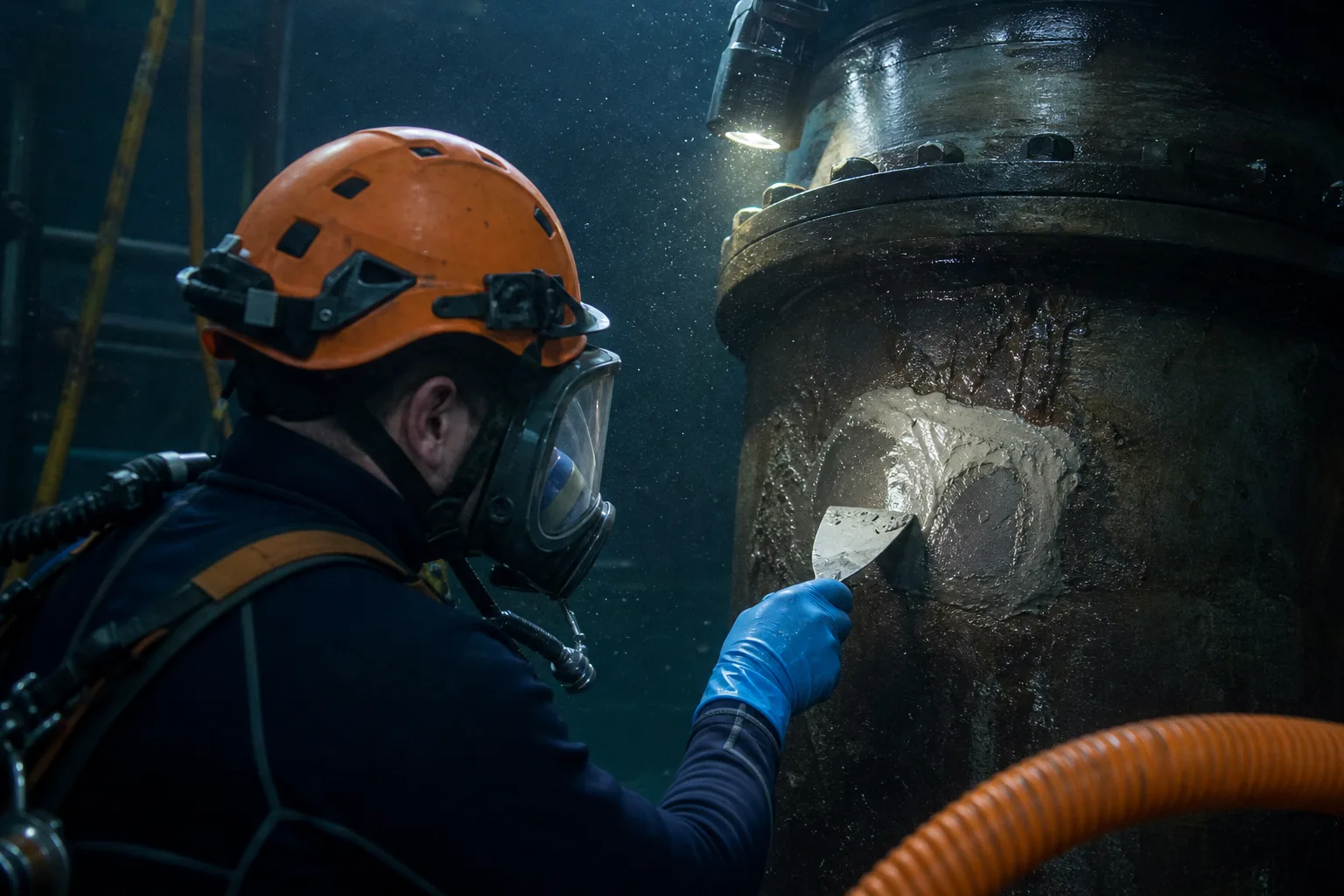
Wet-Surface and Underwater Repair
ZDS-AquaShield is organized around underwater-curing, wet-surface, marine, and emergency repair materials. The application environment and achievable preparation standard still need to be established.

Fluid Equipment
Fluid Equipment and Lining Systems
ZDS-FluidGlide covers high-temperature repair, chemical-resistant lining, sealing, and fluid-equipment coating systems. It is relevant when rapid restoration must also account for immersion, chemical contact, or elevated temperature.

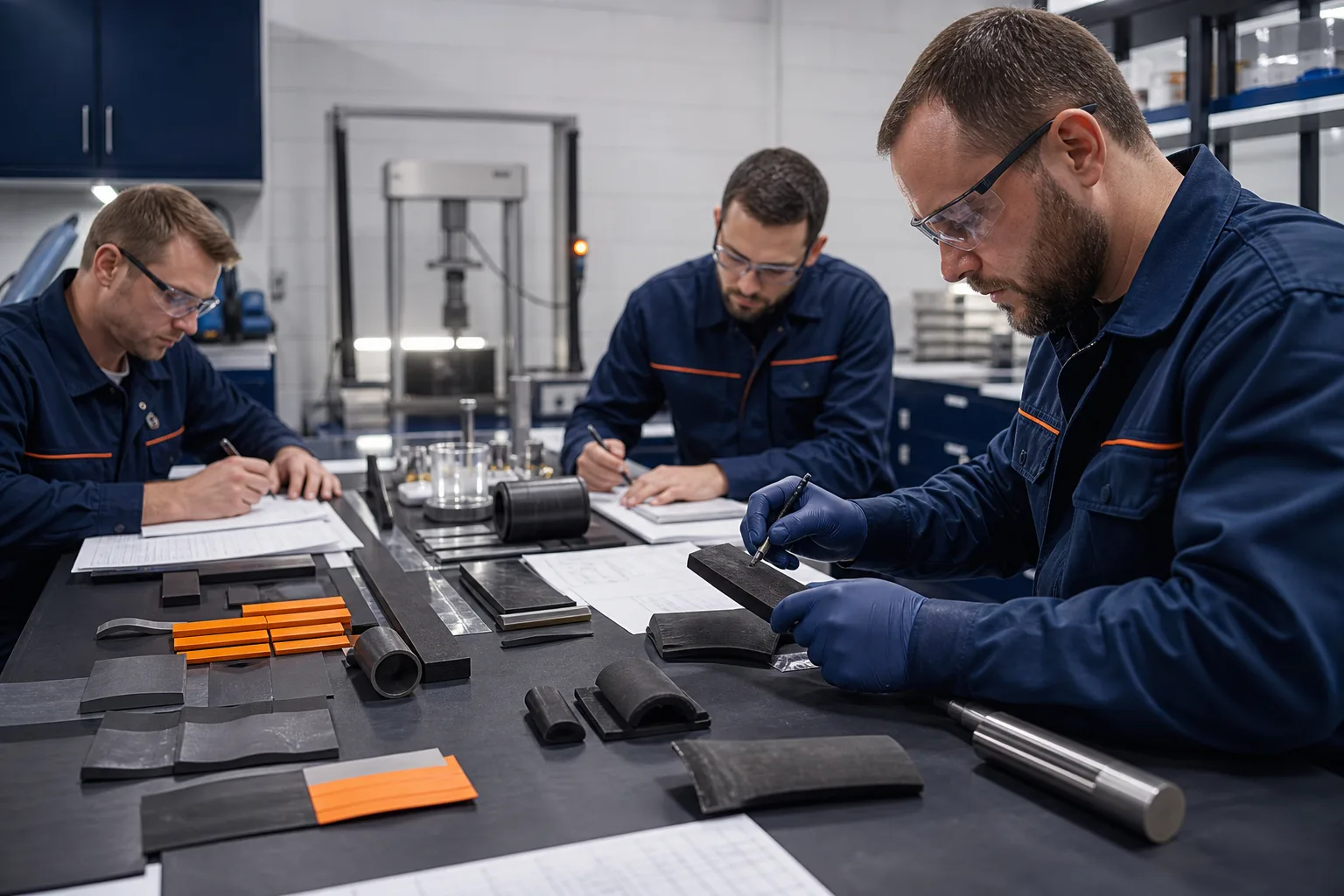
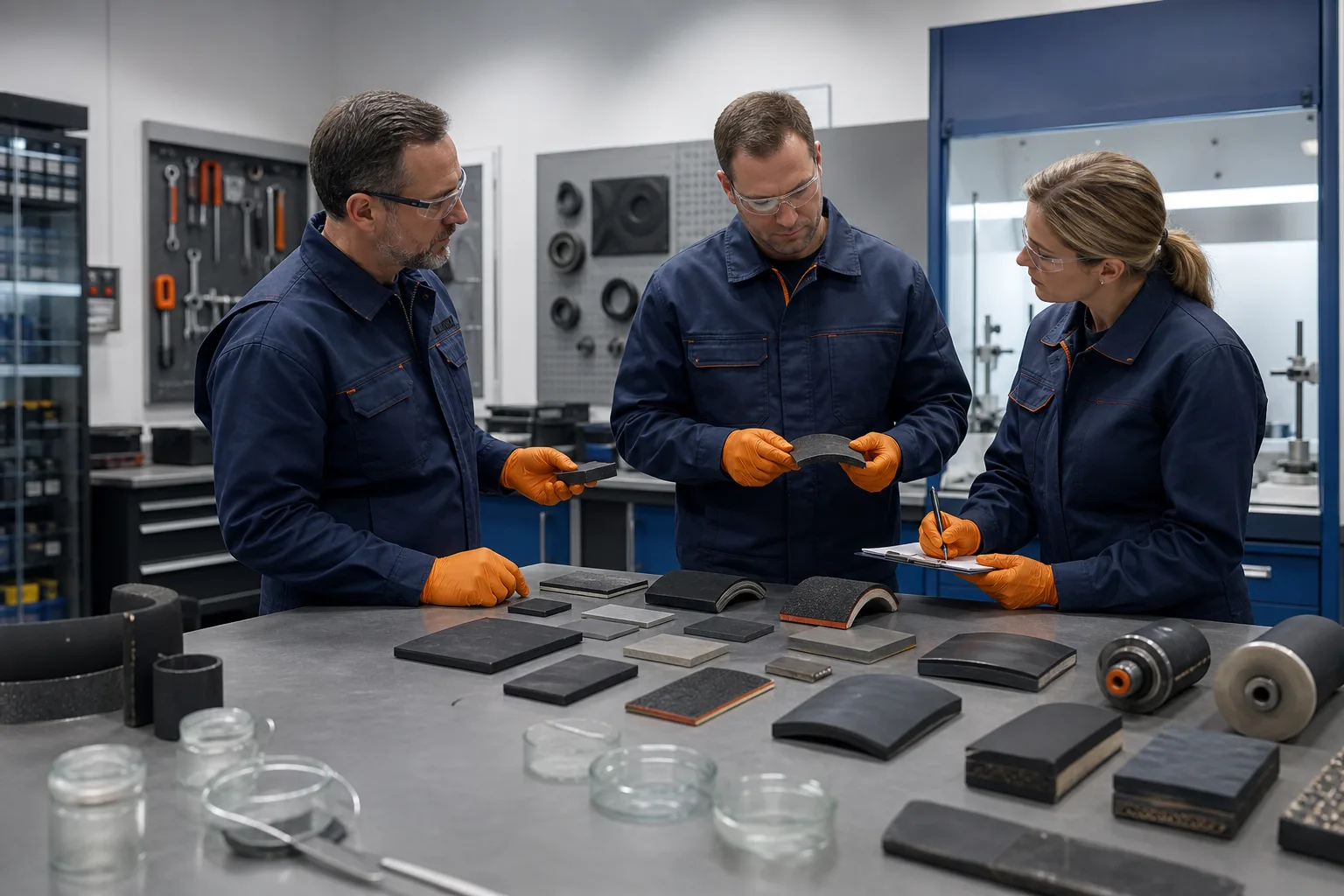
Elastomer Repair
Rubber and Elastomer Repair
ZDS-RubberElast covers repair materials for conveyor belts, rubber linings, rollers, cables, tires, and elastomer components. Flexibility and movement are important alongside the available maintenance window.
Cure Conditions
How Cure Conditions Affect the Maintenance Window
Cure time is influenced by formulation, applied thickness, substrate temperature, ambient conditions, and the point at which repaired equipment will be loaded. Compare working time, handling time, further processing time, and conditions required before full service exposure.
01
Confirm safe isolation
Remove pressure, hazardous energy, and process exposure according to the site procedure.
02
Assess the damage
Determine material loss, cracking, contamination, and structural instability.
03
Prepare the substrate
Clean, degrease, roughen, and condition the surface according to the selected material instructions.
04
Control mixing and application
Observe the documented mix procedure, application range, layer requirements, and usable working period.
05
Allow the required cure
Confirm permitted time and conditions before machining, loading, pressure testing, immersion, or chemical exposure.
06
Inspect before restart
Apply the site-approved inspection and commissioning procedure before returning equipment to service.
Surface Preparation
Prepare the Surface for the Selected Repair
Cleaning agents, primers, conditioners, and other surface preparation products can support the application process. They do not compensate for unstable substrate, inadequate cleaning, or an unsuitable repair design.
Repair Limitations
When a Rapid-Cure Route Is Not Enough
Rapid repair materials should not be selected solely to meet a restart deadline. Severely weakened structures, active high-pressure leaks, moving cracks, unidentified chemical exposure, or equipment that cannot be isolated can require engineering assessment, replacement, welding, mechanical restraint, or another approved method.
Do not assume that every compound can bond
to wet, oily, corroded, hot, or chemically contaminated surfaces.
Do not place repaired equipment under
pressure or load before the documented cure condition has been met.
Do not use a general product description
as a substitute for current technical data, safety information, and site procedures.
Temporary containment and longer-term
repair are different objectives and should be identified before selection.
Critical pressure, structural, lifting, or
safety-related repairs can require qualified engineering review and code-based approval.
Technical Support
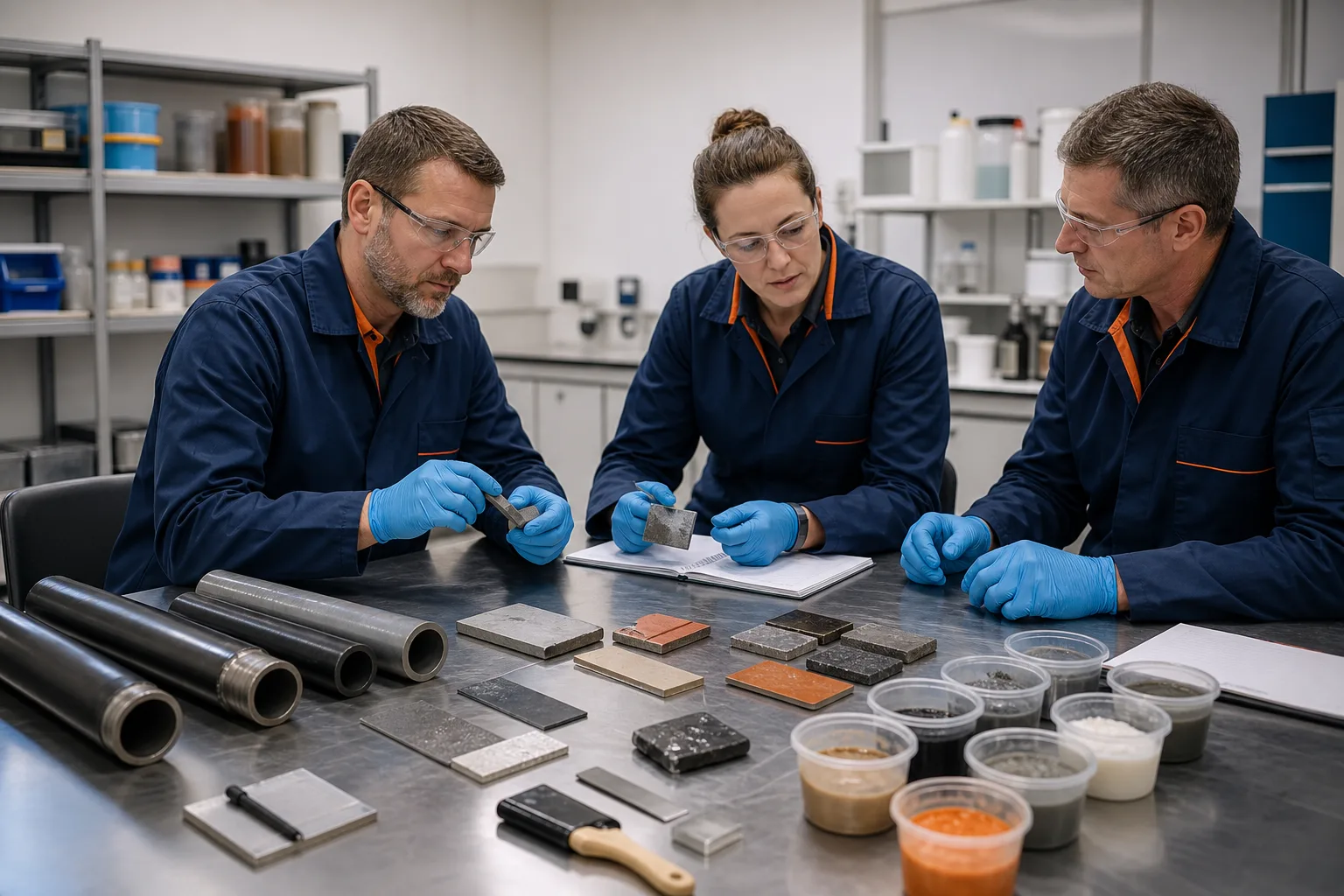
Technical Support for Product Evaluation
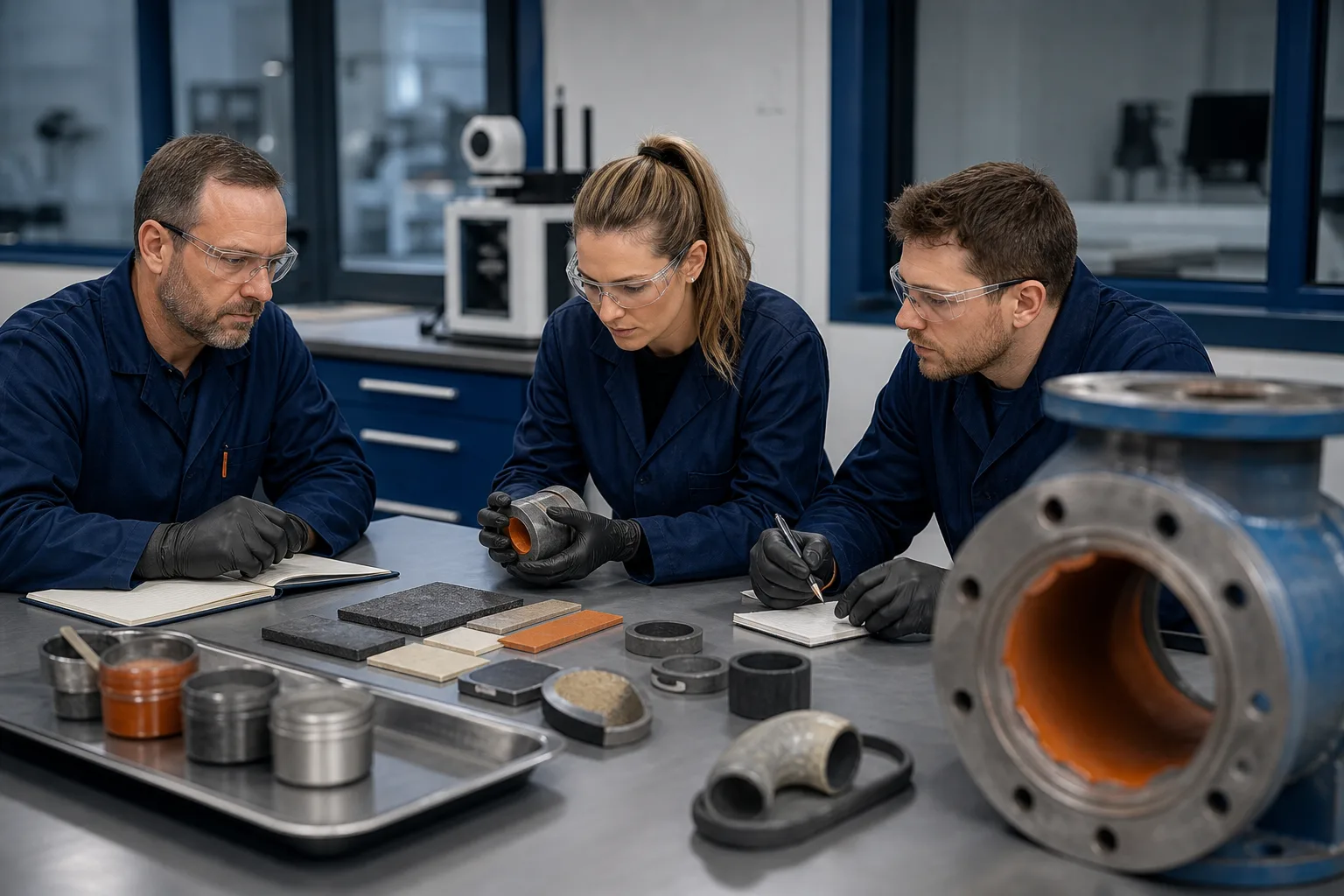
ZDSChem applies its supplied ZDS chemical manufacturing and formulation background to industrial repair material selection. ZDS was established in 1998. A dedicated R&D team of 30 professionals supports product development, formulation work, product improvement, and application adaptation. Technical experts with over 30 years of experience contribute to formulation review and application-specific solution development.
Product-category screening
Review of operating conditions
Technical-document access
Sample evaluation
Review of customer-specific formulation
requirements
Additional Resources
Review Related Repair Material Resources
Buyers who need a wider view can explore the industrial repair product portfolio or compare materials by service condition. Review current technical data and selection criteria before final approval.
Request Evaluation
Request a Sample or Project Quote
Submit equipment, substrate, damage, preparation, service exposure, maintenance window, and purchasing information so the relevant repair material category can be assessed.
FAQ
Frequently Asked Questions
An industrial rapid repair material is a compound or reinforcement system selected for a restricted maintenance window or urgent equipment problem. Selection considers the substrate, damage, application conditions, cure stages, and service exposure. A rapid handling time does not automatically mean the equipment is ready for pressure, immersion, chemical contact, or full mechanical loading.
Compare working time, handling time, time before further processing, and the required cure before return to service. Also check the stated temperature and thickness conditions. Exact values must come from the current technical data for the specific product rather than from a general category description.
Only systems intended for wet-surface or underwater application should be considered. Even then, contamination, loose corrosion, marine growth, surface profile, water movement, and access can affect the result. Provide photographs and site conditions so the relevant repair route can be assessed.
A compound should not be assumed suitable for direct application to an active pressurized leak. Safe isolation, pressure removal, damage assessment, and an approved repair method are normally required. Pressure-related and safety-critical work can also require qualified engineering assessment and site authorization.
Provide the equipment type, substrate, damage description, dimensions, photographs, preparation method, ambient and substrate temperature, pressure, chemical exposure, maintenance window, and expected service conditions. Include the proposed evaluation criteria so sample selection can be aligned with the intended application.
Customer-specific formulation requirements can be submitted for review. The technical team considers the application, performance targets, expected volume, packaging or documentation needs, and target market. Development is conditional on technical and commercial feasibility, and formulation success or sample approval cannot be guaranteed in advance.