
Marine and Water Treatment Repair Materials
Marine and water treatment equipment faces corrosion, erosion, persistent moisture, chemical exposure, and limited maintenance windows. ZDSChem helps maintenance teams, contractors, engineers, and procurement buyers compare repair materials by equipment, substrate, damage mechanism, application environment, and expected service conditions. Selection must distinguish damp surfaces, splash zones, tidal exposure, full immersion, flowing water, and equipment that can be isolated and dried.
Repair Applications
Where Repair Materials Fit in Marine and Water Treatment
Repair compounds, composite reinforcement systems, protective linings, and wet-surface materials can support planned maintenance or localized repair when equipment condition and operating risk permit. Selection should address the failure mechanism, not only the visible symptom.
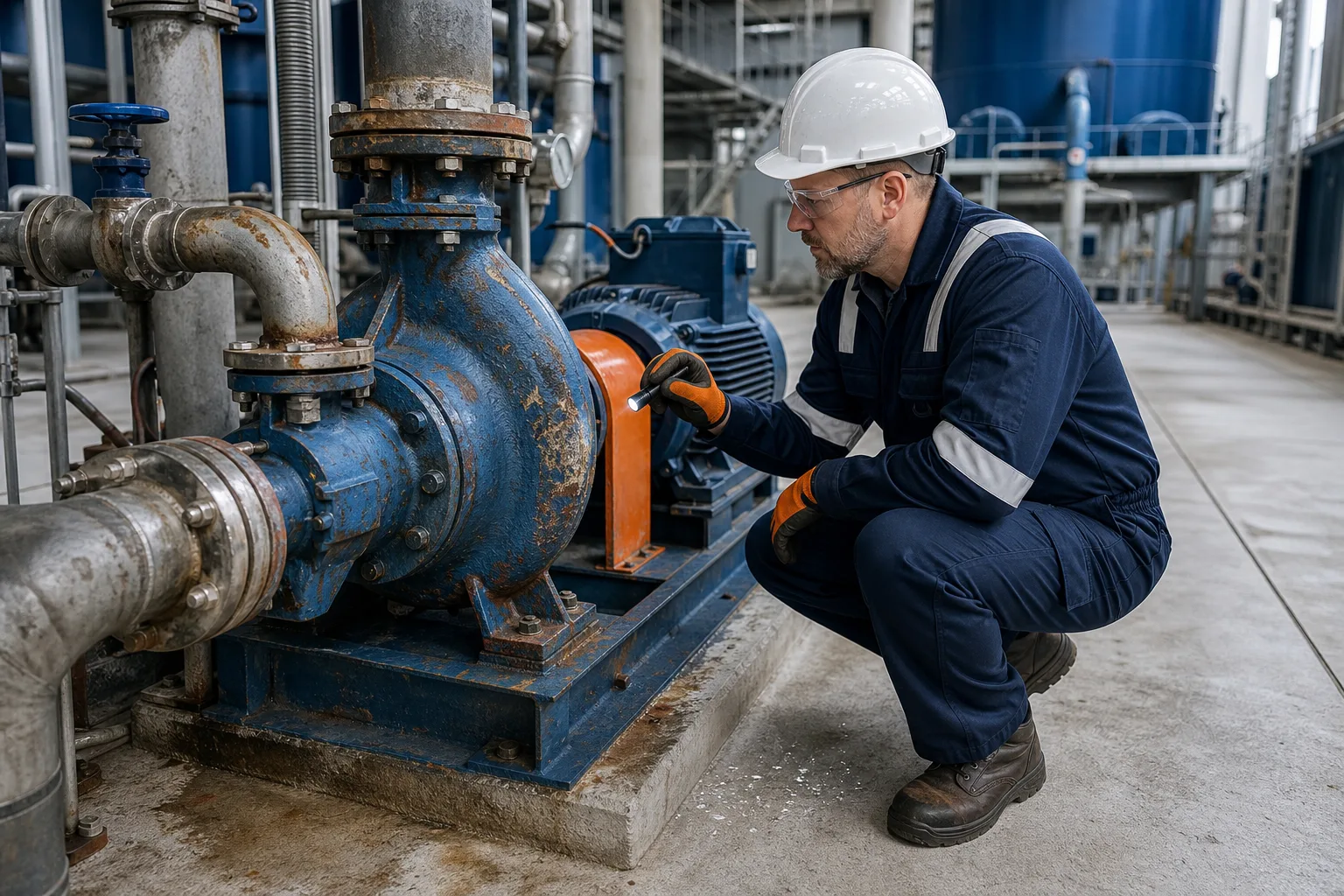
Pumps and Fluid Equipment
Assess substrate condition, damage depth, geometry, fluid chemistry, temperature, and the need for restoration or protection.
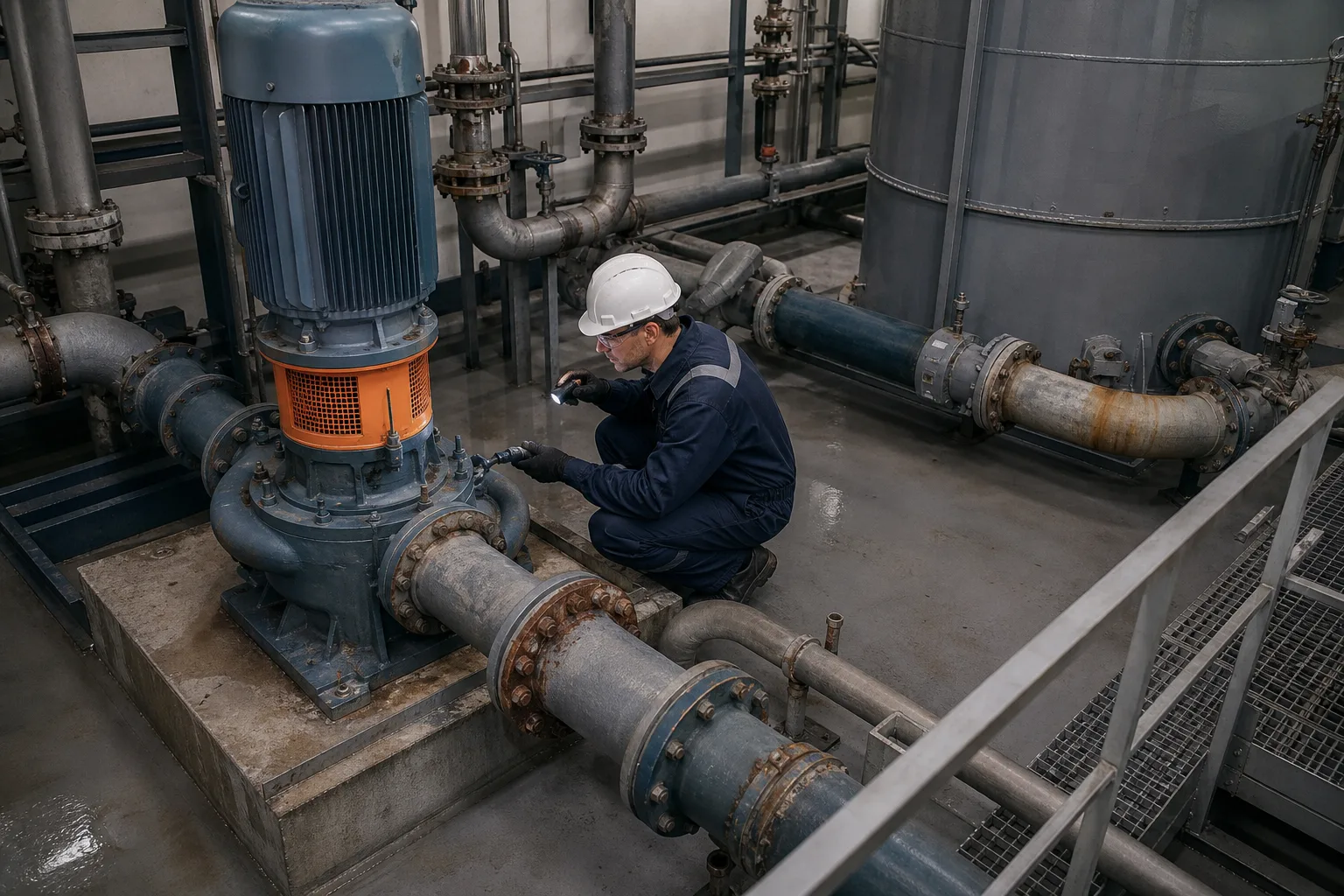
Pipes, Joints, and Flanges
Evaluate wall condition, pressure, diameter, defect type, access, isolation, and the need for sealing, rebuilding, or protection.
Composite Pipe Reinforcement
Consider composite reinforcement separately when a pipe requires structural support rather than surface rebuilding alone.
Tanks and Process Surfaces
Confirm fluid, concentration, temperature, cleaning cycle, substrate, existing coating, immersion, and available cure conditions.
Wet and Submerged Repairs
Distinguish damp, splash-zone, tidal, and submerged work by contamination, water movement, preparation, access, and cure conditions.
Application Overview
Compare related industrial repair situations before narrowing the material category or repair route.
Selection Criteria
Damage and Service Conditions That Drive Selection
Product names alone do not establish suitability. A useful technical request identifies the immediate damage and the conditions the repaired area must withstand. Compatibility, limits, cure times, and contact approvals require confirmation from applicable documents.
Damage Mechanism
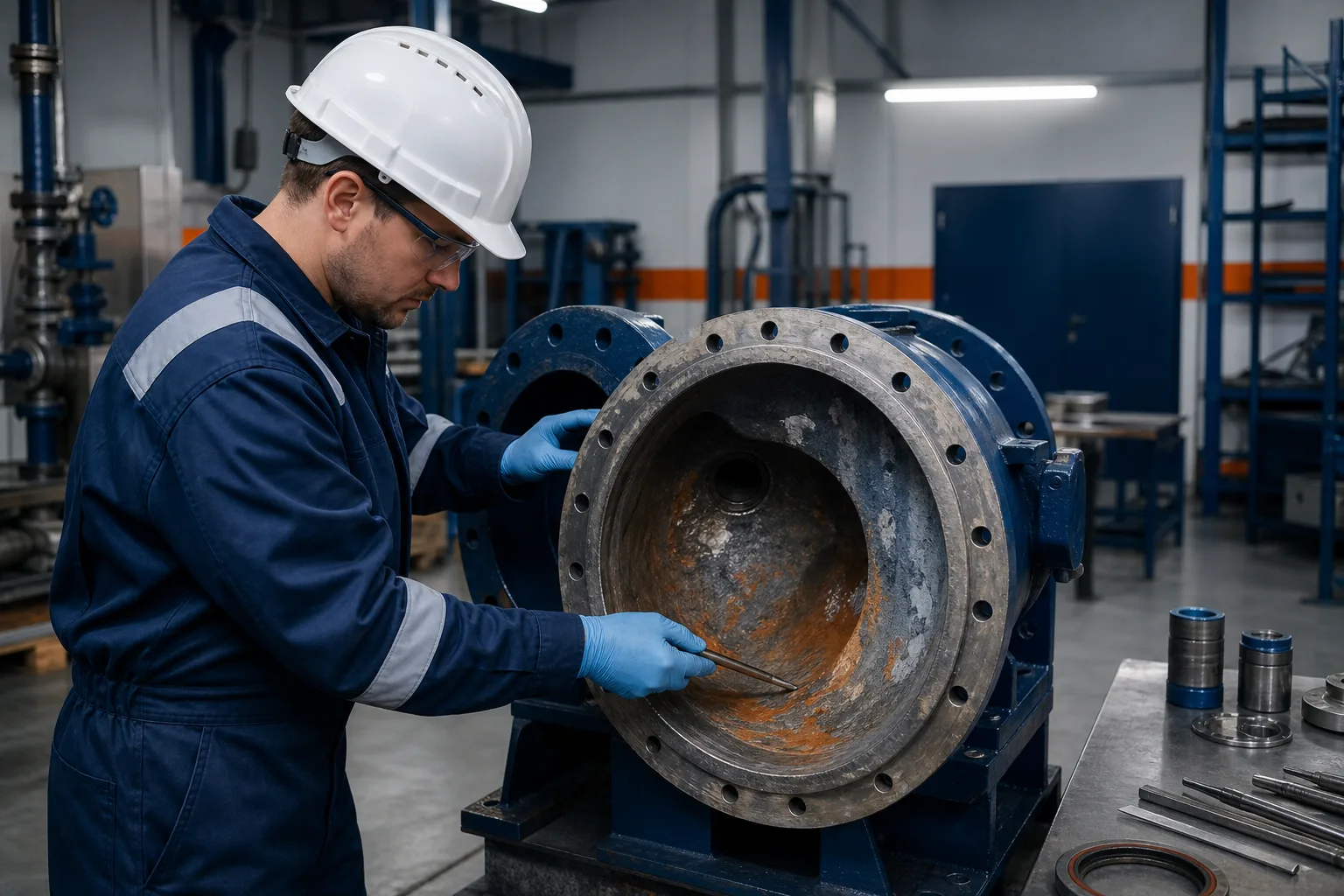
Identify corrosion, pitting, erosion, cavitation, cracking, leakage, coating failure, or dimensional loss.
Equipment Status
State whether equipment is operating, isolated, depressurized, drained, damp, submerged, or available for workshop repair.
Substrate
Identify steel, cast metal, concrete, composite, elastomer, or an existing coating or lining.
Fluid Exposure
Document seawater, wastewater, treated water, process water, chemicals, suspended solids, and cleaning agents.
Mechanical Demand
Confirm internal pressure, vibration, impact, flexing, abrasion, structural load, and thermal cycling.
Application Conditions
Record access, preparation method, moisture, water movement, temperature, and the available cure window.
Project Controls
Identify contact requirements, environmental rules, site procedures, inspection criteria, and return-to-service approval.
Product Series
ZDSChem Product Series for Combined Repair Systems
Marine and water treatment projects may require more than one material category. Rebuilding, reinforcement, lining, and external protection perform different functions. Five relevant series provide starting points within the seven primary ZDSChem repair series.
ZDS-AquaShield
A starting point for underwater-curing, wet-surface, marine, and emergency repair situations.
ZDS-CeramicArmor
Ceramic-filled repair and protection routes for erosion, cavitation, and heavy-duty equipment surfaces.
ZDS-FluidGlide
Lining, sealing, high-temperature repair, and fluid-equipment coating categories requiring service-condition review.
ZDS-MetalRebuild
Metal rebuilding, cold repair, dimensional restoration, leak sealing, and structural bonding categories.
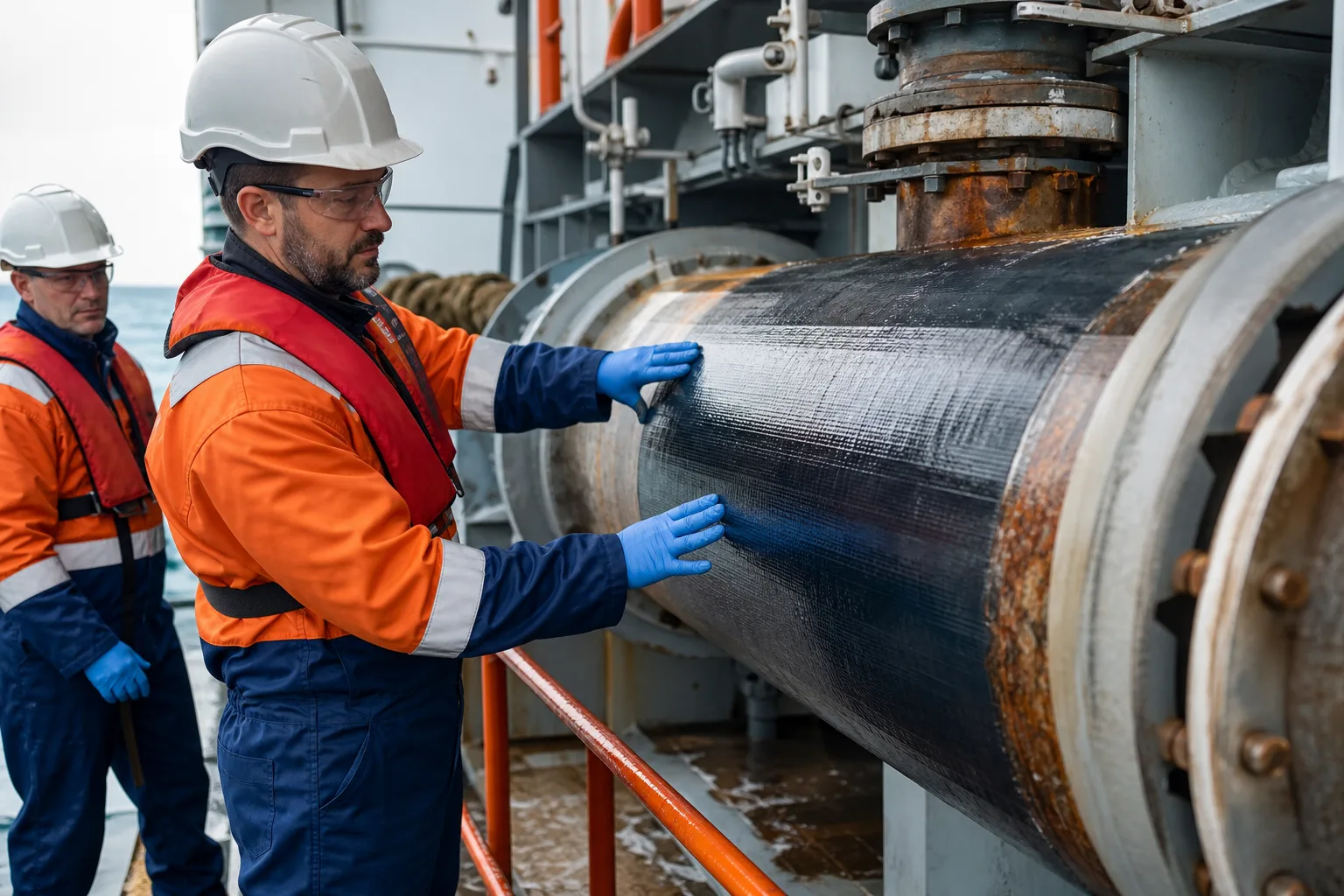
ZDS-CompositeWrap
Composite pipe reinforcement and structural laminating routes requiring appropriate engineering assessment.
Application Planning
Surface Preparation and Application Planning
Marine deposits, salts, oils, biological contamination, loose corrosion, failed coatings, and retained moisture can affect repair quality. The achievable preparation standard must be established before selection, especially where access or drying is restricted.
01
1. Make Equipment Safe
Follow site procedures for isolation, depressurization, drainage, ventilation, confined-space work, and underwater work.
02
2. Define the Defect
Record dimensions, remaining wall condition, substrate integrity, photographs, and the suspected failure mechanism.
03
3. Remove Contamination
Address salts, oils, marine growth, loose corrosion, unsound material, and poorly bonded coatings within site limits.
04
4. Confirm the Environment
Record surface moisture, water movement, ambient and substrate conditions, access, and the service-return window.
05
5. Follow Instructions
Follow current requirements for mixing, placement, reinforcement, film build, cure, inspection, and service entry.
06
Supporting Preparation Products
Cleaning agents, primers, conditioners, and related application materials support the seven primary repair series.
Documents and Evidence
Documents and Project Evidence for Technical Review
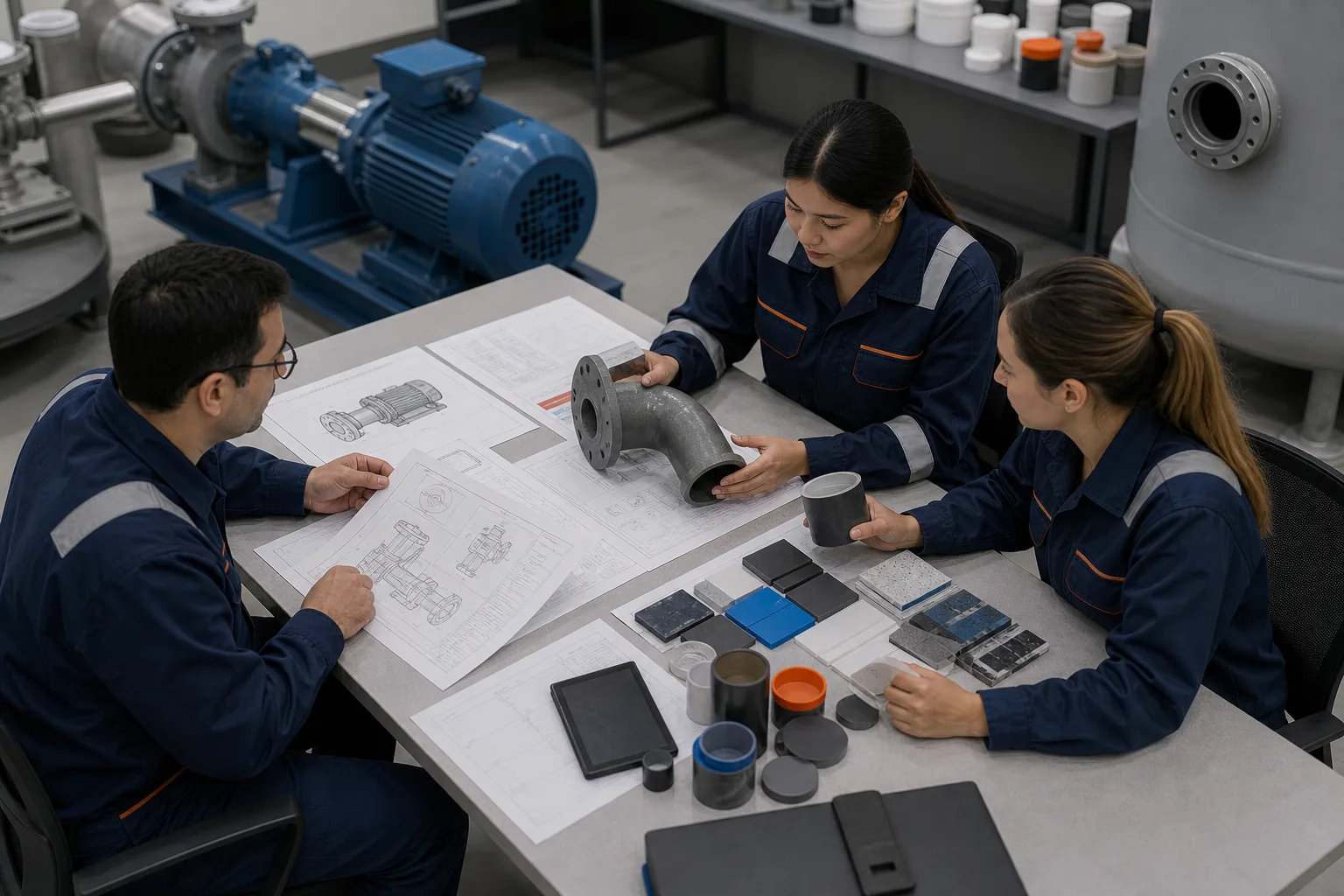
Maintenance and procurement teams may need technical data sheets, safety data sheets, application instructions, sample information, quality records, and commercial details. Evidence must match the equipment, substrate, damage, service conditions, and repair method.
Technical Support
Technical Support for Product Evaluation
ZDSChem applies its chemical manufacturing and formulation background to industrial repair material selection. Company-level R&D, technical experience, and quality-management systems support formulation review and application-specific development.
Engineering Review
When a Material Repair Requires Further Engineering Review
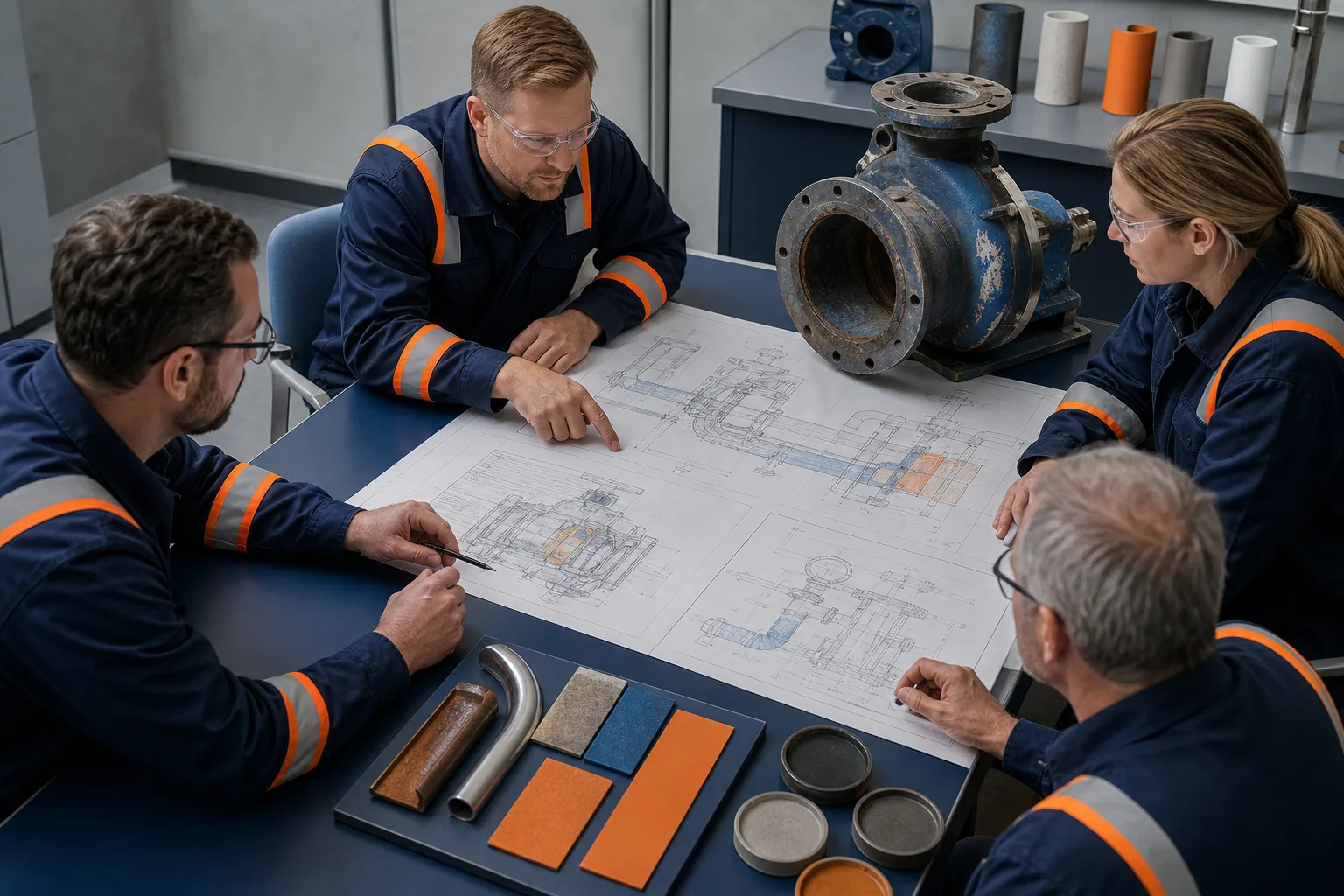
A repair compound or coating should not replace engineering judgment. Safety-critical or uncertain conditions may require further inspection, engineered reinforcement, component replacement, or another repair method. Selection should not be based solely on a photograph.
Further review may be required for
extensive wall loss, active structural movement, unstable substrates, or through-wall cracking.
Unknown pressure conditions, inaccessible
contamination, uncontrolled water flow, and safety-critical service require additional assessment.
Potable water, wastewater discharge
chemical contact, marine environmental exposure, and regulated infrastructure may require local approvals.
ISO 9001 and IATF 16949 certify management
systems, not individual product performance, compatibility, contact approval, or application suitability.
Current certification and product
documents should be checked when they form part of supplier qualification.
Project Inquiry
Prepare Your Marine or Water Treatment Repair Inquiry
Send the equipment type, substrate, defect dimensions, photographs, fluid composition, pressure, temperature, operating cycle, surface condition, preparation method, and required return-to-service window for product and document evaluation.
Get a Product Recommendation
Submit operating conditions and repair details for comparison of relevant ZDSChem material series.
Get a Product Recommendation
Submit operating conditions and repair details for comparison of relevant ZDSChem material series.
FAQ
Frequently Asked Questions
Provide the equipment type, substrate, defect dimensions, photographs, remaining wall condition, fluid, pressure, temperature, operating cycle, surface moisture, preparation method, and maintenance window. For pipes, also include diameter, defect location, and whether the line can be isolated and depressurized.
Not automatically. Damp, splash-zone, tidal, and fully submerged applications create different preparation and curing conditions. Water movement, contamination, substrate condition, and access also affect selection. The proposed material must be checked against its current technical and application documentation.
Selection requires the complete fluid or chemical name, concentration, operating and cleaning temperatures, immersion duration, substrate, existing lining condition, and applicable contact or regulatory requirements. General chemical-resistant positioning does not confirm compatibility with every substance or concentration.
Composite reinforcement is one possible repair category, but pressure service requires defect data, pipe geometry, substrate condition, operating loads, and an appropriate engineering assessment. The system design, installation method, inspection criteria, and permitted return to service must be confirmed for the project.
No. ISO 9001 and IATF 16949 are quality-management system certifications. They support the company’s management and process-control framework but do not certify individual product performance, chemical compatibility, potable-water contact, or suitability for a specific marine application. Current supporting documents should be requested when certification forms part of supplier qualification.