
Tank and Vessel Lining Material Selection
Tank and vessel lining protects prepared internal surfaces from corrosion, chemical contact, immersion, and operating wear. Plant maintenance teams, corrosion engineers, repair contractors, and procurement buyers should evaluate the medium, concentration, temperature cycle, exposure pattern, substrate, damage, cleaning method, and shutdown time before selecting a lining route.
Failure Assessment
Why Tank and Vessel Linings Fail
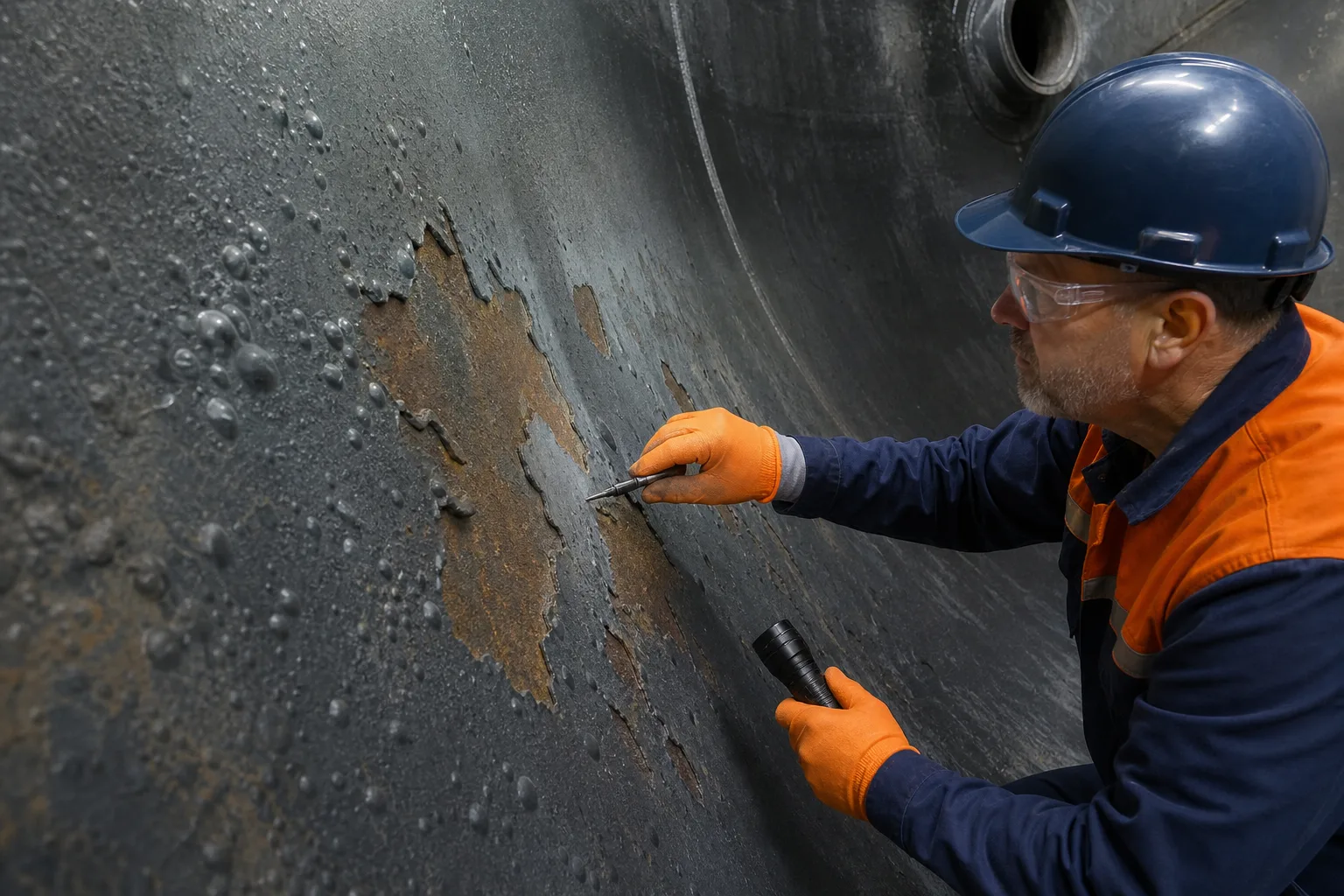
Chemical attack, thermal cycling, immersion, suspended solids, mechanical damage, and corrosion beneath a lining can cause blistering, softening, cracking, adhesion loss, or substrate exposure. Determine the failure pattern before applying another material.
Selection Factors
Service Conditions That Determine Lining Selection
A material shortlist requires a defined service profile. Terms such as acid-resistant, heat-resistant, or waterproof do not establish suitability. Confirm the final selection against current technical documentation and actual exposure conditions.
Process Medium
Provide chemical names, concentrations, mixtures, contaminants, and cleaning agents for compatibility review.
Temperature
Report normal, peak, startup, shutdown, and cleaning temperatures because heat can change exposure severity.
Immersion Pattern
Identify continuous, intermittent, splash, vapor, or alternating wet and dry exposure.
Substrate
Confirm carbon steel, stainless steel, concrete, or other construction material and its condition.
Existing Damage
Document pitting, corrosion, cracks, holes, failed coatings, and contamination before lining selection.
Operating Forces
Identify agitation, solids, flow, impact, vibration, pressure, and thermal cycling.
System Options
Repair and Lining Routes for Tanks and Vessels
A complete system may combine substrate rebuilding, a continuous lining, and localized reinforcement at joints, penetrations, or damaged areas. Evaluate each function separately so the lining is not expected to compensate for unresolved defects.
Continuous Lining
Compare the relevant ZDS-FluidGlide category, then confirm formulation, layers, thickness, cure, and exposure limits.
Metal Rebuilding
Where engineering review permits, rebuild pitting and metal loss before lining; this does not replace integrity assessment.
Abrasion Protection
Assess a wear-focused route for slurries, sediment, loading zones, agitator flow, and solids settling.
Application Planning
Surface Preparation and Lining Application
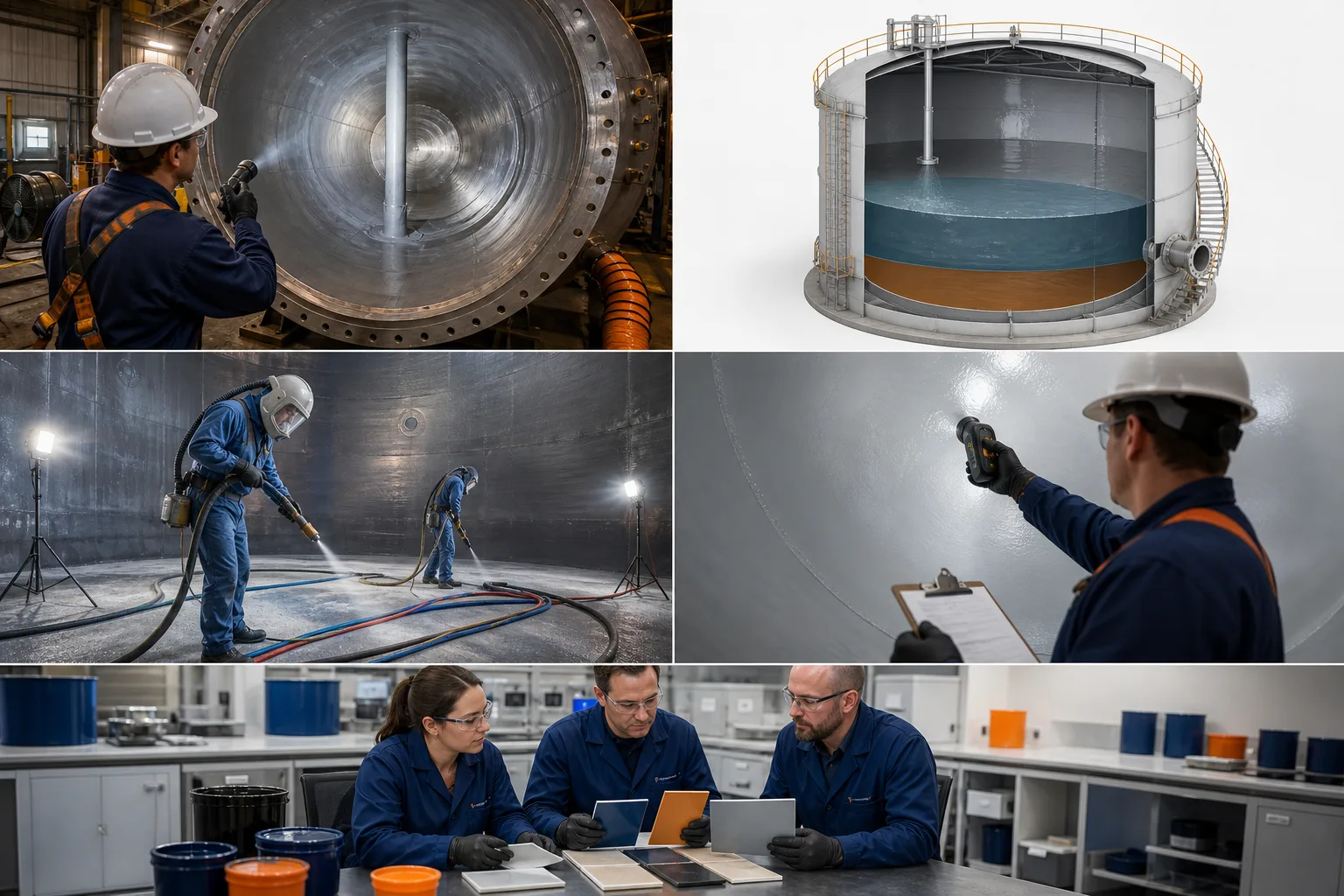
Surface preparation is part of the lining system. Coatings, corrosion products, soluble contamination, oil, residue, and moisture can impair adhesion. Required cleaning and profile depend on the substrate, selected material, access, and current instructions.
01
1. Isolate Equipment
Follow site procedures for shutdown, cleaning, ventilation, confined-space controls, and process-hazard verification.
02
2. Inspect Substrate
Map corrosion, pitting, cracks, penetrations, welds, edges, previous repairs, and remaining coating.
03
3. Remove Contamination
Produce a clean, sound surface that meets the selected product instructions.
04
4. Restore Defects
Rebuild permitted defects and shape transitions to support even lining coverage.
05
5. Control Application
Record conditions, mixing, application sequence, layer intervals, and documented cure requirements.
06
6. Inspect Before Service
Check coverage, continuity, cure status, repaired details, and agreed acceptance criteria.
Supporting Materials
Surface Preparation Products
Cleaning agents, primers, conditioners, and application materials support the selected lining route. Match them to the substrate and lining instructions. Surface Preparation Products are a supporting category, not an eighth primary repair series.
Project Verification
Inspection and Documentation
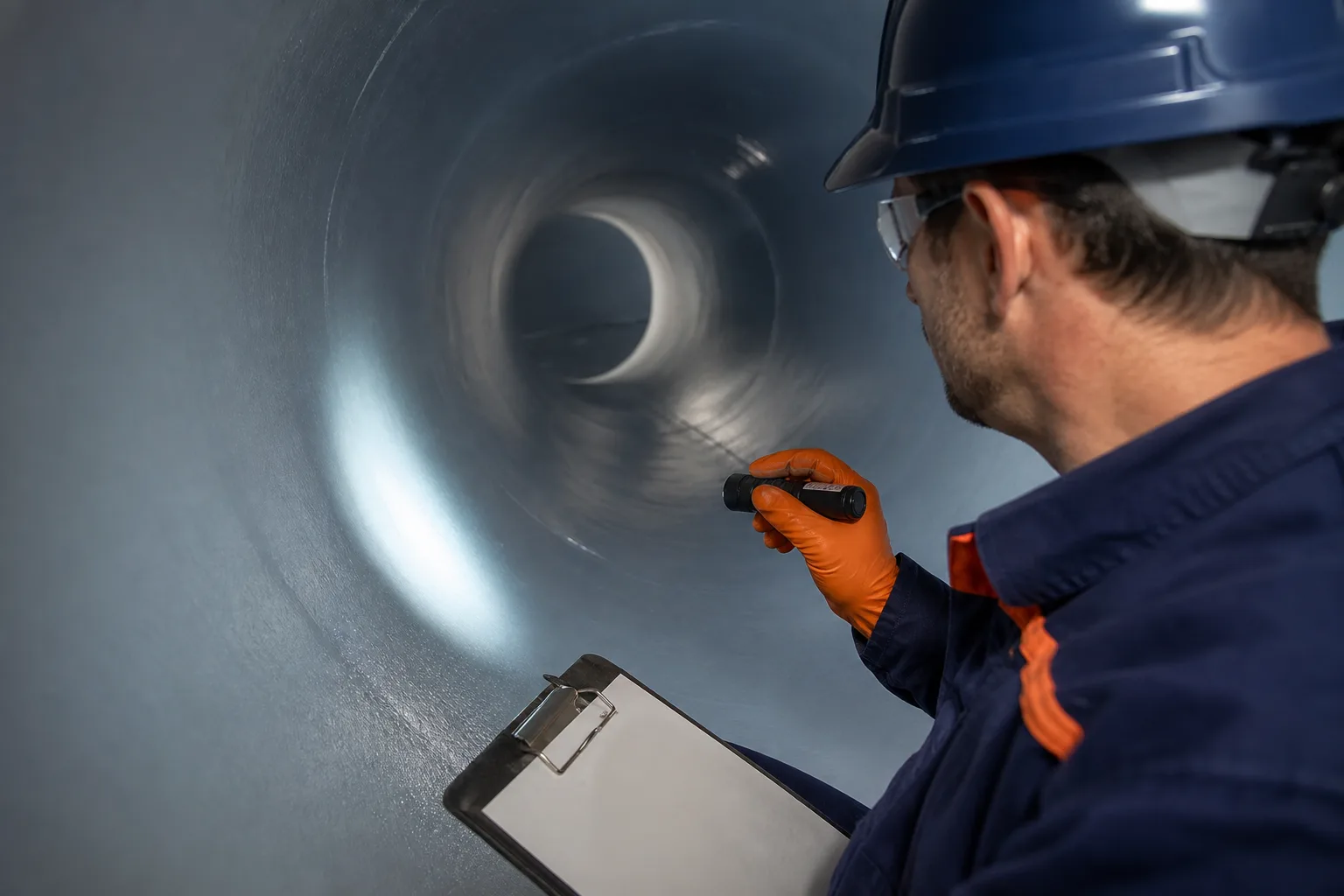
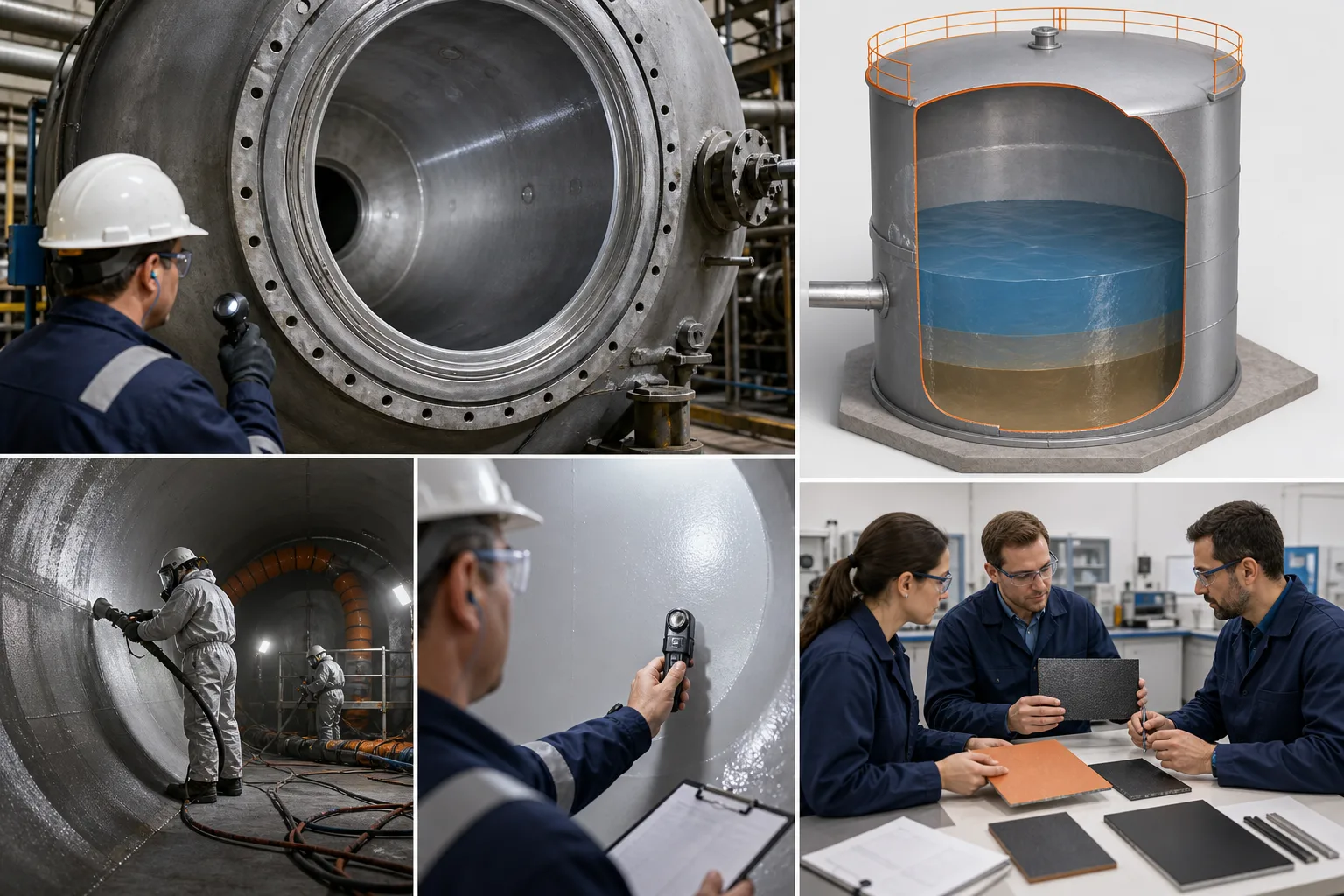
Agree inspection requirements before work begins. The plan may cover surface condition, application records, visual continuity, repaired details, and release criteria. Asset owners, contractors, and project requirements must define tests and acceptance limits.
Technical Resources
Technical Support Behind Material Selection
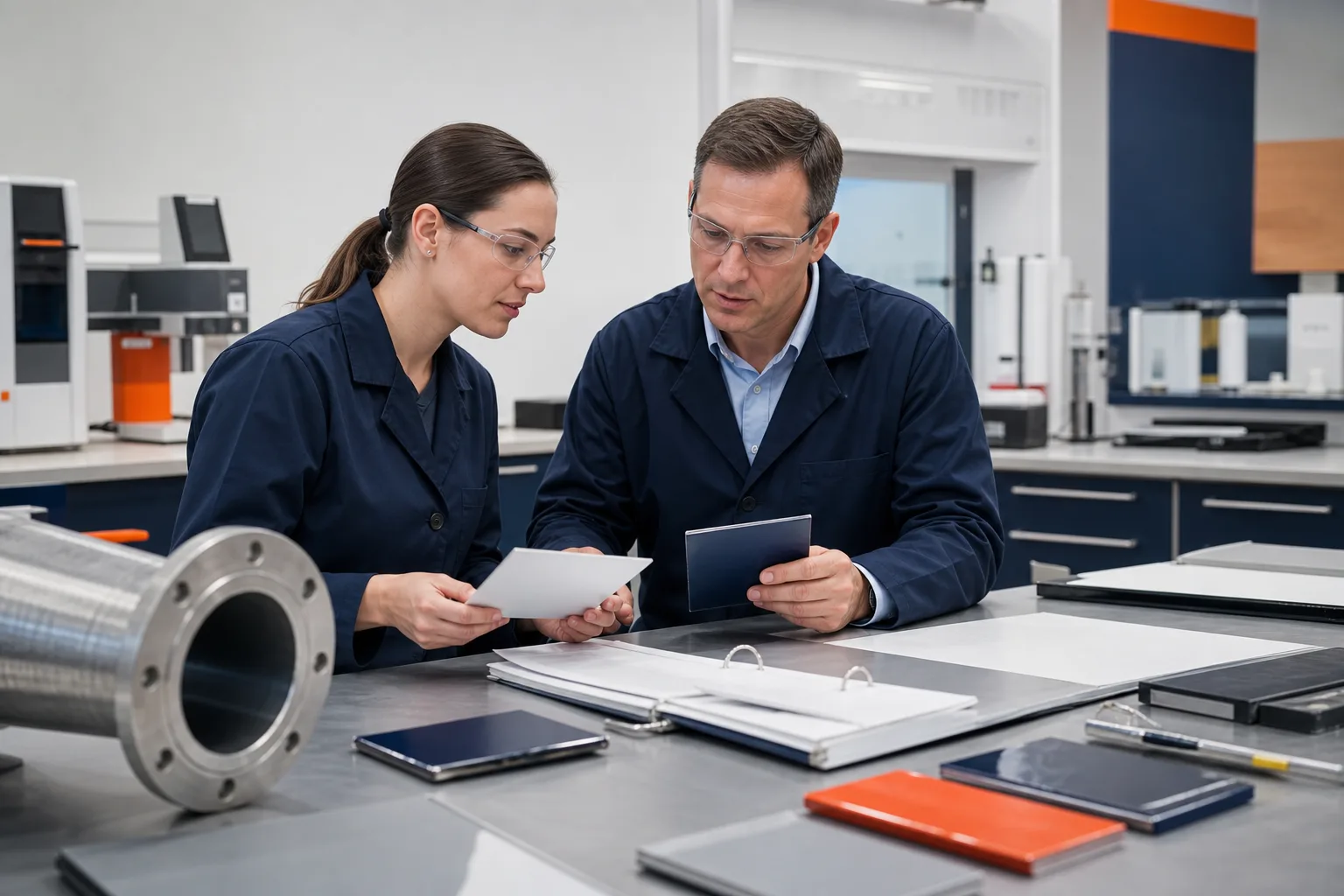
ZDSChem applies ZDS chemical manufacturing and formulation experience to industrial repair material evaluation. A dedicated R&D team of 30 professionals supports development, formulation improvement, and application adaptation.
Selection Limits
Conditions Requiring Separate Engineering Review
A protective lining cannot resolve every equipment condition. Confirm structural integrity, full exposure conditions, application environment, regulatory documentation, and cure requirements before approving a material or returning equipment to service.
Structural Damage
Do not conceal active leakage, unstable corrosion, cracks, severe wall loss, or unresolved structural damage.
Chemical Mixtures
Compatibility with one chemical does not cover mixtures, contaminants, cleaners, or changing concentrations.
Temperature Exposure
Consider the medium, exposure pattern, thermal cycling, and cure conditions when evaluating temperature.
Wet Application
Wet or underwater work requires a product specifically documented for that application condition.
Regulated Uses
Potable water, food contact, and regulated processes require current documentation for the intended market.
Return to Service
Follow the selected product instructions and verified site conditions when setting the return-to-service time.
Related Applications
Compare Industrial Repair Applications
Review related equipment and service-condition routes across the industrial repair application center.
Commercial Request
Request Project Pricing
Submit the available project scope, lining area, estimated quantity, location, schedule, and purchasing requirements for commercial review.
FAQ
Frequently Asked Questions
Provide the vessel type, substrate, dimensions, stored or processed medium, concentration, normal and peak temperatures, exposure pattern, cleaning chemicals, existing lining, damage condition, and required return-to-service schedule. Photographs, drawings, specifications, and inspection records can improve the initial evaluation.
No. Chemical suitability is affected by the exact medium, concentration, mixtures, contaminants, temperature, immersion duration, and cleaning cycle. Compatibility must be checked against current documentation for the selected product and the complete service profile.
A lining should not be treated as a substitute for structural assessment. Severe wall loss, cracks, distortion, active leakage, or pressure-boundary damage requires appropriate engineering review. Where repair is permitted, substrate rebuilding and protective lining may perform separate functions within the repair plan.
The cause and extent of failure should be identified before recoating. Inspection should consider adhesion loss, blistering, softening, cracking, underfilm corrosion, contamination, and whether sound existing material can remain. The preparation and overcoating route must follow the requirements of the selected system.
No. ISO 9001 and IATF 16949 are quality-management system certifications. They do not certify the performance, chemical resistance, safety, or suitability of an individual product. Current technical and certification documents should be checked during supplier and project qualification.
Customer-specific formulation targets can be submitted for evaluation. The technical team will need the application, performance target, specification, expected volume, target market, packaging, and documentation requirements. Development proceeds only after technical and commercial feasibility are confirmed, and successful formulation or approval cannot be guaranteed in advance.