
Product Selection Support for Industrial Repair Materials
Narrow an industrial repair material shortlist using the actual equipment, substrate, damage, temperature, pressure, process media, and cure conditions. ZDSChem supports maintenance teams, repair contractors, MRO suppliers, importers, and technical buyers with relevant product routes, documents, sample-evaluation options, and commercial next steps.
Intended Buyers
Who Should Use Product Selection Support?
The review route supports failed-component assessments, shutdown planning, contractor comparisons, category development, procurement preparation, sampling, quotation, and initial stocking decisions.
Maintenance Teams
Compare metal rebuilding, lining, coating, composite, underwater, and elastomer repair routes.
Repair Contractors
Compare materials against a known substrate, damage mechanism, equipment condition, and application environment.
MRO Suppliers
Organize repair categories around common equipment, damage types, and service conditions.
Importers
Prepare practical product shortlists before sampling, quotation, initial stocking, or repeat supply discussions.
Procurement Teams
Prepare specification, documentation, packaging, quantity, and purchasing-region questions for supplier review.
Selection Factors
Factors That Affect Repair Material Selection
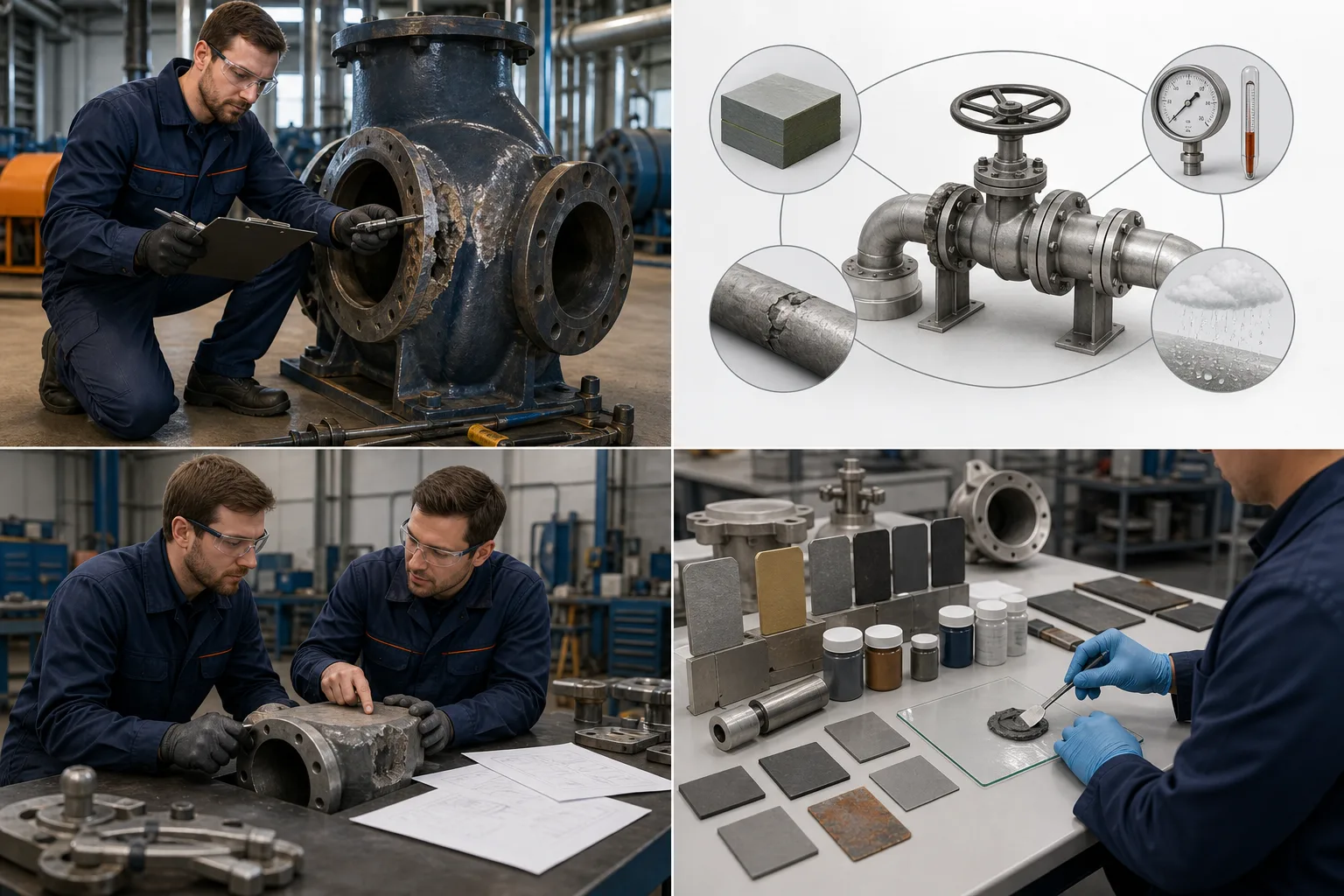
Selection starts with the failure condition rather than the product label. The review considers substrate contact, damage cause, operating conditions, and whether the repair can cure within available site constraints.
Substrate and Equipment
Identify the equipment, repair surface, geometry, wall condition, joint design, and available access.
Damage Mechanism
Describe corrosion, erosion, abrasion, cavitation, cracking, leakage, loss, impact, delamination, or wear.
Service Conditions
Record temperature, pressure, media, immersion, moisture, slurry, chemicals, UV, movement, and vibration.
Repair and Cure Constraints
Explain shutdown time, isolation, access, tools, position, humidity, water contact, and return-to-service needs.
Required Information
Information Needed for a Technical Recommendation
Provide as much project information as possible. Photos can orient the review but do not normally establish substrate condition, compatibility, structural loading, or the complete service environment by themselves.
Equipment and Location
Identify the pump, valve, pipe, tank, vessel, flue, conveyor, roller, cable, tire, or other component.
Substrate
State the base material, existing coating or lining, surface condition, and preparation-related contamination.
Damage
Describe the damaged area, dimensions, depth, leak status, movement, and likely cause.
Operating Conditions
Provide temperature, pressure, media, flow, immersion, chemical, slurry, abrasion, and weather exposure.
Cure Environment
Explain ambient temperature, humidity, water contact, application position, isolation, and cure window.
Commercial Context
Provide quantity, region, packaging or labeling needs, and whether the request is for sampling or supply.
Evaluation Process
How the Evaluation Works for a Repair Case
The process connects product selection to the actual repair decision and identifies information gaps before a buyer commits to a sample or bulk order.
01
Define the Problem
Establish the equipment, substrate, damage mechanism, repair objective, and current operating condition.
02
Narrow the Route
Compare the available information with ZDSChem product categories and service-condition requirements.
03
Compare Constraints
Consider preparation, access, moisture, cure conditions, geometry, and shutdown timing.
04
Confirm Documents
Check current properties, cure requirements, limits, handling instructions, and compatibility information.
05
Set the Next Step
Identify the product route, document needs, sample path, or quotation information required.
Product Routes
Which ZDSChem Product Series May Fit?
ZDSChem organizes industrial repair materials into seven primary product series. Each category is a selection starting point; a series name alone does not confirm suitability for a specific equipment condition.
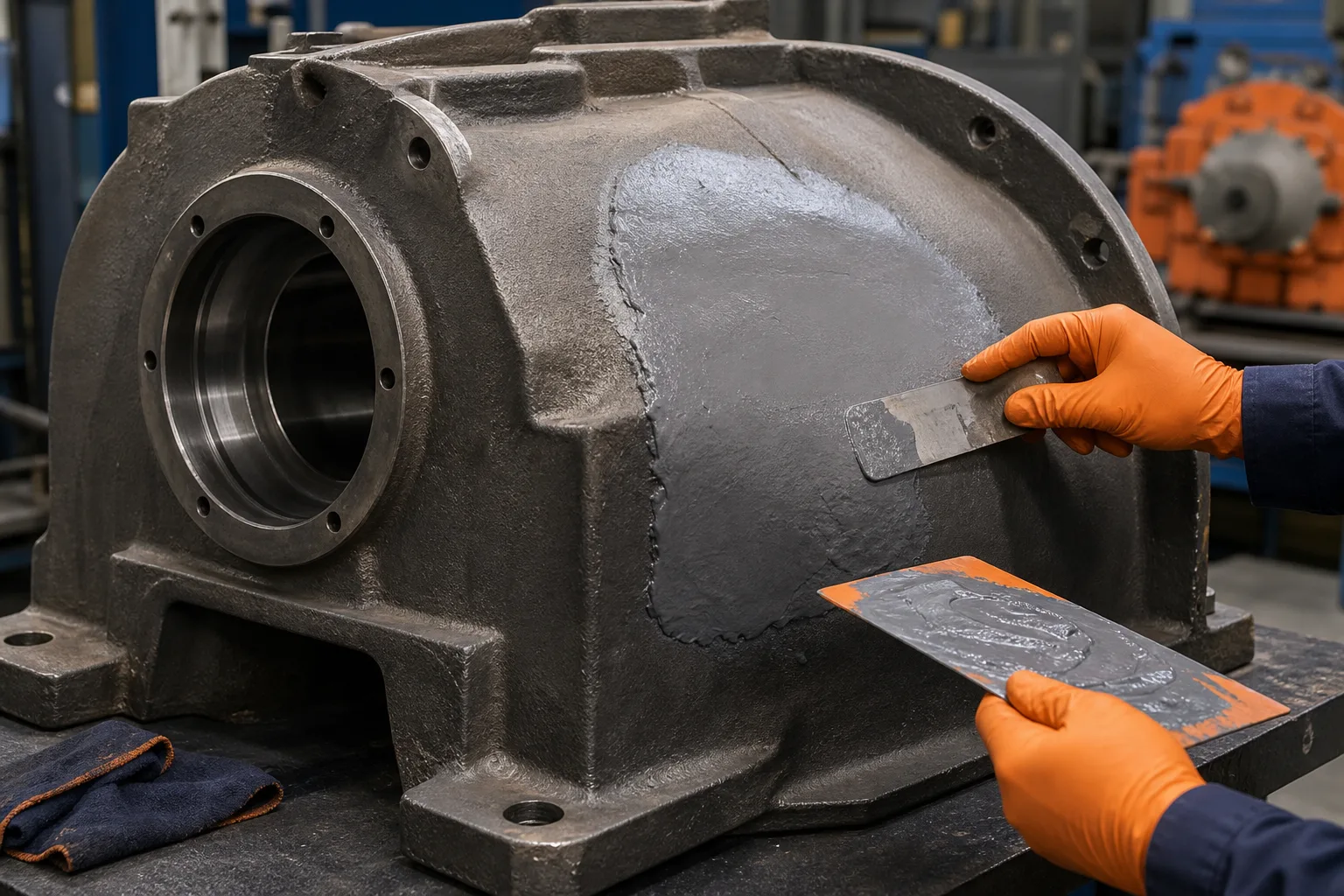
ZDS-MetalRebuild
Metal rebuilding, cold repair, dimensional restoration, leak sealing, and structural bonding materials.
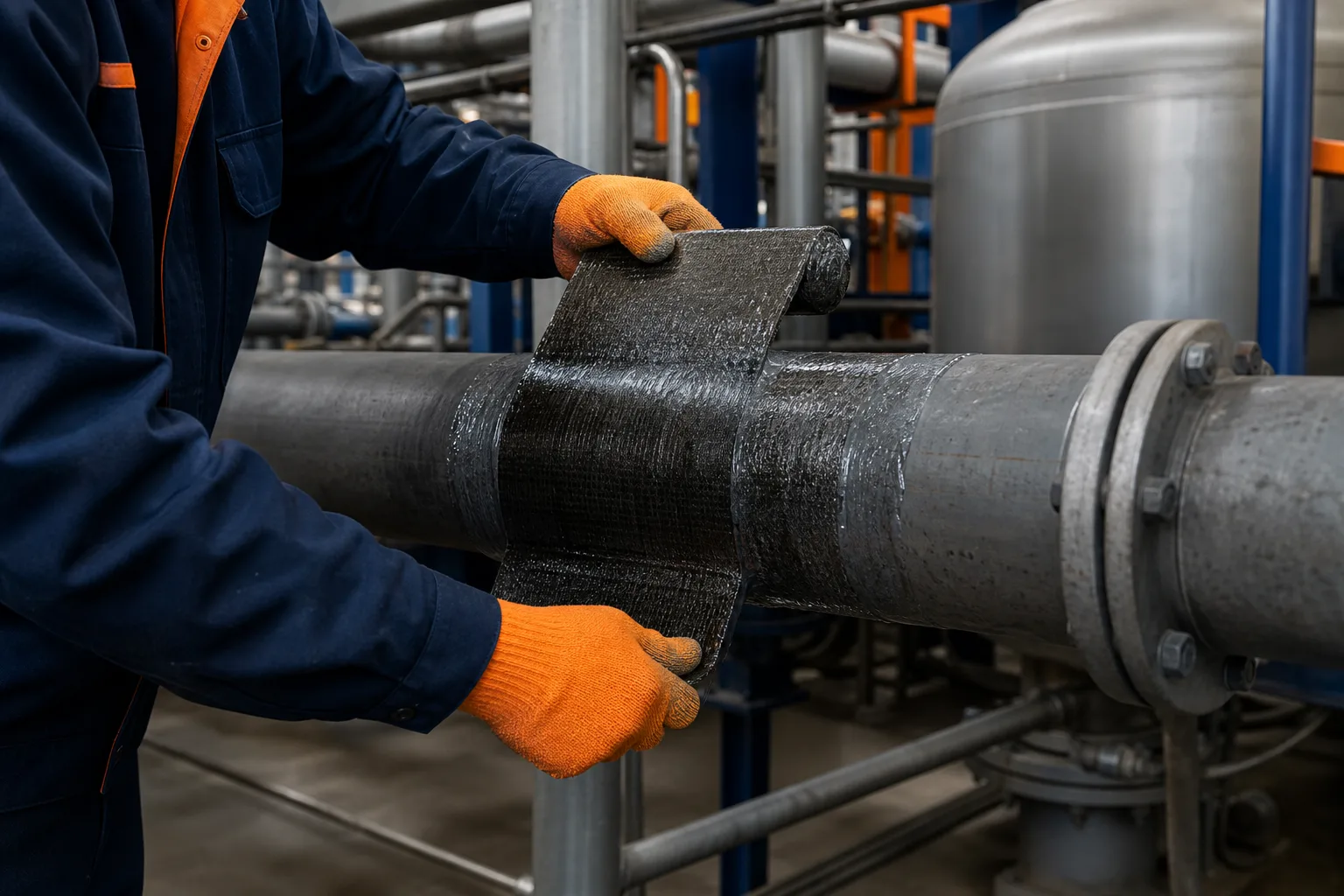
ZDS-CompositeWrap
Composite pipe reinforcement, FRP repair, and structural laminating systems.
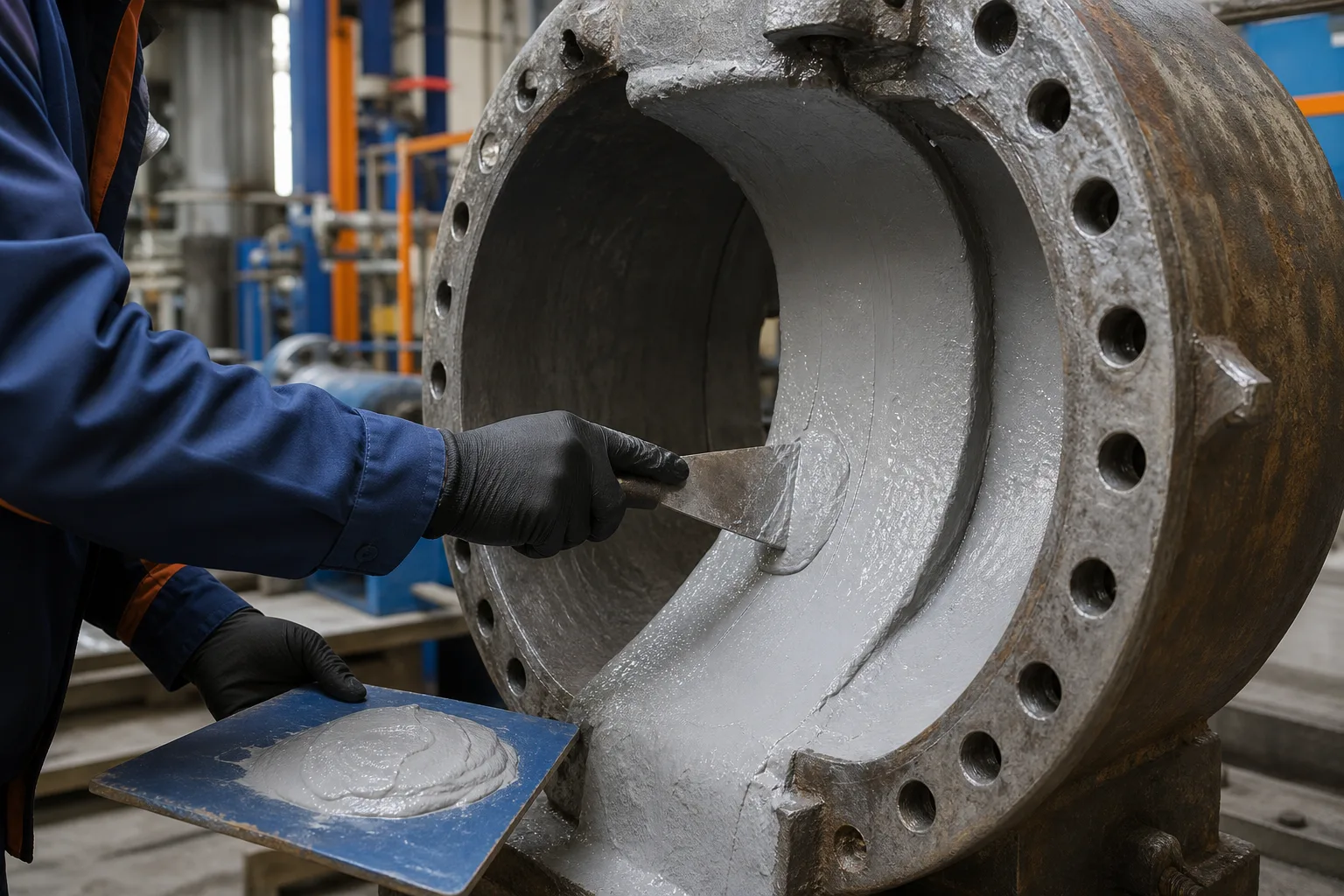
ZDS-CeramicArmor
Ceramic-filled materials for wear, erosion, cavitation, and heavy-duty equipment protection.
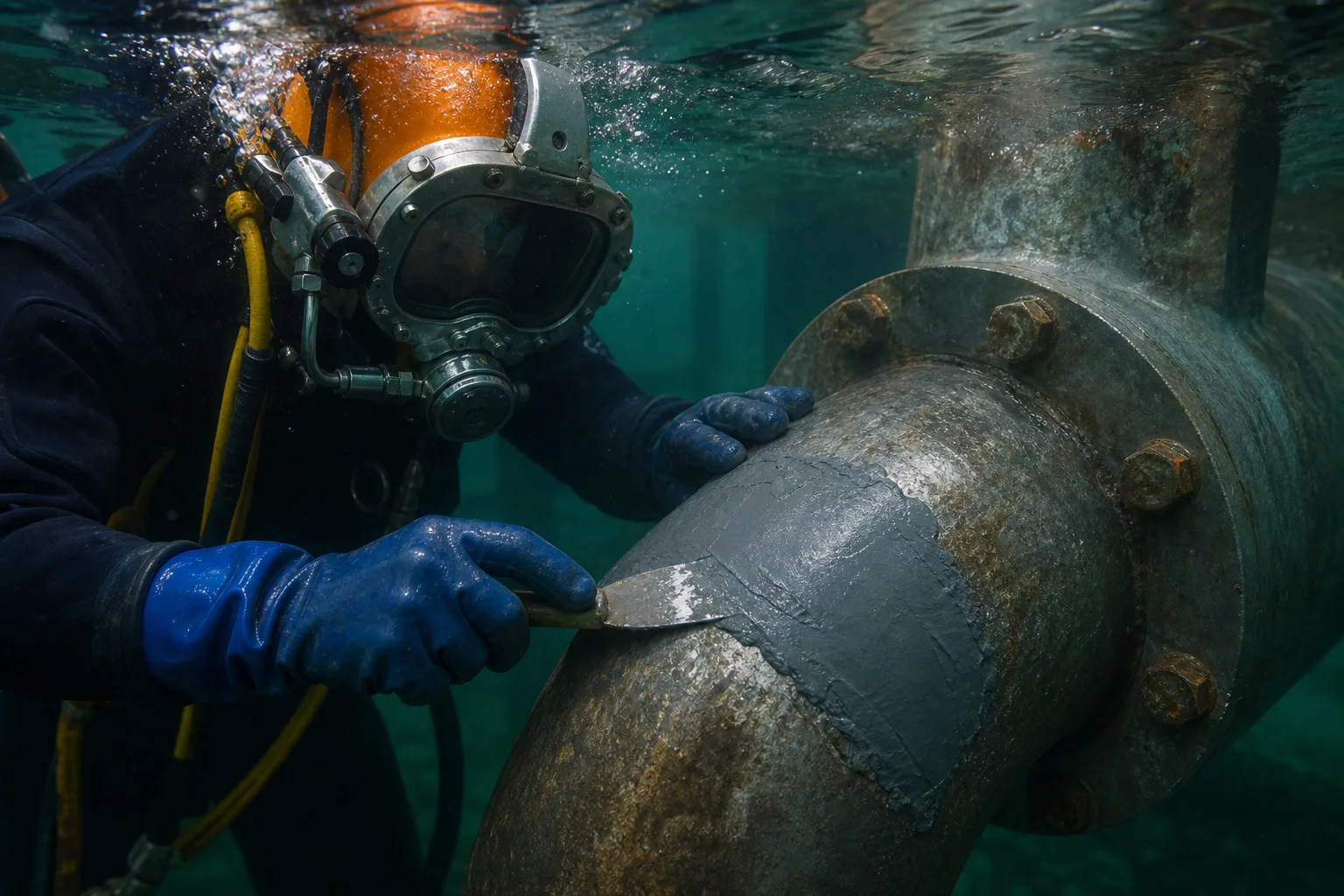
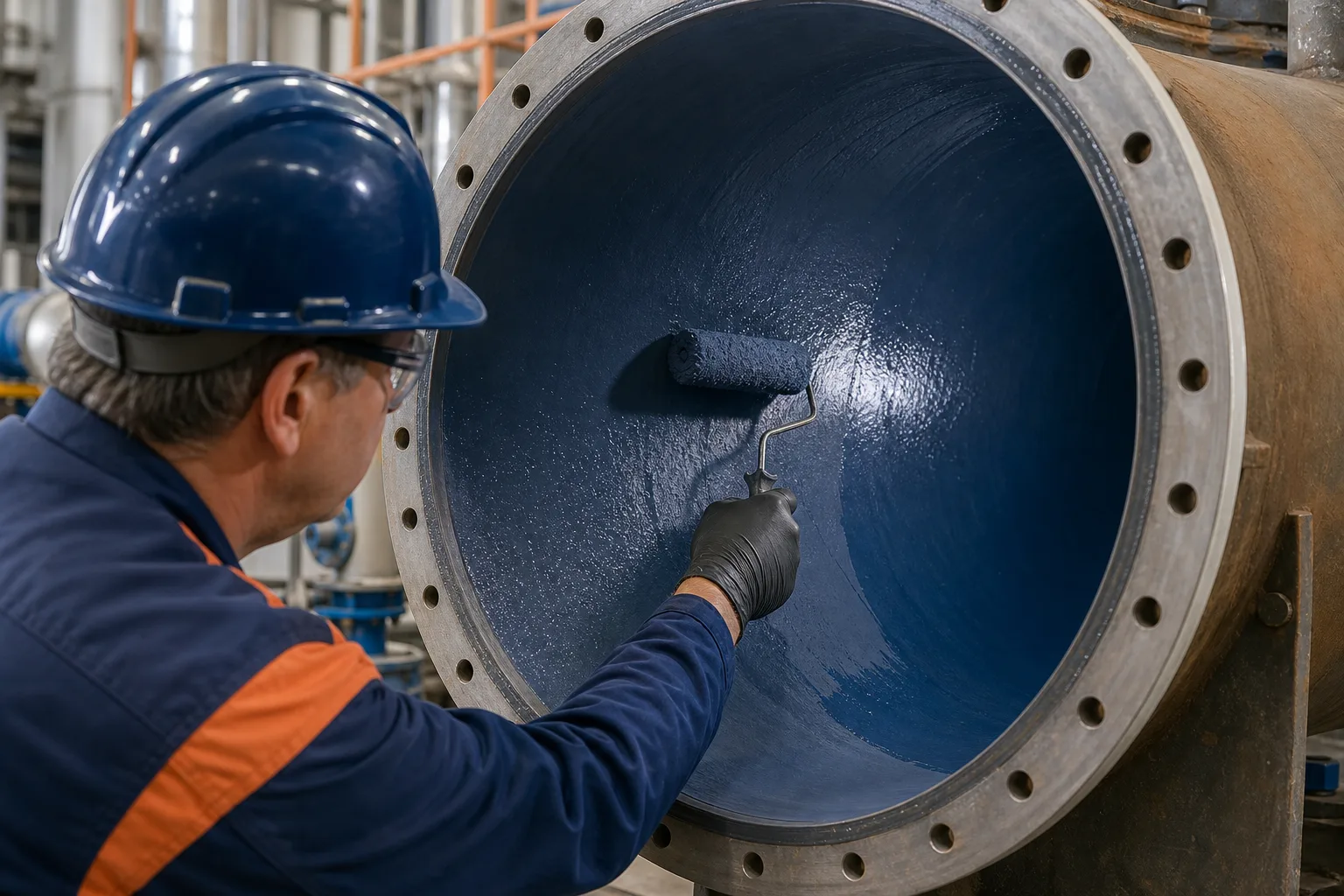
ZDS-FluidGlide
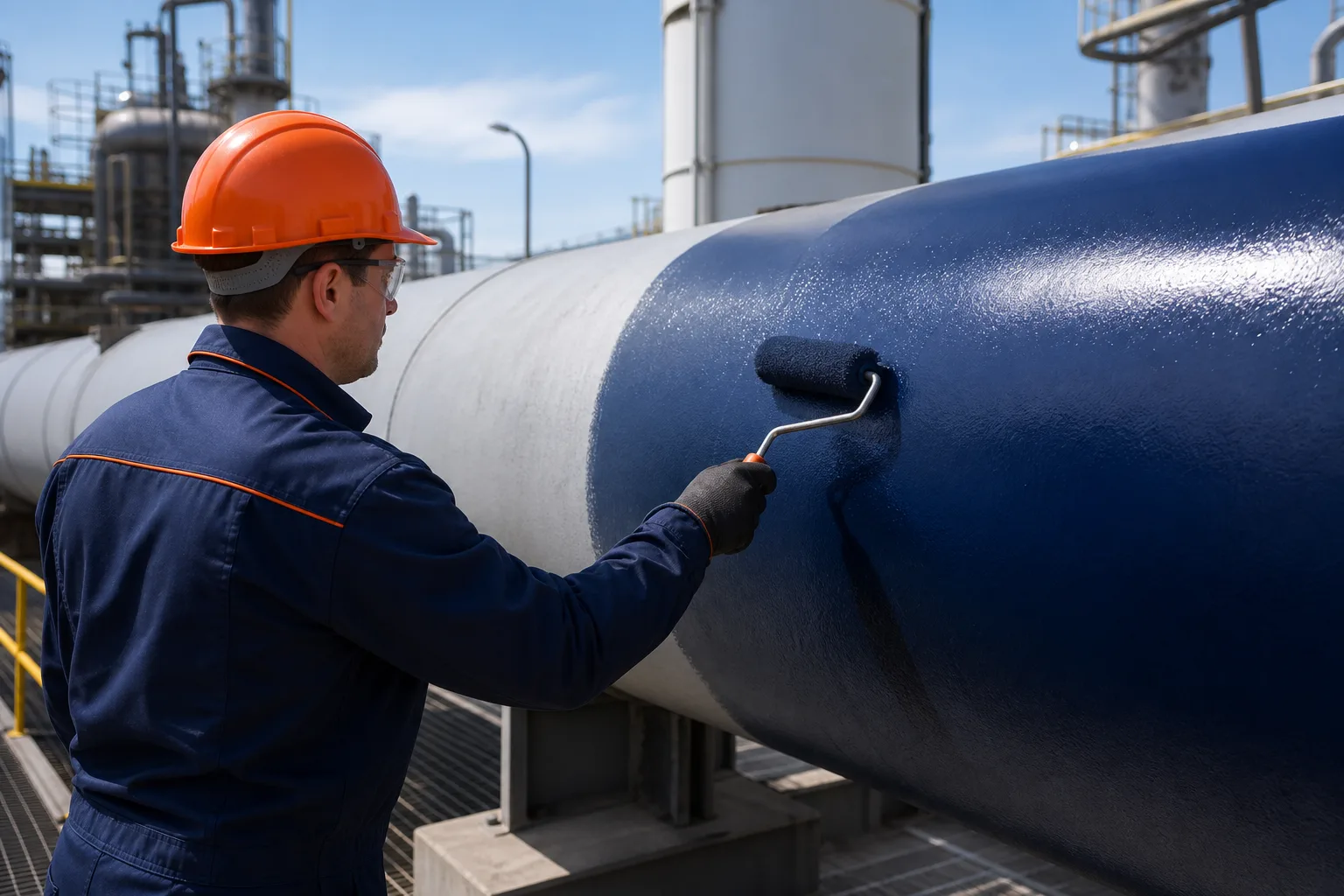
High-temperature repair, chemical-resistant lining, tank, flue, sealing, and fluid-equipment coating systems.
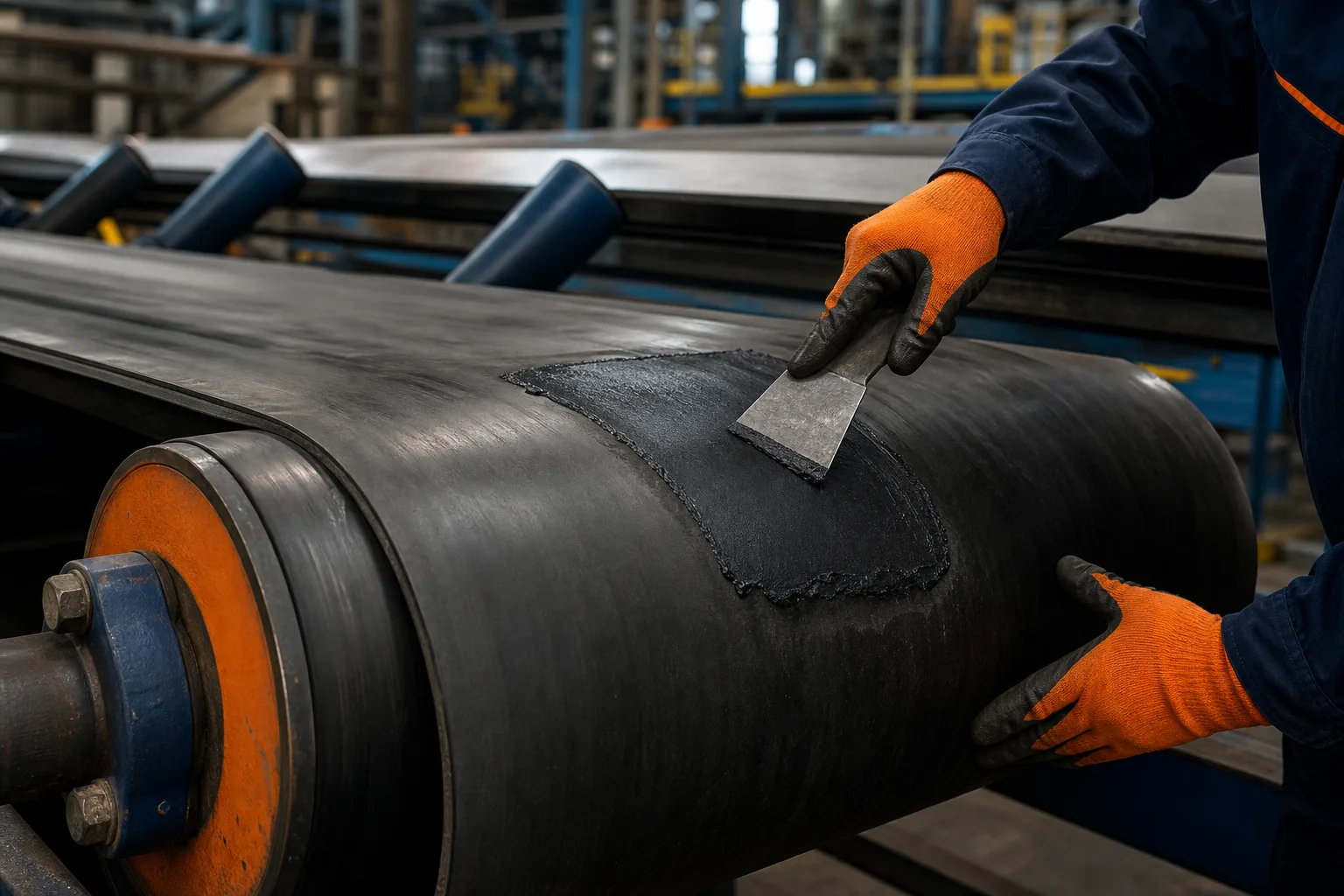
ZDS-RubberElast
Repair materials for conveyor belts, rubber linings, rollers, cables, tires, and other elastomer components.
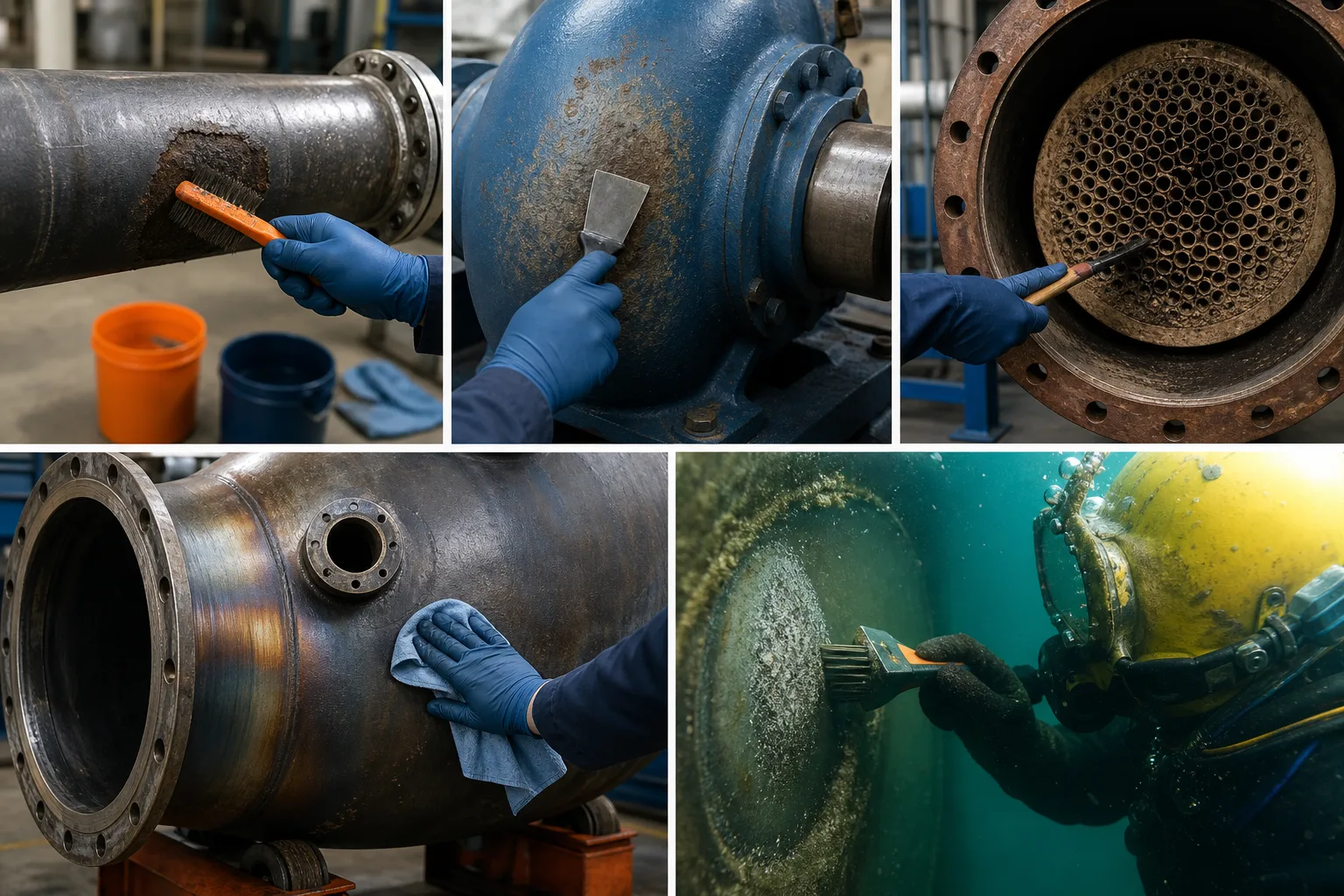
Supporting Category
Surface Preparation Products
Cleaning agents, primers, conditioners, and other application materials support repair preparation. They are not an eighth primary product series, but preparation requirements can affect the final repair route.
Application Mapping
Connect the Material Shortlist to the Equipment Problem
Map the likely material category to the equipment and application. The final recommendation remains subject to specific project information and current product documentation.
01
Pipe Leak Repair
Characterize leakage, wall loss, pressure conditions, and localized pipe damage.
02
Pump Repair
Assess casing condition, erosion, abrasion, and dimensional-restoration requirements.
03
Chemical Corrosion
Review process media, concentration where known, exposure pattern, and compatibility requirements.
04
High-Temperature Repair
Consider operating heat, shutdown conditions, preparation, and cure requirements.
05
Wet-Surface Repair
Evaluate water contact, immersion, access, isolation, and emergency-response conditions.
Review Output
What the Review Can Provide
Once the main repair information is available, Product Selection Support can prepare a practical response for technical and purchasing decisions. The output depends on case complexity and the information supplied.
A shortlist of relevant ZDSChem product
series or repair routes.
Selection reasons linked to the substrate
damage, service conditions, and cure environment.
Information gaps to resolve before
sampling or application.
Relevant technical and safety documents
for further review.
A sample-evaluation route or requirements
for project quotation and supply discussions.
Technical Support
Technical and R&D Support Behind the Service
ZDS has operated as a professional chemical manufacturer since 1998. Its dedicated R&D team includes 30 professionals, and technical experts with more than 30 years of experience support formulation review and application-specific development.
Confirmation Points
Limitations and Required Technical Confirmation
Product Selection Support narrows options and prepares the next technical step. It does not certify a repair design or guarantee field performance.
Exact cure times, working times
temperature limits, pressure limits, chemical-resistance values, and other properties must come from current product documentation.
Photos and general descriptions may not
reveal hidden corrosion, wall loss, loading, contamination, or structural damage.
Pressure-containing, safety-critical, or
regulated equipment may require inspection and approval by the responsible engineer or site authority.
Preparation, isolation, ventilation
handling, and personal protective measures must follow relevant technical and safety documentation.
Final suitability depends on the complete
service condition, preparation quality, application method, and project-specific evaluation.
A sample supports practical assessment but
does not replace project-specific engineering review or guarantee field performance.
Technical Request
Prepare Your Product Recommendation
Send the equipment type, substrate, damage, temperature, pressure, process media, cure conditions, dimensions, photos, and purchasing context. ZDSChem can identify a relevant repair route and the documents or evaluation steps needed next.
FAQ
Frequently Asked Questions
Provide the equipment type, substrate, damage mechanism, damaged-area dimensions, operating temperature and pressure, process media, moisture or immersion conditions, cure environment, surface-preparation access, and purchasing context. Photos, drawings, and inspection records can provide useful supporting information.
A photo can help identify the general repair situation, but it is not normally enough to confirm substrate condition, loading, chemical compatibility, or service limits. A more reliable recommendation requires the operating and application information available for the repair case.
The review considers water contact, immersion, process media, operating temperature, pressure, access, isolation, and cure conditions together. Exact product limits and handling requirements must then be confirmed against current technical data sheets and safety data sheets.
Depending on the information supplied, the response can identify a relevant product series or repair route, explain the main selection factors, identify missing information, and outline the document, sample, quotation, or supply step needed next. The output is a technical starting point rather than a field-performance guarantee.
Customer-specific chemical formulation requirements may be reviewed according to the application, specification, expected volume, and target market. Technical and commercial feasibility must be confirmed before development begins, and customization is not guaranteed for every inquiry.