
Industrial Repair Materials for MRO Suppliers
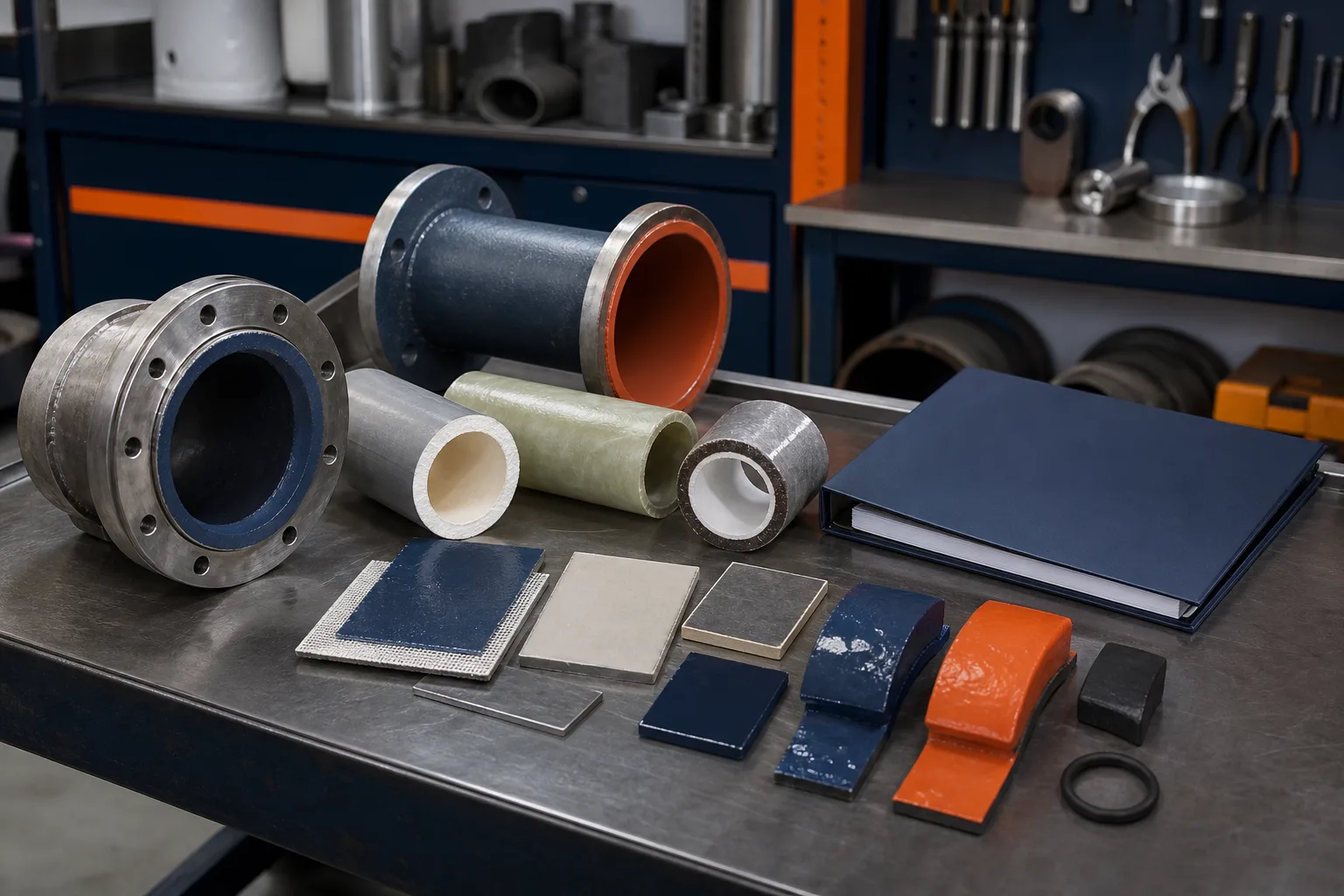
Build a practical repair-material range around the equipment, substrates, damage types, and service conditions your customers encounter. ZDSChem supplies seven product series for common industrial repair requirements.
MRO Range Requirements
What MRO Suppliers Need From a Repair-Material Range
MRO suppliers need clear product categories, current documents, manageable packaging and storage requirements, and a defined route from technical evaluation to initial stocking and replenishment.
Repair-Led Assortment
Organize products around recurring metal, pipe, pump, tank, wet-surface, conveyor, coating, and elastomer repairs.
Purchasing Documents
Match current technical, safety, application, packaging, labeling, and market-specific files to each selected product.
Sample to Replenishment
Connect samples and evaluation criteria with demand, pack format, purchasing quantities, and repeat-order requirements.
Product Categories
Product Categories for Common MRO Enquiries
The seven industrial repair product series provide a structured starting point. Select the category by repair objective, substrate, damage mechanism, and service conditions rather than equipment name alone.

ZDS-MetalRebuild
For rebuilding worn metal, restoring dimensions, sealing leaks, and bonding metal components when repair conditions are understood.
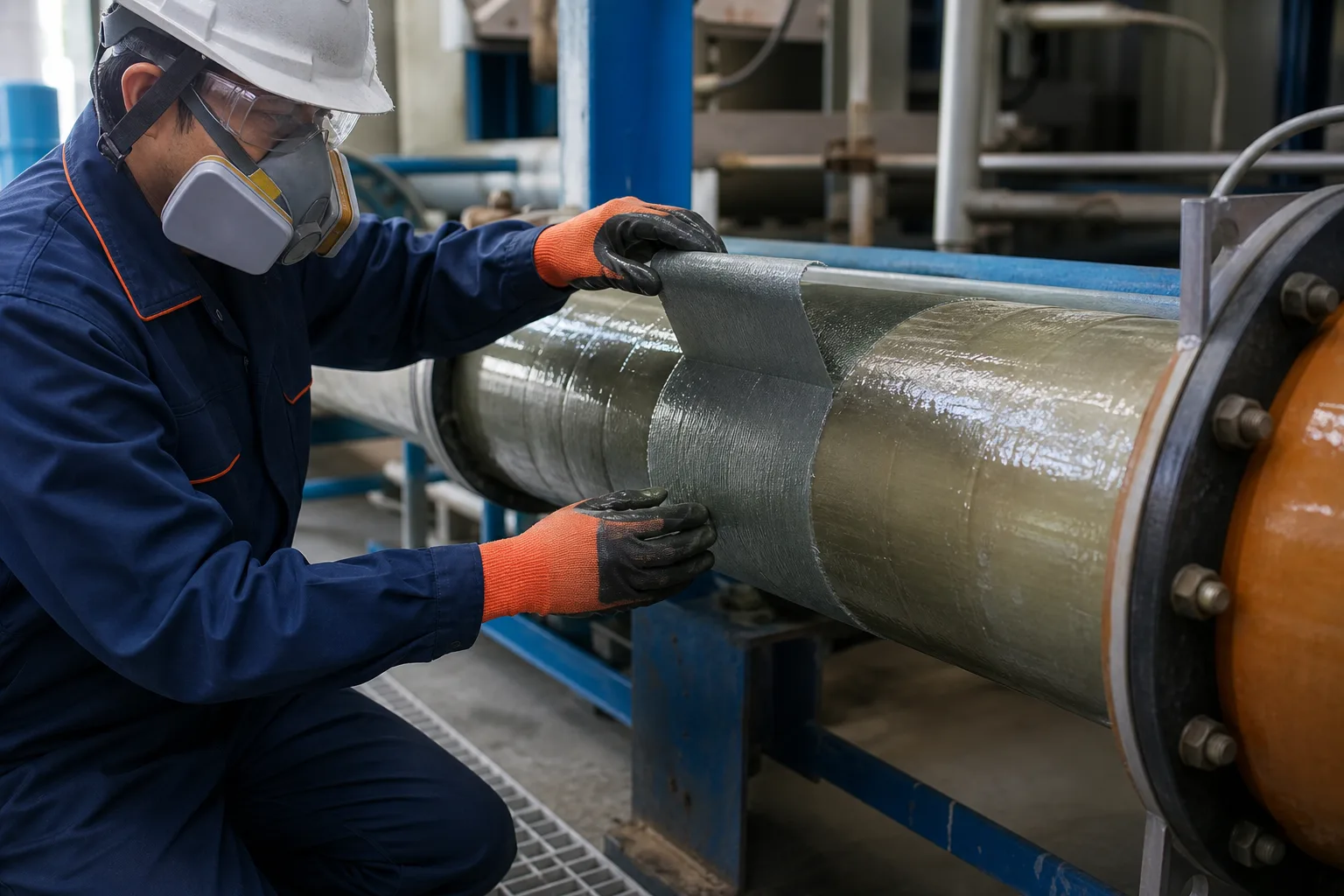
ZDS-CompositeWrap
For composite pipe reinforcement, FRP repair, and structural laminating after reviewing damage, construction, access, and operation.

ZDS-CeramicArmor
For wear, erosion, cavitation, slurry contact, flow impact, and repeated surface loss on heavy-duty equipment.
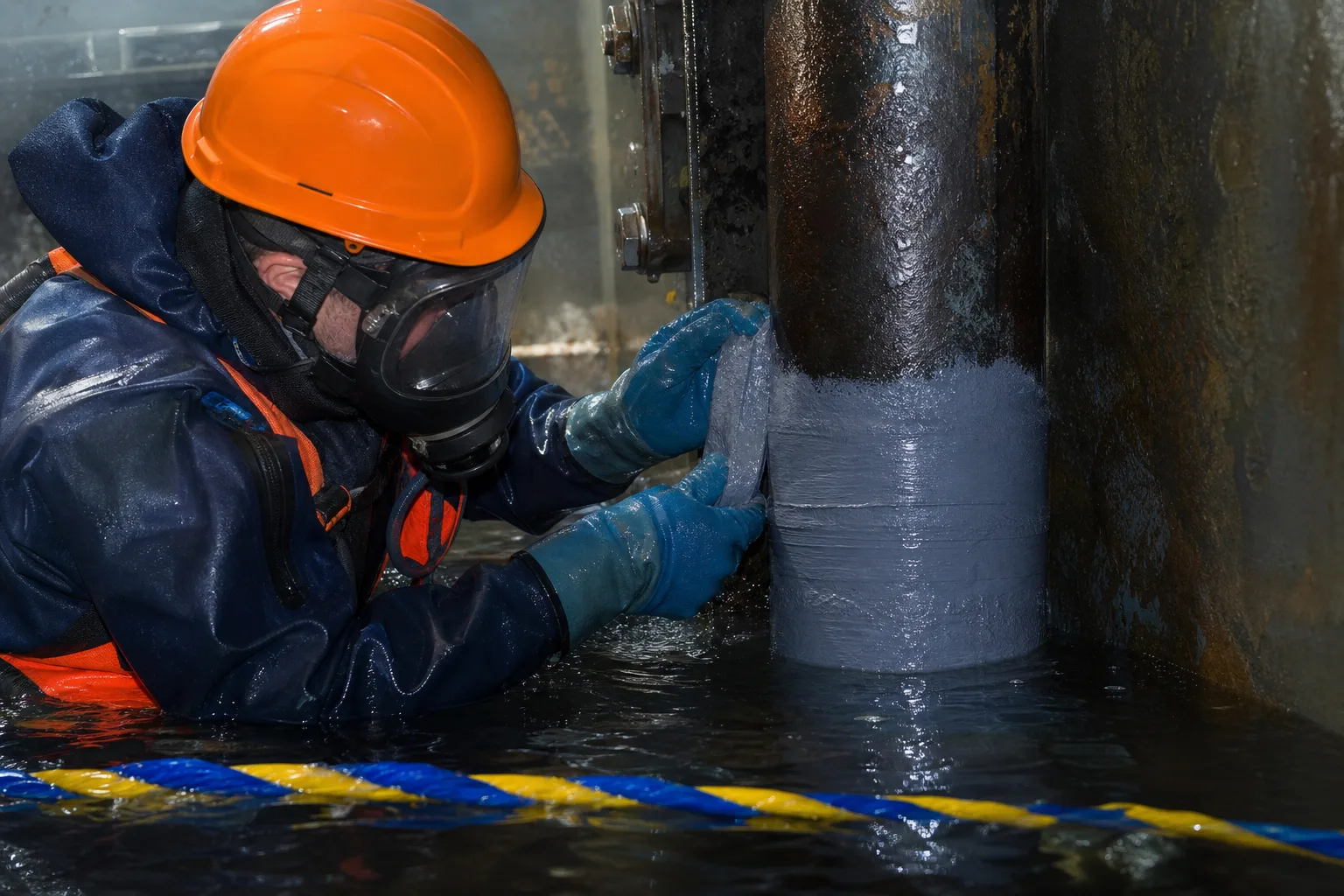
ZDS-AquaShield
For underwater-curing, wet-surface, marine, and emergency repairs where drainage, drying, or normal shutdown is difficult.
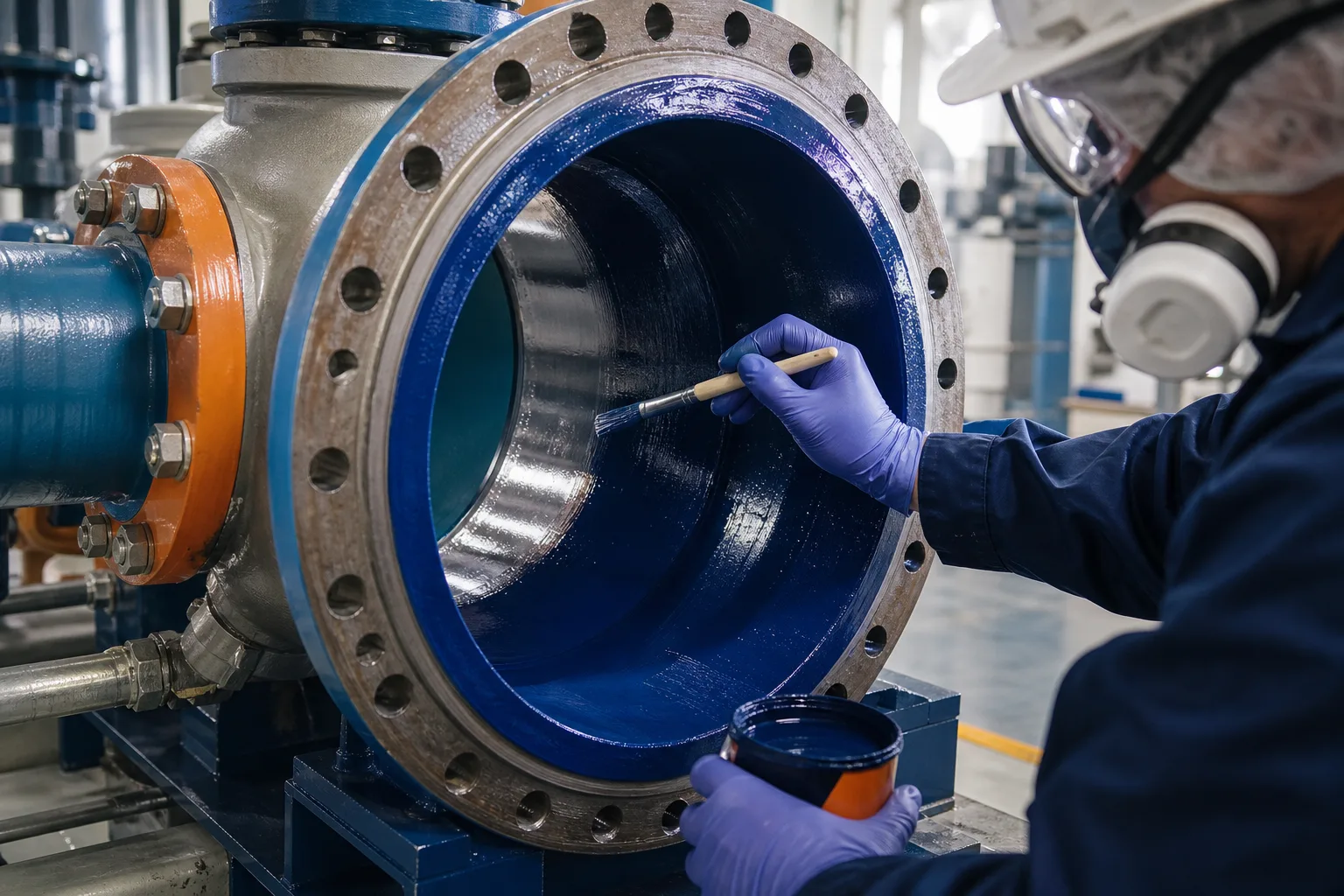
ZDS-FluidGlide
For high-temperature repair, chemical-resistant lining, tank and flue protection, sealing, and fluid-equipment coatings.

ZDS-PolyAspartic
For UV-resistant, weather-stable outdoor topcoats selected with the substrate and preparation method in mind.
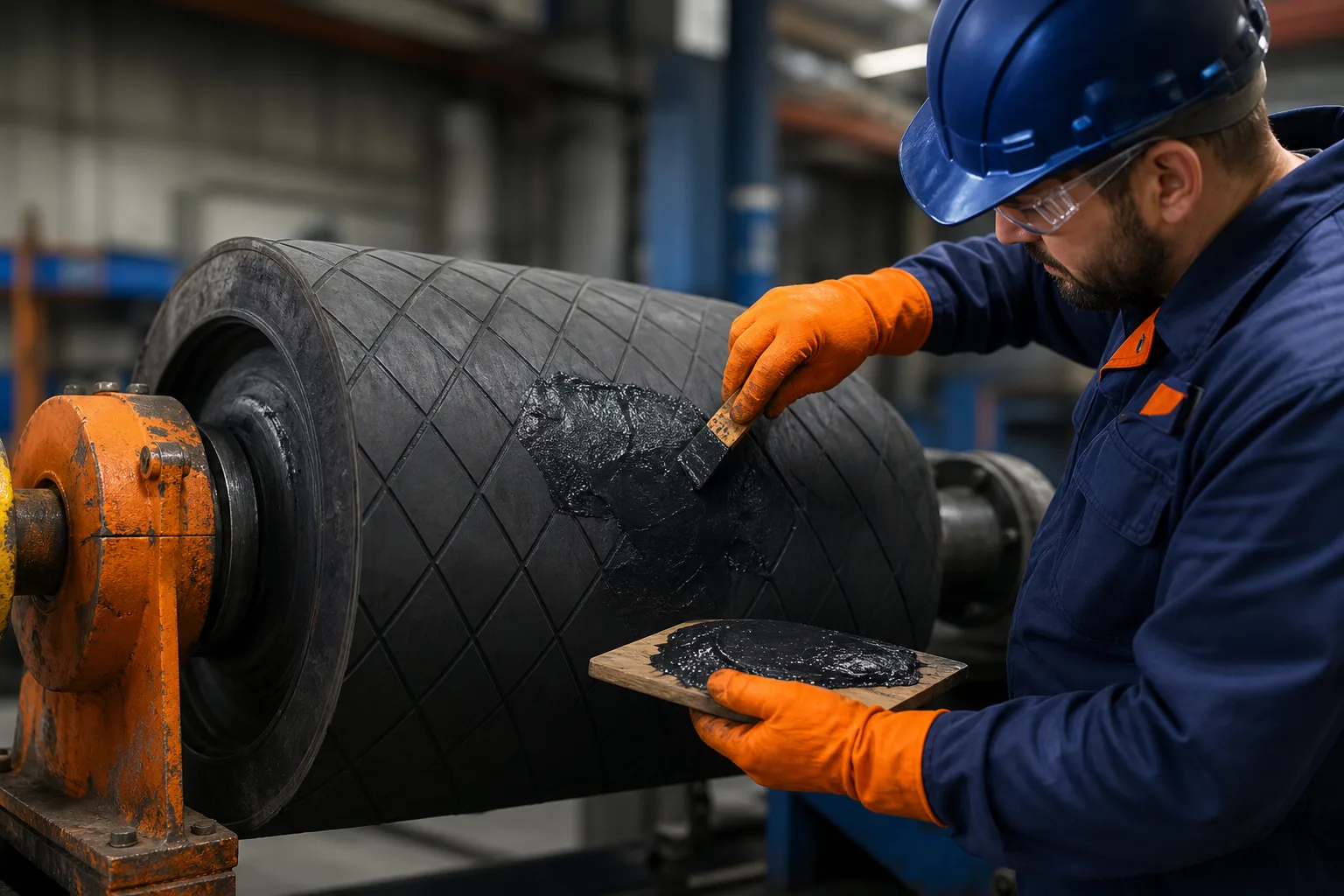
ZDS-RubberElast
For conveyor belts, rubber linings, rollers, cables, tires, and elastomers exposed to movement, flexing, and abrasion.
Selection Process
Build a Practical MRO Product Shortlist
Use a category-first review to narrow the repair route. Final selection must follow current product documentation and the actual substrate, preparation requirements, service environment, and repair conditions.
01
Identify the Component
Record the pump, valve, pipe, tank, conveyor, roller, cable, or other equipment and component involved.
02
Confirm the Substrate
Identify steel, other metals, composite pipe, ceramic-lined equipment, rubber, elastomer, or mixed and coated substrates.
03
Describe the Damage
Separate corrosion, leakage, erosion, abrasion, cavitation, dimensional loss, cracking, delamination, and bonding failure.
04
Record Service Conditions
Document heat, chemicals, immersion, wet surfaces, UV, flow, movement, loading, and access restrictions.
05
Plan Preparation
Define cleaning, profiling, priming, conditioning, application access, and inspection requirements before evaluation.
Technical Documents
Documents That Support MRO Purchasing
Confirm document availability, revision status, and applicability before customer use or supplier qualification. ISO 9001 and IATF 16949 describe management systems, not individual product suitability or performance.
Technical Data Sheets
Review intended use, application information, and declared details for the selected product.
Safety Data Sheets
Support applicable hazard, handling, storage, and transport reviews with the current product file.
Application Guides
Use relevant guidance to organize surface preparation, application, and work-sequence discussions.
Market Documentation
Confirm packaging, labels, instructions, language, and target-market requirements for the purchasing route.
Sample Evaluation
Use Samples Before Expanding the Stocked Range
Connect each sample to a real repair enquiry or defined evaluation plan. Confirm the test method, evaluation scope, acceptance criteria, application information, and expected purchasing route before testing begins.
01
Submit the Enquiry
Provide the equipment, substrate, damage, service conditions, application access, and expected purchasing route.
02
Plan the Evaluation
Define the proposed sample, test method, evaluation scope, required information, and acceptance criteria.
03
Confirm the Product
Record the accepted product specification and the technical and commercial information used in the evaluation.
04
Plan Initial Stocking
Align the confirmed product with estimated demand, purchasing quantities, pack format, and market requirements.
05
Support Repeat Orders
Use the approved product reference and current technical files when discussing future purchasing.
Stock Planning
Stock Planning and Repeat Purchasing for MRO Channels
Base initial stock on recurring repairs, common substrates, frequent damage, and service conditions your team can identify accurately. Exact quantities, lead times, and delivery conditions require confirmation for each request.
Prioritize Demand
Group products around recurring pump, valve, pipe, tank, wear, wet-surface, and elastomer enquiries.
Separate Repair Types
Use distinct sales and documentation workflows for emergency repairs and scheduled maintenance.
Confirm Presentation
Review pack formats, labels, cartons, instructions, and language requirements for the target market.
Use Confirmed Data
Discuss demand, quantities, product identity, and terms without assuming minimum orders or delivery conditions.
Trace Repeat Orders
Retain the approved product reference and current technical file to keep replenishment aligned.
Bulk Order Support
Prepare commercial discussions for larger or recurring purchasing requirements.
Supply Continuity
Review recurring supply requirements without assuming quantities, lead times, or delivery terms.
Supplier Qualification
Evidence for MRO Supplier Qualification
ZDSChem repair-material operations draw on the wider ZDS background in chemical manufacturing, formulation, R&D, technical support, and quality management. Buyers should confirm current certification scope and validity.
Enquiry Checklist
Information to Include in an MRO Product Enquiry
A structured enquiry helps the technical team identify a product route for evaluation. Provide the available repair, application, market, documentation, packaging, and purchasing information.
Equipment and Substrate
Provide the equipment, component, substrate, dimensions, and size of the damaged area.
Failure Mode
Identify corrosion, leakage, erosion, abrasion, wear, cracking, delamination, or bonding failure.
Service Conditions
Record heat, chemicals, water, immersion, UV, movement, flow, loading, and other operating conditions.
Application Constraints
Explain access, shutdown limits, preparation methods, and the expected repair sequence.
Purchasing Requirements
Include the target market, estimated usage, pack and label needs, documents, and sample requirements.
Build Your MRO Range
Build a More Useful MRO Repair-Material Range
Compare the seven ZDSChem repair product series, identify categories for recurring enquiries, and prepare the information needed for samples, qualification, initial stocking, and repeat purchasing discussions.
FAQ
Frequently Asked Questions
ZDSChem organizes its repair range into ZDS-MetalRebuild, ZDS-CompositeWrap, ZDS-CeramicArmor, ZDS-AquaShield, ZDS-FluidGlide, ZDS-PolyAspartic, and ZDS-RubberElast. The categories cover metal rebuilding, pipe reinforcement, wear protection, wet-surface repair, fluid-equipment protection, outdoor topcoats, and elastomer repair.
Start with the equipment and component, then confirm the substrate, damage mechanism, and service conditions. Heat, chemicals, water, UV exposure, abrasion, movement, loading, access, and preparation requirements help narrow the product category. Final selection requires confirmation against current product documentation.
Common purchasing files include the applicable technical data sheet, safety data sheet, application guidance, product identification, and packaging or labeling information. Buyers should confirm current revisions and whether the documents match the selected product and target market.
Yes. A sample request can be prepared around a specific repair case or evaluation plan. The proposed test method, evaluation scope, acceptance criteria, and purchasing requirements should be confirmed before the evaluation begins.
Customer-specific formulation, packaging, labeling, documentation, and market requirements can be submitted for technical and commercial review. Feasibility depends on the application, specification, expected volume, and target market, and no development route is confirmed before review.
No. ISO 9001 and IATF 16949 are quality-management system certifications. They do not automatically certify an individual ZDSChem product for performance, safety, compliance, or suitability for a particular repair.