
Buyer Solutions Hub
Industrial Repair Solutions for B2B Buyers
ZDSChem organizes industrial repair solutions around the commercial and technical needs of distributors, MRO suppliers, repair contractors, and plant maintenance teams. Identify the support route that fits your role. Final selection requires equipment, substrate, damage, operating environment, application method, and expected purchasing volume.
Buyer Routes
Choose a Solution Route Based on Your Role
Industrial buyers evaluate repair materials differently. Select a route aligned with assortment planning, project requirements, maintenance responsibility, documentation, stock levels, or replenishment needs.
Industrial Distributors
Review product categories, technical positioning, samples, stocking guidance, territory information, and repeat-purchasing needs.
MRO Suppliers
Plan practical product groupings, documents, samples, stock levels, and replenishment without unnecessary inventory complexity.
Repair Contractors
Build a project shortlist around geometry, substrate, damage, access, preparation, service conditions, and schedule.
Plant Maintenance Teams
Assess leaks, corrosion, wear, erosion, damaged rubber, wet surfaces, and temperature or chemical exposure.
Selection Framework
How to Narrow an Industrial Repair Material Category
A product name alone does not establish suitability. A useful recommendation begins with the damaged asset, operating conditions, field constraints, and purchasing purpose.
Equipment Type
Identify whether the asset is a pipe, pump, valve, tank, conveyor, roller, cable, or structural component.
Repair Substrate
Confirm whether the surface is metal, concrete, composite, rubber, or another material affecting preparation and bonding.
Damage Mechanism
Define corrosion, erosion, abrasion, cracking, leakage, material loss, or elastomer damage to narrow the repair route.
Service Conditions
Document heat, chemicals, immersion, weather, pressure, vibration, and repeated wear to remove unsuitable options.
Application Constraints
Record available preparation, access, shutdown time, and application skills for a practical evaluation plan.
Purchasing Needs
Clarify whether the requirement is for a project, initial stock, regional distribution, or repeat supply.
Product Portfolio
Review the complete ZDSChem product portfolio when comparing available industrial repair material categories.
Application Routes
Compare established repair routes by industrial application and equipment need.
Product Portfolio
Seven Product Series for Different Repair Conditions
The seven primary series provide a starting point for technical and commercial discussions. They do not replace confirmation against current product documentation. Surface preparation materials are supporting products, not an eighth series.
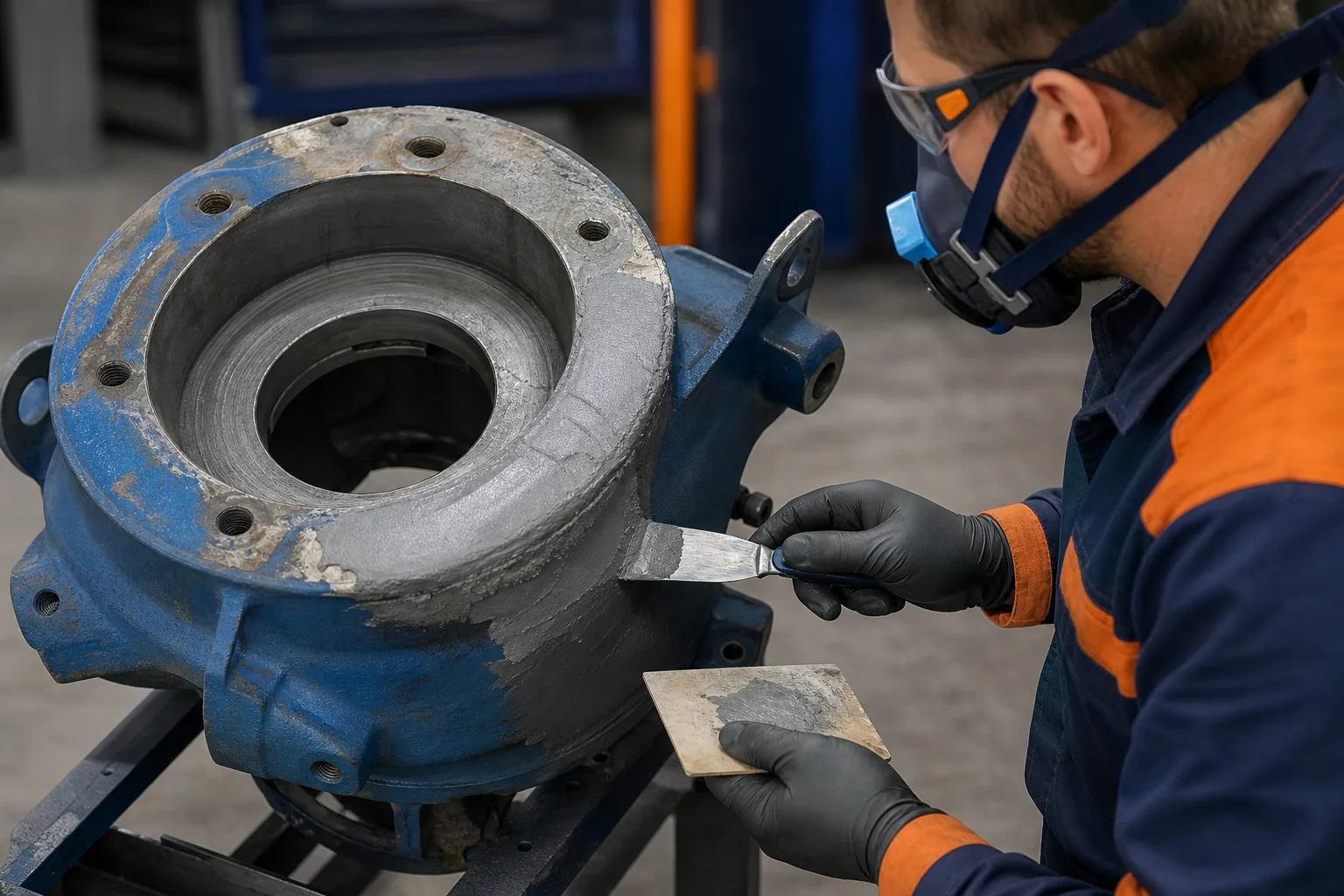
ZDS-MetalRebuild Systems
Metal rebuilding, cold repair, dimensional restoration, leak sealing, and structural bonding material categories.
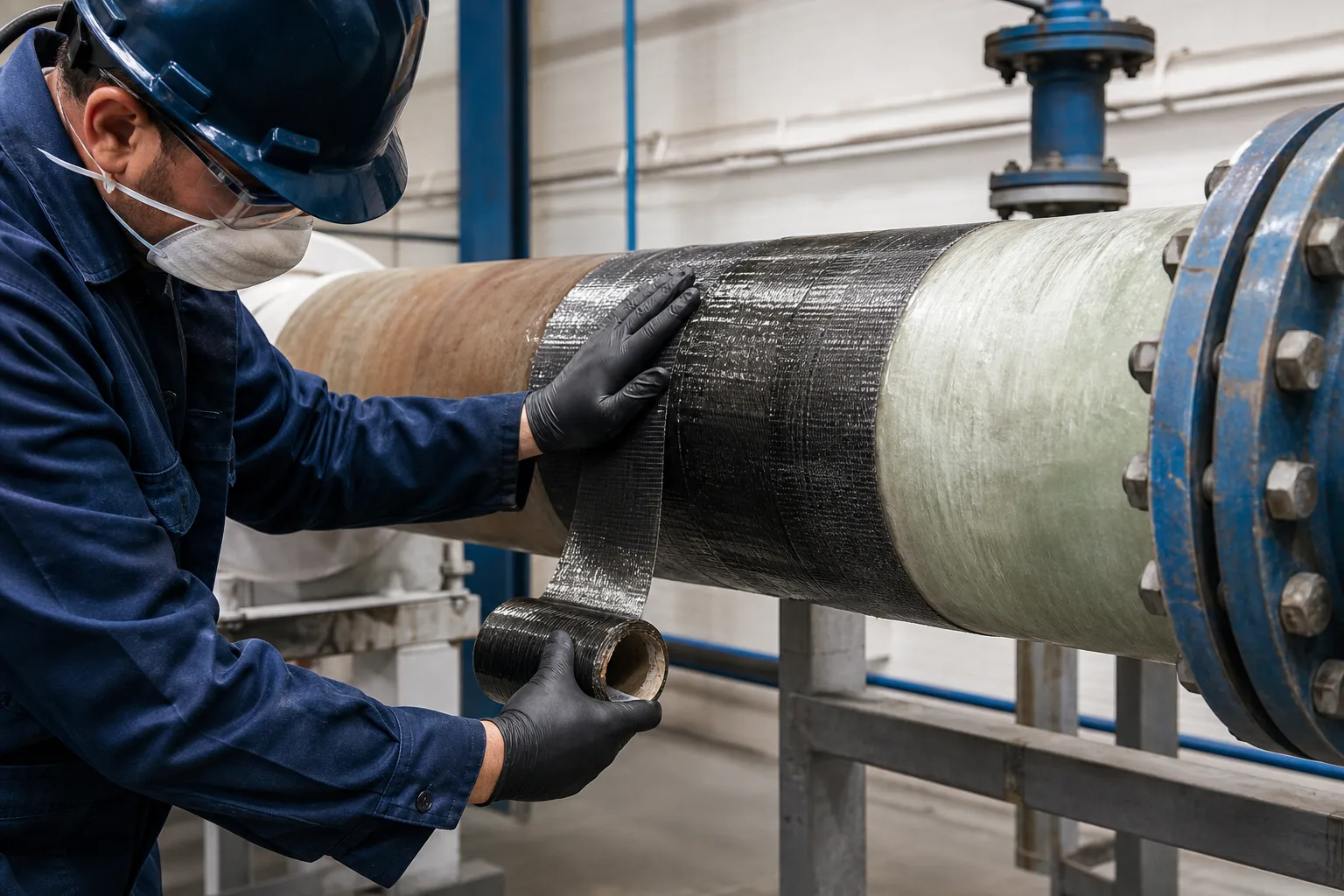
ZDS-CompositeWrap Systems
Composite pipe reinforcement, FRP repair, and structural laminating system categories.
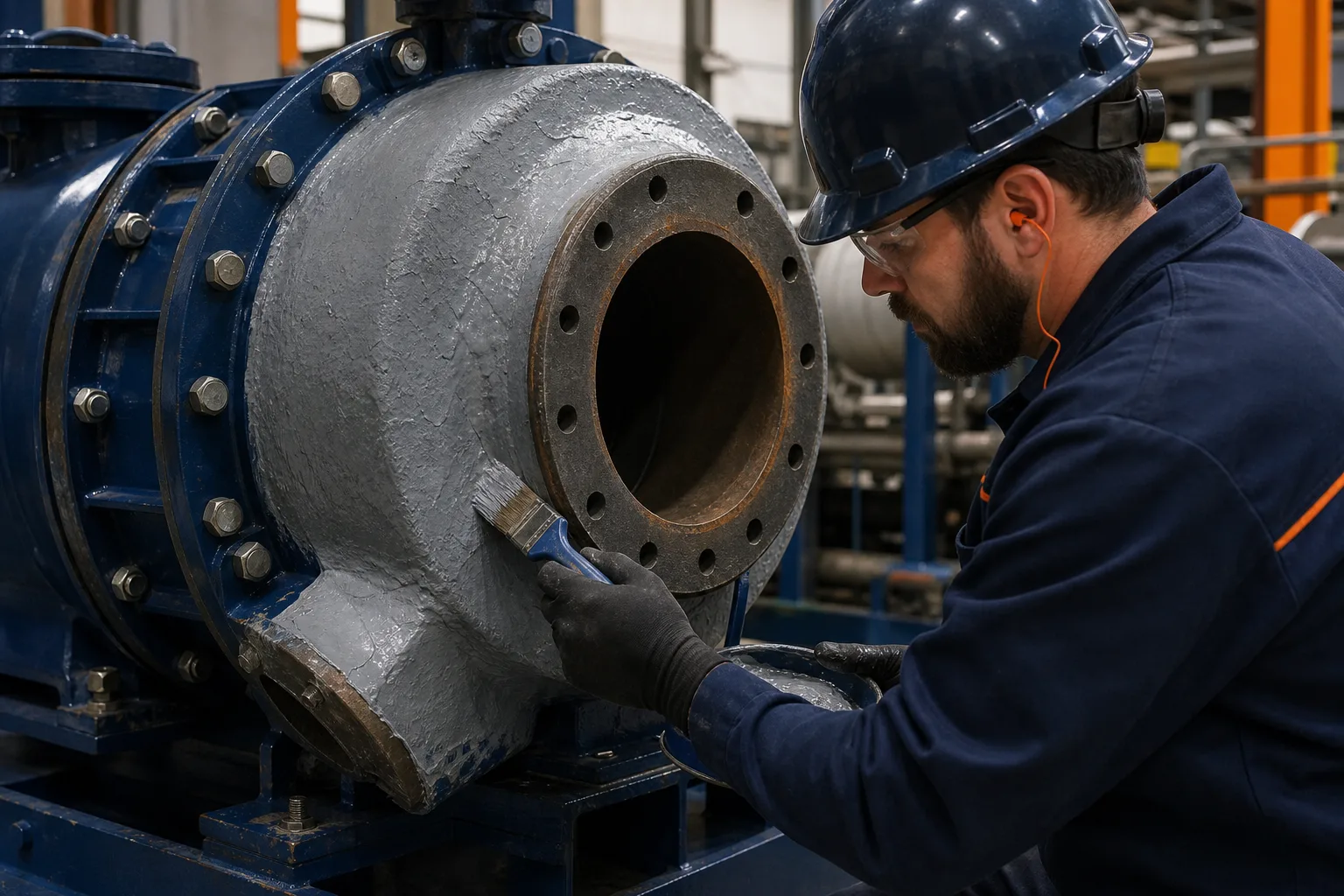
ZDS-CeramicArmor Systems
Ceramic-filled materials for abrasion, erosion, cavitation, and heavy-duty equipment protection.
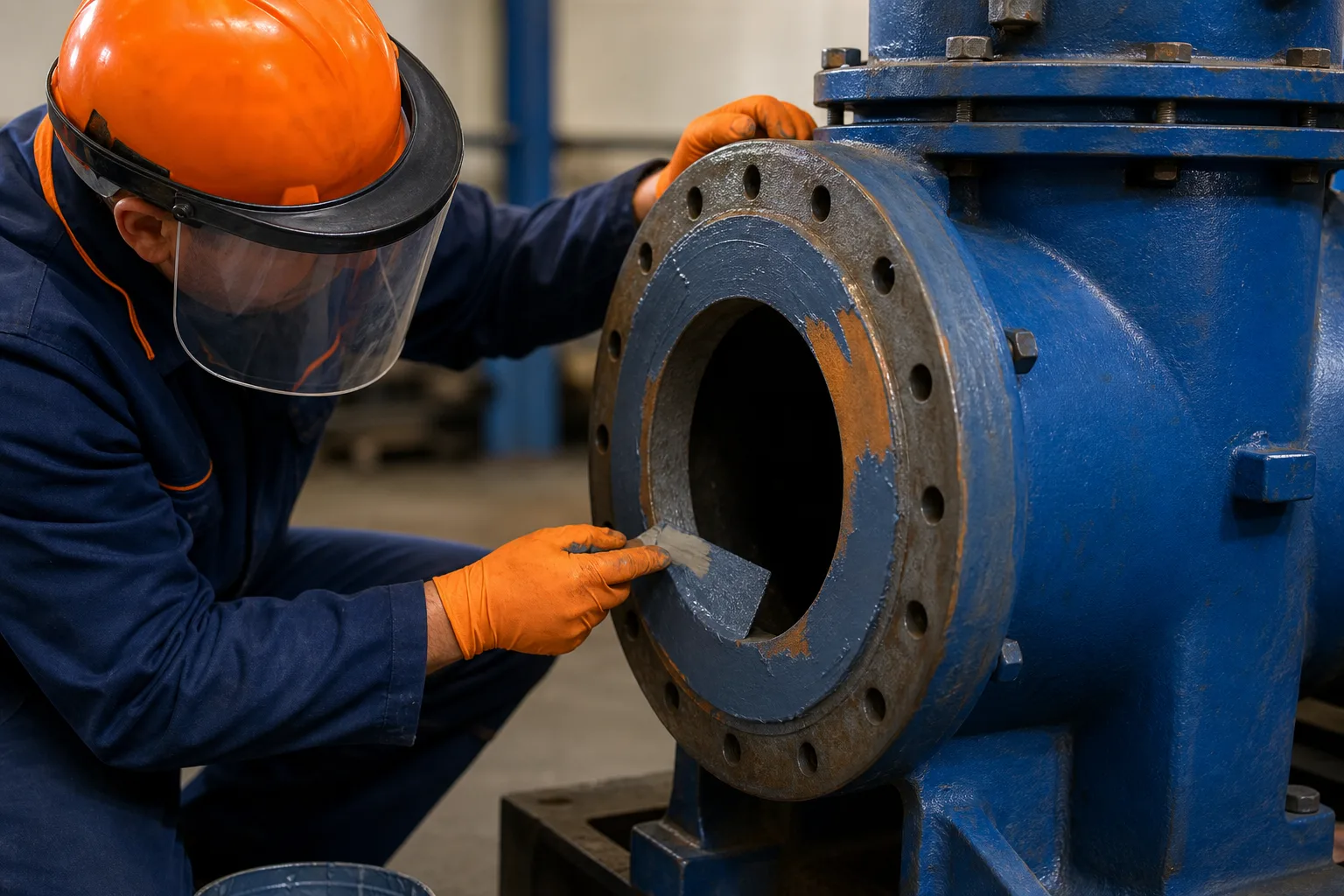
ZDS-AquaShield Systems
Underwater-curing, wet-surface, marine, and emergency repair material categories.
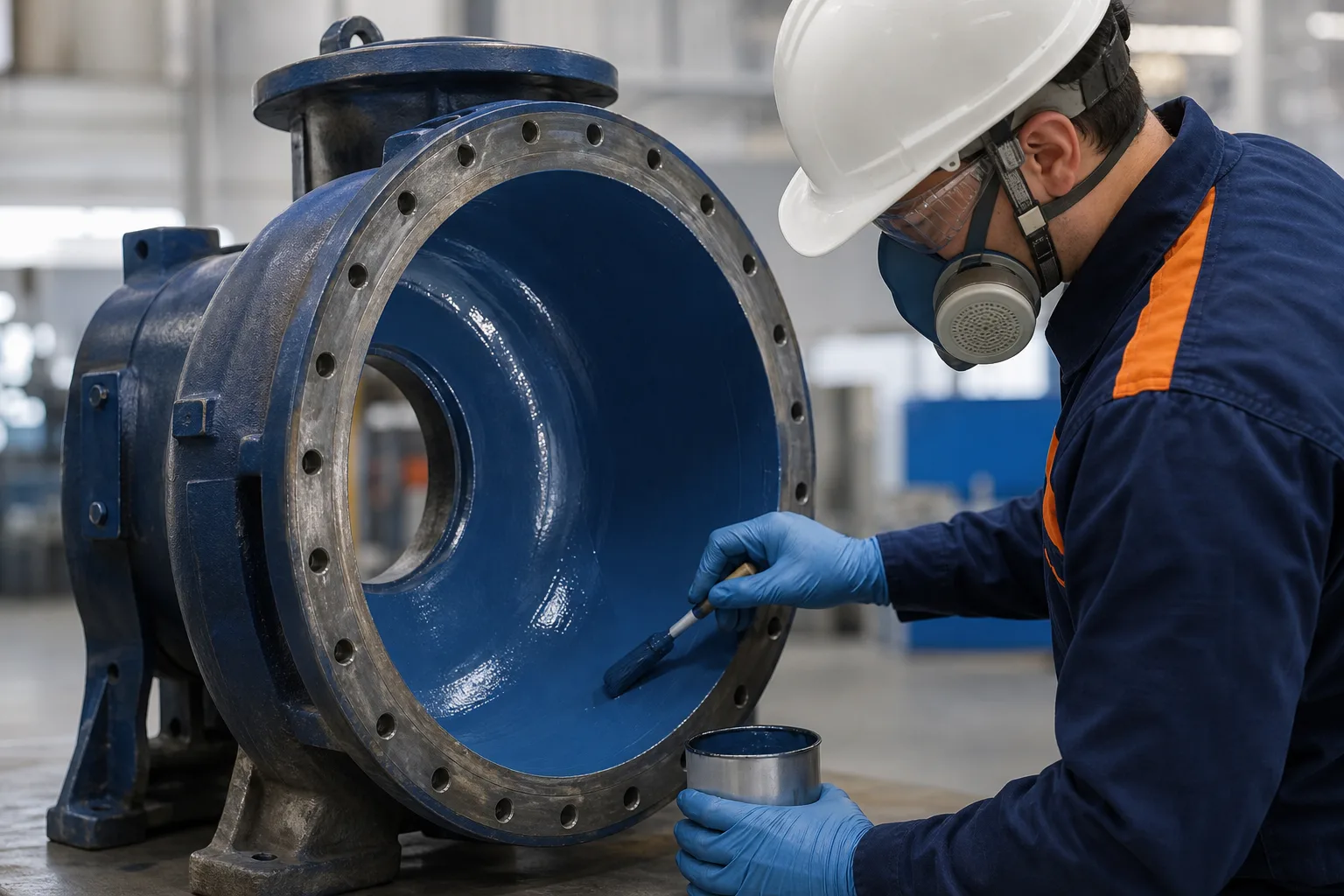
ZDS-FluidGlide Systems
High-temperature repair, chemical-resistant lining, tank and flue protection, sealing, and fluid-equipment coatings.
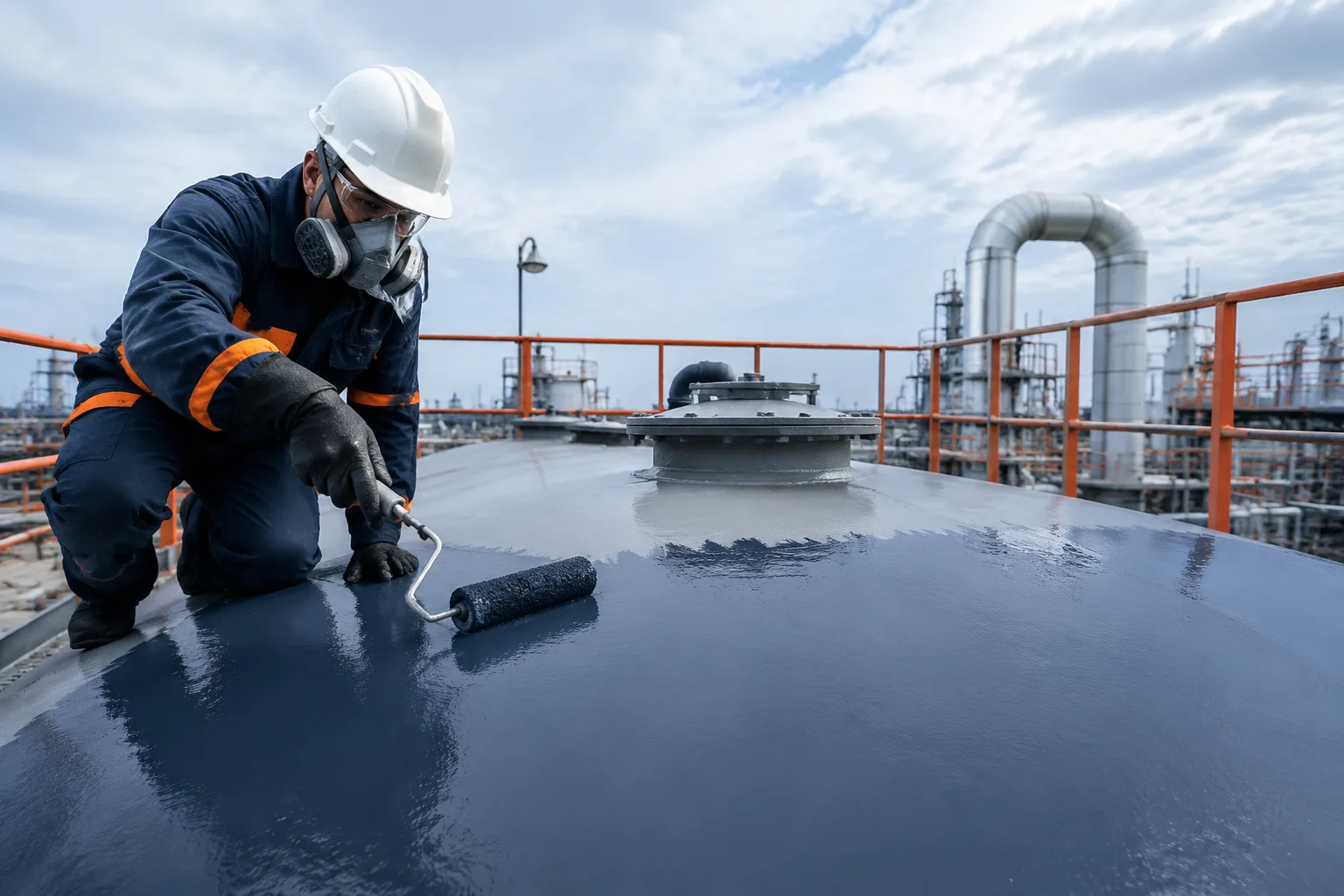
ZDS-PolyAspartic Systems
UV-resistant, weather-stable, and outdoor protective topcoat system categories.
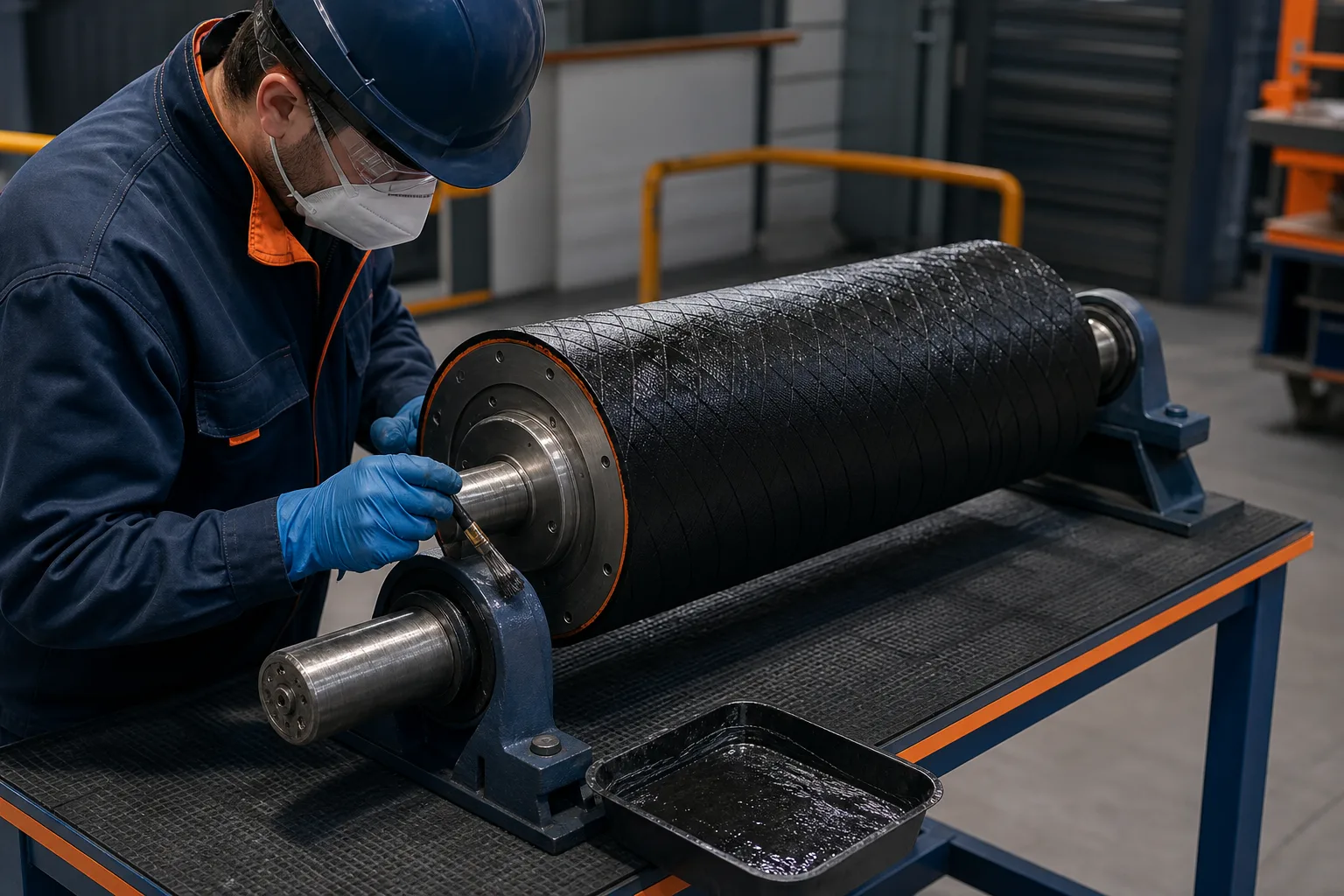
ZDS-RubberElast Systems
Repair materials for conveyor belts, rubber linings, rollers, cables, tires, and other elastomer components.
Purchasing Process
From Initial Requirement to Repeat Purchasing
Move from application and buyer information through product shortlisting, document review, sample evaluation, commercial confirmation, and repeat-supply planning.
01
Define the Requirement
Identify role, equipment, substrate, damage, service conditions, quantity, market, and required documents.
02
Prepare a Shortlist
Connect application information with a relevant ZDSChem series and suitable evaluation route.
03
Review Technical Documents
Compare products and support internal review and supplier qualification with available technical documents.
04
Plan Sample Evaluation
Agree evaluation criteria, application conditions, sample selection, and acceptance requirements before bulk purchasing.
05
Confirm Commercial Feasibility
Review packaging, labeling, volume, quotation, target market, and supply expectations for the inquiry.
06
Plan Repeat Supply
Qualified buyers can review the workflow for initial ordering and subsequent supply planning.
Buyer Evaluation
Manufacturing and Technical Background
ZDSChem applies the supplied ZDS chemical manufacturing and formulation background to industrial repair material content and support. Quality certifications support management and process control, not individual product suitability.
Technical Limitations
Information That Requires Project-Specific Confirmation
Exact working and cure times, exposure limits, pressure conditions, chemical resistance, adhesion, abrasion performance, coverage, packaging, and procedures require current documents and actual service data.
Pressure, structural, hazardous-media
regulated, or safety-critical repairs may require engineering assessment and site-specific approval.
Surface condition and preparation quality
can materially affect the repair result.
Sample testing should reflect the intended
substrate and service exposure wherever practical.
Custom formulations, packaging, labeling
documentation, and product-line requests require technical and commercial feasibility review.
Removal from service and replacement
remain necessary when damage exceeds the acceptable repair scope.
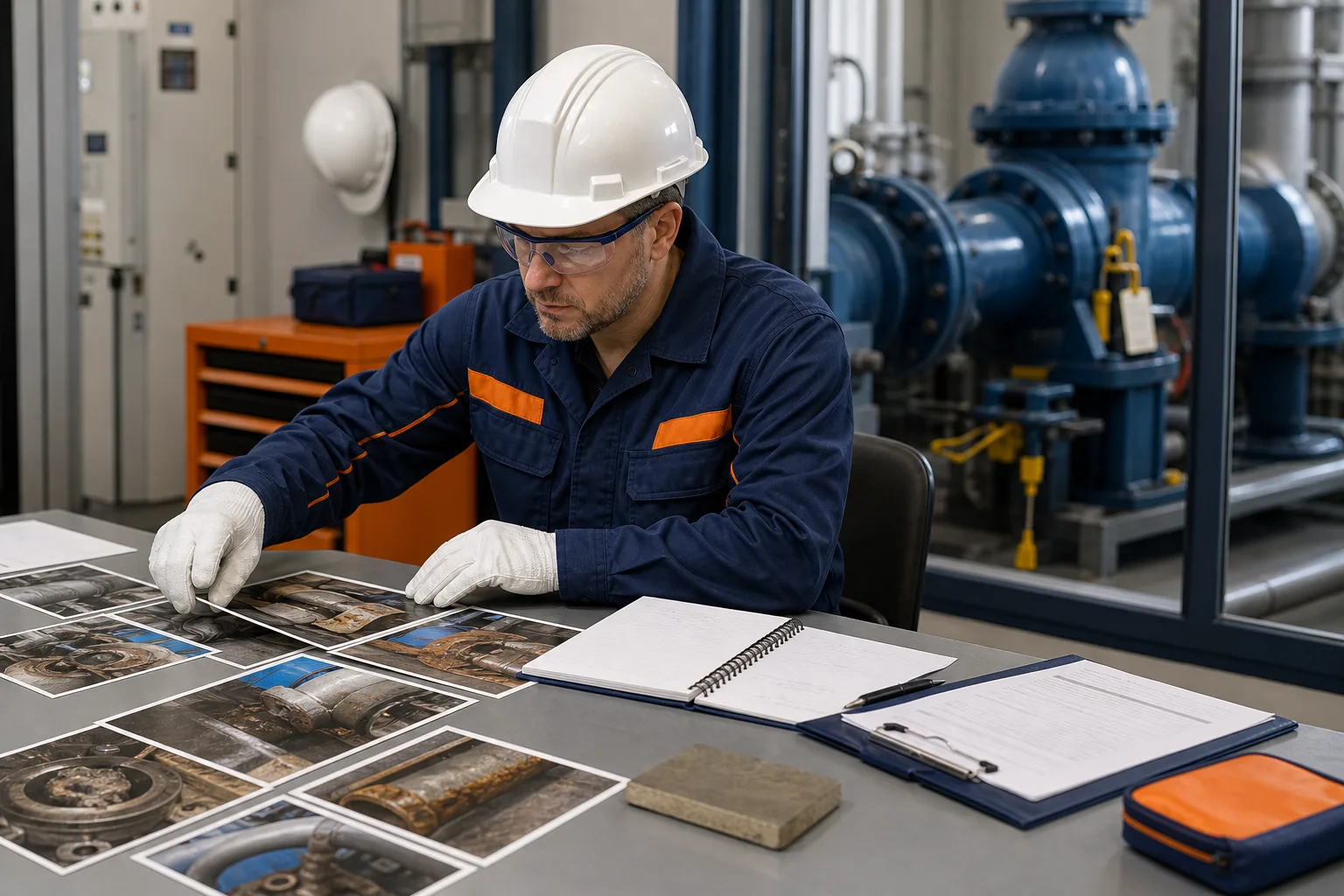
Technical Consultation
Prepare Your Industrial Repair Requirement
Provide equipment type, substrate, damage, operating conditions, photographs where available, expected quantity, target market, and documentation needs. ZDSChem can identify a practical product category and next evaluation step.
FAQ
Frequently Asked Questions
Provide the equipment type, substrate, damage mechanism, damaged dimensions, operating temperature, chemical or water exposure, pressure or loading conditions, surface condition, available shutdown time, expected quantity, and photographs where possible. More complete project information helps the technical team prepare a relevant product shortlist.
Yes. A distributor can provide information about target industries, common repair problems, market position, expected purchasing volume, documentation requirements, and stocking plans. ZDSChem can then review the relevant product categories and commercial route. Territory arrangements and product availability require separate confirmation.
Qualified buyers can request samples for evaluation. The intended substrate, application method, service conditions, evaluation criteria, and expected purchasing requirement should be supplied first. Sample availability, quantity, testing scope, and commercial terms must be confirmed for each request.
ISO 9001 and IATF 16949 are quality-management system certifications maintained by ZDS. They support management and process-control practices but do not certify the performance, compliance, or suitability of an individual ZDSChem product. Current supporting documents and certification scope should be checked during qualification.
Customer-specific formulation, performance, packaging, labeling, documentation, and product-line requirements can be submitted for evaluation. Feasibility depends on the application, specification, expected volume, target market, and commercial conditions. Development or acceptance is not guaranteed before technical and commercial review.
Compare the extent of damage, safety implications, remaining substrate condition, structural or pressure requirements, shutdown constraints, access, service exposure, expected repair scope, and total maintenance plan. Repair is not appropriate when the asset cannot be restored to the required operating or safety condition.