
Industrial Repair Materials by Industry
Select industrial repair materials by equipment, substrate, damage mechanism, and operating environment. Explore routes for oil and gas, mining, power generation, marine, water treatment, and related process operations. Final selection requires confirmation against current product documentation and project-specific service conditions.
Selection Factors
Connect Operating Conditions with the Right Repair Route
Similar failures can require different materials in dry, submerged, hot, chemically aggressive, or abrasive environments. Review the product portfolio and compare options by service condition before preparing a shortlist.
Equipment
pipes, pumps, valves, tanks, vessels, ducts, conveyors, rollers, and structural components.
Substrate
steel, other metals, concrete, composites, rubber, and compatible prepared surfaces.
Damage: corrosion, erosion, abrasion
cavitation, leaks, wall loss, cracks, dimensional wear, and elastomer damage.
Service conditions
immersion, chemical contact, elevated temperature, weather, vibration, pressure, and mechanical loading.
Work constraints
shutdown time, access, surface preparation, application position, and return-to-service planning.
Industry Routes
Industry-Specific Repair Material Selection
Evaluate the equipment, failure mode, service environment, repair function, and work constraints within each operating sector. Industry guidance supports shortlisting but does not replace product-specific technical review.
Oil, Gas and Petrochemical
Assess wall loss, corrosion, leaks, worn pumps, damaged flanges, and chemically exposed tanks.
Mining, Cement and Steel
Evaluate sliding abrasion, impact, erosion, wear-corrosion, repair geometry, and profile rebuilding needs.
Power and Flue Gas
Consider heat, corrosive condensate, abrasive particles, circulating fluids, and restricted maintenance windows.
Marine and Water Treatment
Account for wet substrates, immersion, corrosion, erosion, limited access, salts, and contamination.
Product Series
How ZDSChem Product Series Relate to Industry Problems
Seven primary product series are organized by repair function, allowing maintenance teams, contractors, distributors, and procurement buyers to combine categories around the actual failure mode. Surface preparation products remain a supporting category.
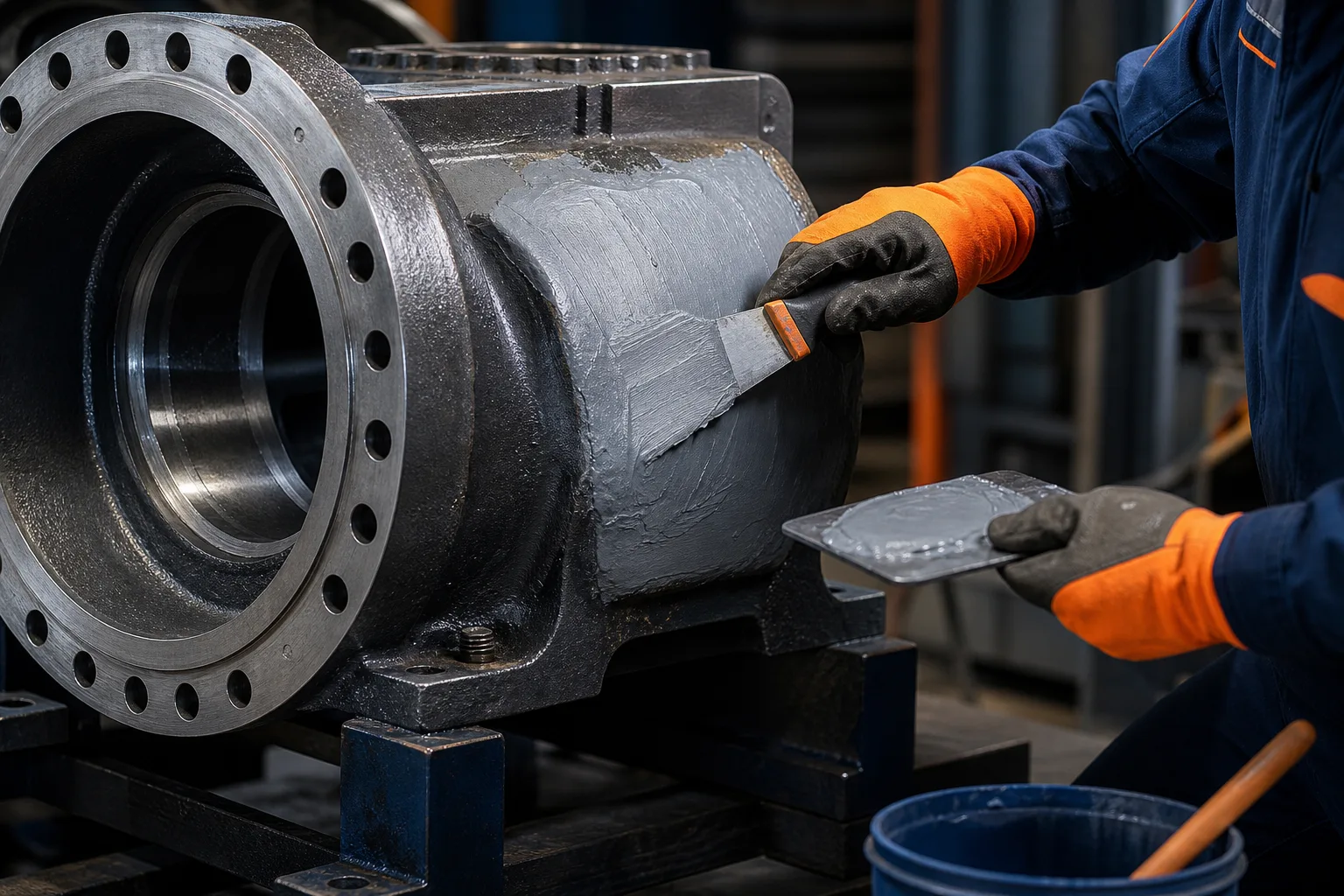
ZDS-MetalRebuild
Metal rebuilding, dimensional restoration, cold repair, leak sealing, and structural bonding.
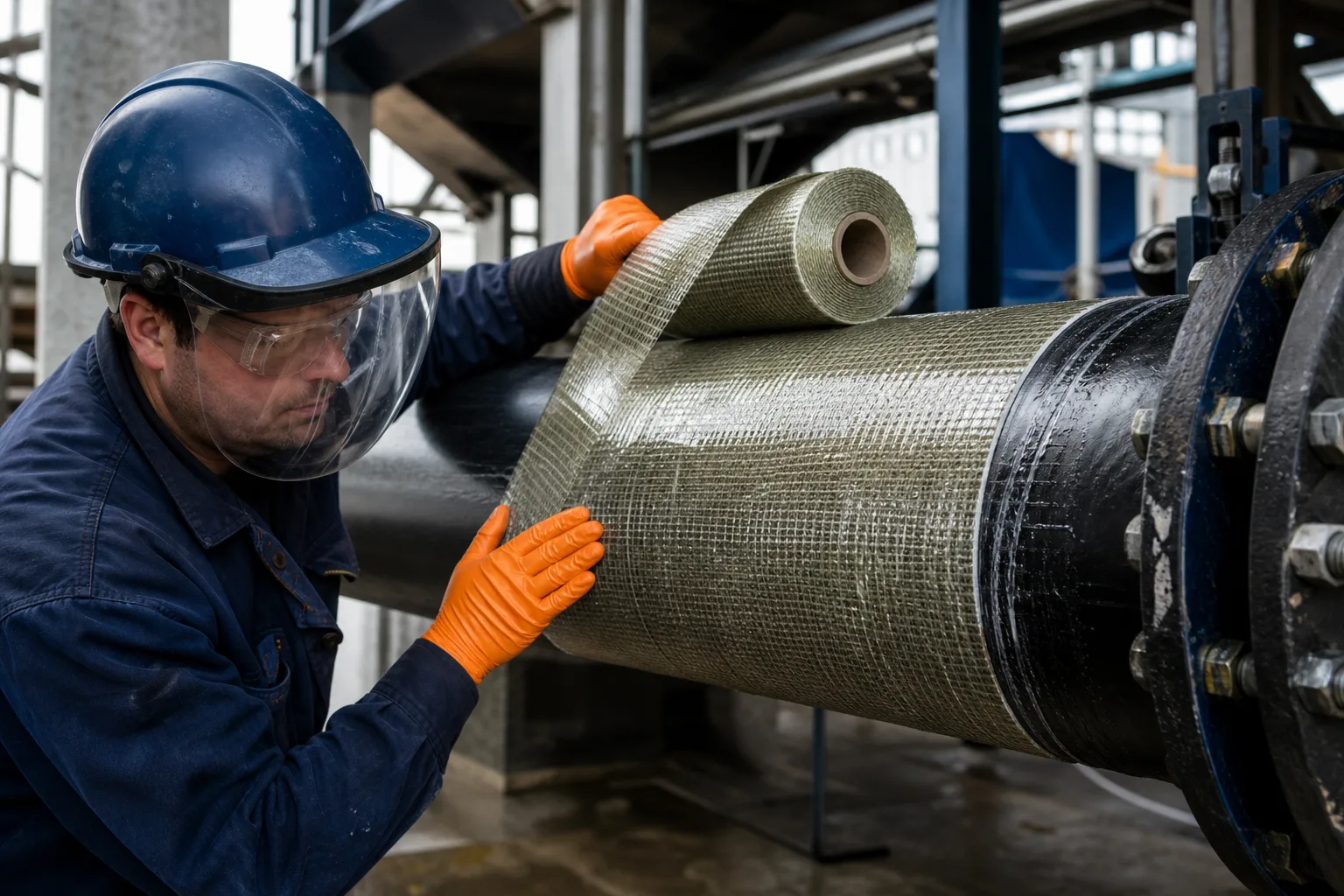
ZDS-CompositeWrap
Composite pipe reinforcement, FRP repair, and structural laminating systems.
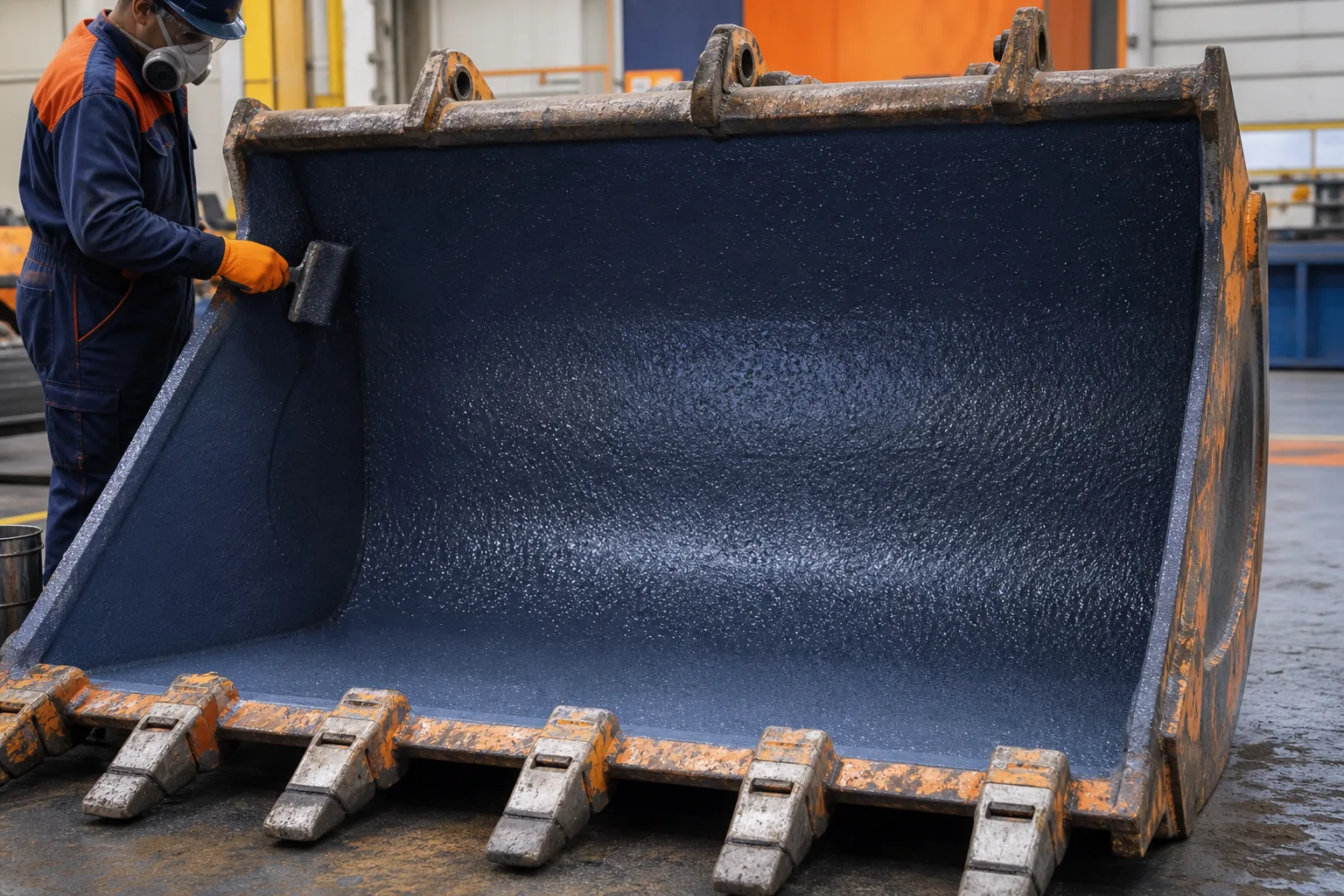
ZDS-CeramicArmor
Ceramic-filled protection for abrasion, erosion, cavitation, and heavy equipment wear.
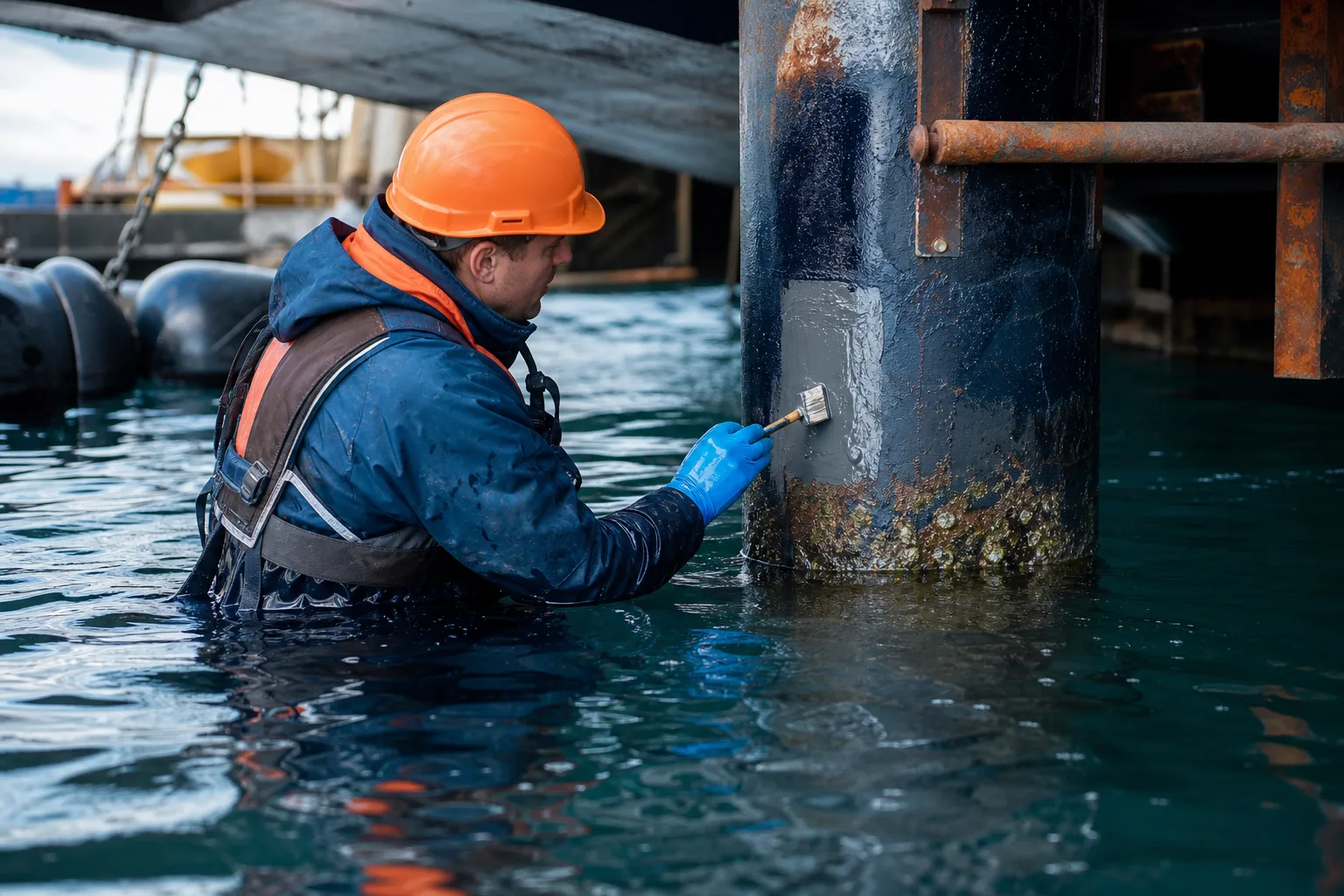
ZDS-AquaShield
Materials intended for underwater curing, wet surfaces, marine work, and selected emergency repairs.
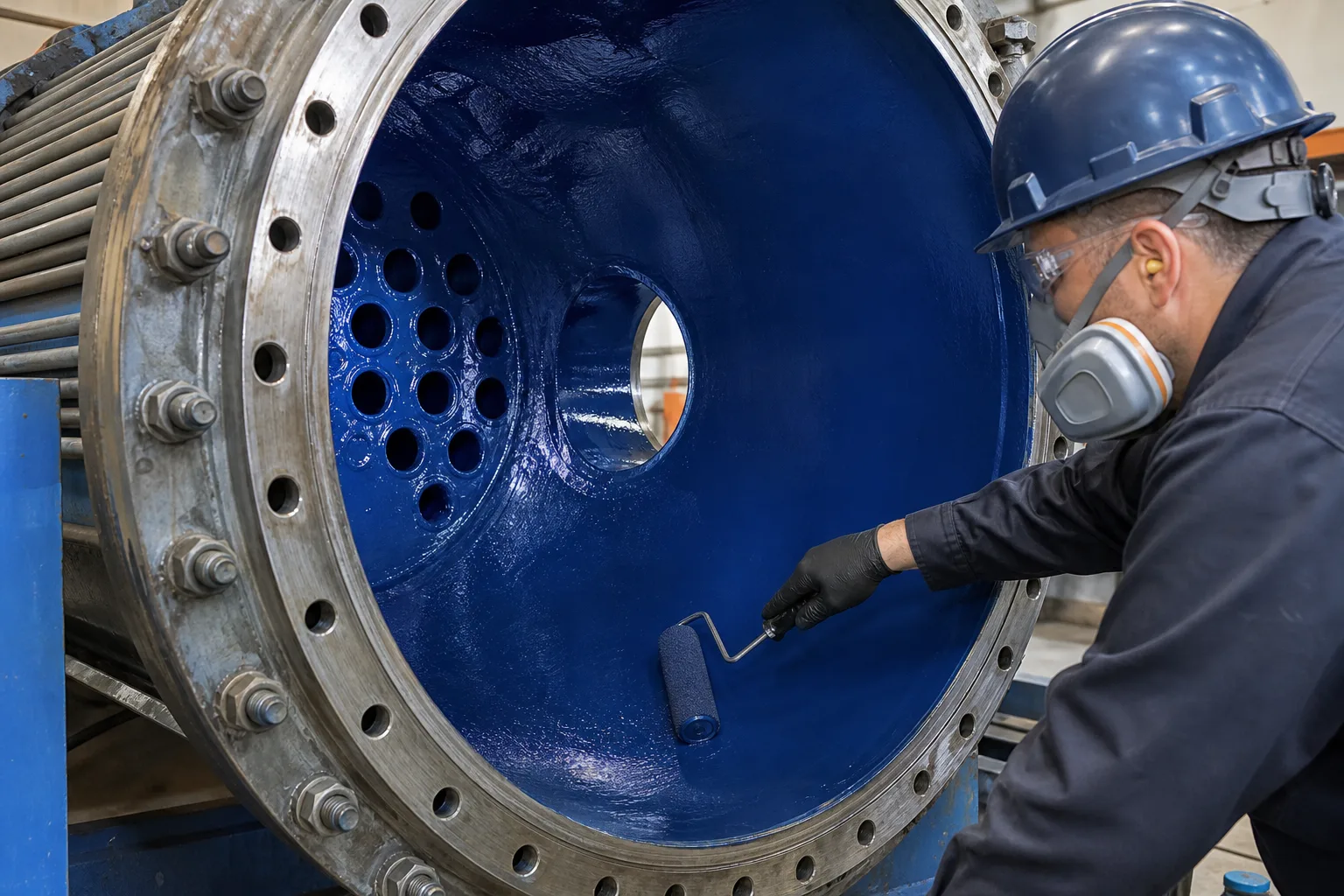
ZDS-FluidGlide
High-temperature repair, chemical-resistant and tank lining, flue protection, sealing, and fluid-equipment coating.
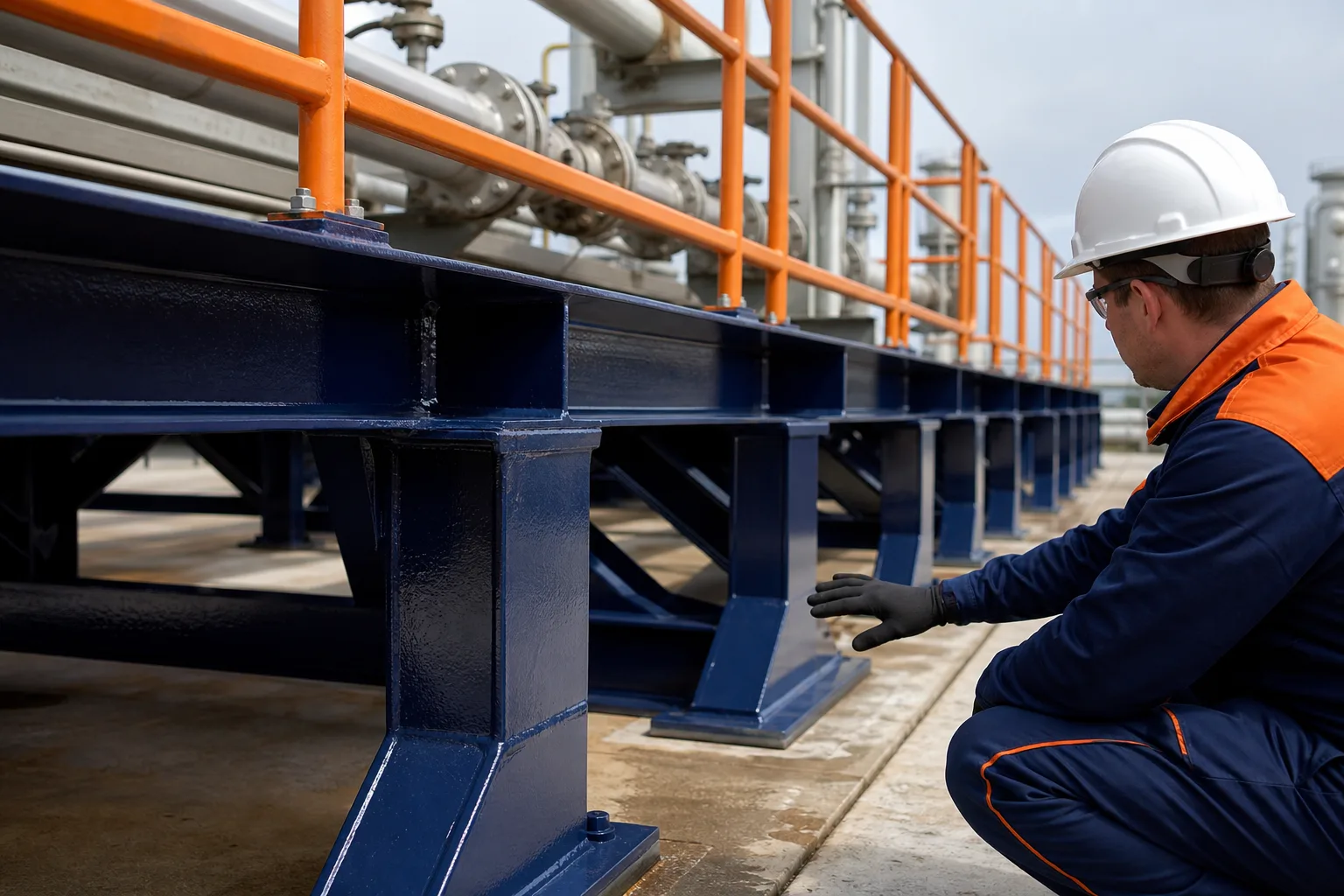
ZDS-PolyAspartic
UV-resistant and weather-stable protective topcoat systems for outdoor exposure.
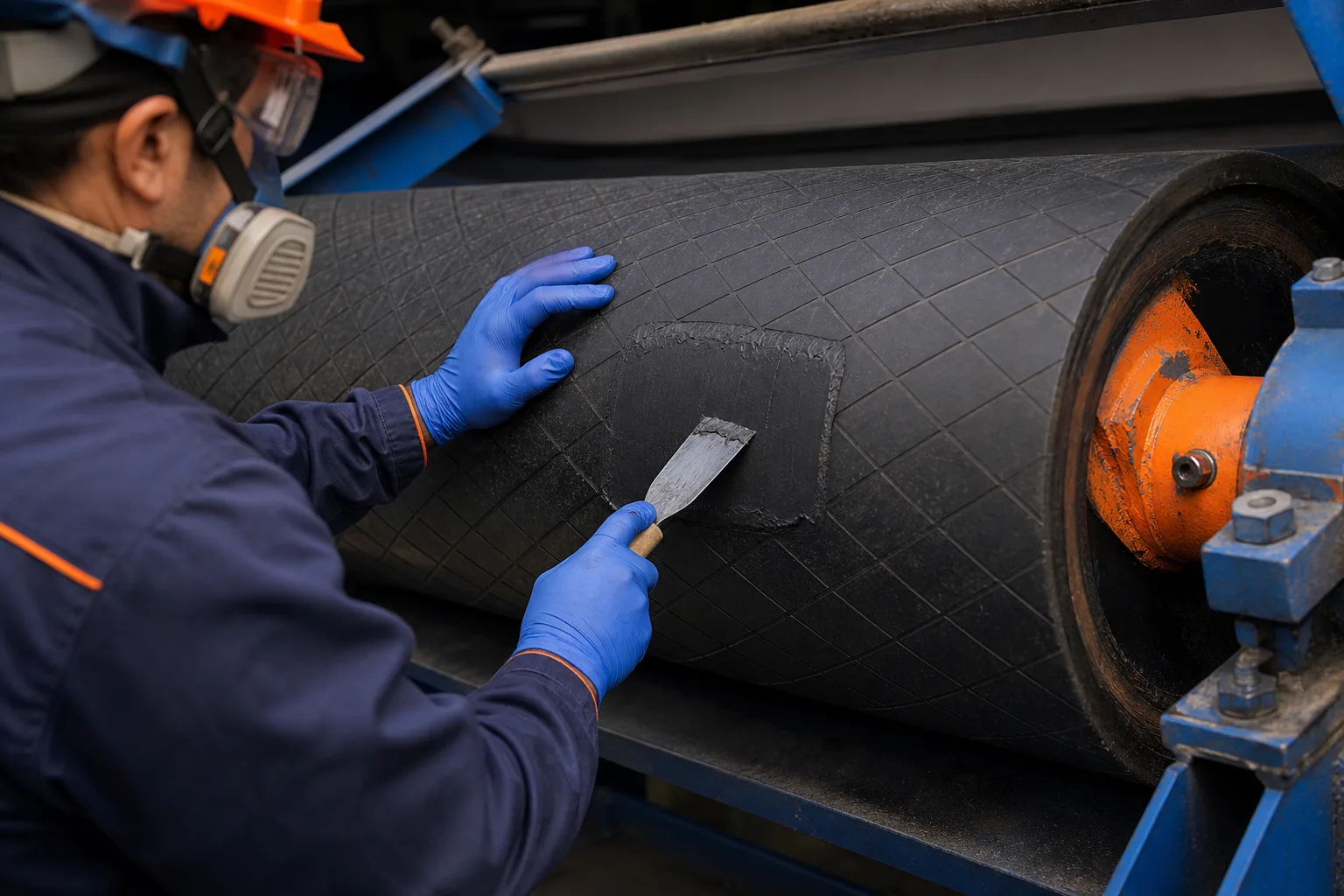
ZDS-RubberElast
Repair materials for conveyor belts, rubber linings, rollers, cables, tires, and other elastomer components.
Technical Inquiry
Information Needed Before an Industry Recommendation
A useful inquiry identifies the operating problem, not only the industry. Equipment in the same plant may require different materials because abrasion, chemicals, cavitation, or other service conditions differ.
01
Identify Equipment
Name the equipment, component, and damaged area.
02
Define the Substrate
State the substrate and describe its present condition.
03
Describe the Damage
Explain the damage mechanism, dimensions, and severity.
04
Provide Conditions
Give temperature, pressure, chemical, immersion, abrasion, and loading information.
05
Explain Work Constraints
Define shutdown time, access, and the available surface preparation method.
06
Supply Documents
Share photographs, drawings, specifications, and required technical documents where available.
07
State Buying Needs
Provide quantity, project location, target market, and purchasing stage.
Buyer Support
Industry Support for Technical and Commercial Buyers
Use project and operating information to support technical evaluation, quotation, assortment planning, documentation review, supplier qualification, and purchasing decisions.
Maintenance Teams
Use equipment condition, service environment, and access to shortlist categories before field or shutdown work.
Repair Contractors
Prepare substrate, damage, application position, quantity, and timing details for evaluation and quotation.
Distributors and MRO
Plan assortments around recurring needs, documents, samples, initial stock, and repeat supply.
Procurement Teams
Compare identification, documents, quality controls, packaging, quantities, and commercial feasibility.
Technical Background
Manufacturing and Technical Background
ZDS has operated as a professional chemical manufacturer since 1998. A dedicated R&D team of 30 professionals supports product development, formulation improvement, and application-specific evaluation.
Selection Limits
Limits That Must Be Checked Before Use
An industry category cannot confirm a repair material. Check preparation, structural integrity, temperature, pressure, chemicals, immersion, load, movement, thickness, curing, and return-to-service requirements.
Critical containment, structural loading
regulated equipment, or uncertain damage may require engineering assessment and site-specific procedures.
Check current product data sheets, safety
information, application guidance, and other relevant documents before purchase or use.
Samples can support evaluation, but
project-specific test methods, acceptance criteria, and field relevance must be defined.
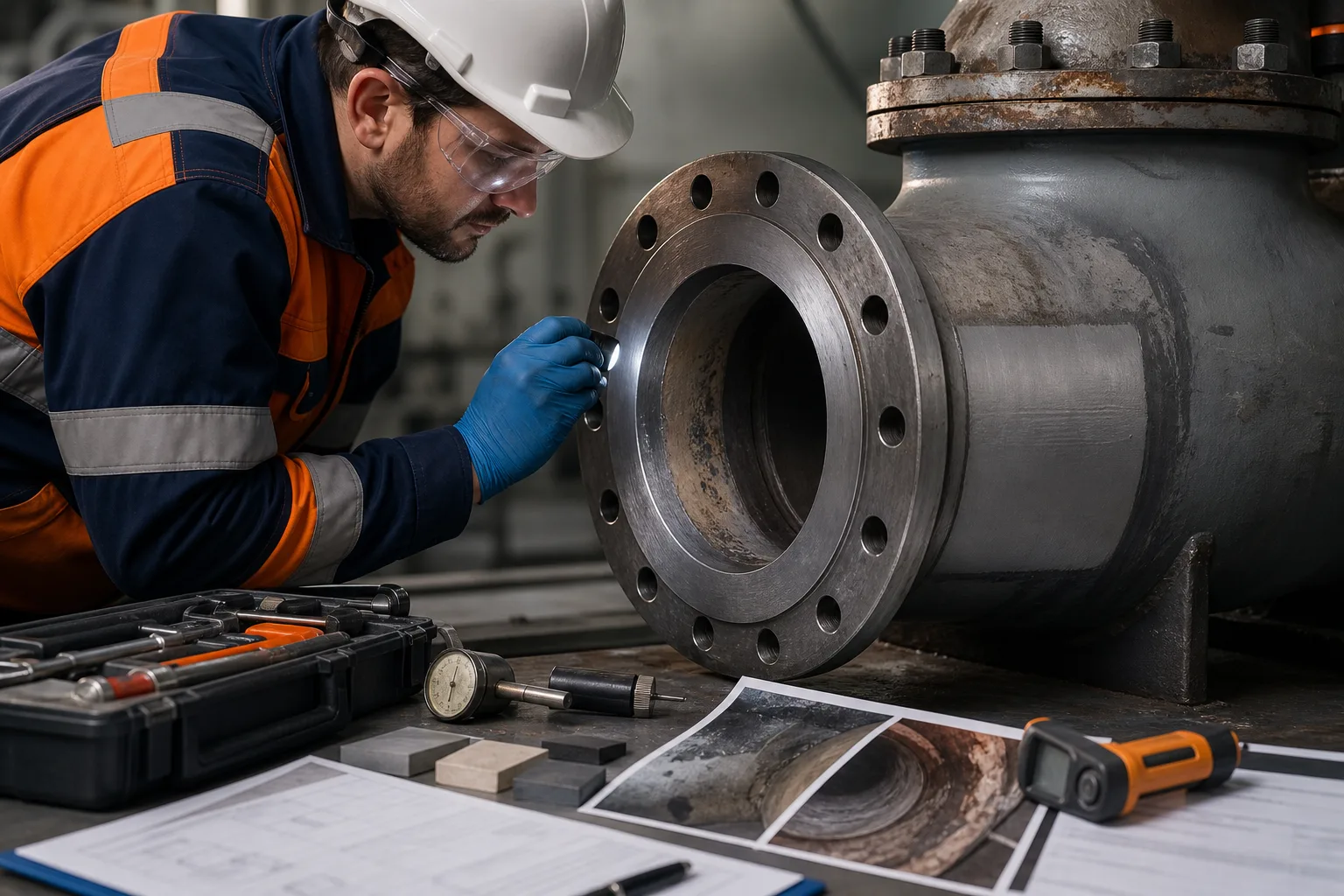
Project Evaluation
Prepare an Industry-Specific Repair Material Shortlist
Submit the equipment, substrate, damage, operating conditions, preparation method, photographs, and purchasing requirement. ZDSChem can identify relevant product series and determine the next technical or commercial step.
FAQ
Frequently Asked Questions
ZDSChem provides dedicated selection paths for oil, gas, and petrochemical operations; mining, cement, and steel processing; power generation and flue gas treatment; and marine and water treatment facilities. The product series can also support related industrial equipment when the substrate, damage, and operating conditions match the intended material category.
No. The industry identifies common equipment and failure patterns, but selection also requires the equipment type, substrate, damage mechanism, operating temperature, pressure, chemical exposure, abrasion, immersion, mechanical loading, surface condition, and available shutdown time.
A project can involve more than one repair function, such as rebuilding a worn metal surface before applying a protective layer. Any proposed combination requires confirmation against current product documentation, material compatibility, preparation requirements, and the planned application sequence.
Provide equipment and substrate details, photographs, damage dimensions, service temperature, pressure, chemical contact, immersion or abrasion conditions, surface preparation options, required quantity, project timing, and available specifications. Clear project information helps the technical team prepare a more focused shortlist.
No. ISO 9001 and IATF 16949 are quality-management system certifications. They do not automatically certify an individual product’s performance, regulatory compliance, safety, or suitability for a specific repair. Current supporting documents should be checked when certification scope or validity is important to supplier qualification.