
Pipe Leak Repair Materials for Industry
Pipe leak repair materials are selected by the failure mechanism, pipe substrate, wall condition, fluid, temperature, pressure, and access. ZDSChem helps distributors, repair contractors, maintenance teams, engineers, and procurement buyers evaluate materials for corroded pipe repair, pipe epoxy repair, and related industrial leak-control work.
Material Selection
What Pipe Leak Repair Material Should Address
A repair material must match the actual defect rather than only the visible leak. Distinguish between a pinhole, localized corrosion, a cracked or leaking joint, distributed wall thinning, chemical attack, erosion, and wet-surface or underwater conditions. Establish whether the repair is temporary containment, maintenance repair, or part of an engineered restoration plan.
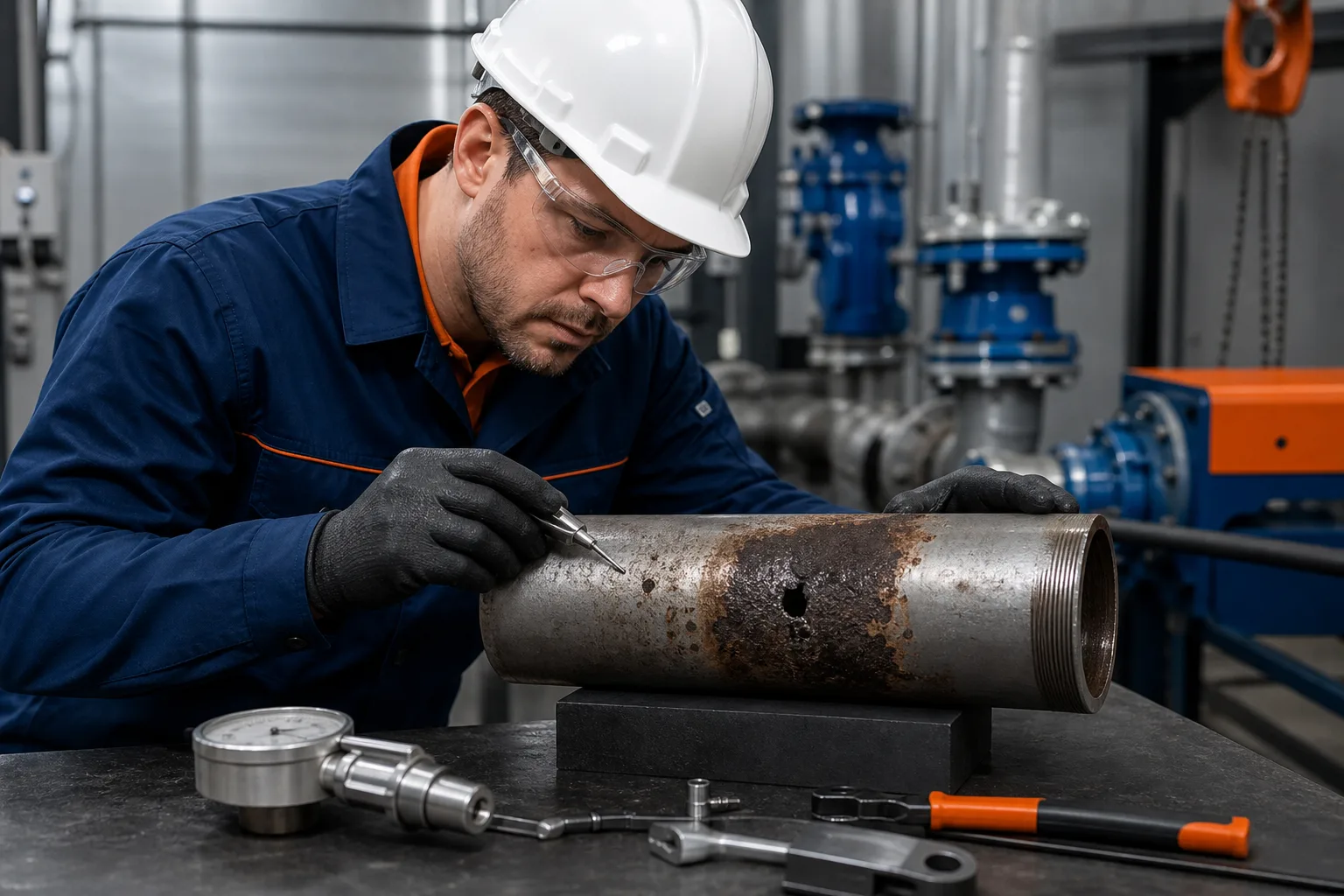
Leak Types
Common Pipe Leak Types and Damage Patterns
The same pipe may require different repair routes at different points in its service life. These patterns help define the first technical question.
Pinholes and Perforation
Localized openings may suit metal rebuilding and sealing when the surrounding substrate is stable and properly prepared.
Corrosion and Wall Loss
Document the affected area, remaining wall condition, pipe geometry, and direction of further attack before selecting a repair route.
Joint and Flange Leakage
Assess movement, bolt loading, gasket condition, misalignment, sealing-face damage, and operating conditions before assuming a material-only repair.
Wet or Submerged Leaks
Water, condensation, marine exposure, and limited access affect adhesion and application control and may require a wet-surface route.
Assessment Factors
Factors That Affect Pipe Leak Repair Material Selection
Organize the first shortlist by equipment and operating condition. Product categories by equipment and by service condition provide useful ways to structure the information.
Substrate
What is the pipe material, coating condition, and surface profile? Adhesion and preparation requirements differ by substrate and surface state.
Damage: Is the defect localized, cracked
perforated, eroded, or spread across a section? The repair footprint may determine whether local rebuilding or reinforcement is appropriate.
Wall condition
What is the remaining wall thickness and extent of metal loss? Severe or unstable loss may require engineering review or replacement.
Service: Which fluid, concentration
temperature, pressure, and flow conditions apply? Compatibility, thermal exposure, and return-to-service requirements must match current documentation.
Access: Can the line be isolated, drained
cleaned, and reached around the full repair area? Access and line status affect preparation, application control, and inspection.
Repair Options
Repair Options for Corroded and Leaking Pipe Sections
Pipe leak repair is not one universal method. Compare each route against the failure condition and the responsible maintenance or engineering requirements.
Metal Rebuilding
Use as a starting category for localized corrosion, dimensional restoration, leak sealing, and structural bonding on prepared metal.
Composite Reinforcement
Consider for distributed wall loss when an engineered external structural laminating system is required.
Wet-Surface Repair
Wet-surface or underwater materials support conditions where drying is difficult or impossible, subject to documentation review.
Internal Lining
A lining or fluid-equipment coating route may suit internal corrosion or chemical exposure more than a local external patch.
Replacement or Engineering
Replacement or a separately engineered repair may be needed for unstable sections, extensive loss, movement, or safety-critical service.
Product Series
Recommended ZDSChem Series for Evaluation
These series identify relevant starting points. They are not automatic approvals for a particular line, pressure class, chemical service, or regulatory requirement.
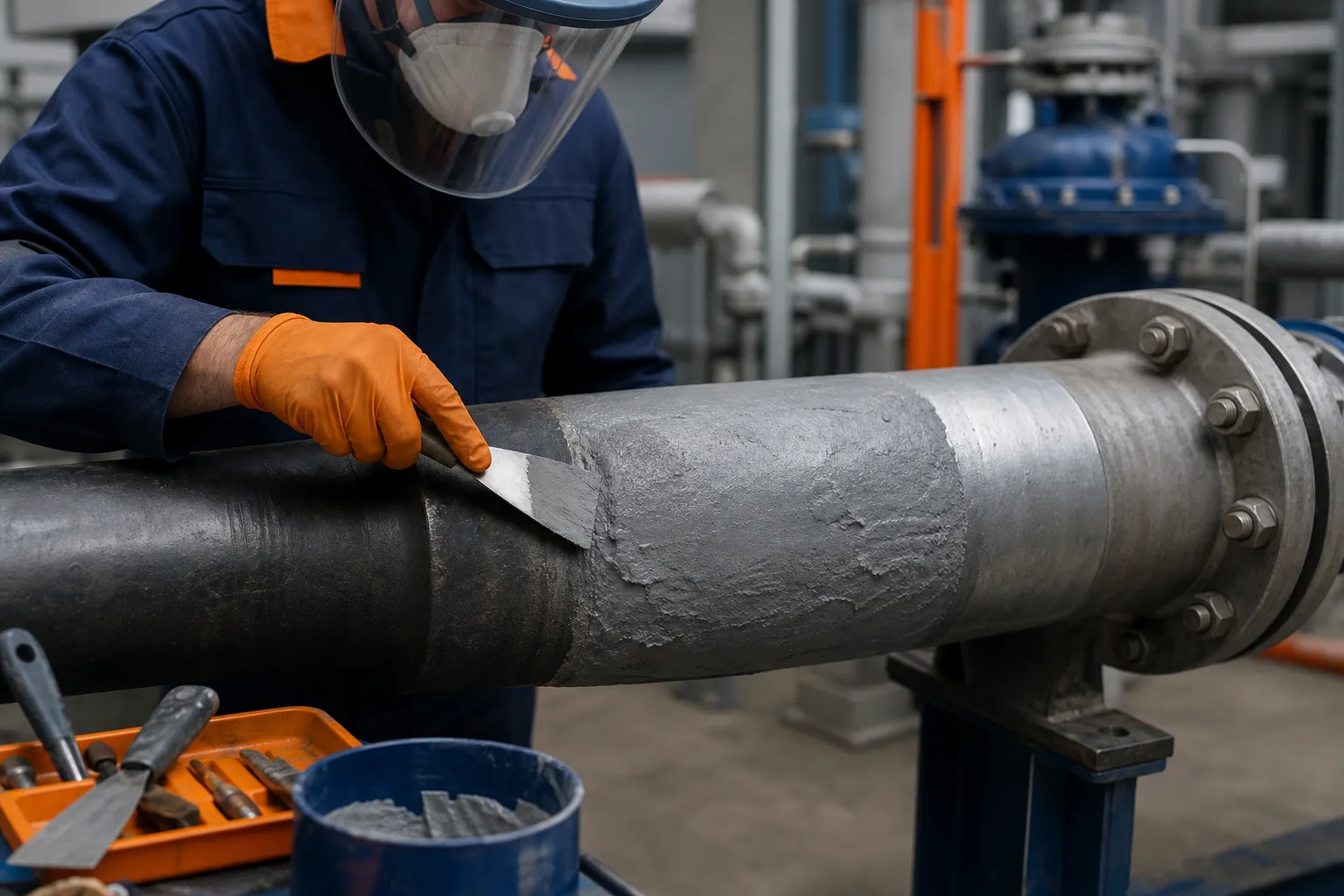
ZDS-MetalRebuild
For localized metal rebuilding, cold repair, dimensional restoration, leak sealing, and structural bonding on stable, prepared metal.
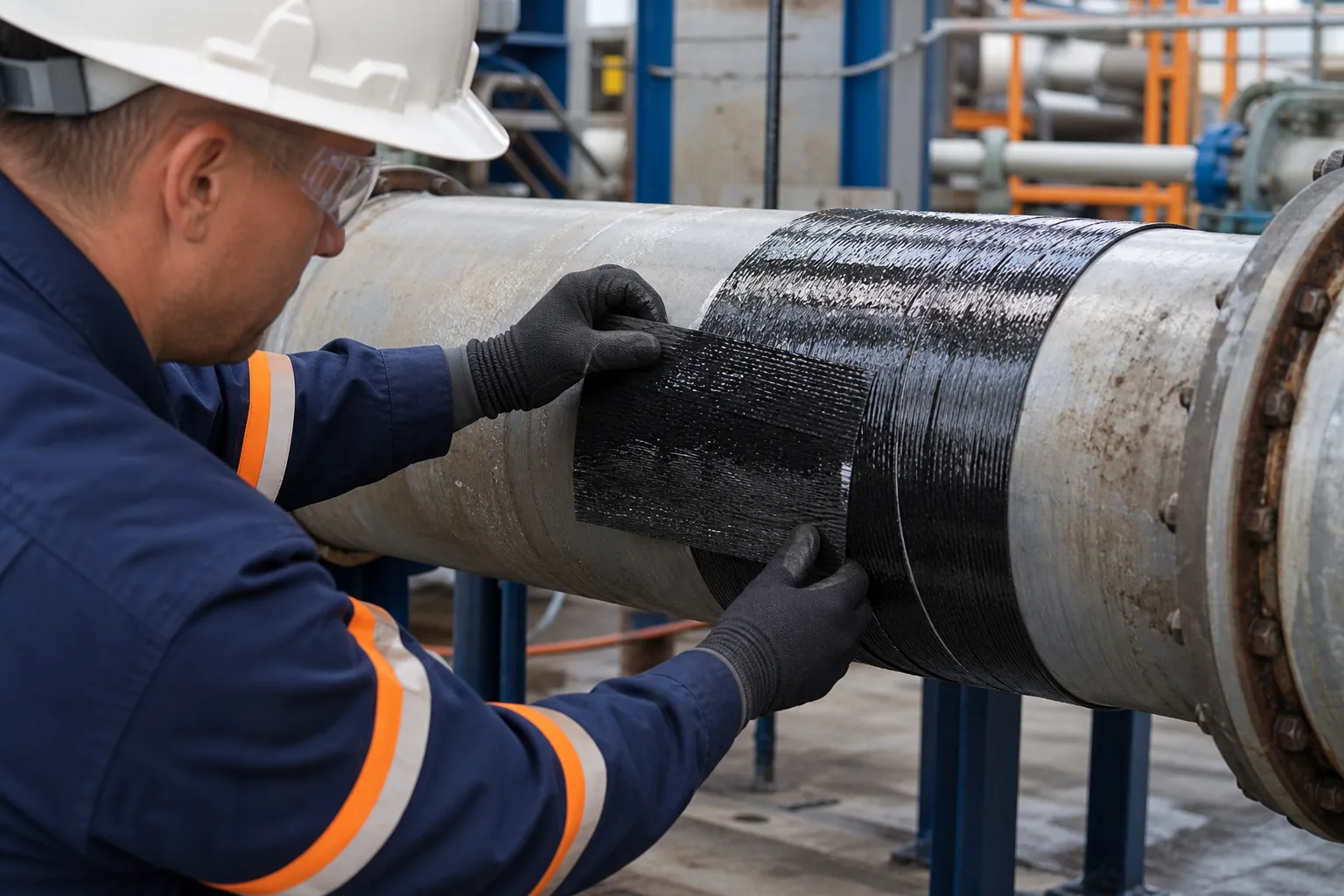
ZDS-CompositeWrap
For composite pipe reinforcement, FRP repair, and structural laminating where an external reinforcement design is required.
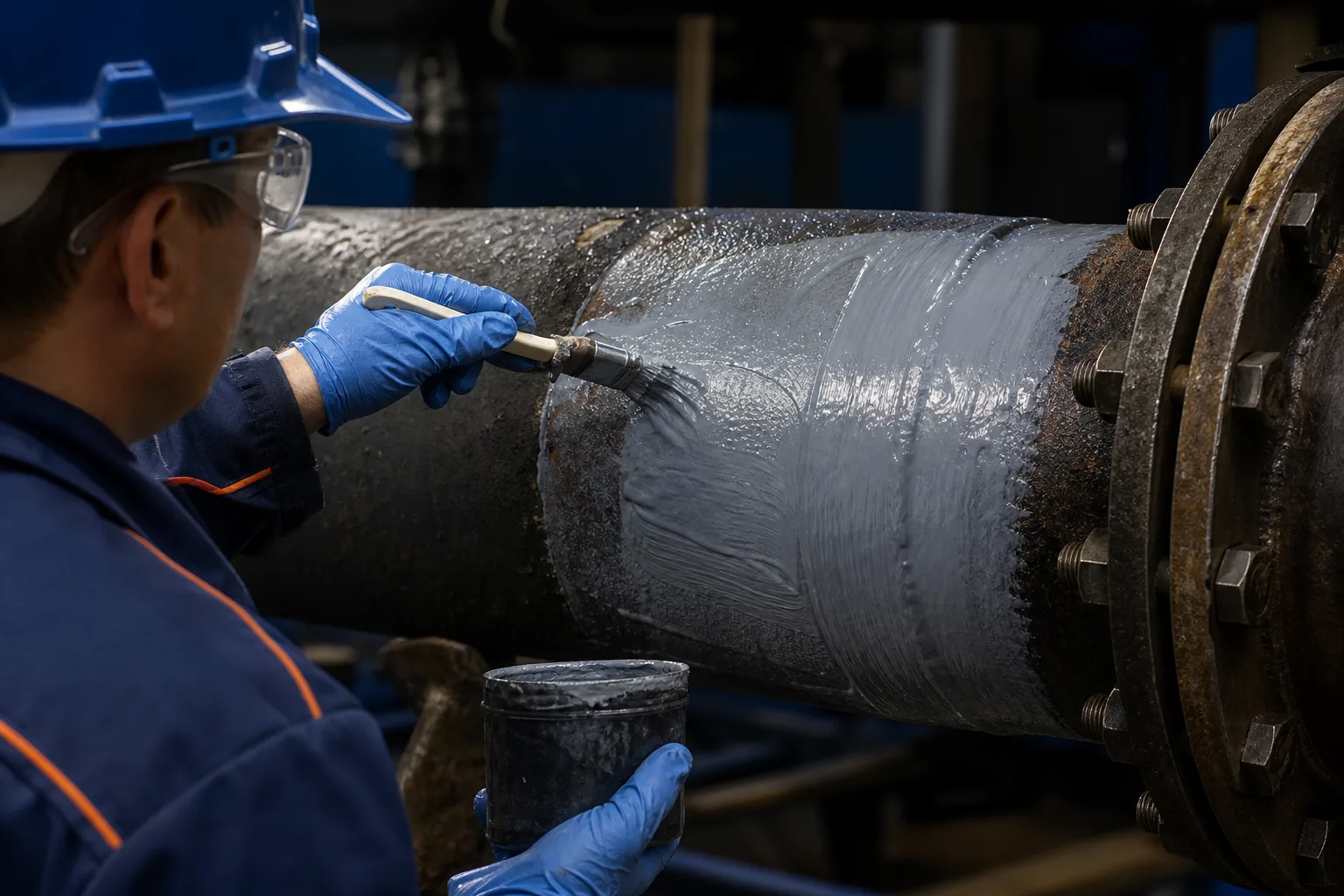
ZDS-AquaShield
For underwater-curing, wet-surface, marine, and emergency repair conditions. Confirm environment and substrate requirements.
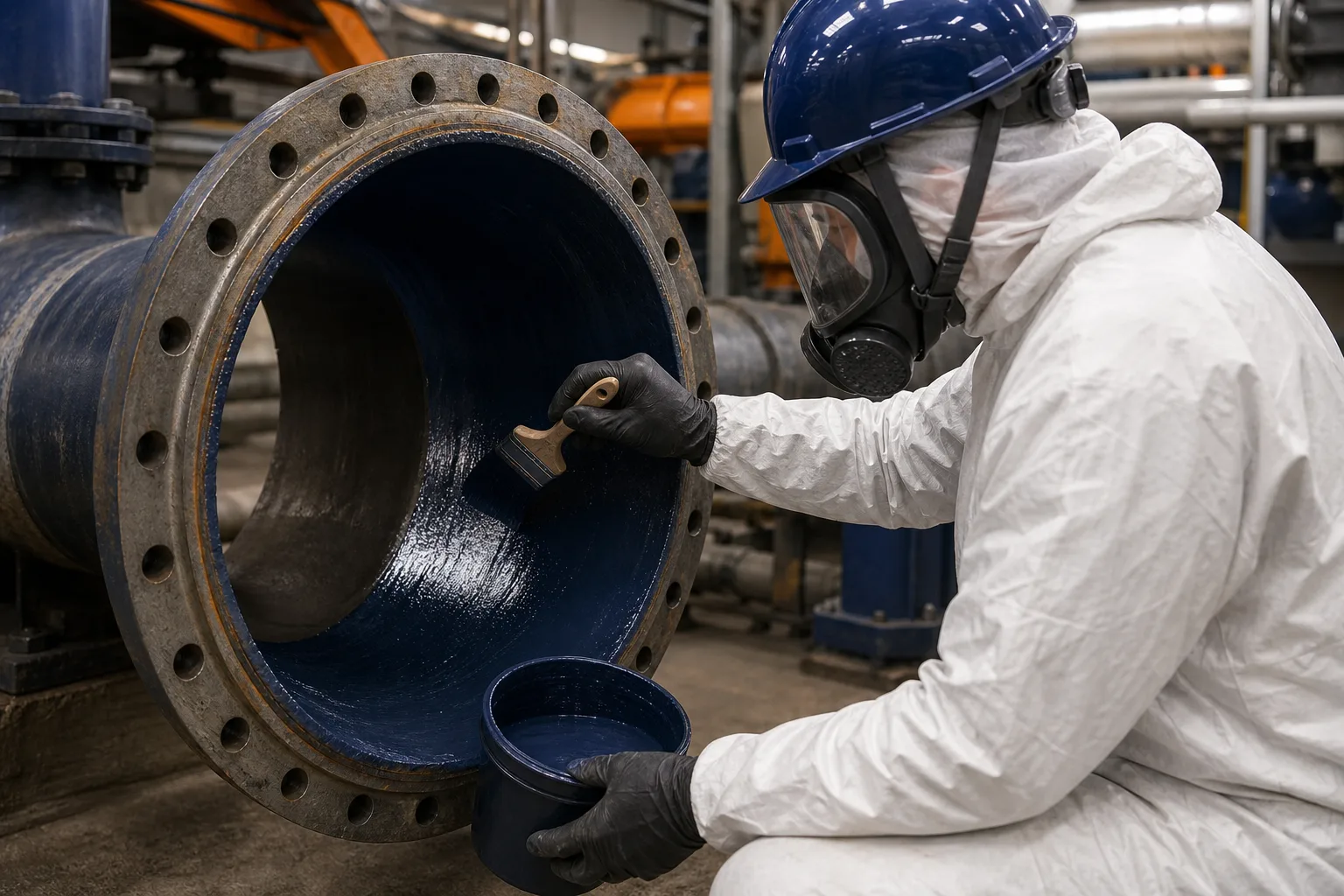
ZDS-FluidGlide
For high-temperature repair, chemical-resistant lining, sealing, and fluid-equipment coating routes.
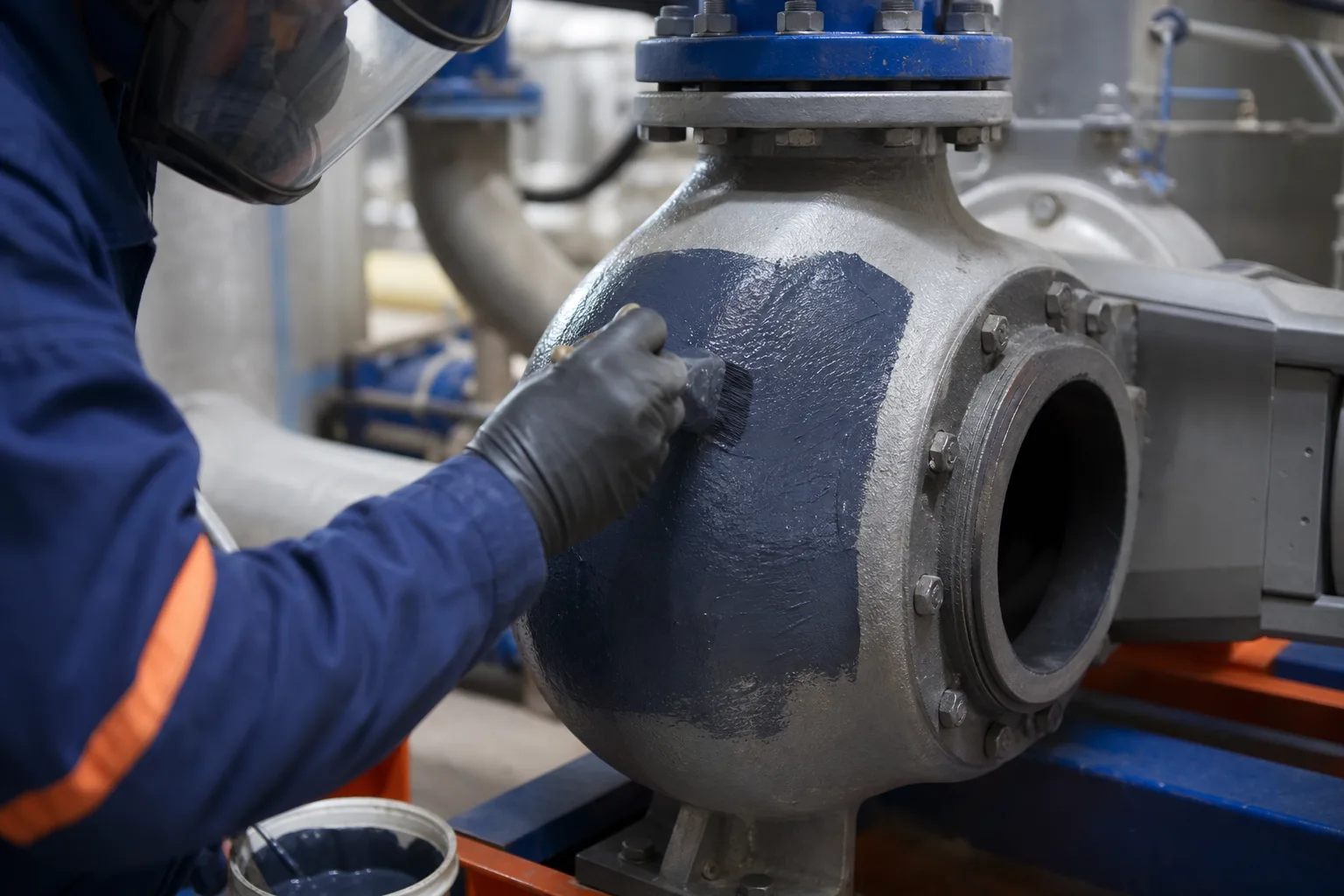
ZDS-CeramicArmor
For ceramic-filled wear, erosion, and cavitation protection around fluid-handling equipment, not every pipe leak.
Application Requirements
Application Requirements for an Industrial Pipe Repair
A controlled repair starts before the material is mixed or applied. Use current technical documentation and site procedures to establish the repair sequence.
01
Make the area safe
isolate, depressurize, drain, and control the line according to plant procedure. Define whether the work is planned, emergency, temporary, or part of a permanent repair program.
02
Document the failure
record pipe material, leak location, dimensions, wall condition, service fluid, temperature, pressure, flow, and surrounding equipment.
03
Prepare the substrate
remove contamination, loose corrosion, moisture, and incompatible coatings as required by the selected product route.
04
Confirm the repair method
check mixing, application, reinforcement, lining, and inspection requirements against current technical data sheets and application guides. Do not infer an unlisted service limit.
05
Control return to service
follow documented application and curing requirements, then confirm inspection and restart conditions with the responsible technical authority.
Case Evidence
What a Useful Pipe Repair Case Should Document
For procurement and engineering review, a case should identify the original damage, substrate, pipe dimensions, service conditions, preparation method, selected repair route, inspection steps, and verified outcome. A statement that a leak was stopped is not enough to establish suitability for another installation.
Equipment type and leak location
Corrosion, erosion, cracking, or wall-loss
pattern
Fluid and operating conditions
Repair area, preparation method, and
application sequence
Inspection records and limits of the
documented result
Technical Recommendation
Information Needed for a Technical Recommendation
Send enough detail to distinguish local metal rebuilding from reinforcement, lining, wet-surface repair, or a non-material repair route. ZDSChem can review application-specific requirements and confirm technical and commercial feasibility after the product information and purchasing context are supplied.
Pipe material, diameter, wall thickness
coating, and joint or flange details
Leak size, location, photos, inspection
readings, and estimated wall loss
Fluid name, concentration if known
temperature, pressure, and flow conditions
Available isolation time, surface access
moisture level, and working environment
Required quantity, packaging or labeling
needs, destination market, and purchasing stage
Limitations
Limitations and Engineering Checks
Do not treat a generic repair compound as a universal substitute for pipe replacement, welding, a code-based composite repair, or another engineered method. Active pressurized leakage, severe or unstable wall loss, unknown chemical exposure, high temperature, significant vibration, movement, and safety-critical service require additional technical control.
Confirm product suitability, pressure or
temperature limits, chemical resistance, cure requirements, and return-to-service conditions against current ZDSChem documentation.
A material recommendation alone does not
establish code compliance, restored pressure rating, or long-term service life.
Repair material selection should support
the engineering decision, not replace it.
Technical Background
Technical Background Supporting Product Evaluation
ZDSChem applies the chemical manufacturing and formulation background of ZDS to industrial repair material selection. ZDS has operated as a professional chemical manufacturer since 1998, and a dedicated R&D team of 30 professionals supports formulation development, product improvement, application adaptation, and customer-specific requirement review. Technical experts with more than 30 years of experience contribute to formulation review and application-specific solution development.

Next Step
Move from a Leak Description to a Practical Shortlist
Share the pipe material, damage pattern, service conditions, photos, and project timing with the technical team. ZDSChem can help identify the relevant repair category, documentation, sample route, or quotation path for further evaluation.
FAQ
Frequently Asked Questions
No. The appropriate route depends on the pipe substrate, leak mechanism, wall condition, fluid, temperature, pressure, access, and required repair design. Some conditions require replacement or an engineered repair rather than a material-only solution.
ZDS-MetalRebuild is a starting category for localized metal rebuilding and leak sealing. ZDS-CompositeWrap may be relevant to distributed wall loss requiring external reinforcement, while ZDS-FluidGlide may fit chemical-resistant lining or coating requirements. Final selection requires project information and current product documentation.
ZDS-AquaShield is the ZDSChem series intended for underwater-curing, wet-surface, marine, and emergency repair conditions. The substrate, water exposure, access, preparation method, and return-to-service requirements still need to be checked before evaluation.
Provide the pipe material and dimensions, leak location and size, wall-loss information, service fluid, temperature, pressure, flow, surface condition, access limitations, photos, required quantity, and project timing. This information helps distinguish local repair from reinforcement, lining, or replacement.
No. A product recommendation does not by itself confirm pressure rating, code compliance, structural adequacy, or service life. The responsible engineer or technical authority must determine the repair design, inspection requirements, and conditions for returning the line to service.
Customer-specific formulation requirements may be reviewed according to the application, specification, expected volume, and target market. Technical and commercial feasibility must be confirmed before any development or customization work begins.