
Industrial Repair Materials Distributor Program
The ZDSChem Distributor Program is a structured evaluation route for industrial distributors, importers, wholesalers, MRO suppliers, and regional agents developing an industrial repair materials portfolio. It connects product-range planning with market assessment, sample evaluation, technical documents, initial stocking, and repeat-supply preparation. Regional distribution is not approved automatically. ZDSChem reviews the applicant's market, customer base, technical capabilities, intended product categories, purchasing plan, and support requirements before confirming a suitable cooperation route.

Suitable Applicants
Who the Distributor Program Is Designed For
The program is intended for B2B channel companies that sell, specify, stock, or support repair products for industrial equipment. Applicants should have a practical route to market and understand the industries, maintenance needs, or customer groups they plan to serve.
Industrial Distributors
Build a regional range for pipe repair, equipment rebuilding, wear protection, corrosion control, protective coating, or elastomer maintenance.
MRO Suppliers
Assess repair categories for factories, mines, utilities, marine operators, contractors, and maintenance departments.
Industrial Agents
Apply with relevant customer access and the ability to support responsible product selection. Companies defining their channel model can review the broader industrial distributor support route.
Product Portfolio
Build a Portfolio Around Industrial Repair Requirements
ZDSChem organizes its portfolio into seven primary industrial repair product series. A distributor does not need to begin with every series. The practical assortment should reflect local equipment, common substrates, damage patterns, service conditions, customer demand, and stock capacity. The industrial repair product hub provides a broader comparison route.

ZDS-MetalRebuild
Metal rebuilding, cold repair, dimensional restoration, leak sealing, and structural bonding materials for maintenance and repair requirements.

ZDS-CompositeWrap
Composite pipe reinforcement, FRP repair, and structural laminating systems for qualified pipe and structural repair projects.

ZDS-CeramicArmor
Ceramic-filled materials for equipment exposed to abrasion, erosion, cavitation, and other heavy-wear conditions.
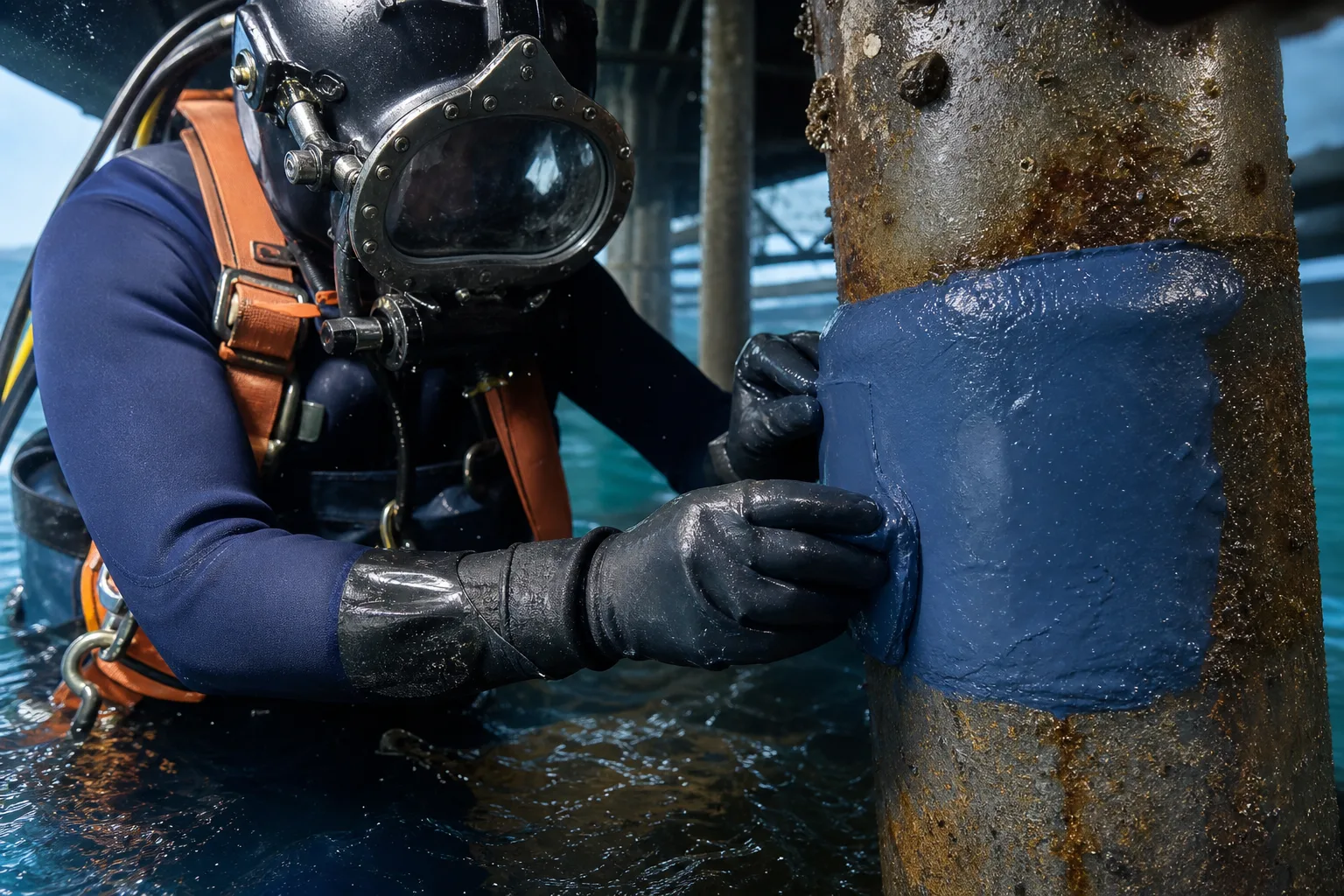
ZDS-AquaShield
Underwater-curing, wet-surface, marine, and emergency repair materials for applications where moisture affects the repair route.

ZDS-FluidGlide
High-temperature repair, chemical-resistant lining, tank lining, flue protection, sealing, and fluid-equipment coating systems.

ZDS-PolyAspartic
UV-resistant, weather-stable, and outdoor protective topcoat systems for suitable exterior protection requirements.
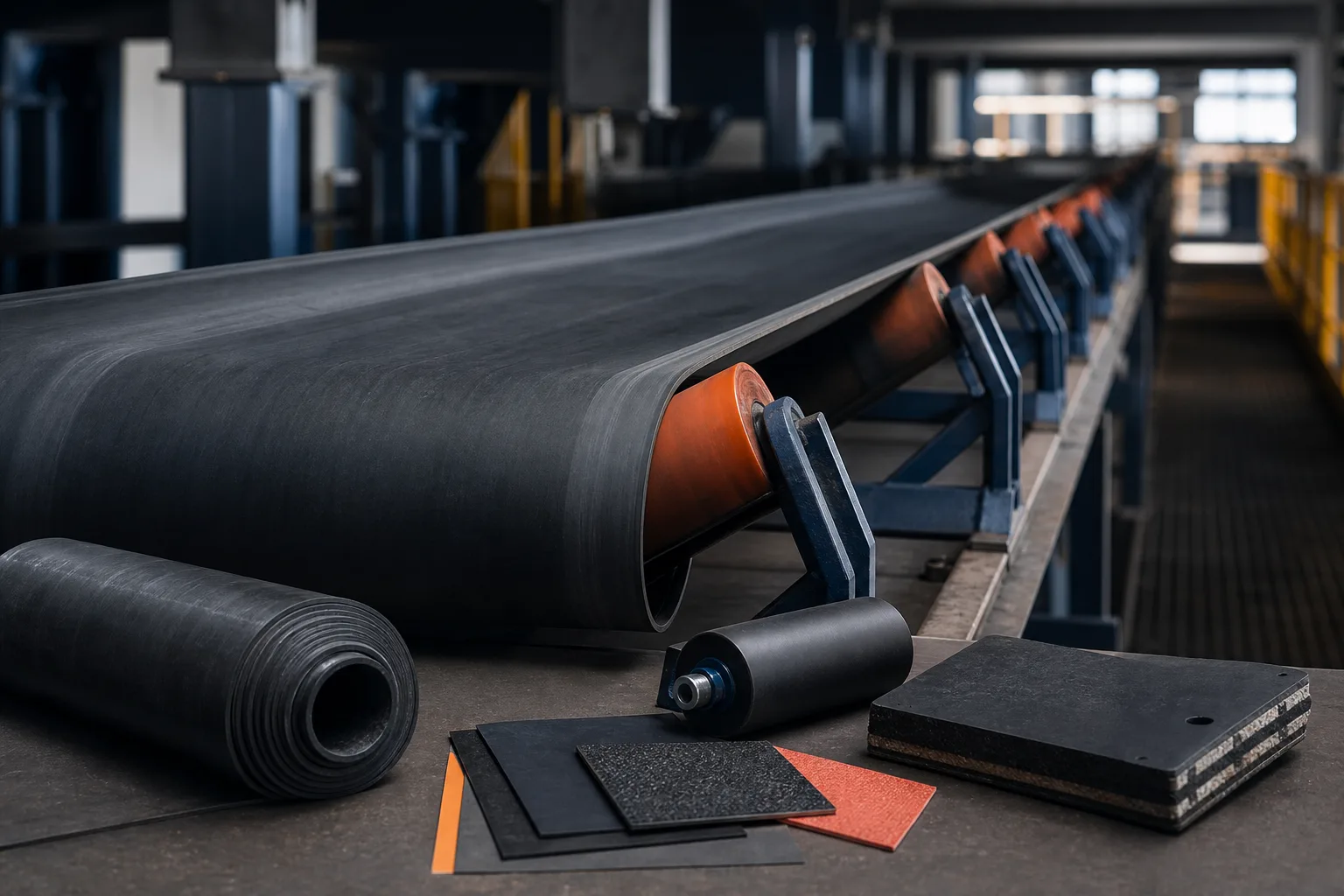
ZDS-RubberElast
Repair materials for conveyor belts, rubber linings, rollers, cables, tires, and other elastomer components.
Supporting Category
Surface Preparation Products
Surface Preparation Products, including relevant cleaners, primers, conditioners, and application materials, support the seven primary product series but are not an eighth primary product series.

Channel Assessment
How Regional and Channel Fit Is Assessed
The assessment considers whether the proposed product range and channel plan are commercially and technically workable. Market size alone does not determine acceptance. ZDSChem also reviews how the applicant reaches industrial buyers, supports product evaluation, manages stock, and communicates technical limitations.
Territory and target market
country or region, priority industries, customer types, sales channels, and relevant market requirements.
Current business profile
existing industrial categories, technical sales resources, customer coverage, and repair-market experience.
Portfolio priorities
target equipment, substrates, damage types, service conditions, and ZDSChem series of interest.
Commercial plan
expected purchasing approach, initial assortment, demand assumptions, and repeat-order planning.
Support capability
ability to manage inquiries, share current documents, coordinate samples, and avoid unsupported performance claims.
Regional requirements
labeling, documentation, packaging, language, import, or market-entry information that may require separate evaluation.

Evaluation Support
Samples, Training Information, and Technical Documents
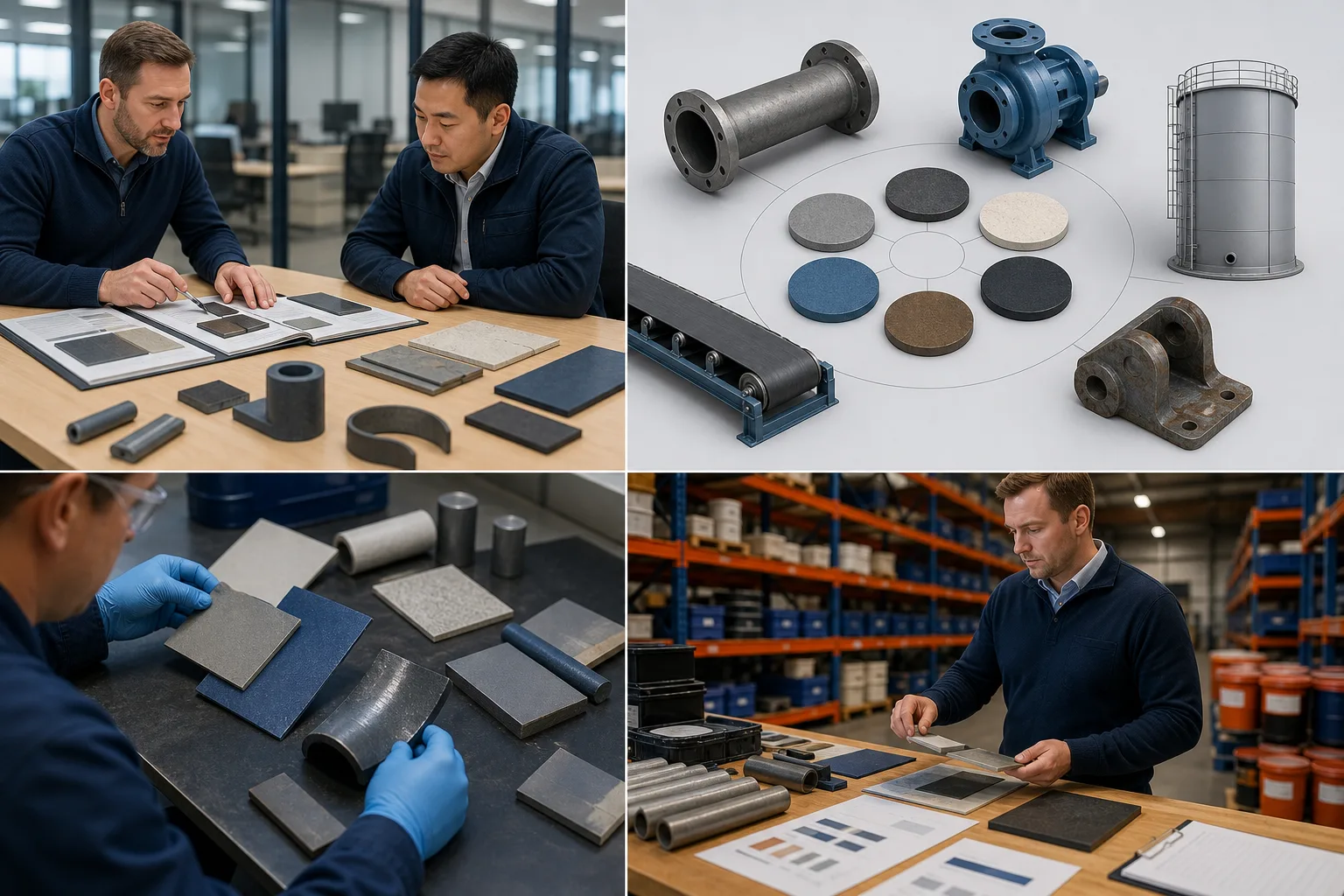
Qualified applicants can discuss a sample plan based on selected product categories and target applications. Sample Testing Support helps define evaluation criteria, sample selection, and the information required before a bulk purchasing decision. Testing methods, scope, responsibilities, and acceptance criteria need to be agreed before evaluation. Documentation requirements differ by product, market, and purchasing stage. Available materials can be reviewed through the Technical Document Center. Distributor onboarding may cover product-category orientation, selection factors, surface preparation, application considerations, storage communication, and responsible handling of technical inquiries. The exact training format and document package are confirmed during review.
Supply Planning
From Initial Stocking to Repeat Supply
Initial stocking should reflect realistic demand rather than an unnecessarily broad opening order. Portfolio planning can prioritize products that match frequent equipment problems, while specialized systems can follow after customer demand and technical fit become clearer.
01
Define the opening assortment
Identify the industries, equipment, substrates, damage types, and service conditions that drive local demand.
02
Evaluate selected products
Review available documents and samples against agreed application and purchasing criteria.
03
Prepare commercial requirements
Discuss quantities, available packaging information, documentation needs, and relevant market conditions through Project Quotation Support.
04
Plan the transition to purchasing
Use the Sample-to-Bulk Workflow to organize evaluation findings, product identification, quantity planning, and order preparation.
05
Review replenishment needs
Supply Continuity Planning can support forecasting discussions, stock priorities, and repeat-order preparation without creating an unverified delivery guarantee.
Company Background
Manufacturing and Quality Background for Channel Evaluation
ZDSChem draws on the supplied ZDS background in chemical manufacturing, formulation, product development, and technical support. ZDS was established in 1998, and a dedicated R&D team of 30 professionals supports formulation development, product improvement, and application-specific evaluation. ZDS maintains quality-management systems certified to ISO 9001 and IATF 16949. These are management-system certifications rather than certifications of individual ZDSChem products. Applicants requiring certification scope, current validity, or supporting evidence should review the latest documents through the certifications and compliance information route.

Review Boundaries
Program Boundaries and Expected Review Output
Submitting an application does not guarantee territory approval, exclusivity, samples, customized packaging, private labeling, product availability, or commercial terms. These points require technical and commercial assessment. Product suitability must also be confirmed against the application, substrate, preparation method, operating conditions, and current product documentation. After sufficient information is supplied, the review can identify preliminary channel fit, relevant product-series priorities, information gaps, sample or document requirements, and the next commercial discussion. Final acceptance and cooperation terms are confirmed separately.
Apply
Submit Your Regional Distribution Application
Provide your company profile, target territory, customer groups, current product categories, preferred ZDSChem series, estimated purchasing approach, and technical support capabilities. Clear information helps the commercial and technical teams prepare a focused assessment.
FAQ
Frequently Asked Questions
Industrial distributors, importers, wholesalers, MRO suppliers, technical agents, and other qualified B2B channel companies can apply. The assessment considers territory, customer groups, industrial experience, product priorities, technical support capability, and purchasing plans.
No. The initial assortment can focus on the product series that fit local equipment, industries, repair needs, service conditions, and stock capacity. The proposed range is discussed during channel and portfolio assessment.
Sample requirements can be discussed after the target products, applications, evaluation criteria, and purchasing context are supplied. Sample availability, quantities, evaluation scope, and related commercial conditions require confirmation and are not guaranteed by submitting an application.
Available materials may include relevant product, safety, application, quality-management, or commercial documents, depending on the product and evaluation stage. ISO 9001 and IATF 16949 apply to quality-management systems and do not certify individual product performance.
No. Territory arrangements, channel structure, commercial terms, performance expectations, and any exclusivity request require separate review and written confirmation. An application starts the evaluation process but does not establish distribution rights.