
ZDS-RubberElast Rubber and Elastomer Repair Materials
ZDS-RubberElast is a series of rubber repair compounds intended for localized damage to conveyor belts, rubber linings, rollers, cables, tires, and other elastomer components. It gives distributors, repair contractors, and maintenance teams a structured route for comparing materials by substrate, damage type, movement, exposure, and application conditions. The series can support planned maintenance and selected rapid-repair situations where replacing the full component is not the preferred first option. Final product selection requires confirmation against current technical documentation, the condition of the damaged part, and the performance required after return to service.
Application Areas
Repair Areas for Belts, Linings, Rollers, Cables, and Tires
The correct repair method is determined by the function of the component and the location of the damage. The same visible cut can require a different material or preparation process on a moving conveyor belt, a stationary rubber lining, or a rotating roller.
Conveyor Belt Repair
Address localized cuts, gouges, worn covers, edge damage, small punctures, or separated areas after reviewing belt construction, movement, load, abrasion, location, shutdown window, and exposed reinforcement.
Rubber Lining Restoration
Review worn spots, cuts, lifted edges, or localized lining loss in tanks, chutes, pipes, and process equipment, including exposure to abrasion, corrosion, impact, or chemicals.
Roller Surface Repair
Assess grooves, surface wear, cuts, or missing elastomer sections alongside repair geometry, rotational balance, contact pressure, surface finish, and dimensional tolerance.
Cable Jacket Repair
Selected cuts, abrasion, or localized outer-layer loss require review of cable type, electrical condition, jacket material, flexibility, exposure, and applicable safety requirements.
Tire and Rubber Repair
Assess selected non-critical damage to tires and molded elastomer parts, while routing load-bearing, road-use, safety-critical, deep structural, or reinforcement damage to specialist inspection or replacement.
ZDS-RubberElast TDS Library
Compare rubber and elastomer repair systems by intended use, service temperature and cure profile, then open the model-specific technical data sheet.
| Model | Product & best for | Service temperature | Working time (25°C) | Cure profile | TDS |
|---|---|---|---|---|---|
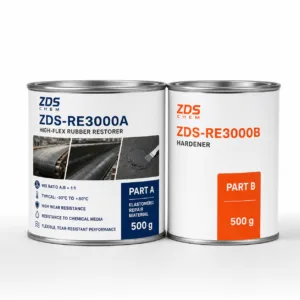
| ZDS-RE3000 | High-Flex Rubber RestorerConveyor belts, protective linings; repair and rebuilding. | Typical: -30°C to +80°C | 2-3 min | Working time: 2-3 min Load-bearing: 1 h Full cure: 3 h Typical: 15-30 min | |
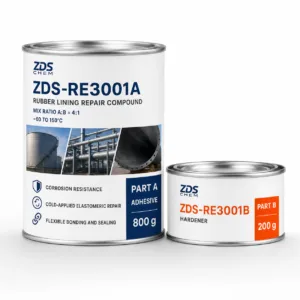
| ZDS-RE3001 | Rubber Lining Repair CompoundTanks and vessels, industrial pipelines, protective linings; repair and rebuilding. | -60 to 150°C | Typical: 30-45 min | 24 h Typical: 4-6 h | |
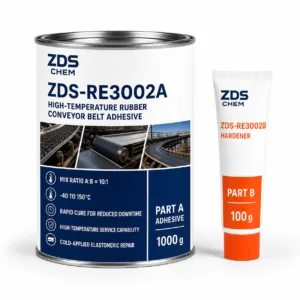
| ZDS-RE3002 | High-Temperature Rubber Conveyor Belt AdhesiveConveyor belts; repair and rebuilding. | -40 to 150°C | Typical: 5-15 min | 24 h Typical: 15-30 min | |
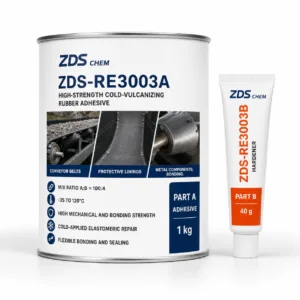
| ZDS-RE3003 | High-Strength Cold-Vulcanizing Rubber AdhesiveConveyor belts, protective linings, metal components; bonding. | -35 to 120°C | Typical: 30-45 min | 24 h Typical: 4-6 h | |
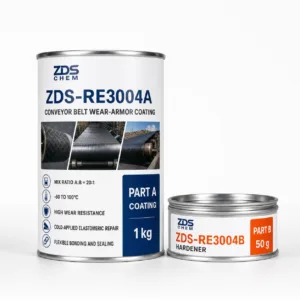
| ZDS-RE3004 | Conveyor Belt Wear-Armor CoatingConveyor belts; protective coating. | -60 to 100°C | Typical: 30-45 min | 24 h Typical: 4-6 h | |
| ZDS-RE3005 | EPDM Rubber AdhesiveIndustrial pipelines, protective linings; bonding, sealing. | -35 to 120°C | Typical: 30-45 min | 24 h Typical: 4-6 h | |
| ZDS-RE3006 | Rapid Rubber Repair CompoundConveyor belts, industrial pipelines, protective linings; repair and rebuilding. | -40 to 85°C | Typical: 5-15 min | 16 h Typical: 15-30 min | |
| ZDS-RE3007 | Rapid Rubber Repair CompoundConveyor belts, protective linings; repair and rebuilding. | -40 to 85°C | Typical: 5-15 min | 16 h Typical: 15-30 min | |
| ZDS-RE3008 | Mining Conveyor Belt Repair AdhesiveConveyor belts, protective linings; repair and rebuilding. | -30 to 80°C | Ready to use | 4-6 h Typical: 15-30 min dry-to-touch | |
| ZDS-RE3009 | High-Temperature Conveyor Belt Repair AdhesiveConveyor belts; repair and rebuilding. | -30 to 200°C | Ready to use | 4-6 h Typical: 15-30 min dry-to-touch | |
| ZDS-RE3010 | Flame-Retardant Mining Cable Cold-Patch CompoundIndustrial cables and joints; repair and rebuilding. | -40 to 85°C | Typical: 15-25 min | 2 h Typical: 30-45 min | |
| ZDS-RE3011 | Marine Cable Joint Vulcanizing CompoundOffshore platforms, marine structures, industrial cables and joints, industrial pipelines; sealing. | Typical: -30°C to +80°C | Typical: 30-45 min | Typical Initial cure: 4-6 h; Full cure: 24 h at 25°C Typical: 4-6 h | |
| ZDS-RE3012 | 3-Minute Rapid Rubber Repair CompoundConveyor belts, protective linings; repair and rebuilding. | -40 to 85°C | Typical: 5-15 min | 3 h Typical: 15-30 min | |
| ZDS-RE3013 | Tire Repair AdhesiveIndustrial tyres and service vehicles, industrial pipelines; repair and rebuilding. | Typical: -30°C to +80°C | Ready to use | Typical Drying time: 15-30 min at 25°C Typical: 15-30 min dry-to-touch | |
| ZDS-RE3014 | High-Efficiency Multi-Purpose CleanerConveyor belts, industrial pipelines, protective linings, metal components; surface cleaning, bonding. | Process aid; application temperature: 5°C to 35°C | Ready to use | No cure required Typical: 15-30 min dry-to-touch | |
| ZDS-RE3015 | Metal Surface Treatment AgentFlanges, industrial pipelines, protective linings, metal components; surface preparation, bonding. | Process aid; application temperature: 5°C to 35°C | Ready to use | No cure required Typical: 15-30 min dry-to-touch |
Damage Assessment
Damage Types That Shape Product Selection
Common elastomer damage requires assessment of the substrate, damage geometry, surrounding condition, movement, and service exposure before a repair route is selected.
Cuts and Tears
Review depth, length, edge condition, and reinforcement exposure. Plan for movement across the damaged area and preparation of sound edges.
Gouges and Missing Sections
Review volume loss, repair depth, and surrounding substrate condition. Rebuild the profile without creating a weak transition.
Abrasion and Surface Wear
Review the wear pattern, operating contact, and remaining material thickness. Determine whether localized repair or broader resurfacing is more practical.
Delamination or Lifted Lining
Review separation extent, trapped contamination, and bond-line condition. Remove unsound material and verify the underlying surface.
Punctures and Holes
Review opening size, access, backing support, and service exposure. Assess containment, repair geometry, and affected structural layers.
Selection Factors
Service Conditions to Review Before Choosing a Rubber Repair Compound
A product name alone is not enough to establish suitability. A practical shortlist starts with the component and substrate, then narrows the options according to how the repaired area will move and what it will contact during service.
Base material
identify the rubber or elastomer type when known, including previous repair materials and coatings.
Component movement
record flexing, stretching, compression, vibration, rotation, and repeated impact.
Operating exposure
describe abrasion, water, oils, process chemicals, weather, UV exposure, and cleaning procedures.
Temperature
provide application, start-up, normal operating, and short-duration temperature conditions.
Repair geometry
measure the damaged length, width, depth, edge profile, and accessible working area.
Return-to-service window
state the available shutdown period without assuming a specific cure time.
Performance priority
clarify whether the main goal is sealing, surface restoration, wear protection, flexibility, or temporary service recovery.
Repair Planning
Planning a Rapid Elastomer Repair
Rapid repair is a maintenance objective, not a universal product property. Ambient temperature, repair thickness, mixing method, preparation quality, and the required return-to-service condition can all affect the workable schedule. Current product instructions should define the approved mixing, application, curing, and inspection requirements.
01
Isolate and inspect the component
Make the equipment safe, clean enough for assessment, and identify damage beyond the visible surface.
02
Remove unsound material
Establish stable repair edges and remove loose, degraded, or poorly bonded rubber without extending damage unnecessarily.
03
Prepare the repair area
Follow the specified cleaning, roughening, conditioning, and priming procedure for the substrate.
04
Measure and mix as instructed
Use the current application guide for component ratio, mixing sequence, usable period, and repair thickness.
05
Apply and shape the material
Fill the prepared area, avoid trapped contamination, and form a transition suitable for the component geometry.
06
Allow the repair to cure and inspect it
Do not restart equipment until the documented cure condition and project acceptance checks have been met.
Preparation
Surface Preparation Is Part of the Repair System
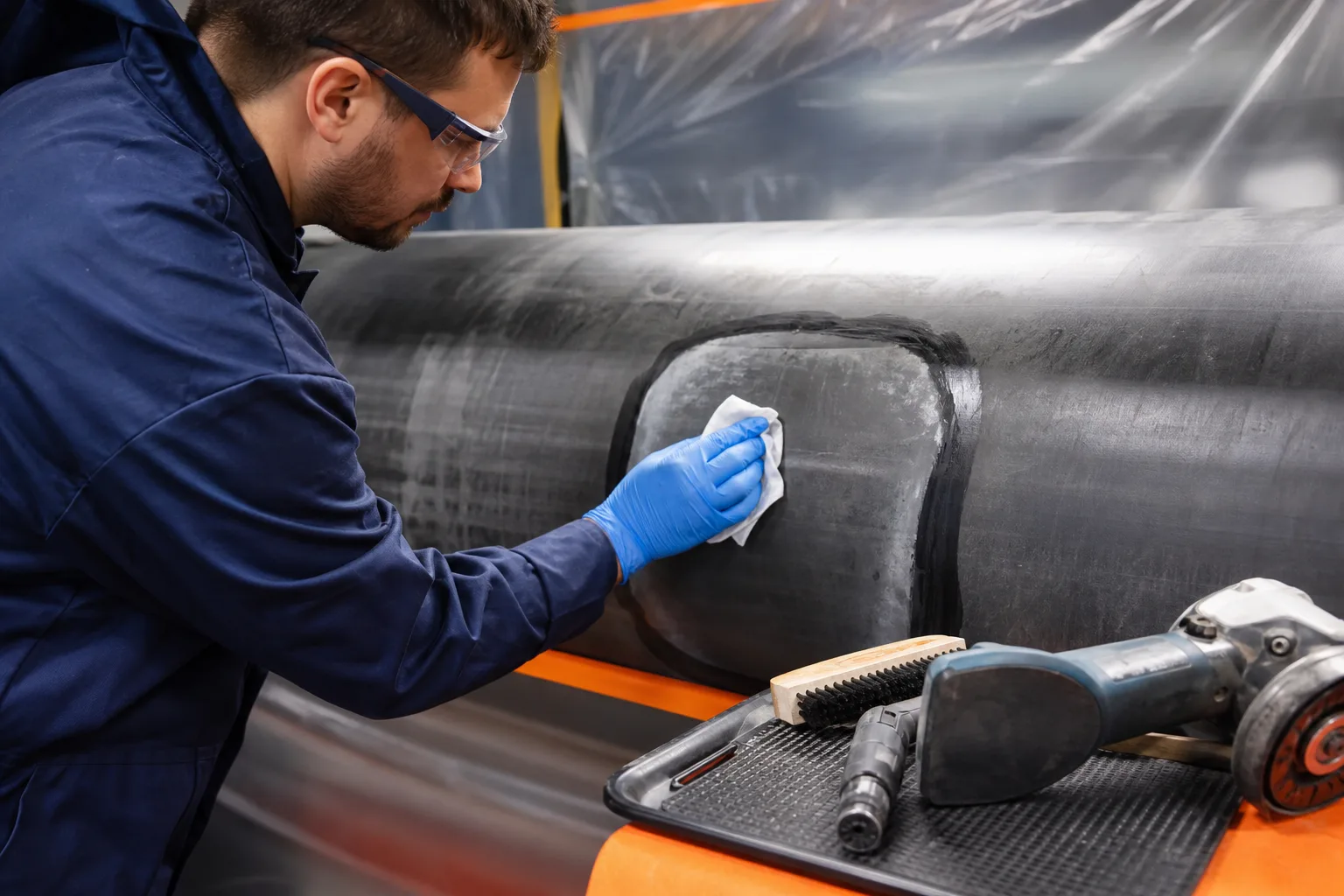
Oil, process residue, moisture, dust, degraded rubber, release agents, and previous repair material can interfere with bonding. Preparation requirements vary by elastomer and product, so a universal cleaning or roughening method should not be assumed. Buyers can review surface preparation products while confirming which cleaner, conditioner, or primer is specified for the selected repair compound. For field work, record the available tools, access restrictions, ambient temperature, humidity, and whether the area can be kept clean and stationary during application. These details help determine whether the planned repair can be executed consistently.
Technical Support
Documents and Sample Evaluation for Technical Buyers
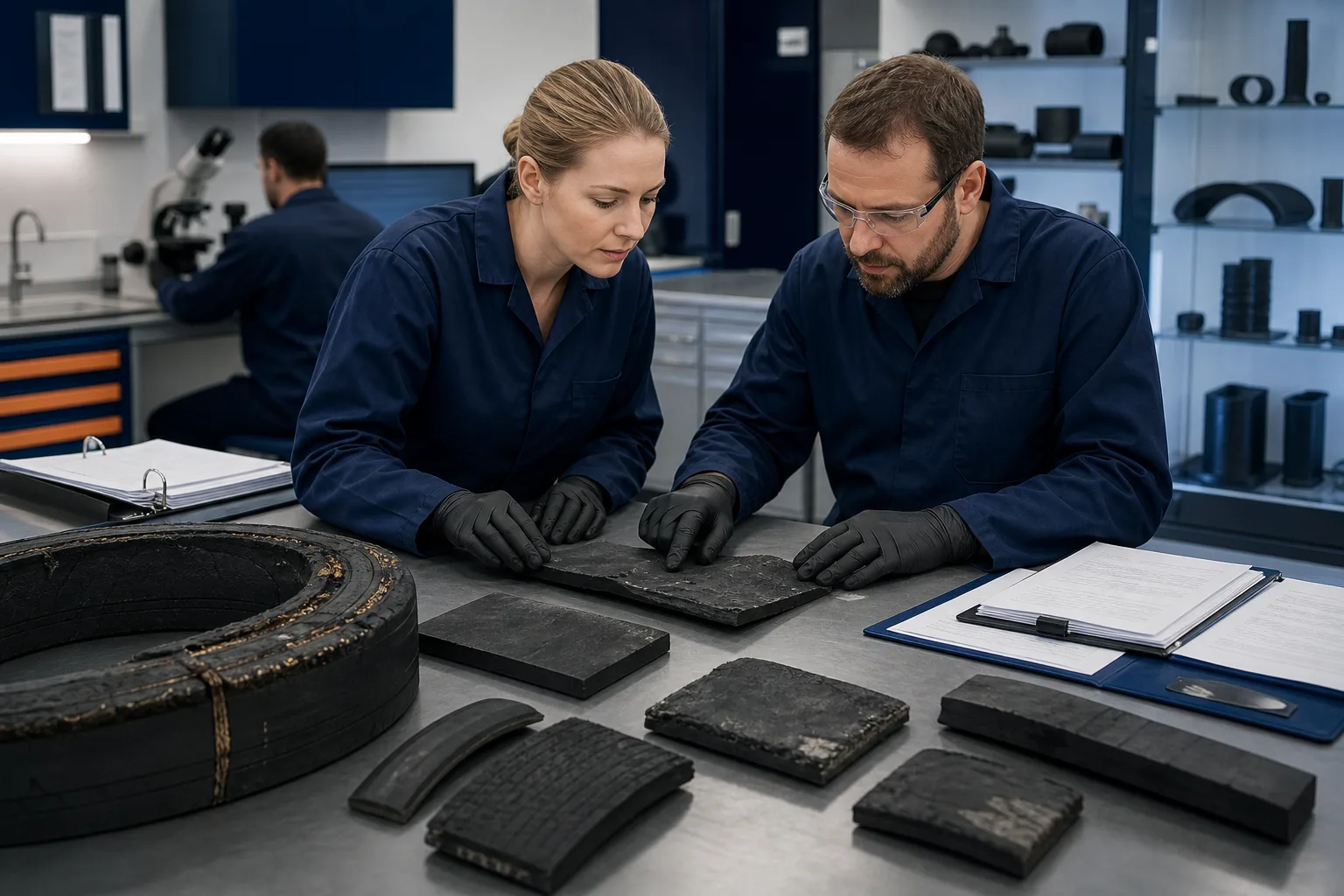
Distributors, MRO suppliers, contractors, and plant teams should compare the current technical data sheets, safety data sheets, and application guides before approving a material. The relevant documents should cover handling, preparation, application, storage, and available technical properties for the specific product under evaluation. ZDS maintains a dedicated R&D team of 30 professionals supporting formulation development, product improvement, and application-specific evaluation. Technical experts with over 30 years of experience contribute to formulation review and application support. These resources can help examine supplied operating details, but the final decision must follow current product documentation and an appropriate evaluation method. A representative sample evaluation should use the intended substrate, preparation method, application conditions, and agreed acceptance criteria rather than relying only on visual appearance.
Use Limitations
When a Localized Elastomer Repair May Not Be Appropriate
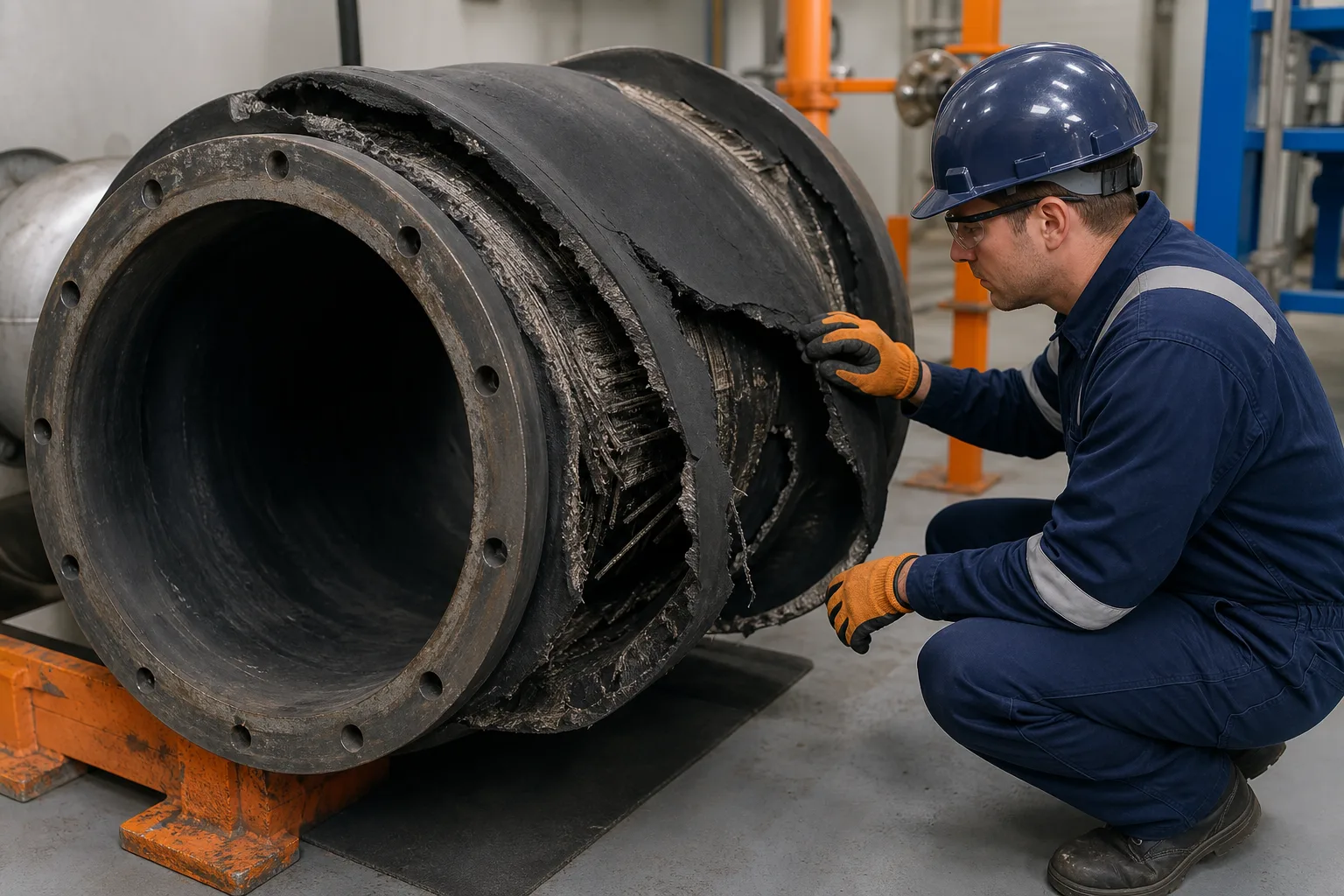
A repair compound does not restore every damaged component. Extensive delamination, deteriorated reinforcement, major belt carcass damage, unstable substrates, unknown contamination, active mechanical failure, or damage in a safety-critical area can require specialist repair or replacement. Energized cables must not be repaired as routine surface work, and road-use or load-bearing tire repairs must follow applicable safety and regulatory requirements. Exact working time, cure time, temperature limits, chemical resistance, adhesion, abrasion resistance, and service life differ by product and application. Confirm these points with current documentation before specifying, stocking, or applying a ZDS-RubberElast material.
Evaluation Request
Evaluate ZDS-RubberElast for Your Repair Conditions
Provide the component type, elastomer or rubber substrate, damage dimensions, photos, movement, operating exposure, temperature, shutdown window, expected quantity, and target market. ZDSChem can use this information to identify a relevant sample route and prepare the commercial discussion.
FAQ