
ZDS-CeramicArmor Ceramic Wear Compounds for Erosion Protection
ZDS-CeramicArmor helps maintenance teams, repair contractors, MRO suppliers and industrial distributors evaluate ceramic-filled materials for abrasive wear, slurry erosion, cavitation, particle impact and equipment restoration. Selection depends on the damage mechanism, substrate, geometry, access, operating environment, repair objective and current product documentation.
Series Definition
What Is a Ceramic Wear Compound?
A ceramic wear compound combines a resin-based matrix with hard ceramic filler. Applied to a prepared surface, it forms a protective or rebuilding layer where abrasive solids, high-velocity fluid, particle impact or cavitation remove metal.
Series Scope
ZDS-CeramicArmor covers ceramic-filled materials for wear, erosion, cavitation and heavy-duty equipment protection.
Repair Materials Portfolio
Review ZDS-CeramicArmor within the wider portfolio of industrial repair materials.
Select by Equipment
Compare material routes according to the equipment or component requiring repair.
Select by Service Condition
Assess product routes according to the operating environment and damage mechanism.
ZDS-CeramicArmor TDS Library
Compare ceramic-reinforced wear and erosion protection systems by application, service temperature and cure profile, then open the model-specific technical data sheet.
| Model | Product & best for | Service temperature | Working time (25°C) | Cure profile | TDS |
|---|---|---|---|---|---|
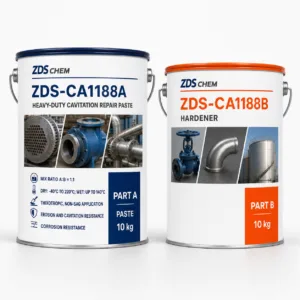
| ZDS-CA1188 | Heavy-Duty Cavitation Repair PasteHeat exchangers and tube sheets, pumps and pump casings, valves, pipe elbows and tees, tanks and vessels, industrial pipelines; repair and rebuilding. | Dry: -40°C to 220°C; wet: up to 140°C | 25-35 min | Pot life: 25-35 min; Full chemical cure: 7 days Typical: 12-24 h | |
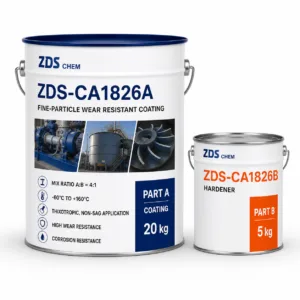
| ZDS-CA1826 | Fine-Particle Wear Resistant CoatingPumps and pump casings, tanks and vessels, impellers, slurry and bulk-material systems, powder and ash handling systems, industrial pipelines; protective coating, repair and rebuilding. | -60°C to +160°C | 30 min | Pot life: 30 min (max. per batch 1.5 kg), Light load / machining: 12 h; Earliest return to service: 12 h; ( / ): 24 h。 Typical: 15-30 min | |
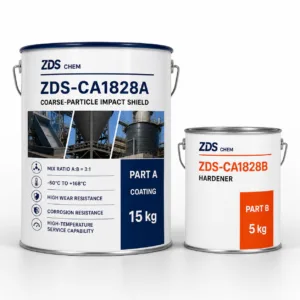
| ZDS-CA1828 | Coarse-Particle Impact ShieldChutes and hoppers, cyclones, separators, slurry and bulk-material systems, protective linings; protective coating, repair and rebuilding. | -60°C to +168°C | 30 min | Pot life: 30 min (max. per batch 1.5 kg); : 12 h; Earliest return to service: 12 h; ( / ): 24 h。 Typical: 30-45 min | |
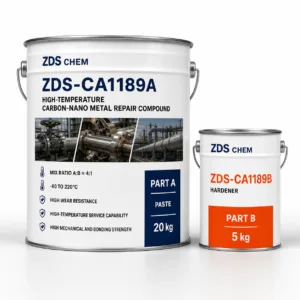
| ZDS-CA1189 | High-Temperature Carbon-Nano Metal Repair CompoundValves, shafts, bearing seats and machine surfaces, industrial pipelines; repair and rebuilding. | -60 to 220°C | Typical: 30-45 min | 24 h Typical: 4-6 h | |
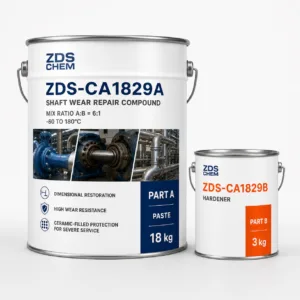
| ZDS-CA1829 | Shaft Wear Repair CompoundPumps and pump casings, shafts, bearing seats and machine surfaces, industrial pipelines; repair and rebuilding. | -60 to 180°C | Typical: 30-45 min | 24 h Typical: 4-6 h | |
| ZDS-CA1830 | Hydraulic Cylinder Repair CompoundShafts, bearing seats and machine surfaces, industrial pipelines; repair and rebuilding. | -60 to 180°C | Typical: 30-45 min | 24 h Typical: 4-6 h | |
| ZDS-CA1831 | Machine Guideway Repair CompoundShafts, bearing seats and machine surfaces, industrial pipelines; repair and rebuilding. | -60 to 180°C | Typical: 30-45 min | 24 h Typical: 4-6 h | |
| ZDS-CA1832 | Blue Enamel Repair CompoundIndustrial pipelines, metal components; repair and rebuilding. | -60 to 160°C | Typical: 30-45 min | 24 h Typical: 4-6 h | |
| ZDS-CA1833 | Silicon Carbide Wear-Resistant Protection CompoundPumps and pump casings, pipe elbows and tees, flue and air ducts, slurry and bulk-material systems, industrial pipelines; protective coating. | -60 to 150°C | Typical: 30-45 min | 24 h Typical: 4-6 h | |
| ZDS-CA1834 | Nano-Ceramic Pump Efficiency CoatingPumps and pump casings, impellers; repair and rebuilding. | -60 to 90°C | Typical: 30-45 min | 24 h Typical: 4-6 h | |
| ZDS-CA1835 | Fine-Particle Wear-Resistant Protection CompoundPipe elbows and tees, slurry and bulk-material systems, powder and ash handling systems, industrial pipelines; protective coating. | -60 to 150°C | Typical: 30-45 min | 24 h Typical: 4-6 h | |
| ZDS-CA1836 | Coarse-Particle Wear-Resistant Protection CompoundPipe elbows and tees, chutes and hoppers, slurry and bulk-material systems, industrial pipelines; protective coating. | -60 to 150°C | Typical: 30-45 min | 24 h Typical: 4-6 h | |
| ZDS-CA1837 | Rapid-Cure Fine-Particle Wear Protection CompoundPipe elbows and tees, slurry and bulk-material systems, industrial pipelines; repair and rebuilding. | -60 to 250°C | Typical: 5-15 min | 2 h Typical: 15-30 min | |
| ZDS-CA1838 | High-Temperature Fine-Particle Wear Protection CompoundSlurry and bulk-material systems, powder and ash handling systems, industrial pipelines; protective coating. | -60 to 250°C | Typical: 30-45 min | 24 h Typical: 4-6 h | |
| ZDS-CA1841 | High-Temperature Coarse-Particle Wear Protection CompoundPipe elbows and tees, slurry and bulk-material systems, powder and ash handling systems, industrial pipelines; protective coating. | -60 to 250°C | Typical: 30-45 min | 24 h Typical: 4-6 h | |
| ZDS-CA1842 | Rapid-Cure Coarse-Particle Wear Protection CompoundPumps and pump casings, chutes and hoppers, slurry and bulk-material systems, industrial pipelines; protective coating. | Typical: -40°C to +150°C | Typical: 5-15 min | Typical Initial cure: 10-20 min; Full cure: 24 h at 25°C Typical: 15-30 min | |
| ZDS-CA1843 | Brushable Enamel Wear Protection CoatingHeat exchangers and tube sheets, pumps and pump casings, valves, tanks and vessels, impellers, industrial pipelines; protective coating. | -60 to 160°C | Typical: 30-45 min | 60 h Typical: 4-6 h | |
| ZDS-CA1844 | Brushable High-Temperature Nano Anti-Corrosion CoatingHeat exchangers and tube sheets, boilers, flue and air ducts, industrial pipelines; protective coating. | -60 to 260°C | Typical: 30-45 min | 36 h Typical: 4-6 h | |
| ZDS-CA1845 | High-Temperature Silicon Carbide Wear Protection CompoundSlurry and bulk-material systems, powder and ash handling systems, industrial pipelines; protective coating. | -60 to 250°C | Typical: 30-45 min | 24 h Typical: 4-6 h | |
| ZDS-CA1839 | Wear-Resistant Ceramic Structural AdhesivePipe elbows and tees, chutes and hoppers, ceramic and glass-lined equipment, industrial pipelines; bonding. | Typical: -40°C to +150°C | Typical: 30-45 min | Typical Initial cure: 12-24 h; Full chemical cure: 7 days at 25°C Typical: 4-6 h | |
| ZDS-CA1840 | Impact-Resistant Wear Protection CompoundPumps and pump casings, pipe elbows and tees, slurry and bulk-material systems, industrial pipelines; protective coating. | -60 to 150°C | Typical: 30-45 min | 24 h Typical: 4-6 h |
Material Routes
Ceramic-Filled Material Routes for Industrial Wear
The series is organized around the surface problem and equipment operation. Current documentation must confirm the available grade, application method, substrate range and service limits for a specific repair.
Surface Protection
Evaluate sliding abrasion, particle contact and repeated flow exposure, including whether protection, profile restoration or both are required.
Slurry and Particle Flow
Assess particle size, solids loading, flow direction, impingement angle and turbulence in pumps, elbows, chutes, valves and transfer points.
Heavy-Duty Repair
Consider accessible housings, casings and liners when the area can be isolated, prepared and returned to service as instructed.
Wear Mechanisms
Compare the Damage Mechanism Before Selection
Different wear mechanisms create different surface profiles and repair demands. A material for light abrasion may not suit severe impact, cavitation, chemical contact or continuous immersion. Select from service data, not the word ceramic alone.
Abrasive Wear
Collect particle hardness, size, shape, contact frequency and sliding direction; assess protection, profile retention and repeated contact.
Slurry Erosion
Record solids concentration, velocity, pressure, flow path and impingement angle; assess turbulence, layer geometry and application access.
Cavitation
Identify pressure changes, bubble-collapse areas, noise, vibration and damage zones; confirm the repair fits the affected operating condition.
Impact or Combined Wear
Record impact frequency, particle energy, load direction and damage depth; balance protection, rebuilding needs and mechanical loading.
Assessment Guide
Review coating terminology, damage assessment and comparison factors before discussing a product.
Equipment Evaluation
Equipment and Service Conditions for Evaluation
ZDS-CeramicArmor may be relevant where wear is concentrated on a known flow path or contact surface. These scenarios are starting points for assessment and do not guarantee suitability.
Slurry Pumps
Review casing, volute and flow-path geometry together with the medium, solids content, operating cycle and application access.
Chutes and Transfer Points
Assess loading zones, bends, discharge points and direction changes in mining, cement and bulk-material systems.
Mixers and Vessels
Identify wetted areas, temperature, chemical exposure, cleaning method and inspection access before evaluating a coating.
Repeated-Wear Environments
Use drawings, photographs, maintenance records and service data to distinguish abrasion, erosion, impact or mixed wear.
Product Selection
Selection Factors for a Ceramic Wear-Resistant Coating
A useful inquiry gives the technical team enough information to compare repair routes. Exact compatibility and service limits must be confirmed against documentation for the selected grade.
Substrate
Identify the base material and describe corrosion, cracking, oil contamination, existing coatings or weak material.
Damage Profile
Record the affected area, approximate depth, wear pattern, edge condition and whether damage continues during operation.
Service Condition
Provide the medium, solids, temperature, pressure, moisture, immersion, cleaning cycle, chemical contact and operating duration.
Equipment Geometry
Provide dimensions, curves, corners, bolt areas, access points and any alignment or clearance requirements.
Repair Objective
Define temporary containment, surface protection, dimensional recovery, planned maintenance or a broader repair trial.
Supply Requirement
State the target market, pack format, expected volume, labeling needs, technical documents and repeat-supply expectations.
Repair Routing
When Another Repair Route May Fit Better
ZDS-CeramicArmor is one part of the ZDSChem repair taxonomy. Compare adjacent series so a wear problem is not treated as a generic coating requirement.
ZDS-MetalRebuild
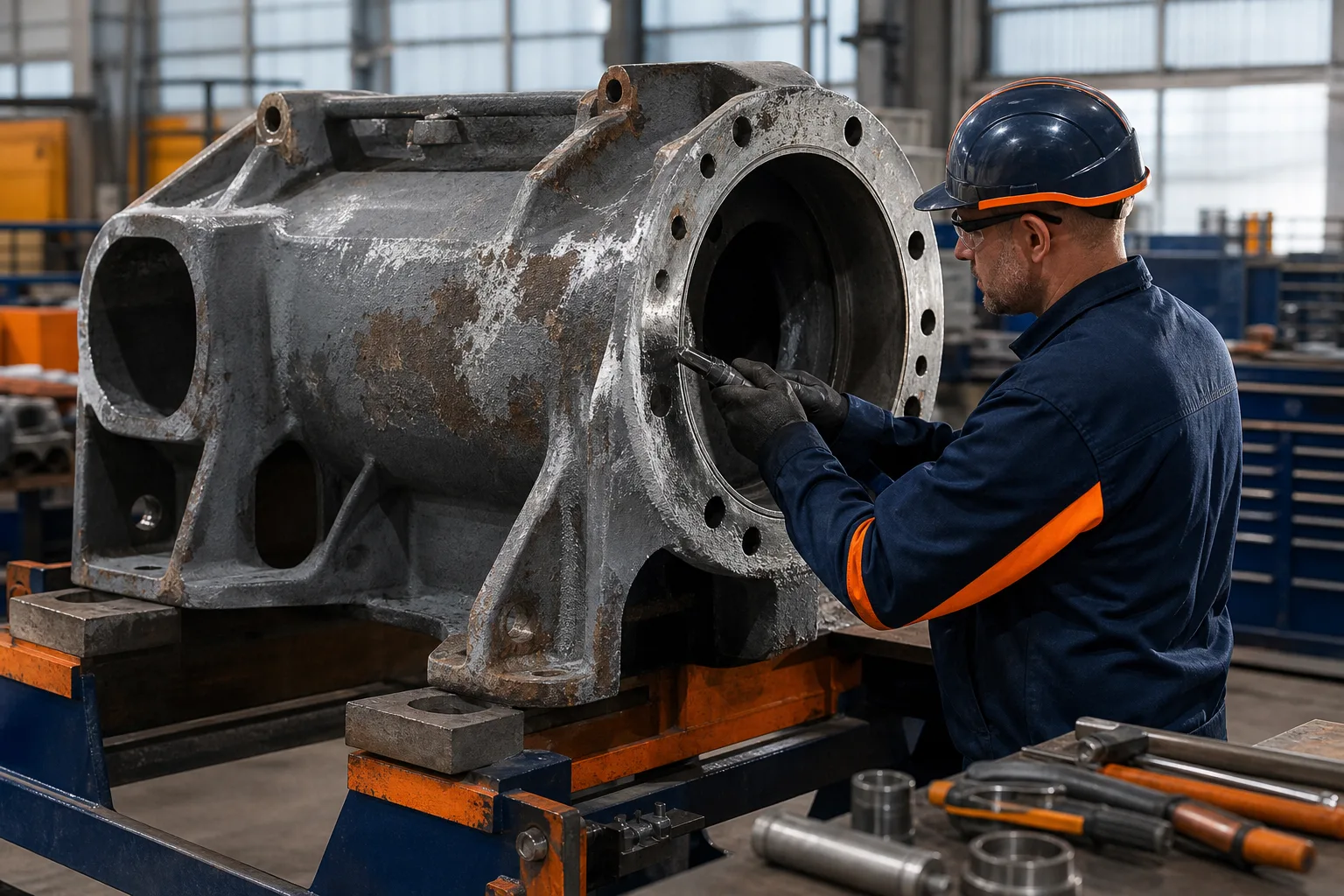
Consider metal rebuilding, cold repair, dimensional restoration, leak sealing or structural bonding when wear protection is not primary.
ZDS-CompositeWrap
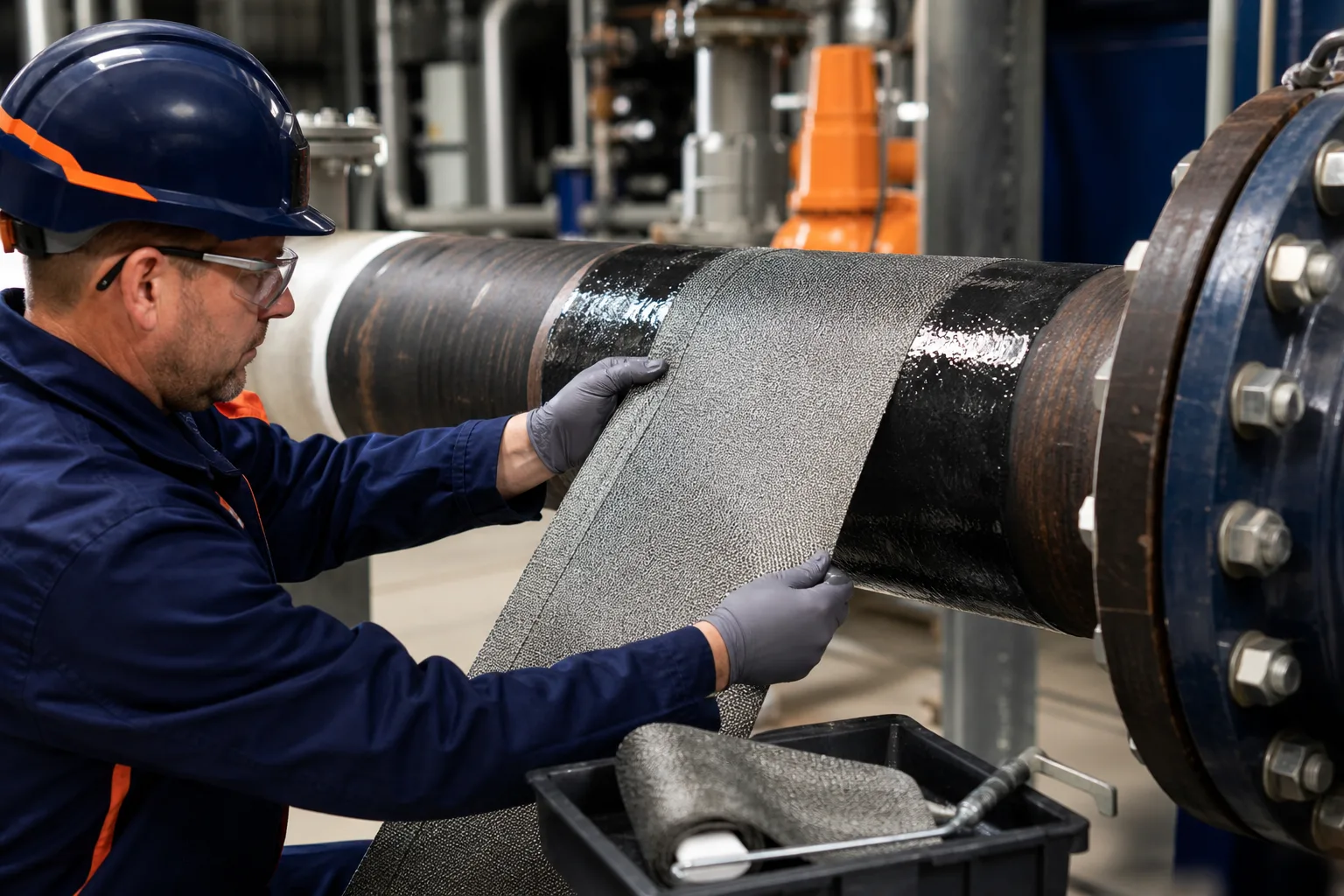
Compare composite reinforcement for pipe sections requiring structural laminating or composite pipe repair.
ZDS-FluidGlide
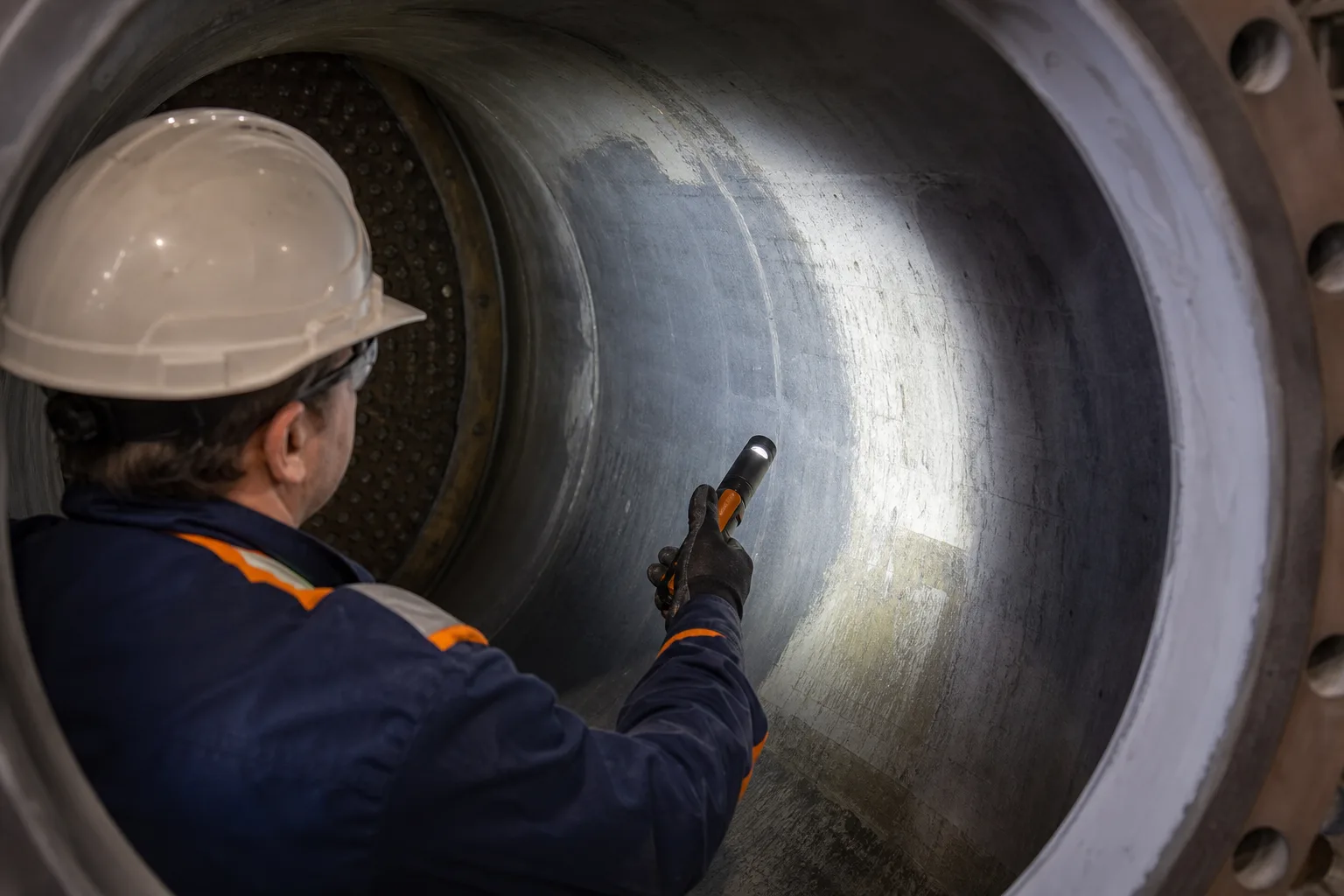
Review for high-temperature repair, chemical-resistant lining, tank or flue protection, sealing and fluid-equipment coating.
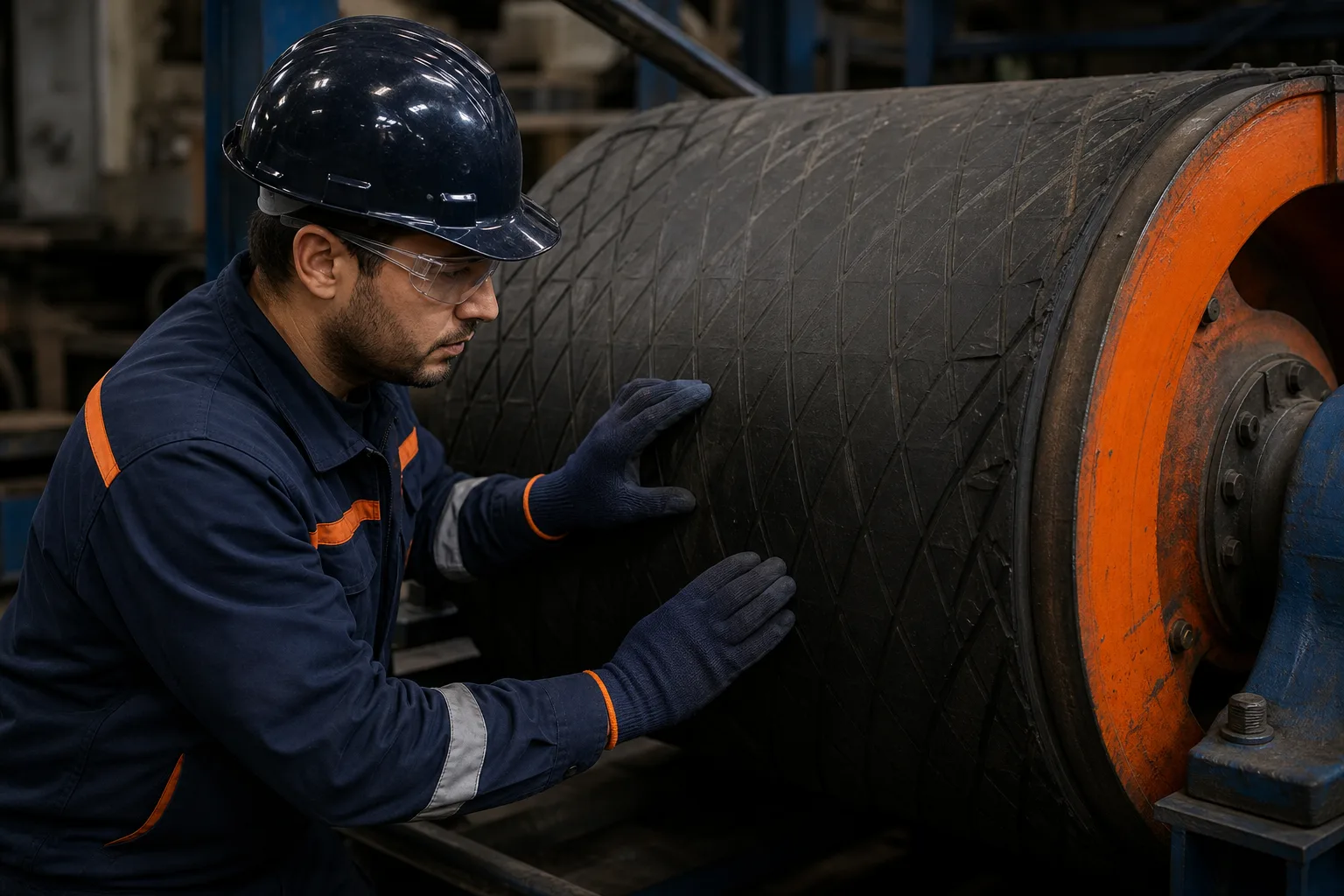
ZDS-RubberElast
Use the elastomer route for belts, rubber linings, rollers, cables, tires and other components where flexibility is central.
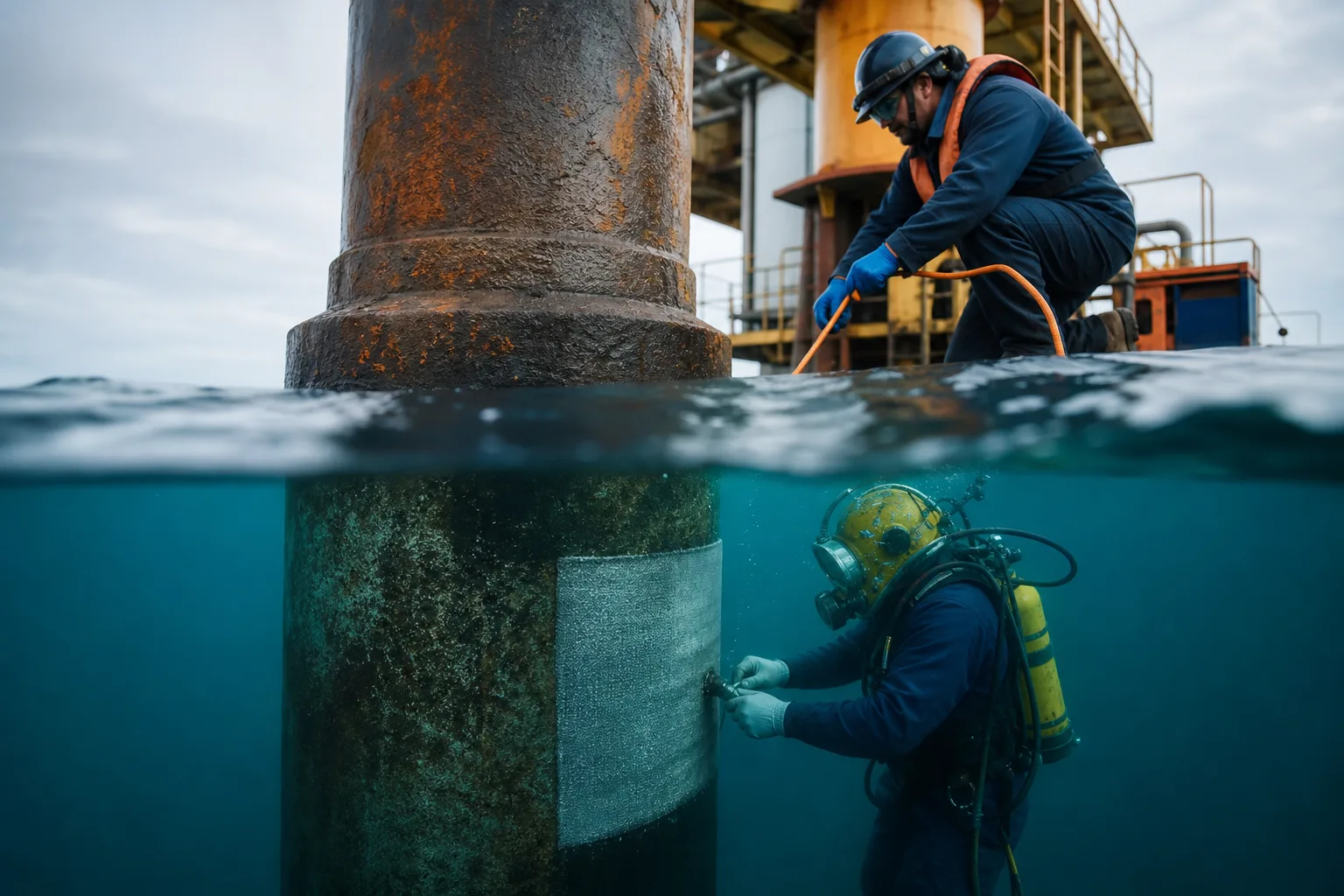
ZDS-AquaShield
Compare the dedicated series for underwater-curing, wet-surface, marine or emergency repairs.
Application Planning
Surface Preparation and Application Planning
Wear protection depends on surface condition as well as material selection. Follow current product instructions and site procedures. Confirm the preparation method, supporting products and repair geometry for the actual substrate.
01
Inspect and Map
Mark the damaged area and wear direction, then check for loose material, cracks, sharp transitions and continuing leakage.
02
Make Equipment Safe
Isolate, drain, depressurize, cool and clean the equipment as required by the applicable site procedure.
03
Prepare the Substrate
Remove contamination and weak material, expose a sound surface and establish the profile specified for the product.
04
Plan Repair Geometry
Confirm layer thickness, edges, corners, clearances, masking and any temporary formwork required.
05
Apply and Cure
Mix, apply and protect the material according to the current technical data sheet and its working and cure requirements.
06
Inspect Before Service
Check coverage, profile, adhesion indicators, defects and cure status against the project acceptance criteria.
07
Preparation Products
Review cleaning agents, primers, conditioners and other supporting materials for surface preparation.
Buyer Documentation
Documents and Evaluation Workflow for B2B Buyers
Technical buyers need grade-specific documents for safe use and purchasing decisions. Evaluation can progress from document review and sample testing to project quotation and initial stocking.
01
Technical Data Sheets
Review current technical information for the grade being evaluated.
02
Safety Data Sheets
Request the relevant safety documentation for handling and internal review.
03
Application Guides
Review the applicable preparation, mixing, application and cure guidance.
04
Sample-to-Bulk Workflow
Plan the progression from evaluation samples to project purchasing or initial stocking.
05
Upload Specifications
Submit available technical information to support a more focused product review.
Technical Background
Technical Background Supporting the Series
ZDSChem is supported by ZDS, a professional chemical manufacturer established in 1998. A dedicated R&D team of 30 professionals supports development, formulation review, product improvement and application adaptation.
Use Limitations
Limitations to Confirm Before Use
A ceramic wear compound is not a universal replacement for welding, machining, mechanical liners or component replacement. Do not infer exact performance from a general product-series description.
Do not use where the substrate is unstable
or damage is caused by active movement unless the repair has been assessed for those conditions.
Do not exceed documented service limits or
use the material for an unassessed structural design.
Confirm the grade, substrate
compatibility, surface preparation, mixing, application and cure requirements.
Confirm chemical exposure, temperature
pressure, immersion conditions and inspection criteria before use.
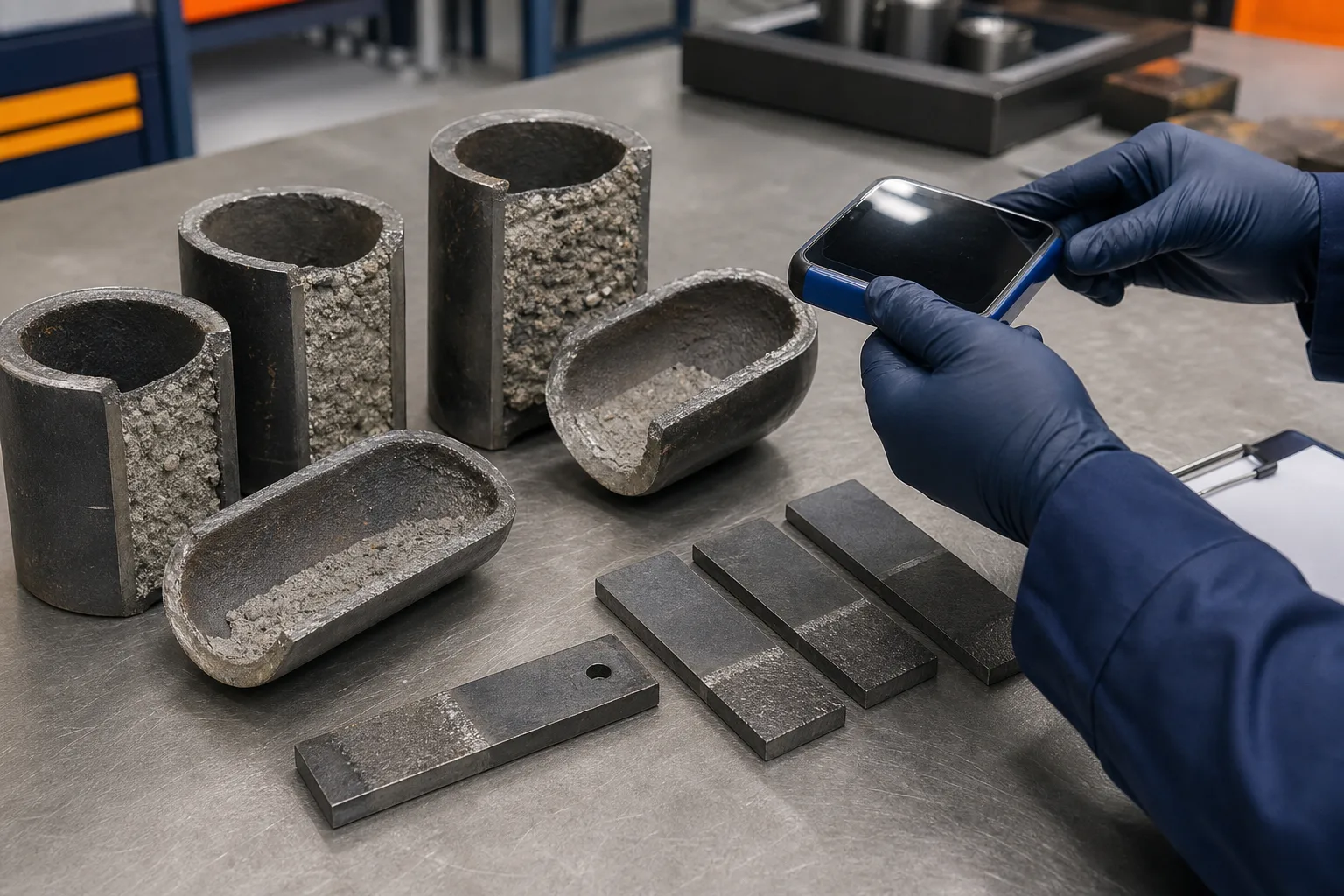
Project Evaluation
Evaluate ZDS-CeramicArmor for Your Wear Problem
Send the equipment details, damage description, substrate information, service conditions and intended quantity. A sample can provide a practical starting point for internal evaluation before a project quotation or stocking decision.
FAQ
Frequently Asked Questions
ZDS-CeramicArmor is the ZDSChem product series for ceramic-filled materials used to address wear, erosion, cavitation, and heavy-duty equipment protection requirements. The suitable grade and application method depend on the equipment, substrate, damage mechanism, and documented service limits.
It may be evaluated for accessible pump surfaces exposed to abrasive solids or slurry erosion, including relevant casing and flow-path areas. Selection requires information about the substrate, geometry, solids, flow conditions, operating cycle, and repair objective.
Start with the primary problem. A ceramic-filled material is organized around wear and erosion protection, while ZDS-MetalRebuild is intended for metal rebuilding, cold repair, dimensional restoration, leak sealing, and structural bonding. Product documentation and service data should guide the final comparison.
Provide the equipment name, substrate, damaged dimensions, photographs, wear mechanism, service medium, particle or slurry details, temperature, pressure, access conditions, repair objective, and expected quantity. This information helps identify a practical sample route and the documents needed for evaluation.
Customer-specific formulation requirements may be reviewed according to the application, specification, expected volume, and target market. Technical and commercial feasibility must be confirmed after the relevant product and purchasing information is supplied; a review does not guarantee development or performance approval.