
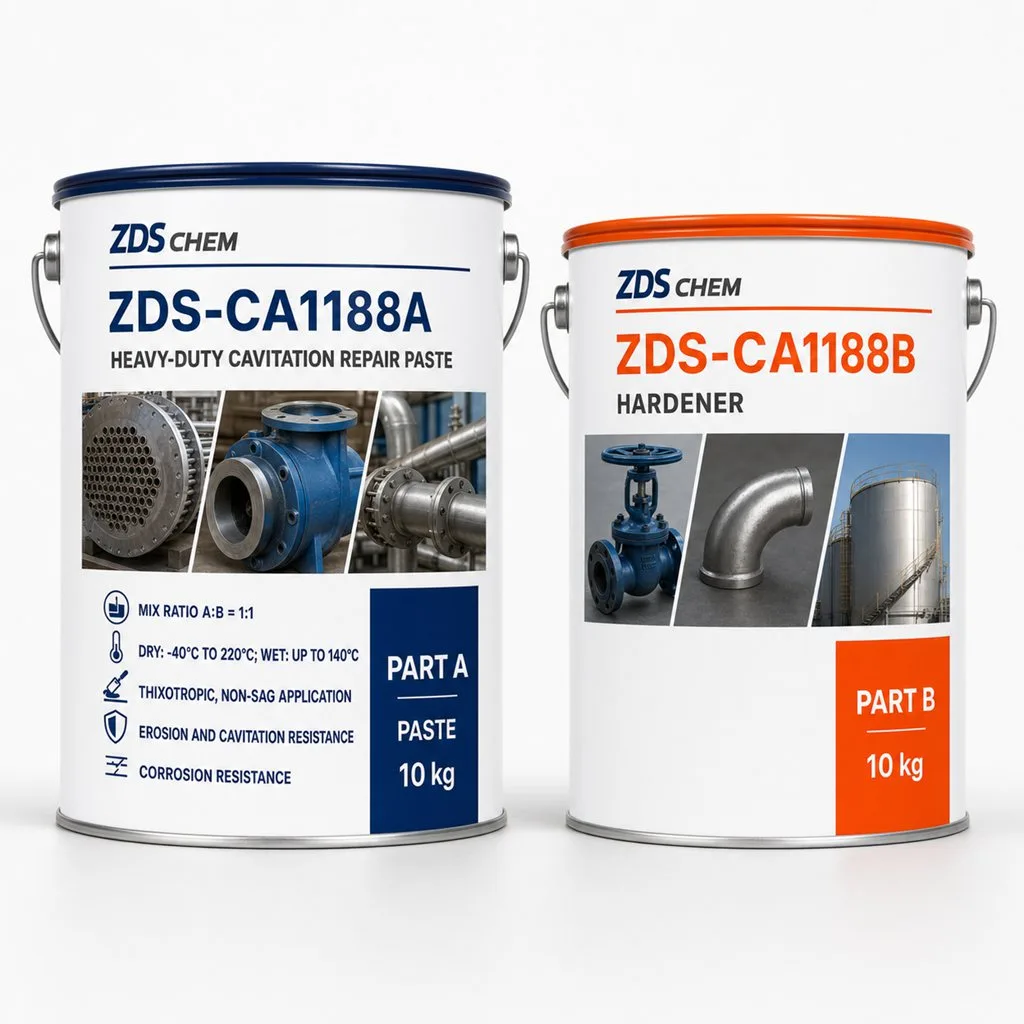
ZDS-CA1188
ZDS-CA1188 Heavy-Duty Cavitation Repair Paste
ZDS-CA1188 repairs and rebuilds worn areas on industrial equipment affected by erosion and cavitation. Its thixotropic paste helps hold material in place during shaping.
Product overview
Heavy-Duty Cavitation Repair
ZDS-CA1188 is a paste for repairing and rebuilding worn areas on industrial equipment such as pumps, valves, pipe fittings, tanks, vessels, heat exchangers, and tube sheets. It is intended for damage associated with erosion and cavitation, where moving fluid has degraded the component surface.
The paste has a thixotropic consistency, meaning it stays workable while resisting unwanted movement after placement. Erosion, cavitation, and corrosion resistance help guide material selection for the equipment and service conditions. Repair dimensions and access to the damaged area should be considered before choosing the product.
Key material properties
- Non-sag consistency: Helps the material stay where it is placed.
- Erosion and cavitation resistance: Identify the actual damage mechanism when selecting the repair material.
- Corrosion resistance: A selection factor for equipment exposed to corrosive conditions.
Evaluate the material
ZDS-CA1188 technical specifications
| Property | Value / conditions |
|---|---|
| Product model | ZDS-CA1188 |
| Product series | ZDS-CeramicArmor |
| Product family | Wear & erosion protection |
| Substrates and equipment | Heat exchangers and tube sheets, pumps and pump casings, valves, pipe elbows and tees, tanks and vessels, industrial pipelines |
| Form and color | Paste; Typical: Dark grey |
| Working time at 25°C | 25-35 min |
| Initial cure at 25°C | Typical: 12-24 h |
| Service temperature | Dry: -40°C to 220°C; wet: up to 140°C |
| Shear strength | ≥22 MPa |
| Compressive strength | ≥110 MPa |
| Hardness | Shore D ≥88 |
| Recommended application temperature | Recommended: 10°C to 35°C |
| Recommended application thickness | Recommended: 3-10 mm |
Questions about your operating conditions?
Repair Applications
Rebuilding worn equipment surfaces
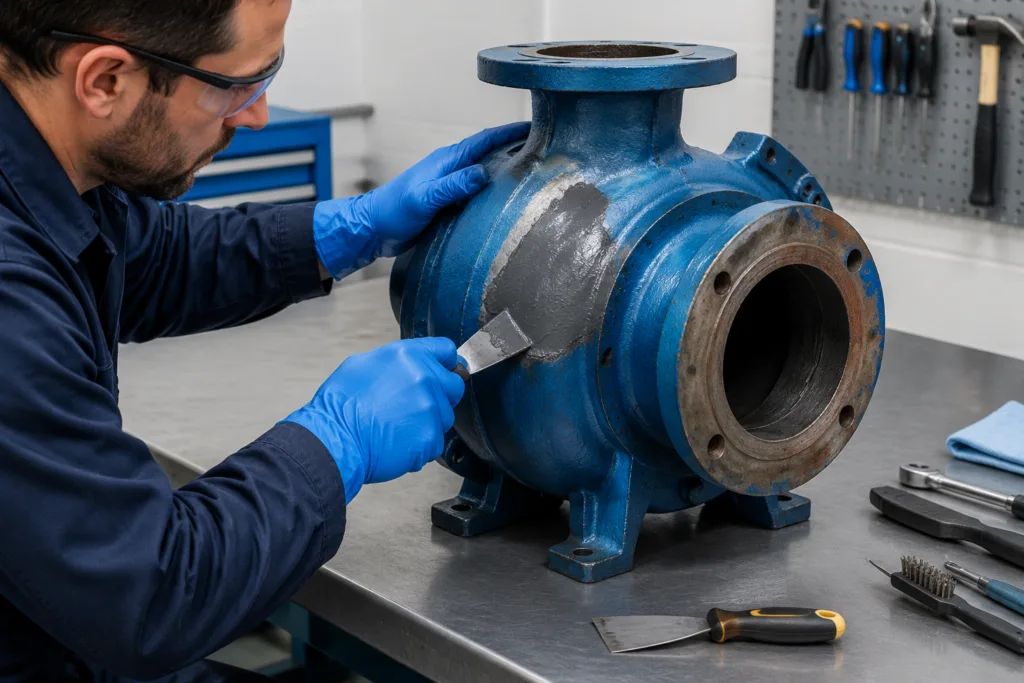
ZDS-CA1188 is used to repair and rebuild damaged areas on pump casings, valves, pipe elbows, tees, tanks, vessels, heat exchangers, tube sheets, and industrial pipelines. Its erosion and cavitation resistance suits repairs where flowing service has worn the component surface.
Choosing material for the repair area
The damage mechanism, repair dimensions, and access to the full area are important selection factors. The thixotropic paste helps keep material where it is placed while the repair is shaped, and its corrosion resistance matters for equipment exposed to corrosive conditions.
Prepare the work surface
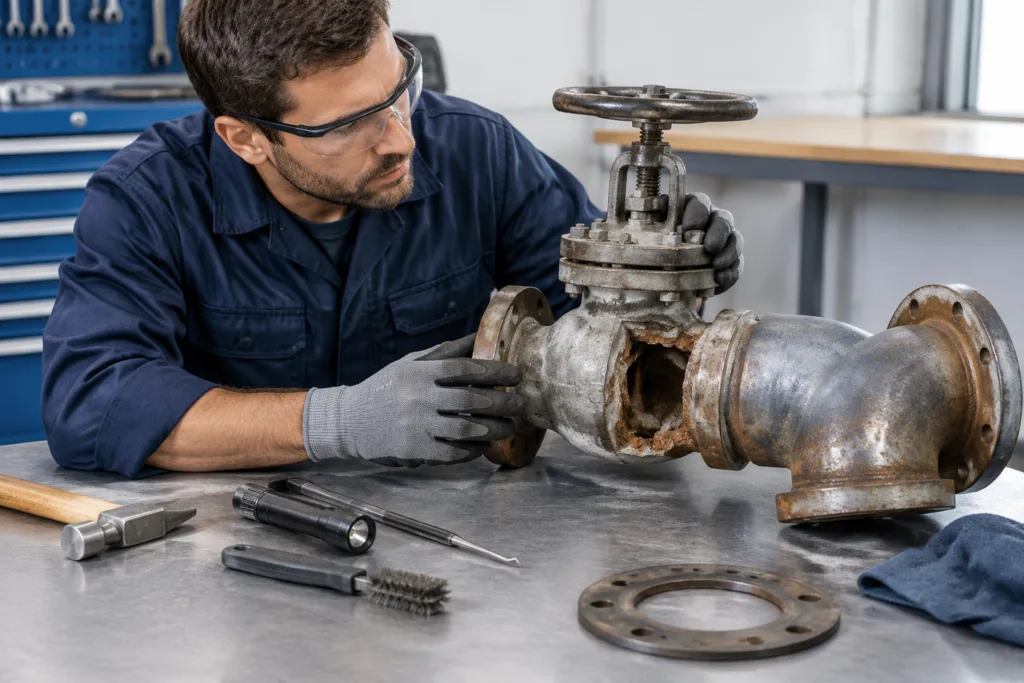
Prepare the repair area using the product-specific preparation instructions.
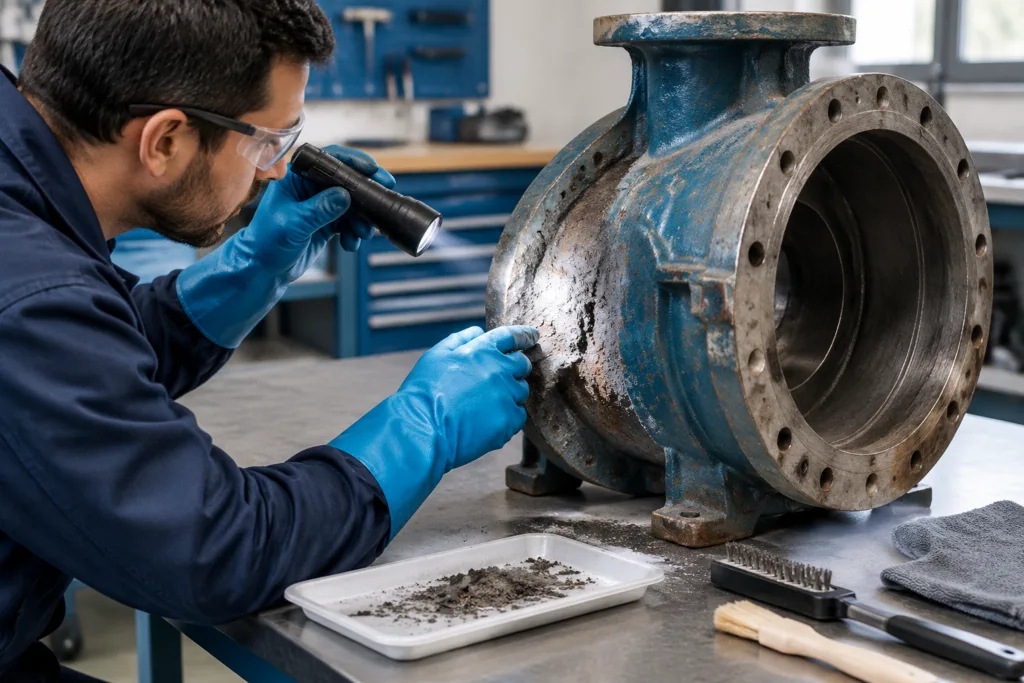
- Inspect the damaged area and the surrounding component for loose material and contamination.
- Arrange access to the full work area and the tools needed for the next step.
- Address contamination using the preparation method specified for this product and the actual surface.
Plan the work
Application and cure planning
- Prepare the repair area and arrange access and tools before starting.
- Mix the components according to the product instructions after surface preparation and setup are complete.
- Place and shape the repair material according to the product instructions.
- Use the technical table to plan the cure stages. Follow the applicable repair or application procedure for handling, loading and return to service.
Product selection questions
How much working time is available?
The working time at 25°C is 25-35 min. Complete surface preparation and setup before mixing.
What temperatures apply?
Recommended application temperature: 10°C to 35°C. Service temperature: Dry: -40°C to 220°C; wet: up to 140°C. Application and service temperatures describe different conditions.
What thickness is recommended?
Recommended: 3-10 mm. Use the stated thickness type and range when planning the work.