
Industrial Repair Applications by Equipment and Damage
Industrial repair material selection starts with the equipment, substrate, damage mechanism, and operating environment, not with a product name. Maintenance teams, repair contractors, engineers, and procurement buyers can use these application routes to identify relevant ZDSChem product series. Final selection requires confirmation against service conditions, surface preparation, application constraints, and current technical documentation.
Selection by Equipment
Start with the Equipment That Needs Repair
Equipment type is the first selection filter because geometry, access, substrate, and failure mode affect the available repair methods. Buyers managing several asset categories can compare repair materials by equipment.
Pumps and Fluid Equipment
Assess erosion, corrosion, cavitation, leakage, dimensional loss, fluid exposure, clearances, and surface condition.
Valves and Flanges
Review rebuilding, leak-related repair, sealing-area restoration, corrosion protection, and preparation requirements.
Tanks and Vessels
Evaluate broad corrosion, chemical exposure, local pitting, lining deterioration, and contained-service conditions.
Selection by Damage
Match the Repair Route to the Damage Mechanism
Similar equipment can require different materials when the damage cause changes. Confirm whether the main problem is leakage, section loss, abrasion, erosion, corrosion, cracking, or loss of structural capacity.
Leaks and Metal Loss
Assess isolation, substrate integrity, pressure, fluid exposure, defect location, and preparation access.
Reduced Pipe Strength
Review composite reinforcement when structural support is required instead of local filling alone.
Abrasion and Erosion
Distinguish local rebuilding from broader protection for equipment exposed to particles, slurries, or turbulent flow.
Chemical Corrosion
Identify the fluid, concentration, temperature, cleaning cycle, and immersion or splash conditions.
Service Conditions
Check the Service Condition Before Product Selection
Document temperature, pressure, chemical contact, moisture, immersion, movement, UV exposure, shutdown time, and return-to-service requirements. These factors can rule out an otherwise relevant repair category.
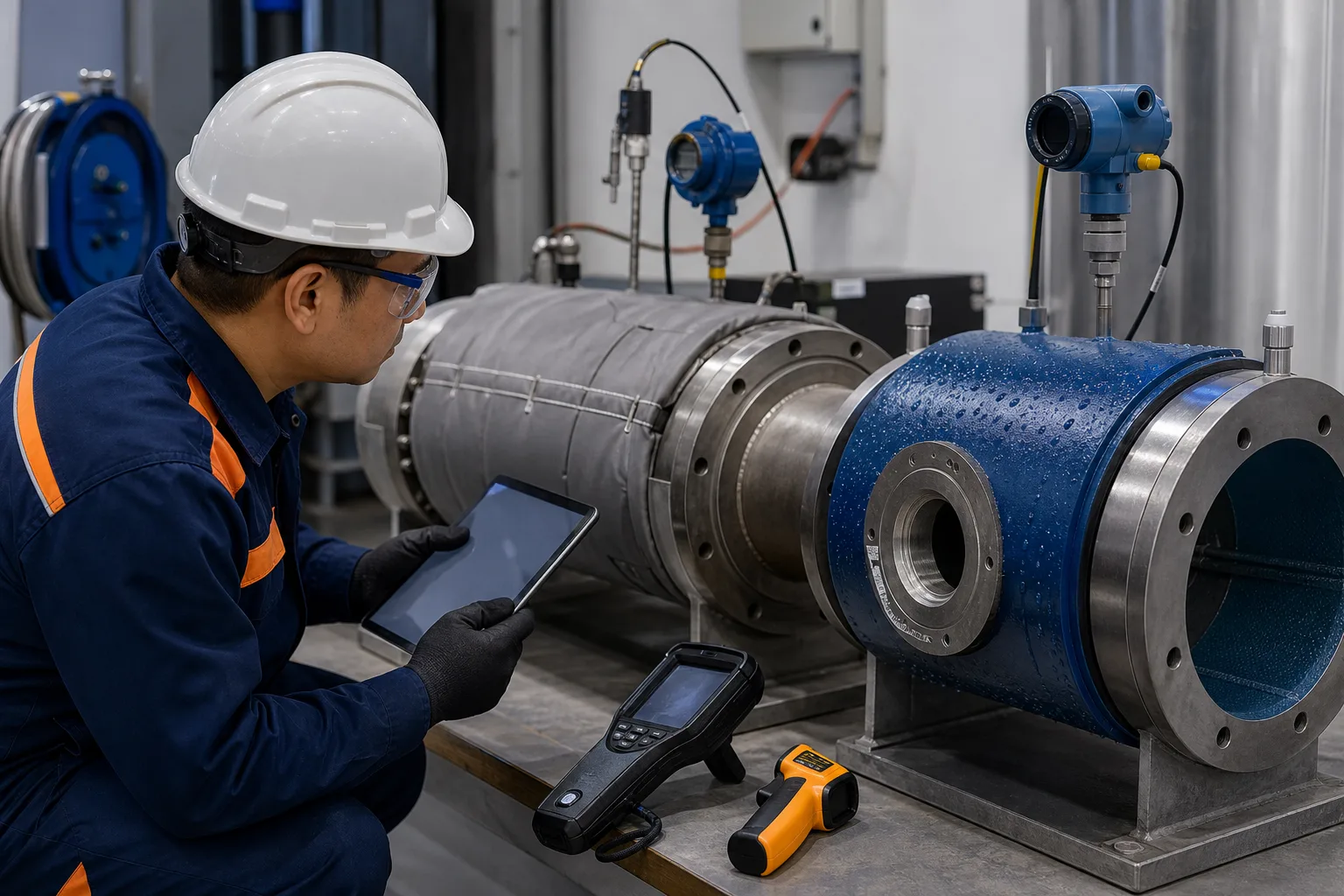
Selection by Industry
Navigate Applications by Industrial Environment
Industry context identifies recurring combinations of equipment, damage, and operating conditions. Material selection must still be confirmed for each asset and service environment.
01
Oil and Petrochemical
Review repair routes for pipes, tanks, vessels, pumps, valves, and chemically exposed surfaces.
02
Mining, Cement and Steel
Evaluate abrasion, impact, erosion, conveyor systems, and heavy-equipment repair requirements.
03
Power and Flue Gas
Assess elevated temperatures, corrosive environments, fluid equipment, and lining requirements.
04
Marine and Water Treatment
Review wet surfaces, immersion, corrosion, pumps, pipes, tanks, and elastomer components.
Product Categories
ZDSChem Product Series for Industrial Repair Applications
ZDSChem organizes industrial repair materials into seven primary series, supported by surface preparation products. These categories are starting points; the product and application method require project-specific confirmation.
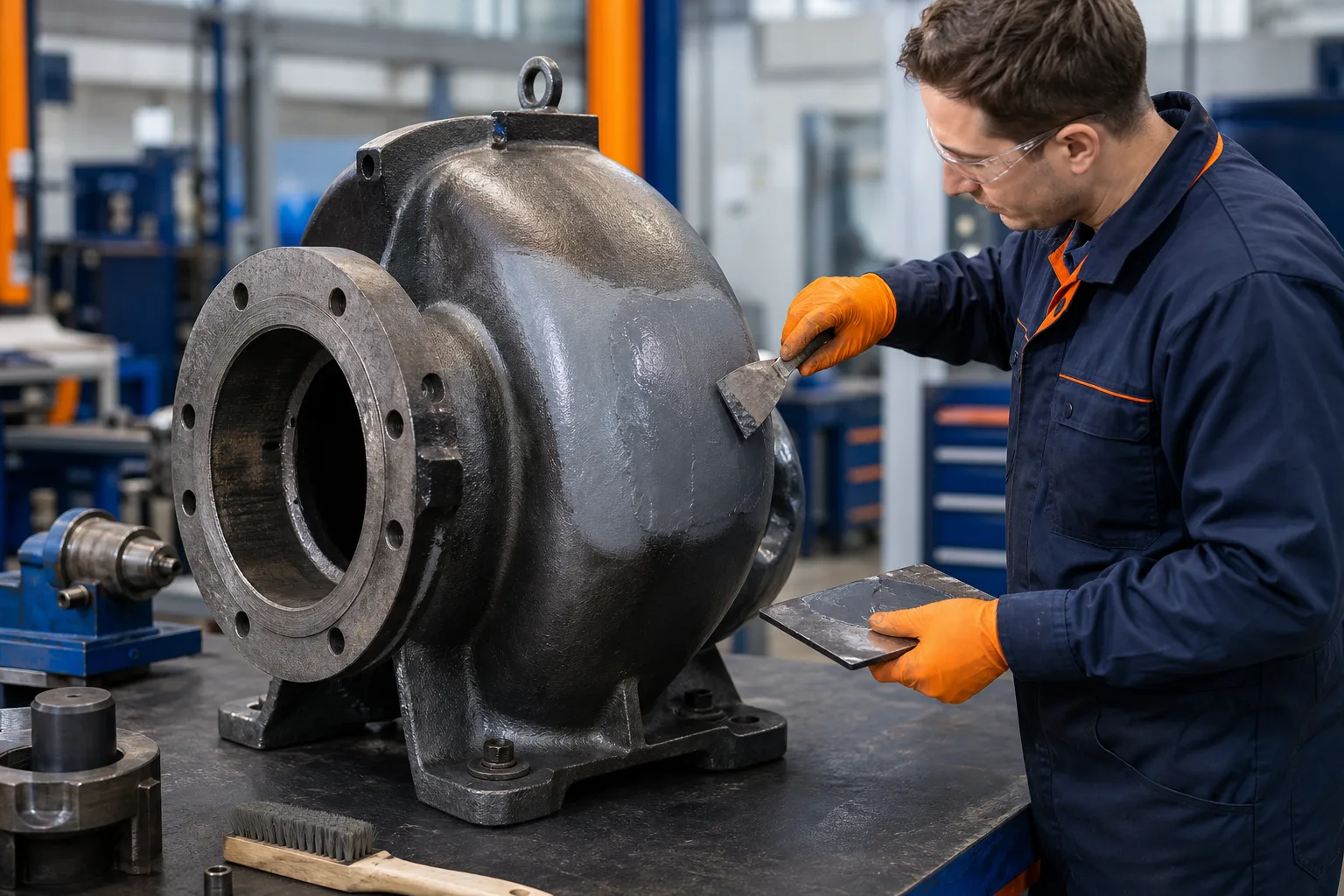
ZDS-MetalRebuild
For metal rebuilding, cold repair, dimensional restoration, leak sealing, and structural bonding categories.
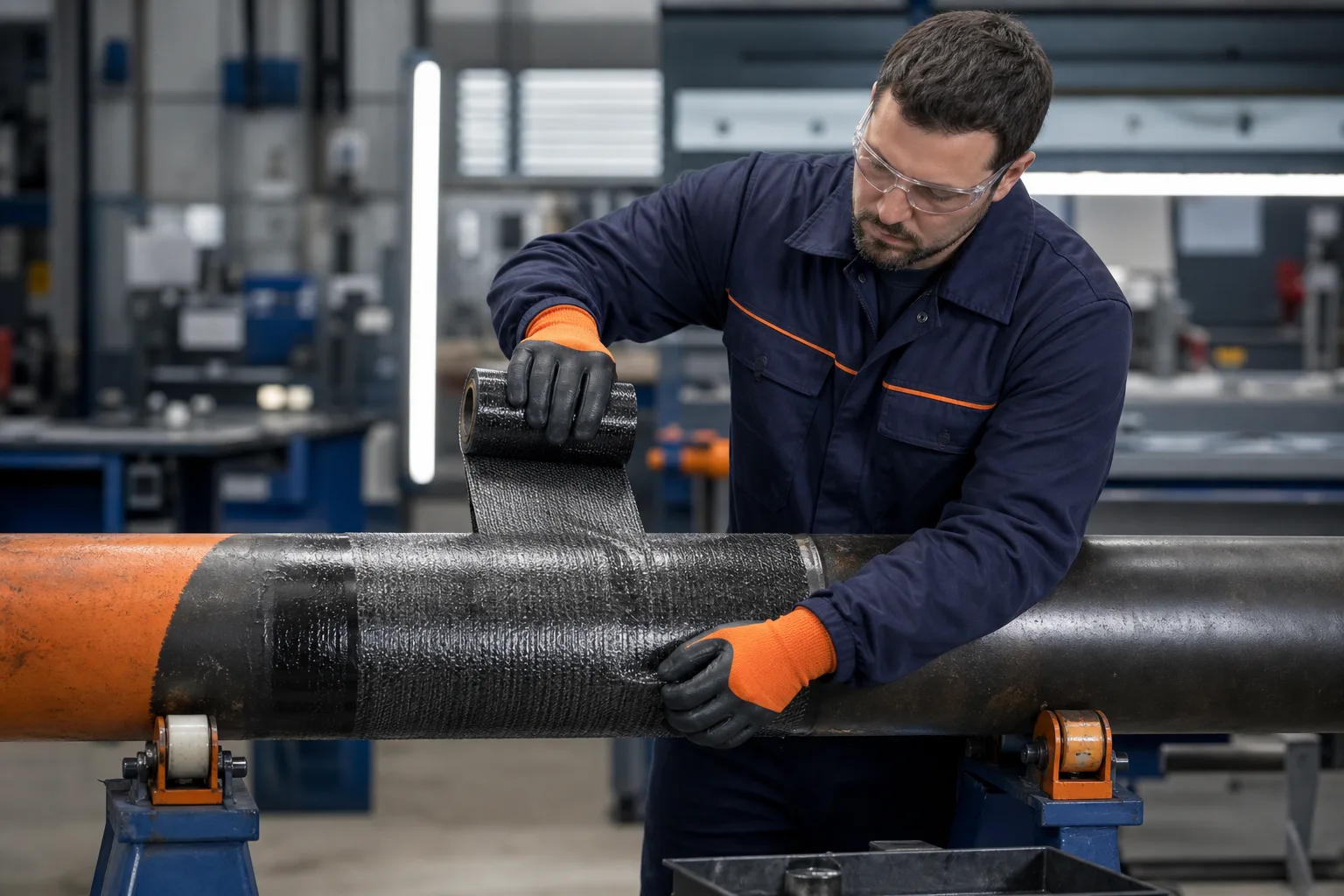
ZDS-CompositeWrap
For composite pipe reinforcement, FRP repair, and structural laminating routes.
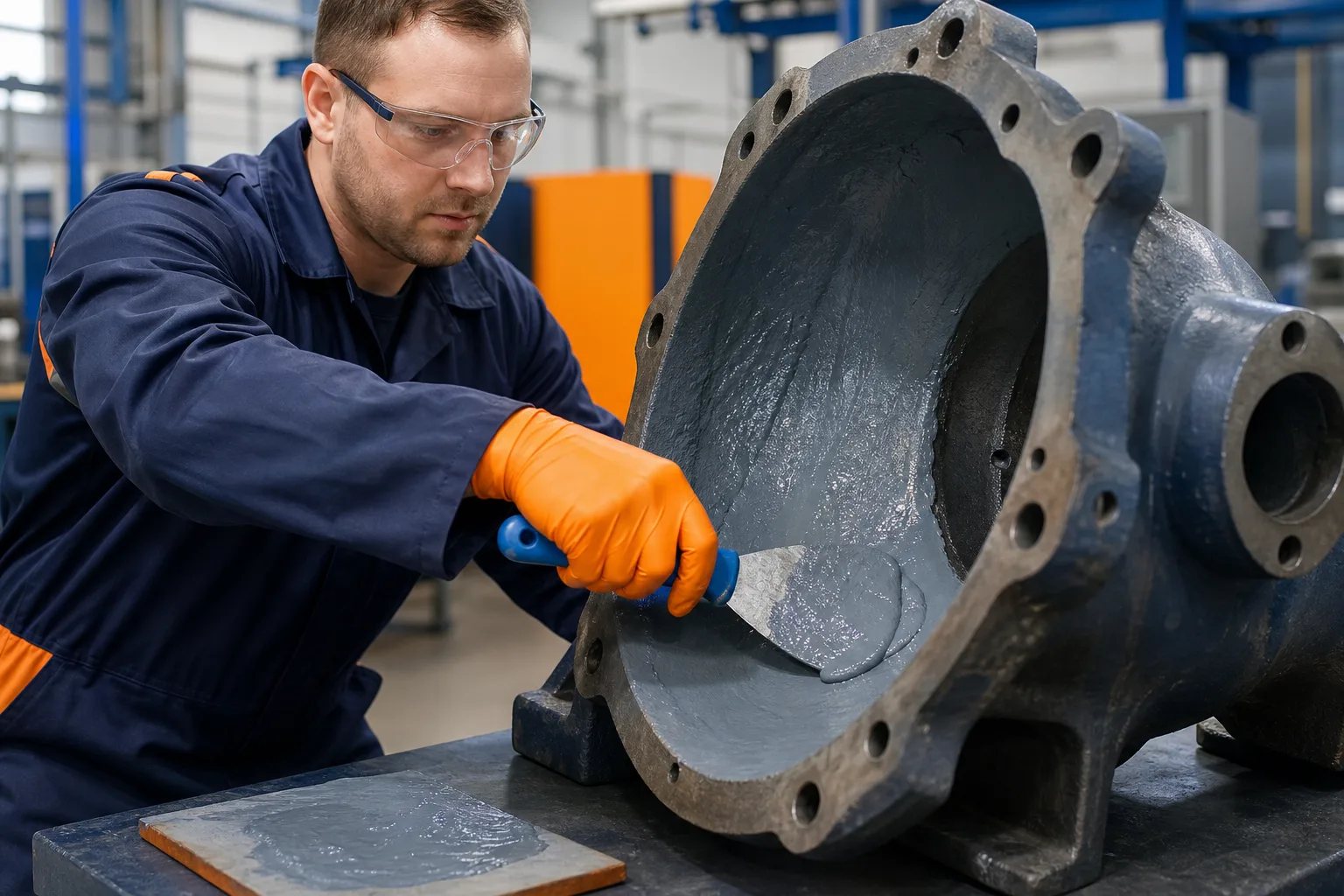
ZDS-CeramicArmor
For wear, erosion, cavitation, and heavy-duty protection using ceramic-filled repair categories.
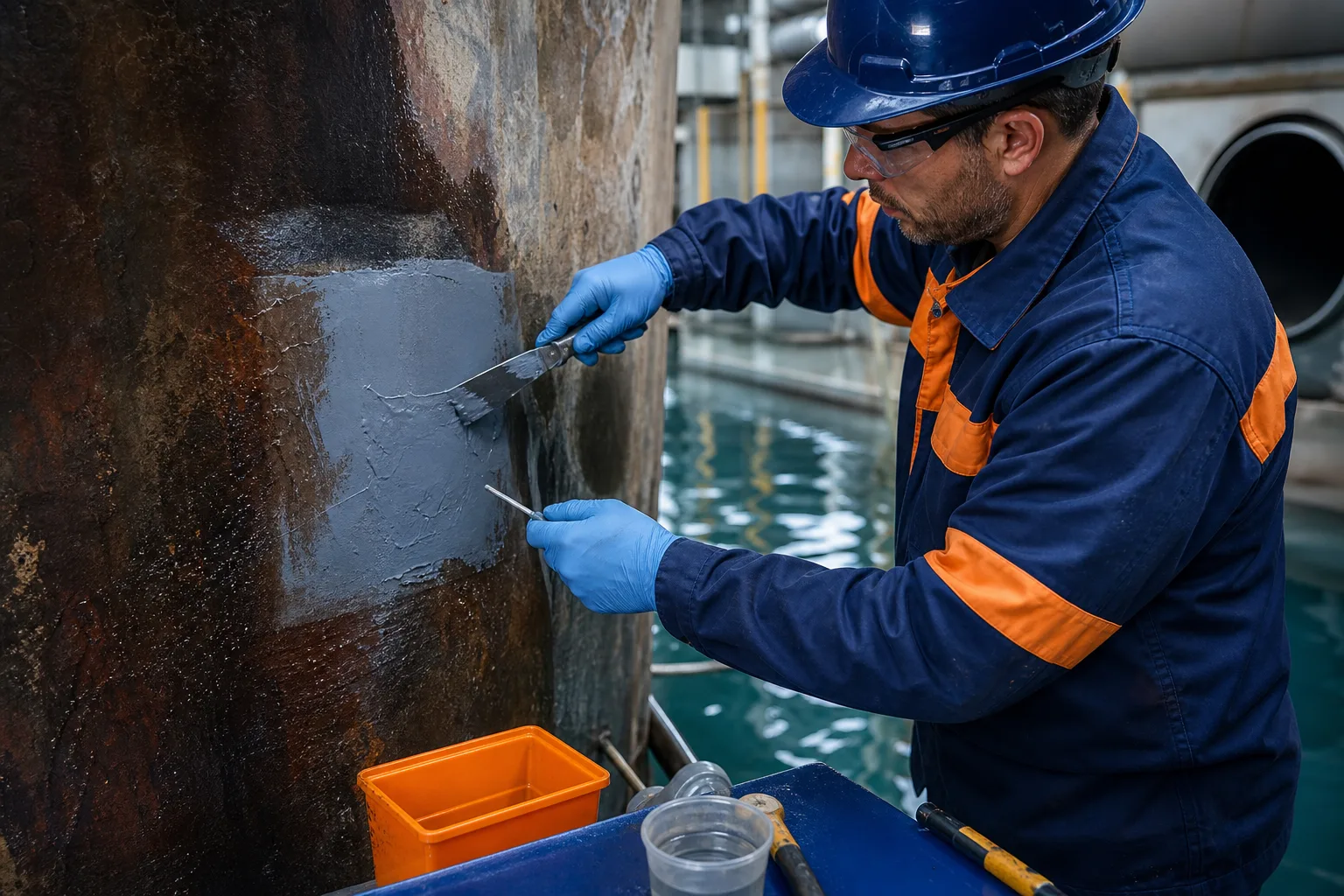
ZDS-AquaShield
For underwater-curing, wet-surface, marine, and emergency repair situations.
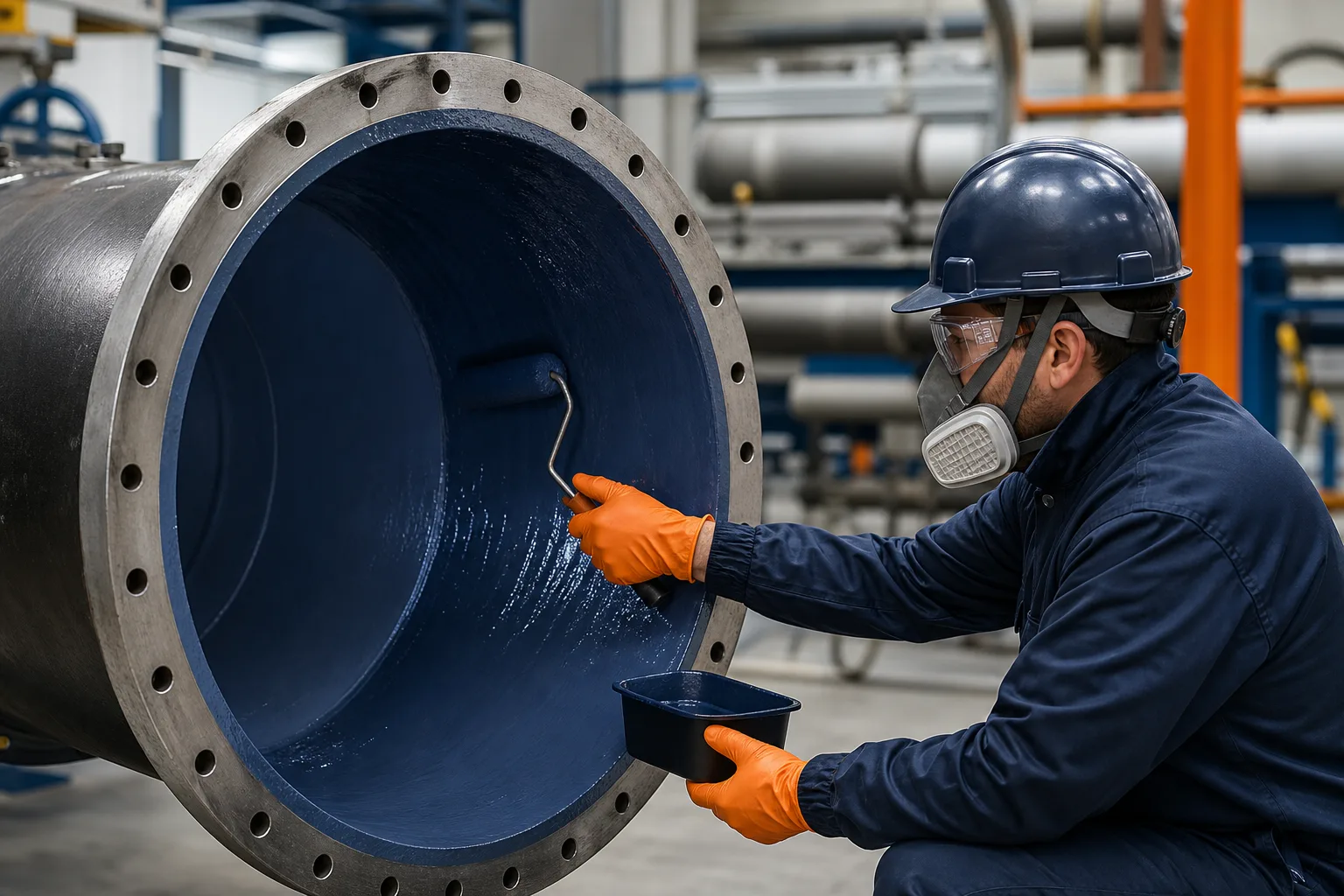
ZDS-FluidGlide
For high-temperature repair, chemical-resistant lining, tank lining, flue protection, sealing, and fluid-equipment coatings.
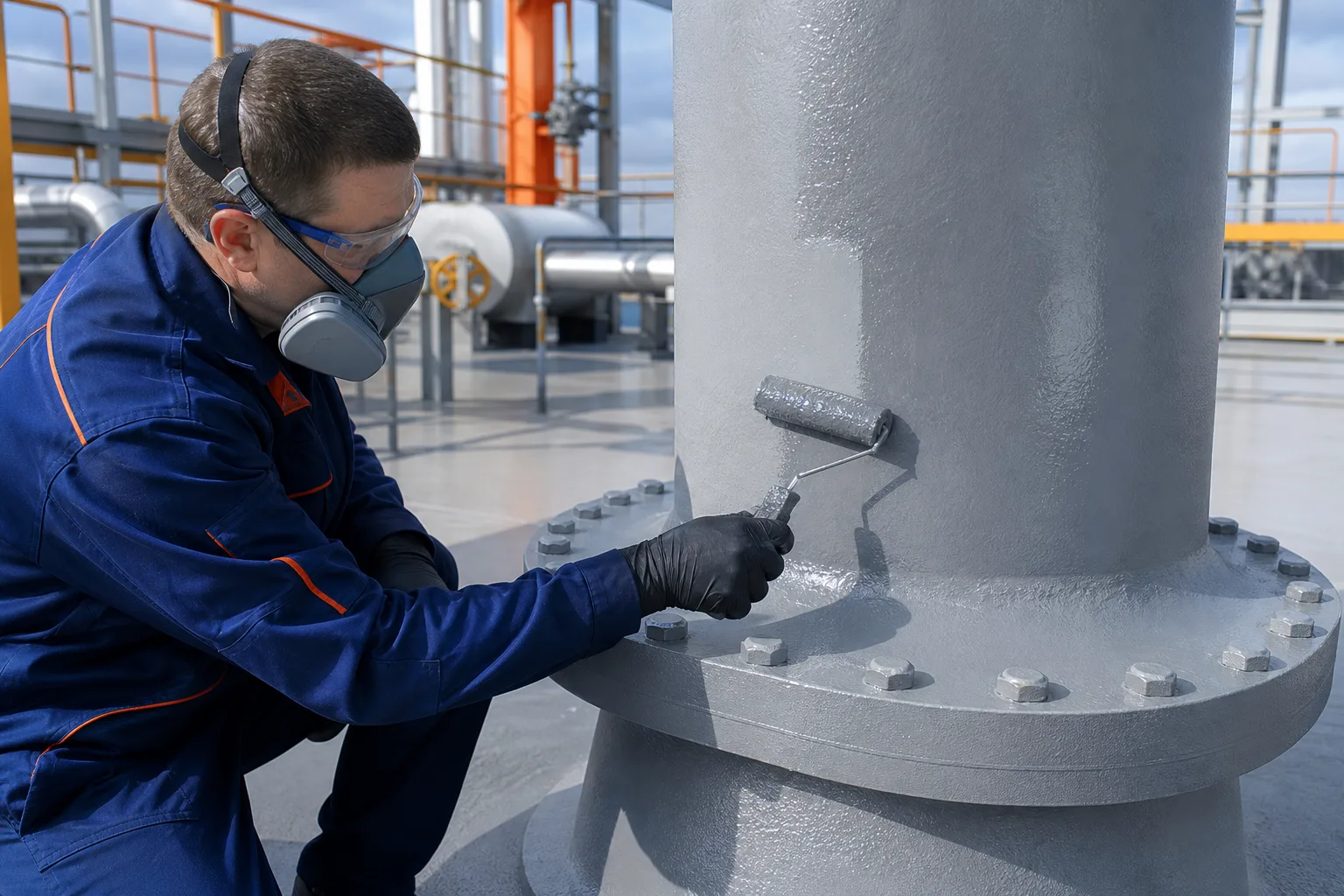
ZDS-PolyAspartic
For UV-resistant, weather-stable, and outdoor protective topcoat applications.
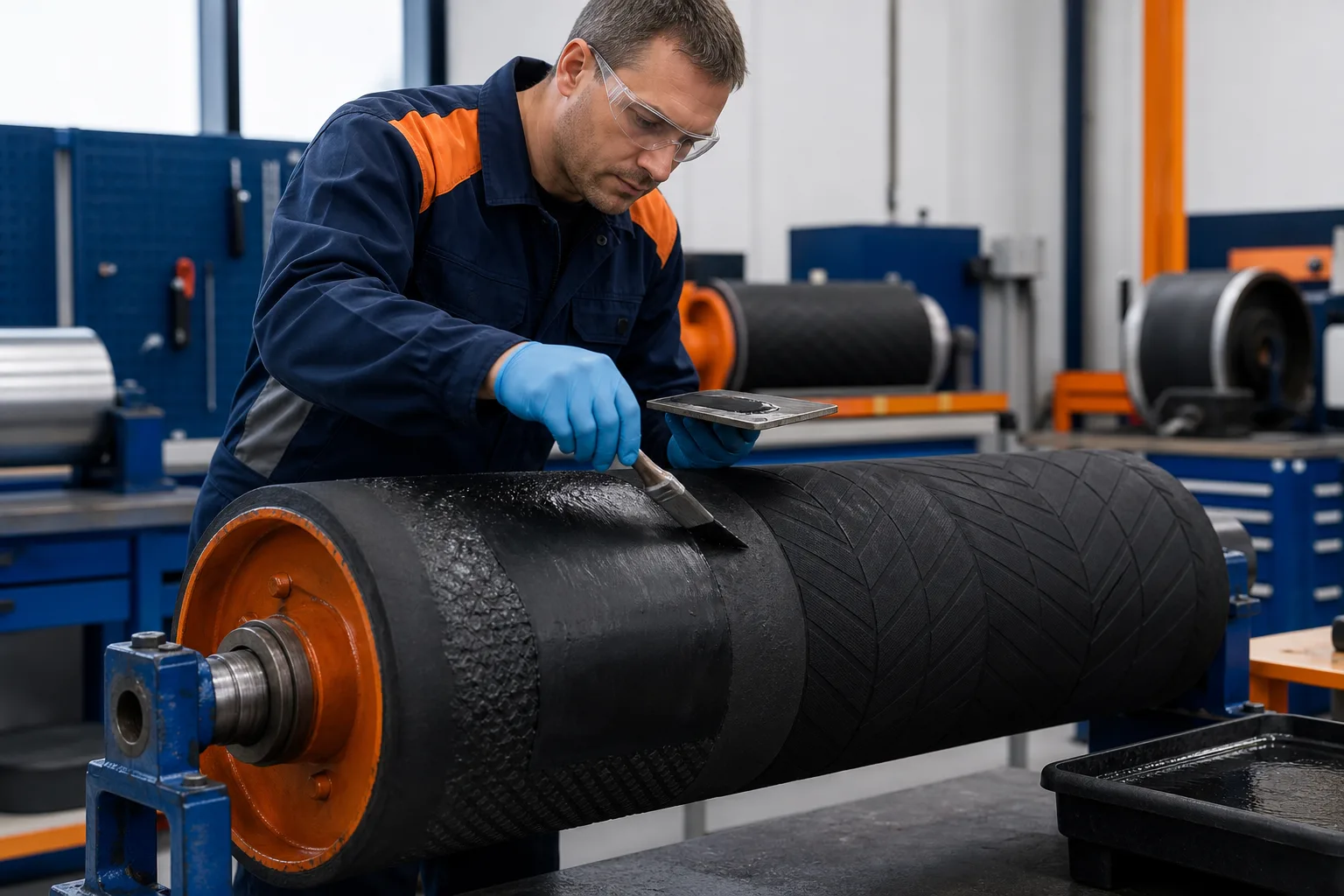
ZDS-RubberElast
For conveyor belts, rubber linings, rollers, cables, tires, and elastomer component repair categories.
Project Information
Information Needed for a Technical Recommendation
A useful recommendation requires more than the equipment name. Prepare asset, damage, operating, application, and purchasing details before requesting technical review.
01
Identify the Asset
State the equipment, component, base material, geometry, and approximate repair area.
02
Describe the Damage
Document leakage, pitting, wall loss, erosion, abrasion, cracking, delamination, or elastomer damage, with photos where available.
03
Define Operating Conditions
Provide temperature, pressure, fluid or chemical contact, immersion, outdoor exposure, movement, and cleaning conditions.
04
Explain Constraints
Confirm whether the equipment can be isolated, cleaned, dried, accessed, and prepared within the shutdown window.
05
State Purchasing Needs
Provide quantity, schedule, target market, documentation needs, and whether the request is for evaluation or bulk supply.
Technical Evaluation
Technical Support for Application Evaluation
ZDSChem applies its chemical manufacturing and formulation background to material selection. An R&D team of 30 professionals supports development, improvement, formulation, and application evaluation, with experts offering over 30 years of experience.
Technical Documents
Review available technical documentation when comparing repair material categories.
Industrial Repair Cases
Review published projects only within their stated equipment and service conditions.
Selection Limitations
Repair Conditions That Require Further Engineering Review
A polymer repair material is not an automatic substitute for welding, component replacement, code-controlled repair, or structural engineering.
Active leakage, unstable substrates
severe section loss, unknown chemicals, excessive movement, inaccessible preparation areas, or safety-critical pressure boundaries may require inspection and engineering decisions before selection.
Product names and series descriptions do
not confirm suitability on their own.
Verify current technical data, safety
information, substrate preparation, application procedures, curing conditions, inspection requirements, and site safety controls before use.
Equipment must be safely isolated and
prepared under the facility's approved procedures.

Project Review
Prepare an Application-Specific Repair Shortlist
Submit the equipment, substrate, damage, operating conditions, photographs, quantity, and project timing. ZDSChem can identify a relevant product series and determine what additional technical details are needed.
FAQ
Frequently Asked Questions
Start with the equipment and substrate, then identify the damage mechanism and service conditions. Temperature, pressure, chemical exposure, moisture, movement, repair geometry, surface preparation, and available shutdown time help narrow the relevant product category. Final selection should be checked against current technical documentation.
Provide the equipment type, component, substrate, damage description, repair dimensions, operating temperature, pressure, fluid or chemical exposure, photographs, preparation conditions, shutdown window, required quantity, and target schedule. Safety-critical or pressure-retaining applications may require additional engineering information.
Not automatically. Corrosion rebuilding, abrasive wear protection, and chemical-resistant lining involve different selection priorities. A product suitable for restoring dimensions may not provide the required wear or chemical resistance. Compare each service condition with the relevant product documentation before selection.
ZDS-AquaShield covers material categories intended for wet-surface, underwater-curing, marine, and emergency repair situations. Suitability still depends on the substrate, water conditions, access, preparation method, defect type, and operating requirements. These details should be supplied for technical evaluation.
Qualified buyers can request sample evaluation based on the application and purchasing requirement. The proposed evaluation method, acceptance criteria, product availability, and commercial feasibility need to be confirmed before testing. A successful sample evaluation does not replace site-specific application controls.
Replacement or an engineered repair route may be necessary when the substrate is unstable, structural loss is severe, the pressure boundary is safety-critical, the operating condition exceeds documented limits, or adequate surface preparation cannot be completed. The asset owner and responsible engineers should make this decision using inspection data and applicable procedures.