
OEM and ODM Evaluation
ZDSChem evaluates OEM industrial repair materials and ODM repair product requirements for distributors, importers, MRO suppliers, and industrial product-line owners. The review considers product category, performance target, expected volume, target market, packaging, labeling, documentation, and compliance needs before a feasible development or supply route is proposed. Requests are not accepted automatically; technical and commercial feasibility is confirmed only after sufficient project information has been reviewed.
Assessment Scope
When to Request an OEM or ODM Assessment
This service supports B2B buyers seeking an industrial repair material under a customer-defined specification, brand, packaging concept, or product-line plan. It can also help determine whether an existing ZDSChem product route is more practical than a new or modified formulation.
Distributors and Importers
Assess products for a regional assortment, market entry, or replacement of an existing supply source.
MRO Suppliers
Evaluate repair products for common equipment, substrate, and maintenance conditions.
Repair Product Brands
Review formulation, presentation, documentation, and portfolio requirements.
Procurement Teams
Compare specifications, purchasing volumes, qualification documents, and supply routes.
Project Brief
Information Needed for a Feasibility Review
A useful project brief connects the commercial objective with measurable application requirements. Complete information helps distinguish between an existing-product route, a product adaptation, and a more extensive development request.
Product Category
Provide the repair method, substrate, equipment, damage type, and intended use to identify the relevant material family and technical route.
Specification
Provide required properties, application method, service conditions, and reference documents for comparison and technical confirmation.
Quantity
Share estimated trial quantity, initial order, annual demand, and replenishment pattern for supply planning.
Target Market
Identify countries or regions, buyer type, language, and sales channel to guide market-specific review.
Packaging
Specify pack format, pack size, labels, cartons, instructions, and presentation requirements.
Compliance
Identify applicable regulations, restricted substances, mandatory documents, and customer standards.
Product Categories
Industrial Repair Product Categories Covered by the Review
The assessment begins by matching the proposed product to one of the seven ZDSChem industrial repair series. These categories provide a structured starting point and do not imply that every requested specification or modification is available.
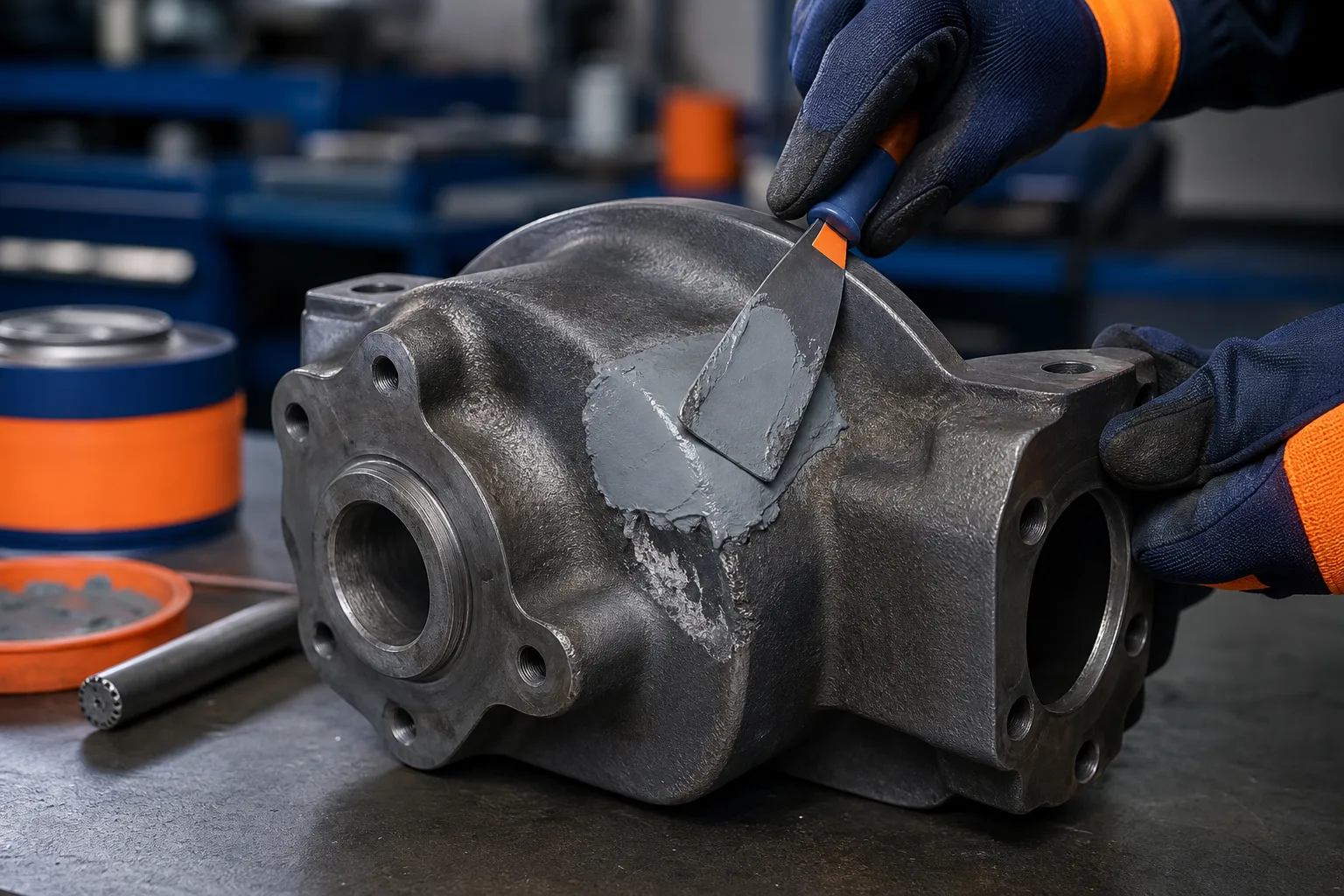
Metal Rebuilding
ZDS-MetalRebuild covers metal rebuilding, cold repair, dimensional restoration, leak sealing, and structural bonding material routes.
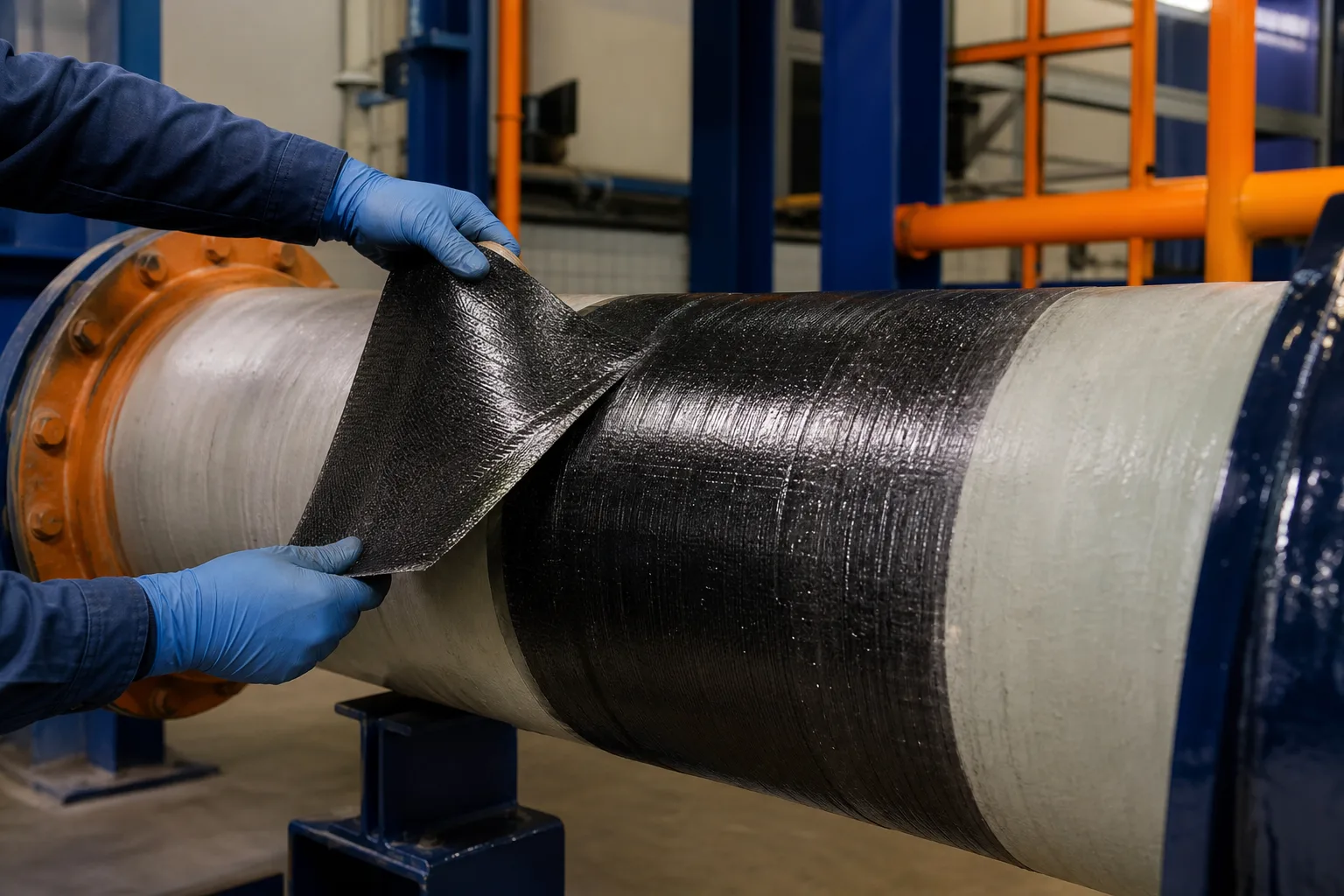
Composite Pipe Reinforcement
ZDS-CompositeWrap provides a category framework for composite pipe reinforcement, FRP repair, and structural laminating systems.

Wear Protection
ZDS-CeramicArmor is organized around ceramic-filled materials for abrasion, erosion, cavitation, and heavy-duty equipment protection.

Wet-Surface Repair
ZDS-AquaShield covers underwater-curing, wet-surface, marine, and emergency repair material categories.
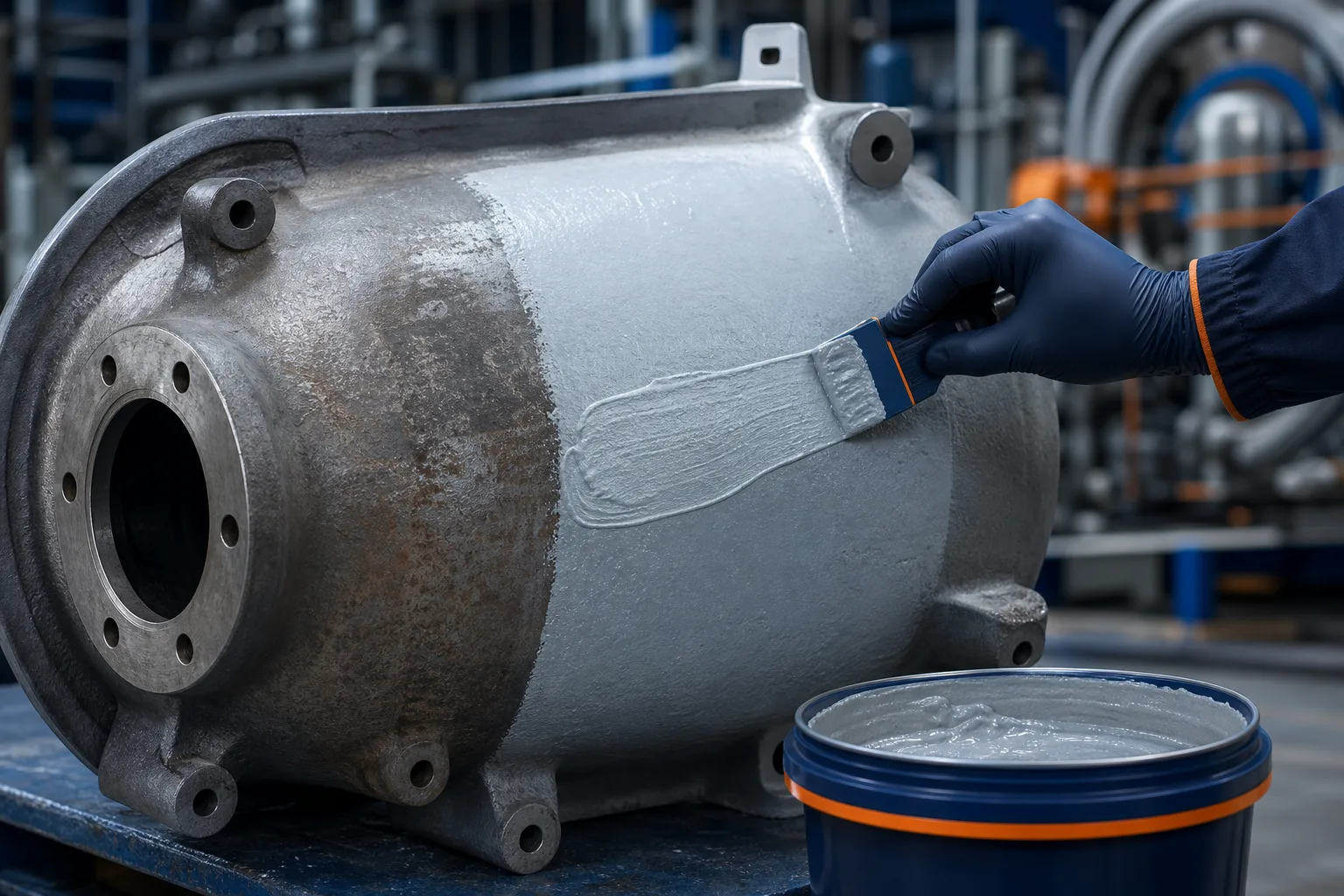
High-Temperature Systems
ZDS-FluidGlide includes high-temperature repair, chemical-resistant lining, tank lining, flue protection, sealing, and fluid-equipment coating routes.

Outdoor Protective Topcoats
ZDS-PolyAspartic provides a category for UV-resistant, weather-stable, and outdoor protective topcoat systems.
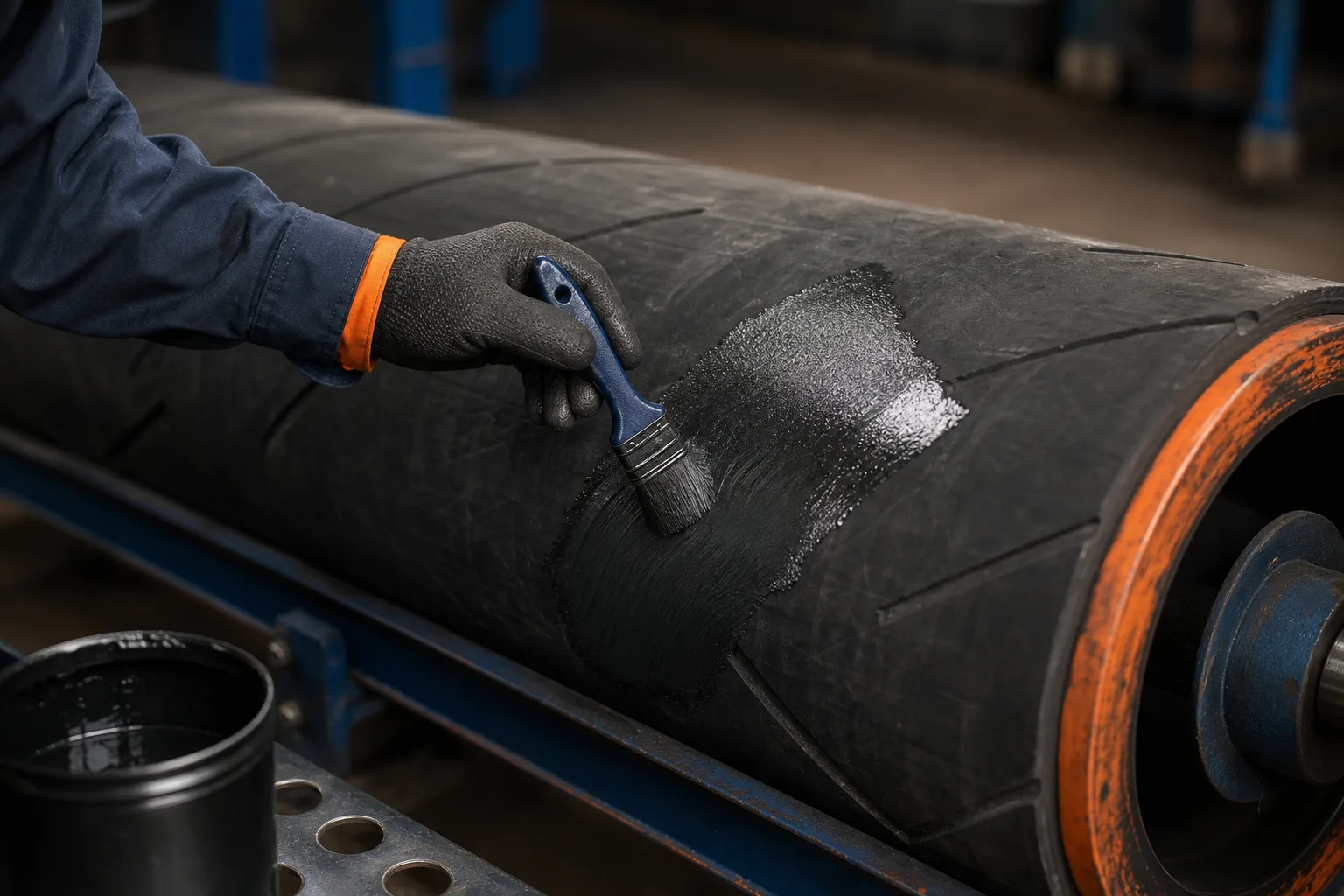
Rubber and Elastomer Repair
ZDS-RubberElast covers repair materials for conveyor belts, rubber linings, rollers, cables, tires, and other elastomer components.
Evaluation Process
How the OEM and ODM Evaluation Proceeds
Each request moves through a technical and commercial review. The route may be narrowed, revised, or declined when the proposed requirements are not practical.
01
Requirement Intake
ZDSChem reviews the product brief, target application, market, estimated quantity, packaging concept, and requested documents.
02
Specification Comparison
The request is compared with relevant product families and available technical information, including missing service conditions or criteria.
03
Feasibility Check
Formulation scope, development needs, purchasing expectations, packaging, and market requirements are considered.
04
Evaluation Plan
An identified route can define document exchange, sample criteria, evaluation responsibilities, and commercial discussion.
05
Progression Toward Supply
A successful evaluation can move into quotation, confirmation, and the Sample-to-Bulk Workflow.
Technical Resources
Technical Resources Supporting the Assessment
ZDS has operated as a professional chemical manufacturer since 1998. A dedicated R&D team of 30 professionals supports chemical formulation, product improvement, application adaptation, and customer-specific requirement review. Technical experts with more than 30 years of experience contribute to formulation review and application-specific solution development.
Feasibility Boundaries
Feasibility Boundaries to Confirm Before Development
The following points should be defined during feasibility screening before development or supply expectations are confirmed.
Formulation targets must be technically
measurable and connected to a defined application or comparison standard.
Exact working time, curing behavior
temperature exposure, pressure, chemical resistance, adhesion, and abrasion requirements require supporting test methods and acceptance criteria.
Packaging, labeling, documentation
localization, and private-label requests are assessed against project scope and expected purchasing volume.
Regulatory responsibility, claims
mandatory language, and required documentation vary by market and must be identified by the buyer for review.
Sample availability, development work
pricing, order quantity, lead time, and supply terms are confirmed separately after feasibility screening.
Submission of a brief does not guarantee
formulation success, sample approval, exclusivity, market compliance, or commercial acceptance.
Next Step
Prepare Your OEM or ODM Project Brief
Provide the intended repair product, equipment or substrate, damage condition, performance targets, estimated quantity, target market, packaging concept, and required documents. ZDSChem will use this information to determine whether an existing product, adaptation, or development route can proceed to further evaluation.
FAQ
Frequently Asked Questions
An OEM request usually starts with an established product or specification and focuses on an evaluated supply, packaging, or labeling configuration. An ODM request can involve broader product definition, formulation targets, application adaptation, or product-line planning. The final route is determined after the technical and commercial scope is reviewed.
Provide the product category, equipment, substrate, damage type, application method, service conditions, required properties, estimated quantities, target market, packaging concept, compliance needs, and acceptance criteria. Reference samples and existing technical or safety documents are also useful when available.
Customer-specific formulation requirements can be evaluated according to the application, specification, expected volume, and target market. Technical and commercial feasibility must be confirmed before development begins, and submission does not guarantee formulation success or sample approval.
No individual product should be described as certified under these standards without separate evidence. ISO 9001 and IATF 16949 are quality-management system certifications supporting the company’s process-control framework. Current certification scope and applicable supporting documents should be checked during supplier qualification.
No. An initial review identifies a possible technical and commercial route. Sample criteria, testing responsibilities, pricing, order quantity, packaging, lead time, compliance documentation, and supply terms require separate confirmation before production or purchasing proceeds.