
Technical Document Center
Locate industrial repair technical documents for distribution, contracting, maintenance, engineering, and procurement review. Start with the product series, repair, substrate, damage, and service conditions. Availability, revision, language, and market applicability can vary, so confirm critical decisions against the current document for the identified product.
Document Libraries
Find Documents by Type
Each document type supports a different technical or procurement question. Use the specialist libraries below or browse consolidated resources through the industrial repair download center.
Technical Data Sheets
Review intended use, product characteristics, application conditions, preparation requirements, and supplied technical information.
Safety Data Sheets
Review available hazard, handling, storage, personal protection, transport, and emergency information.
Application Guides
Plan documented cleaning, profiling, mixing, reinforcement, layer sequence, inspection, and return-to-service steps.
Certificates and Quality
Review available management-system certificates, quality information, evidence, and stated limitations.
Product Catalogs
Request a current commercial catalog for product discovery, assortment planning, and initial category comparison.
Document Filters
Filter Documents Before Downloading or Requesting Them
A product name alone may not identify the correct file. Filter by document purpose, repair conditions, market, and issue status to reduce the risk of reviewing material for the wrong application.
Document Type
Select a TDS, SDS, application guide, quality document, certificate, or catalog.
Product Series
Identify the ZDSChem repair category connected to the project.
Repair Task
Define rebuilding, reinforcement, leak sealing, wear protection, lining, coating, or elastomer repair.
Equipment and Substrate
Specify equipment such as pipes, pumps, tanks, or conveyors and substrates such as metal, composite, concrete, or rubber.
Service Conditions
Identify temperature, chemical contact, immersion, abrasion, erosion, weather, and wet or underwater application.
Language and Market
Confirm whether localized or market-specific documentation is required.
Revision Status
Verify that the file is the current version supplied for the identified product.
File Status
How to Interpret Document Status
A listing or document response should identify the file type, related product, language, revision information when available, and whether further confirmation is required before evaluation.
Available File
The file is accessible through the displayed route. Check its product, language, revision, and intended market before relying on it.
Available on Request
Product, buyer, project, or market information may be required before the appropriate document can be supplied.
Revision Confirmation Required
Do not rely solely on an undated, incomplete, previous, or superseded document for technical or procurement decisions.
Market or Language Review
Check destination market, required language, labeling context, and purchasing requirements. Localization is not automatic.
Product Structure
Match Documents to the Seven ZDSChem Product Series
ZDSChem organizes industrial repair materials into seven primary series. Surface Preparation Products support application work and are not an eighth primary series.
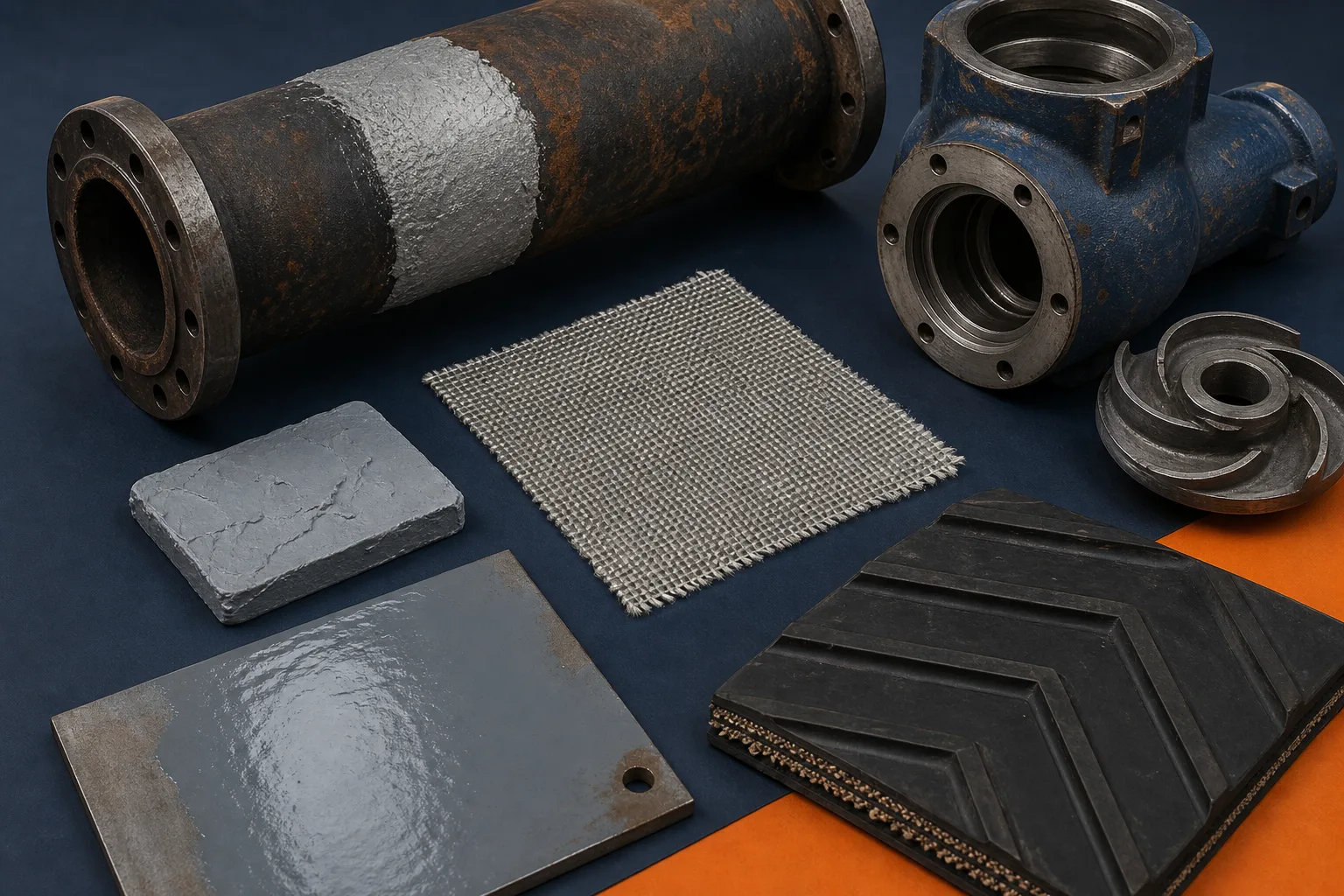
ZDS-MetalRebuild
Documents cover metal rebuilding, dimensional restoration, cold repair, leak sealing, and structural bonding materials.
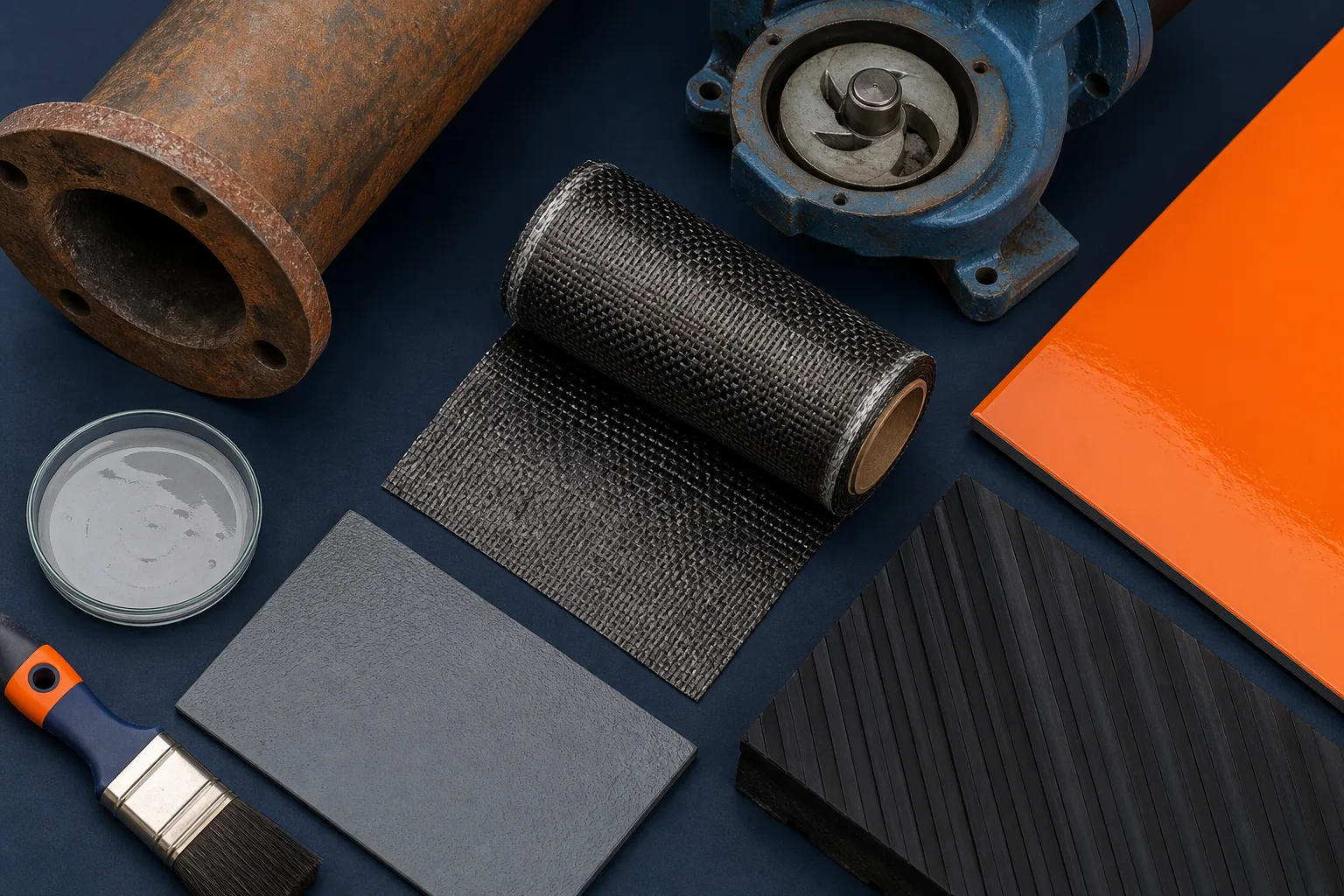
ZDS-CompositeWrap
Documents cover composite pipe reinforcement, FRP repair, and structural laminating systems.
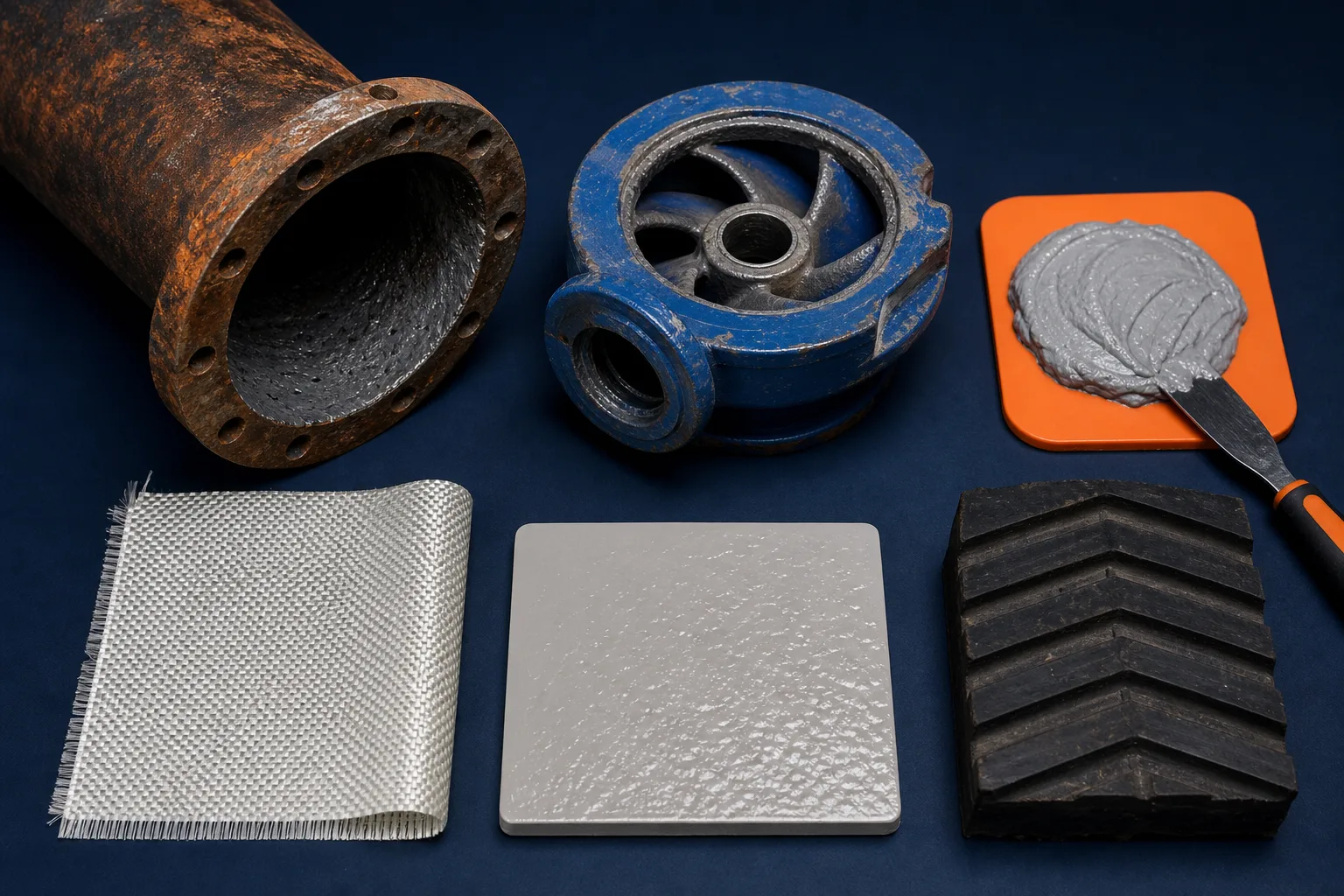
ZDS-CeramicArmor
Documents support evaluation of ceramic-filled materials for wear, erosion, cavitation, and equipment protection.

ZDS-AquaShield
Documents relate to underwater-curing, wet-surface, marine, and emergency repair materials.
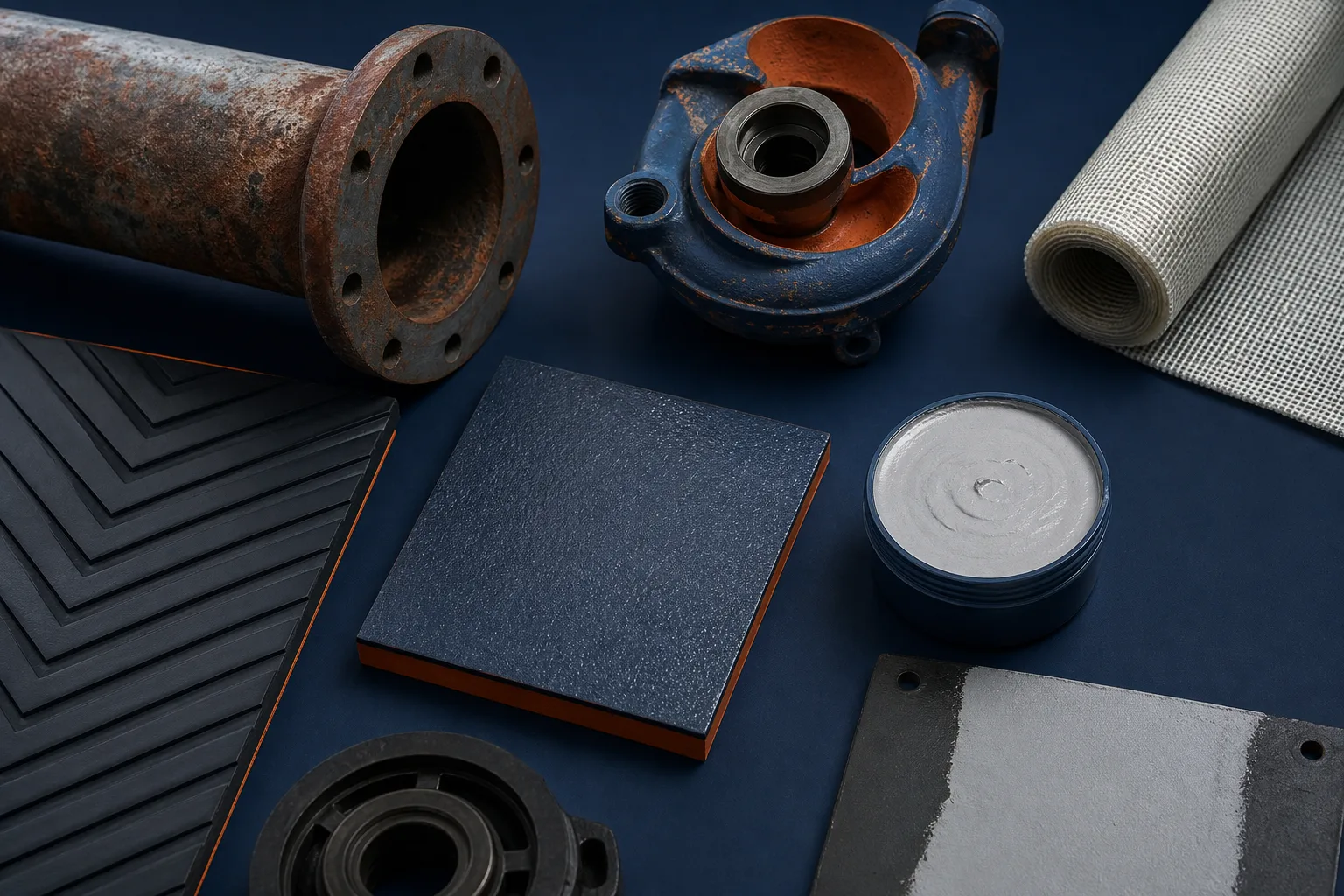
ZDS-FluidGlide
Documents address high-temperature repair, chemical-resistant lining, tank and flue protection, sealing, and equipment coatings.
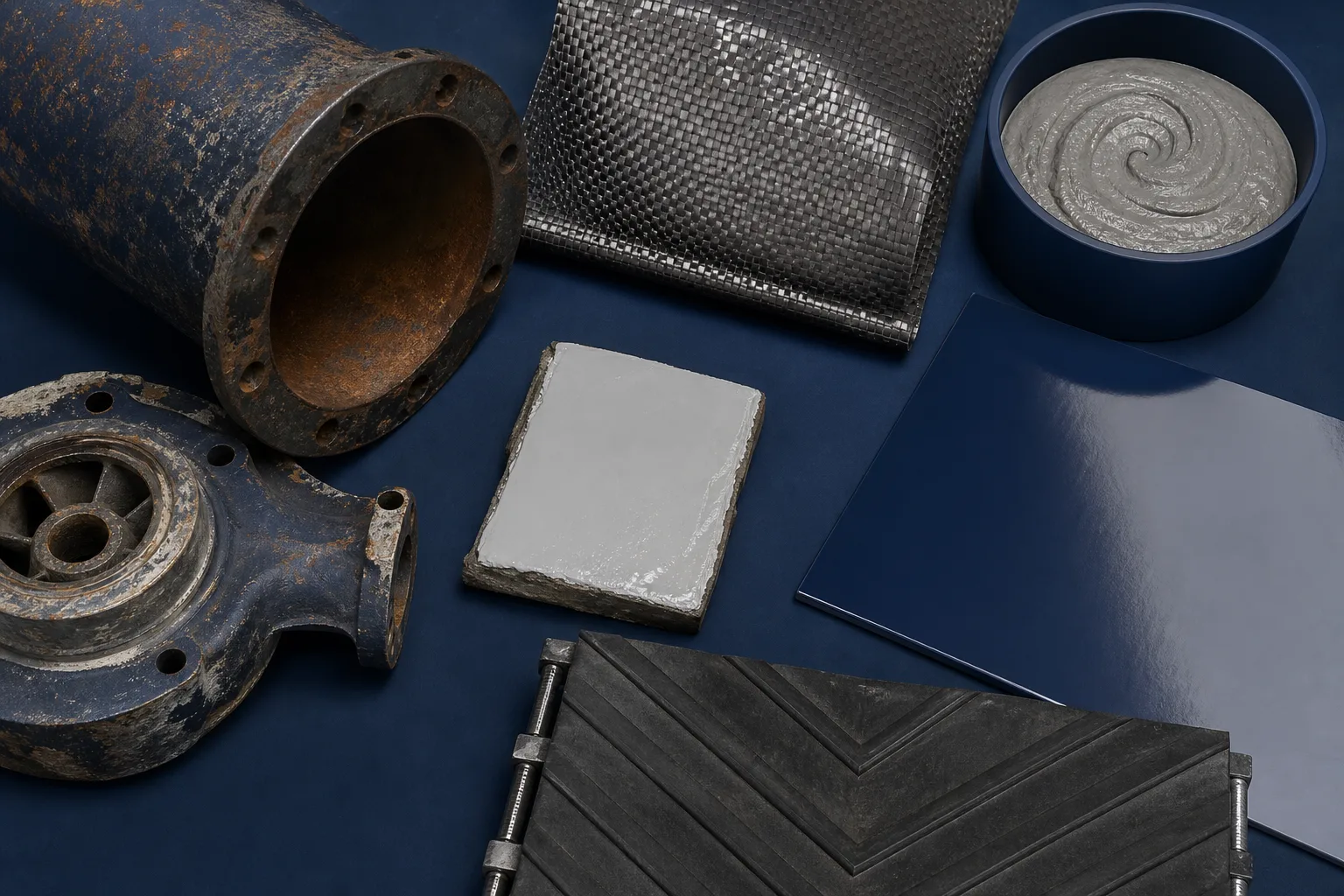
ZDS-PolyAspartic
Documents support review of UV-resistant, weather-stable, and outdoor protective topcoat systems.
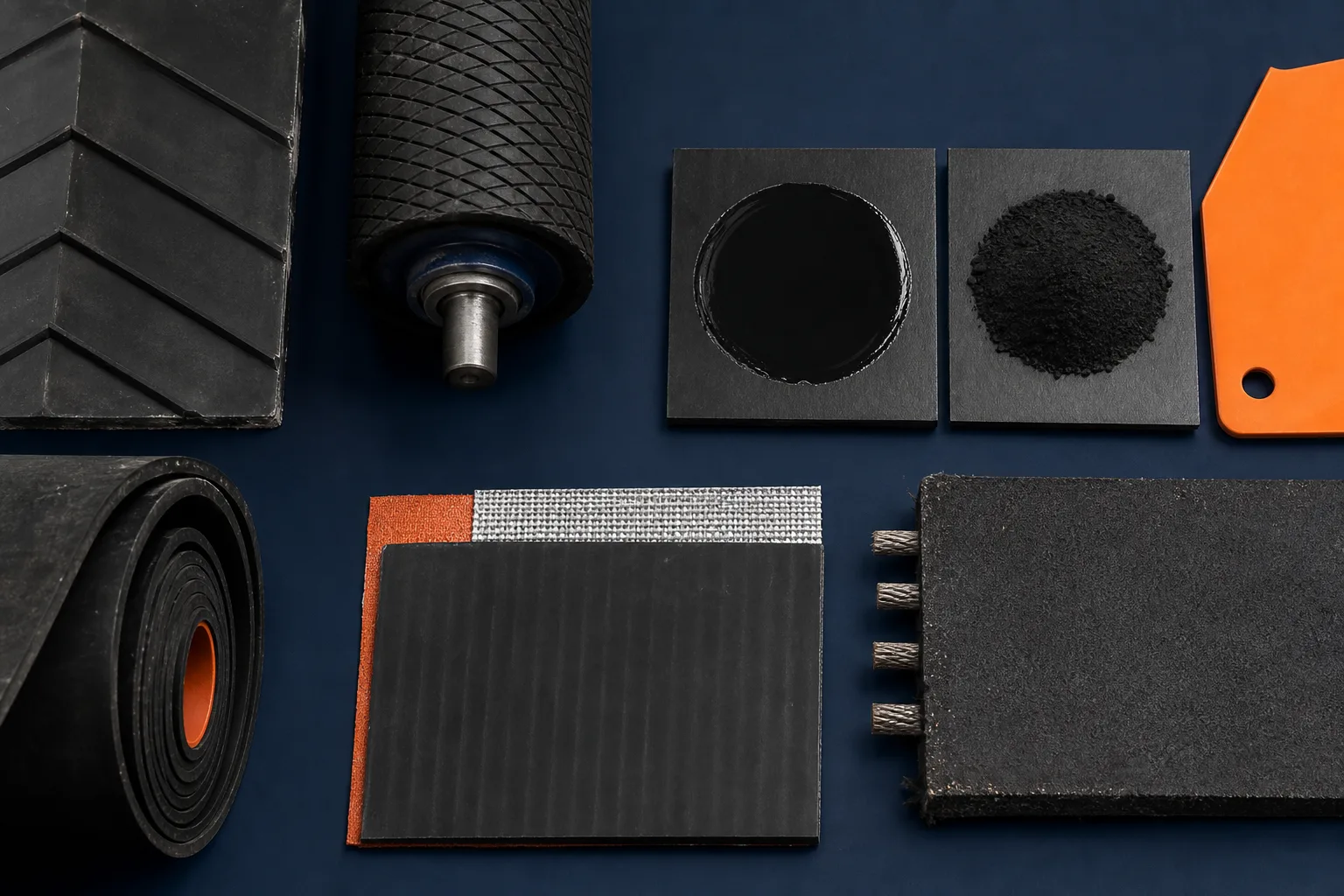
ZDS-RubberElast
Documents relate to conveyor belts, rubber linings, rollers, cables, tires, and other elastomer components.
Procurement Review
Documents for Supplier Qualification
Procurement teams, importers, MRO suppliers, and regional distributors may need quality evidence, product identification, revision control, sample planning, packaging information, and a route to repeat purchasing.
ZDS quality-management systems are
certified to ISO 9001 and IATF 16949.
These certifications concern management
systems and do not certify an individual repair product or its performance.
Confirm certificate scope, current
validity, and applicability against current supporting documents.
Request Details
Information to Include in a Document Request
A complete request helps identify the relevant file and reduce follow-up questions. Provide available project and purchasing information, while recognizing that every file, localization request, or product route may not be available.
01
Product name, code, or ZDSChem product
series.
02
Required document type and preferred
language.
03
Equipment, substrate, damage type, and
repair objective.
04
Operating temperature, chemical exposure
pressure or immersion conditions, and other important service factors.
05
Destination country or target market.
06
Evaluation stage
product screening, sample review, supplier qualification, quotation, or purchasing.
07
Required document format, internal
approval requirement, or submission deadline.
08
Available drawings, specifications
product references, photographs, or qualification checklists.
Technical Limits
Document Use and Technical Limitations
Technical documents support evaluation but do not replace condition assessment or product-specific confirmation. Final selection depends on substrate, preparation, geometry, load, temperature, chemicals, moisture, access, curing, and return-to-service needs.
Do not combine values from different
products or revisions.
A catalog is not a substitute for a TDS
and a TDS is not a substitute for an SDS.
Management-system certificates do not
establish individual product compliance, safety, or fitness for a specific repair.
Request technical review when project
conditions fall outside the documented scope.

Document Requests
Request the Documents Needed for Your Evaluation
Send the product identity, required document type, target market, and available application details. ZDSChem can identify the appropriate document route or clarify what further information is needed.
FAQ
Frequently Asked Questions
A technical data sheet describes the intended use, product characteristics, application guidance, and other technical information supplied for a material. A safety data sheet addresses hazards, handling, storage, personal protection, transport, and emergency measures. Buyers may need both documents for technical and workplace review.
Check the product identity, revision number or date when shown, language, and intended market. If revision information is missing or the file came from an older email or third party, request confirmation before using it for specification, purchasing, safety, or application decisions.
Yes. Identify the products under review and list the documents required by your qualification process. Availability and disclosure can depend on the document type, target market, and review purpose. Certificate scope and current validity must be confirmed against current supporting records.
No. ISO 9001 and IATF 16949 are quality-management system certifications. They do not automatically certify the performance, safety, compliance, or suitability of an individual industrial repair material.
Describe the equipment, substrate, damage, repair objective, operating temperature, chemical exposure, moisture or immersion conditions, application access, and expected purchasing stage. Photographs, drawings, specifications, and existing material references can also help narrow the relevant product series and document set.
No. Application guides provide product-related preparation and installation information, but field conditions still require assessment. Substrate integrity, contamination, geometry, loading, environmental conditions, and safe work procedures can affect whether a proposed repair route is appropriate.