
Industrial Repair Glossary
Industrial repair materials include compounds, coatings, linings, wraps, and elastomer systems used to restore dimensions, seal leaks, reinforce structures, or protect equipment. This glossary helps distributors, MRO suppliers, contractors, engineers, maintenance teams, and procurement buyers define failures, compare repair routes, and prepare technical inquiries.
Selection Basics
How to Use This Industrial Repair Glossary
A repair term is only a starting point. Begin with the equipment and substrate, then document the damage, service conditions, required repair function, and available evidence before comparing products.
01
Identify the Material
Record whether the surface is steel, cast metal, concrete, rubber, composite, or another substrate.
02
Describe the Damage
Separate corrosion, abrasion, erosion, cavitation, cracking, dimensional loss, leakage, and structural separation.
03
Record Service Conditions
Note temperature, pressure, immersion, chemical contact, movement, vibration, and access limitations.
04
Define Repair Function
Determine whether the work requires rebuilding, bonding, sealing, reinforcing, lining, or surface protection.
05
Prepare Project Evidence
Gather photos, dimensions, operating conditions, preparation details, shutdown time, and purchasing requirements.
06
Repair Materials Overview
Review the broader categories of industrial repair materials and their purchasing context.
07
Product Selection Guide
Use the selection guide to organize application information before comparing product routes.
Core Terms
Core Industrial Repair Terms
These terms describe common material functions and repair routes. Final selection still depends on the substrate, damage mechanism, service conditions, preparation, application method, and required repair function.
Industrial Repair Material
A material used to restore, seal, bond, reinforce, or protect industrial equipment without automatically replacing the component.
Repair Compound
A mixed or ready-to-apply material used to fill loss, rebuild a profile, bridge a defect, or create a protective layer.
Cold Repair
A method performed without welding, brazing, or other hot work. Suitable preparation, application, and curing remain necessary.
Metal Rebuilding
Restoration of worn, corroded, cracked, or undersized metal with a repair compound to return a functional profile.
Dimensional Restoration
Rebuilding a shaft, flange, housing, seat, or other component to its intended size or geometry.
Structural Bonding
Joining surfaces with an adhesive or bonding material instead of mechanical fasteners or hot-work methods.
Leak Sealing
Closing a leak path in pipes, flanges, tanks, housings, or fittings after reviewing pressure, temperature, fluid, and isolation.
Protective Coating
A surface layer that reduces exposure to wear, corrosion, chemicals, moisture, weather, or other conditions.
Industrial Lining
A continuous layer protecting tanks, vessels, pipes, flues, or fluid-handling components internally or externally.
Protective Topcoat
The finishing coating layer used for functions such as weather stability, UV resistance, appearance, or added protection.
Epoxy and Composite
Epoxy and Composite Coating Terms
Epoxy and composite terms describe resin chemistry, reinforcement, fillers, layered systems, and substrate interaction. Formulation alone does not establish suitability for a particular repair duty.
Epoxy Resin
A reactive resin commonly combined with a curing agent to form a solid polymer network for bonding, rebuilding, coating, or lining.
Hardener or Curing Agent
The component that reacts with resin to initiate and complete curing under the specified mixing and application conditions.
Epoxy Composite
An epoxy-based material containing mineral filler, ceramic particles, fibers, or another reinforcing phase.
Epoxy Composite Coating
A protective or functional surface layer combining an epoxy matrix with fillers or reinforcement.
Ceramic-Filled Material
A repair or coating material containing ceramic particles or mineral fillers, often evaluated for wear, erosion, or cavitation.
Fiber-Reinforced Polymer
A polymer matrix strengthened with fibers that carry and distribute loads while the matrix holds them in position.
Composite Wrap
A fiber-and-resin reinforcement system applied around or across a damaged component.
Composite Laminate
A layered structure combining reinforcement and matrix material to support a repaired area.
Formulation Filler
A solid ingredient that can influence viscosity, shrinkage, thermal behavior, wear response, density, and application.
Surface Primer
A preparatory layer used to improve adhesion, seal a surface, or support compatibility with the selected system.
Material Adhesion
The bond between a repair material and substrate, influenced by preparation, contamination, compatibility, and service exposure.
Cure and Preparation
Curing and Surface-Preparation Terms
Cure state and surface condition directly affect application quality. Product documentation should define preparation, mixing, working time, cure stages, moisture limits, and readiness for service.
Material Curing
The chemical or physical process through which liquid, paste, or uncured material develops a stable solid structure.
Working Time
The practical period during which mixed material remains workable for placement, shaping, or finishing.
Pot Life
The usable period of mixed material while it remains in its container or mixing vessel.
Initial Cure
The stage when material has enough structure for a defined handling or next-step activity, but not necessarily full service.
Full Cure
The specified cure state required for evaluation or service, based on current product documentation.
Substrate Material
The base material receiving the repair, coating, lining, or bonding system, including its existing surface condition.
Surface Preparation
Cleaning, degreasing, abrasion, profiling, drying, and related steps completed before application.
Surface Profile
The prepared pattern of peaks and valleys that supports mechanical keying and contact area.
Surface Contamination
Oil, grease, salts, dust, rust scale, moisture, residues, or old coatings that can disrupt adhesion or curing.
Wet-Surface Repair
A repair applied to a damp or water-exposed surface after assessing water movement, adhesion, access, and contamination.
Underwater Curing
Curing while submerged or under continuous water contact, subject to product documentation and actual water conditions.
Operating Conditions
Service-Condition and Damage Terms
Service conditions define what the repaired component will experience. Damage terms should identify the actual mechanism rather than relying on broad labels such as wear or corrosion.
Service Condition
The combined temperature, pressure, fluid, immersion, movement, vibration, impact, access, and maintenance conditions.
Operating Temperature
Temperatures during operation, shutdown, startup, cleaning, and upset conditions, including relevant cycling.
Chemical Exposure
Contact with chemicals, fluids, vapors, or mixtures, assessed by substance, concentration, temperature, duration, and pressure.
Immersion Service
Continuous or repeated liquid contact, which differs from occasional splash, condensation, or short-term exposure.
Pressure Service
Operation under internal or external pressure, requiring geometry, defect, pressure cycle, fluid, and engineering information.
Industrial Wear
Material loss from impact, sliding, rolling, cutting, or repeated mechanical contact.
Abrasive Wear
Material loss caused by hard particles or surfaces sliding, rubbing, or cutting against a component.
Surface Erosion
Surface loss caused by moving fluid, gas, slurry, or particles under specific flow and impact conditions.
Cavitation Damage
Damage caused when vapor bubbles form and collapse in liquid near a surface, often in fluid-handling equipment.
Material Corrosion
Degradation through chemical or electrochemical interaction that can reduce thickness, create pits, or weaken interfaces.
Pitting Corrosion
Localized corrosion forming small, deep cavities whose depth, density, and remaining wall thickness require assessment.
Chemical Corrosion
Corrosion driven or accelerated by acids, alkalis, salts, solvents, process chemicals, or reactive fluids.
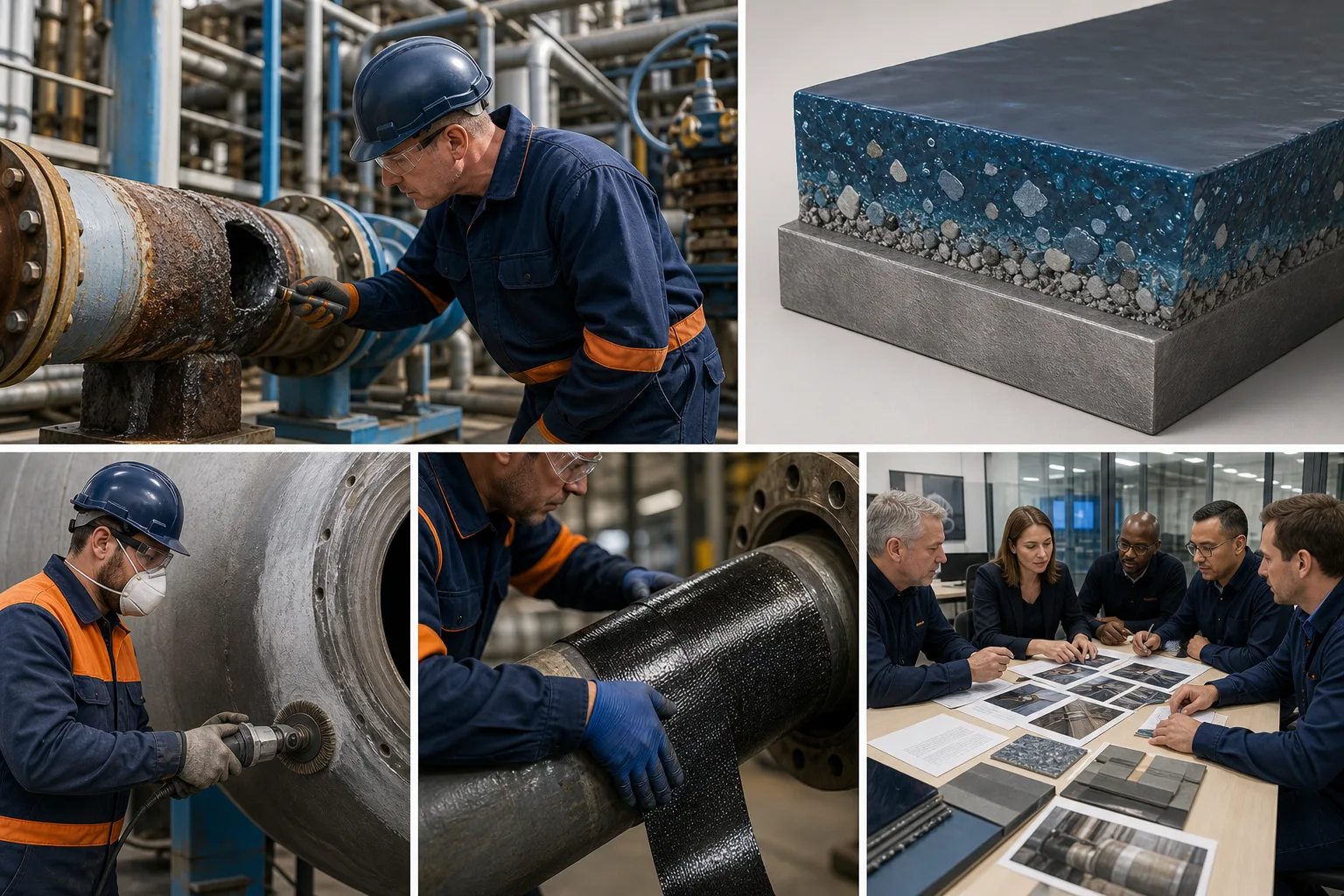
Repair Brief
How Glossary Terms Guide Product Selection
Use the terminology to build a repair brief rather than selecting from a damage name alone. A practical shortlist should answer the following questions before technical and commercial evaluation.
Product Categories
Product Series Linked to Glossary Terms
ZDSChem organizes industrial repair materials into seven primary product series. These series are starting points for category selection, not substitutes for project-specific review.
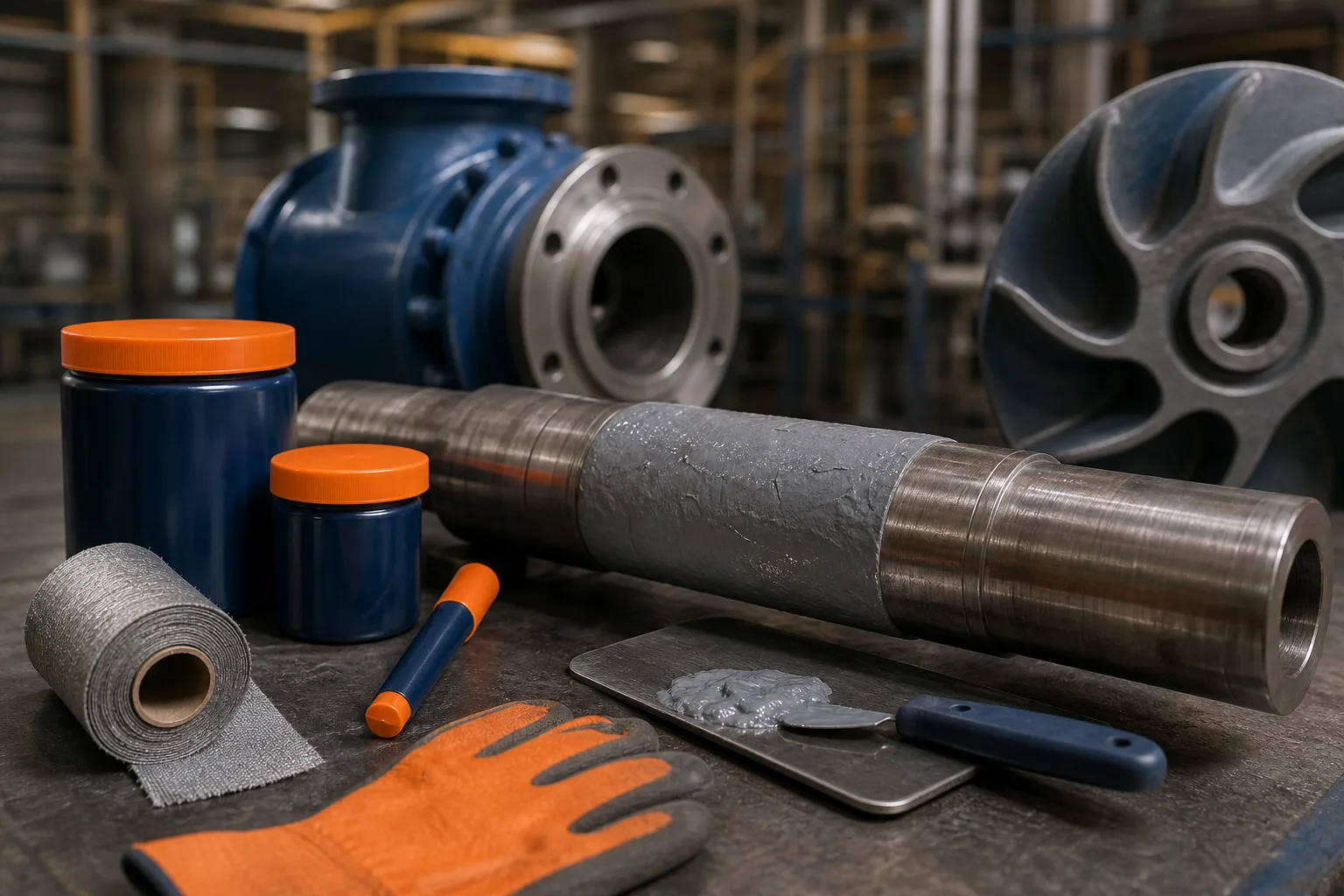
ZDS-MetalRebuild
Materials for relevant metal rebuilding, cold repair, dimensional restoration, leak sealing, and structural bonding situations.
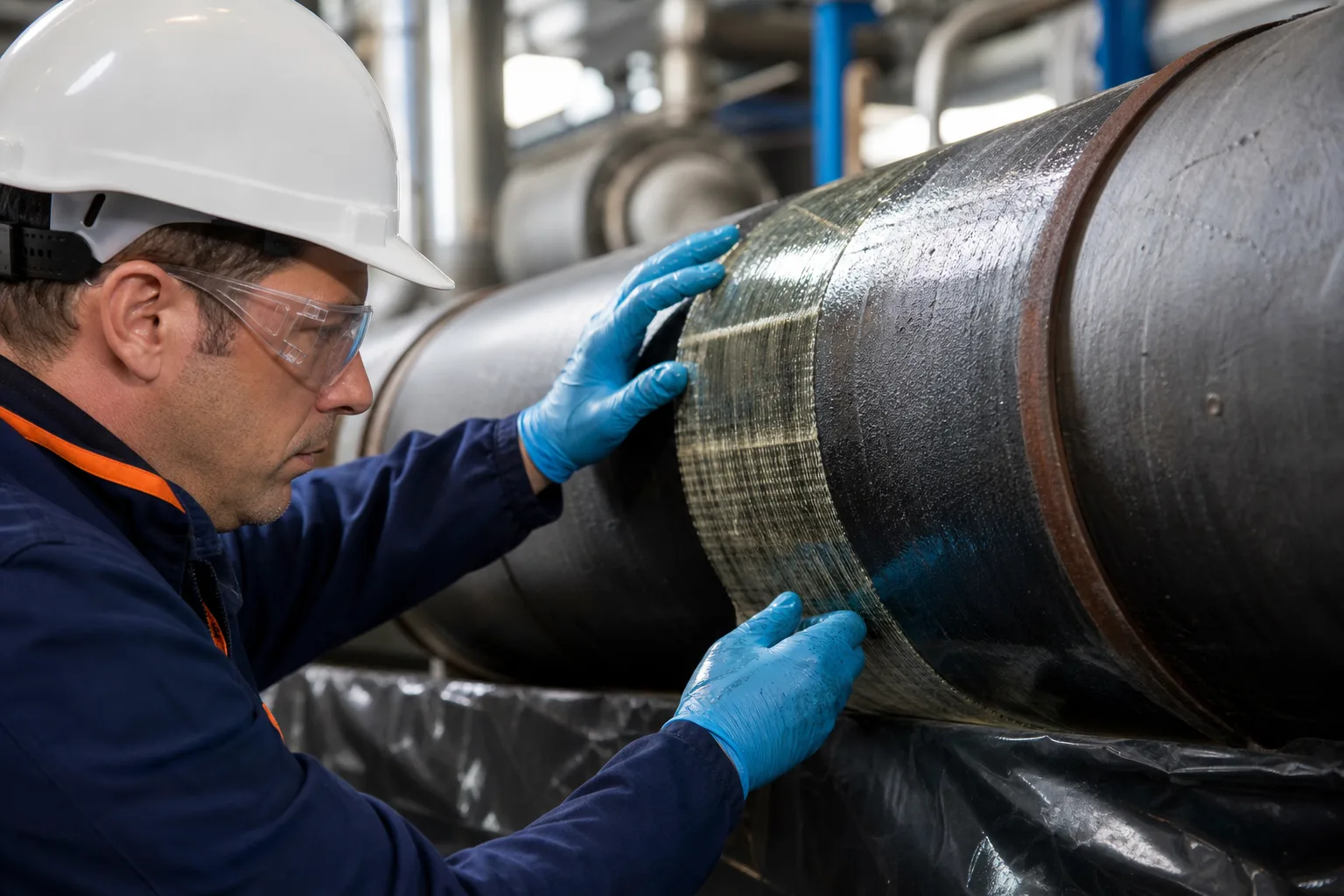
ZDS-CompositeWrap
Composite pipe reinforcement, FRP repair, and structural laminating systems requiring a reinforced composite route.
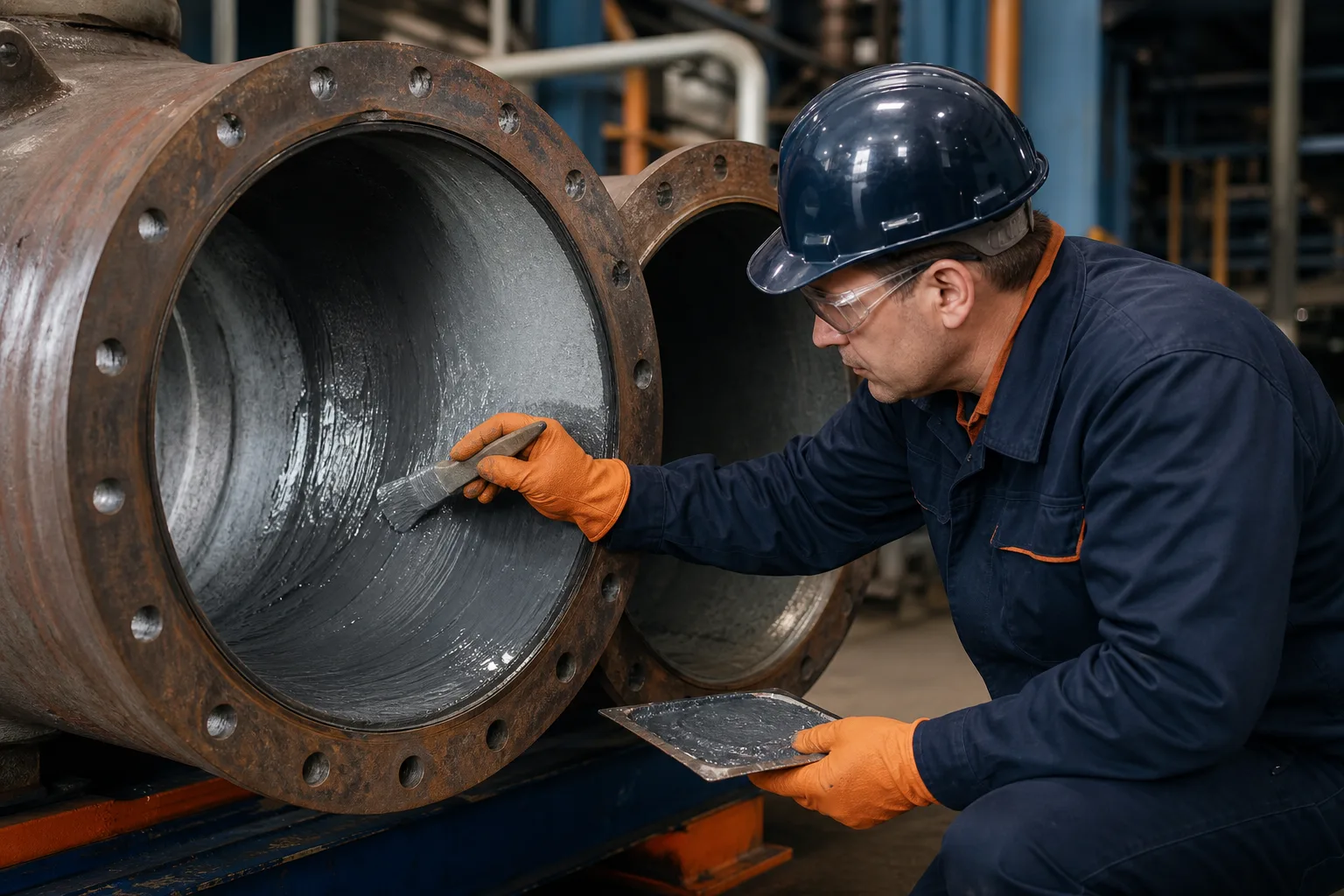
ZDS-CeramicArmor
Ceramic-filled materials for wear, erosion, cavitation, and heavy-duty equipment protection.
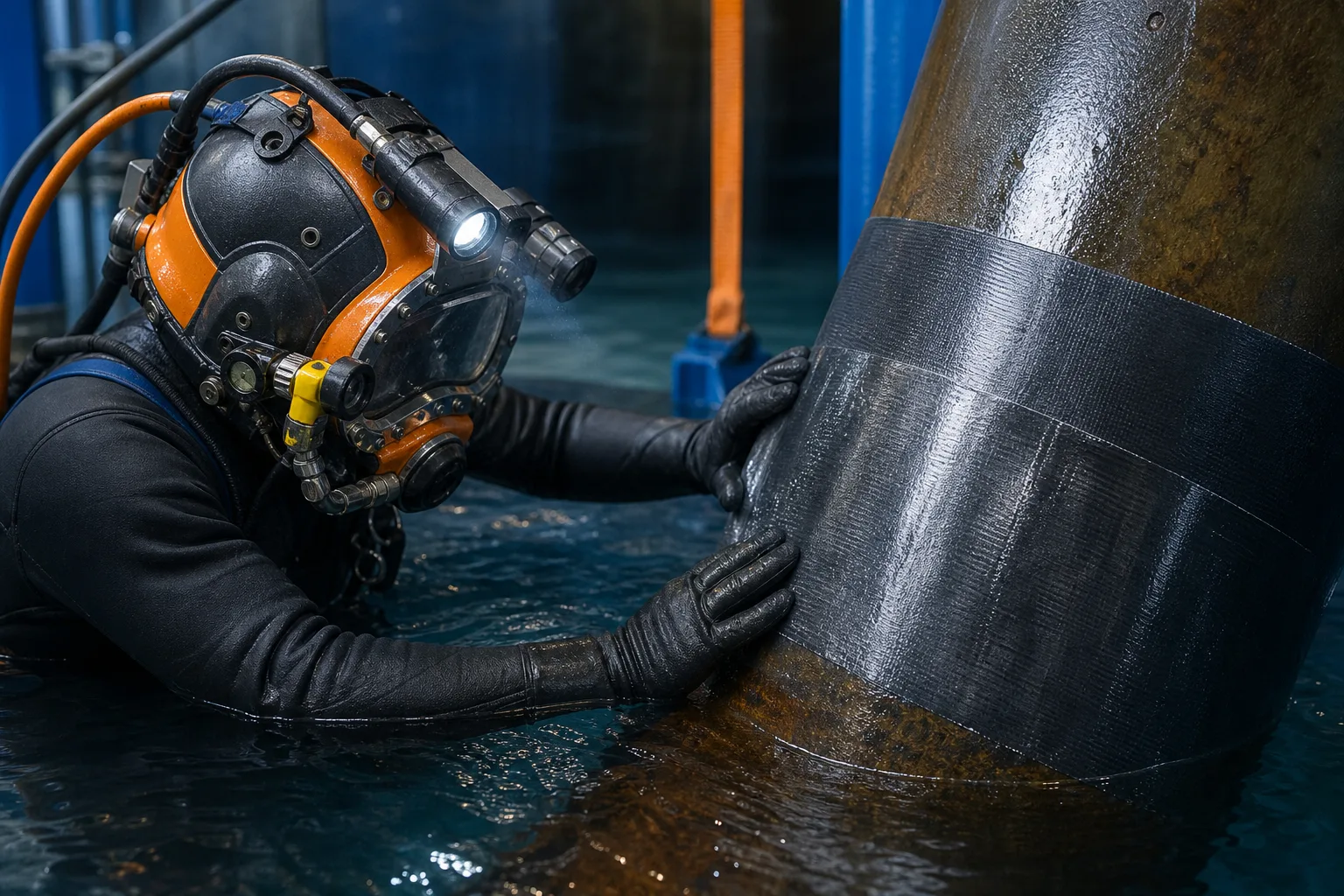
ZDS-AquaShield
Underwater-curing, wet-surface, marine, and emergency repair materials for water-exposed maintenance.
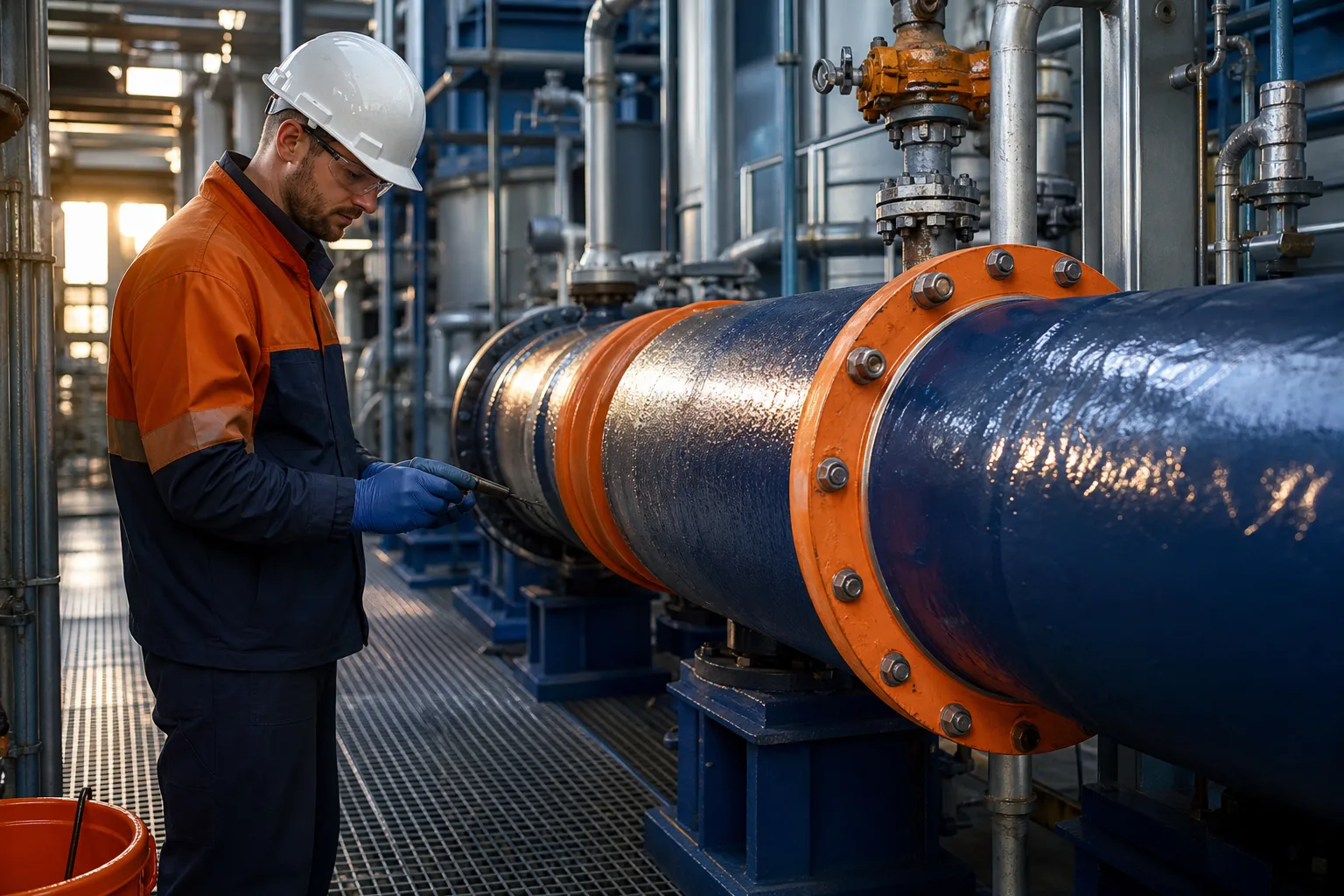
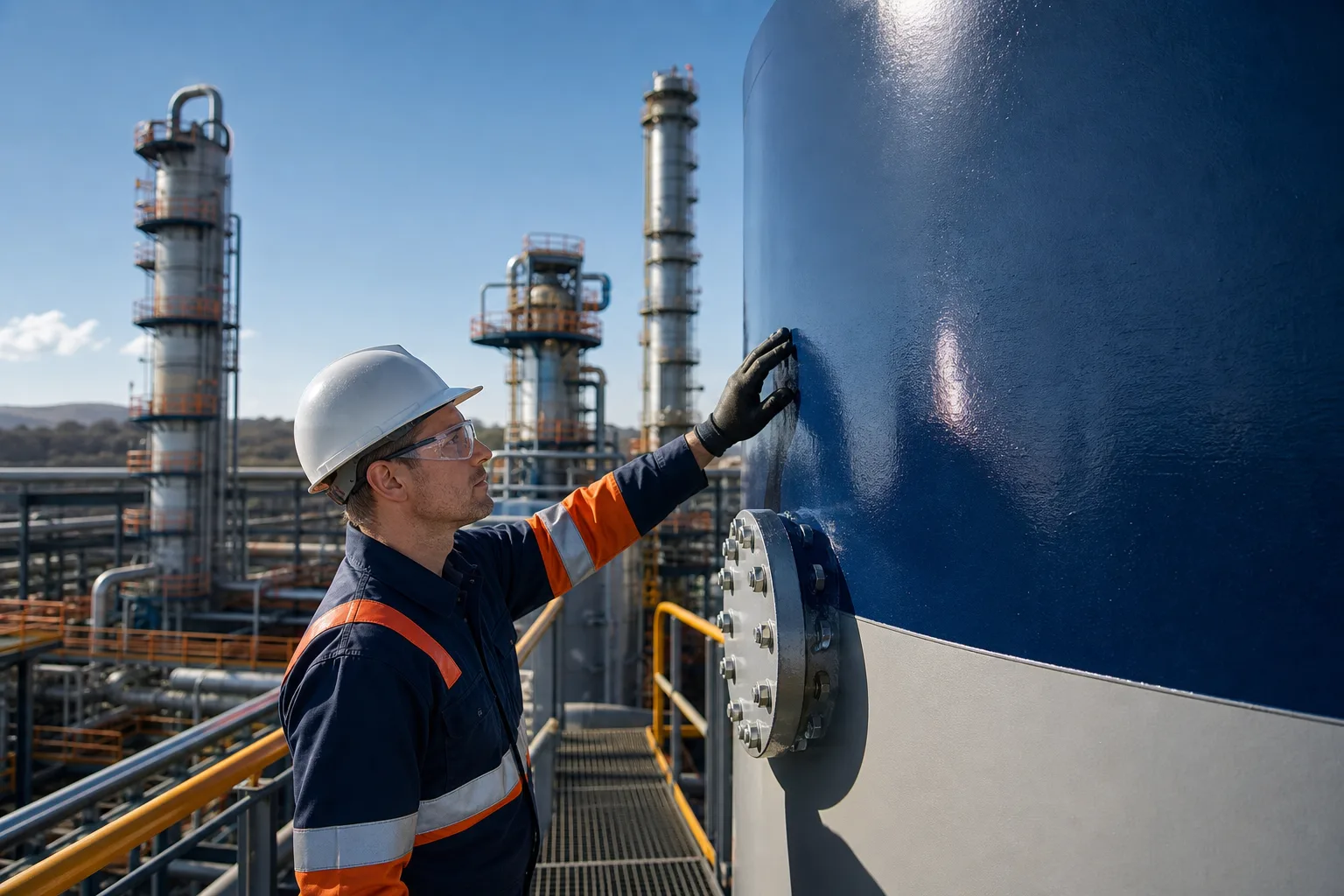
ZDS-FluidGlide
Systems for high-temperature repair, chemical-resistant lining, tanks, flues, sealing, and fluid-equipment coating.
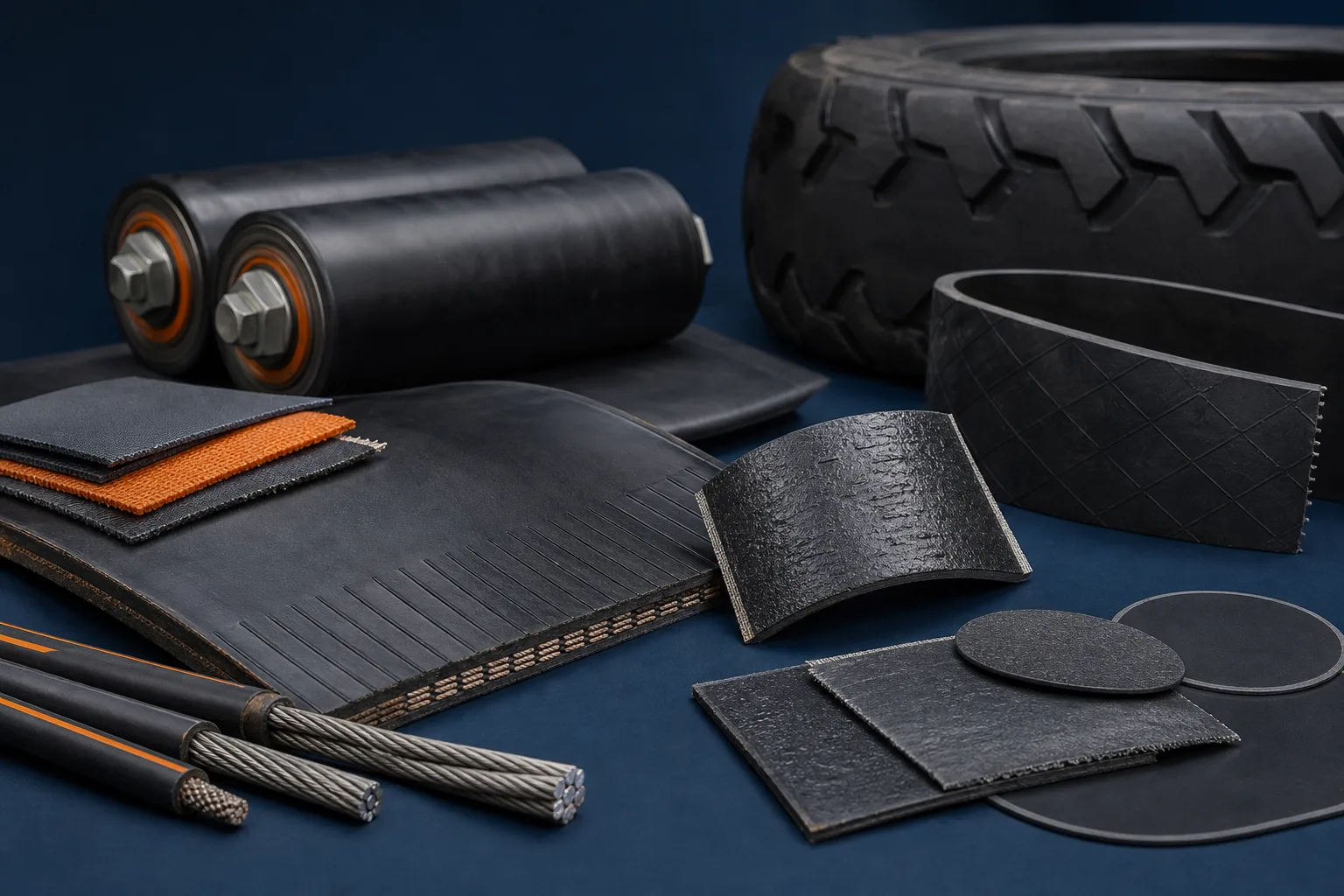
ZDS-RubberElast
Repair materials for conveyor belts, rubber linings, rollers, cables, tires, and other elastomer components.
Application Routes
Where These Terms Appear in Repair Decisions
Connect terminology to the equipment and working conditions. Application routes help distinguish sealing, rebuilding, reinforcement, barrier protection, wear protection, lining, and specialized curing requirements.
Pipe Leak Repair
Review leak paths, isolation, service conditions, and whether the project requires sealing or rebuilding.
Composite Pipe Reinforcement
Assess pipe geometry, defect dimensions, pressure, movement, loads, and installation access.
Chemical Corrosion Protection
Compare rebuilding, lining, and barrier protection against the defined chemical environment.
Abrasion and Erosion Protection
Separate sliding or cutting wear from fluid, slurry, gas, or particle-driven erosion.
Tank and Vessel Lining
Evaluate immersion, chemicals, temperature, film thickness, surface profile, and inspection access.
High-Temperature Repair
Account for operating, shutdown, startup, cleaning, upset, and temperature-cycling conditions.
Underwater Wet-Surface Repair
Review wet-surface preparation, underwater curing, immersion, contamination, water movement, and access.
Technical Evidence
Documents and Evidence to Request
Definitions do not replace technical documentation. Confirm preparation, application, curing, packaging, storage, and safety information for the selected material and define acceptance criteria before sample testing.
Technical Document Center
Request available product information, preparation requirements, application guidance, curing data, and safety documents.
Quality-Control Process
Review the company quality-control process when completing supplier qualification.
Sample-to-Bulk Workflow
Define acceptance criteria and interpret sample results against the actual substrate and service condition.
Selection Limits
Limitations When Using Repair Terminology
Provide equipment details, substrate information, damage measurements, service conditions, photos, and purchasing requirements. These details help determine whether a suitable product route is feasible.
A broad term such as wear, corrosion, or
epoxy does not identify a complete repair system.
Generic material names do not confirm
temperature, pressure, chemical resistance, cure time, adhesion, or service life.
Product selection can change when the
substrate is wet, contaminated, moving, under pressure, or exposed to immersion.
Repair design may require engineering
review for safety-critical, pressure-bearing, highly loaded, or difficult-to-isolate components.
Current product documentation and, where
appropriate, sample evaluation should confirm the final route.
Technical Support
Technical Support Behind the Product Taxonomy
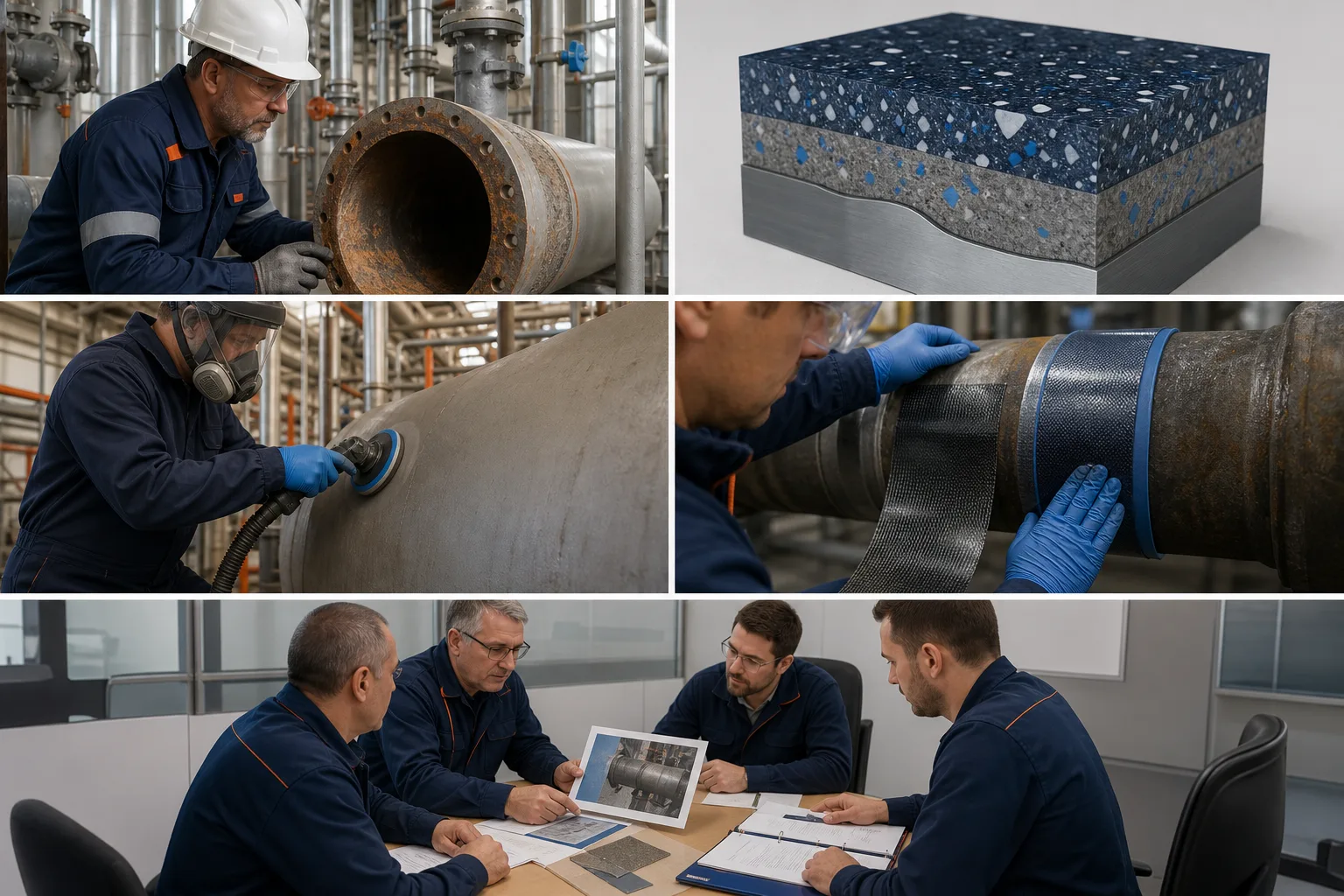
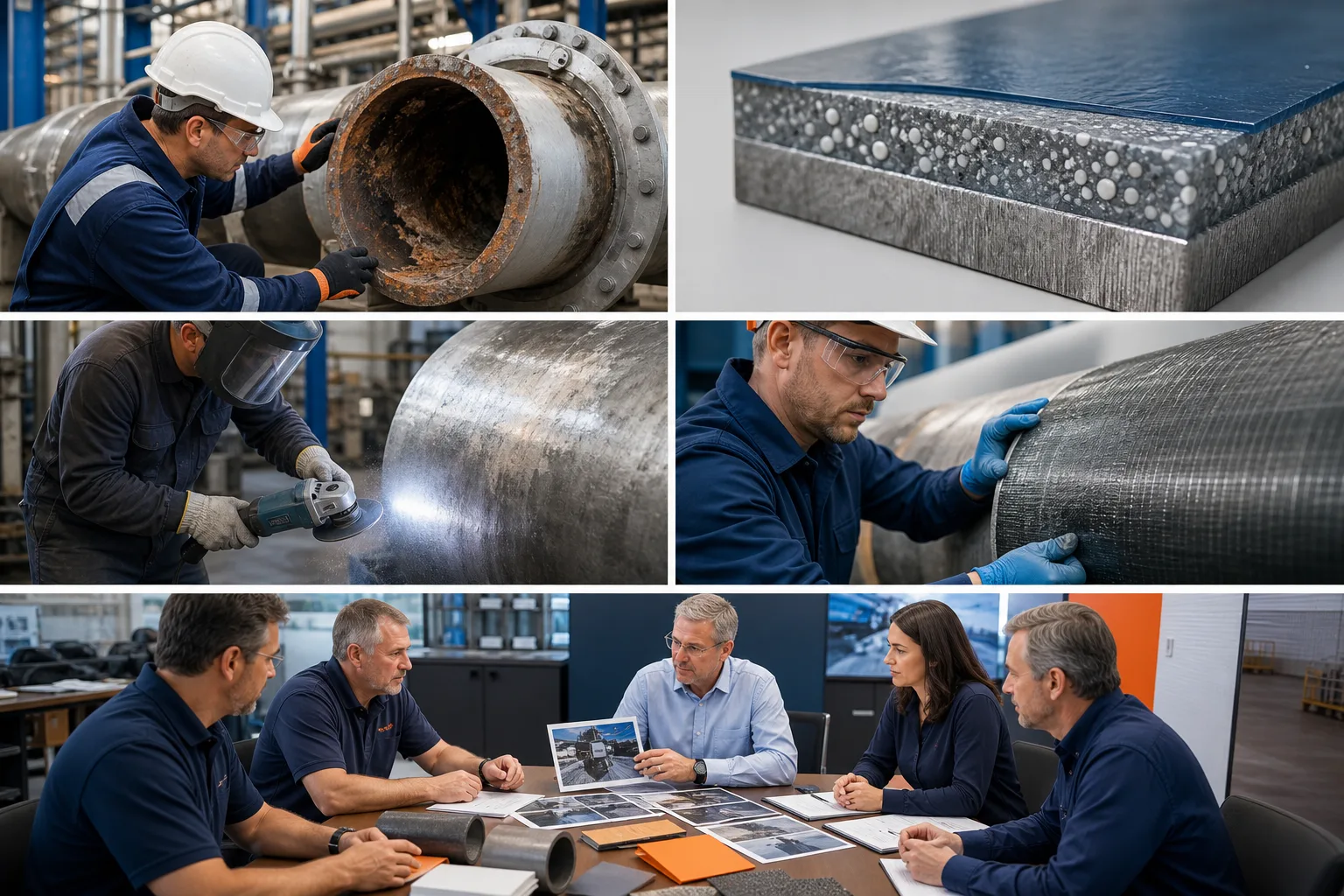
ZDSChem's seven-series structure helps buyers move from equipment and damage terminology to a repair category. A dedicated R&D team of 30 professionals supports formulation development, product improvement, and application-specific review. Final suitability depends on project information and current documentation.
Technical Inquiry
Turn a Repair Description Into a Product Shortlist
Share the substrate, equipment, damage mechanism, service conditions, preparation limits, and purchasing requirements. ZDSChem can use this information to identify a suitable category for technical and commercial evaluation.
FAQ
Frequently Asked Questions
An industrial repair material is a compound, coating, lining, wrap, or elastomer system used to restore, seal, bond, reinforce, or protect equipment. Selection depends on the substrate, damage mechanism, service condition, preparation method, and required repair function.
An epoxy composite coating is generally applied as a surface layer containing an epoxy matrix and fillers or reinforcement. An FRP wrap uses fiber reinforcement and resin in a layered structure around or across a component. The correct route depends on the repair geometry, loads, movement, access, and service conditions.
Start with the substrate, equipment, damage mechanism, operating temperature, pressure, chemical or water exposure, movement, preparation limits, and curing conditions. These details provide a more useful basis for selection than a general label such as epoxy, coating, wear, or corrosion.
Relevant documents can include a technical data sheet, safety data sheet, surface-preparation guidance, application instructions, curing information, packaging details, storage guidance, and quality records where applicable. The available document set should be confirmed for the selected product and market.
No. ISO 9001 and IATF 16949 are quality-management system certifications. They support the company quality and process-control framework but do not automatically certify an individual product’s performance, safety, compliance, or suitability for a particular application.
Yes. Buyers can provide the equipment, substrate, damage description, service conditions, preparation limits, photos, and purchasing requirements for technical discussion. ZDS can review application-specific requirements and determine whether a suitable product route is feasible; technical and commercial feasibility must be confirmed before development or supply.