
Repair Material Cost Guide
Repair material cost is only one part of an industrial repair budget. Distributors, MRO suppliers, repair contractors, maintenance teams, and procurement buyers should also compare quantity, packaging, freight, preparation, labor, downtime, and future maintenance.
Cost Scope
Start With the Cost You Need to Compare
Use the same cost view when comparing repair options. Material-only, installed, and total repair costs answer different purchasing questions and may include different commercial, execution, logistics, and operational assumptions.

Pricing Factors
Seven Factors That Shape Repair Material Cost
A comparable estimate should reflect the repair geometry, usable material, logistics, work method, operational constraints, and maintenance context. Each factor can change the quantity or total repair budget.
Material Quantity
Calculate from each zone's dimensions, defect depth, target build, edge conditions, access, and expected application loss.
Packaging
Compare usable quantity, packs required, likely leftovers, handling needs, and confirmed destination-specific presentation.
Transportation
Separate product value from freight, insurance, duties, and taxes while accounting for destination, urgency, route, and documents.
Surface Preparation
Allow for cleaning, removal, roughening, drying, degreasing, edge work, contamination, existing coatings, and restricted access.
Application and Labor
Assess access, tools, mixing, placement, worker time, inspection, site conditions, and the return-to-service sequence.
Downtime and Access
Include isolation, shutdown, preparation, application, the documented process, inspection, and operational impact.
Lifecycle Planning
Use service history and current documentation to compare inspection, recurring damage, maintenance, access, and replacement needs.
Cost Comparison
Use a Comparable Cost Structure
Ask each supplier to describe the same cost elements. This avoids comparing a material-only figure with an installed project estimate and gives procurement teams a clearer basis for reviewing assumptions.
Material
Identify product series, quantity, packs, and terms using dimensions, target build, expected loss, and order quantity.
Preparation
Identify cleaning, removal, roughening, drying, primers, and support materials from substrate and access details.
Execution
Identify labor, tools, application, inspection, and return-to-service needs from the method, location, crew, and work window.
Logistics
Identify freight, documents, destination requirements, and delivery assumptions from shipment size, urgency, and labels.
Lifecycle
Identify inspection, repeat maintenance, future access, and replacement factors from service history and failure consequences.
Product Categories
How Product Category Changes the Cost Calculation
The repair route changes the material list, preparation, quantity calculation, and quote inputs. ZDSChem has seven primary industrial repair material series, with Surface Preparation Products as a supporting category.

ZDS-MetalRebuild
For metal rebuilding, cold repair, restoration, leak sealing, and bonding; assess substrate, depth, area, geometry, and access.
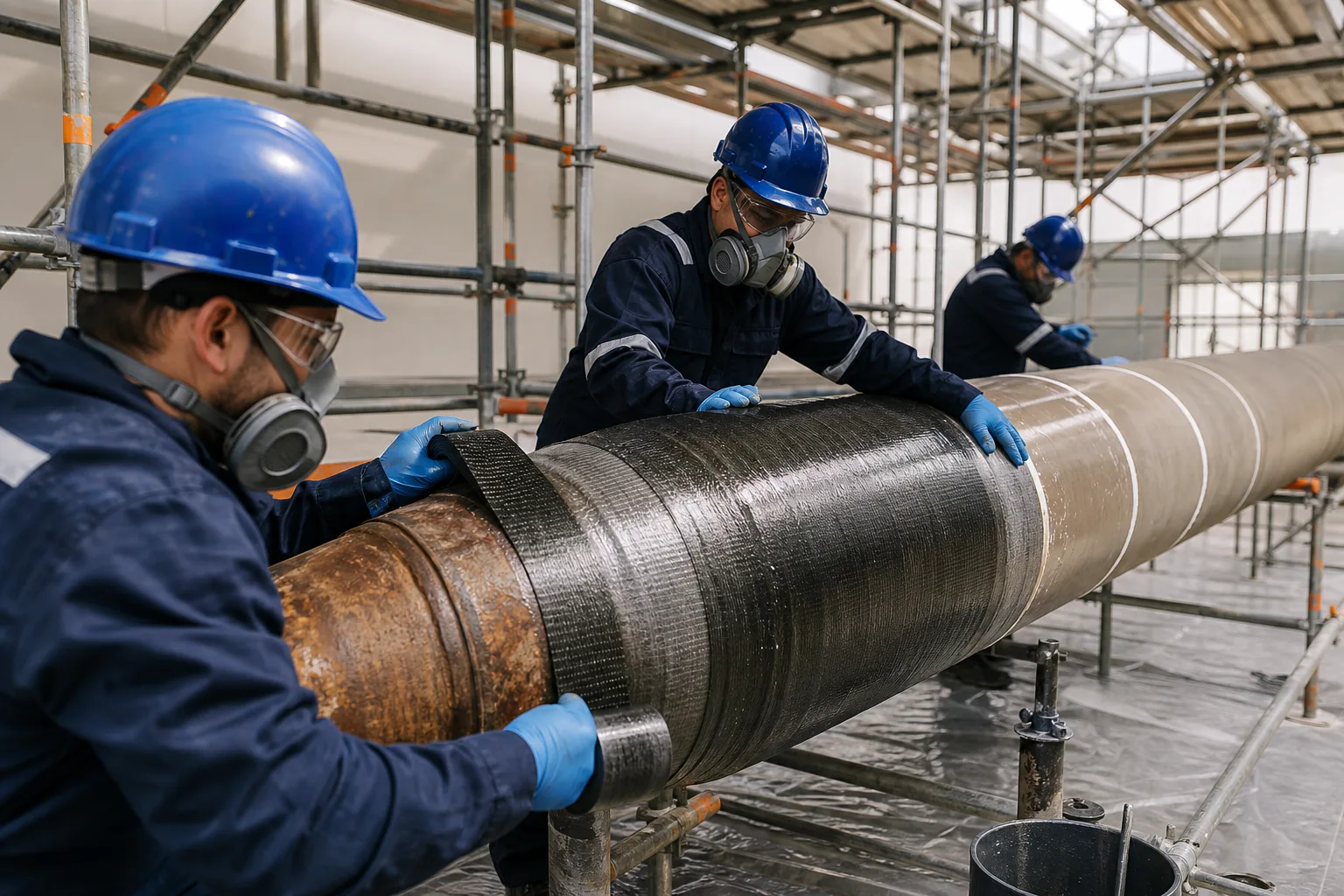
ZDS-CompositeWrap
For pipe reinforcement, FRP repair, and laminating; identify pipe dimensions, repair length, substrate, service, and scope.

ZDS-CeramicArmor
For wear, erosion, cavitation, and equipment damage; assess area, wear pattern, loading, substrate, and preparation access.

ZDS-AquaShield
For underwater, wet-surface, marine, and emergency repairs; clarify moisture, immersion, access, isolation, urgency, and method.
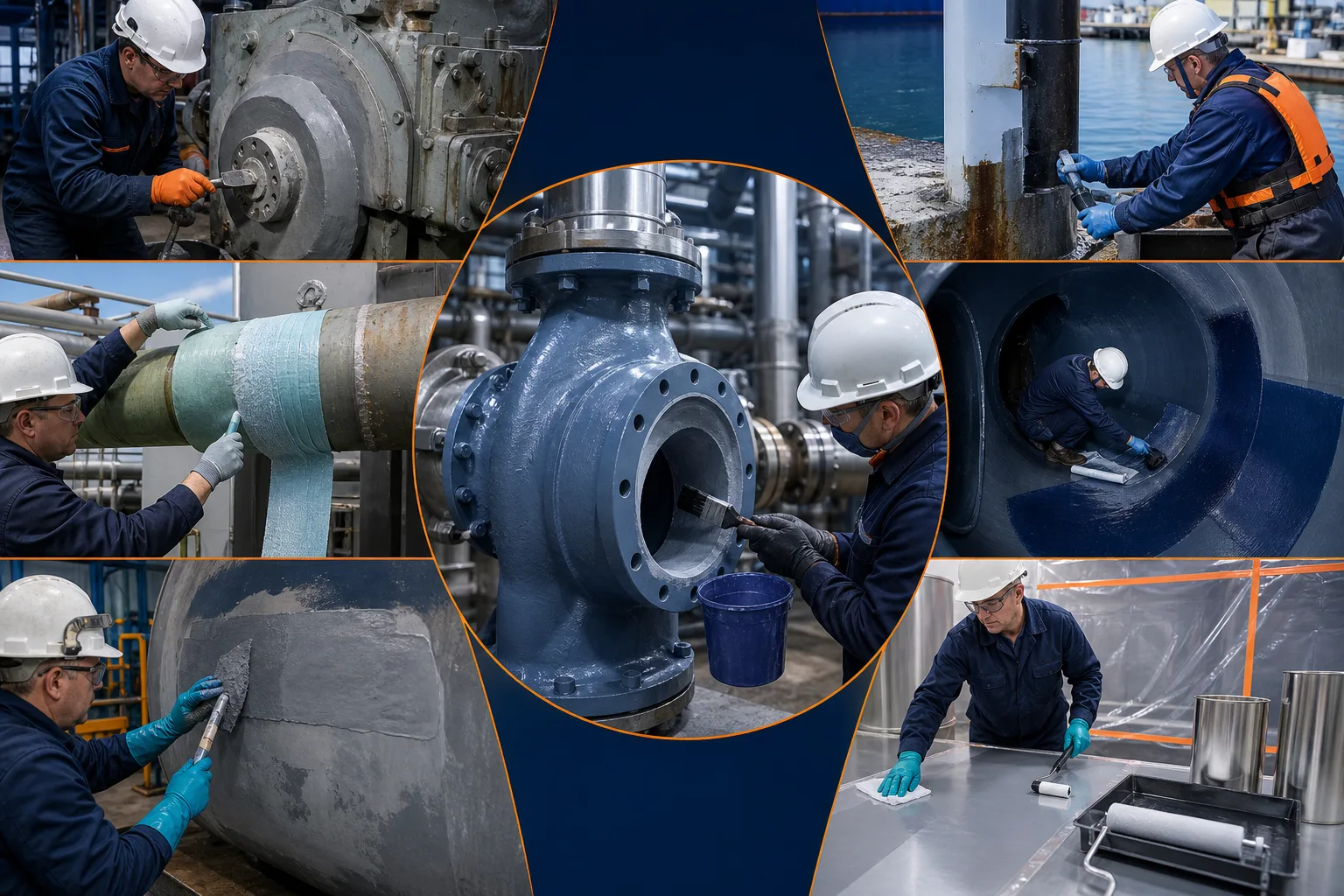
ZDS-FluidGlide
For heat, chemical, tank, flue, sealing, and fluid-equipment systems; define temperature, media, area, preparation, and access.
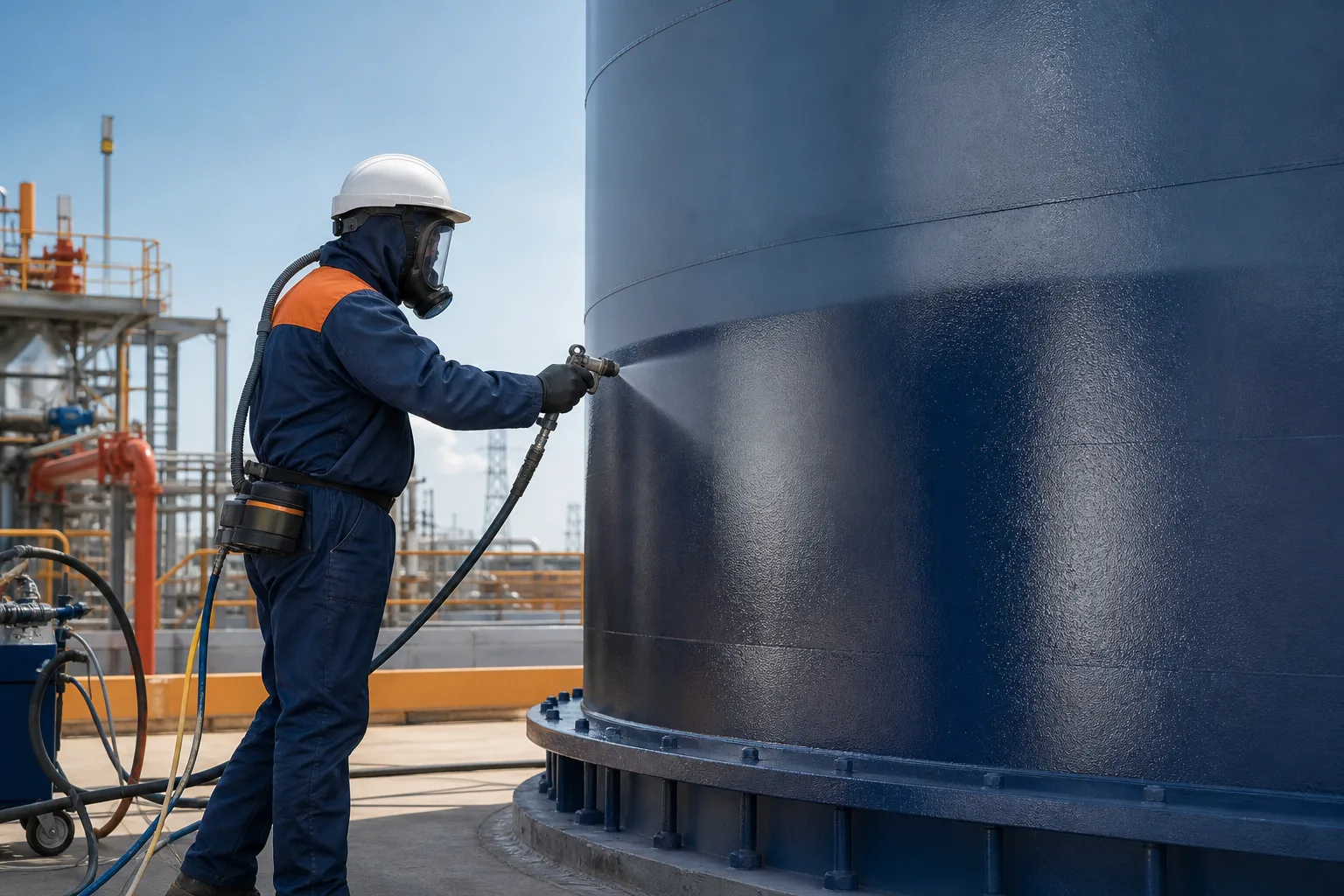
ZDS-PolyAspartic
For UV-resistant, weather-stable outdoor topcoats; include area, substrate or coating, preparation, conditions, and environment.

ZDS-RubberElast
For belts, rubber linings, rollers, cables, tires, and elastomers; define flexing, wear, substrate, geometry, and access.

Selection Routes
Narrow the Product Shortlist
When the product route is not yet defined, buyers can review the wider portfolio and narrow the shortlist by equipment or by the service conditions affecting the repair.
Buyer Priorities
Cost Questions by Buyer Type
Different buyers need different cost inputs. Channel buyers may prioritize landed cost and replenishment, while project teams need repair geometry, work methods, access, labor, and shutdown assumptions.
Distributors and Importers
Review landed cost, assortment, packs, documents, samples, regional fit, initial stocking, and repeat supply.
MRO Suppliers
Compare common repair categories, documentation, stock depth, replenishment, and the cost of serving different scenarios.
Repair Contractors
Estimate from equipment condition, substrate, damage, service, access, method, quantity, and the available repair window.
Maintenance Teams
Connect the material estimate with equipment condition, isolation, shutdown planning, and return-to-service objectives.
Repair Alternatives
Compare Repair With Replacement or Welding
Compare repair routes on total cost rather than the first invoice. Consider feasibility, safety controls, access, preparation, isolation, outage duration, labor, documentation, and future maintenance.
BEFORE

Repair or Replacement
Use a wider decision framework to compare repair feasibility, outage planning, cost, and future maintenance.
AFTER
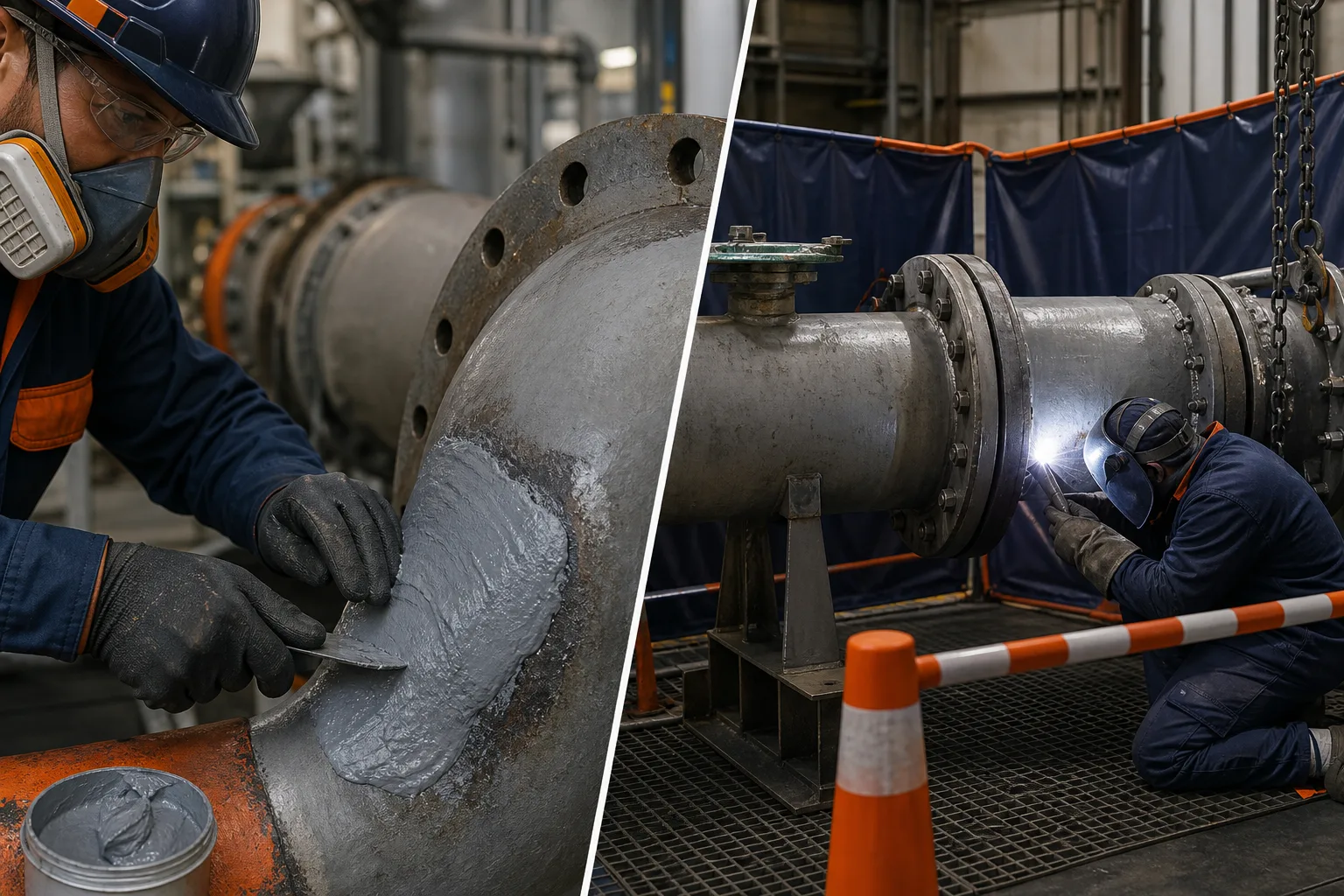
Metal Epoxy or Welding
Organize the comparison around heat input, access, preparation, work controls, and the intended repair condition.
Purchase Evaluation
Documents and Sample Evaluation Before Bulk Purchase
Procurement and technical teams should review the documents needed for product and purchasing-route assessment. Where appropriate, evaluate a sample on the actual substrate and service condition.
01
Technical Data Sheets
Review stated product application information and relevant technical requirements.
02
Safety Data Sheets
Review available product handling and safety information before evaluation or use.
03
Application Guides
Review available preparation and application instructions for the selected repair route.
04
Document Center
Use the technical document center as a structured starting point for document requests.
05
Request a Sample
Request an evaluation sample when assessment on the actual substrate and service condition is appropriate.
06
Sample-to-Bulk Workflow
Connect sample information with initial stocking and repeat-supply planning for channel purchases.
ZDSChem Support
How ZDSChem Supports Cost Evaluation
ZDSChem connects product selection, technical documents, sample evaluation, project quotation, and supply planning so buyers can compare options by equipment, substrate, damage, and service condition.

Project Inquiry
Turn the Repair Scope Into a Comparable Quote
Send the available equipment details, damage dimensions, service conditions, quantity, destination, and timing. ZDSChem can use the information to identify the relevant product route and prepare the next commercial discussion.
FAQ
Frequently Asked Questions
Material cost normally covers the selected product quantity and pack configuration under the quoted commercial terms. A complete repair budget may also include surface preparation, application labor, freight, downtime, documentation, and future maintenance.
Common factors include a larger or deeper repair area, difficult access, additional preparation, special service conditions, urgent transportation, lower pack utilization, longer shutdown requirements, and recurring maintenance needs.
A project quote can be prepared after the product category, repair dimensions, service conditions, quantity, destination, packaging needs, and timing are supplied. Exact pricing and supply terms require current technical and commercial review.
Yes. The comparison should include technical feasibility, preparation, safety controls, access, labor, outage duration, documentation, and future maintenance rather than only the initial material invoice.
Buyers may need a technical data sheet, safety data sheet, application guidance, pack information, quotation terms, and any project-specific documents required for evaluation. ISO 9001 and IATF 16949 describe quality-management systems; they do not certify the performance of an individual repair product.
Customer-specific formulation and packaging requirements can be evaluated conditionally. The technical team needs application, specification, expected volume, target-market, and commercial information before technical and commercial feasibility can be confirmed.