
Equipment Repair vs. Replacement
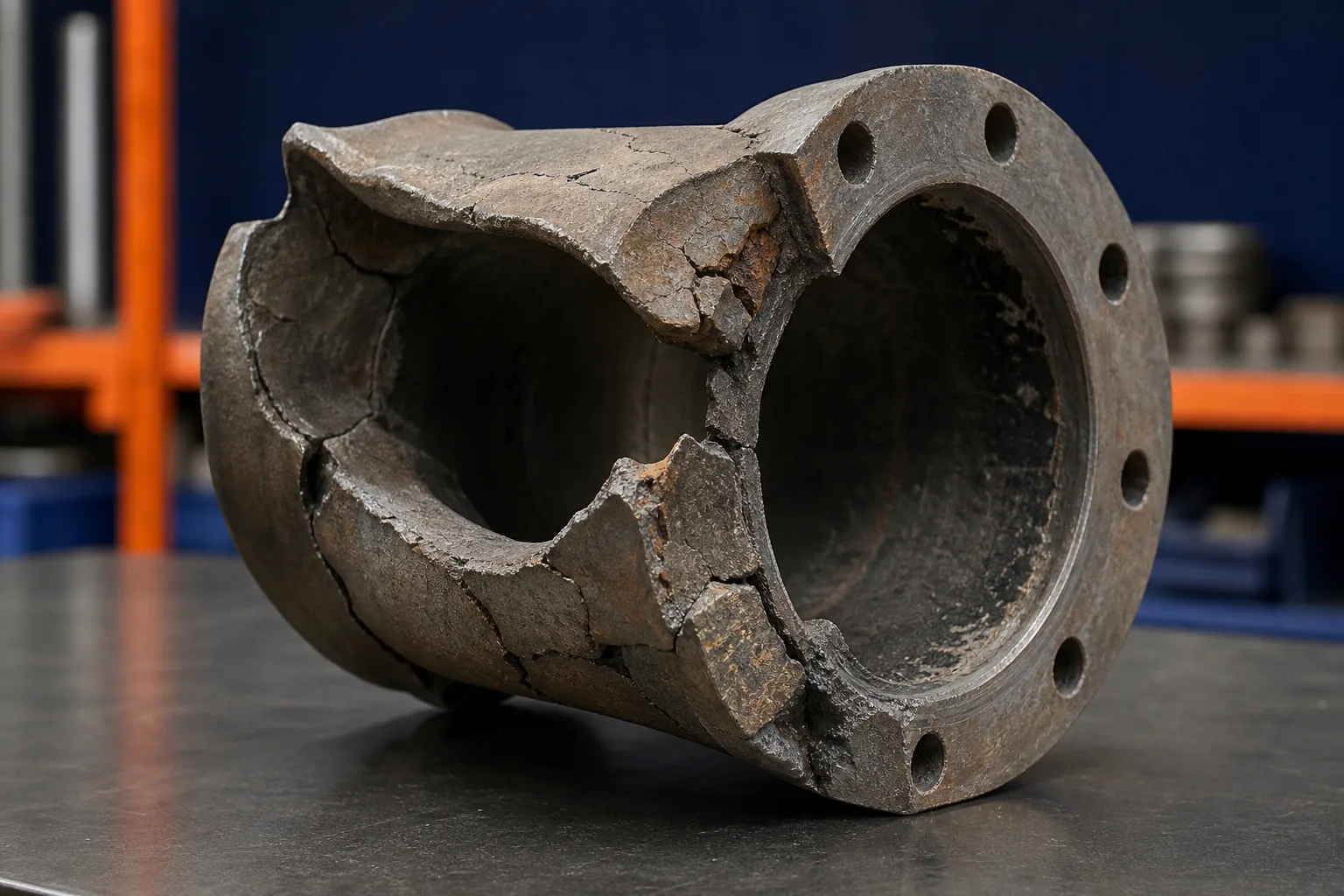
Repair is usually practical when damage is localized, the remaining equipment is structurally sound, the affected area is accessible, and a suitable repair system can meet the required service conditions. Replacement becomes more appropriate when deterioration is widespread, the base structure has lost integrity, inspection is not possible, or the consequence of repair failure is unacceptable. Maintenance engineers, repair contractors, reliability teams, and procurement buyers should compare equipment condition, downtime, total project cost, access, risk, expected service life, and repair feasibility before requesting a technical recommendation.
Equipment Condition
Start With the Equipment Condition
Begin with the actual damage, not the availability of a repair material. Identify the damage mechanism, its extent, and the condition of the remaining substrate before comparing repair with replacement.
Localized Damage
Often supports a focused repair assessment when sound material remains around the affected area.
Widespread Deterioration
Can make replacement or major refurbishment more practical.
Movement or Distortion
Investigate loading, alignment, vibration, and thermal movement before selecting a material.
Repeated Failure
May indicate that the underlying mechanical, chemical, or operating cause remains unresolved.
Unknown Substrate Condition
Requires additional inspection before relying on a bonded repair or protective lining.
Route Comparison
Compare Repair and Replacement Across the Full Project
Compare both routes across the complete project rather than focusing on material availability or component price. The decision must reflect condition, shutdown work, access, cost, risk, and the required service objective.
Equipment Condition
Repair suits defined damage with adequate remaining support. Replacement suits extensive damage, uncertain integrity, or impractical restoration.
Shutdown
Repair may reduce removal and installation work but still needs preparation and cure time. Replacement can require fabrication and commissioning.
Access
Repair needs access for preparation, application, and inspection. Replacement needs access for lifting, dismantling, removal, and installation.
Total Cost
Repair includes inspection, labor, access, curing, and monitoring. Replacement includes equipment, logistics, installation, and production loss.
Risk
Repair risk depends on damage and application control. Replacement removes damaged material but adds installation and commissioning risks.
Service Objective
Repair may support stabilization, life extension, restoration, or protection. Replacement applies when restoration cannot meet duty or risk criteria.
Downtime and Access
Downtime and Accessibility Can Change the Decision
Replacement time includes more than component lead time. Repair may avoid removal and installation stages, but it still requires a controlled application window and enough time to reach the condition required for service.
01
Account for shutdown preparation, process
isolation, decontamination, dismantling, lifting, transport, installation, alignment, inspection, and restart.
02
Confirm that equipment can be isolated
drained, cleaned, and made safe for work.
03
Define the time available for inspection
preparation, application, curing, and return to service.
04
Confirm whether temperature, moisture
ventilation, and contamination can be controlled.
05
Verify access to the entire damaged area
including its boundaries.
06
Determine whether the completed repair can
be inspected before startup.
07
Clarify whether a temporary repair is
acceptable or a planned long-term solution is required.
08
Do not select a material until the
complete procedure can be performed at the actual worksite.
Total Project Cost
Compare Total Cost, Not Material Price Alone
The lowest initial price is not always the lowest total cost. Compare both routes over the required service period and distinguish emergency work that enables a planned outage from restoration intended for continued operation.
For repair, include inspection
engineering input, access equipment, preparation, labor, application controls, shutdown loss, verification, monitoring, and future replacement.
For replacement, include procurement
fabrication or adaptation, freight, removal, installation, commissioning, production loss, and schedule uncertainty.
Exact life and cost outcomes depend on the
equipment and duty.
ZDSChem does not assign a universal
savings percentage or service-life claim to industrial repair materials.
Risk and Service Life
Review Risk and Expected Service Life Separately
Risk combines failure probability and consequences. Define expected life as a service objective, not an unsupported promise. Site procedures, regulations, engineering codes, and inspection requirements take priority.
Structural Section Loss
Extensive or continuing loss of structural section increases the case for replacement.
Unexplained Damage
Cracking, deformation, or movement must be explained before relying on a repair.
Insufficient Work Access
Replacement may be necessary when the area cannot be isolated, prepared, repaired, or inspected correctly.
Unsupported Service Conditions
Do not use a proposed material outside its documented service range.
Unmanageable Consequences
Replacement is favored when the repair design cannot manage the consequences of failure.
Prohibited Repair
Do not proceed where engineering rules, owner requirements, or local regulations prohibit the repair.
Repair Material Fit
Where Industrial Repair Materials Can Fit
When repair is technically acceptable, select the material category according to substrate, damage mechanism, geometry, and operating environment. ZDSChem has seven distinct industrial repair product series.
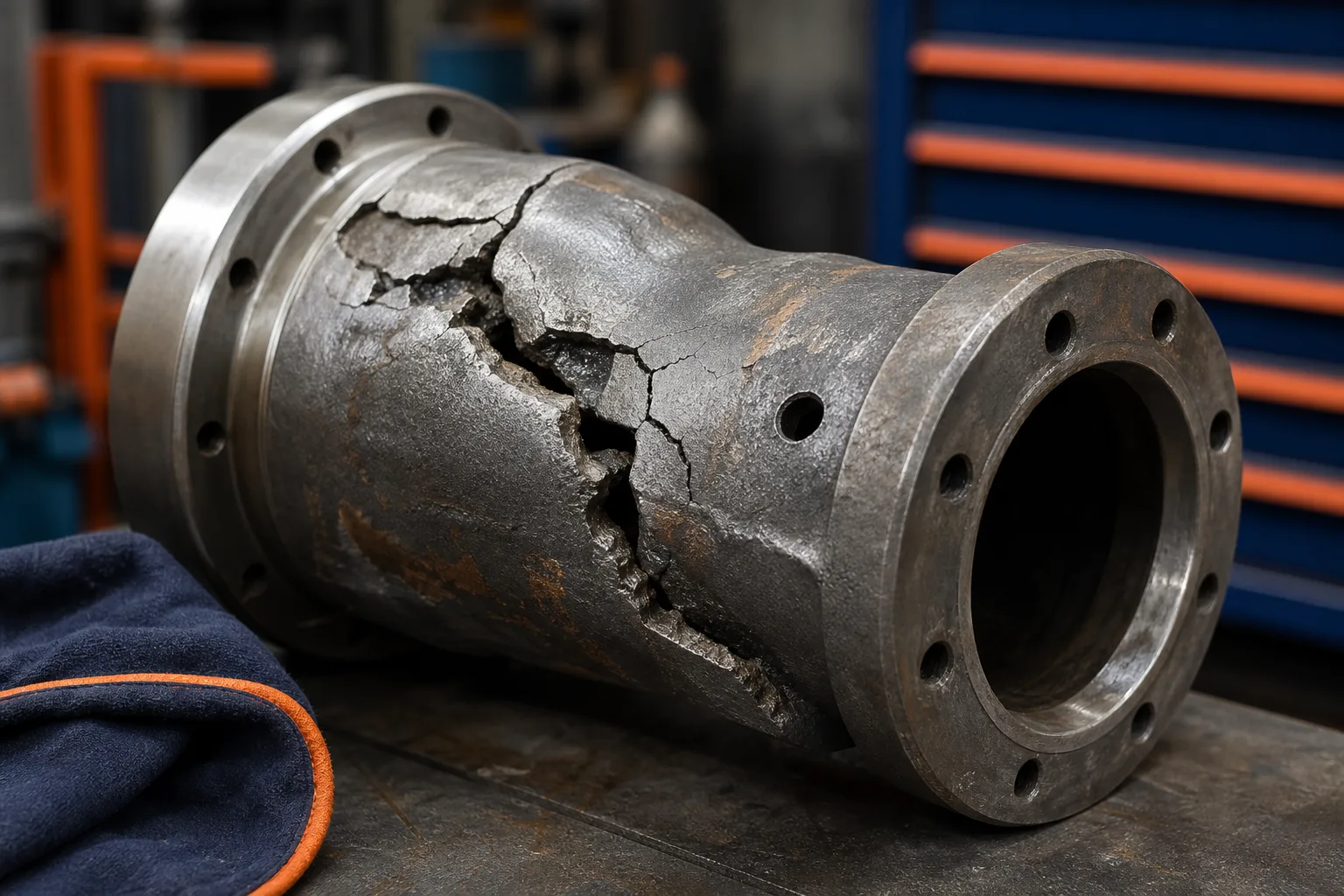
Metal Restoration
For rebuilding, cold repair, dimensional restoration, leak sealing, and bonding after reviewing metal, load, geometry, and exposure.
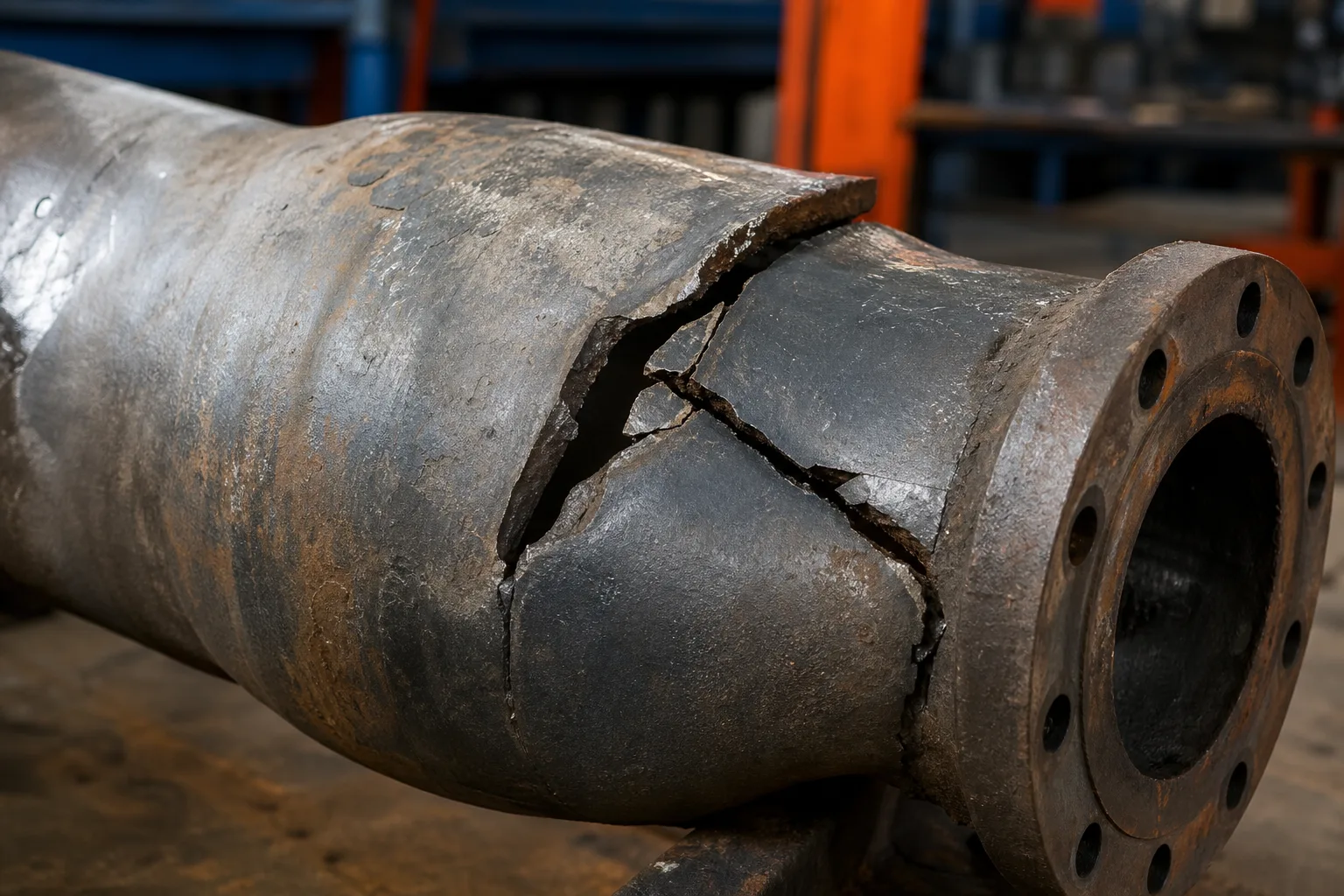
Pipe Reinforcement
For composite reinforcement, FRP repair, and laminating after defining defects, duty, repair design, and engineering requirements.
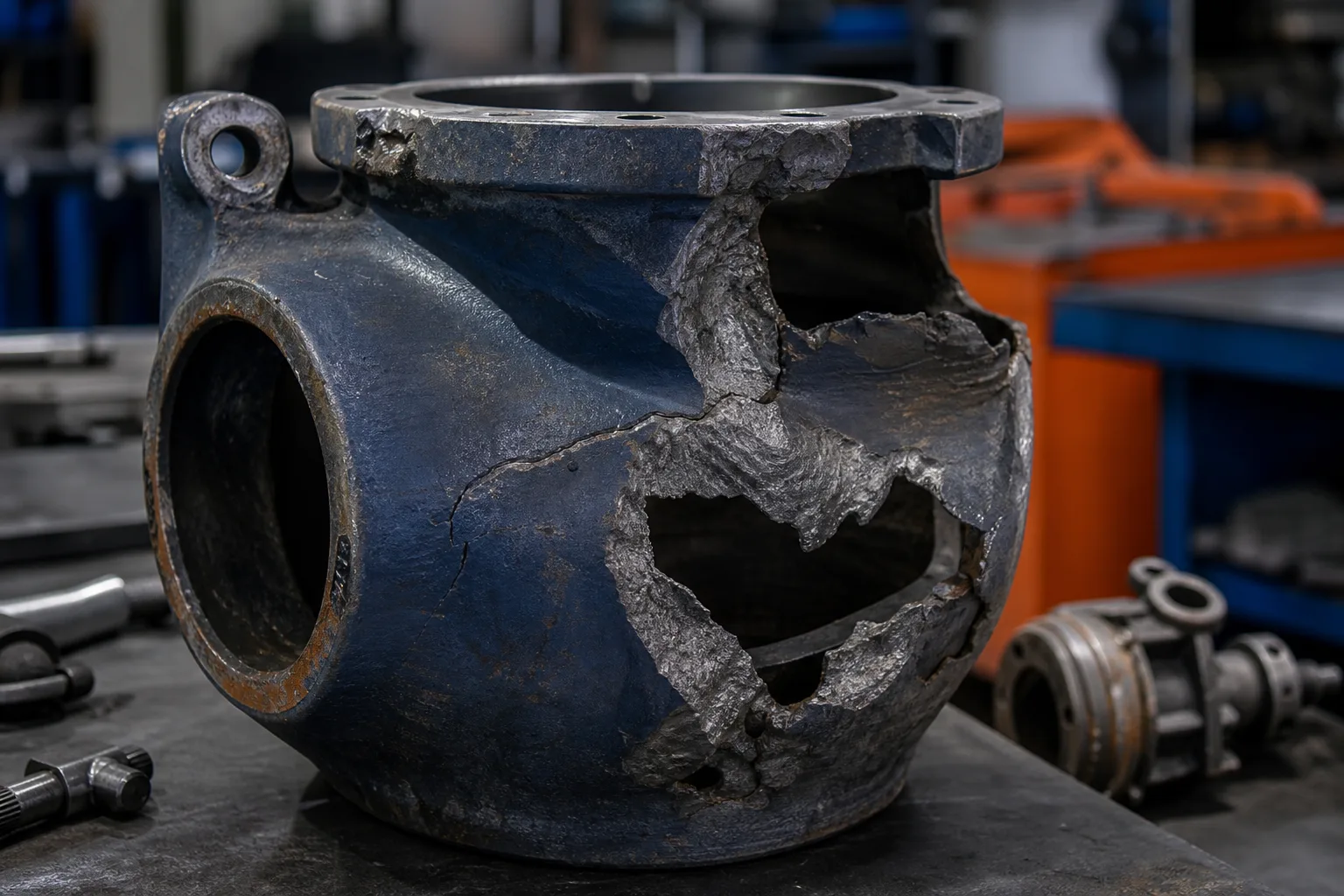
Wear and Erosion
For wear, erosion, cavitation, and equipment protection after assessing particles, flow, impact, abrasion, substrate, and material loss.
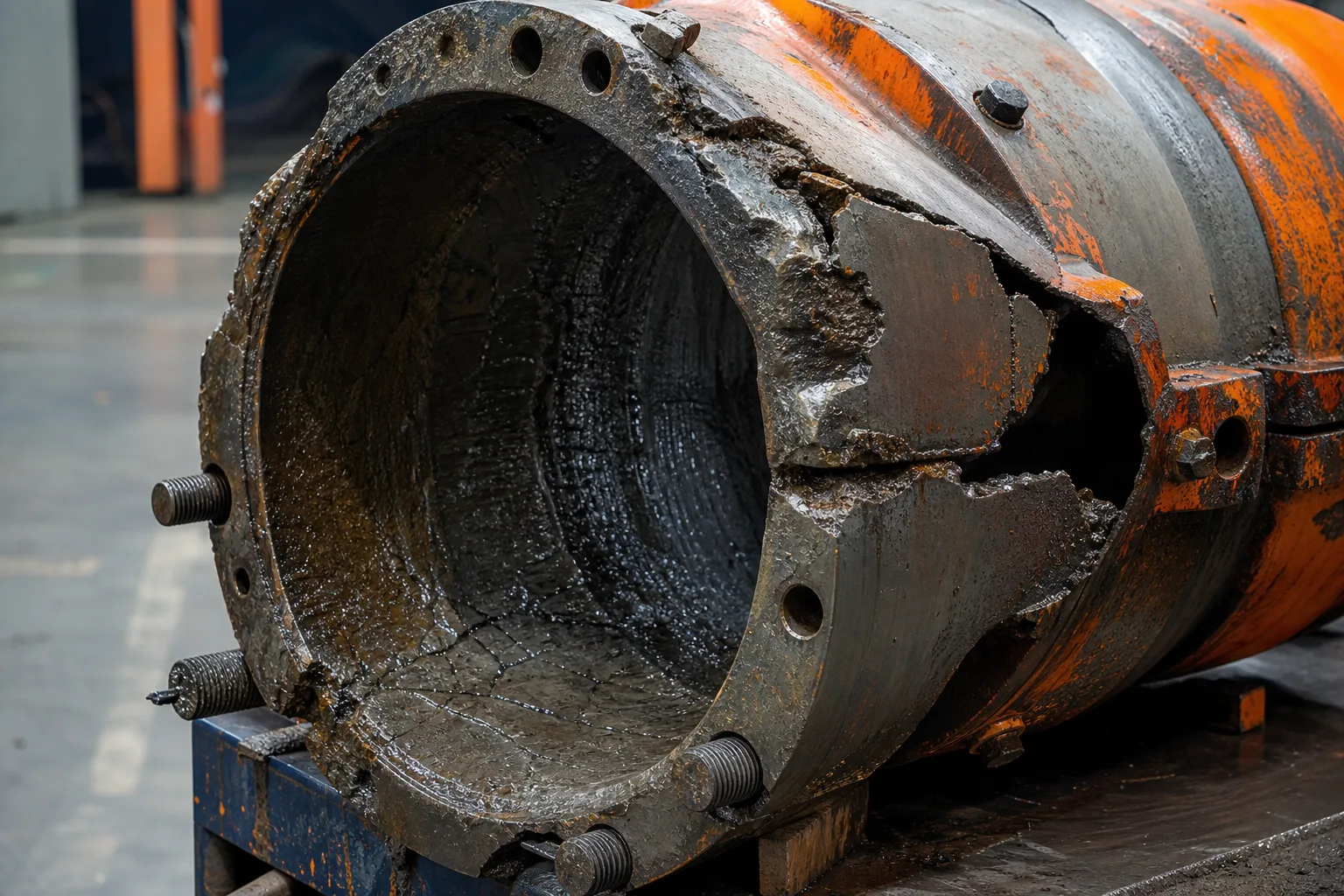
Wet and Underwater Work
For wet-surface, underwater-curing, marine, and emergency work after reviewing water, contamination, access, preparation, and duty.
Demanding Process Exposure
For repair, lining, sealing, and coating routes after documenting chemicals, concentration, temperature cycles, immersion, flow, and substrate.
Project Assessment
Prepare the Project for Professional Assessment
A useful assessment needs more than an equipment name and photograph. Clear data helps distinguish a feasible material route from a repair needing engineering design or a condition requiring replacement or further inspection.
Equipment and Function
Identify the component, substrate, geometry, dimensions, and role in the process.
Damage Records
Provide damage type, location, extent, measured loss, likely cause, previous repairs, and inspection findings.
Service Conditions
Include temperatures, applicable pressure, chemicals, moisture, abrasion, vibration, movement, and exposure cycles.
Site Constraints
State the shutdown window, access, preparation method, environmental controls, and inspection options.
Service Objective
Clarify whether the need is emergency stabilization, planned life extension, restoration, or protective improvement.
Governing Requirements
Include owner specifications, standards, regulatory constraints, documentation needs, and acceptance criteria.
ZDSChem Support
How ZDSChem Supports Material Selection
ZDSChem organizes selection around equipment, substrate, damage, and service condition. Seven distinct product series cover metal rebuilding, reinforcement, wear, wet-surface work, process exposure, outdoor coatings, and elastomer repair.
Decision Limits
Limits of a Material-Based Repair Decision
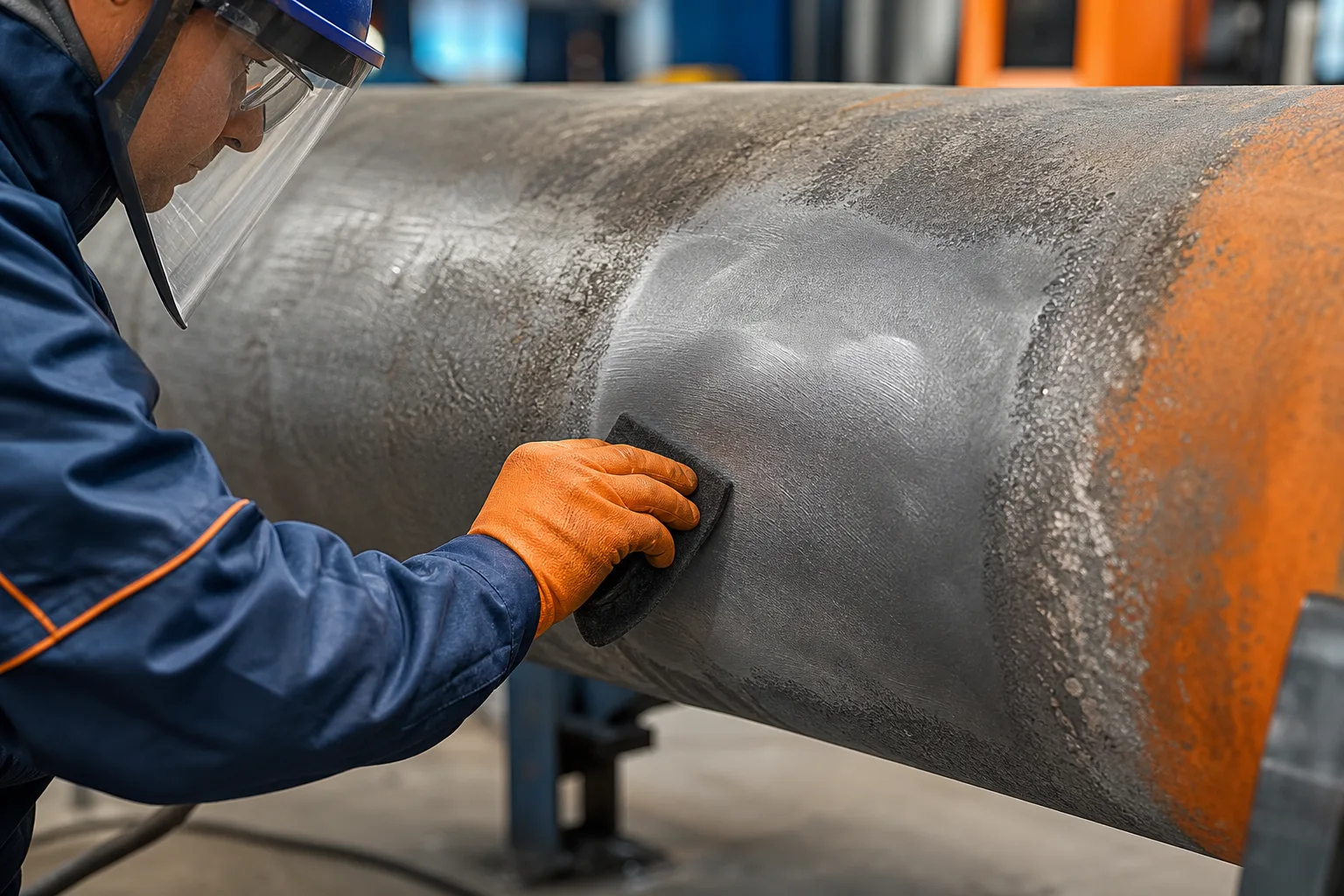
This guidance is a screening framework, not engineering approval. Repair materials cannot restore every component, correct an unknown failure mechanism, or compensate for inadequate surface preparation.
Pressure systems, structural components
hazardous service, severe cracking, active movement, and uncertain remaining strength may require specialist inspection, calculation, testing, or replacement.
Final feasibility depends on actual
equipment information and current product documentation.
Do not assume working time, cure schedule
temperature range, pressure capability, chemical resistance, application thickness, or expected service life across product categories.
Technical Review
Submit the Repair Conditions for Review
Provide equipment details, damage records, service conditions, photographs, dimensions, shutdown constraints, and the intended service objective. ZDSChem can identify a relevant product series or indicate where more assessment is needed.
Get a Product Recommendation
Submit the operating conditions and repair objective for a material-category review.
FAQ
Frequently Asked Questions
Repair is generally more practical when damage is localized, enough sound substrate remains, the work area can be prepared and inspected, and the proposed method can meet the documented service objective. Downtime, access, total cost, failure consequences, and applicable engineering requirements must also support the repair route.
Provide the equipment type, substrate, dimensions, damage mechanism, defect extent, inspection findings, service temperature, pressure where applicable, chemical exposure, abrasion, vibration, shutdown window, access conditions, previous repairs, photographs, and required service objective. Owner specifications and regulatory requirements should also be identified.
No universal service-life comparison can be made. The outcome is affected by remaining equipment condition, repair design, material selection, surface preparation, application control, operating duty, inspection, and the original cause of damage. Expected life should be defined and assessed for the specific project rather than assumed from the material category.
Some projects may offer a shorter shutdown route, but the equipment must still be made safe for inspection and application. Isolation, cleaning, temperature, moisture, access, curing, and inspection requirements determine what is feasible. Work on active pressure, hazardous service, or unsafe equipment should not proceed based only on general repair guidance.
No. A product recommendation helps identify a potentially relevant material category based on supplied project information. It does not replace structural calculations, pressure-system assessment, statutory inspection, site approval, or the judgment of an appropriately qualified engineer where those controls apply.
Customer-specific formulation requirements can be submitted for technical and commercial feasibility review. The assessment considers the application, performance targets, expected volume, target market, documentation, and purchasing requirements. Submission does not guarantee development, sample approval, or final performance.