
Metal Epoxy vs. Welding: Which Repair Route Fits?
Metal epoxy and welding are not interchangeable repair methods. Metal epoxy is a cold-curing route for selected rebuilding, sealing, bonding, and dimensional-restoration tasks. Welding creates a fused metal joint through heat. The right choice depends on the failure mechanism, structural role, substrate, hot-work controls, service conditions, access, and required evidence. This guide supports distributors, repair contractors, maintenance engineers, and procurement teams making an initial comparison before product selection or engineering approval.
Initial Comparison
Metal Epoxy vs. Welding: The Short Answer
Metal epoxy is worth screening when hot work is restricted, the repair is localized, the substrate can be properly prepared, and the material can meet documented service requirements. Welding is generally more established when the repair requires metal fusion, a qualified procedure, code compliance, or restoration of a safety-critical load path.
Choose a cold-repair evaluation route for
selected surface rebuilding, dimensional restoration, leak sealing, or bonding tasks where heat, sparks, or access create constraints.
Prioritize welding or an engineered
metal-repair procedure when the joint is highly loaded, code-controlled, safety-critical, or requires replacement of missing metal through fusion.
Do not select by product name alone
Review the substrate, damage mechanism, temperature, chemicals, pressure, immersion, vibration, abrasion, and return-to-service requirements.
Compare the repair route with replacement
planned shutdown work, inspection requirements, and the consequence of failure using a practical repair-versus-replacement framework.
Method Comparison
How the Two Repair Methods Differ
The comparison below provides a starting point. It does not replace a weld procedure, engineering assessment, or product-specific review against current technical documentation.
Heat And Hot Work
Metal epoxy uses a cold-curing route where heat or sparks are restricted; cure and isolation still apply. Welding uses localized heat and may affect coatings, components, distortion control, and enclosed-area controls.
Load Path
Metal epoxy supports selected rebuilding, sealing, or bonding within documented limits, but is not an automatic substitute for a qualified structural weld. Welding creates a fused joint when design and controls are appropriate.
Substrate Condition
Metal epoxy requires a compatible, clean, adequately prepared surface. Welding requires a weldable substrate, suitable joint preparation, compatible filler, procedure controls, and heat-affected-area management.
Preparation
Metal epoxy depends on cleaning and surface profile for adhesion, following product documentation. Welding may require fit-up, preheat or interpass controls, welding, and inspection.
Downtime And Access
Metal epoxy may simplify work where hot-work equipment is difficult to use, but cure, access, isolation, and return-to-service conditions remain important. Welding may add hot-work and shutdown constraints.
Service Environment
Metal epoxy selection must address temperature, chemicals, pressure, immersion, abrasion, vibration, and weathering. Welding selection must address metallurgy, corrosion, residual stress, thermal effects, and inspection.
Evidence And Control
Metal epoxy buyers need current technical data, safety information, application guidance, and an evaluation method. Welding projects may require approved procedures, welder qualifications, and inspection records.
Cold Repair
When Metal Epoxy Is Worth Screening
A metal epoxy route can be practical when the objective is to restore a localized surface or fit rather than reproduce an entire fabricated metal component. The repair still needs a sound substrate, controlled preparation, and a service-condition review.
Localized Metal Rebuilding
Consider selected corrosion loss, worn fits, damaged housings, and dimensional restoration with a suitable metal rebuilding material.
Sealing And Fit Restoration
A bonded repair may restore a flange face, housing, or localized interface when pressure, load, and service conditions fit the documented range.
Cold Repair In Access-Limited Areas
Cold repair provides a route for screening where flame, sparks, or heat cannot be introduced safely. Isolation, cleaning, profile control, cure protection, and inspection may still apply.
Repair Boundaries
When Welding or Another Engineered Repair May Be Required
Metal epoxy is not a universal replacement for welding. A different repair route may be necessary when the failure affects a safety-critical load path, a regulated pressure boundary, or a component whose geometry and metallurgy require fusion or metal replacement.
A through-crack, fracture, severe section
loss, or unstable deformation may require engineering disposition before any bonded repair is considered.
Code-controlled equipment may require a
qualified welding procedure, inspection plan, or other documented repair method.
Service temperatures, chemicals, pressure
cycles, vibration, or immersion outside the product documentation can rule out a particular metal epoxy.
Severely contaminated, inaccessible, or
continuously wet surfaces may prevent the preparation needed for reliable adhesion unless a product is specifically intended for that condition.
Where hot work is permitted and a
qualified welding route is available, welding may provide the more suitable method for restoring a fused metal section.
For repairs involving elevated
temperature, review a dedicated high-temperature repair route rather than assuming that a general metal epoxy is suitable.
Selection Factors
Factors That Affect Repair Material Selection
Review the failure, substrate, service conditions, work sequence, and required evidence before purchasing material or scheduling site work.
01
Hot-work restrictions and site controls
Identify whether the area permits flame, sparks, electrical welding equipment, heat input, or temporary removal of coatings and insulation. These controls do not by themselves prove that metal epoxy is suitable.
02
Structural load and failure mechanism
Define whether the problem is corrosion loss, erosion, cavitation, wear, a leak, a damaged fit, a crack, or a fractured load-bearing member. A surface rebuild and structural fracture are different engineering problems.
03
Substrate and surface preparation
Remove oil, loose corrosion, weak material, and other contamination according to product guidance. Cleaning and profile requirements depend on the material, substrate, access, and site conditions.
04
Temperature, chemicals, pressure, and
immersion: Record normal and peak temperature, fluid composition, pressure cycling, immersion, flow, abrasion, vibration, and outdoor exposure. Compare the selected material with current technical data.
05
Downtime, cure, and return to service
Consider isolation, draining, cleaning, preparation, application, cure protection, inspection, reassembly, and restart. Cure requirements must be confirmed for the selected product.
06
Documentation and buyer evidence
Buyers may need technical data sheets, safety data sheets, application instructions, packaging information, samples, and a defined acceptance process.
Product Categories
How the Comparison Connects to ZDSChem Product Categories
Metal epoxy is one possible material route. ZDSChem organizes industrial repair materials by the equipment, substrate, damage, and service condition involved.
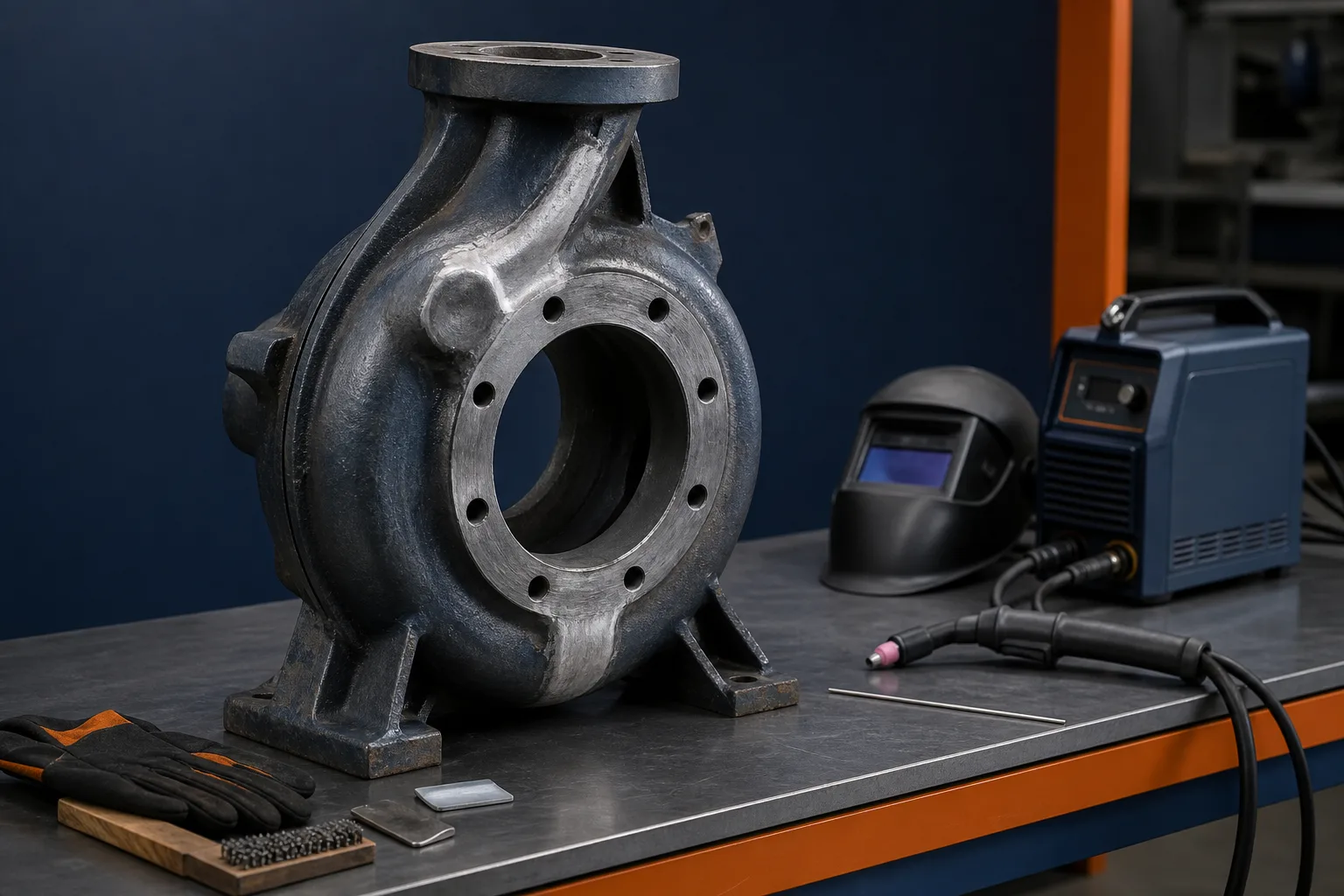
Metal Rebuilding And Cold Repair
Examine ZDS-MetalRebuild for metal rebuilding, dimensional restoration, leak sealing, and selected structural bonding work.
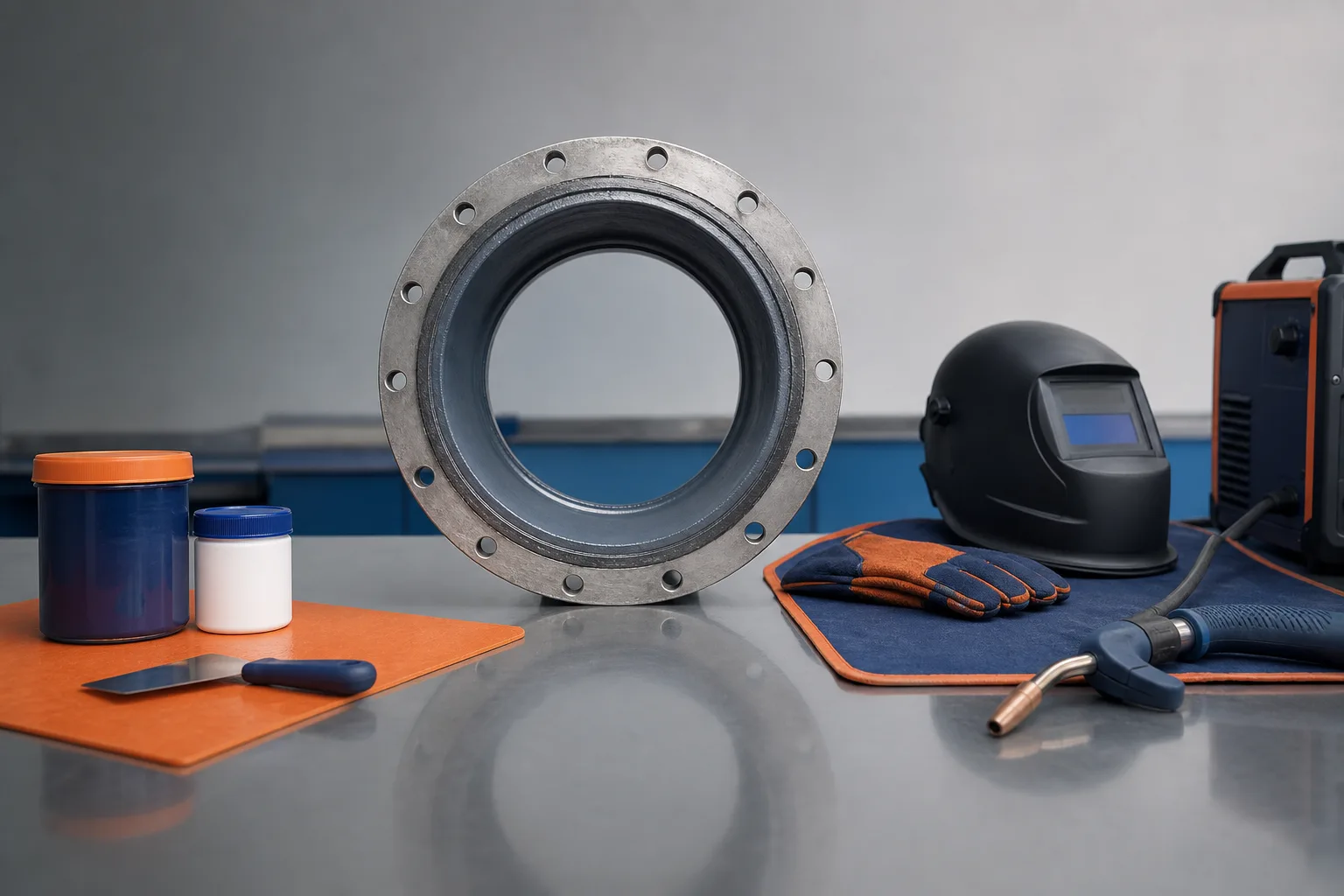
Fluid Equipment And Chemical Exposure
ZDS-FluidGlide covers high-temperature repair, chemical-resistant lining, tank lining, flue protection, sealing, and fluid-equipment coating systems.
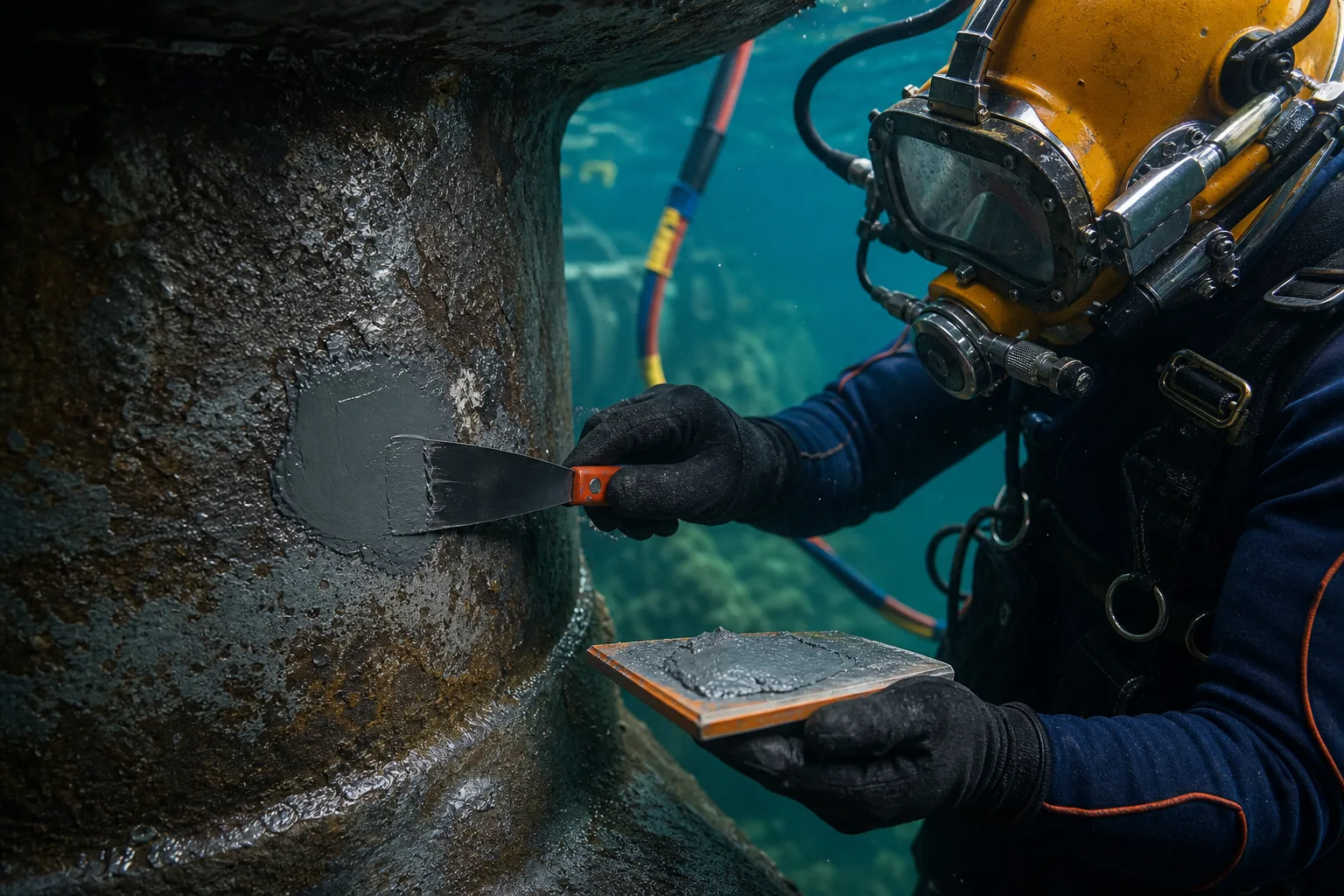
Wet, Underwater, Or Marine Work
Examine ZDS-AquaShield for underwater-curing, wet-surface, marine, and emergency repair requirements.
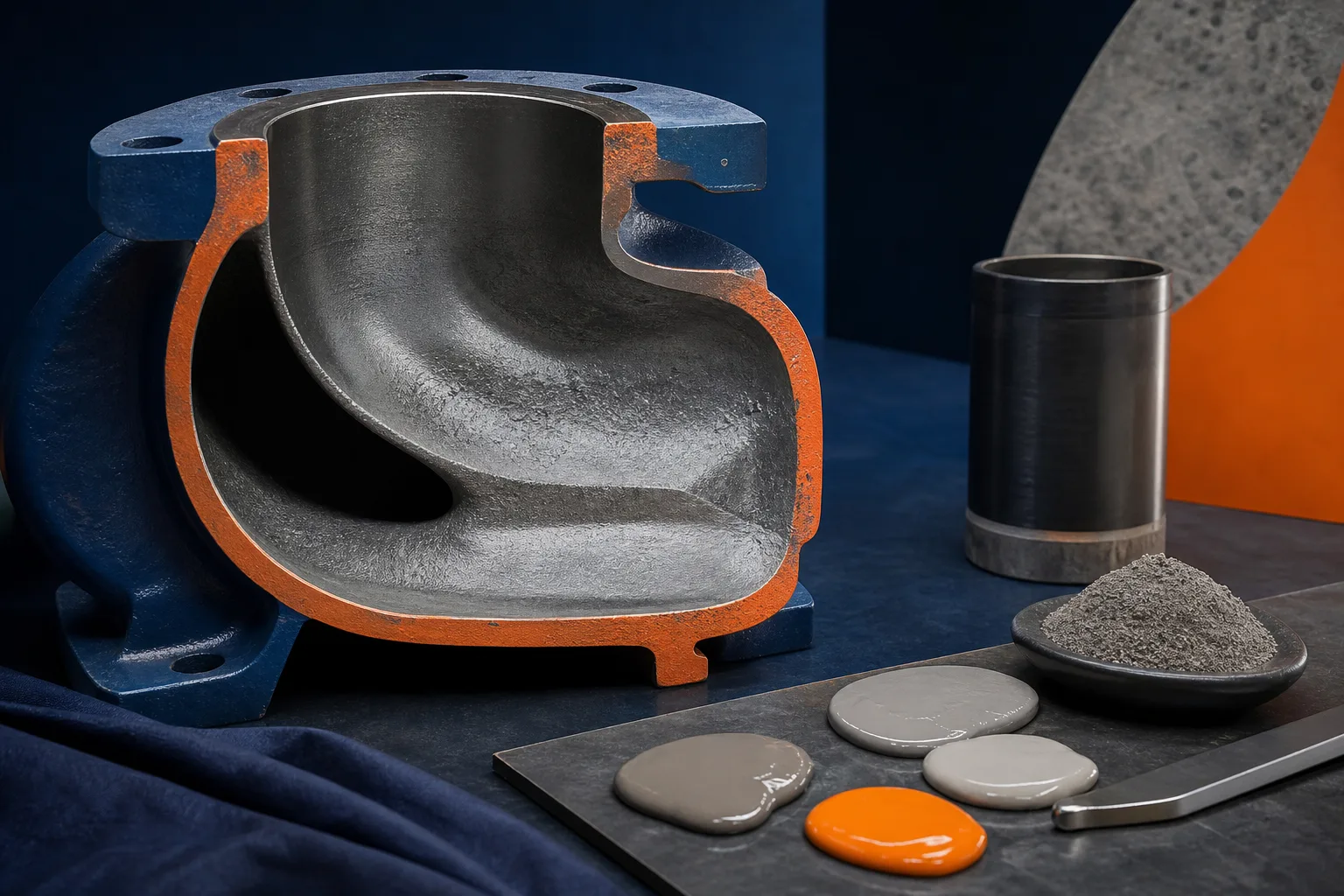
Wear, Erosion, And Cavitation
ZDS-CeramicArmor is organized around ceramic-filled materials for wear, erosion, cavitation, and heavy-duty equipment protection.
Maintenance Review
Pros and Tradeoffs to Discuss with the Maintenance Team
Metal epoxy may fit selected industrial repair cases, but its benefits must be weighed against preparation, cure, service, and engineering requirements.
Potential advantages
Provides a cold-repair route when hot-work controls are restrictive.
Potential advantages
Can support localized rebuilding, sealing, bonding, or dimensional restoration in suitable applications.
Potential advantages
May help address access constraints where bringing welding equipment or managing heat is difficult.
Potential advantages
Can be evaluated through product documentation, samples, and an agreed application process.
Important tradeoffs
Adhesion depends heavily on substrate condition and surface preparation.
Important tradeoffs
Cure, isolation, and protection requirements can affect the maintenance schedule.
Important tradeoffs
Product limits for temperature, chemicals, pressure, immersion, vibration, and load must be checked.
Important tradeoffs
A bonded rebuild should not be presented as a qualified structural or code repair without the required engineering evidence.
Evaluation Process
A Practical Evaluation Sequence
Use this sequence to narrow the repair route before purchasing material or scheduling site work.
01
Define the repair objective
State whether the goal is leak sealing, surface rebuilding, fit restoration, wear protection, crack treatment, or metal replacement.
02
Describe the equipment and substrate
Record the component, alloy or substrate type where known, damaged area, access, and whether the repair is on a pressure or load-bearing boundary.
03
Screen the hot-work route
Identify permits, fire controls, confined-space limits, operating restrictions, and the availability of qualified welding personnel and procedures.
04
Record the service conditions
Provide temperature, chemicals, pressure, immersion, flow, abrasion, vibration, weather exposure, and expected operating cycles.
05
Compare preparation and return-to-service
steps: Include isolation, cleaning, surface profile, cure protection, inspection, reassembly, and restart requirements.
06
Check evidence before approval
Review current technical data sheets, safety information, application guidance, and project-specific acceptance criteria.
07
Evaluate before moving to volume supply
A sample or controlled trial can help qualified buyers assess application handling and fit with the repair process. Agree the testing method and acceptance criteria in advance.
08
Use a broader technical document route
when preparing a maintenance, procurement, or supplier-qualification review.
Technical Support
Why ZDSChem Can Support the Initial Comparison
ZDSChem applies a product-selection approach based on equipment, substrate, damage, and service condition rather than treating one repair material as suitable for every problem. This gives distributors, contractors, and maintenance teams a starting point for comparing product categories and preparing technical questions.
Technical Consultation
Need Help Choosing Between Cold Repair and Welding?
Send the equipment type, substrate, damage description, service conditions, hot-work restrictions, repair objective, and expected quantity. ZDSChem can use that information to identify a starting product category and the documents needed for further evaluation. Technical and commercial feasibility are confirmed after the application and purchasing information is reviewed.
Equipment type and substrate
Damage mechanism and repair dimensions
Temperature, chemicals, pressure
immersion, abrasion, and vibration
Hot-work restrictions, access conditions
and desired return-to-service timing
Expected quantity, photos, drawings, and
existing specifications where available
FAQ
Frequently Asked Questions
Not in every situation. Metal epoxy can be a practical cold-repair route for selected rebuilding, sealing, bonding, or dimensional-restoration work when the substrate and service conditions fit the product documentation. A code-controlled, safety-critical, or highly loaded joint may require a qualified welding or engineered repair procedure.
It may be considered for selected applications, but pressure, load, damage depth, substrate condition, operating cycles, and failure consequences must be reviewed first. The selected product documentation and the responsible engineering process determine whether the proposed repair is suitable.
The repair area normally needs to be clean, sound, and prepared according to the selected product guidance. Oil, loose corrosion, weak material, moisture, and surface profile can affect adhesion. The exact preparation method depends on the substrate, access, product, and site conditions.
No. A cold-repair route may avoid some hot-work controls, but isolation, draining, cleaning, application, cure protection, inspection, and return-to-service requirements still affect the schedule. Compare the complete work sequence with the available welding or replacement route.
Provide the equipment type, substrate, damage mechanism, repair dimensions, temperature, chemicals, pressure, immersion, abrasion, vibration, hot-work restrictions, access conditions, desired return-to-service timing, and expected quantity. Photos, drawings, and existing specifications can help when available.
Request the current technical data sheet, safety data sheet, relevant application guidance, packaging information, and any quality or project documents required by your process. Confirm that technical limits and document versions apply to the product and intended market before approval.