
Epoxy Repair Material Selection
Selecting an epoxy repair material starts with the substrate, damage geometry, application environment, and operating conditions, not simply the equipment name. Maintenance engineers, repair contractors, MRO suppliers, and procurement teams should compare viscosity, cure requirements, temperature, moisture, loads, chemical exposure, and surface preparation. Final selection requires confirmation against current technical documentation and actual service conditions.

Selection Foundation
What an Epoxy Repair Material Must Match
Epoxy systems can bond, fill, rebuild, seal, reinforce, line, or protect industrial components. Non-sag compounds, flowable resins, and protective linings are not interchangeable merely because they use similar chemistry.
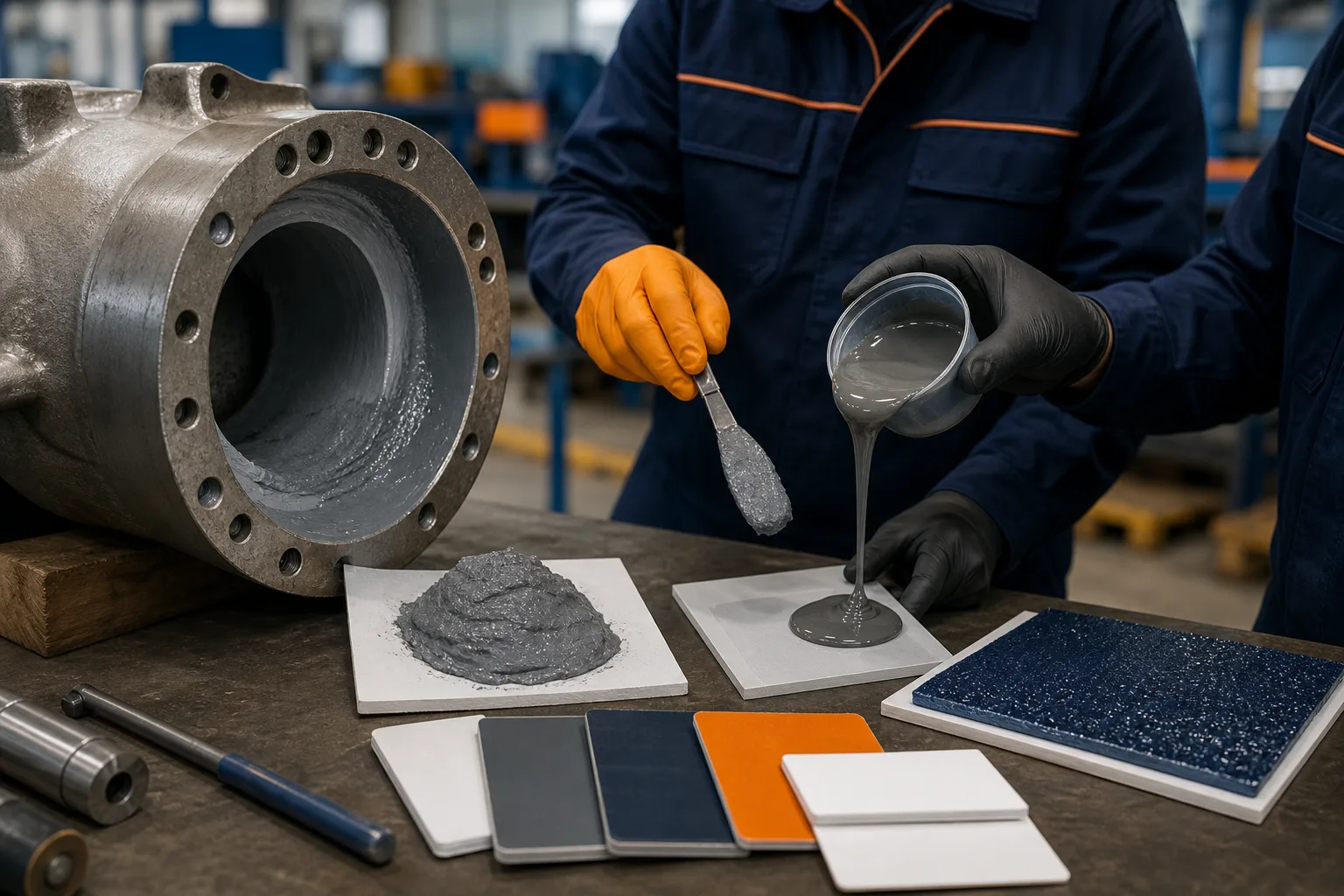
Screening Criteria
Selection Factors That Change the Repair Direction
Collect substrate, application, cure, moisture, duty, and exposure information before screening an industrial repair epoxy. When service conditions are the main constraint, compare categories by service condition.
Substrate
Identify metal, concrete, composite, existing lining, or mixed materials to assess preparation, primer use, and repair category.
Viscosity
Define whether the application is horizontal, vertical, overhead, injected, filled, or coated.
Cure Conditions
Record temperature, shutdown window, restart target, and cure environment to compare working and handling times.
Moisture
Classify the substrate as dry, damp, wet, submerged, or affected by active leakage.
Mechanical Duty
Document compression, impact, vibration, movement, pressure, and structural loading.
Exposure
Record temperature, chemicals, immersion, abrasion, erosion, and cleaning cycles for documentary confirmation.
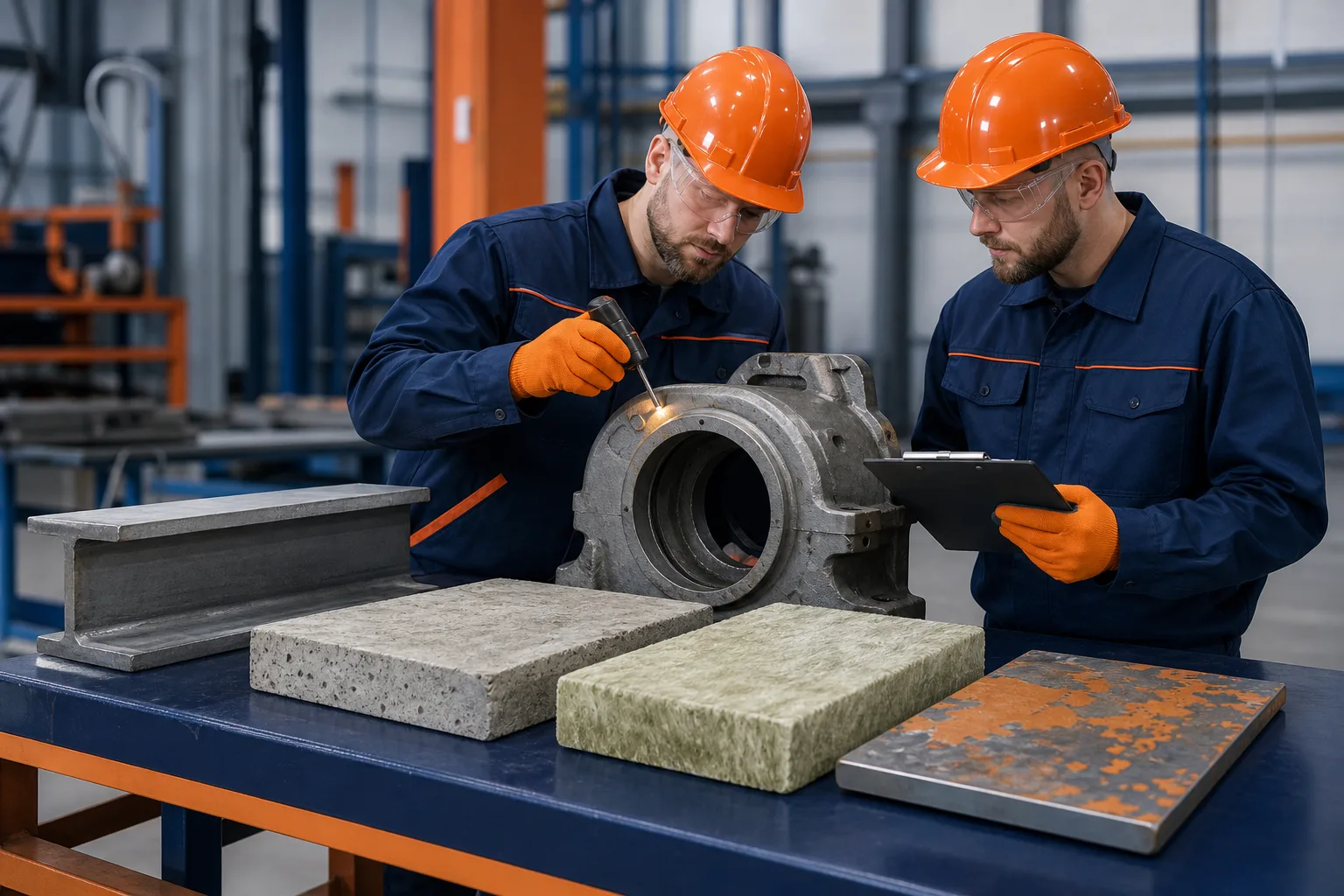
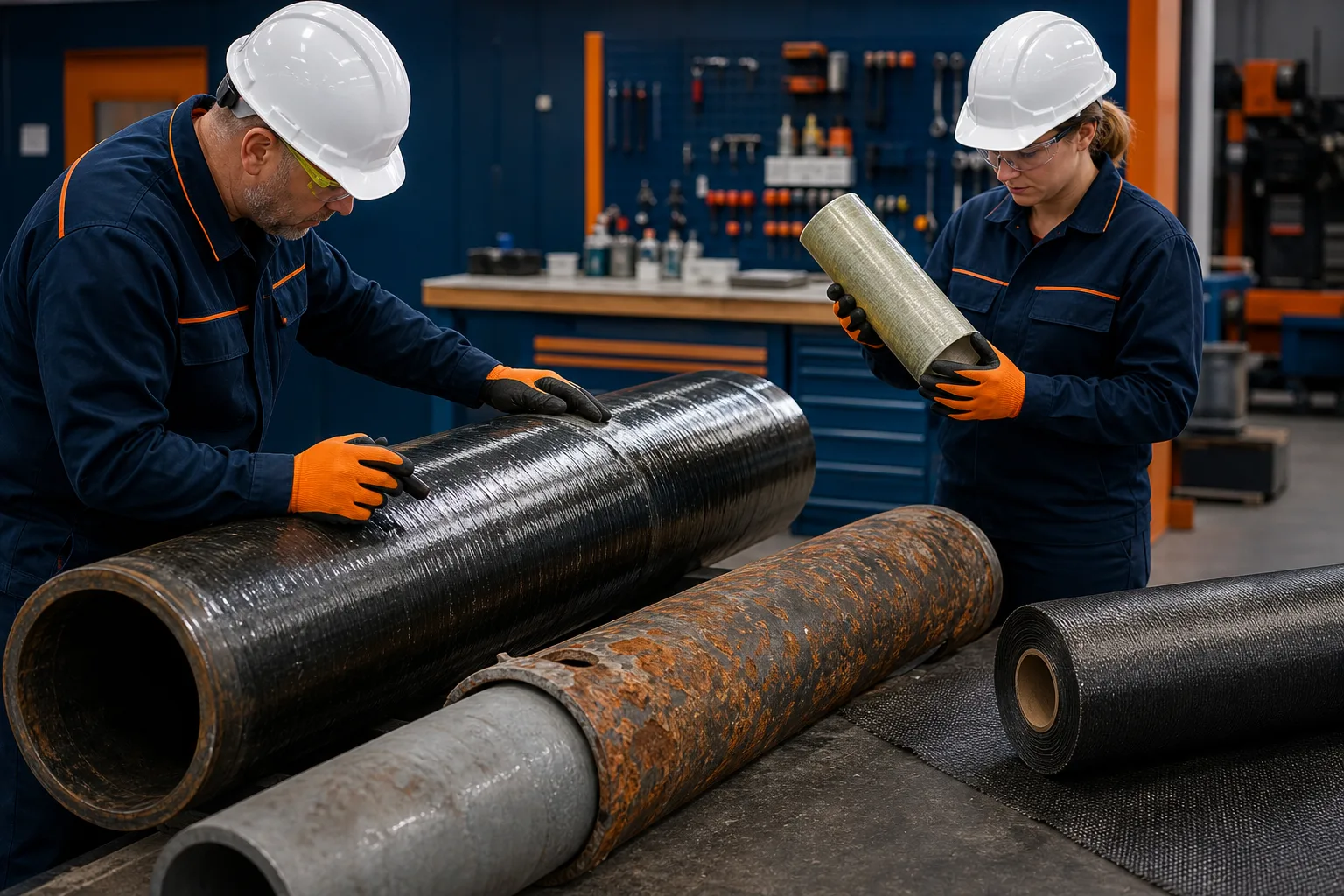
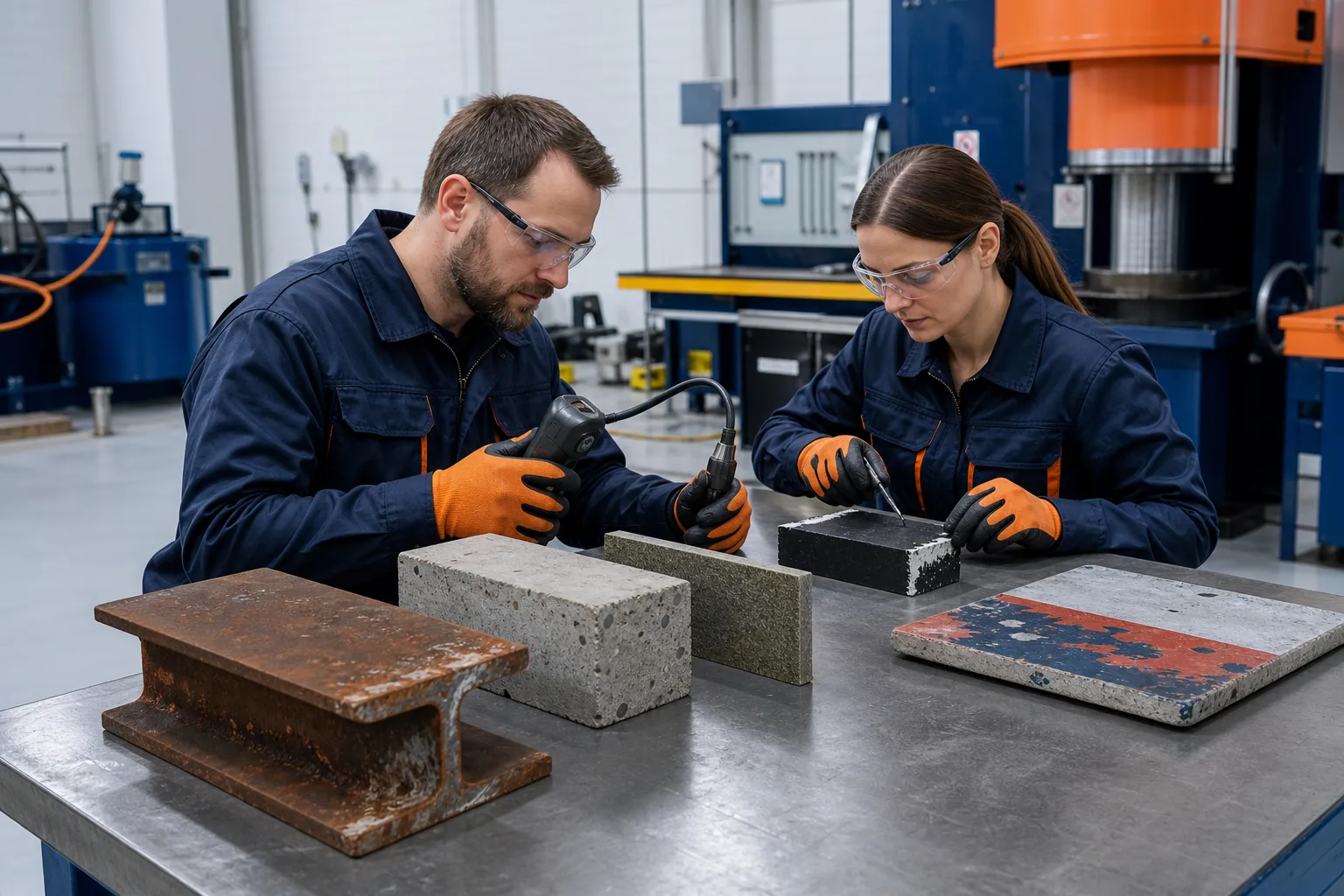
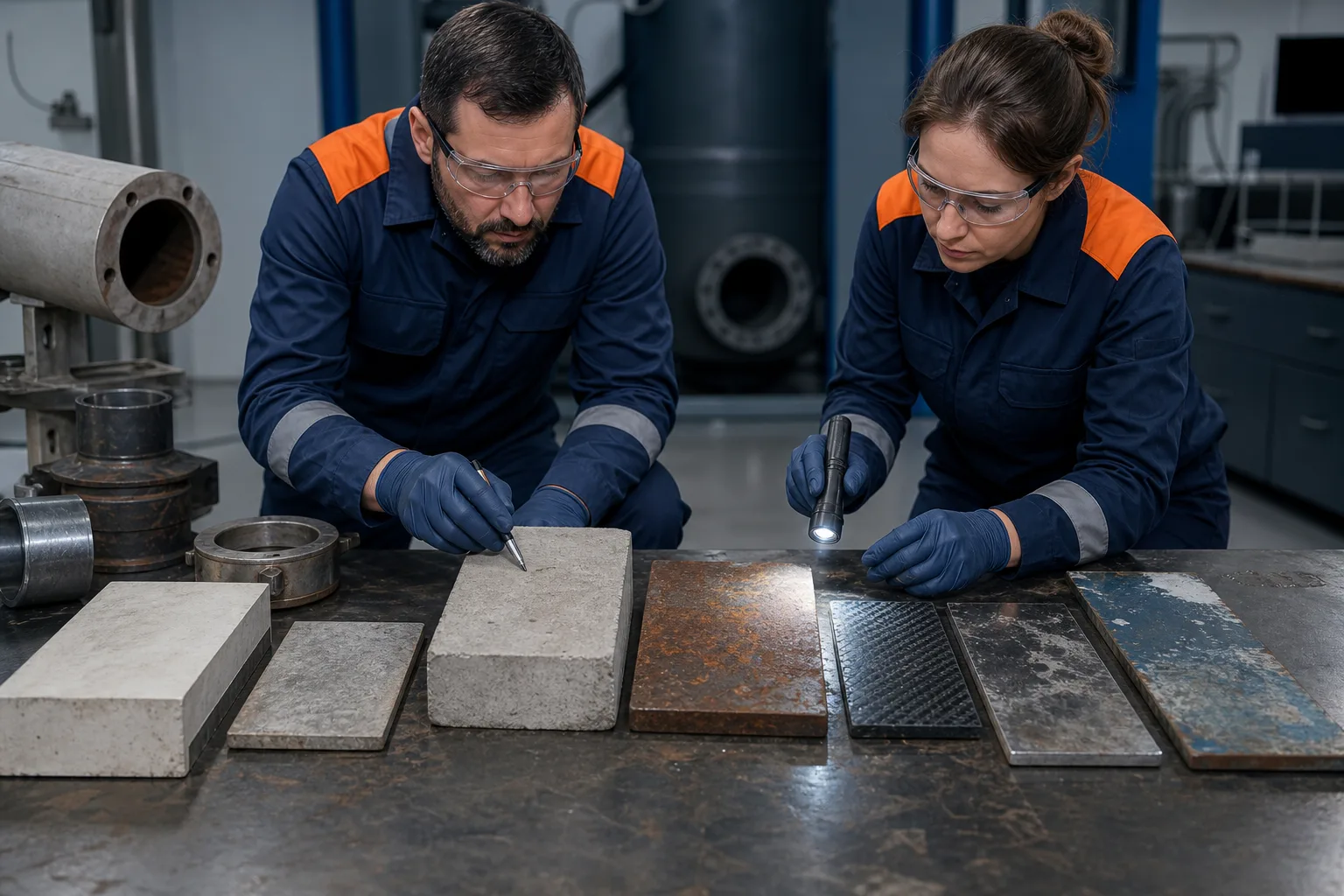
Substrate
Match the Epoxy to the Substrate
Surface condition, contamination, corrosion, porosity, compatibility, and existing coatings affect adhesion. Identify the exact substrate and confirm whether it is cracked, thinned, distorted, weak, or only surface-worn.
Metal assessment should account for oxides, corrosion products, oil contamination, previous coatings, and surface profile.
Concrete assessment should account for moisture, laitance, porosity, contamination, and weak surface layers.
Composite assessment should consider resin compatibility, exposed fibers, and stiffness.
Bonding to an unknown or poorly adhered coating can fail even when the new repair material cures correctly.
Viscosity
Choose Viscosity for the Defect and Application Position
Viscosity affects placement, wetting, film control, sag resistance, and cavity filling. Review product data at the expected application temperature instead of relying only on descriptions such as liquid or paste.
Flowable Systems
Useful when material must spread, fill narrow spaces, wet reinforcement, or form a controlled coating.
Paste-Grade Compounds
Useful for rebuilding profiles, filling localized damage, and working on vertical or overhead surfaces.
Applied Linings
Brushable or trowel-applied linings support coverage, film continuity, and resistance to the service environment.
Reinforcement Resins
Intended for use with defined reinforcement and application procedures, not as unsupported fillers.
Cure Planning
Separate Working Time, Cure Time, and Return to Service
Working time covers mixing and application. Handling cure supports the next operation, while full cure and return to service may take longer, especially before pressure, chemical contact, or elevated-temperature duty.
Do not select only for the shortest stated
cure; the team needs time to mix, place, shape, reinforce, and inspect the repair.
Record the available shutdown duration and
required restart sequence.
Record ambient and substrate temperatures
during application.
Document repair dimensions and the planned
mixed quantity.
Allow time for preparation, reinforcement
and inspection.
Identify the expected load, fluid, or
chemical contact after restart.
Confirm whether controlled post-curing is
feasible and documented for the selected material.
Account for batch size, temperature
repair volume, and application method when planning the installation window.
Temperature
Distinguish Application Temperature from Service Temperature
Application temperature affects mixing, spreading, wetting, and cure development. Service temperature concerns performance after restart. Suitability in one application range does not establish long-term operating performance.
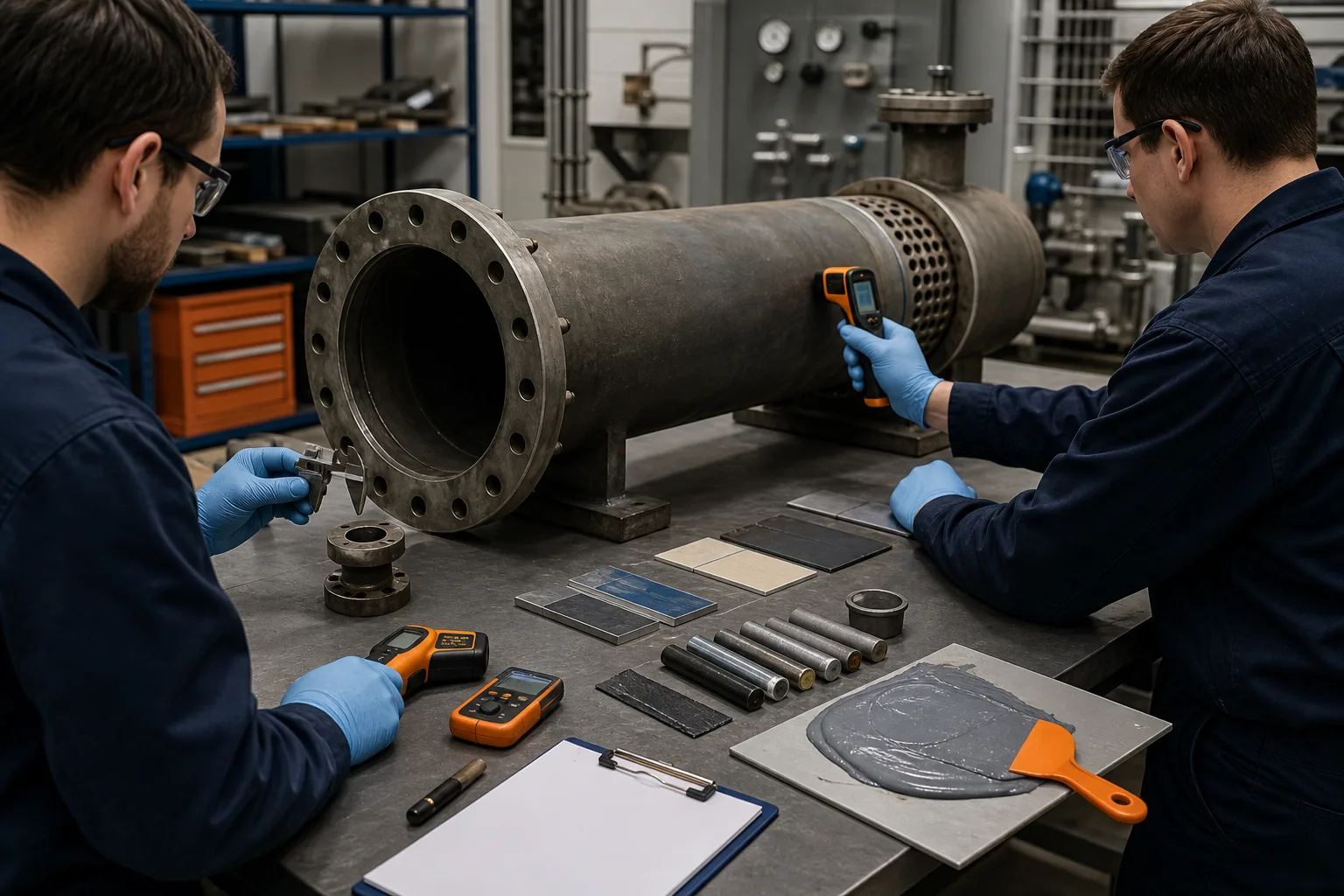

Moisture
Wet Surfaces Require a Specifically Intended Repair Route
Do not assume general-purpose epoxy will bond reliably to damp, wet, or submerged surfaces. Water can remain in pits, prevent intimate contact, interfere with preparation, or contaminate the bond line.
Operating Duty
Review Loads and Exposure as Separate Requirements
Mechanical loading, movement, wear, and chemical contact impose different requirements. Structural reinforcement, pressure containment, and rotating equipment repairs may require calculations, inspection, or additional controls.
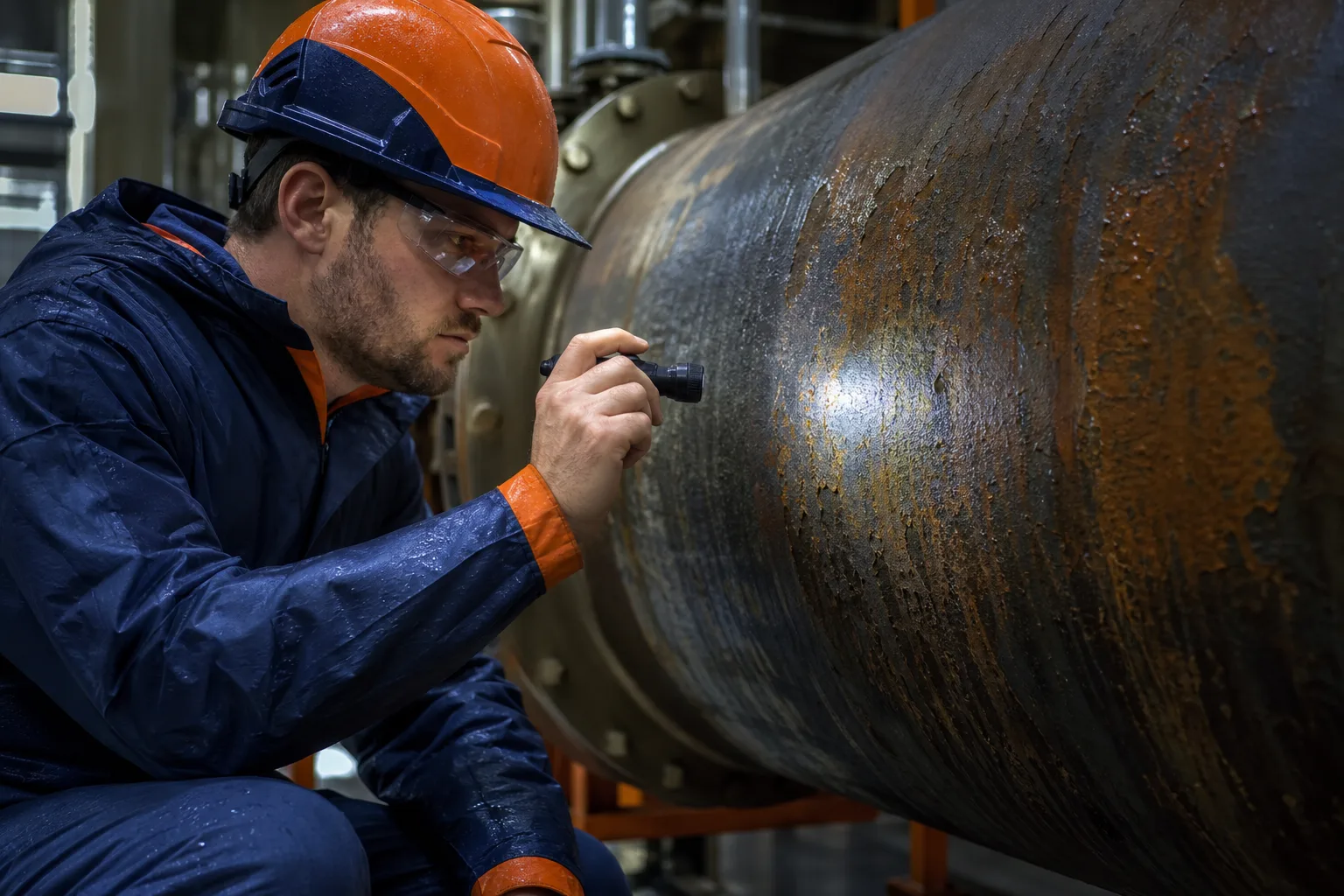
Product Directions
Product Directions for Common Epoxy Repair Tasks
These five categories narrow the search but do not replace individual product data, application instructions, or project review. The wider portfolio also includes non-epoxy and supporting materials.
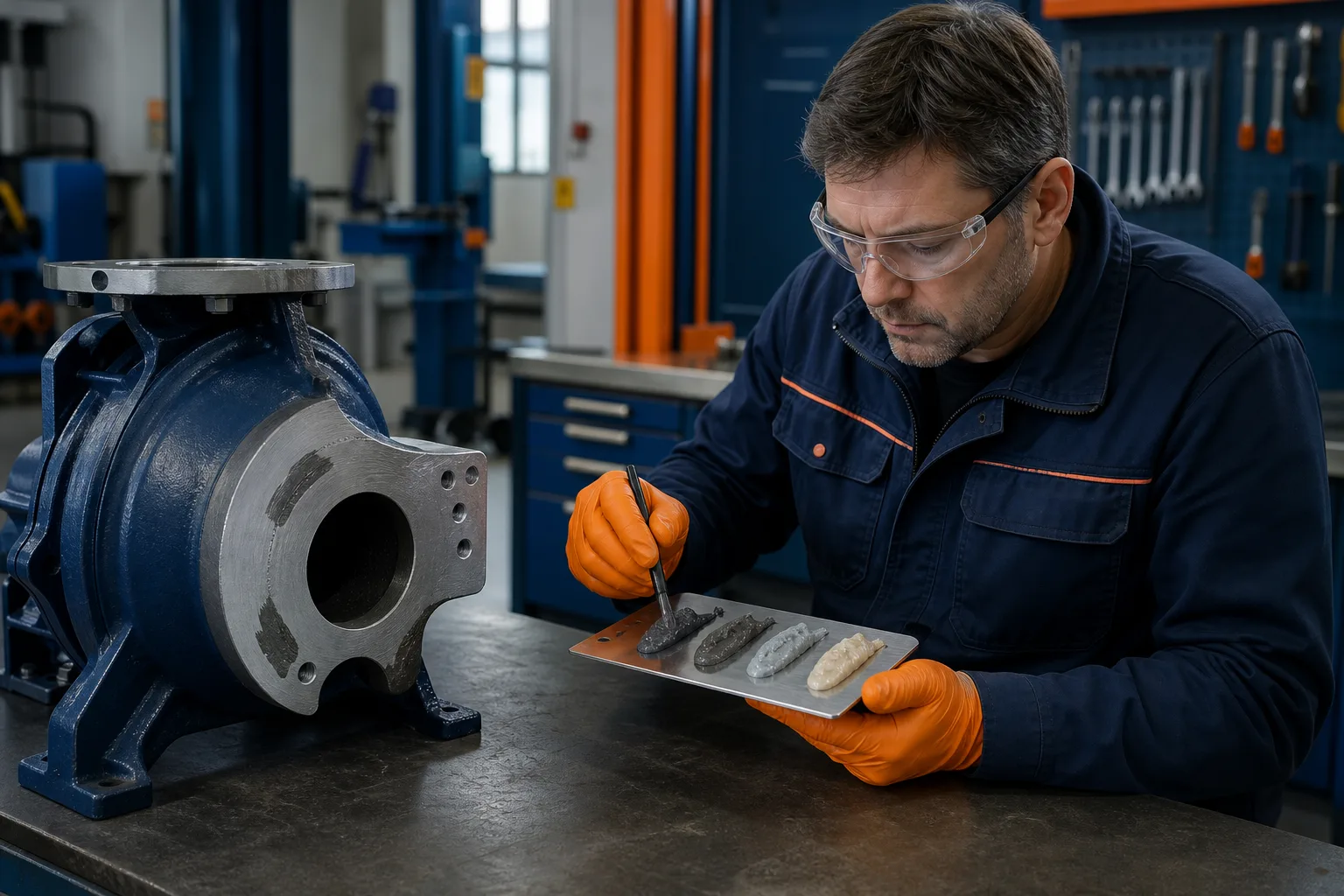
Rebuild Metal
ZDS-MetalRebuild covers metal rebuilding, dimensional restoration, cold repair, localized sealing, and bonding.
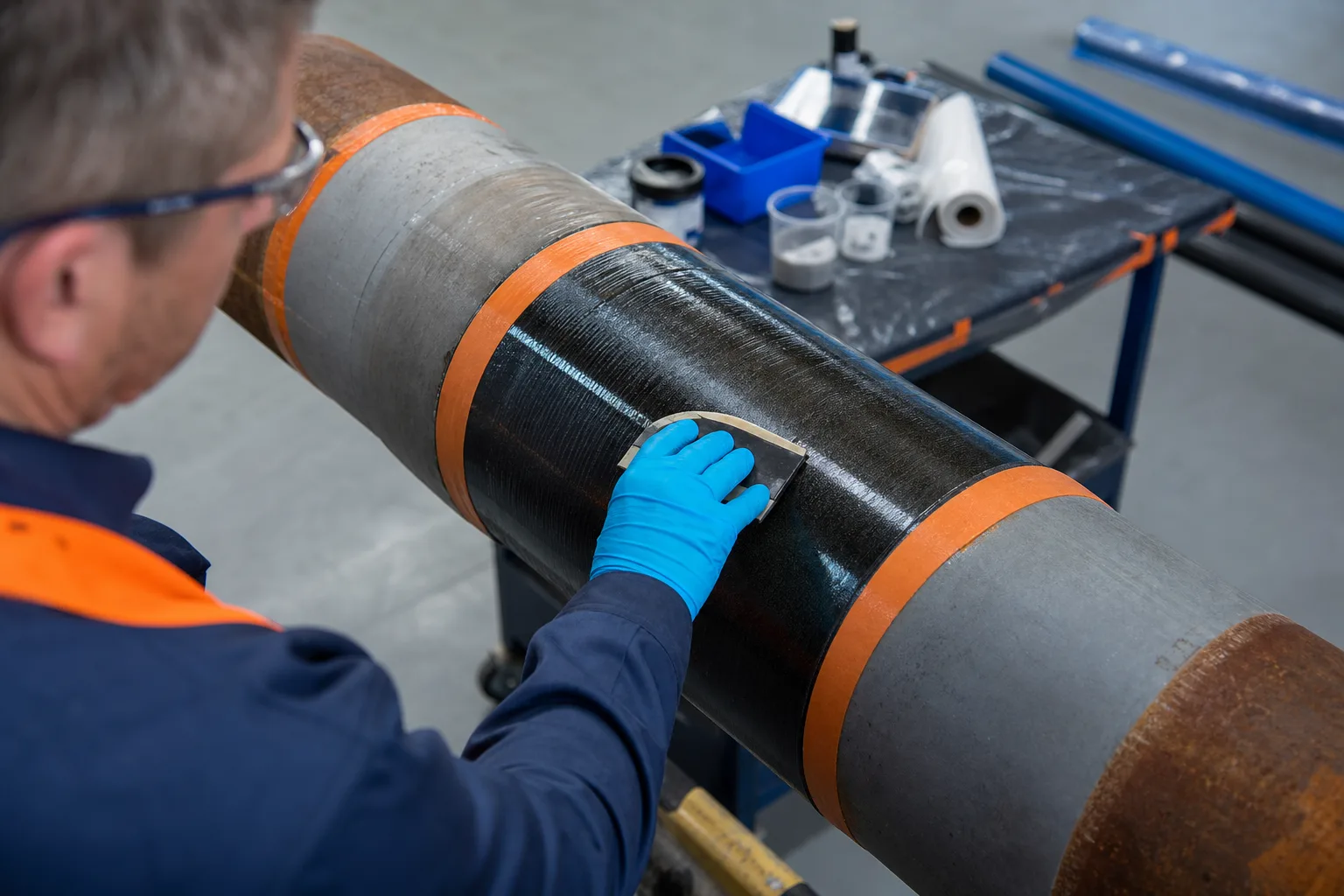
Reinforce Pipe
ZDS-CompositeWrap covers pipe reinforcement, FRP repair, and structural laminating systems.

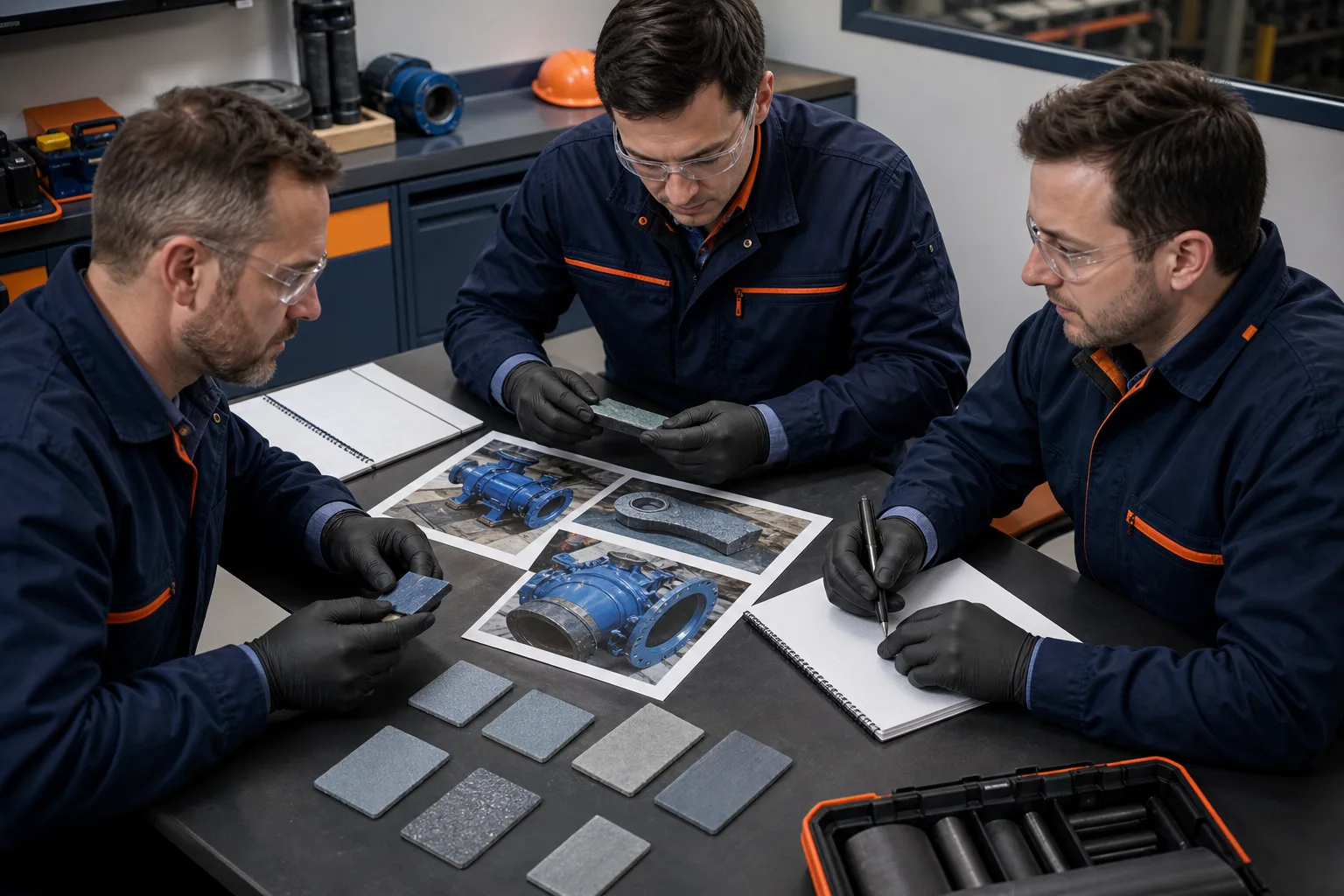
Protect Against Wear
ZDS-CeramicArmor focuses on ceramic-filled protection against abrasion, erosion, and cavitation.
Repair Wet Surfaces
ZDS-AquaShield addresses wet-surface, underwater-curing, marine, and emergency repair conditions.

Line Fluid Equipment
ZDS-FluidGlide covers high-temperature repair, chemical-resistant lining, sealing, and fluid-equipment coatings.
Technical Evidence
Prepare Evidence Before Approving the Repair Material
Use current technical documents rather than catalog descriptions alone. Agree on evaluation criteria and acceptance conditions before testing, and provide complete operating and purchasing information.
Technical Data Sheets
Review handling, cure, service conditions, and stated performance for the proposed material.
Application Guides
Check preparation, mixing, installation, inspection, and cure requirements.
Sample-to-Bulk Workflow
Connect initial screening, sample evaluation, purchasing review, and bulk planning for qualified buyers.
Technical Support
Technical Support for Product Screening
ZDSChem supports screening by equipment, substrate, damage, and service condition. Resources support selection but do not replace site assessment, engineering calculations, or representative validation.
The industrial repair portfolio is
organized into seven primary product series.
The dedicated R&D team includes 30
professionals focused on formulation development, product improvement, and application adaptation.
Technical experts with over 30 years of
experience contribute to formulation review and application-specific solution development.
Customer-specific formulation requests can
be reviewed against the application, specification, expected volume, and target market.
Technical and commercial feasibility must
be confirmed before formulation development begins.
Limitations
Conditions That Need Additional Engineering Review
Epoxy repair does not automatically restore an unsafe component and must not conceal damage requiring replacement or formal inspection. Product- and project-specific limits require documentary confirmation.
Escalate critical pressure boundaries and
structural loads.
Escalate severe wall loss, active crack
growth, and unknown substrate conditions.
Escalate hazardous process fluids
uncontrolled leakage, and repeated failure.
Escalate regulated applications for
appropriate engineering, safety, or specialist review.
Confirm working time, cure schedule
temperature range, chemical resistance, load capacity, and pressure suitability.
Confirm expected service life through
current documentation and an appropriate evaluation before field authorization.

Product Screening
Submit the Repair Conditions for Product Selection
Send the substrate, damage description, photographs, temperatures, exposure conditions, application constraints, required documents, and expected quantity. ZDSChem can identify a practical direction and outstanding confirmation points.
FAQ
Frequently Asked Questions
Start with the substrate, damage type, repair dimensions, application position, moisture condition, available preparation method, and cure window. Then document operating temperature, pressure, mechanical loading, abrasion, and chemical exposure. Photographs and current equipment information help the technical team prepare a more relevant shortlist.
Low-viscosity materials are generally better suited to spreading, wetting reinforcement, coating, or filling narrow spaces. Paste-grade compounds are easier to retain in deep defects and on vertical or overhead surfaces. The decision should also consider temperature, defect geometry, film thickness, and the selected application procedure.
Do not assume that a general-purpose product is suitable for wet or submerged application. Water can interfere with substrate contact and surface preparation. Select a material specifically intended for the moisture condition, and document whether the surface is damp, continuously wet, submerged, or affected by active flow.
Provide the chemical name, concentration, operating temperature, contact duration, and whether exposure is continuous immersion, splash, vapor, or cleaning. Chemical compatibility can change with concentration, temperature, and mixtures. Final selection requires current resistance information for the proposed product and the actual exposure conditions.
Yes. A representative sample evaluation can help assess mixing, application, adhesion preparation, cure planning, and fit with the buyer’s procedure. The substrate, test method, acceptance criteria, and limitations should be agreed before evaluation. A successful small-scale test does not automatically validate every field condition.
Customer-specific formulation requirements can be submitted for review. The technical team considers the application, performance target, specification, expected volume, target market, documentation, and commercial requirements. Development feasibility, timing, sample scope, and acceptance conditions must be confirmed before work begins.