
Industrial Repair Materials Buying Guide
Choose an industrial repair materials supplier by matching the repair category to the substrate, damage, service condition, repair objective, and documented application method. Then compare technical documents, samples, quality controls, supply, and support. This guide is for industrial distributors, importers, MRO suppliers, repair contractors, maintenance teams, and procurement buyers evaluating suppliers before sampling, stocking, or placing a project order.
Supplier Fit
What a Suitable Supplier Should Help You Decide
Industrial repair materials include compounds, reinforcement systems, linings, coatings, and elastomer repair materials. Selection should connect the failure mode with the substrate, surface condition, exposure, application method, and required documents.

Product Range
Start With the Industrial Repair Material Category
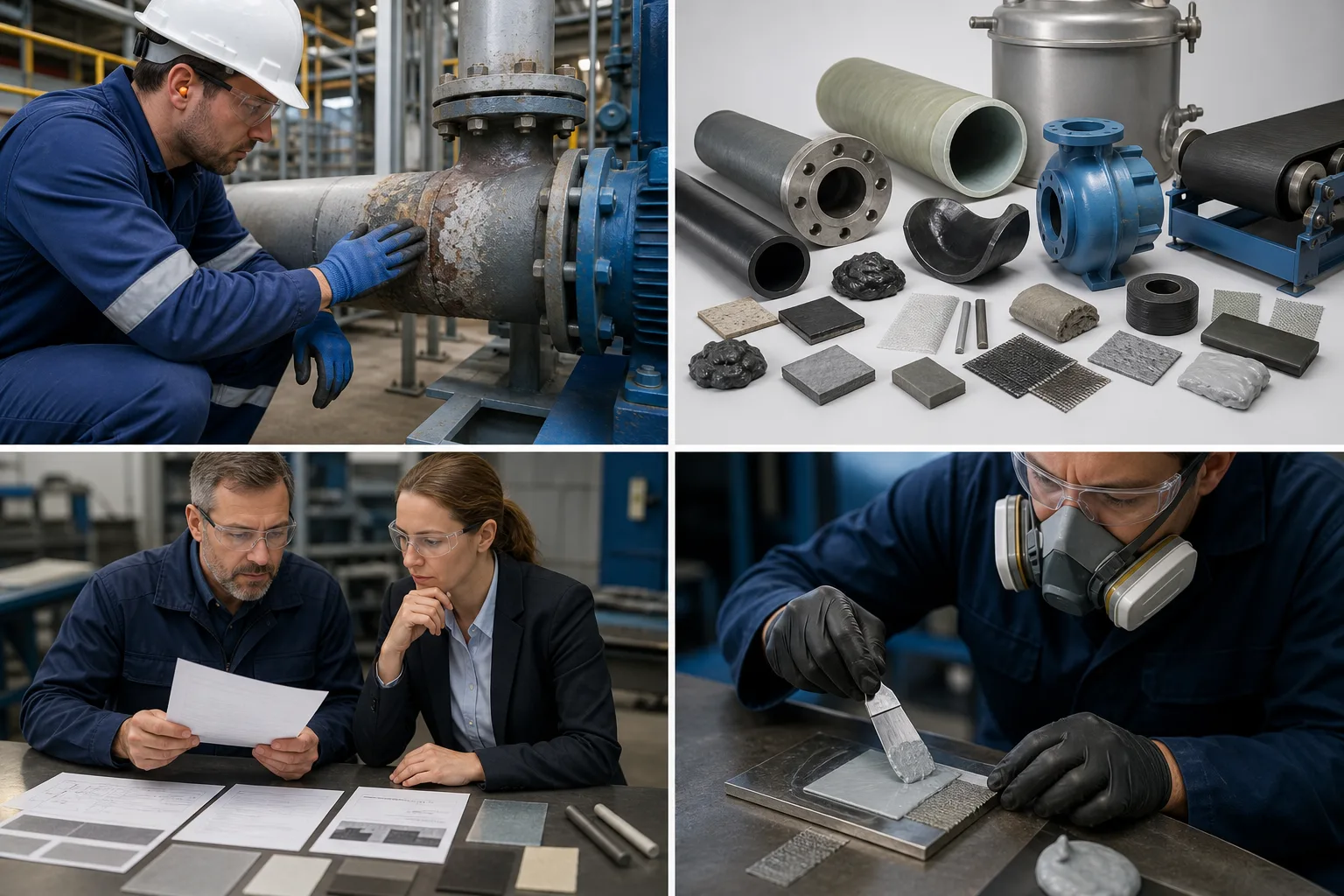
ZDSChem organizes its portfolio into seven primary industrial repair material series. Buyers can begin with the repair type instead of choosing from an unfiltered list of chemical products.
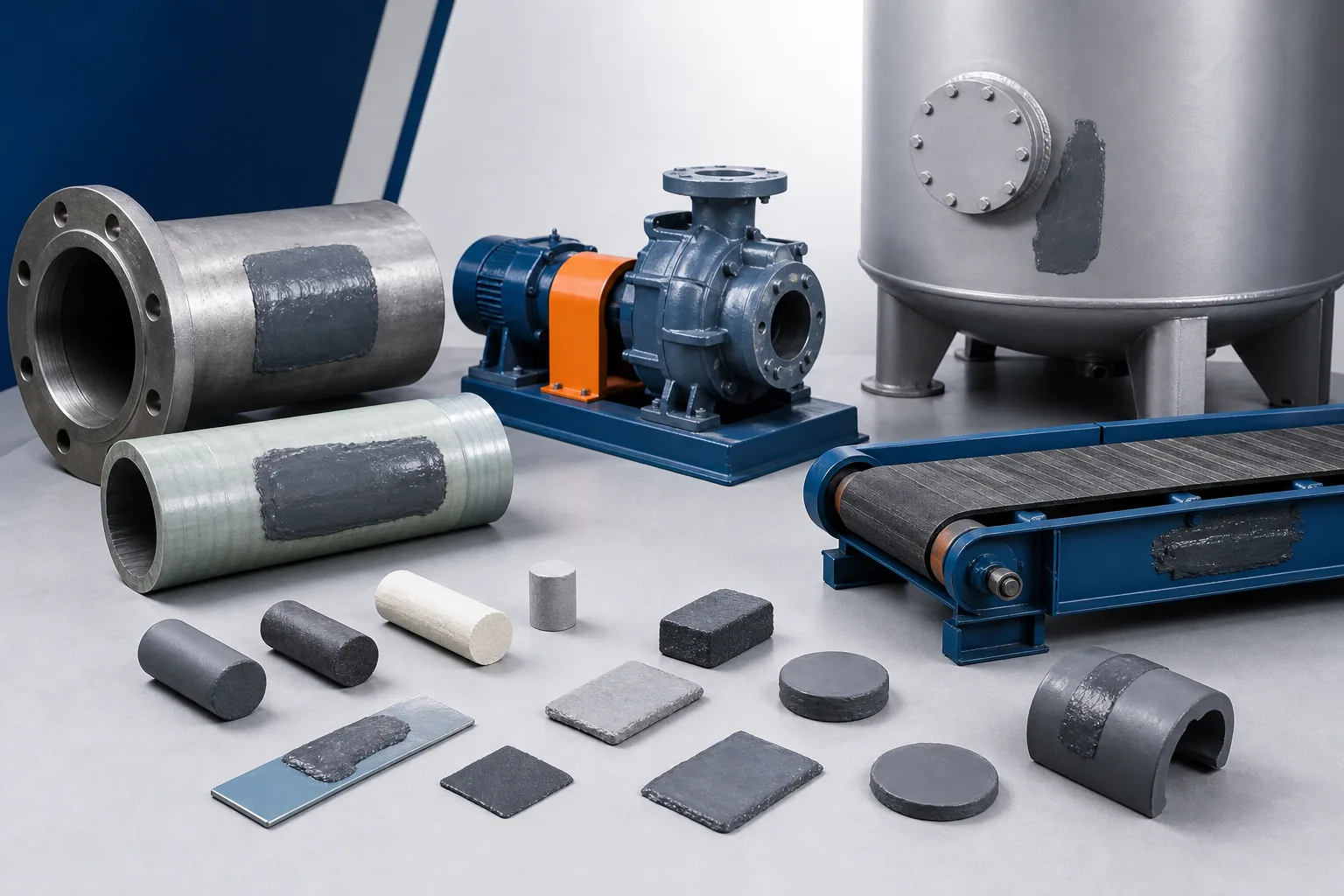
ZDS-MetalRebuild
For metal rebuilding, cold repair, dimensional restoration, leak sealing, and structural bonding, subject to application review.
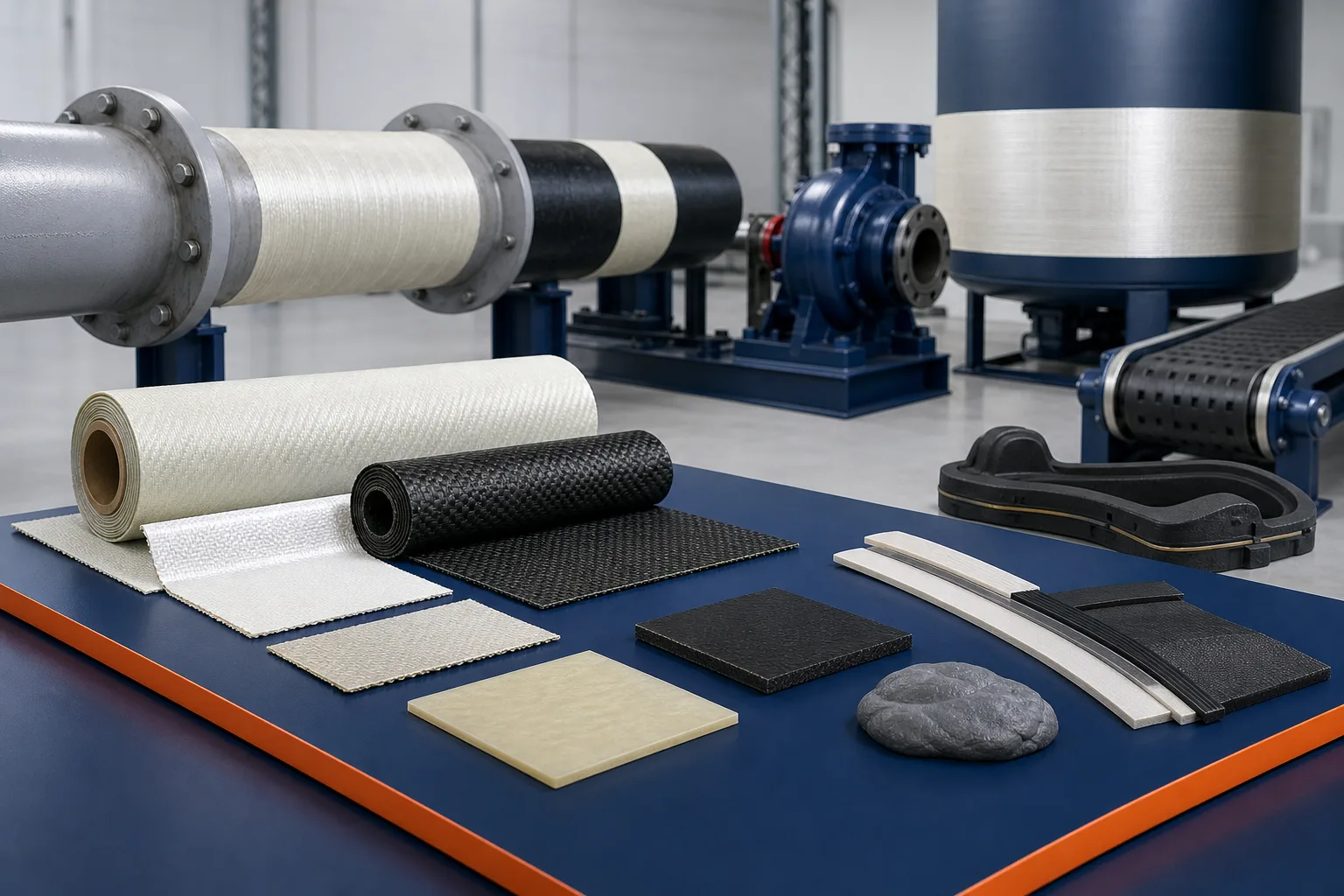
ZDS-CompositeWrap
For composite pipe reinforcement, FRP repair, and structural laminating systems with defined preparation and inspection.
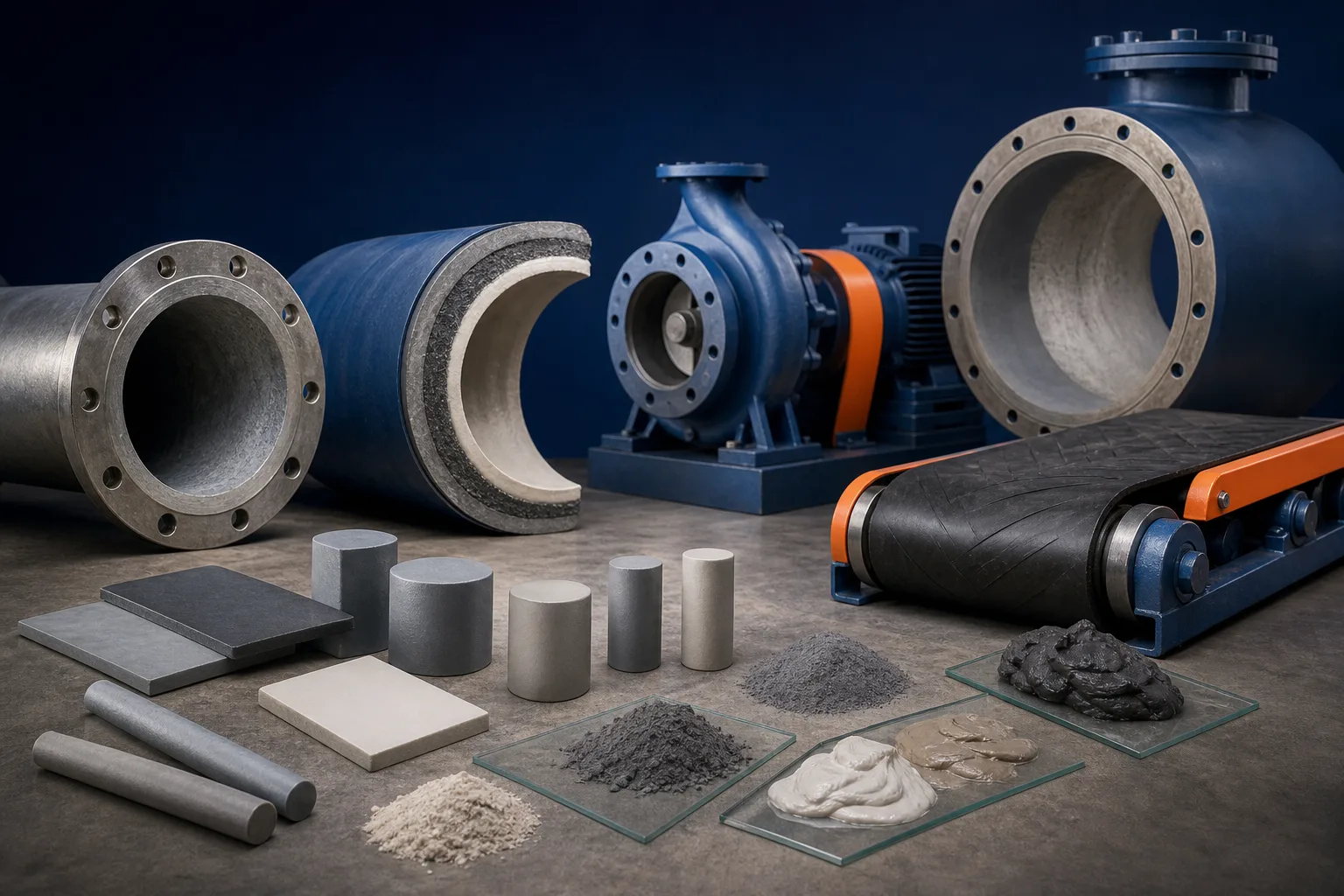
ZDS-CeramicArmor
For wear, erosion, cavitation, and heavy-duty equipment protection based on the wear mechanism and affected geometry.
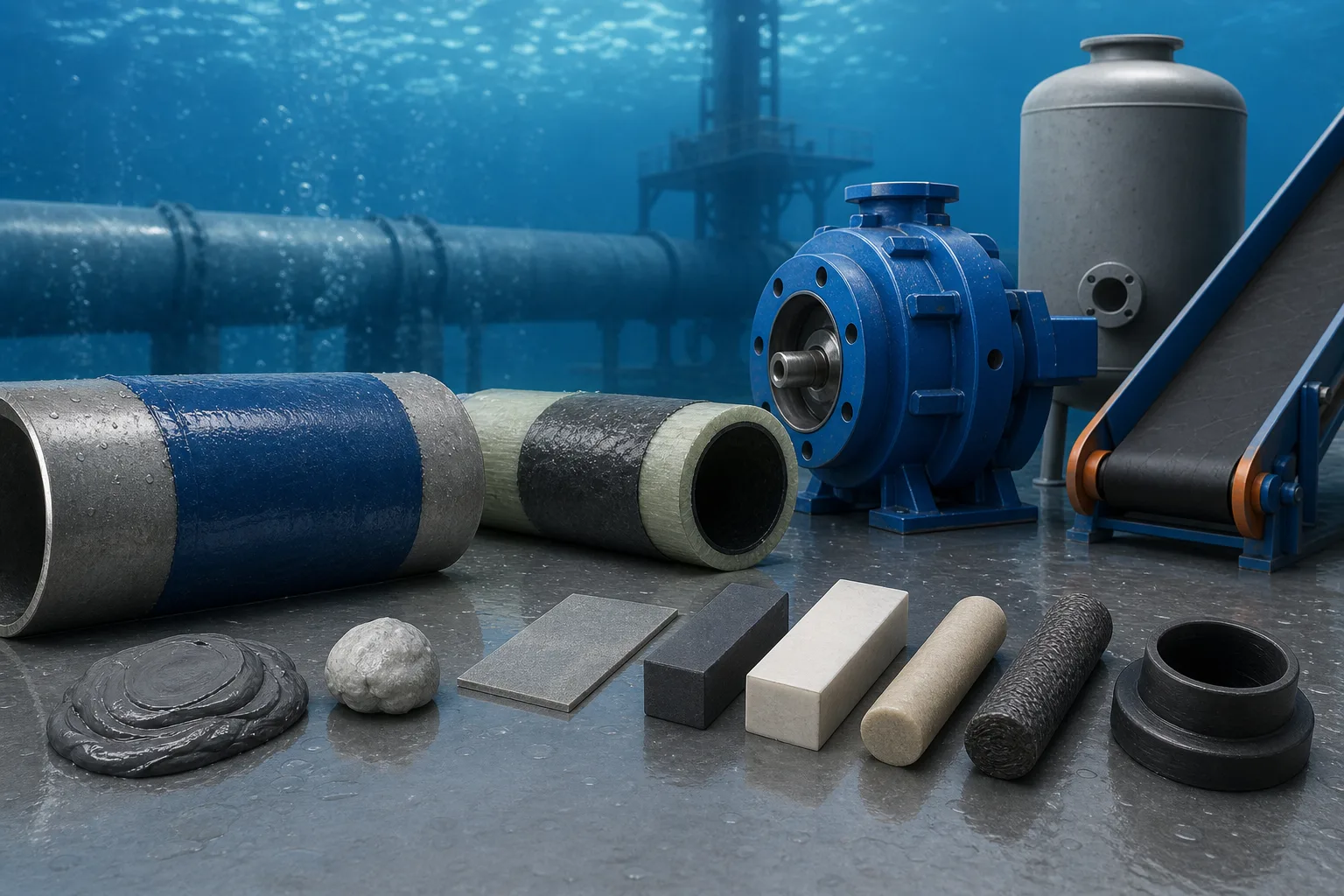
ZDS-AquaShield
For underwater-curing, wet-surface, marine, and emergency repairs with water, access, cure, and service limits reviewed.
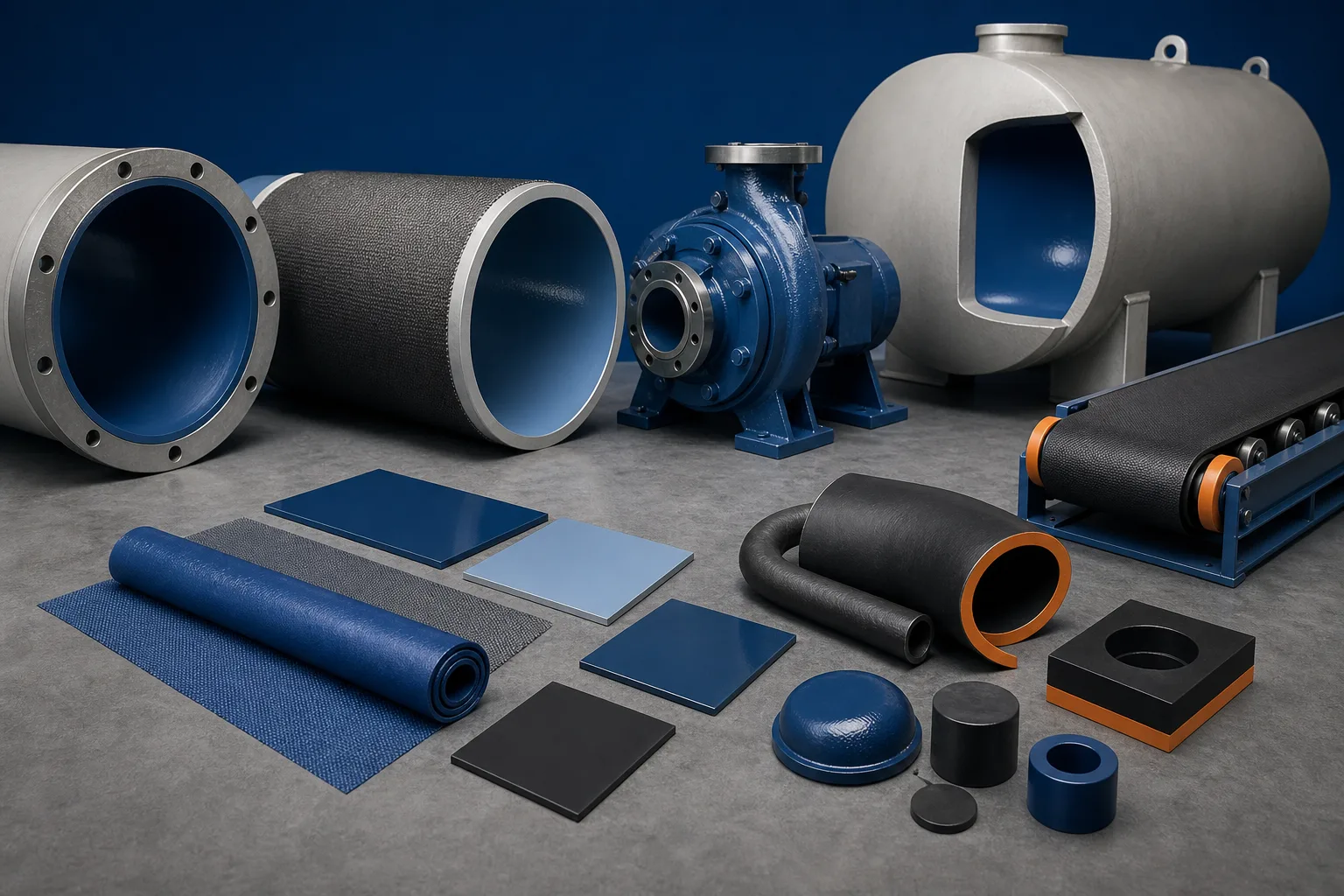
ZDS-FluidGlide
For high-temperature repair, resistant linings, tank and flue protection, sealing, and fluid-equipment coating systems.
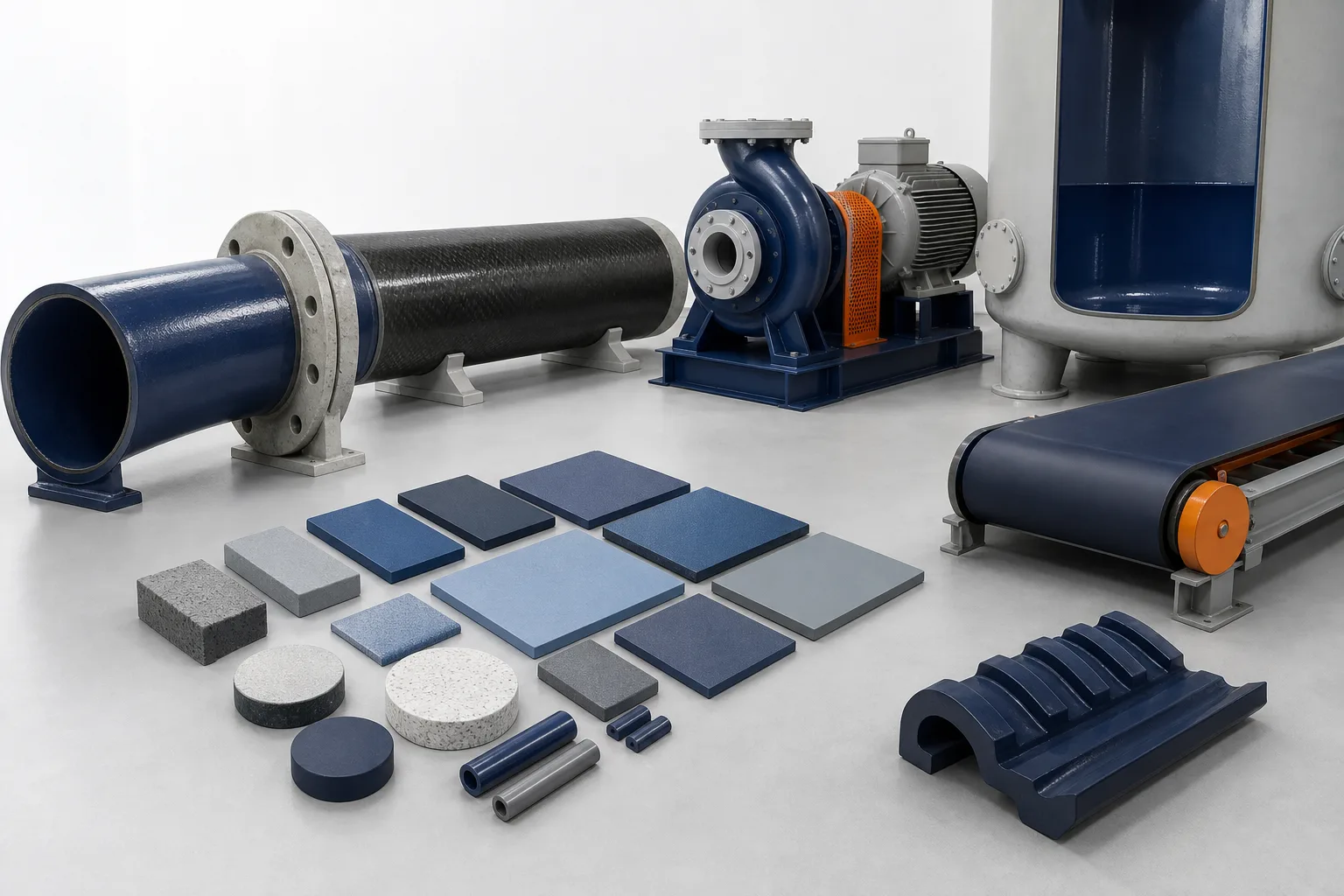
ZDS-PolyAspartic
For projects where UV resistance, weather stability, and outdoor protection are central requirements.
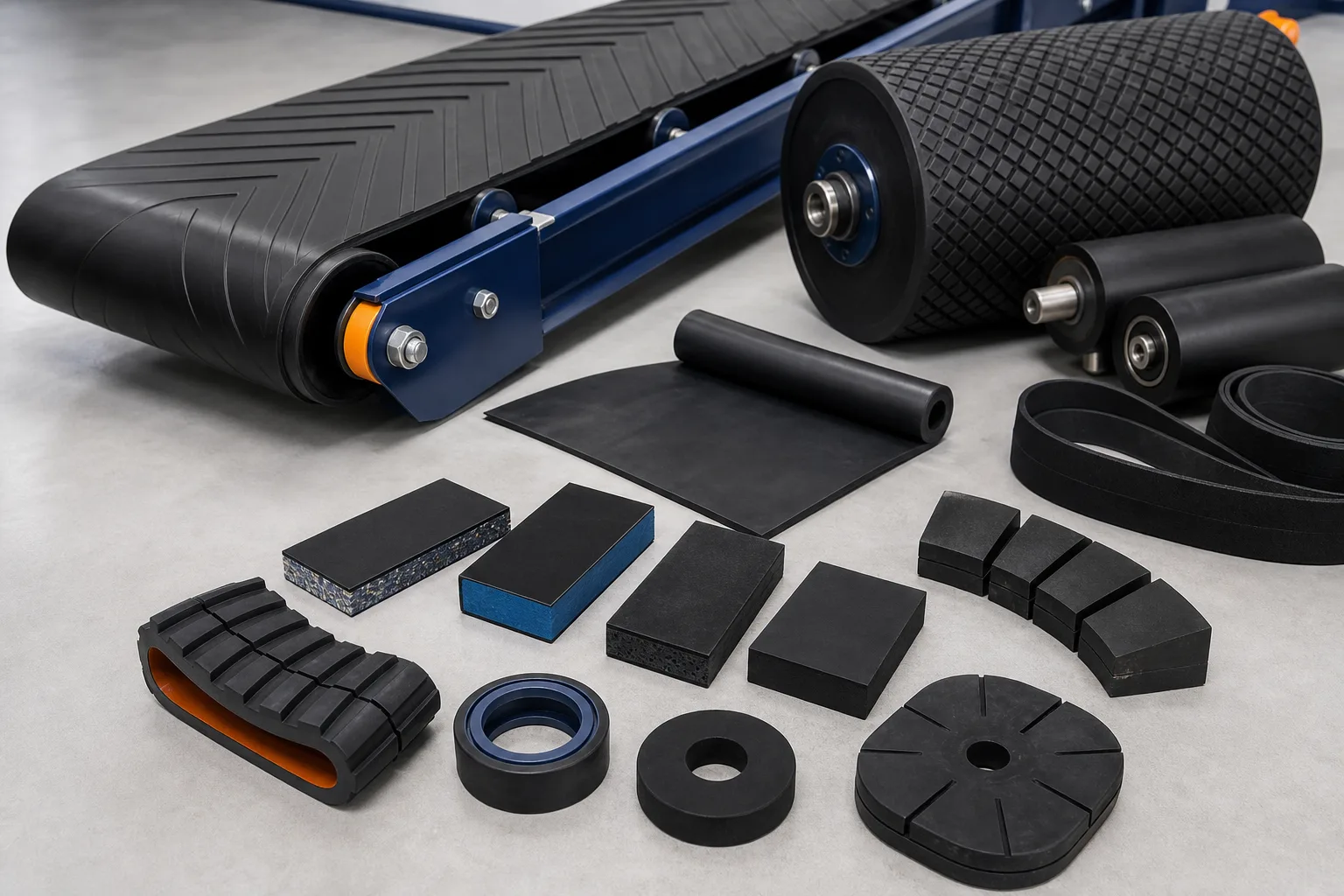
ZDS-RubberElast
For conveyor belts, rubber linings, rollers, cables, tires, and other elastomer components.

Supporting Products
Surface Preparation Products
Cleaning agents, primers, conditioners, and other supporting materials contribute to the application route. They are a supporting category, not an eighth primary product series.
Selection Factors
Factors That Affect Industrial Repair Material Selection
A supplier should discuss the repair in terms of equipment, substrate, damage, and service condition. These factors narrow the material category and define the information required for technical comparison.
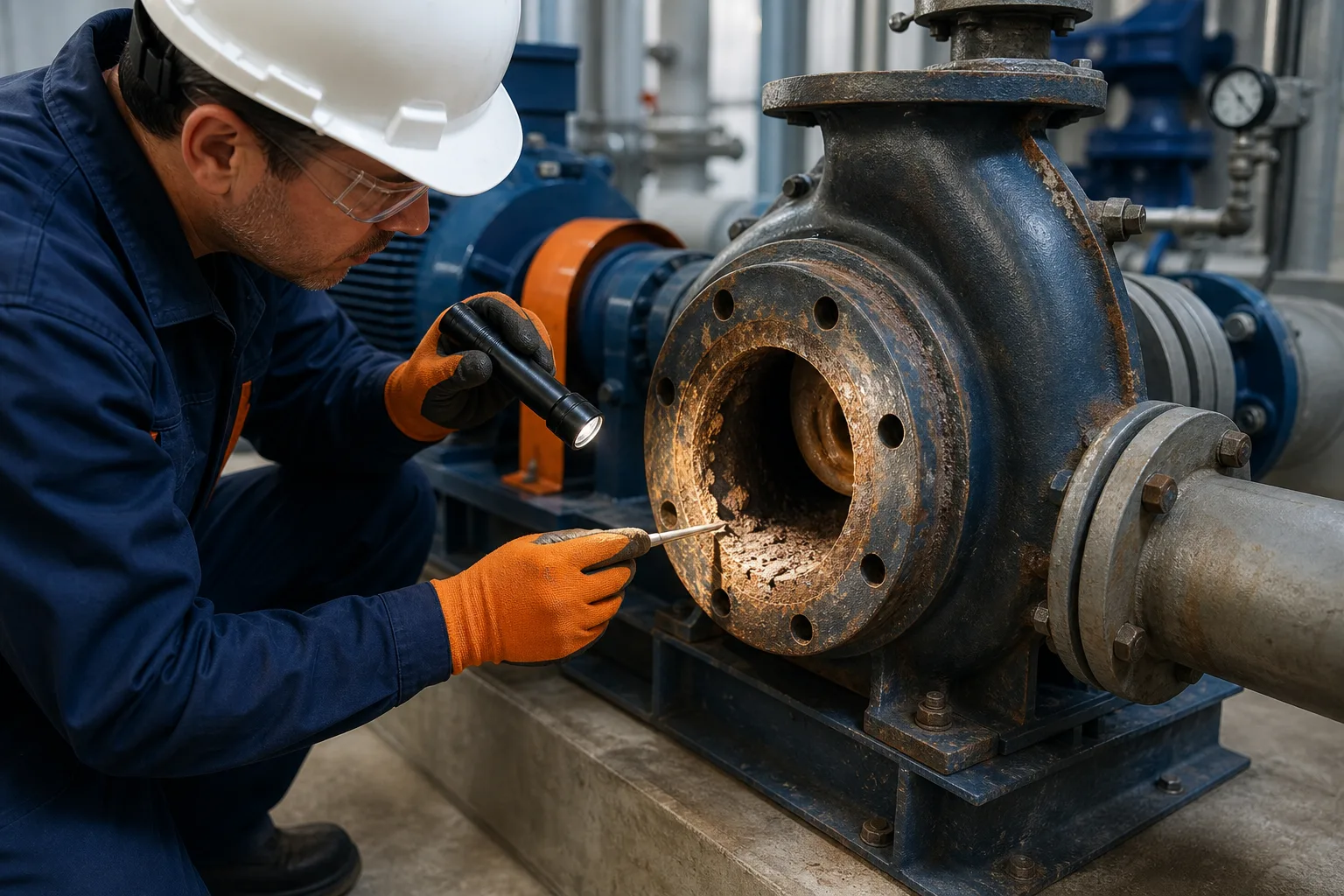
Step 1
Match the Substrate and Damage
Common substrates include metal, composite pipe, concrete-associated surfaces, rubber, and other elastomers. Damage may involve corrosion loss, cracks, leaks, erosion, cavitation, abrasion, dimensional wear, delamination, or weathering.
01
Identify known equipment such as pumps
valves, pipes, tanks, vessels, conveyors, rollers, or flue components.
02
Describe the substrate and damage
precisely enough for the supplier to exclude unsuitable material categories.
Step 2
Review the Service Condition
A material suitable for a dry workshop repair may not suit wet or underwater work. Separate normal and unusual conditions, including start-up, shutdown, cleaning chemicals, seasonal exposure, emergency access, and planned overcoating.
01
Record temperature, immersion, water
presence, chemical exposure, fluid movement, pressure, vibration, abrasion, UV exposure, and access constraints.
02
Include expected maintenance cycles and
any follow-up coating or inspection requirements.
Step 3
Define the Repair Objective
Objectives may include restoring dimensions, sealing a leak, reinforcing a pipe, protecting against wear, creating a chemical-resistant lining, or returning an elastomer component to service.
- seven primary industrial repair material series
- ZDS-MetalRebuild metal rebuilding materials
- ZDS-CompositeWrap composite reinforcement systems
- ZDS-CeramicArmor ceramic-filled wear materials
- ZDS-AquaShield underwater repair materials
- ZDS-FluidGlide lining and high-temperature systems
- ZDS-PolyAspartic outdoor protective topcoats
- ZDS-RubberElast elastomer repair materials
- Surface Preparation Products
Pipe Leak Repair
Review the repair route for leakage, substrate condition, geometry, and service exposure.
Pipe Reinforcement
Review reinforcement layout, component condition, preparation, application, and inspection requirements.
Pump Repair
Assess pump damage, dimensional restoration, protection objectives, and operating exposure.
Abrasion and Erosion
Define the wear mechanism, affected geometry, particle or fluid exposure, and preparation route.
Chemical Corrosion
Compare the actual chemical exposure with product-specific documentation and stated limitations.
High-Temperature Repair
Confirm documented operating limits, substrate conditions, curing requirements, and service cycles.
Wet-Surface Repair
Assess water presence, access, preparation, curing conditions, inspection, and service limitations.

Step 4
Check the Application Route
Preparation, mixing, application, reinforcement, curing, inspection, and return-to-service requirements should be clear before purchase. Review selection and application guidance alongside current product-specific documents.
Performance Evidence
Compare Performance Factors With Documented Evidence
Do not compare suppliers only through broad claims such as strong, fast, or chemical resistant. Request product-specific evidence and the test conditions behind stated values to determine whether a material fits the actual repair.
Substrate compatibility
Confirm the intended substrate, surface condition, preparation method, and bonding or lining route.
Exposure limits
Compare documented temperature, immersion, chemical, moisture, UV, and weathering information where applicable.
Mechanical demands
Consider load, movement, vibration, pressure, impact, abrasion, erosion, and repair geometry.
Application controls
Review working time, mixing, application thickness, curing conditions, and inspection steps in current documentation.
Acceptance criteria
Define how the sample or project will be judged, including visual condition, dimensions, leak control, adhesion observations, or other buyer-defined requirements.
Where exact limits matter, confirm them
against the current technical data sheet and actual site conditions. A general description cannot replace product-specific review.
Technical Documents
Documents to Request Before Supplier Approval
Documentation helps procurement, engineering, safety, and maintenance teams evaluate the same product consistently. Confirm document availability, revision status, language, proposed material, and target-market requirements before purchase.
Technical Data Sheets
Check intended use, substrates, preparation, mixing, application, curing, storage, performance information, and limitations.
Safety Data Sheets
Review hazards, handling, personal protection, storage, transport, spill response, and disposal information.
Application Guides
Review preparation, mixing, application sequence, curing, inspection, and field considerations.
Document Center
Use a central document route to support revision control and prepare a consistent technical evaluation file.
Sample Evaluation
Use Samples to Test the Real Repair Route
A sample supports evaluation but does not prove that a material will meet every full-scale requirement. It should represent the substrate, preparation, application method, service condition, and acceptance criteria as closely as practical.
01
Sample Policy
Review the information and conditions required for a practical material evaluation.
02
Sample Testing Support
Prepare the repair details and evaluation criteria needed for sample testing support.
03
Request a Sample
Qualified buyers can request a product sample after preparing the relevant application details.
Quality Systems
Do Not Confuse Quality Systems With Product Certification
Quality-management evidence supports supplier qualification but does not replace product-specific selection or testing. Review document control, incoming materials, in-process controls, final release, nonconformance handling, and batch records.
Quality Control
Examine the supplier's quality-control process, release logic, and management of nonconforming material.
Batch Traceability
Review available batch information, traceability guidance, and supporting record controls.
Certifications
Check current management-system certification scope, validity, and compliance information.
Supply and Channel Fit
Evaluate the Commercial and Supply Model
A technically suitable product may still be the wrong supplier fit. Distributors and importers should compare assortment, presentation, pack format, labels, cartons, instructions, documents, territory considerations, and repeat purchasing.
Manufacturing Overview
Review the manufacturing capabilities relevant to supplier qualification and supply planning.
Sample-to-Bulk Workflow
Understand the route from sample evaluation to a potential larger purchasing program.
Distributor Program
Examine the available framework before discussing a regional distribution and supply route.
Comparison Checklist
Industrial Repair Materials Supplier Comparison Checklist
Compare two or more suppliers with the same questions. Record the evidence received, missing information, and the person responsible for the next review.
Product Fit
Does the series match the substrate, damage, service condition, and objective? Record intended use, preparation, and limitations.
Performance Evidence
Are important values product-specific with test conditions? Record the TDS, test method, revision, and conditions.
Evaluation Route
Can the supplier support sample selection? Record instructions, acceptance criteria, and evaluation results.
Quality Evidence
Can the supplier explain batch control, release, traceability, and document control? Record current evidence.
Supply Fit
Can the supplier support stocking, market documents, and repeat purchasing? Record pack, label, plan, and commercial terms.
Technical Support
Is there a clear route for recommendations, specifications, quotations, and follow-up? Record contacts and next actions.
Purchase Limitations
Limits to Confirm Before Purchase
Supplier approval should account for product-specific evidence, actual site conditions, safety controls, current documents, and the limits of sample evaluation and management-system certifications.
A product category does not guarantee
suitability for every substrate, exposure, pressure, temperature, or repair geometry.
Material selection does not replace
root-cause analysis or a site safety assessment.
Active leaks, pressurized equipment
confined spaces, and emergency work require appropriate controls.
Sample observations may not predict
full-scale performance when preparation, thickness, curing, loading, or exposure differs.
Technical data sheets and safety data
sheets should be checked for current revisions and target-market requirements.
ISO 9001 and IATF 16949 describe
quality-management systems and must not be presented as product-performance certifications.
Customized formulation, packaging
private-label, OEM, ODM, and product-line requests require technical and commercial feasibility review.
Next Step
Build a Supplier Shortlist With the Right Evidence
Prepare the equipment, substrate, damage, service condition, documents, sample objectives, purchasing volume, and target-market information. ZDSChem can use these details to identify a relevant product route and appropriate review.
FAQ
Frequently Asked Questions
Compare product fit, documented performance information, application guidance, sample support, quality evidence, supply planning, and technical communication. The supplier should be able to relate the material to the substrate, damage, service condition, and repair objective.
Request the relevant technical data sheet, safety data sheet, application guidance, and quality or traceability information. Also check revision status, target-market requirements, stated limitations, and the conditions behind important technical values.
No. A sample supports evaluation but does not automatically prove full-scale suitability. The sample should use a representative substrate and preparation route, with agreed curing, exposure, inspection, and acceptance criteria.
ISO 9001 and IATF 16949 are quality-management system certifications. They support process and quality-management evaluation, but they do not certify an individual ZDSChem product’s performance, safety, compliance, or suitability for a specific repair.
Customer-specific formulation requirements may be reviewed according to the application, specification, expected volume, and target market. Technical and commercial feasibility must be confirmed before development begins, so customization is not guaranteed.
Include the equipment, substrate, damage type, repair dimensions, service conditions, preparation constraints, planned application method, photographs or drawings, required documents, expected volume, destination market, and timing information.